Overview of Printing Services in Singapore
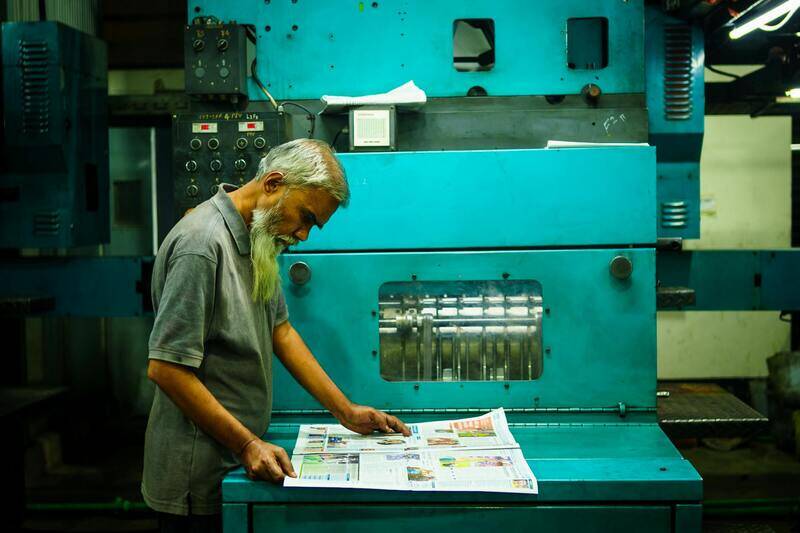
Singapore’s vibrant economy and bustling commercial landscape have fostered a dynamic printing industry that caters to a wide range of needs for both businesses and individuals. From corporate branding materials to personal photographs, printing services play a crucial role in enabling effective communication and marketing strategies. The industry is characterized by a high level of professionalism and adherence to established standards, ensuring that clients receive products of consistent quality and reliability.
Printing services in Singapore are diverse, encompassing everything from small-scale photocopying to large-format printing for banners and posters. The city-state’s strategic location and advanced infrastructure facilitate rapid turnaround times, making it an attractive hub for international companies seeking high-quality printing solutions. Whether for promotional campaigns, event materials, or everyday printing needs, local service providers are equipped with state-of-the-art machinery that supports a broad spectrum of printing techniques and finishes.

Recognized for their professionalism and innovation, printing companies in Singapore often maintain rigorous quality standards to meet international benchmarks. Their expertise extends to handling diverse materials such as paper, fabric, plastic, and metal, ensuring that client specifications are accurately met. Furthermore, the industry’s commitment to sustainability is evident through the adoption of eco-friendly practices, including the use of sustainable inks and recycled materials.
In addition to serving corporate clients, the printing industry in Singapore also supports individual consumers by offering personalized products such as custom invitations, photo prints, and creative stationery. This versatility demonstrates the industry’s ability to adapt to changing consumer preferences and technological advances. Through strategic investments and an emphasis on customer satisfaction, Singapore’s printing services continue to uphold a reputation for excellence and reliability in the region.
Types of Printing Services Available
Singapore's printing industry offers a diverse range of services tailored to meet the varied needs of businesses and consumers alike. Digital printing stands out for its speed and cost-effectiveness, making it ideal for short runs, personalized items, and quick turnarounds. This method utilizes digital files directly onto a variety of substrates, offering high-quality results with minimal setup time.
Offset printing remains a staple for larger volume projects that demand high precision and consistent color quality. Its setup process is more extensive, but it provides economical advantages for bulk printing of brochures, catalogs, and promotional materials. Additionally, offset printers in Singapore are equipped to handle large sheets and a multitude of finishes, delivering crisp images and vibrant colors.
Large format printing caters to advertisements, banners, point-of-sale displays, and exhibition backdrops. This service uses wide-format printers capable of printing on materials such as vinyl, fabric, and canvas. The versatility of large format printing enables the creation of impactful visual displays that attract attention in busy commercial environments.
Specialty printing encompasses techniques such as embossing, foil stamping, and textured finishes that add a tactile dimension to printed materials. These services are often employed for luxury packaging, certificates, and branding elements that require distinctive presentation qualities.

Common Printing Products in Singapore
- Business cards and stationery
- Brochures and flyers
- Posters and banners
- Packaging and labels
- Promotional items such as T-shirts and tote bags
- Photo prints and personalized gifts
- Event invitations and greeting cards
The spectrum of products available from printing services in Singapore ensures that both small-scale and large-scale projects are supported with high standards of quality and creativity. Each product can often be customized with unique finishes and materials to enhance branding and visual appeal.
Technological Trends in Singapore's Printing Industry
Singapore's printing industry has seen rapid advancements driven by rapid technological innovation, resulting in higher quality outputs and more efficient processes. Digital printing has become the dominant technology, offering quick turnaround times and cost-effective options for small to medium-sized runs. This method allows for personalized printing, enabling businesses to produce customized marketing materials without significant setup costs. Advanced digital presses boast high resolution and precise color reproduction, ensuring that printed visuals are sharp and vibrant.
Meanwhile, traditional offset printing remains relevant for larger volume orders where color consistency and detail are paramount. Modern offset presses incorporate automation and environmentally friendly features, reducing waste and improving energy efficiency. These advancements support the sustainability goals of many organizations while maintaining high standards.
Large-format and wide-format printing also continue to evolve, utilizing new inks and materials that withstand environmental elements better. UV-curable inks are now commonplace, providing durable and weather-resistant finishes suitable for outdoor signage or high-traffic displays. The incorporation of environmentally friendly inks and recyclable substrates aligns with the nation's push towards sustainability.
In addition to printing technologies, digital workflows and cloud-based management systems have streamlined the production process. These systems facilitate seamless job tracking, file management, and quality control, reducing lead times and minimizing errors. Automation in pre-press and finishing processes ensures consistent quality, particularly in complex projects involving numerous customized elements.

Legal and Quality Standards in Printing Services
Maintaining high standards in printing services is essential for delivering consistent, reliable, and professional results. Reputable printing providers in Singapore adhere to established quality assurance protocols, which include rigorous checks at various production stages—from file preparation to final output. This focus on standards ensures that clients receive products that meet both aesthetic expectations and functional requirements.
Printers must comply with industry-specific guidelines related to color management, material safety, and environmental impact. Color calibration procedures are essential for achieving accurate color reproduction, especially for branding and marketing materials where color fidelity is critical. Adherence to safety and environmental standards involves using certified inks and adhesives that minimize harmful emissions and promote sustainability.
For quality assurance, most established printing companies implement comprehensive quality control measures such as:
- Pre-press proofing and digital validations
- Color matching and consistency checks
- Regular equipment calibration and maintenance
- Final inspections to ensure defect-free outputs
In addition to internal quality measures, many service providers seek certifications or accreditations from recognized industry bodies, demonstrating their commitment to excellence and adherence to best practices. Such credentials often include ISO certifications and specific environmental or safety standards, reinforcing trust with clients.

Choosing the Right Printing Service Provider
Selecting a suitable printing partner involves careful evaluation of several key factors. Clients should prioritize providers that demonstrate consistent quality, efficient turnaround times, competitive pricing, and excellent customer service. Technological capabilities, including advanced machinery and digital workflows, are also critical indicators of a company's ability to deliver tailored, high-quality products.
Questions to consider include:
- Does the provider utilize state-of-the-art printing technology?
- Are quality control procedures in place?
- Can they meet your required deadlines?
- Are their pricing structures transparent and competitive?
- Do they offer a broad range of printing options to suit your needs?
Engaging with a printing service that has a solid reputation and ample industry experience often results in better service and more reliable outcomes. Customer testimonials and case studies can provide insights into their track record, while direct consultations may uncover how well they understand and cater to your specific requirements.

Legal and Quality Standards in Printing Services
Adherence to established standards and regulations is fundamental in maintaining the integrity and reliability of printing services in Singapore. Industry professionals are required to comply with stringent quality management protocols that govern the entire production process, from raw material procurement to final output. This compliance ensures that printed materials meet specified benchmarks for durability, color accuracy, and overall appearance, which are critical for branding, marketing, and official documentation.
Factories and service providers often implement comprehensive quality control systems. These include routine inspections, calibration of printing equipment, and continuous staff training to keep up with technological advancements. Such measures minimize errors, reduce waste, and guarantee consistent results across different batches. For critical applications such as corporate branding materials, financial documents, or legal certificates, maintaining high standards is not merely an option but a necessity.

Beyond internal procedures, credible print service providers often seek certification from established international bodies. Certifications such as ISO 9001 for quality management demonstrate a facility's commitment to delivering top-tier products. Additionally, environmental sustainability standards, like ISO 14001, showcase efforts to reduce ecological impact without compromising quality. This balance aligns with Singapore’s regulatory landscape, which emphasizes sustainable business practices.
Regular audits and assessments by independent agencies provide an extra layer of assurance to clients, confirming that the provider maintains compliance with relevant standards. This transparency fosters trust and provides peace of mind that the printed materials will perform reliably in their intended settings. Whether for commercial print runs or personalized items, working with providers committed to these standards ensures that every piece produced aligns with the highest expectations for quality and safety.

In the context of digital and creative printing, adherence to standards extends to color management and material safety. Precise color reproduction is essential for brand consistency, and accredited providers utilize industry-standard color management systems to achieve this. Similarly, the use of non-toxic, environmentally friendly inks and materials is increasingly integral to service offerings, reflecting Singapore's commitment to sustainability and health safety.
For clients, understanding a service provider’s compliance practices offers confidence in the longevity and accuracy of printed materials. Asking about certifications, quality control processes, and environmental policies during the selection process is a recommended step to ensure your printing partner meets all necessary benchmarks for quality, safety, and environmental responsibility.
Legal and Quality Standards in Printing Services
Ensuring adherence to established standards is a fundamental aspect of professional printing operations in Singapore. Reputable printing service providers implement comprehensive quality management systems that conform to industry benchmarks, ensuring consistent output quality and operational integrity. These standards typically encompass multiple facets, including material safety, print accuracy, durability, and environmental considerations.
In Singapore, service providers often align their practices with recognized quality assurance frameworks such as ISO certifications, which specify rigorous requirements for quality management systems. These certifications not only demonstrate a commitment to operational excellence but also provide clients with confidence in the consistency and reliability of the printed materials. Additionally, adherence to environmental standards, such as those promoting the use of eco-friendly inks and recyclable materials, reflects the industry’s effort to meet Singapore’s sustainability targets.
Compliance with safety standards is equally crucial, especially for printed products that come into contact with the public or are used in sensitive environments. Providers that prioritize safety typically employ non-toxic, biodegradable inks and ensure their manufacturing processes do not pose health risks to consumers or the environment. This commitment to safety and quality control distinguishes established printing businesses from less compliant operators, safeguarding brand reputation and customer satisfaction.

High-quality printing providers also maintain meticulous records of their production processes and perform regular audits to verify compliance. These practices help identify areas for improvement and reinforce the company’s dedication to excellence. Certifications, adherence to standards, and transparent reporting foster trust among clients, ensuring that the final printed products meet specified criteria for quality, safety, and environmental responsibility.
Clients are advised to inquire about a potential printing partner’s certification and compliance credentials before engaging their services. Understanding a provider’s certification history, quality control procedures, and environmental policies equips businesses with the knowledge to make informed decisions. Such due diligence ensures that printed materials will not only meet immediate requirements but will also withstand long-term use and uphold the integrity of brands and messages.
Legal and Quality Standards in Printing Services
Maintaining high standards in printing services is essential for ensuring customer satisfaction and consistent product quality across Singapore’s vibrant printing industry. Sector-specific compliance involves adherence to strict regulations governing the use of inks, substrates, and finishing techniques, all of which contribute to safe and durable printed materials. Reputable printing service providers enforce rigorous quality assurance protocols, including detailed inspections at various production stages, to detect and rectify any defects before products reach clients.
Quality assurance begins with meticulous process controls, such as calibration of printing equipment and monitoring of environmental conditions within production facilities. This ensures color consistency, sharp resolution, and adherence to specified dimensions. Many established providers invest in modern machinery that meets international standards for print precision, reducing errors and waste. Furthermore, certifications such as ISO standards for quality management systems (ISO 9001) serve as indicators of a company's commitment to continuous improvement and operational excellence.
Copyright considerations are equally vital in the printing industry. Efficient copyright management safeguards intellectual property, whether it relates to artwork, logos, or proprietary designs. Printing companies often implement strict protocols to verify ownership rights and prevent unauthorized reproductions, thereby avoiding legal complications. Clear communication with clients regarding usage rights, licensing agreements, and restrictions ensures transparency and prevents disputes. Clients are encouraged to provide all necessary documentation confirming rights over the content to mitigate potential issues during production.
Environmental sustainability also plays a significant role in quality standards. Leading printing service providers utilize eco-friendly inks, soy-based or water-based adhesives, and recyclable substrates whenever possible. These practices are aligned with Singapore’s national sustainability goals and are often integrated into corporate policies officially recognized by relevant authorities. Such environmentally responsible operations not only meet regulatory requirements but also resonate positively with environmentally conscious consumers.
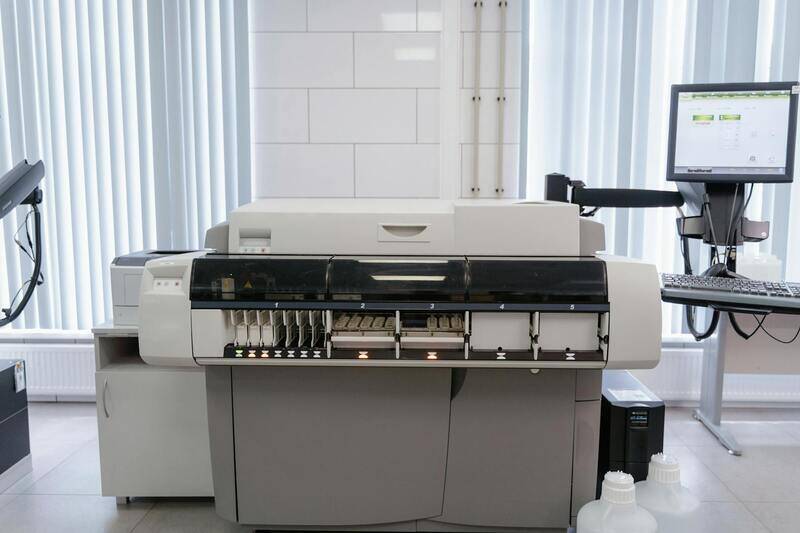
To select a reputable printing partner capable of meeting these comprehensive standards, businesses should examine accreditation credentials, prior client reviews, and their adherence to environmental and safety protocols. An established provider’s transparency regarding their quality management systems and compliance history offers valuable insight into their operational integrity. By prioritizing these aspects, companies can ensure their printed materials) are crafted to the highest standards—aligned with industry regulations and committed to delivering excellence in every print run.
Comprehensive Safety and Quality Standards in Printing Services in Singapore
Adhering to rigorous safety and quality protocols is essential for maintaining the integrity and reliability of printing outputs in Singapore. Reputable printing providers uphold strict standards that encompass the entire production process, from sourcing raw materials to final delivery. These standards are vital in ensuring that printed materials meet both industry benchmarks and client expectations, thereby fostering trust and long-term partnerships.
Standards and Certifications in the Industry
Printing companies often obtain certifications from recognized industry bodies that affirm their compliance with quality management, environmental sustainability, and safety protocols. Examples include ISO 9001 for quality management systems and ISO 14001 for environmental management. Holding these certifications indicates a company's commitment to continuous improvement and adherence to internationally recognized standards.
Material Quality and Supplier Relationships
High-quality printing begins with the careful selection of substrates and inks. Leading providers work exclusively with trusted suppliers who supply materials that meet stringent safety and performance criteria. These materials are tested for durability, color accuracy, and environmental safety. Such diligence ensures that the final product not only fulfills aesthetic and functional requirements but also complies with safety regulations relevant to specific industries, such as healthcare, food packaging, or pharmaceuticals.
Technological Assurance and Inspection Processes
To guarantee optimal results, printing services incorporate advanced inspection methods during and after production. Technologies like spectrophotometers assess color fidelity, while automated quality control systems detect potential defects early in the process. Post-production inspections confirm that delivery standards are met, and that no compromised materials or errors are included.

Environmental and Safety Compliance
Filtered through Singapore's regulatory frameworks, printing service providers prioritize eco-friendly practices to minimize environmental impact. This involves the use of water-based and soy-based inks, recyclable substrates, and energy-efficient machinery. Adherence to these practices not only aligns with national sustainability policies but also addresses consumer expectations for environmentally responsible products. In addition, strict safety protocols are implemented to protect workers and clients, involving safe handling, storage of hazardous materials, and thorough staff training.
Assessment for Client Confidence
Clients considering a printing service should review the provider’s compliance documentation, process audits, and customer feedback. Transparent communication about the quality control measures and safety standards further demonstrates a provider’s dedication to delivering reliable and safe printed materials. Regular audits and updates ensure ongoing adherence to evolving standards, preventing issues related to safety breaches or quality lapses.