Overview of Printing Industry in Singapore
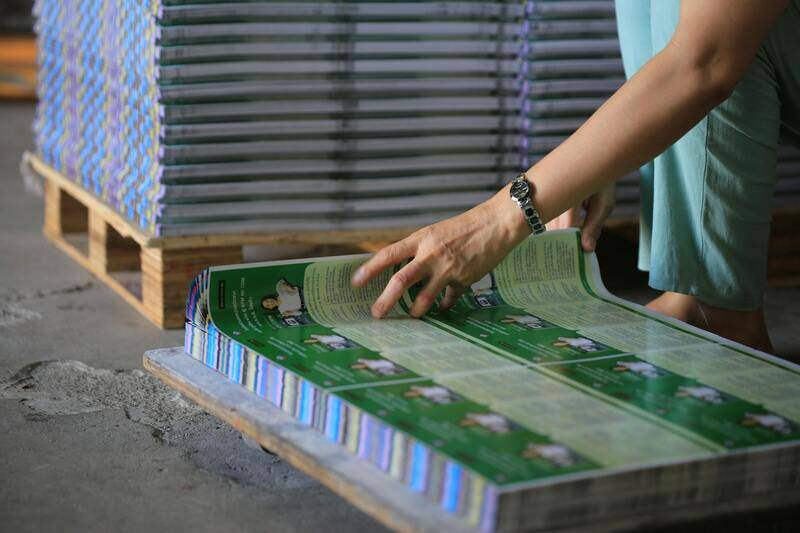
The printing industry in Singapore is a vital segment of the nation's broader manufacturing and service sectors, contributing significantly to business communications, marketing, and production processes. With its strategic location and highly developed infrastructure, Singapore has established itself as a regional hub for printing services, attracting both local enterprises and international clients. The industry encompasses a wide range of activities, from commercial printing and packaging solutions to specialized applications such as labels, textiles, and digital prints.
Singapore’s printing sector is characterized by its advanced technological adoption and adherence to high-quality standards. This has enabled local printing companies to compete effectively in regional and global markets. Industry leaders often invest in cutting-edge equipment and sustainable practices to meet the evolving needs of their clients, who demand precision, speed, and eco-friendly options.
Market trends indicate a growing demand for personalized products, short-run printing, and innovative material applications. The industry is also witnessing a shift towards digital printing, which offers flexibility and faster turnaround times compared to traditional methods. Moreover, the rise of e-commerce, modern branding strategies, and multimedia advertising continues to drive the expansion of printing services across various sectors including retail, healthcare, education, and corporate communications.

The industry is predominantly composed of well-established companies with strong local heritage as well as a number of emerging startups that focus on niche markets. These companies often collaborate with designers, marketers, and content creators to deliver customized printing solutions tailored to specific business needs. As a result, Singapore remains a competitive and innovative player in the global printing landscape.
Overall, the printing industry in Singapore demonstrates resilience and adaptability, positioning itself for continued growth through technological advancements and a commitment to quality and sustainability. The sector’s robust infrastructure, skilled workforce, and strategic focus on sustainable practices ensure its capacity to meet future challenges and opportunities effectively.
Materials and Substrates Used
Choosing the right materials and substrates is critical to achieving the desired quality and durability in printing projects. In Singapore, the industry utilizes a wide array of substrates, ranging from traditional paper and cardstock to innovative materials that cater to specialized needs.
Common paper types include gloss, matte, satin, and textured finishes, each suitable for different applications such as marketing flyers, business cards, and packaging. For larger-format printing, materials like vinyl, canvas, and polyester are popular, especially for outdoor signage and banners that require weather resistance and longevity.
Besides standard substrates, there is an increasing demand for eco-friendly options. Recyclable papers, biodegradable films, and plant-based inks are frequently used to align with sustainable practices. These environmentally conscious materials not only meet regulatory standards but also appeal to clients committed to corporate social responsibility.

Advanced substrates such as textured plastics, metal sheets, and transparent films are increasingly employed in high-end packaging and branding efforts. These materials enhance visual impact and provide added protection, reinforcing brand identity and product quality.
Incorporating UV and specialty coatings on substrates can enhance resistance against scratches, moisture, and fading, ensuring that printed materials maintain their appearance over time. For projects requiring specific tactile effects or visual enhancements, substrates with embedded textures, embossing, or foil stamping are selected to meet aesthetic and functional demands effectively.
Technologies and Equipment in Printing
Modern printing operations in Singapore leverage state-of-the-art technology to deliver optimal results. Digital printers, equipped with high-resolution capabilities and versatile color management, allow for rapid turnaround and customization. Offset printing remains prevalent for high-volume jobs, offering consistent quality and cost-efficiency at scale.
Large-format printers are employed extensively for signage, banners, and exhibition displays. These machines utilize specialized inks and substrates to produce vivid, durable images suitable for indoor and outdoor environments. Advanced printing equipment also includes 3D printers and specialty presses capable of creating textured and embossed effects, expanding creative possibilities.
Automation and integrated workflow management systems improve efficiency, reduce errors, and shorten delivery timelines. Additionally, the adoption of eco-friendly technologies, such as low-VOC inks and energy-efficient machinery, reflects the industry’s commitment to sustainability.

Computer-to-plate (CTP) systems streamline offset printing setups, eliminating the need for traditional plates and reducing waste. Meanwhile, hybrid printing solutions combine digital and offset processes, enabling seamless printing of both small and large runs with adaptive solutions tailored to project requirements.
Factors to Consider When Choosing a Printing Service
Clients should evaluate several factors when selecting a printing provider in Singapore. These include the range of services and technological capabilities, turnaround times, pricing structures, and after-sales support. It’s also crucial to assess the company's experience in handling specific materials and substrates relevant to your project.
Quality assurance processes and adherence to industry standards play a significant role in ensuring consistent results. Certifications such as ISO 9001 reflect a commitment to quality management, while environmentally focused practices indicate responsible business operations.
Effective communication and the ability to provide samples beforehand can help in aligning expectations and achieving desired outcomes. Proximity and logistic capabilities are additional considerations that influence project timelines and costs, especially for larger or time-sensitive orders.
Environmental Sustainability in Printing
Responsibility towards environmental impact has become a core aspect of Singapore’s printing sector. The movement towards recyclable materials, biodegradable inks, and waterless printing methods minimizes ecological footprints. Many printing companies actively pursue green certifications and participate in sustainability programs to meet green building standards and environmental regulations.
Reduced waste through digital printing, efficient use of resources, and eco-conscious disposal practices further support sustainable development within the industry. Clients are increasingly seeking printers that demonstrate environmental responsibility, reinforcing the importance of transparency and eco-certifications in service selection.
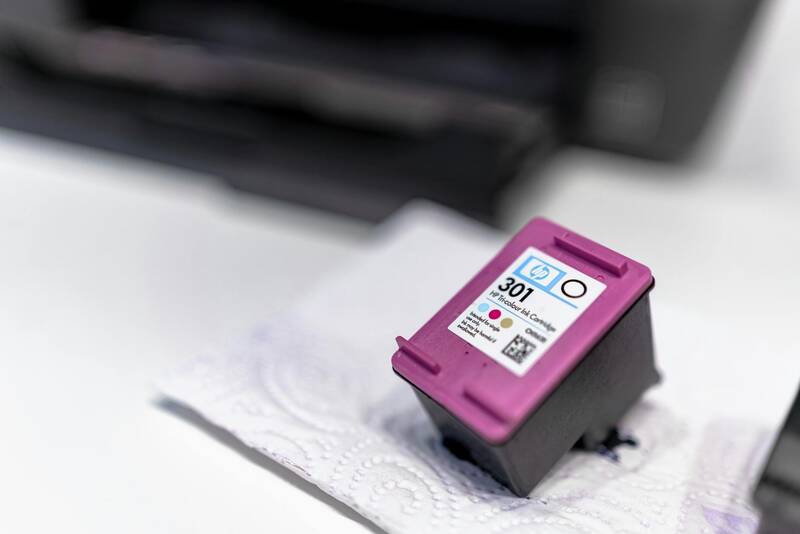
Promoting sustainability not only helps in complying with regulations but also enhances brand image in a market that values environmentally conscious business practices. As sustainable options become more accessible and affordable, the industry’s overall commitment to responsible printing continues to strengthen.
Legal and Quality Standards for Printing in Singapore
Adhering to established standards is essential for maintaining consistency, safety, and quality in printing services across Singapore. The local printing industry is governed by various regulations and standards that ensure products meet specific requirements, whether for commercial, promotional, or personal use. These standards help uphold the reputation of printing providers and ensure customer confidence in the final output.
ISO certification, for instance, is a widely recognized benchmark for quality management systems. Many printing companies in Singapore pursue ISO 9001 certification to demonstrate their commitment to delivering consistent and superior quality. This certification covers various aspects of the operation, including workflows, staff training, and quality control measures.
In addition to ISO standards, adherence to Singapore’s environmental regulations, such as waste disposal and emissions standards, is crucial for operators aiming to run sustainable and responsible printing businesses. These guidelines help reduce the environmental impact of printing activities, promoting eco-conscious practices without compromising on quality.
Printing in Singapore also involves strict compliance with consumer protection laws, ensuring accurate representation of print products, honest pricing, and transparent dealings. This compliance fosters trust between service providers and clients, reducing disputes and encouraging long-term partnerships.

To meet the diverse needs of clients, many printers invest in advanced quality control systems and modern machinery that align with these standards. Regular inspections, calibration of equipment, and staff training are integral parts of maintaining high-quality outputs that adhere to local and international benchmarks.
Ultimately, compliance with these standards enhances a printing company’s credibility and ensures that clients receive products that are not only visually appealing but also durable, safe, and environmentally responsible. Choosing a printing provider that prioritizes adherence to recognized standards ensures the longevity and professionalism of the finished prints.
Materials and Substrates Used
Printing in Singapore employs a diverse range of materials and substrates tailored to meet various industry needs. The choice of substrate, whether paper, vinyl, fabric, or specialty materials, significantly influences the durability, appearance, and functionality of the final product. For example, heavy-duty substrates like laminated paper or weather-resistant vinyl are preferred for outdoor signage, ensuring longevity despite environmental exposure.
In recent years, advancements in materials technology have led to the development of environmentally friendly substrates that reduce ecological footprints. Recyclable papers, biodegradable plastics, and eco-conscious fabrics are increasingly in demand, aligning with Singapore's push towards sustainable practices across industries.

Furthermore, the industry makes extensive use of specialty materials like transparent films, textured papers, and reflective surfaces, which enable creative flexibility and unique visual effects. The compatibility of these substrates with various printing technologies plays a vital role in achieving high-quality results.
Choosing the appropriate materials involves considerations such as adhesion properties, thickness, and compatibility with printing inks or toners. Printers often work closely with suppliers to ensure substrate quality and consistency, which in turn impacts the precision, vibrancy, and overall presentation of the printed products.
- Heavy-duty and weather-resistant materials for outdoor applications
- Eco-friendly substrates to promote sustainability
- Specialty materials for creative effects and branding
- High-quality papers for digital and offset printing
Adoption of advanced substrates also encourages innovative printing methods such as textile printing and 3D printing, broadening the scope of possibilities available to local businesses. The careful selection of materials ensures the final product not only meets aesthetic demands but also withstands the conditions of its intended environment.
Legal and Quality Standards for Printing in Singapore
Maintaining high standards in the printing industry requires adherence to established guidelines that ensure consistency, safety, and quality across all printing endeavors. Certified printers in Singapore often comply with national and industry-specific standards that govern the use of inks, substrates, and printing processes.
Standardized quality management systems, such as those aligned with international benchmarks, help printing companies optimize their operations, minimize errors, and deliver reliable results consistently. These frameworks encourage the implementation of rigorous quality controls at each stage of the printing process— from the initial design and material selection to the final inspection and delivery.
In addition, the use of environmentally friendly inks and sustainable substrates often falls under specific regulatory parameters, supporting the nation’s commitment to eco-conscious business practices. Companies that prioritize environmental considerations typically pursue certifications or endorsements that demonstrate compliance with local environmental standards and best practices.
Adopting comprehensive quality assurance procedures not only boosts customer confidence but also enhances competitiveness within the vibrant Singaporean printing industry. This includes regular staff training, calibration of printing equipment, and meticulous inspection protocols to identify and rectify defects before product distribution.
Moreover, businesses often seek to attain industry recognitions and accreditation from reputable bodies, which serve as testament to their commitment to quality and compliance. These credentials can be a decisive factor for clients who depend on precision and durability in their printed materials.

Ultimately, maintaining harmony between adherence to standards and technological innovation is key to achieving excellence in Singapore’s printing landscape. Companies that remain updated on the latest regulatory developments and industry best practices position themselves for sustained growth and reputation within this competitive sector.
Legal and Quality Standards for Printing in Singapore
Operating within Singapore's printing industry necessitates adherence to established legal and quality standards that ensure consistent, high-quality output while safeguarding consumers and businesses alike. These standards encompass a broad spectrum of regulations aimed at promoting safety, environmental sustainability, and consumer protection. Printing companies are expected to comply with national codes that outline parameters for the safe use of inks, chemicals, and substrates, along with standards for emission controls and waste management.
Quality assurance processes are integral to maintaining adherence to these standards. Regular calibration of printing equipment, staff training on industry best practices, and rigorous inspection protocols help prevent defects and ensure the consistency of printed materials. Many organizations adopt internationally recognized certifications such as ISO 9001 to demonstrate their commitment to quality management systems, which foster continuous improvement and operational excellence.
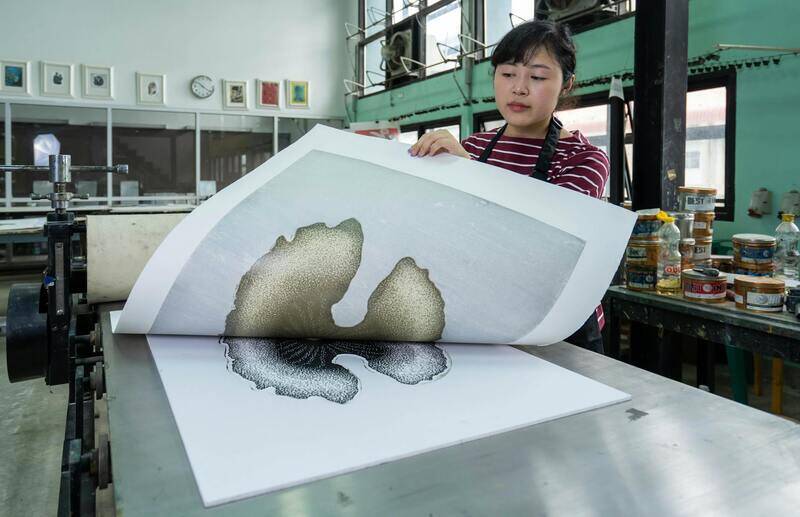
Furthermore, specific industry-focused standards govern the use of materials, particularly those related to environmental and health safety. For example, the use of low-VOC (volatile organic compounds) inks and sustainable substrates align with Singapore’s environmental policies and consumer expectations for eco-responsible practices. Adherence to these standards not only reduces environmental impact but also offers businesses a competitive edge by aligning with the increasingly eco-conscious market demands.
Legal compliance extends to the proper handling and disposal of chemicals, certification of recycled or eco-friendly materials, and transparency in labeling and advertising. Businesses that actively pursue certifications and conform to these regulations foster trust, streamline their operational processes, and avoid potential penalties or disruptions.

In an industry characterized by rapid technological evolution, ongoing training and updates on regulatory changes are vital. Companies often participate in industry seminars and workshops that highlight the latest standards, technological advances, and regulatory requirements. This proactive approach ensures their compliance remains current and enables them to incorporate best practices that enhance overall quality and efficiency.
As the sector grows, authorities in Singapore continuously evaluate and update standards to reflect innovations in materials and technology. The implementation of these evolving standards supports the industry’s resilience and adaptability, providing a stable foundation for continued growth and excellence in printing services across the nation.
Standards and Certifications in Singapore's Printing Sector
Adherence to recognized standards and certifications is fundamental in maintaining high quality and consistent output in Singapore's printing industry. Facilities often seek certifications such as ISO 9001, which emphasizes quality management systems, to demonstrate their commitment to operational excellence. Additionally, certifications that focus on environmentally friendly practices, such as ISO 14001, reinforce their efforts in sustainable operations. Accreditation from relevant bodies assures clients that the printing services meet rigorous benchmarks for safety, quality, and environmental responsibility, fostering trust and credibility within the market.
Moreover, compliance with local licensing requirements ensures that all printing establishments operate within the legal framework and uphold industry-specific standards. Regular audits and inspections by regulatory agencies help to verify that printing companies adhere to the prescribed norms. These checks encompass the ethical sourcing of materials, controlled chemical use, waste management, and worker safety protocols. Consistent compliance minimizes disruptions and enhances the reputation of the service providers, positioning them as dependable partners for businesses seeking reliable printing solutions.
To meet the growing demand for high-quality printing across various sectors, companies must implement robust quality control procedures. This involves rigorous inspection at multiple stages—from raw material procurement to the final print product. Quality assurance teams employ standardized testing methods to verify color accuracy, resolution, and durability, ensuring deliverables align with client specifications. Regular employee training on quality standards and technological updates further elevates service excellence, enabling companies to stay competitive in Singapore’s dynamic printing landscape.

Key Technologies Shaping the Future of Printing in Singapore
Innovation continues to drive the evolution of printing techniques in Singapore, as industry players adopt advanced technologies to meet diverse client requirements. Digital printing remains at the forefront, offering speed and customization capabilities that benefit sectors like marketing, fashion, and personalized products. High-definition UV printing enhances durability and vividness, suitable for both indoor and outdoor displays, while 3D printing opens avenues for prototyping and manufacturing complex components in industries such as healthcare and aerospace.
Automation and smart printing solutions are also gaining traction, streamlining workflows and reducing turnaround times. Integration with digital management systems facilitates real-time monitoring, quality control, and inventory management, boosting productivity and operational transparency. Furthermore, sustainable printing technologies—such as eco-solvent inks and energy-efficient presses—are increasingly prevalent, aligning technological progress with environmental commitments.

Choosing the Right Printing Partner in Singapore
When selecting a printing service provider, it is essential to evaluate their expertise, equipment, and commitment to quality standards. Reputable companies often highlight their portfolio, showcasing a diverse range of projects that demonstrate versatility and technical proficiency. Clients should also inquire about the specific certifications and accreditations the company holds, as these reflect its dedication to quality assurance and sustainable practices.
Communication skills and project management capabilities are equally important. A reliable printing partner maintains transparent dialogues, understands client needs thoroughly, and provides clear timelines and cost estimates. Additionally, reviewing client testimonials and case studies offers insights into the company's track record and professionalism.
Cost considerations should be balanced with quality and service reliability. While competitive pricing is attractive, it should not compromise adherence to quality standards or timely delivery. Bundled services—such as design, proofing, and delivery—add convenience and ensure all aspects of the printing process are seamlessly integrated, reducing the risk of errors and delays. Ultimately, selecting a partner with a proven reputation for excellence, technological capability, and eco-responsiveness guarantees a successful printing experience aligned with your business objectives.
Legal and Quality Standards for Printing in Singapore
Ensuring that your printed materials meet set standards is crucial for maintaining professionalism and brand integrity. Singapore enforces a comprehensive framework of regulations and quality assurance measures that print service providers must adhere to, aligning with national and international best practices. These standards verify that printed outputs are consistent, durable, and safe for various applications.
ISO certifications, such as ISO 9001 for quality management systems, are commonly held by reputable printing companies in Singapore. These certifications affirm their commitment to continuous improvement, defect reduction, and client satisfaction. Companies that pursue such recognitions typically implement rigorous quality control processes at each stage of the printing operation, from pre-press preparations to finishing touches.
Furthermore, certain industries, such as healthcare, finance, and legal services, operate under specific regulatory requirements pertaining to the confidentiality, accuracy, and security of printed documents. Printing providers servicing these sectors often adopt additional procedures to ensure compliance, including secure handling of sensitive information and verified color matching for branding consistency.

Apart from formal certifications, adherence to local environmental and safety standards also influences a printing company's reputation. The Singapore Environment Council, for example, encourages the adoption of eco-friendly practices such as using sustainable substrates, vegetable-based inks, and waste reduction strategies. Clients seeking high-quality printing services should verify that their providers follow these environmental guidelines, ensuring sustainability alongside quality.
Accreditation by industry bodies and participation in quality assurance programs reinforce a company's dedication to excellence. These recognitions typically involve regular audits and assessments, helping clients identify print providers capable of delivering consistent results aligned with their specific needs. By prioritizing companies with demonstrated compliance to recognized standards, businesses can achieve not only visual impact but also operational reliability and environmental responsibility.