Order Booklet Printing: A Comprehensive Guide to Quality and Efficiency
Types of Booklet Printing Services
Booklet printing encompasses a variety of options designed to cater to diverse needs, from professional corporate materials to personalized event handouts. The selection of the right printing service hinges on several factors including binding methods, paper quality, and finishing touches. Popular binding options include saddle stitching, where staples secure the pages along the fold, ideal for smaller booklets with up to 48 pages.
For more substantial publications, perfect binding offers a sleek, magazine-like appearance with glued spines that accommodate hundreds of pages. Spiral binding provides durability and ease of use, especially for manuals and catalogs that require frequent handling. Additionally, wire-o binding is a stiff spine binding, allowing the booklet to lay flat, enhancing usability for instructional material.

Paper quality is another critical aspect, ranging from standard offset papers to premium coated stocks with finishes such as gloss or matte. High-quality paper enhances the tactile experience and visual appeal, making a significant impact during client presentations or marketing campaigns. Finishing touches like UV coating, lamination, or spot varnishing further elevate the final product, providing resistance and a polished appearance.
Design Considerations for Booklets
Effective booklet design is essential for engaging readers and conveying information clearly. The layout and graphics should be aligned with the intended purpose, whether promotional, instructional, or informational. Consistent use of brand elements, intuitive navigation, and high-resolution images ensure a professional appearance. It is also vital to consider bleed settings and margins during the design phase to prevent unintended cropping and ensure a seamless look.
Utilizing a grid system can help maintain alignment and balance throughout the pages, while choosing a legible font size and style guarantees readability. Incorporating white space thoughtfully prevents clutter and guides the reader’s eye through the content efficiently. When submitting artwork, adhering to specified dimensions and color profiles—such as CMYK—ensures color accuracy and print fidelity.
Choosing the Right Paper and Materials
The selection of paper and material finishes plays a pivotal role in the perceived quality of the booklet. Thinner papers, like 70-80gsm, are suitable for multi-page booklets needing cost-efficiency, while heavier stocks—such as 120-170gsm—provide durability and a premium feel. For cover pages, thicker cardstock or laminated materials are recommended to withstand handling and add aesthetic value.
Environmental considerations are increasingly influencing choices, prompting opt for recycled or sustainably sourced papers without compromising print quality. Coatings and laminates on covers can also provide resistance against moisture, smudges, and wear, extending the lifespan of the printed booklet.
Printing Techniques and Costs
Offset printing remains the preferred method for larger quantities due to its cost-effectiveness and consistent quality. Digital printing offers flexibility for smaller runs and quick turnarounds, ideal for prototypes or short-term projects. Screen printing may occasionally be used for specific types of finishes or special ink effects but is less common in booklet production.
The costs associated with booklet printing depend on factors such as page count, size, paper choice, binding, and finishing. Bulk orders typically benefit from economies of scale, reducing the per-unit expenditure. Additional costs may include custom die cuts, embossing, or specialty coatings, which can significantly enhance the tactile and visual impact but should be planned within the budget accordingly.
Quantity and Turnaround Time
Order quantities influence production schedules and costs. While small quantities can often be completed within a few days, larger runs require more planning and may extend turnaround times. Accurate forecasting ensures you meet your deadlines without compromising on quality. Urgent needs can sometimes be addressed through expedited printing options, albeit with premium charges.
For consistent campaigns or extensive distribution, setting up long-term printing arrangements can provide both cost efficiency and reliable delivery timelines.
File Preparation and Artwork Submission
Proper preparation of digital files is fundamental to achieving high-quality print outcomes. Files should be created in high resolution (minimum 300 dpi), using correct color modes (CMYK), and formatted according to the printer’s specifications. Including bleed areas and safe margins prevents unintended clipping of design elements during trimming.
Accepted file formats typically include PDF, Adobe InDesign, or Illustrator files. When submitting artwork, double-check for embedded fonts, linked images, and color consistency. A comprehensive mock-up or proof can help identify issues early, avoiding costly reprints.
Cost Factors and Quotes
Accurate cost estimation involves considering all variables—printing volume, paper choices, binding, finishing, and delivery. Transparent quoting processes detail the breakdown of expenses, enabling informed decisions. Some providers offer tiered pricing based on order size, with discounts for large-volume projects.
Be wary of hidden fees for setup, artwork adjustments, or expedited service, and clarify these details upfront. Requesting multiple quotes provides a comparative overview of options, helping you select a provider that balances quality with affordability.
Choosing a Printing Partner in Singapore
Selecting a reputable printing partner is crucial for achieving consistent results. Look for providers with proven experience in booklet printing, backed by positive client testimonials and a diverse portfolio. A local partner offers advantages in quicker turnaround times, direct communication, and the ability to physically inspect samples before production.
Customer support and streamlined ordering processes, including online quoting and file uploads, contribute to a hassle-free experience. Ensure that the provider adheres to industry standards and can handle your specific requirements, from mini booklets to large-scale catalogs, with professionalism and efficiency.

Types of Booklet Printing Services
When selecting a booklet printing service, it is essential to understand the different options available to best meet your project’s specific needs. These services can generally be categorized into digital, offset, and hybrid printing, each with distinct advantages and ideal applications.
Digital Booklet Printing
Digital printing is a popular choice for short to mid-sized runs due to its quick turnaround and cost efficiency on smaller quantities. It involves printing directly from digital files onto various substrates without the need for printing plates, which reduces setup time and costs. Digital booklet printing allows for variable data printing, enabling customization within each copy—ideal for personalized marketing materials or limited editions. Quality of digital prints continues to improve, making it suitable for professional presentations and portfolios.
Offset Booklet Printing
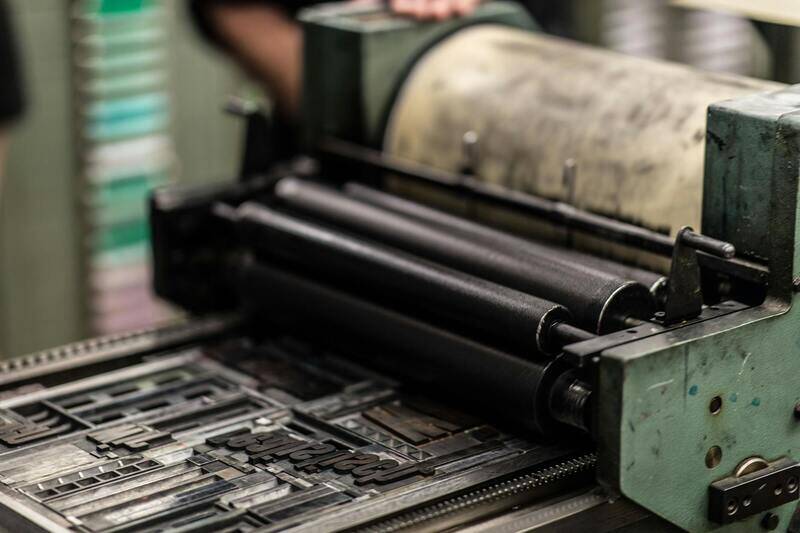
Offset printing remains the preferred method for large-volume booklet projects requiring high quality and consistency. This technique uses printing plates and ink, providing rich color fidelity, sharper detail, and a professional finish. Although the initial setup involves higher costs and longer lead times, offset printing becomes more economical as volume increases, offering lower per-unit costs for bulk orders. It is especially suitable for catalogs, instructional booklets, and promotional materials with demanding quality standards.
Hybrid Booklet Printing
Hybrid printing combines aspects of both digital and offset techniques, offering flexibility for projects with varying quantities or design features. This approach allows for high-quality offset printing for bulk pages while utilizing digital methods for shorter runs, personalization, or last-minute edits. Hybrid services are advantageous for managing complex projects efficiently, ensuring cost-effectiveness without compromising on quality.
Specialized Finishing and Binding Options
- Saddle Stitching: Common for booklets with few pages, providing a clean and affordable finish.
- Perfect Binding: Suitable for larger booklets, creating a professional and durable spine.
- Spiral and Coil Binding: Facilitates easy page turning, ideal for manuals or educational materials.
- Matte or Gloss Lamination: Adds a layer of protection and enhances visual appeal, available for various cover options.
These finishing options can significantly impact the tactile experience and overall presentation of your booklet, emphasizing quality and durability.
Design Considerations for Booklets
When developing a booklet, the choice of design elements, layout, and content placement significantly influences its effectiveness and visual appeal. A well-structured design captures the reader's attention and communicates the intended message clearly. Key considerations include font selection, consistency in style, and the strategic use of colors and images to reinforce branding or thematic elements.
It's vital to align the design with the target audience’s preferences and the purpose of the publication. For instance, instructional booklets benefit from clear, legible typography and straightforward layouts, while promotional materials might emphasize bold images and vibrant color schemes. Incorporating whitespace effectively prevents clutter, ensuring each element has room to breathe and enhances overall readability.
High-resolution images and vector graphics ensure crisp visuals that reproduce accurately in print, fostering a professional look. Additionally, maintaining consistent margins and bleed areas prevents important content from being cut off during trimming. When preparing files, using the correct color modes—such as CMYK—is essential for accurate color reproduction and to avoid unexpected shifts after printing.
Beyond aesthetics, consider the overall flow of information. Logical sequencing guides readers seamlessly through the content, while numbering pages and creating a comprehensive table of contents enhances navigation, especially in longer documents. Incorporating call-to-action elements thoughtfully can motivate readers toward desired responses, whether visiting a website, making a purchase, or attending an event.
Finally, always review proofs meticulously to catch any inconsistencies or errors before the final print run. This step ensures your design aligns perfectly with your vision and maintains the professionalism expected in polished print materials.

Printing Techniques and Costs
When selecting a method for order booklet printing, understanding the available techniques can help in making an informed decision that balances quality with budget constraints. Classic offset printing is highly suitable for large quantities, offering sharp image reproduction and cost efficiency at scale. This method involves transferring ink from a metal plate onto a rubber blanket, then onto the printing surface, resulting in vibrant colors and consistent output across multiple copies. Offset printing is best suited for projects requiring high-volume production with detailed imagery and color accuracy.
Digital printing has gained popularity due to its flexibility and shorter turnaround times. It operates by directly transferring digital images onto the printing surface, making it ideal for smaller quantities or customized print runs. Digital presses provide quick results and can easily incorporate variable data or personalized content, which is advantageous for promotional booklets or limited editions. However, the cost per unit tends to be higher than offset printing for large volume orders.
Another option includes saddle-stitch binding with offset or digital printing, which is prevalent for booklets, providing a clean and professional finish. Wrap-around covers or laminated finishes can further enhance durability and visual appeal. To optimize the cost and quality of your booklet, consider the intended usage, quantity, and required turnaround time.
In terms of costs, offset printing generally involves higher initial setup expenses due to plate creation but offers lower per-unit costs for large runs. Digital printing, on the other hand, requires minimal setup, making it more cost-effective for small to medium batches. Evaluating these factors—along with the desired quality, volume, and timeline—ensures you select the most appropriate technique that aligns with your project's specific needs.
Types of Booklet Printing Services
When selecting a booklet printing service, understanding the different options available can help ensure your project’s success. The two primary types of printing methods suited for booklet production are offset printing and digital printing, each offering distinct advantages based on your specific needs.
Offset Printing
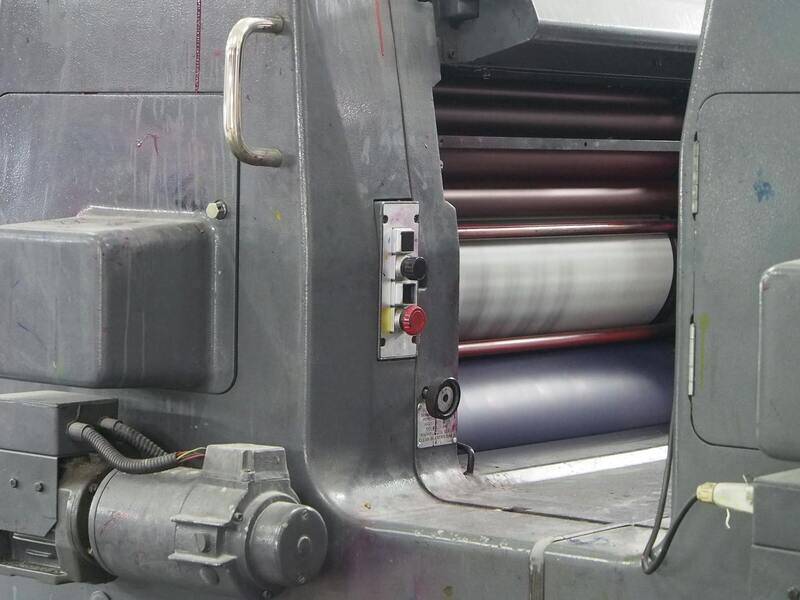
Offset printing is renowned for producing high-quality booklets with vibrant color accuracy and sharp detail. This method involves creating metal plates for each color used in the design, which are then used to transfer ink onto the printing surface. Offset presses are ideal for large-volume orders, where economies of scale significantly reduce the cost per unit. This process is preferred for professional marketing materials, catalogs, and annual reports where impeccable image quality is essential.

Digital Printing
Digital printing offers flexibility and speed, making it an excellent choice for smaller runs or projects requiring quick turnaround times. This process transfers digital images directly onto the paper, eliminating the need for plates. Variable data printing allows personalization, making digital printing popular for promotional booklets, limited editions, or tailored marketing campaigns. While digital printing generally costs more per unit than offset printing for very large quantities, it provides a cost-effective solution for short runs without compromising on quality.

Additional Services
- Bindery Options: Saddle stitch, perfect binding, or saddle-stitch binding to match your desired aesthetic and durability.
- Finishings: Lamination, gloss or matte coatings, and embossing to enhance the visual appeal and longevity of your booklets.
- Quantity Orders: Most printing providers accommodate a range of order sizes, from short runs to bulk production, offering tailored solutions regardless of scale.
Choosing the Best Service for Your Project
Deciding between offset and digital printing hinges on your project's volume, quality expectations, and budget constraints. Offset printing is preferable for large, high-volume orders demanding uniform color fidelity. Conversely, digital printing meets the needs of small to medium runs that require faster turnaround and the ability to customize content on the fly. Consulting with professional printing services such as fastprinting.org can help determine the optimal method suited to your specific requirements, ensuring a seamless production process from start to finish.
Types of Booklet Printing Services
When selecting a booklet printing service, understanding the various options available can significantly impact the final product’s quality and cost-efficiency. The primary types include offset printing and digital printing, each suited for specific project requirements.
Offset Printing
Offset printing is ideal for large-volume orders where consistency in color and detail is essential. This process involves transferring ink from plates onto a rubber blanket, then onto the paper. It delivers high precision and sharp images, making it suitable for professional marketing materials, catalogs, and annual reports that require uniformity across extensive batches. Although it involves higher setup costs, offset printing becomes more economical per unit as the order volume increases.
Digital Printing
Digital booklet printing offers flexibility and quick turnaround times without the need for intricate setup. It’s perfect for short runs, limited editions, or projects that require frequent updates. Digital printing allows for personalized content and images, making it a favorite for promotional booklets, customized marketing materials, and short-term campaigns. The initial costs are lower, but the per-unit expense can be higher than offset printing for large quantities. Nonetheless, the ease of adjusting designs between runs makes digital printing highly adaptable.
Specialty Printing Techniques
In addition to standard printing methods, some services provide specialty options such as foil stamping, embossing, and spot UV coatings that enhance visual appeal and tactile experience. These techniques are especially valuable for high-end presentations or branding materials where making a lasting impression is crucial. When selecting a printing service, inquire about available options to elevate your booklet's aesthetic and ensure it aligns with your branding strategy.
Eco-Friendly Printing Options
For environmentally conscious projects, many providers now offer eco-friendly printing options. These include the use of recycled paper, soy-based inks, and processes that reduce waste and emissions. Choosing an eco-friendly service can reflect positively on your brand, especially if sustainability aligns with your corporate values. Confirming the availability of such options before placing your order ensures your project adheres to your environmental commitments.
Types of Booklet Printing Services
Understanding the different types of booklet printing services is essential for selecting the most suitable option for your project. The primary categories include digital printing, offset printing, and specialty printing techniques. Each offers unique advantages depending on volume, complexity, and desired quality.
Digital Booklet Printing
Digital printing is an efficient choice for short runs, rapid turnaround times, and customized content. It involves directly printing digital files onto paper without the need for printing plates, making it highly adaptable for small quantities or personalized booklets. Digital techniques support variable data printing, enabling the inclusion of unique images or messages on each copy.
Offset Booklet Printing
Offset printing is ideal for larger volume orders that demand high quality and consistency. This process uses plates to transfer ink onto paper, resulting in sharp, vibrant images and a professional finish. Offset printing typically has higher setup costs but becomes more cost-effective as the order quantity increases, making it suitable for bulk marketing materials, annual reports, or catalogs.
Specialty Printing Techniques
Beyond standard methods, certain projects benefit from specialized techniques such as foil stamping, embossing, and spot UV coatings. These enhancements add texture and visual appeal, elevating the booklet’s aesthetic and tactile experience. Such options are often chosen for prestigious presentations, branding campaigns, and limited editions where making a memorable impression is crucial.

Design Considerations for Booklets
Design plays a pivotal role in the effectiveness of your booklet. Clear, engaging layouts combined with high-resolution images can captivate your audience. Pay attention to margin settings, typography, and consistency throughout the document to achieve a professional appearance. Incorporating your brand’s visual identity, such as logos and color schemes, reinforces brand recognition and sets the tone for your message.
Layout and Structure
- Organize content logically, with a clear hierarchy of headings and subheadings.
- Use columns and grids to maintain alignment and visual harmony.
- Include call-to-action elements where appropriate to guide reader interaction.
Visual Elements
- Utilize high-quality images and graphics that complement the textual content.
- Balance text and visual elements to avoid clutter, ensuring readability.
- Apply color schemes that align with your branding for consistency and aesthetic appeal.
Choosing the Right Paper and Materials
The selection of paper significantly influences the tactile feel and perceived quality of your booklet. Factors such as weight, finish, and durability should align with your project's purpose and budget.
Paper Weight and Finish
- Lightweight papers (e.g., 80-100 gsm) are suitable for informational handouts and flyers due to their affordability and flexibility.
- Heavier grades (e.g., 170-250 gsm) offer a sturdier feel, ideal for premium brochures and presentation booklets.
- Finish options include matte, gloss, or silk, each imparting a different visual texture and effect on printed images.
Eco-Friendly Materials
For projects emphasizing sustainability, opt for recycled or FSC-certified papers. Eco-friendly inks, such as soy-based or vegetable-based options, further reduce environmental impact while maintaining vibrant color portrayal.
Printing Techniques and Costs
Pricing is influenced by the chosen printing technique, materials, and finishing options. Offset printing generally involves higher setup costs but benefits from lower per-unit expenses at scale, making it suitable for large batches. Digital printing minimizes initial costs, making it advantageous for short runs or customized projects.
Cost Considerations
- Evaluate the balance between quality and budget to determine the most appropriate method.
- Discuss with your printer about options for finishing touches, which may add to overall costs but significantly enhance the final product.
- Request comprehensive quotes that break down materials, labor, and additional services to facilitate comparison and informed decision-making.
Quantity and Turnaround Time
The volume of booklets ordered directly impacts production time and costs. Short runs typically require fewer days for completion, especially with digital printing, whereas large quantities may necessitate offset printing, which involves longer lead times for setup. Planning for adequate lead time ensures your project stays on schedule and within budget.
Estimating Turnaround
- Check with your printer regarding baseline production schedules for different quantities.
- Account for additional time if specialty finishes or custom materials are involved.
- Allow buffer time for unforeseen delays, especially during peak periods or for complex projects.
File Preparation and Artwork Submission
Preparing your files correctly is crucial to achieving the desired quality and avoiding costly reprints. Files should adhere to specific guidelines provided by your printing partner, including resolution, color modes, bleed, and margins.
Important File Specifications
- Use high-resolution images (at least 300 dpi) for clarity.
- Supply files in printer-friendly formats such as PDF or TIFF.
- Include bleed areas (typically 3mm or 0.125 inches) to prevent white borders after trimming.
- Embed fonts or convert text to outlines to ensure consistency across different systems.
Artwork Review and Approval
- Conduct thorough reviews of proofs provided by your printer to verify layout, colors, and content accuracy.
- Request hard or digital proofs before final production to catch potential issues early.
- Communicate any required adjustments clearly and promptly to avoid delays.
Types of Booklet Printing Services
When selecting a printing service for your booklet, understanding the various options available is crucial to ensuring the final product aligns with your expectations and purpose. The most common types of booklet printing services include digital printing, offset printing, and small-format printing. Digital printing offers quick turnaround times and cost-effective options for short runs, making it ideal for promotional materials or limited editions. Offset printing, on the other hand, is suitable for large quantities, providing high-quality output and cost efficiency at scale. Small-format printing caters to niche needs where compact booklet sizes are preferred, such as product guides or informational leaflets. Each method has its unique advantages, and choosing the appropriate service depends on factors like budget, timeline, and desired quality.
Design Considerations for Booklets
Creating an effective booklet begins with meticulous design planning. The layout should facilitate easy reading and navigation, with clear headings, subheadings, and logical flow. Incorporate high-resolution images that complement the text, while maintaining consistent branding elements such as color schemes and fonts. It’s essential to consider the balance between text and visuals to avoid cluttered pages. The spine design should accommodate the booklet’s thickness, ensuring durability and ease of handling. Additionally, including margins and bleed areas during the design phase prevents important content from being cut off during trimming. Working closely with your printer during this stage can help identify any potential design issues and make necessary adjustments for a polished final product.
Choosing the Right Paper and Materials
The materials used in booklet printing significantly influence the feel, durability, and overall impact of the finished product. Common paper options include coated and uncoated stocks, each serving different purposes. Coated papers provide a smooth finish ideal for vibrant images and sharp text, suitable for catalogs and promotional booklets. Uncoated papers lend a more textured, natural feel, great for programs, manuals, or educational booklets. Weight selection ranges from lightweight (around 70-80 gsm) for economical options to heavier stocks (up to 200 gsm or more) for a premium feel. Specialty finishes such as matte, gloss, or satin coatings can add visual appeal and protection, making the booklet resistant to wear and tear. Additionally, considering eco-friendly materials demonstrates a commitment to sustainability and can appeal to environmentally conscious audiences.
Printing Techniques and Costs
The choice of printing technique impacts not only the quality but also the cost structure of your project. Digital printing tends to be more affordable for small quantities and allows for quick changes and proofs, making it suitable for short runs or projects with frequent updates. Offset printing, while requiring higher setup costs, offers economic efficiency at larger volumes and produces highly consistent, vibrant colors. Spot UV coating or special finishes can be added to enhance specific design elements, albeit at an increased price. The complexity of the design, order quantity, and selected materials all influence the overall costs. Working with a trusted printer can help optimize these variables to balance budget constraints with desired quality outcomes, ensuring your booklet makes a professional impact without exceeding budget limits.
Quantity and Turnaround Time
The number of copies ordered directly affects both production time and pricing. Small quantities, typically under 500 copies, can often be completed within a few days thanks to digital printing capabilities. Larger orders, usually over 1,000 copies, may require additional lead time due to offset printing setup processes. It’s important to coordinate your schedule with your printer early in the process, especially when working on time-sensitive campaigns or events. Rush services are often available, but they may come at a premium. Planning ahead and discussing realistic timelines helps prevent last-minute rush orders, reducing the risk of compromised quality or missed delivery dates. Always factor in additional time for proofing, adjustments, and potential delays, particularly during peak seasons or with complex finishes.
File Preparation and Artwork Submission
Proper preparation of your digital files is essential to achieve a professional booklet. Files should be created following specific specifications provided by your printing partner. This includes ensuring images are at least 300 dpi resolution for clarity, using appropriate color modes such as CMYK for color accuracy, and including bleed areas (typically 3mm or 0.125 inches) to prevent unwanted white borders after trimming. Embedding fonts or converting text to outlines ensures that the typography appears consistently across different devices and systems. Save files in compatible formats like PDF or TIFF, which preserve layout integrity and are widely accepted by printers. Before submission, review proofs meticulously to catch any errors or inconsistencies. Providing clear feedback and requesting sample proofs help avoid costly reprints and delays, ensuring the final booklet aligns with your vision and standards.