Overview of Booklet Printing Services
Booklet printing services encompass a comprehensive suite of solutions designed to produce professionally crafted booklets for a variety of purposes. These services typically include the design, layout, printing, and finishing of small to large runs of booklets, ensuring a high-quality product that effectively communicates its intended message. Booklets serve as versatile tools in marketing campaigns, educational materials, corporate communications, event programs, and product catalogs. They are valuable resources for organizations seeking to convey complex information in an organized and visually appealing format.
The role of booklet printing services extends beyond mere production—these services influence the perception and impact of the printed material. Professional printing houses utilize advanced technology and expertise to ensure color accuracy, binding durability, and a polished finish. This results in a product that not only meets aesthetic expectations but also adheres to professional standards, ensuring durability and usability over time.
In the context of marketing, well-printed booklets can significantly enhance brand identity and customer engagement. Educational institutions and corporate entities utilize booklets to provide comprehensive guides, manuals, and reports that are both informative and visually compelling. The ability to customize layouts, paper choices, and finishes enables organizations to tailor each booklet to specific audience needs.
Furthermore, booklet printing services offer scalable solutions, accommodating both short-run projects and large volume productions. This flexibility supports organizations in managing budgets and timelines effectively, delivering premium quality in a manner that aligns with their strategic objectives.
Effective booklet printing requires not only technical expertise but also an understanding of individual project requirements. By selecting the right printing provider, organizations can ensure their printed materials stand out through vibrant colors, durable binding, and professional finishing touches, ultimately strengthening their communication and promotional efforts.

Types of Booklet Printing Options
When selecting a booklet printing service, understanding the various options available is essential to match the final product with your specific needs. The most common types include saddle-stitched, perfect bound, and wire-bound booklets, each suited to different applications and offering distinctive advantages.
- Saddle-Stitched Booklets: These are assembled by folding sheets of paper and stapling them along the fold line, creating a seamless spine. Ideal for smaller brochures or event programs, saddle stitching offers a clean aesthetic, cost efficiency, and quick turnaround times. They are typically used for booklets with 8 to 48 pages, making them perfect for concise catalogs or informational leaflets.
- Perfect Bound Booklets: Recommended for longer publications, perfect binding involves gluing the pages along the spine to a durable cover. This method allows for a professional, book-like appearance, suitable for catalogs, annual reports, and corporate brochures. The finished product offers durability and a premium feel, making it advantageous for projects that demand high-quality presentation.
- Wire-Bound Booklets: Featuring metallic or plastic wire spirals, this option provides flexibility and lay-flat convenience. Wire binding is often used for manuals, training guides, or cookbooks, where ease of use is crucial. It also accommodates a larger number of pages, providing a robust binding that supports frequent handling.

Design and Layout Considerations
Effective booklet design begins with strategic planning to enhance readability and visual appeal. Prioritizing a clear hierarchy of information, cohesive typography, and consistent branding elements ensures that the message resonates with the target audience.
Layouts should incorporate balanced white space, legible font sizes, and engaging visuals to guide readers smoothly through the content. Incorporating high-resolution images and well-organized sections contributes to a professional appearance that aligns with your brand identity.

Paper and Finish Choices
The selection of paper stock and finishing options directly impacts the tactile quality and durability of your booklet. Glossy finishes enhance vibrancy, making colors pop, while matte finishes provide an elegant, muted look and reduce glare.
Cover stocks can range from lightweight card stock to heavyweight paper, depending on the desired durability and aesthetic. For internal pages, options include standard, recycled, or textured papers to suit environmental considerations and tactile preferences.
Printing Techniques and Quality Factors
High-quality booklet printing involves advanced techniques such as offset printing for large volumes, which offers sharp images and consistent colors, or digital printing for shorter runs with quicker setups. Ensuring color accuracy and sharp details requires proper calibration and expertise.
Bindery processes, finishing touches like embossing, glossing, or spot UV varnishing, and precise trimming contribute significantly to the overall premium finish of the final product. These quality factors make your booklet more appealing and durable.
Quantity, Cost, and Turnaround Time
Evaluating your project’s quantity helps determine the most efficient printing method. Short runs might favor digital printing, which offers flexible options and faster delivery, while offset printing becomes cost-effective for larger orders.
Cost considerations include paper quality, binding type, color complexity, and finishing techniques. Working with a capable printing provider allows for transparent pricing and tailored solutions.
Timely delivery is achievable through proper planning and selecting a provider with proven turnaround capabilities. Clarifying your deadlines during initial discussions ensures the final product meets your schedule.
Uses and Applications of Booklets
Booklets serve diverse purposes across industries: promotional brochures, event programs, training manuals, instructional guides, menus, and product catalogs. Their format lends itself well to conveying information concisely while maintaining visual interest.
- Marketing and promotional materials
- Educational content and training resources
- Corporate reports and annual summaries
- Product or service guides
- Event scheduling and programs
Choosing a Booklet Printing Service Provider
Partnering with a reliable booklet printing service requires assessing their experience, technological capabilities, and customer service quality. A provider with extensive industry knowledge can guide you through material selection, layout design, and finishing options, ensuring your vision is fully realized.
Additionally, reviewing case studies or customer testimonials can give insight into their ability to meet deadlines, control costs, and deliver consistent quality. Transparent communication and detailed quotations are vital to establishing a smooth collaboration.
Paper and Finish Choices
When selecting paper for booklet printing, it is essential to consider the type, weight, and texture that best complement your content and design goals. Standard paper options include uncoated, matte, and gloss finishes, each offering distinct visual effects and tactile experiences. For projects requiring a more upscale or durable feel, heavier weight cardstock can be used for covers, while lighter paper varieties are suitable for internal pages.
Finishing techniques play a significant role in enhancing the overall presentation of your booklet. Matte finishes reduce glare and lend a sophisticated look, ideal for professional publications or formal marketing materials. Gloss finishes amplify vibrancy, making colors pop and images stand out, which is perfect for photographic layouts and promotional brochures. Soft-touch coatings provide a velvety texture that adds a tactile element of luxury, while laminate coatings can offer increased protection against wear and tear.

Printing Techniques and Quality Factors
The printing method directly influences the clarity, color richness, and durability of your booklets. Offset printing remains the gold standard for large-volume production due to its high quality and cost efficiency at scale. It ensures precise color matching and sharp detail, which are crucial for professional presentations and high-resolution images.
Digital printing offers a faster turnaround time and is suitable for small to medium quantities or short-notice projects. It allows for print-on-demand flexibility and easy customization for different batches or targeted distributions. UV coating is often applied post-printing to add a glossy or matte protective layer, further enhancing durability and visual appeal.
Key quality factors include color fidelity, registration accuracy, ink coverage, and overall consistency across the print run. Selecting a provider that employs modern printing presses and experienced technicians ensures your booklet maintains high standards from first to last copy.

Quantity, Cost, and Turnaround Time
Balancing the quantity of booklets with budget considerations and delivery deadlines requires careful planning. Costs typically decrease per unit as order volume increases, making bulk printing more economical for large distributions. However, it is important to account for setup fees, paper choices, and finishing options, which can influence the final price.
Turnaround time varies based on order size, complexity, and the chosen printing method. Offset printing, while cost-effective for large runs, may require longer production cycles. Digital printing, on the other hand, often allows for quicker completion, sometimes within a few days, making it suitable for urgent projects.
To ensure timely delivery, work with a printing provider who offers transparent project timelines and can accommodate rush orders when necessary. Providing clear specifications and deadlines upfront enables efficient scheduling and reduces the risk of delays.
Paper and Finish Choices
When selecting materials for booklet printing services, the paper stock plays a crucial role in determining the overall look, feel, and durability of the final product. Popular options include coated papers such as gloss, matte, and satin finishes, each contributing different visual effects and tactile qualities. Glossy paper enhances vibrant colors and sharp images, making it ideal for promotional booklets and visual-heavy content. Matte paper offers a subdued, elegant appearance with reduced glare, suitable for more formal or text-driven booklets. Satin finishes strike a balance, providing a soft sheen that improves readability and adds a touch of sophistication.
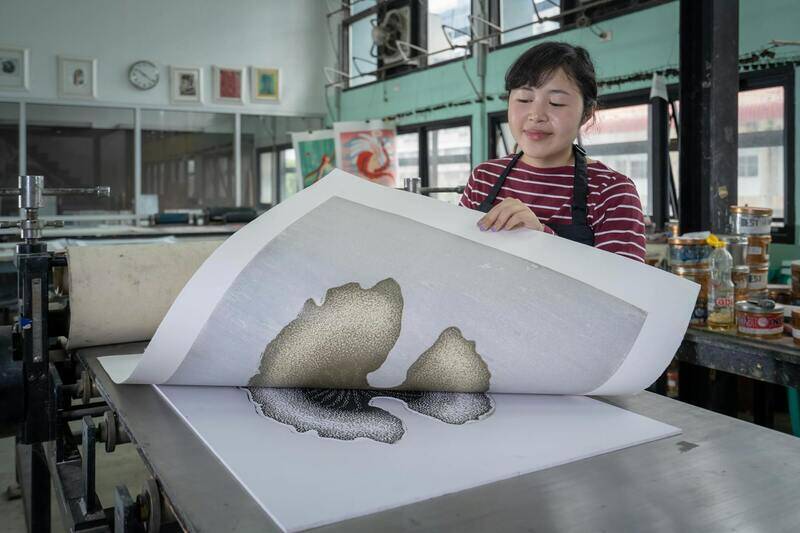
In addition to paper type, coating options like UV coating or aqueous coatings can significantly influence the durability and aesthetic appeal of your booklet. UV coating imparts a high-gloss protective layer that resists scratches and moisture, ideal for booklets exposed to handling or outdoor conditions. Aqueous coatings, typically used for interior pages or less exposed materials, provide a smooth finish that enhances color vibrancy while offeringwater resistance.
Finish options extend beyond coatings to include special treatments like foil stamping, embossing, or spot UV highlights, which add tactile and visual interest to specific areas of the booklet. These enhancements are often used for covers or key pages to create a premium look.
Choosing the right paper and finish is critical for aligning the aesthetic goals, intended use, and budget considerations of your project. Consulting with a reputable booklet printing services provider allows for tailored recommendations based on your content and desired presentation style.
Printing Techniques and Quality Factors
The printing method selected impacts the overall quality, cost, and turnaround time of your booklet. Offset printing remains the most common choice for large volume runs due to its cost-effectiveness and consistent color reproduction. It involves creating plates for each color, which then transfer ink onto paper in high-speed presses. This method ensures precise color matching, sharp images, and uniform quality across all copies.
Digital printing, by contrast, is more flexible for smaller runs or projects requiring quick turnaround. It employs digital presses that directly transfer digital files onto paper, reducing setup time and making on-demand printing economical for short quantities. While digital presses have advanced significantly, they may not always match the color accuracy and sharpness of offset presses for large, high-volume orders.
To attain superior print quality, attention must be paid to key factors such as color fidelity, registration accuracy, ink coverage, and paper compatibility. Choosing a printing partner equipped with modern machinery and experienced technicians ensures your booklet meets professional standards from first to last copy.
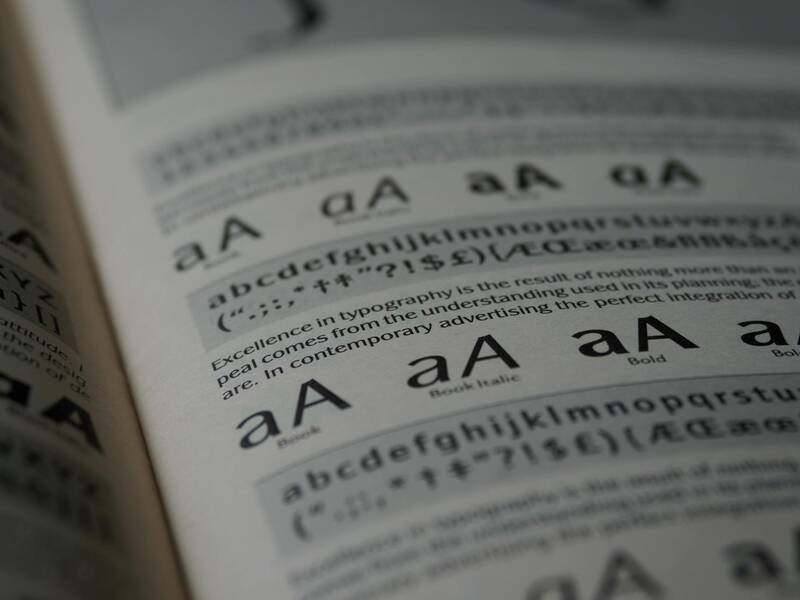
Additional quality considerations include checking for consistent color matching throughout the print run, smooth ink coverage without streaks or banding, and precise alignment of print elements. Finishing touches such as folding, binding, and trimming are equally important, as they contribute to the booklet’s overall appearance and usability. Advanced binding options like saddle stitching, perfect binding, or wire-o binding can be selected based on the number of pages, intended use, and aesthetic preference.
Design and Layout Considerations
Effective booklet printing begins with a thoughtful design and layout process that enhances readability and visual appeal. Selecting appropriate typography, consistent spacing, and a balanced grid system ensures that content is engaging and accessible. The layout should reflect the purpose of the booklet, whether for marketing, informational, or instructional use, with clear hierarchy guiding the reader through the material.
High-resolution graphics and images are vital to create a professional appearance. When integrating visuals, ensure they are optimized for print to avoid pixelation or color inconsistencies. Text and graphic alignment must be precise, especially in narrower margins or intricate designs, to maintain a polished look.
Margins and bleed areas are critical considerations during the layout process. Adequate margins prevent content from being cut off during trimming, while bleed allows images or background colors to extend beyond the final trim size, providing a seamless edge. Proper use of bleed ensures the finished booklet has a clean, professional appearance without unwanted white borders.
Paper and Finish Choices
The selection of paper stock and finishing techniques significantly impacts the tactile experience and durability of your booklet. Heavier stock, such as 80lb or 100lb cover paper, lends a premium feel and increased sturdiness. Interior pages typically range from 60lb to 80lb weight, balancing quality and cost-effectiveness.
Finish types like matte, gloss, or satin can dramatically alter the final presentation. A gloss finish enhances vibrant colors and images, making them pop visually, whereas matte offers a subdued, elegant look and better resistance to fingerprints and glare. Satin finishes provide a soft sheen, combining elements of both gloss and matte for a balanced aesthetic.
Additional options include lamination, UV coating, and embossing, each adding functional and decorative value. Lamination enhances durability, especially for frequent handling, while UV coating provides a high-gloss surface with protective qualities. Embossing can be used for logos or design accents, adding a tactile element that elevates the overall design.

Considering environmental factors and sustainability, choosing eco-friendly papers and inks can align your project with green initiatives without sacrificing quality. Recycled papers and vegetable-based inks are increasingly available options that support responsible printing practices.
Technical Specifications for Professional Results
To achieve the best print quality, it is essential to communicate detailed specifications to your printing service provider. This includes the final trim size, binding style, paper type, and finishes. Additionally, providing print-ready files formatted according to the printer’s guidelines — such as correct color profiles, bleed, and margin settings — minimizes the risk of errors and reprints.
In the digital age, advanced workflow management and proofing tools enable clients and printers to review and approve layouts before the final run. Hard or digital proofs serve as an essential quality control step, ensuring that colors, images, and text appear as intended. This proactive approach helps prevent costly revisions after printing has begun.
Ideal for Various Publishing Needs
High-quality booklet printing suits a diverse range of applications, from corporate brochures and product catalogs to educational handouts and event programs. The flexibility of professional printing services allows customization of size, paper, binding, and finishing options to meet specific project goals and aesthetic preferences. This adaptability makes booklet printing a versatile tool for effective communication and branding efforts across multiple industries.
Overview of Booklet Printing Services
Booklet printing services are specialized solutions designed to produce professionally bound documents that combine text, images, and graphics into a cohesive, appealing format. These services encompass a wide range of options, from small-scale projects for local businesses to large corporate campaigns, ensuring each booklet effectively communicates its message. Leveraging advanced printing technology and high-quality materials, reputable providers focus on delivering durability, clarity, and visual impact, fulfilling diverse organizational needs.

Opting for professional booklet printing guarantees consistent results and a polished aesthetic that sets a company's brand apart. Whether used for promotional brochures, training manuals, or product catalogs, these services facilitate intricate design execution, precise color matching, and specialized finishes that elevate the overall presentation. Experienced printers also provide guidance on customization options and technical specifications to maximize the effectiveness of each printed piece.
Types of Booklet Printing Options
The variety of booklet printing options available caters to different purposes, budgets, and aesthetic preferences. Some of the most common types include:
- Saddle-Stitched Booklets: Known for simplicity and cost-effectiveness, saddle-stitched booklets are assembled by inserting folded pages onto staples along the spine. Ideal for smaller to medium-length publications.
- Spiral and Coil Binding: Featuring a flexible binding that allows the booklet to lay flat when open, spiral or coil binding enhances usability for manuals or workbooks that require frequent handling.
- Perfect Binding: For a seamless, professional appearance akin to hardcover books, perfect binding uses adhesive to attach the pages to a flat spine, making it suitable for larger and more permanent publications.
- Wire-O Binding: Often used for reports, catalogs, and calendars, this binding method offers durability and a premium feel, allowing pages to turn smoothly and lay flat.
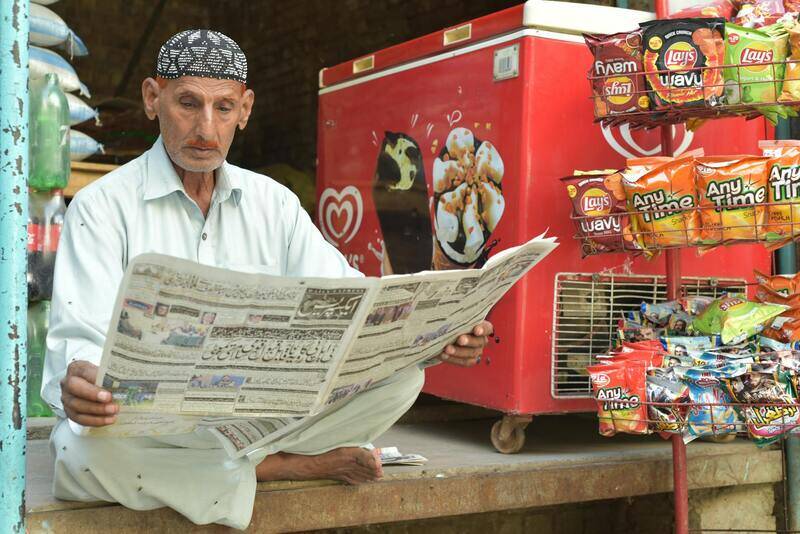
Design and Layout Considerations
Creating an effective booklet begins with thoughtful design and layout strategies that enhance readability and visual engagement. Clear hierarchy, consistent style, and strategic use of colors help guide the reader through the content seamlessly. Incorporating high-resolution images and appropriate typographic choices ensures clarity, while consistent margins and spacing contribute to a professional appearance.
- Page Size and Format: Standard sizes such as A4 or 8.5x11 inches are common, but custom dimensions can be used to match branding or specific needs.
- Grid and Alignment: Utilizing grids and alignment techniques maintains uniformity and balance in the layout, improving aesthetic appeal.
- Content Flow: Logical organization of information, supported by visual cues like headings and bullet points, enhances readability and retention.
Paper and Finish Choices
The selection of paper and finishes significantly impacts the tactile quality and longevity of printed booklets. The right combination depends on the intended use, budget, and desired aesthetic.
- Paper Types: Options range from matte and gloss coated papers to uncoated stock. Coated papers provide vibrant color reproduction and sharp images, while uncoated papers offer a natural feel suitable for handwritten notes or environmental themes.
- Weight and Thickness: Heavier papers, such as 100 lb or greater, lend a premium feel and durability, ideal for high-end presentations. Lighter weights are cost-efficient for bulk printing.
- Finish Enhancements: UV coating, lamination, or spot varnishes can add gloss, reduce glare, and protect against wear, extending the lifespan of the booklet.

Printing Techniques and Quality Factors
The choice of printing technique influences the final appearance, durability, and cost of the booklet. Modern digital and offset printing methods each have distinct advantages, depending on project volume and complexity.
- Digital Printing: Suitable for short runs and quick turnarounds, digital printing offers high-quality output with precise color matching and the flexibility of on-demand production.
- Offset Printing: Cost-effective for large quantities, offset printing provides sharper images and consistent quality across bulk runs, ideal for extensive marketing campaigns.
- Color Management: Accurate color reproduction is critical for branding consistency and visual impact. Reliable printing services utilize calibrated equipment and color profiles to ensure fidelity between design files and printed pieces.
- Resolution and Detailing: High-resolution printing (300 dpi or above) ensures crisp images and text, reducing compression of details and enhancing overall professionalism.
Comprehensive Guide to Booklet Printing Services
When it comes to selecting an effective booklet printing service, understanding the official and proven methods available can significantly impact the quality, durability, and professional appearance of your printed materials. Modern techniques emphasize the importance of adhering to established printing standards, which ensure that every booklet produced meets high-quality benchmarks and engages your target audience effectively.
Reliable Printing Techniques for Optimal Results
To achieve consistent, high-quality booklets, legitimate printing services utilize tried-and-true methods such as digital and offset printing. Each approach offers benefits suited to specific project requirements, volume, and budget considerations.
- Digital Printing: Digital printing stands out for its ability to produce short runs rapidly without compromising quality. This technique employs laser or inkjet technology directly from digital files, enabling quick proofing and on-demand production. Because it does not require printing plates, digital printing reduces setup time and costs, making it ideal for small quantities, tailored marketing materials, or projects with tight deadlines.
- Offset Printing: For large-volume projects where cost efficiency and color consistency are paramount, offset printing remains the preferred method. This process involves transferring ink from metal plates onto rubber blankets, then onto the printing surface. Offset printing offers superior sharpness, color fidelity, and the ability to handle complex designs with vibrant hues. It is especially advantageous for extensive marketing campaigns, product catalogs, and high-volume distribution.
Color Management and Image Resolution Assurance
Maintaining accurate color reproduction and crisp imagery is fundamental to professional booklet printing. Enhancing visual impact depends on employing calibrated equipment, standardized color profiles, and high-resolution settings. Most reputable printing services utilize color management systems that ensure design files are accurately translated into printed colors, preserving brand consistency and visual appeal.

High-resolution printing, typically 300 dpi or higher, is essential to capture fine details in textual and visual content. This level of detail prevents pixelation and blurriness, providing a polished and professional appearance to your final product.
Durability and Finishing Techniques
Beyond ink and paper, finishing touches contribute significantly to the longevity and tactile quality of printed booklets. Official printing providers offer a variety of finishing options, including:
- UV Coating: Adds a glossy, protective layer that enhances glossiness and resists scratches.
- Lamination: Provides a durable surface that is resistant to moisture, tearing, and general wear.
- Spot Varnishes: Applied selectively to highlight specific areas, adding visual interest and texture.
Selection of the appropriate paper weight and coating allows for customization based on the intended use — whether for high-end presentations or cost-effective bulk distribution.
Adherence to Established Industry Standards
Choosing an official booklet printing service involves verifying their compliance with recognized printing practices. Certified facilities employ proven methods, regularly calibrate their equipment, and adhere to strict quality control procedures. This ensures consistent color matching, precise registration, and durable finishes that uphold your brand's integrity and project expectations.

Guidelines for Ensuring Quality and Compliance
- Review samples of previous work to assess print quality and finish options.
- Confirm that the printer uses up-to-date, calibrated equipment for color accuracy and resolution.
- Ensure the provider follows standardized printing and finishing procedures aligned with industry best practices.
- Request detailed descriptions of paper options, finishing techniques, and proofing processes.
- Discuss deadlines and turnaround times to align production schedules with your project timeline.
By strictly adhering to regulation-backed, established printing methods, you guarantee that your booklet printing project achieves the desired professional quality, durability, and aesthetic appeal, aligning with your overall branding and communication strategy.
Overview of Booklet Printing Services
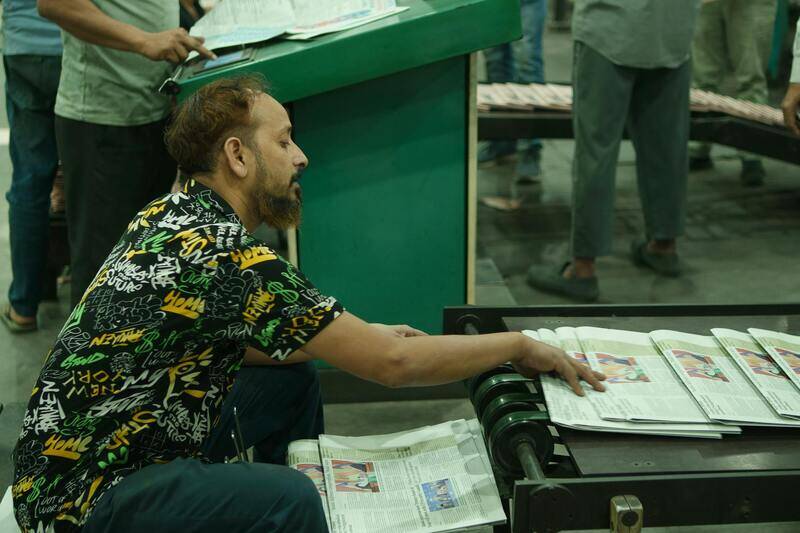
Booklet printing services are essential for businesses and organizations seeking to create professional, detailed, and visually appealing printed materials. These services encompass a range of options designed to meet diverse needs, from marketing brochures and product catalogs to instructional manuals and event programs. Utilizing high-quality printing equipment and adhering to industry-certified standards is crucial for producing booklets that reflect the desired aesthetic and durability. Trusted providers employ advanced color management systems, precise binding techniques, and certified finishing processes to ensure each booklet meets exact specifications. Additionally, many reputable booklet printing services offer eco-friendly options, utilizing sustainable materials and environmentally conscious processes, aligning with contemporary corporate responsibility initiatives.
Types of Booklet Printing Options
Various printing options exist to cater to different project requirements. Digital printing is ideal for short runs, offering quick turnaround times and cost-effective solutions without compromising quality. Offset printing, on the other hand, is suitable for larger quantities, providing sharp color reproduction and consistent results across extensive runs. Some providers also offer hybrid solutions, combining digital and offset methods for flexibility and efficiency. Binding styles play a significant role in the final presentation of a booklet:
- Saddle Stitching: The most common method, where folded sheets are stapled along the spine, suitable for small to medium-sized booklets.
- Perfect Binding: Uses adhesive to bind the pages, creating a polished look often used for more substantial publications.
- Spiral Binding: Offers ease of use and lay-flat capability, preferred for manuals and workbooks.
Size options can range from standard dimensions like 8.5" x 11" to custom sizes tailored to specific branding or functional needs. Binding and paper choice can impact the overall perception and usability of the booklet, making it vital to select the appropriate combination based on the intended application.
Design and Layout Considerations
Effective booklet design enhances readability and reinforces branding. Working with professional designers or using advanced design software ensures that layouts are optimized for print quality. Key considerations include proper margin settings, high-resolution images, and consistent typography. Incorporating bleed areas helps prevent unwanted white borders during trimming, while grids and alignment tools aid in maintaining a cohesive visual flow throughout the booklet. Approved templates and pre-press checks are essential steps to guarantee that the layout adheres to printing specifications.
Paper and Finish Choices
Choosing the right paper stock influences both the tactile feel and visual appeal of the booklet. Options range from matte and gloss finishes to satin and uncoated papers, each offering distinct benefits. Matte finishes reduce glare and are suitable for text-heavy pages, whereas gloss provides vibrant color reproduction for images and graphics. Specialty papers, such as recycled stock or textured materials, support eco-conscious projects and add unique aesthetic qualities. Finishing techniques like lamination, UV coating, foil stamping, and embossing can elevate the appearance and protection of printed materials, making them more durable and eye-catching.
Printing Techniques and Quality Factors
High-quality booklet production relies on precise printing techniques that ensure color accuracy, sharp images, and consistent results. Modern digital presses utilize advanced inkjet or toner-based systems that maintain fidelity across small runs, while offset presses excel in larger quantities with richer color depth. Calibration and regular maintenance of printing equipment are critical for achieving optimal output. Quality factors such as registration accuracy, color matching systems, and the use of certified proofs – like hard or digital proofs – help verify the final product before full-scale production. Furthermore, post-print processes such as trimming, folding, and binding must adhere to strict industry standards to guarantee uniformity and a professional finish.
Quantity, Cost, and Turnaround Time
Determining the appropriate quantity involves balancing the project scope with budget considerations. Price points typically decrease per unit with higher volume orders, but shorter turnaround times may require expedited services. Lead times can vary from a few days for small digital runs to several weeks for large offset projects with complex finishing requirements. Transparent communication with the printing service provider about deadlines and production capabilities ensures that project timelines are met without compromising quality. Many providers offer tiered pricing and rush options, which can be tailored based on project urgency and budget constraints.
Uses and Applications of Booklets
Booklets serve a wide array of functions across various industries. Marketing and sales teams utilize them for product promotions, brand storytelling, and customer engagement. Educational institutions and training centers leverage booklets as instructional or curriculum materials. Event organizers produce programs and guides that enhance attendee experience. Nonprofit organizations often use booklets for outreach and awareness campaigns. The versatility of booklet printing services allows customization to reflect the specific needs of each application, whether through size, binding, paper choice, or finishing techniques. This flexibility maximizes impact, ensuring that each printed piece effectively communicates its intended message while upholding professional standards.