Understanding Custom Printed Booklets
Custom printed booklets are versatile printed products that serve a wide range of purposes, from promotional materials and marketing campaigns to informational brochures and event programs. These booklets are tailored to meet specific aesthetic and functional requirements, allowing organizations and individuals to communicate their messages effectively. They are typically composed of multiple pages bound together, often featuring personalized designs, layouts, and content that reflect the brand or purpose they represent.
One of the primary advantages of choosing custom printed booklets over generic templates is the ability to create a unique look that resonates with the target audience. They are commonly used in fields such as marketing, education, corporate branding, and event planning. Whether intended as product catalogs, training manuals, or wedding programs, customized booklets elevate the presentation and professionalism of your materials.
Furthermore, opting for customized options allows for flexibility in size, layout, paper quality, and finishing touches, ensuring the final product aligns perfectly with your vision. The ability to add personalized branding elements, such as logos, color schemes, and tailored graphics, enhances brand recognition and leaves a lasting impression on recipients. This level of customization can significantly improve engagement and convey a sense of quality and attention to detail.
With advancements in printing technology, producing high-quality custom booklets has become more accessible and cost-effective than ever before. Digital and offset printing methods enable precise color matching and sharp image reproduction, ensuring that every detail of your design is accurately brought to life. Additionally, custom printing options support small to large production runs, allowing you to order the exact quantity needed without sacrificing quality or affordability.
Ultimately, choosing custom printed booklets is a strategic decision that combines creative branding with practical communication. It offers a platform to showcase your message in a format that is both informative and visually appealing. As a result, organizations and individuals can leave a professional impression, foster engagement, and effectively convey their stories or offerings through these personalized print products.
Materials and Paper Choices
Choosing the appropriate materials and paper types is fundamental to achieving the desired aesthetic and durability of your custom printed booklets. The selection ranges from standard options like coated and uncoated papers to premium choices such as textured, matte, or glossy finishes. Coated papers, whether gloss or satin, enhance image vibrancy and sharpness, making them ideal for brochures with vivid graphics and photographs. Conversely, uncoated papers offer a more natural, tactile feel, suitable for textual content and artistic projects. For added sophistication, specialty papers with unique textures, such as linen or canvas finishes, can add a tactile dimension that elevates the overall presentation.

Weight options, measured in GSM (grams per square meter), influence the sturdiness and feel of the booklet. Heavier papers (> 130 GSM) convey quality and durability, suitable for cover pages or premium editions. Lighter weights (<130 GSM) work well for internal pages where flexibility is needed. Additionally, consider eco-friendly or recycled paper options to align with sustainable practices, which are increasingly valued by consumers and clients.
Printing Techniques and Processes
The choice of printing technique impacts the quality, color fidelity, and overall production efficiency of your booklets. Digital printing offers rapid turnaround times and is cost-effective for small to medium runs, providing excellent results with detailed graphics and vibrant colors. It is especially advantageous when customization per copy or variable data features are required.
Offset printing, on the other hand, is best suited for larger production volumes, delivering highly consistent color accuracy and sharp detail at a lower cost per unit. This process involves transferring ink from plates to a rubber blanket, then onto the paper, ensuring crisp images and text. Both methods support a range of finishing options, such as matte or gloss coatings, UV coatings, and embossing, which can be used to accentuate specific design elements or add a tactile dimension.

Customization Options and Features
Custom printed booklets can be tailored to meet varied branding and design requirements through numerous customization options. These include personalized covers with embossed logos, foil stamping for a metallic finish, and die-cut processes to create unique shapes or windows within the pages. Additionally, UV coating or laminations can improve durability and add gloss or matte effects, enhancing visual impact and longevity.
Incorporating custom binding styles such as saddle-stitch, perfect binding, or spiral binding allows for further differentiation. For instance, saddle-stitching is suitable for booklets with fewer pages and provides a clean, professional look, while perfect binding offers a sleek, magazine-like finish for larger documents. The integration of perforations, foldouts, or pockets within the booklet design further expands its functionality and appeal.
Order Quantities and Lead Times
Determining the appropriate order quantity depends on your purpose, budget, and distribution plan. Small runs, such as 50 to 200 copies, are ideal for personalized marketing or limited events, and digital printing supports cost-effective production with quick turnaround times, often within a few days. Larger orders, exceeding 500 copies, benefit from offset printing, which reduces the per-unit cost while ensuring quality consistency over higher volumes.
Leads times vary based on the complexity of the project and the chosen printing method. Simple, straightforward booklets may be completed within a week, while those requiring extensive customization or specialty finishes could require two or more weeks. Planning ahead and consulting with your printing service provider helps ensure timely delivery aligned with your campaign or event schedules.
Cost Factors and Budgeting
Pricing for custom printed booklets is influenced by multiple factors, including the number of pages, paper quality, binding choice, print quantity, and complexity of design features. High-quality materials and intricate finishing options naturally increase costs but significantly enhance the perceived value of the final product. Bulk orders typically benefit from lower unit costs, making large runs more economical for extensive distribution needs.
To effectively manage your budget, it is advisable to request detailed quotes that break down each cost component. Some providers offer package deals or discounts for specific order sizes and print volumes. Additionally, factoring in costs associated with design services, proofreading, and shipping ensures comprehensive budgeting. Strategic planning and clear communication with your chosen printing partner help balance quality and expense to achieve the best possible results within your financial parameters.
Choosing a Printing Service Provider
Partnering with a reputable printing service is essential for producing high-quality custom booklets that meet your specifications. An experienced provider demonstrates proficiency in various printing techniques, handling different paper stocks, and executing complex customization features. They should offer consultation services to guide you through the selection process, providing samples and proofing options to ensure the design aligns with your expectations.
Reliability, transparency, and customer support are key factors in selecting an optimal printing partner. Check for reviews, portfolio samples, and their ability to accommodate specific project requirements. Additionally, a professional service provider will adhere to strict production timelines and communicate proactively about any potential delays or issues. By choosing a partner committed to quality, you ensure your custom printed booklets will effectively convey your message and reflect your brand’s professionalism.
Creating Unique Booklets through Customization
When designing a customized printed booklet, the range of customization options extends beyond just the content and visual layout. These options encompass various features that can significantly enhance the final product's effectiveness and appeal.
Cover Styles and Finishes
The cover acts as the first impression of your booklet, and selecting the right cover style and finish can impact its durability and aesthetic. Options include softcover or hardcover bindings, with finishes such as matte, gloss, or satin coatings. Embossing or debossing can add tactile highlights, elevating the tactile experience and visual appeal. Spot UV coating allows specific areas to shine with gloss, creating a striking contrast against matte backgrounds, ideal for highlighting logos or titles.
Page Personalization and Variations
Personalization features enable you to vary content across copies or sections, which is particularly useful for targeted marketing campaigns or detailed presentations. Variable data printing allows individual customization, such as names, addresses, or personalized messages, integrated seamlessly into the booklet's design. This method ensures each copy feels directly relevant to its recipient and enhances engagement.
Specialty Features and Additions
- Page Inserts: Incorporate pull-out sections, flyers, or promotional inserts within the booklet for added functionality or marketing.
- Spot Colors: Use specific Pantone or spot colors to match brand palettes or specific design accents, ensuring color consistency and vibrancy.
- Fold Styles: Customize fold options—such as gate fold, tri-fold, or double parallel fold—to create dynamic layouts that attract attention.
- Interactive Elements: Include elements like QR codes, augmented reality features, or embossed logos to make the booklet more engaging and interactive.
Interactive and Multimedia Capabilities
Incorporating digital elements into your printed booklets can reinforce your message and connect recipients to online resources. QR codes integrated into the design can direct readers to videos, websites, or exclusive content. For multimedia engagement, some advanced printing techniques allow for augmented reality overlays, providing an immersive experience when viewed through compatible devices.
Adding Textures and Embellishments
Textures such as linen, canvas, or embossed patterns can add a unique tactile element to your booklet's pages or cover. Foil stamping — whether gold, silver, or colored — introduces metallic accents that catch light and draw attention. Debossed or embossed typography can further enhance the sophistication and sensory appeal of your pages.
Understanding Custom Printed Booklets
Custom printed booklets serve as versatile tools for businesses, organizations, and individuals aiming to communicate their messages effectively. These booklets are tailored to specific design specifications, allowing for a high degree of personalization that aligns with branding goals or thematic elements. Unlike mass-produced materials, custom booklets provide an opportunity to incorporate unique layouts, bespoke typography, and personalized content that resonate with target audiences.
At the core of creating impactful custom printed booklets is a focus on detailed planning and precise execution. They can be used for a plethora of purposes, including marketing campaigns, event programs, catalogs, and informational pamphlets. Their adaptability makes them invaluable for crafting a memorable physical presence, fostering engagement, and enhancing brand recognition.
Design Considerations for Booklets
Design is a fundamental aspect that directly influences the effectiveness of a custom printed booklet. It begins with understanding the target audience and the intended message. A well-thought-out layout combines visual appeal with readability, ensuring that the content is both attractive and accessible.
When conceptualizing the design, consider elements such as:
- Typography styles that complement your brand’s identity.
- Color schemes that evoke specific emotions or align with branding palettes.
- Visual hierarchy to guide the reader’s eye through key information.
- Use of images, icons, and infographics to illustrate points and break up text.
Additionally, integrating unique features like custom fold styles, interactive components, or textured finishes can elevate the perceived quality of your booklet, making it a compelling tool for engagement and retention.
Materials and Paper Choices
The selection of materials significantly impacts the tactile experience, durability, and overall aesthetic of your booklet. For premium presentations, thick cardstock or laminated covers offer sturdiness and a polished appearance. Alternatively, lightweight papers can be suitable for large quantities where cost efficiency is essential.
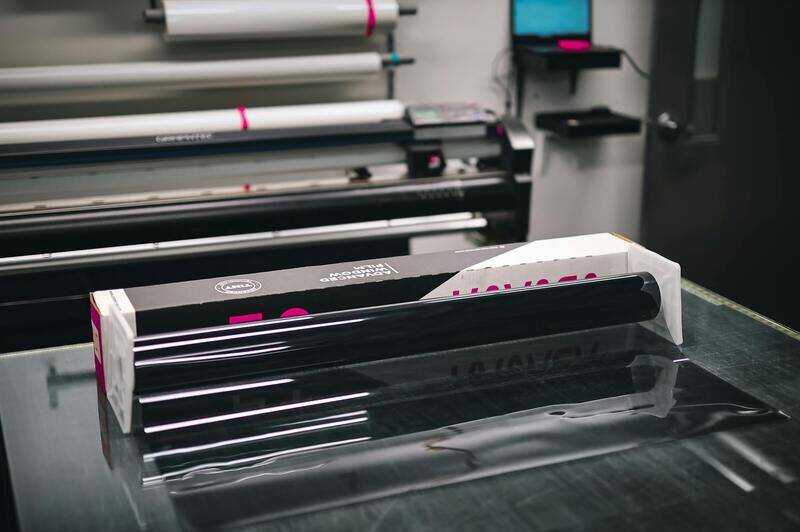
Common paper options include matte, gloss, silk, and uncoated finishes, each delivering a different sensory experience. Specialty papers such as textured linen, canvas, or recycled materials provide unique tactile qualities that reinforce the brand’s message of quality or sustainability.
Incorporating special printing techniques and finishes, like foil accents or embossed patterns, can add a layer of sophistication and visual interest. The choice of these materials should align with your design vision, budget constraints, and the intended audience's expectations, ensuring that every element contributes to the overall impact of your custom booklet.
Understanding Custom Printed Booklets
Custom printed booklets serve as versatile tools for businesses, educational institutions, and individuals aiming to communicate their message effectively. These booklets can be tailored to specific needs, featuring unique sizes, structures, and design elements that distinguish them from standard publications. Their importance lies in their ability to combine visual appeal with informative content, thereby engaging audiences and conveying messages with clarity and professionalism.
One of the key advantages of custom printed booklets is their flexibility. They can be created for various purposes, including product catalogs, event programs, corporate profiles, or artistic portfolios. The customization process involves selecting appropriate dimensions, binding types, paper stocks, and finishing options to align with the desired aesthetic and functional requirements. This bespoke approach ensures that every booklet accurately reflects the brand identity or message it aims to project.
Professionally produced custom booklets often feature high-quality printing and finishing touches that elevate the overall appearance, making them suitable for important presentations, promotional campaigns, or premium client gifts. The process begins with conceptualizing the design, followed by selecting materials, printing techniques, and binding styles that complement the content and target audience. These tailored elements work together to create a cohesive and impactful final product that resonates with viewers and leaves a lasting impression.
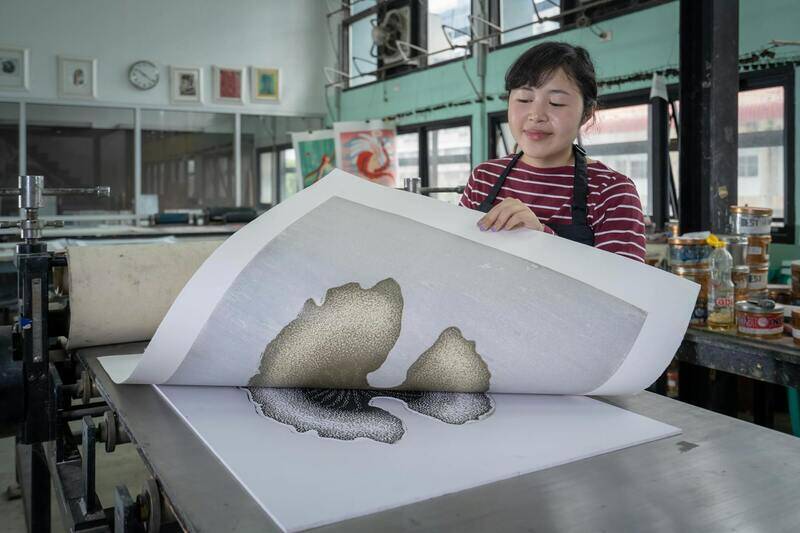
Design Considerations for Booklets
Effective design plays a critical role in making custom printed booklets stand out. This process involves balancing visual elements and textual content to create an aesthetically pleasing layout that guides the reader through the material seamlessly. Key design considerations include choosing a consistent theme that aligns with your branding, selecting complementary color palettes, and creating a clear hierarchy of information.
In addition to aesthetics, practical aspects such as readability and accessibility are essential. Font sizes, line spacing, and contrast between background and text should be optimized for easy reading. Incorporating visual elements such as images, icons, and infographics can help illustrate complex ideas succinctly and aid in information retention. The strategic placement of these elements not only breaks up text but also enhances the overall visual interest of your booklet.
Custom fold styles, interactive components, or textured finishes can further elevate the design. For example, adding fold-out sections for additional content or incorporating die-cut windows can create dynamic experiences for the reader. These features not only make the booklet more engaging but also reflect the unique identity and professionalism of your brand or message.
Materials and Paper Choices
The tactile quality and durability of your booklet greatly depend on the selection of materials and paper types. For projects demanding a premium look and feel, thicker cardstock or laminated covers provide robustness and an upscale appearance. Lightweight papers are suitable for larger print runs where budget and efficiency are priorities.
Common options include matte, gloss, silk, and uncoated finishes, each offering distinct sensorial experiences. Specialty papers such as textured linen, canvas, or recycled materials can add a tactile dimension that reinforces sustainability or artisanal craftsmanship. Incorporating visual effects like foil accents or embossed patterns can beautifully enhance the design, making your booklet stand out even more.
Choosing the right material involves considering the intended message, target audience, and budget constraints. The material should align with your overall branding and serve the purpose of the booklet—be it informational, promotional, or artistic. A thoughtfully selected combination of paper stocks and finishes can significantly influence the perceived quality and effectiveness of your printed material.
Printing Techniques and Processes
The printing process selected for your custom booklet impacts both quality and production efficiency. Offset printing is the preferred choice for large quantities, offering consistency, color accuracy, and high quality. Digital printing, on the other hand, is ideal for short runs or projects that require quick turnaround times and customization flexibility.
Advanced printing techniques such as foil stamping, embossing, and spot UV coating are often used to add special effects that make certain design elements stand out. These methods can elevate the tactile and visual experience, making your booklet more memorable. Additionally, letterpress or thermography can be employed for text or decorative elements needing a tactile or sophisticated finish.
The choice of print process should align with the overall design concept, budget, and production timeline. Collaborating with a knowledgeable printing provider ensures that the selected techniques are executed accurately and to the highest standards, resulting in a product that effectively communicates your message and exudes professionalism.
Exploring Additional Customization Features for Booklets
Enhancing your custom printed booklets with specialized features can significantly boost their visual appeal and tactile engagement. These enhancements serve to draw attention to key content and create a memorable experience for your audience. When selecting customization options, it is essential to consider how each feature complements the overall design and purpose of the booklet.
Common advanced finishing options include foil stamping, embossing, and spot UV coating. Foil stamping involves applying metallic or pigmented foils to specific areas, adding a luxurious or eye-catching metallic finish that emphasizes titles, logos, or decorative elements. Embossing raises certain design components above the surface, providing a tactile sensation that invites interaction and draws focus to important sections, such as headings or images. Spot UV coating adds a glossy layer to select areas, contrasting with matte backgrounds for dramatic visual effects.
In addition to surface finishes, binding options can also be customized to enhance durability and aesthetics. Wire-o binding, saddle stitching, perfect binding, and lay-flat binding each provide different benefits depending on how the booklet will be used and displayed. For instance, lay-flat binding ensures that the pages stay open easily, ideal for instructional or presentation booklets.
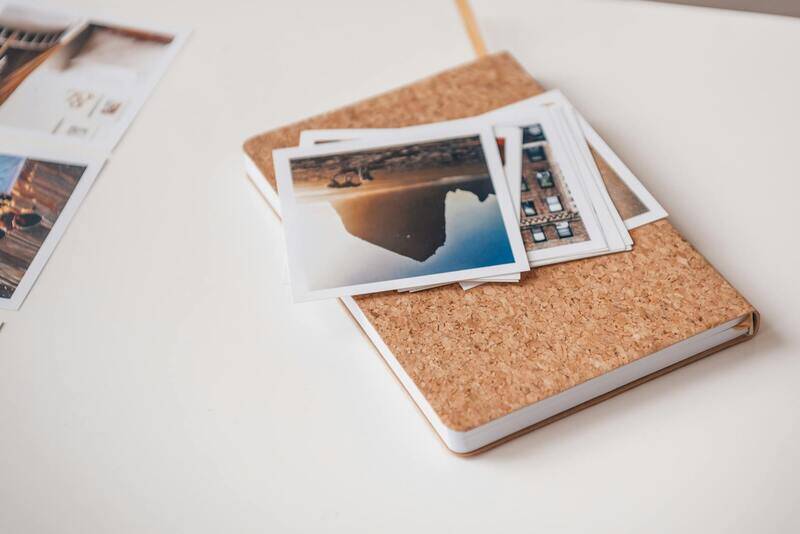
Integrating inserts, die-cut windows, or fold-out pages can also add a layer of interactivity and surprise. These features are particularly effective in promotional or marketing booklets, where engaging the reader can lead to higher retention of the message.
Moreover, choosing specialized paper stocks can further augment the tactile experience and visual perception. Textured paper, translucent sheets, or metallic backgrounds can set your printed material apart and communicate a specific brand identity or artistic vision. When combined thoughtfully with other finishing techniques, these options produce a cohesive and compelling final product.
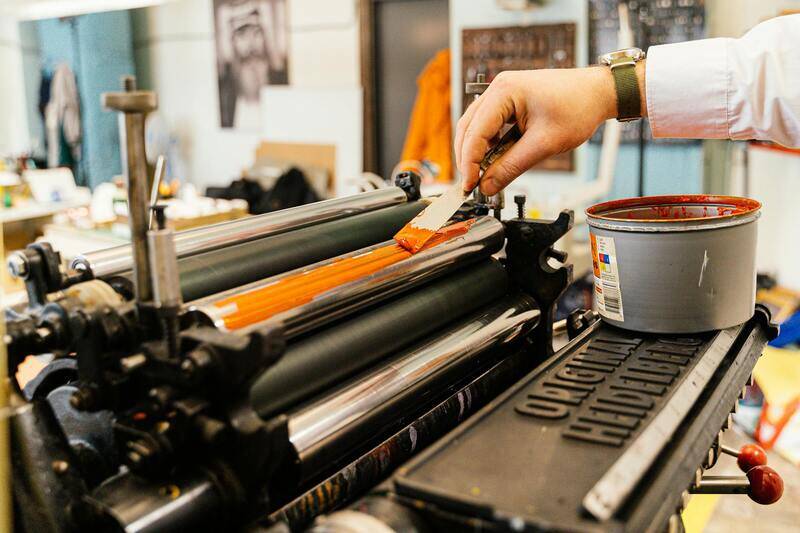
Ultimately, the selection of customization features should align with your design goals, target audience preferences, and budget constraints. A professional printing partner can advise on the most effective combinations to maximize impact and value, ensuring that your custom printed booklets leave a lasting impression.
Understanding Custom Printed Booklets
Custom printed booklets serve as versatile tools for a range of applications, including marketing campaigns, corporate communications, product catalogs, event programs, and educational materials. Unlike standard printed materials, these booklets are tailored to meet specific branding and informational needs, allowing for personalized layouts, unique content arrangements, and specialized finishing touches. Their appeal lies in their ability to engage audiences effectively, convey complex information succinctly, and reflect a professional image through high-quality production.
When opting for custom printed booklets, it is essential to consider how their design and structure align with your objectives. The booklet’s size, page count, binding style, and overall aesthetic should complement the message you intend to deliver. Whether presenting a detailed product overview or a concise promotional message, each element can be optimized to enhance readability and visual interest. The selection of paper quality and printing technique further influences the tactile and visual impact, making your booklet stand out in a competitive marketplace.
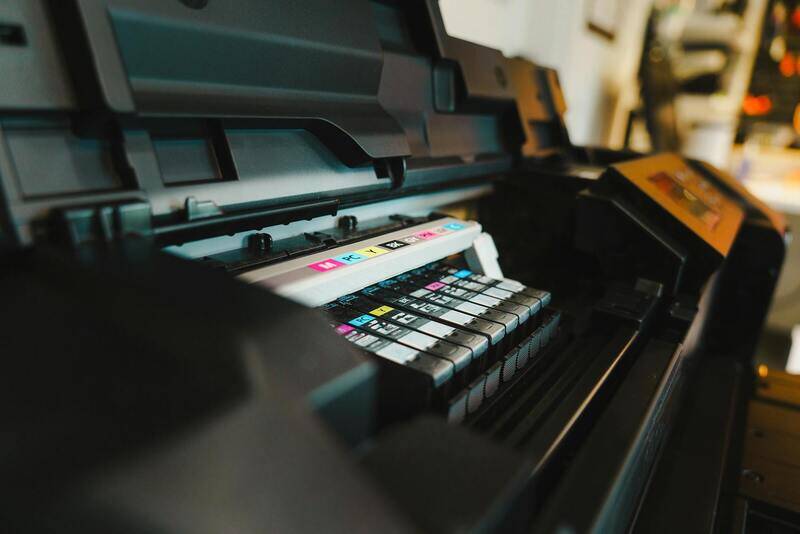
Design Considerations for Booklets
Effective design is pivotal to creating a compelling printed booklet. It begins with a clear understanding of your target audience and the primary message you wish to convey. From there, the layout should be clean, organized, and visually engaging. Consistency in fonts, colors, and imagery helps reinforce your brand identity. Additionally, incorporating high-resolution graphics and professional photographs enhances visual appeal and credibility.
Organizational flow is equally critical. A well-structured table of contents, clear headings, and logically arranged sections guide readers seamlessly through your content. For interactive or promotional booklets, consider features such as fold-out pages, inserts, or die-cut windows that add interactive elements, encouraging reader engagement.
Advanced design techniques, such as foil stamping, embossing, and spot UV coating, can highlight key elements and add a layer of sophistication. These finishing touches not only elevate the tactile experience but also direct attention to essential information, making your booklet more memorable.
Materials and Paper Choices
The selection of paper stock significantly impacts the look, feel, and durability of your booklet. For a premium appearance, thick cover stocks with textured finishes such as linen or matte are excellent. Interior pages can vary from standard coated paper for vibrant color reproduction to uncoated options for a more understated aesthetic.
Specialty papers, such as translucent sheets or metallic finishes, provide unique visual effects that help your booklet stand out. These materials are ideal for highlighting specific sections or adding a touch of elegance and innovation. Additionally, eco-friendly paper options are available for environmentally conscious brands, allowing you to communicate commitment to sustainability without compromising quality.
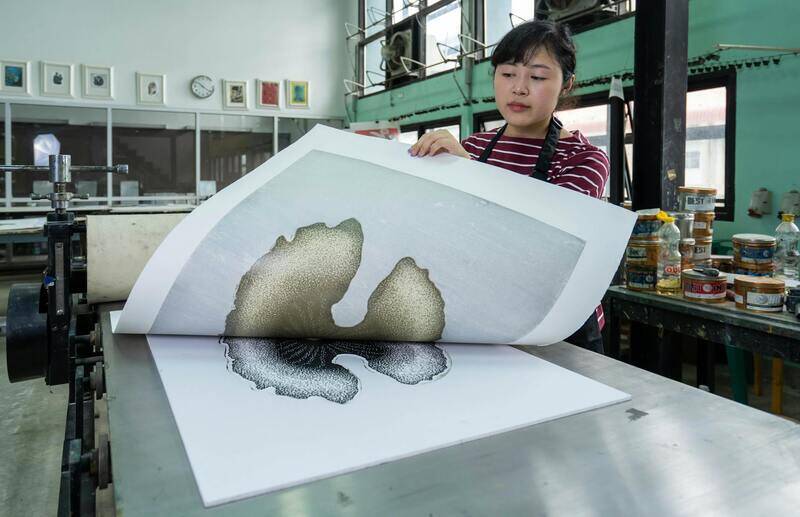
Printing Techniques and Processes
The quality of printing directly influences the final appearance of your booklet. Digital printing offers quick turnaround times and is cost-effective for small quantities, making it suitable for prototypes or limited runs. Offset printing, on the other hand, delivers superior color accuracy and sharpness for larger quantities, ideal for bulk orders.
Other advanced printing techniques include spot UV coating for gloss accents, foil stamping for metallic effects, and embossing for a raised surface texture. These techniques can be selectively applied to emphasize headers, logos, or key visuals, adding a tactile dimension that captures attention and enhances the perception of quality.
Color management is crucial to ensure accurate reproduction of your brand colors and imagery. Working with experienced printers who utilize calibrated equipment guarantees consistent, vibrant results that match your design specifications.
Customization Options and Features
Beyond basic printing, numerous customization options exist to elevate your booklet's impact. These include unique binding styles like spiral, wire-o, saddle stitch, and perfect binding, each suited to differing page counts and usage scenarios. Lay-flat binding is particularly useful for presentations or instructional materials that require ease of use in open position.
Additional features such as die-cut windows, fold-out pages, or integrated inserts introduce interactivity, transforming your booklet into a memorable experience. For a distinctive tactile effect, options like spot UV, textured varnishes, or metallic foils can be used selectively to add visual interest and convey a high-end look.
Customization also encompasses the size and shape of the booklet. Standard formats can be augmented with unconventional dimensions or die-cut shapes to draw attention. The choice of cover material—such as soft-touch lamination or embossed leatherette—further communicates a sense of quality and exclusivity.
Order Quantities and Lead Times
The scope of your project, including desired quantity and complexity, influences production timelines and costs. Small runs, often under 500 copies, benefit from digital printing, which allows for faster turnaround times and more flexibility in design alterations. Larger orders typically utilize offset printing, offering economies of scale and consistent quality across extensive quantities.
Lead times can range from a few days for expedited digital printing to several weeks for offset presses, depending on the scope and finishing options. Planning your project well in advance and communicating your deadlines clearly with your printing provider helps ensure timely delivery. For complex projects involving specialty materials or finishing techniques, additional lead time may be necessary to facilitate production and quality assurance processes.
Choosing a Printing Service Provider
Selecting the right printing partner is fundamental to achieving the desired quality and impact for your custom printed booklets. An effective provider should demonstrate a strong commitment to quality, reliability, and customer satisfaction. These qualities ensure your project is handled professionally from concept to delivery, minimizing potential delays or issues along the way.
Evaluating Quality and Capabilities
Understanding the capabilities of a printing company involves reviewing their portfolio and requesting samples of previous work. Look for clarity in print, consistent color reproduction, and attention to detail in finishing processes like binding, coating, และ lamination. A reputable provider will utilize high-quality materials and advanced printing technology to produce sharp images and vibrant colors that align with your design vision.
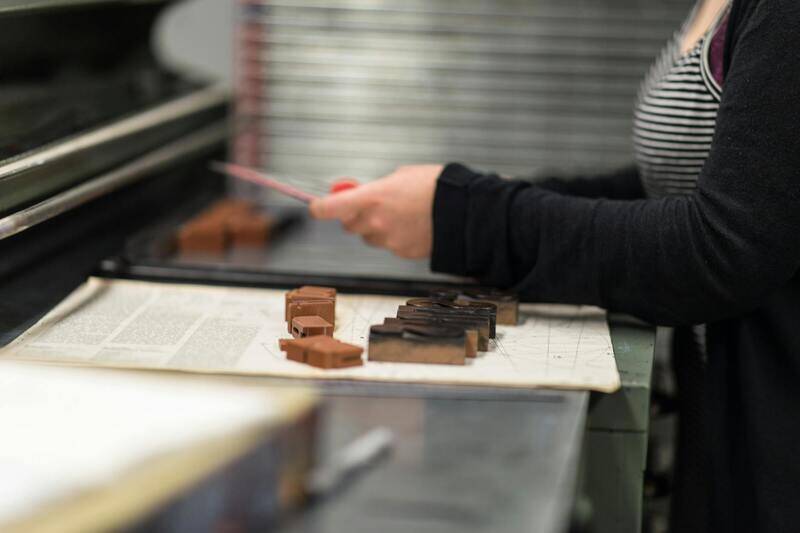
Turnaround Times and Flexibility
Clear communication about timelines is key. Inquire about their standard turnaround times and whether they offer expedited services if your project requires quick delivery. The ability to accommodate last-minute changes or revisions without compromising quality demonstrates professionalism and agility in handling diverse project requirements.
Customer Service and Support
Effective communication throughout the process enhances the overall experience. A dedicated account manager or customer support team should be accessible and responsive, guiding you through file preparation, material selection, and finishing options. This level of support ensures your project stays on track and meets your expectations at every stage.
Reputation and Reviews
Researching customer reviews and testimonials provides insights into a provider’s reliability and professionalism. Look for consistent positive feedback regarding quality, delivery performance, and customer service. Engaging with a company known for transparency and accountability can significantly reduce uncertainties and foster a smooth production process.
Cost Transparency and Value
While cost should not be the sole factor in choosing a printing provider, clear and detailed quotations help you understand what is included in the price. A reputable service offers detailed breakdowns of costs related to materials, printing techniques, finishing, and shipping. Balancing quality with budget constraints ensures you receive a valuable product that meets your expectations.
Ultimately, pairing your project requirements with a professional, experienced printing company guarantees a high-quality finished product. This collaboration results in custom printed booklets that effectively communicate your message and leave a lasting impression.