Overview of Printing in Color
Printing in color has revolutionized the way visual information is communicated across numerous industries, from publishing and marketing to packaging and personal projects. This process involves reproducing images, text, and graphics with a broad spectrum of colors, providing vibrancy and clarity that black-and-white printing simply cannot match. The evolution of color printing dates back to the 19th century, initially employing methods like chromolithography before advancing to modern digital and offset technologies.
Today, color printing plays a pivotal role in enhancing visual impact, ensuring accurate data representation, and enabling creative expression. Industries such as advertising rely heavily on vivid color outputs to attract attention and convey messages effectively. In publishing, color images enrich storytelling and informational content, making materials more engaging for readers. Packaging manufacturers utilize color printing to differentiate brands and include detailed product information, which aids consumer decision-making.
The significance of color printing lies in its ability to communicate complex ideas quickly and effectively. The choice of colors can influence consumer perception, evoke emotional responses, and strengthen brand identity. As digital technology continues to improve, the range, quality, and affordability of color printing have expanded, making this capability accessible to small businesses and individual creators alike.
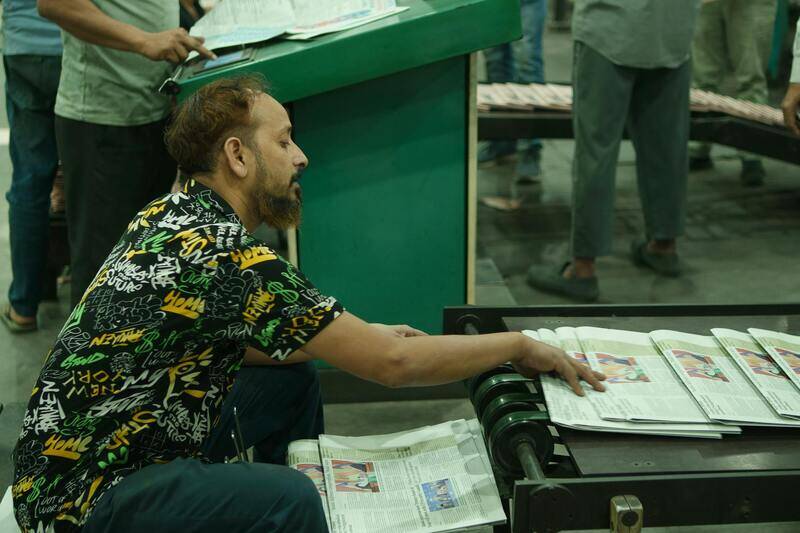
Understanding the fundamentals of color printing involves recognizing the various methods used, from traditional offset printing to the latest digital presses. These technologies utilize different color application processes, such as CMYK (Cyan, Magenta, Yellow, Key/Black), which is the standard for most professional color printing. This color model allows for a wide gamut of printable hues, ensuring detailed and vibrant images can be produced consistently.
In addition to printing methods, the processes of color calibration and management have become integral to achieving accurate reproductions. By controlling the color profiles and monitor settings, printers can ensure that the final output matches the intended design, regardless of the viewing environment. This consistency is crucial for maintaining brand standards and delivering aesthetically pleasing results.

Overall, the capacity to print in full color significantly elevates the precision and appeal of printed materials, making it an essential aspect of modern printing technology and design strategy. Whether for marketing campaigns, educational materials, or personal projects, mastering color printing techniques is vital for achieving professional and impactful results.
Understanding the Different Types of Color Printing Technologies
To achieve optimal results in color printing, it is essential to select the most appropriate technology based on the specific requirements of the project. The primary methods include offset printing, digital printing, flexography, and inkjet printing, each with distinctive advantages and applications.

Offset Printing
Offset printing remains a popular choice for high-volume projects that demand superior color accuracy and consistency. This method involves transferring ink from a plate to a rubber blanket and onto the printing surface. It is ideal for printing large quantities of brochures, catalogs, and magazines with rich, vibrant colors and fine detail. Offset presses support a wide color gamut, facilitating precise color matching and reproduction of intricate images. The process, however, requires a longer setup time and is more cost-effective for bulk orders.
Digital Printing
Digital color printing provides a flexible and cost-efficient solution for small to medium print runs. It uses electronic files to directly print onto various substrates without the need for plates. This technology allows for quick turnaround times and easy customization, making it highly suitable for personalized marketing materials, labels, and short-run publications. Advances in digital press quality enable vibrant color reproduction comparable to traditional methods, with the added benefit of on-demand printing that minimizes waste.
Flexography
Primarily utilized for packaging and labels, flexography employs flexible plates made of rubber or polymer to transfer ink. It excels in printing on non-porous surfaces like plastics, foils, and wallpapers. Thanks to its high-speed capabilities and efficient ink usage, flexography is an excellent choice for production runs involving large quantities of product packaging with consistent color quality and durability.
Inkjet Printing
Known for its versatility and high-resolution output, inkjet printing is frequently used for photographic reproductions and fine art prints. It operates by propelling tiny droplets of ink onto the substrate, allowing for detailed color gradations and a broad spectrum of hues. Inkjet printers are suitable for small-scale production, proofs, and specialized applications where image quality takes precedence. They support various media types, from fine art papers to textiles.
Comparison of Technologies and Their Use Cases
- Offset Printing: High-volume printing, commercial publications, branding materials
- Digital Printing: Short runs, customization, rapid turnaround
- Flexography: Packaging, labels, non-porous materials
- Inkjet Printing: Art reproductions, photographs, proofs
Choosing the right printing technology hinges on factors such as project scope, desired quality, turnaround times, and budget. Each method has unique benefits that cater to different demands, enabling businesses and creators to produce vibrant, professional color prints tailored to their specific goals.
Color Calibration and Management
Achieving consistent, accurate color reproduction in printing in color requires meticulous calibration and effective management strategies. Color calibration involves adjusting printers, monitors, and workflows to align with industry-standard color profiles, ensuring that the hues displayed on screen match the printed output. This process is vital for maintaining brand consistency and meeting high-quality standards, especially for marketing materials, packaging, and art reproduction.
Calibration begins with profiling the display devices, typically using specialized color management software and hardware like colorimeters or spectrophotometers. These tools measure the output of monitors and printers, creating precise color profiles that serve as reference points. Regular calibration routines, often scheduled weekly or monthly, help counteract device drift and environmental changes such as lighting conditions, ambient temperature, and humidity, all of which can influence color accuracy.
Color management extends beyond calibration; it involves establishing standardized workflows, selecting appropriate color spaces, and employing consistent file formats. Color spaces like Adobe RGB or sRGB are chosen based on the application, while working with high-quality, embedded ICC profiles ensures that colors remain consistent across different devices and print runs. Using soft-proofing techniques allows designers and print operators to preview how a design will appear when printed, enabling adjustments before the final print job begins.

Implementing these best practices involves continuous monitoring and documentation, which helps identify issues early and rectifies discrepancies swiftly. Investing in advanced calibration tools and training personnel in color management protocols significantly enhances the reliability and quality of every print, reducing waste and rework. This disciplined approach is critical for achieving vibrant, true-to-life colors in both small batches and large production runs.
Maintaining Consistent Color Quality Across Prints
- Utilize standardized workflows and color profiles in editing and prepress processes.
- Regularly calibrate and profile all devices involved in production, including monitors, printers, and proofing tools.
- Employ soft-proofing and proofing proofs to simulate final output and make necessary adjustments beforehand.
- Train staff on color management principles to ensure adherence to best practices.
- Establish quality assurance checkpoints throughout the printing process to detect and correct deviations early.
Effective color calibration and management bolster the credibility of printed pieces, making them an integral aspect of professional color printing projects. They help ensure that every print reflects the intended design and color intent, maintaining high standards that meet the expectations of both clients and audiences.
Types of Color Printing Technologies
Understanding the various methods available for color printing is crucial for selecting the most suitable process for your specific needs. Each technology offers unique advantages in terms of quality, speed, and cost, making it essential to align your project's requirements with the capabilities of each printing method.
Offset Printing
Offset printing remains a popular choice for large-volume color printing due to its exceptional image quality and cost efficiency at scale. This process involves transferring ink from a metal plate onto a rubber blanket, which then applies the image onto paper. Offset presses can handle high-resolution images with consistent color accuracy, making them ideal for brochures, posters, and catalogs with detailed graphics.
Digital Printing
Digital printing offers a flexible and cost-effective solution for short runs or on-demand projects. This process directly transfers digital files onto printing surfaces using toner or liquid ink. Digital printers excel in rapid turnaround times and can quickly adapt to changes in design or quantities, making them suitable for promotional materials, personalized prints, and small batches.
Flexography
Flexography is commonly used for packaging and labels, leveraging fast-drying inks and flexible plates to print on a variety of substrates, including plastics, foils, and corrugated materials. This method supports vibrant color reproduction and is well-suited for large industrial printing runs, especially when high volume and durability are required.
Gravure Printing
Gravure printing specializes in high-volume, high-quality prints, particularly for magazines, packaging, and decorative papers. It involves etching the image onto a cylinder, which then transfers ink onto the substrate. Gravure produces consistent, rich colors with fine detail, making it a preferred choice for luxury packaging and magazines with elaborate color schemes.
Screen Printing
Screen printing is valued for its versatility and vibrant color output on a range of materials. It involves pushing ink through a mesh screen stencil to create images and designs. This technique is often used for textiles, signage, and specialty items that require thick ink deposits and bold colors.
Emerging Technologies
Innovations such as UV printing and inkjet systems have expanded the boundaries of color printing. UV printing employs ultraviolet light to cure inks instantly, allowing for printing on non-porous surfaces with bright, durable colors. High-speed inkjet printers now deliver fine detail and photorealistic quality, suitable for both large-scale commercial and artistic applications.
Choosing the right color printing technology depends on factors such as project volume, desired quality, substrate type, and budget constraints. Consulting with printing professionals can help determine the optimal method to achieve vibrant, accurate colors that align with your branding and design standards.
Overview of Printing in Color
Color printing transforms visual communication by providing vibrant, eye-catching images that captivate audiences and enhance brand identity. The ability to reproduce a wide spectrum of hues allows businesses and designers to create compelling materials that stand out in competitive markets. From product packaging to marketing collateral, color printing enables the detailed and accurate representation of logos, photos, and intricate designs, making it a crucial element in effective visual storytelling.

Achieving consistent and accurate colors across multiple print runs requires an understanding of different printing technologies, color management practices, and design principles. When properly executed, color printing not only draws attention but also fosters emotional connections with consumers by conveying messages with clarity and fidelity. As a result, organizations leverage color in printing to reinforce their branding, differentiate their products, and communicate complex information effectively.
Types of Color Printing Technologies
Various methods deliver color printing capabilities, each suited for specific applications, quality standards, and production volumes. These technologies include offset printing, digital printing, flexography, gravure, and screen printing, among others. Selecting the appropriate technology is crucial to achieving optimal color fidelity and cost efficiency.
Color Calibration and Management
Precision in color reproduction hinges on robust calibration and management processes. Color management involves using standardized color profiles and calibration tools to ensure that the colors on screens match those in printed output. This process includes monitor calibration, proofing, and color profiling, which collectively minimize discrepancies and uphold brand consistency across various media. Proper color management not only facilitates the accurate transfer of colors from digital files to printed materials but also reduces waste and rework, ultimately saving time and resources.
Design Considerations for Color Prints
Designing for color printing involves strategic use of color palettes, contrast, and imagery that translate well onto physical media. Considerations include selecting appropriate color profiles, understanding how colors will appear on different substrates, and optimizing contrast to ensure clarity and readability. Effective designs often employ color combinations that maintain vibrancy while ensuring sufficient contrast for accessibility and legibility, regardless of viewing conditions.

Technological advancements continue to enhance the possibilities for color printing, making it possible to achieve high fidelity with intricate gradations, subtle hues, and realistic imagery. Whether printing promotional banners, fine art reproductions, or packaging, understanding the nuances of design and technology ensures that the final product meets expectations.
Cost Factors and Budgeting for Color Printing
When planning for professional color printing, understanding the various factors that influence costs is essential to create realistic budgets and avoid unexpected expenses. Several key aspects determine the overall cost of printing in color, including the complexity of the color palette, the volume of prints, and the selection of the printing technology used.
Color Complexity and Detail
The number of colors involved in a project significantly impacts production costs. Multi-colored images with intricate gradients and subtle hues require more advanced printing techniques and precise color management, which can increase expenses. High-fidelity reproductions like fine art prints or detailed photographic reproductions demand specialized inks and substrates, further elevating costs.
Print Volume and Economies of Scale
Volume plays a pivotal role in determining the cost per print. Larger batch sizes typically benefit from economies of scale, reducing the price per unit. Conversely, small runs or one-off prints tend to incur higher costs due to setup procedures and ink usage. Strategic planning of print volumes can optimize budgets and ensure cost efficiency.
Choice of Printing Technology
Different color printing methods come with varied cost structures. For instance, digital printing offers quick turnaround times suitable for small to medium runs with reasonable costs, while offset printing provides higher quality and lower unit costs for large volumes. Each technology has its own initial setup costs and maintenance requirements, factors that influence overall expenses.
Additional Cost Factors
- Materials and Substrates: Premium papers, textured or coated surfaces, and specialty inks will elevate costs, but can enhance the visual impact of your print.
- Color Accuracy and Proofing: Investing in color calibration and proofing services ensures the final product matches expectations but may add to the overall budget.
- Finishing and Post-Processing: Elements such as lamination, embossing, or die-cutting contribute extra costs but can significantly improve durability and aesthetics.
Budgeting Tips
- Plan for Larger Runs: Whenever possible, increase order quantities to reduce the per-unit cost through scale efficiencies.
- Prioritize Design Simplicity: Simplified color schemes reduce printing complexity and costs.
- Compare Technologies: Evaluate options between digital and offset printing based on project volume and budget constraints.
- Consult with Professionals: Collaborate with printing experts to identify cost-saving opportunities without compromising quality.

Overview of Printing in Color
Printing in color is a sophisticated process that involves reproducing images, graphics, and text with a wide spectrum of hues to produce vibrant, eye-catching results. This technique is essential for creating promotional materials, marketing collateral, and detailed images that require accurate color representation. The choice to utilize color printing hinges on the need for visual impact and brand consistency, making it a preferred option for businesses and artists alike. Color printing offers greater flexibility in expressing creative concepts and conveying information through vivid visuals, which is often crucial in competitive markets. Advanced printing technologies and meticulous color management allow for the production of high-fidelity prints that capture the nuances of original artwork or branding elements with precision. Adapting to various substrates and formats, color printing is widely suited for both commercial and personal projects, provided the right process and materials are selected.

Types of Color Printing Technologies
Selecting the appropriate color printing technology is imperative for achieving the desired quality, efficiency, and cost-effectiveness. Among the main types are digital printing, offset printing, and flexography. Digital printing is favored for short runs and quick turnaround times; it employs inkjet or laser technology to produce vibrant colors directly from digital files. Offset printing is ideal for large-volume jobs, utilizing plates and ink to deliver sharp detail with consistent color accuracy over extensive runs. Flexography offers high-speed production with flexible plates, making it suitable for packaging and labels that require bright, solid colors. Each method involves a distinct setup process, material compatibility, and operational considerations, which influence overall project outcomes. When choosing a technology, factors such as project size, detail complexity, turnaround time, and budget must be carefully evaluated to ensure optimal results.

Color Calibration and Management
Achieving accurate color reproduction trust relies heavily on rigorous calibration and management processes. Color calibration involves adjusting equipment and software to ensure output matches predefined standards, facilitating consistency across multiple prints and different devices. This process typically includes creating color profiles and running test prints to verify accuracy. Color management extends beyond calibration, encompassing the entire workflow from digital design to final print. It includes selecting proper color profiles, maintaining proper monitor calibration, and using consistent ink formulations. Implementing robust color management protocols results in prints that closely resemble digital proofs and maintain uniformity in large runs. Professional-grade calibration tools and software are often employed in high-quality print environments, underscoring the importance of precision when reproducing complex color schemes or brand-specific palettes.

Design Considerations for Color Prints
Design complexity significantly impacts the quality and cost of color printing projects. When preparing designs, use of high-resolution images, appropriate color schemes, and suitable file formats ensures fidelity and reduces the need for reprints. Color accuracy is also influenced by the choice of color profiles—such as Adobe RGB or sRGB—and how closely they match the intended output device. It is vital to consider the substrate and printing process because certain colors may appear differently on coated versus uncoated surfaces. Simplified color palettes can streamline printing processes and minimize the chances of color discrepancies, whereas intricate gradients and photorealistic images require meticulous planning to prevent banding or color mismatch. Proofing stages enable adjustments before final production, ensuring alignment with project expectations and saving costs associated with reprints.

Advantages of Printing in Color
Color printing enhances visual appeal and emotional engagement, making it a powerful tool for marketing and branding. The ability to reproduce vibrant and detailed images enables brands to communicate more effectively, standing out in crowded marketplaces. Color prints are also more informative, allowing for quick visual cues that guide viewer attention and facilitate better understanding of complex information. Furthermore, color can reinforce brand identity through consistency with visual assets such as logos, color schemes, and thematic elements. The durability and high resolution achievable with modern color printing enable the production of professional-grade materials that leave a lasting impression. Enhanced aesthetics, improved clarity, and increased brand visibility are among the key benefits that make color printing an invaluable element of contemporary visual communication strategies.

Cost Factors and Budgeting for Color Printing
Understanding the expense structure of color printing involves analyzing multiple components including technology, materials, and finishing processes. Digital printing generally offers lower initial costs, particularly suitable for small-scale jobs with quick turnarounds. Offset printing, while requiring higher setup costs due to plates and calibration, lowers the per-unit expense significantly for large-volume jobs, making it cost-efficient at scale. Material choices such as the type of paper, textured surfaces, and specialty inks can influence overall expenses; premium choices enhance visual effect but increase costs. Color accuracy measures like calibration and proofing services, along with finishing techniques such as lamination or embossing, further add to budget considerations. Strategic planning — such as increasing order quantities or opting for simplified designs — can help manage expenditures without compromising quality, ensuring that color printing remains an effective investment for impactful marketing and communication efforts.
Choosing a Color Printing Service
Selecting the right printing partner is crucial to achieving high-quality color prints that meet your expectations and project specifications. When evaluating potential service providers, consider several key aspects to ensure you receive professional results and reliable support throughout the process.
Assessing Quality and Precision
The foundation of excellent color printing lies in the quality of the equipment and the expertise of the technicians. Look for companies that utilize advanced digital and offset printers capable of reproducing vibrant and accurate colors. Request sample prints to evaluate color consistency, detail sharpness, and overall visual appeal. High-resolution outputs with true-to-life color reproduction demonstrate a provider’s commitment to quality. Additionally, inquire about their calibration practices and color management systems to ensure consistent results across multiple projects.
Turnaround Times and Delivery Options
Timeliness is often a critical factor in print projects, whether for marketing campaigns, business collateral, or personal events. A reliable printing service should offer clear estimates for turnaround times, with options for expedited processing if needed. Confirm their capacity to handle rush orders without compromising quality. Additionally, explore their delivery options to ensure your prints will arrive on schedule and in pristine condition, especially if working with large quantities or tight deadlines.
Customer Support and Communication
Effective communication channels are essential for a smooth printing experience. Choose a provider that offers dedicated customer support, whether through phone, email, or live chat, to address questions or concerns promptly. Transparent communication during the quoting, design review, and approval stages helps prevent misunderstandings and costly revisions. A service provider that provides detailed proofs or mockups allows you to verify color accuracy and design placement before proceeding with full production.
Evaluating Cost-Effectiveness and Value
While cost is an important consideration, it should not be the sole factor in your decision. Compare price quotes from different providers to understand what is included — such as paper quality, finishing options, and shipping fees. Higher costs may reflect better materials or advanced color management, ultimately delivering superior results. Prioritize providers that combine affordability with reliable quality and timely delivery to maximize value from your investment.

Additional Services and Capabilities
Determine whether the printing service offers supplementary options that can enhance your project’s impact. These might include custom finishing techniques like lamination, embossing, or foil stamping, as well as specialty inks and textured papers. Access to comprehensive design support, including pre-press adjustments and color proofing, can streamline your workflow and ensure the final prints align with your original vision.
Ultimately, choosing a trusted and capable color printing service involves balancing quality, speed, support, and cost. By assessing these factors carefully, you can secure results that effectively communicate your message and leave a memorable impression on your audience.