Overview of Multi Colour Printing
Multi colour printing is a sophisticated printing technique that involves the application of several colours within a single print process, allowing for vibrant, detailed, and eye-catching visuals. Unlike single colour printing, which utilises only one ink tone, multi colour printing combines multiple inks to create complex images, logos, marketing materials, and packaging that demand colour richness and precision. This approach is integral in industries where visual appeal directly impacts brand perception and consumer engagement, including retail, advertising, and product packaging.
The significance of multi colour printing in the modern printing landscape is evident through its capacity to produce high-quality, durable, and visually compelling outputs. It enables the reproduction of intricate designs with fine details, gradients, and colour blends that are essential for conveying brand identity and messaging effectively. As businesses seek to stand out in competitive markets, multi colour printing provides a versatile solution to meet these demands, offering a wide spectrum of colour options and superior image fidelity.
In comparison to single colour printing, which is often used for cost-effective, straightforward printing needs, multi colour printing is more versatile and enables the creation of visually rich and nuanced materials. Whether used for promotional banners, product labels, or customised merchandise, its ability to accurately reproduce colours and hues contributes significantly to achieving a professional and polished appearance. Embracing this technology ensures that outputs are not only visually appealing but also reflective of high standards of quality and detail.

In summary, multi colour printing is a vital technique in the printing industry that elevates visual presentation and communication effectiveness. Its capacity to produce detailed, multi-hued images makes it a preferred choice for brands aiming for impactful consumer engagement and high-quality deliverables in today's competitive market landscape.
Design Considerations for Multi Colour Printing
When preparing artwork for multi colour printing, meticulous attention to the design layout and colour palette is essential. High-resolution images and vectors ensure clarity and sharpness, especially when reproducing detailed graphics or fine lines. Designers should use colour profiles compatible with professional printing standards, such as CMYK, to accurately simulate final output colours and avoid unexpected shifts during the printing process.
Separation of colours is a critical step in multi colour printing. Each colour requires its own layer or separation in the design file, which facilitates precise registration and colour consistency across the printed material. Overlapping colours should be carefully managed to prevent unwanted bleed or misalignment, which can compromise the overall aesthetic of the final product.
In addition, selecting colour schemes that contrast well and complement each other enhances the visual impact while maintaining legibility and clarity. Pantone Matching System (PMS) colours are frequently employed to ensure colour accuracy and brand consistency across various print runs. Designers should also consider the material and finish being used, as these can influence how colours appear and interact with the surface texture.

Choosing the Right Printing Method
Determining the most suitable multi colour printing technique depends on factors such as the volume of print, complexity of design, and desired finish. Offset printing is ideal for large quantities, offering high quality and cost efficiency over multiple runs. It produces sharp, consistent colours and is suitable for producing brochures, posters, and packaging materials.
Digital printing provides flexibility and rapid turnaround times, making it suitable for short runs and customised items. Its ability to handle variable data and personalised designs makes it a popular choice for events, promotional materials, and small batch printing.
Flexography is commonly used for packaging, labels, and flexible materials due to its fast processing speeds and ability to print on diverse substrates. Screen printing, on the other hand, excels in printing on textured surfaces and textiles, delivering vibrant colours and durable results, especially for promotional apparel and signage.

Types of Multi Colour Printing Techniques
Multi colour printing encompasses a variety of methods, each suited to different project specifications and desired outcomes. Selecting the most appropriate technique involves understanding the intrinsic strengths and limitations of each process, ensuring the final product meets quality standards and budget constraints. Below are the primary types of multi colour printing techniques that are widely employed in professional print production.
Offset Printing
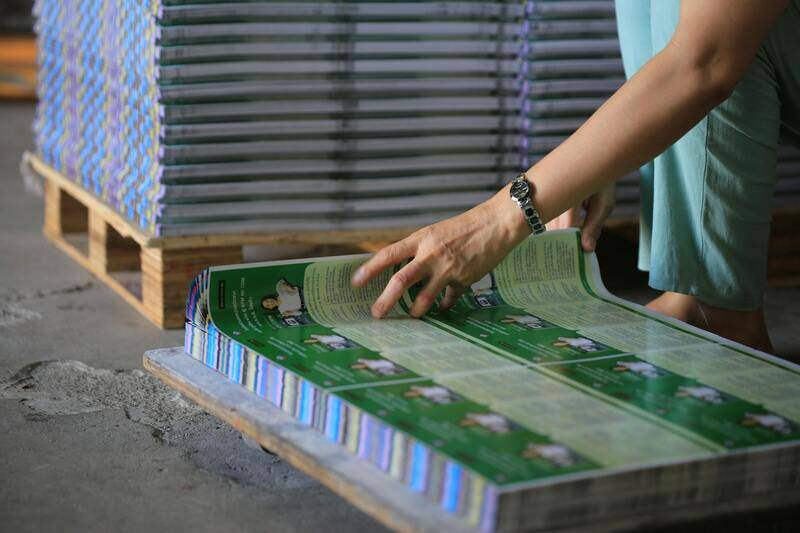
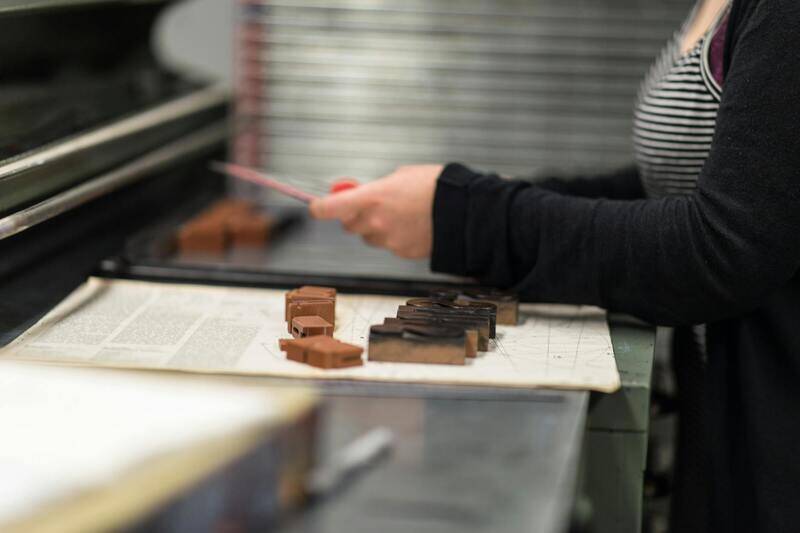
Offset printing remains a staple in high-volume multi colour printing due to its ability to produce consistent, vibrant colours with high precision. This process involves transferring ink from plates to rubber blankets, then onto the printing surface. It is highly effective for producing large quantities of brochures, posters, and packaging items where colour accuracy and sharp detail are crucial. Offset printing allows for Pantone colour matching, which ensures correct colour reproduction across different print runs, maintaining brand consistency. The setup process is more involved compared to digital methods but becomes cost-effective and efficient at scale.
Digital Printing
Digital multi colour printing offers unparalleled flexibility for short runs and customized projects. With no necessity for plates, digital printers can handle complex colour gradients and variable data seamlessly. This method is ideal for personalized marketing materials, event invites, and small batch packaging. The rapid turnaround times and ease of modifying designs make it a preferred choice for dynamic marketing strategies. Modern digital printers can reproduce a broad spectrum of colours accurately, closely matching Pantone references or CMYK standards.
Flexography
Flexography is a high-speed process commonly used for printing on non-porous surfaces such as plastics, foils, and cartons. It employs flexible relief plates made of rubber or plastic, allowing for rapid printing suitable for packaging, labels, and flexible materials. Flexography’s ability to handle a wide range of inks, including specialty and metallic options, makes it ideal for vibrant multi colour designs on diverse substrates. Its scalability and quick production cycles make it advantageous for product packaging where consistency and efficiency are paramount.
Screen Printing
Screen printing excels in applying vibrant colours onto textured surfaces, textiles, and promotional items. This method involves pushing ink through a woven mesh stencil onto the material, making it highly versatile for producing bold, opaque colours. It is a preferred process for custom apparel, signage, and promotional items demanding durable, high-impact visuals. The capability to layer multiple colours on textured surfaces allows for creative designs not feasible through other methods, making it a favored choice for artistic branding and bespoke printing projects.
Design Considerations for Multi Colour Printing
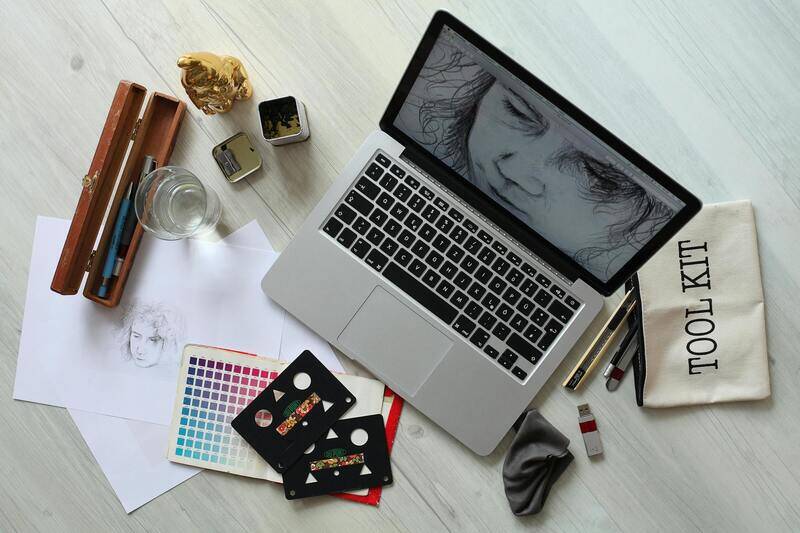
When preparing a design for multi colour printing, several critical factors should be taken into account to ensure vivid results and efficient production. Firstly, color separation is essential; designers must create precise separations for each colour to avoid misalignment or unintended overlaps, particularly in complex designs. It is recommended to use software that supports multi layer color separations, such as Adobe Illustrator or CorelDRAW, to maintain accuracy throughout the printing process.
Color matching holds significant importance in multi colour printing projects. Utilizing standard colour systems like Pantone ensures that specific shades are reproduced consistently across different jobs and substrates. For projects with strict colour fidelity requirements, it is advisable to provide color proofs or swatches to the printer beforehand, facilitating adjustments before full-scale production begins.
Design simplicity can also impact the quality of multi colour printing. Overly intricate or highly detailed images may lose clarity or become muddled when multiple colours are layered. Simplification of design elements, such as reducing fine lines and unnecessary details, can improve colour separation and registration, resulting in a cleaner final product.
Furthermore, bleed and margin considerations are vital to prevent unintentional white borders or cut-off edges. Designers should extend backgrounds or colour blocks beyond the trim line (bleed area) and keep critical text or logo elements within safe margins. This ensures a polished and professional appearance, regardless of slight registration shifts during printing.
Material choice also influences the success of multi colour printing. Different substrates—such as paper, plastics, textiles, or specialty materials—react variably to inks and printing methods. Testing samples beforehand permits assessment of ink adhesion, vibrancy, and durability, especially for complex or outdoor applications. Similarly, selecting compatible inks, including UV, metallic, or matte finishes, can enhance visual effects and overall product quality.
In summary, meticulous planning in the design stage, including proper color management, simplification, and consideration of material properties, plays a crucial role in maximizing the impact and precision of multi colour printing projects. A well-prepared design not only results in vibrant, eye-catching visuals but also streamlines production, reducing costs and turnaround times.
Overview of Multi Colour Printing
Multi colour printing involves the process of applying multiple layers of inks in various colours to create vibrant, detailed, and visually appealing printed materials. This technique enhances the depth and richness of images, logos, and designs, making them more captivating and effective for branding and marketing purposes. Unlike single-colour printing, which relies on a solitary ink hue, multi colour printing allows for a spectrum of colours, resulting in a more dynamic and accurate representation of the original artwork or design.
The process typically requires precise alignment of each colour layer to ensure crisp, clear images without overlaps or misalignments. This precision is achieved through advanced registration systems and colour separation techniques, crucial for industries that demand high-quality visual outputs, such as packaging, promotional materials, and apparel printing.
Types of Multi Colour Printing Techniques
Several specialised methods exist to facilitate multi colour printing, each suited to different materials and project requirements. Understanding these techniques helps determine the most suitable approach for specific needs:
- Offset Lithography: This traditional printing process transfers ink from a metal plate to a rubber blanket, then onto the printing surface. It is ideal for high-volume runs with consistent quality, especially on paper and cardboard, and allows for precise colour registration and complex images.
- Digital Printing: A versatile method utilizing digital files for direct printing onto substrates. It offers quick turnaround times and is suitable for short runs or customized projects, supporting a broad colour palette with accurate colour matching.
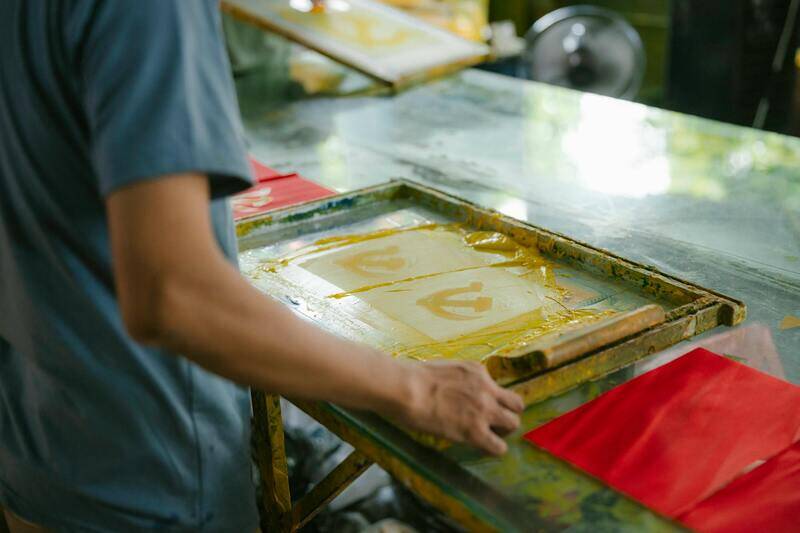
- Screen Printing: Employs a mesh screen to apply ink through stencils, making it highly effective for printing on textiles, plastics, and other non-porous materials. Multiple screens can be used for different colours, resulting in bold, vibrant designs.
- Gravure Printing: Utilized mainly for high-volume print runs, especially on flexible packaging and decorative surfaces. It produces high-quality, detailed images with excellent colour fidelity across large surfaces.
- Flexography: Commonly used for packaging and labels, this method involves flexible plates that can print on various substrates, including plastics and metallic foils, with consistent multi colour layers.
Design Considerations for Multi Colour Printing
Achieving optimal results in multi colour printing requires careful planning and design proficiency. Several key considerations can significantly influence the final output:
- Colour Separation and Registration: Proper separation of colours during the design phase ensures each layer aligns perfectly. Advanced colour management software facilitates this process, reducing registration issues and enhancing image clarity.
- Bleed and Safety Margins: Extending background colours and design elements beyond the trim line prevents unintentional white borders after cutting. Additionally, keeping critical text and logos within safe zones ensures they are not cut off or misplaced.
- Simplification of Design Elements: Fine lines and small details can be challenging to reproduce accurately. Simplifying intricate designs helps improve colour registration and overall print quality.
- Material Compatibility: Different substrates respond uniquely to inks. Testing samples on chosen materials verifies ink adhesion, vibrancy, and durability, especially for outdoor or high-traffic applications.
- Color Selection and Finishes: Choosing the right ink type—such as UV, metallic, or matte—can enhance visual effects and increase the perceived quality of the final product. Compatibility with the substrate also impacts the longevity and vibrancy of colours.
Proper attention to these design factors fosters a professional appearance and minimizes costly errors. Skilled designers often collaborate closely with print technicians to adjust files for optimal colour balance, registration, and material compatibility.
Choosing the Right Printing Method
Selecting the appropriate multi colour printing process depends on several factors, including the volume of production, material specifications, desired image complexity, and budget constraints. Offset lithography, for example, offers high precision for large quantities with consistent quality, making it suitable for corporate branding materials. Digital printing provides flexibility for short runs and personalized designs without extensive setup. Screen printing excels for textiles and promotional items with vibrant, opaque colours, while gravure and flexography are often preferred for packaging and flexible materials in high-volume runs.
The decision ultimately involves evaluating the specific requirements of the project, the nature of the substrate, and the desired visual effect. A thorough understanding of each technique’s strengths ensures that businesses and designers can achieve their visual goals efficiently and cost-effectively.
Overview of Multi Colour Printing
Multi colour printing represents a sophisticated printing process that involves the application of multiple inks to create vibrant, detailed, and eye-catching visuals. It is an essential technique across diverse industries due to its ability to reproduce complex images with a high level of accuracy and depth. Unlike single-colour printing, multi colour methods enable the depiction of intricate designs, gradients, and subtle tonal variations, making it ideal for branding, promotional materials, packaging, and personalized products. The effectiveness of multi colour printing hinges on precise colour registration, consistent ink application, and the compatibility of inks with the selected substrates. This process allows brands to communicate their identity effectively and produce visually compelling materials that stand out in competitive markets.
Types of Multi Colour Printing Techniques
Multi colour printing encompasses various techniques, each suited to specific types of projects and substrates. The decision on which method to employ depends on factors such as volume, complexity, and desired finish. The primary techniques include:
- Offset Lithography: Known for its precision and high quality, offset lithography is commonly used for bulk printing of brochures, posters, and corporate materials. It applies multiple ink colours in precise registration, ensuring sharp and vibrant results.
- Digital Printing: An ideal option for short runs and personalized printing needs, digital multi colour printing offers flexibility and quick turnaround times. It supports high-resolution images, complex colour gradients, and variable data printing.
- Screen Printing: Predominantly used for textiles and promotional items, screen printing utilizes a mesh stencil to apply layers of ink, resulting in vibrant, opaque colours with durability suited for apparel, signage, and merchandise.
- Flexography and Gravure: These are high-volume printing techniques frequently used for packaging, labels, and flexible materials. They excel at producing consistent, quality multi colour images on various substrates like plastic, foil, and paperboard.
Design Considerations for Multi Colour Printing
When preparing designs for multi colour printing, several factors should be meticulously managed to ensure optimal results. Accurate colour matching is crucial, which involves understanding colour profiles and communication between designers and printers. Incorporating Pantone colours or custom colour matches can help maintain brand consistency across different runs and substrates.
Registration accuracy is vital for aligning multiple colour layers flawlessly, especially in detailed artwork or images with fine lines. Designers should also consider the transparency and opacity of inks, layering effects, and the use of special inks like metallic or fluorescents to enhance visual impact.
File preparation should adhere to specific technical guidelines, including correct bleed margins, colour separations, and high-resolution images. Thorough prepress checks prevent costly errors and reprints, maintaining efficient production flow.
Choosing the Right Printing Method
The decision-making process for selecting the appropriate multi colour printing technology involves evaluating several key factors. Volume requirements feature prominently; offset lithography is ideal for large quantities due to its cost-efficiency and consistent quality, while digital printing is better suited for small batches or custom projects.
The nature of the substrate plays a pivotal role; rigid materials like cardboard or paperstock work well with offset and flexography, whereas textiles benefit from screen printing. Budget considerations are also crucial; high-volume processes generally require higher initial setup costs but offer lower per-unit costs, whereas digital printing provides economic advantages for smaller runs.
Visual demands, such as the need for metallic finishes or special coatings, influence technique choice. Additionally, turnaround times and project complexity should be balanced with available resources. A thorough assessment ensures that the selected method aligns with the project goals, enabling efficient production without compromising quality.
Applications in Singapore
In Singapore, multi colour printing finds extensive applications across various sectors, underlining its importance in contemporary branding and communication strategies. Marketing and promotional materials such as brochures, flyers, and posters leverage vibrant multi colour images to attract customer attention and convey messages effectively. Packaging is another dominant area, where intricate multi colour designs enhance product appeal and brand differentiation. Apparel and textile industries utilize screen printing to produce colourful, durable designs on clothing and accessories. Promotional merchandise like branded pens, caps, and bags also benefit from multi colour printing techniques, ensuring visual consistency and impact. The retail sector employs high-quality multi colour labels and tags to communicate product features and create a memorable shopping experience. With Singapore’s competitive market landscape, employing advanced multi colour printing methods helps brands stand out and achieve higher engagement with their target audiences.
Cost Factors and Pricing
Understanding the financial aspect of multi colour printing is crucial for accurate budgeting and project planning. The complexity of the colour scheme significantly influences the overall cost, as additional colours require more precise registration, multiple printing passes, and sometimes specialized inks. Each additional colour increases the production time and material consumption, which in turn impacts costs.
Run size, or the volume of prints produced, also plays an essential role in pricing. Larger quantities tend to reduce the cost per unit because setup expenses are distributed across more items, making bulk orders more economical. Conversely, small runs often have higher unit costs due to fixed setup fees that are spread over fewer copies.

Material choice equally affects the overall expenditure. Premium substrates such as textured or coated papers, high-grade plastics, or specialized fabrics may demand specific inks and treatment processes, raising costs. Conversely, standard materials provide a cost-effective option for bulk printing and simpler colour schemes.
Another consideration is the choice of inks. Some projects require special inks—metallic, fluorescent, or matte finishes—that can add to material expenses. Also, the precision required in registration and colour matching for intricate designs might incur additional labour and equipment costs.
Factors Influencing Pricing
- Number of colours: More colours increase production complexity and cost.
- Order quantity: Larger runs decrease unit costs due to economies of scale.
- Material selection: Premium substrates and specialty inks elevate costs.
- Design intricacy: Complex designs often require more detailed setup and alignments, impacting fees.
- Printing technology used: Different methods have varied operational costs, influencing overall pricing.
Estimating Your Budget
Engaging with the printing service provider early in the process allows for accurate cost estimations. Providing detailed design specifications, desired quantities, and material preferences helps in obtaining precise quotations that reflect the scope of the project.
Ultimately, balancing visual impact with budget constraints is essential for a successful multi colour printing project. Careful consideration of the above factors ensures that the chosen solution aligns with both quality expectations and financial targets.

Advanced Techniques and Industry Standards in Multi Colour Printing
While traditional multi colour printing often relies on established CMYK processes, advancements in printing technology have expanded the options available for achieving vibrant, intricate, and durable colour outputs. Modern industry standards emphasize precision, colour fidelity, and efficiency, ensuring high-quality results tailored to diverse requirements.
Digital Multi Colour Printing
Digital printing has become a cornerstone of multi colour printing, offering rapid turnaround times and cost-effectiveness for short to medium runs. Using advanced inkjet or electrophotographic technologies, digital printers can produce highly detailed images with precise colour matching. This method is particularly suitable for personalized marketing materials, promotional items, and customized packaging where each print can be uniquely tailored without additional setup costs.
Flexographic Printing
Flexography has become a preferred choice for large-volume printing industries, especially for labels, packaging, and flexible materials. This method employs flexible relief plates and fast-drying inks, facilitating consistent multi colour layers with minimal registration issues. Its ability to print on a variety of substrates, including plastics, foil, and paper, makes it highly versatile for different applications in retail packaging, food labels, and transit materials.
Offset Lithography
For high-quality, large-scale print jobs, offset lithography remains a standard. It ensures sharp images, vibrant colours, and excellent detail reproduction across extensive runs. Modern offset presses incorporate multi-colour registration systems that allow for precise layering of up to several colours simultaneously. This method is especially advantageous for producing brochures, magazines, and premium packaging where colour accuracy and detailed imagery are critical.
Screen Printing
Screen printing stands out for its ability to produce thick ink layers and vibrant colours, often preferred for promotional apparel, textured signage, and specialty printing. Multi colour screen printing involves layering inks through different mesh screens, requiring meticulous registration to maintain sharp outlines and colour consistency. This technique offers a tactile finish and is highly effective for durable outdoor signage and fabric printing.
Emerging Methods and Innovations
Innovations such as UV printing, pigment-based inks, and hybrid printing systems continue to push the boundaries of multi colour printing. UV printing, in particular, allows for instant drying and layering on a variety of substrates, including plastics, glass, and metal. These technologies facilitate more detailed multi colour applications with enhanced durability, making them increasingly popular in bespoke manufacturing and high-end design sectors.
Adherence to Industry Standards for Quality Assurance
- Colour Management: Calibration of printers using colour profiles ensures consistency across multiple runs, maintaining brand accuracy and visual impact.
- Registration Precision: Advanced registration systems minimize colour overlap errors, crucial for complex multi colour images.
- Material Compatibility: Selecting appropriate inks and substrates adhering to industry standards guarantees colour longevity and resistance to environmental factors.
- Environmental Considerations: Using eco-friendly inks and sustainable materials aligns with global standards for responsible manufacturing practices.