Factors Influencing Colour Print Price
Understanding the various elements that impact the cost of colour printing is essential for making informed decisions and managing budgets effectively. The price of colour print jobs is not determined by a single factor but by a combination of multiple variables that vary depending on specific project requirements and the chosen service provider. Analyzing these factors carefully can help in optimizing print costs without compromising quality.
Material Type and Quality
The type of printing material used significantly influences the overall price. High-quality paper or specialty substrates such as glossy, matte, textured, or eco-friendly stocks tend to increase costs. The choice of material also affects print durability, finish, and appearance, which can be crucial for branding and presentation purposes. Generally, premium materials command higher prices due to their superior quality and visual appeal.
Print Quality and Resolution
Higher resolution settings, detailed colour accuracy, and the complexity of colour matching procedures contribute to increased costs. Advanced printing techniques that produce sharp, vibrant images with precise colour gradation tend to be more resource-intensive. Therefore, the desired print quality directly impacts the price, with premium quality outputs costing more than standard ones.
Order Volume and Quantity
Economies of scale play a vital role in determining colour print prices. Larger orders typically benefit from bulk discounts, reducing the unit cost. Conversely, small or one-off print runs often incur a higher per-piece cost due to setup fees and the limited economies of scale. Planning ahead and consolidating print jobs can significantly reduce overall expenses.
Print Size and Dimensions
The size of the print material affects both the amount of ink used and the complexity of the printing process. Larger formats, such as posters or banners, usually require more ink and longer production times, leading to higher costs. Smaller prints like business cards or flyers are generally more budget-friendly but may have a fixed setup fee that influences the final price.
Colour Complexity and Graphics
Projects with intricate colour schemes, gradients, or high-density graphics demand more sophisticated printing techniques and calibration, which can elevate costs. The number of colours used, especially if specific PMS (Pantone Matching System) colours are required, also influences the price. Simple designs with fewer colours tend to be more affordable.
Turnaround Time and Delivery
Expedited services for urgent orders often come with premium charges. Rushed timelines require additional resources, overtime labour, and priority printing, all contributing to increased costs. Planning and scheduling print jobs well in advance can help avoid premium fees associated with last-minute requests.
Environmental and Special Finish Requirements
Eco-friendly printing options, such as using vegetable-based inks or recycled materials, may slightly elevate costs but are vital for sustainability-focused projects. Special finishes like lamination, UV coating, embossing, foil stamping, or other decorative effects also add to the total price as they require additional processing steps and materials.
Summary
Overall, numerous interrelated factors influence the price of colour printing. From material selection and design complexity to volume and finishing options, each aspect contributes to the final cost. By understanding these elements, clients can better plan their projects, balance quality with budget, and choose the most suitable printing options to meet their needs efficiently.
Factors Influencing Colour Print Price
When evaluating the cost of colour printing, it is essential to understand the various factors that can affect the final price. These elements range from technical specifications to specific finishing requirements. Recognizing these influences enables clients to make informed decisions and optimize their projects for both quality and budget.
Design Complexity and Color Specifications
The intricacy of the design plays a significant role in determining colour print price. Detailed graphics, numerous colours, and gradients often demand advanced printing techniques, such as high-resolution calibration and colour management systems, which can increase costs. When precise colour matching is required, especially with Pantone Matching System (PMS) colours, it may involve additional setup and testing, further impacting pricing.
Order Volume and Quantity
High-volume print orders generally benefit from economies of scale, reducing the per-unit cost. Conversely, small batches tend to have higher prices due to setup and material costs. Clients planning large runs should consider batch printing to optimize the overall budget, while smaller projects might require a careful cost assessment to balance quality and expense.
Type of Printing Technology
The choice between digital, offset, or large-format printing affects the price point substantially. Digital printing offers quick turnaround and cost-effective options for small quantities, with prices increasing as volume grows. Offset printing, meanwhile, involves higher initial setup costs but becomes more economical at larger scales, making it suitable for significant projects. Large-format printing caters to banners and signage, with pricing varying based on size and material used.

Finishing and Special Treatments
Additional finishing processes, such as lamination, UV coating, embossing, foil stamping, and spot varnishing, add layers of complexity and material costs. These embellishments enhance the visual appeal and durability of printed items but also increase the overall price. The selection of finishes should align with project goals and budget considerations.
Material Selection and Quality
Premium paper stocks and eco-friendly materials typically carry higher costs. Thicker, textured, or recycled papers provide a unique tactile experience and sustainability appeal but can influence the pricing structure. Balancing material quality with cost is crucial for achieving the desired aesthetic without exceeding budget constraints.
Turnaround Time and Delivery
Urgent orders requiring expedited production often incur premium charges. Fast turnaround workflows demand additional resource allocation, overtime labour, and priority scheduling, all contributing to increased costs. Planning well in advance and providing ample lead time can significantly reduce the overall expense.
Summary
Ultimately, multiple interrelated factors shape the cost of colour printing. From technical specifications and order volumes to finishing choices and delivery timelines, each element contributes to the final price. A comprehensive understanding of these influences allows clients to better manage their projects, balancing quality expectations with budget limitations effectively.
Understanding Price Quotes and How to Request Them
For precise budgeting and planning, obtaining detailed price quotes from printing service providers is essential. A comprehensive quote should clearly specify costs associated with each aspect of the colour print project, ensuring transparency and enabling clients to make informed decisions. When requesting quotes, it’s important to provide detailed specifications, including the type of print, volume, materials, finishing options, and delivery deadlines. This clarity helps providers offer accurate estimates without unexpected charges later in the process.
Many professional printing companies, including those on platforms like fastprinting.org, offer customizable quote forms online. Clients simply need to fill in their project details such as size, page count, colour preferences, and finishing requirements. When reviewing quotes, it’s also wise to ask about the breakdown of costs to understand what elements impact the final price, such as setup fees, materials, and additional services.
Effective communication regarding expectations and requirements minimizes the risk of discrepancies between the initial quote and the final invoice. It’s advisable to compare multiple quotes from different providers to identify competitive pricing and to gauge the scope of services included. Remember, a lower initial price might lack essential features or have hidden fees; therefore, assessing the value and quality of services along with the cost is a prudent approach.

In summary, requesting detailed, written quotes from reliable printing companies offers clarity over the cost structure of a colour print project. It facilitates budget management and ensures that clients receive value for their investment, with all costs transparently outlined upfront. Utilizing well-structured communication and comparison across providers will lead to more accurate estimations and a smoother printing process overall.
Factors Influencing Colour Print Price
When considering colour print pricing, multiple factors come into play that can significantly impact the overall cost. Understanding these elements helps clients make informed decisions and optimize their printing budget effectively.
Design Complexity and Colour Usage
The intricacy of the design directly correlates with printing costs, especially in colour printing projects. Designs with numerous colours, detailed graphics, or gradients require more complex setup processes and higher ink consumption, which ultimately increases the price. For instance, a simple logo with two colours will be less expensive than a multi-coloured brochure with elaborate visuals.
Paper Quality and Finish
The choice of paper significantly influences the printing price. Premium papers, such as glossy or textured finishes, entail higher material costs. Heavier or specialty papers also require more robust printing equipment and handling, further driving up expenses. Selecting a standard, high-quality paper often yields a good balance between cost and appearance.
Print Quantity and Size
The volume of the print job affects unit prices, with higher quantities typically benefiting from reduced per-item costs due to economies of scale. Larger print sizes, such as posters or banners, demand more ink, larger sheets, and specialized equipment, thus being more expensive than standard A4 or letter-sized prints.
Colour Coverage and Printing Method
Extensive colour coverage, particularly in full-page images or detailed artwork, increases ink usage and setup time. The choice between different printing technologies, such as digital versus offset, also impacts the cost. Digital printing generally offers lower setup fees and is more cost-effective for small to medium runs, whereas offset printing becomes economical for large-volume jobs.
Finishing and Post-Processing Options
Additional features like lamination, binding, die-cutting, foil stamping, or embossing add to the overall price. While these enhancements improve the product’s durability and aesthetic appeal, they should be factored into the budget planning process.

Transport and Delivery Costs
Incorporating shipping or courier charges into the printing budget is essential, especially for large or bulky orders. Some printing providers include delivery in their service packages; others charge separately based on distance, weight, or delivery timeframe.
By assessing these key factors, clients can better anticipate the expenses involved in their colour printing projects. A thorough understanding of the influences on price enables more accurate budgeting and allows for strategic decisions regarding design, materials, and scope to optimize overall costs.
Factors Influencing Colour Print Price
Multiple elements play a role in determining the final cost of colour printing services. Awareness of these factors helps clients make informed decisions and optimize budgeting for their projects. The key influencers include the scope of work, materials used, and the complexity of the print job. Variations in colour coverage, image complexity, and the chosen printing technology directly affect costs. Beyond these, project size and turnaround time can also alter pricing, with expedited services typically costing more.
Scale and Volume of the Print Job
The quantity of prints ordered significantly impacts pricing structures. Smaller runs tend to have higher per-unit costs due to setup and processing expenses, whereas large-volume orders benefit from economies of scale, reducing the cost per print. For instance, printing 50 flyers will generally be more expensive per piece than a batch of 5,000 brochures. When planning for large projects, it’s crucial to consider bulk discounts or tailored packages offered by printing providers.
Cost of Materials and Finishes
The choice of paper quality and finish notably influences total costs. High-grade, thicker substrates or specialty papers like gloss, matte, or textured varieties increase expenses. Additionally, finishing options such as lamination, varnishing, or foiling add layers of cost but enhance durability and visual appeal. These enhancements are essential for high-impact marketing materials, banners, or branding elements where quality presentation is required.
Colour Coverage and Complexity
The extent of colour coverage, particularly full-page or highly detailed images, requires more ink and longer printing times. The more colours involved in a design, the higher the ink consumption and setup efforts. Intricate graphics or photographic reproductions demand precise calibration, further contributing to costs. Clients should assess whether specific areas require full colour or if simplified colour schemes can deliver the impact needed at a reduced price.
Printing Technology and Equipment
Digital and offset printing are the primary options, each with distinct cost implications. Digital printing is more suitable for short runs, offering lower setup costs and faster turnaround times. Conversely, offset printing, which involves creating plates for each colour, is more cost-efficient for larger quantities because it spreads setup costs over higher volumes. Selection depends on project size, timeframe, and quality requirements, with digital often favored for quick, smaller orders and offset for bulk print runs.

Additional Factors Affecting Cost
- Design Complexity: Highly detailed artwork demands more time and precision, increasing costs.
- Turnaround Time: Urgent orders typically incurring extra charges due to expedited processing.
- Post-Processing: Additional finishing, cutting, binding, or custom features involve supplementary fees.
- Delivery and Logistics: Shipping costs vary based on destination, package size, and delivery speed. Some providers include this in their initial quote, while others add it as an extra.
Understanding these variables allows clients to balance quality and budget effectively, ensuring each project aligns with financial expectations while achieving the desired visual impact. Cost estimation should always incorporate these elements to avoid surprises and facilitate strategic planning.
Factors Influencing Colour Print Price
When calculating the cost of colour printing, multiple key elements come into consideration. The type of project, the complexity of the design, and the desired quality all play pivotal roles in determining the final price. For instance, projects that require vibrant, precise colour matching will generally incur higher costs compared to simpler, single-colour prints. The size and quantity of prints directly impact overall expenses, with larger runs often benefiting from bulk discounts. Moreover, the intricacy of graphics—such as fine details, gradients, or photographic quality—can significantly influence printing time and resource use, thereby affecting price points.

Additional variables include paper choices, finishing options, and any custom effects like embossing or lamination. Premium paper stocks or specialty finishes, for example, can increase material costs but enhance the visual appeal. Turnaround time is another crucial factor; expedited job processing usually involves surcharges due to the need for prioritised equipment use or extra staffing. Delivery logistics, including shipping and handling, also contribute to the overall expenditure, especially if the print job has strict deadlines or requires shipping across different regions.
Types of Printing Technologies and Their Cost Implications
Understanding the different printing technologies helps clients make informed decisions aligned with their budget and quality expectations. Digital printing is ideal for shorter runs, such as business cards, flyers, or personalized marketing materials. It involves minimal setup, allowing for quick turnaround and lower initial costs. Conversely, offset printing excels in large volume orders, where initial setup expenses are amortized over high print quantities, resulting in lower per-unit costs. Offset also offers superior colour fidelity and consistency, which benefits projects where colour precision is critical.
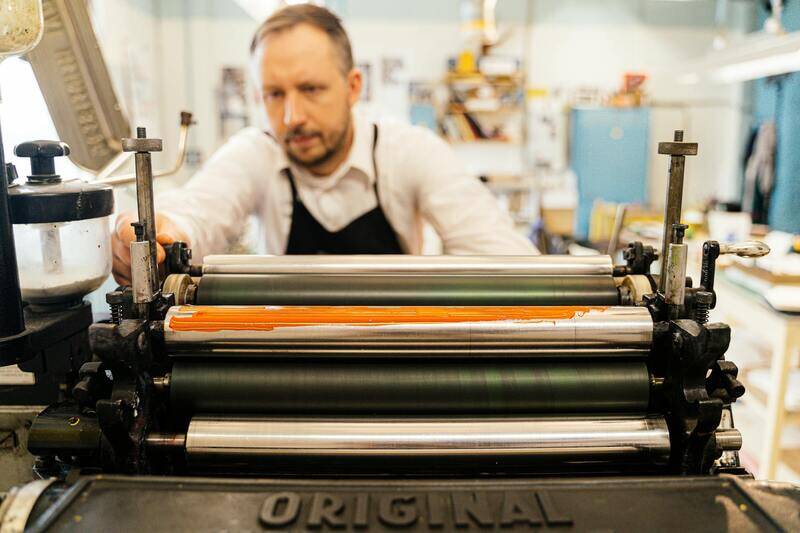
Advancements in printing hardware and software have introduced hybrid options and digital presses that blur traditional lines, providing solutions that balance cost and quality. The choice between these technologies often hinges on the expected volume, deadline constraints, and desired finish quality. A detailed consultation with your print provider can help determine the most economical method tailored to your project specifications.
Pricing Structures for Colour Printing Services
Print providers typically adopt various pricing models based on factors such as volume, material specifications, and finishing requirements. Commonly, a per-unit rate is applied, which decreases with increasing order size—this is known as volume or tiered pricing. Alternatively, some providers may offer flat-rate quotes for specific job types or sizes. Additional charges can include setup fees for complex print jobs, art preparation costs, and optional finishing services. Transparent pricing structures often involve detailed quotes, outlining each element to prevent surprises and enable cost comparison across providers.
Estimating Colour Print Costs Based on Specifications
To accurately estimate the costs of colour printing, consider the key specifications involved. First, define the dimensions of the print material, as larger sizes naturally consume more ink and paper. Next, specify the number of colours, especially if multiple hues require separate ink layers, which can increase both material and setup expenses. Quantify the total print volume—more units generally lead to cheaper per-piece costs—and decide on the quality of paper and finishing touches. Calculating these parameters upfront helps in setting realistic budgets and obtaining precise quotes from printing services.
For example, a small batch of high-quality promotional brochures with full-colour images and premium paper will have a different cost profile than basic black-and-white flyers printed in bulk. Detailing your project requirements clearly when requesting quotes ensures you receive accurate estimates tailored to your specific needs.
Additional Charges and Hidden Fees in Colour Printing
Beyond base pricing, several supplementary charges may arise in the course of colour printing. Setup fees cover pre-press processes like colour calibration and proofing, especially for complex artwork. Design adjustments or high-resolution image files submitted late can incur extra costs to meet deadlines. Specialty finishes such as glossy coatings, lamination, or embossing are priced separately and added to the base cost. Also, if the project involves multiple print runs or requires extensive colour matching, expect additional fees. Shipping and handling costs are often not included in initial quotes and may vary depending on the delivery location and speed. Being aware of these potential charges allows clients to budget effectively and avoid unexpected expenses during the project lifecycle.
Factors Influencing Colour Print Price
The cost of colour printing can fluctuate significantly based on a variety of factors. These include the complexity of the artwork, the type of materials used, the quantity of prints required, and the specific printing process. Artwork with high-resolution images and vibrant colours demands more from the printer’s equipment, which can increase production costs. Similarly, the choice of paper stock—thicker or textured papers often cost more—affects the overall price. Increasing the number of prints generally reduces the per-unit cost, benefiting bulk orders, but the initial setup and material expenses may be higher. Additionally, finishing options like laminations, UV coatings, or embossing add to the total price, especially when applied selectively to certain areas of a print piece. The intricacies involved in colour matching and calibration also play a part in determining the final quotation, especially for projects requiring precise brand colour reproductions. Ultimately, a detailed understanding of these variables enables clients to better estimate their budget and collaborate effectively with printing providers to achieve desired results within their financial constraints.
Types of Printing Technologies and Their Cost Implications
The choice of printing technology is essential in determining the cost of colour prints. Offset printing is widely regarded for its high-quality output and cost-efficiency at large volumes. The initial setup involves creating plates, which incurs a higher upfront cost but decreases the unit price for bulk orders. Digital printing, on the other hand, offers quick turnaround times and minimal setup costs, making it suitable for smaller quantities or customized prints. However, it might be slightly more expensive per unit compared to offset at high volumes. Other methods, such as inkjet printing, excel in producing detailed images for proofs or prototype runs but are generally used for short runs due to their higher per-piece costs. The selected technology influences not only the price but also the quality, durability, and colour vibrancy of the final product. Clients should consider their project size and specific quality requirements when choosing the most appropriate printing method to optimize costs.
Pricing Structures for Colour Printing Services
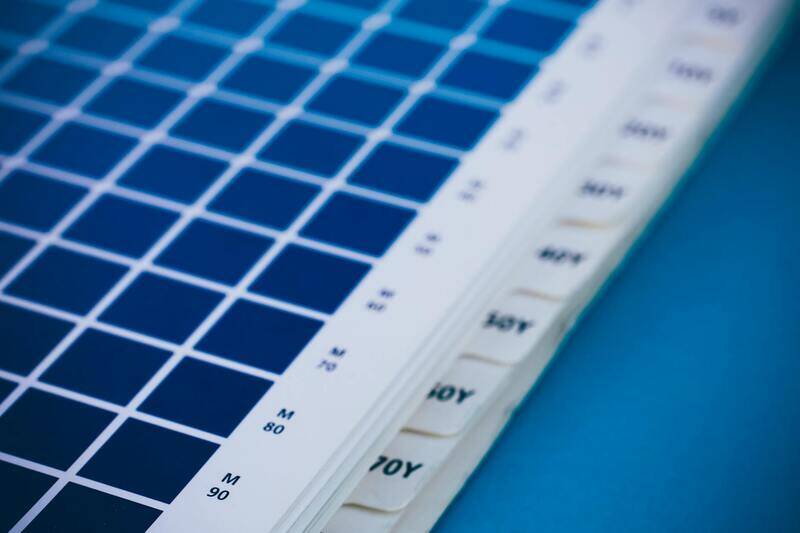
Most printing providers adopt either a per-page or a project-based pricing structure for colour print jobs. Per-page pricing involves a fixed rate for each individual print, often scaled based on volume discounts. This method is clear and straightforward, especially for ongoing or large-batch projects. Conversely, project-based pricing offers a comprehensive quote that includes all aspects of production—artwork setup, material costs, finishing, and delivery. This structure provides transparency and simplifies budgeting, particularly for custom or complex projects. Some providers also offer tiered pricing, where the price decreases as the volume increases, rewarding large orders with better rates. When requesting quotes, clients should specify the print volume, desired turnaround time, and finishing requirements, enabling the provider to generate accurate and competitive pricing. Understanding these frameworks helps in selecting a provider whose pricing model aligns with the project's scope and budget constraints.
Estimating Colour Print Costs Based on Specifications
Accurately estimating colour print costs hinges on comprehensive specifications. Key elements include the size of the print material, the number of pages or sides to be printed, and the number of colours involved. For example, a full-colour brochure printed on standard A4 paper in a small quantity will have a different price point than a large-format banner or a booklet with numerous pages and complex images. The choice of finishes and binding options further influences the cost; laminations, spot UV, foil stamping, and embossing add premium charges. When planning a project, compile a detailed list of requirements: artwork dimensions, quantity, colour complexity, paper type, and desired finishes. This information allows print providers to itemize costs accurately, enabling clients to determine the most economical options without compromising quality. It’s advisable to request detailed quotations based on these specifications to avoid unforeseen expenses and ensure alignment with the intended budget.
Additional Charges and Hidden Fees in Colour Printing
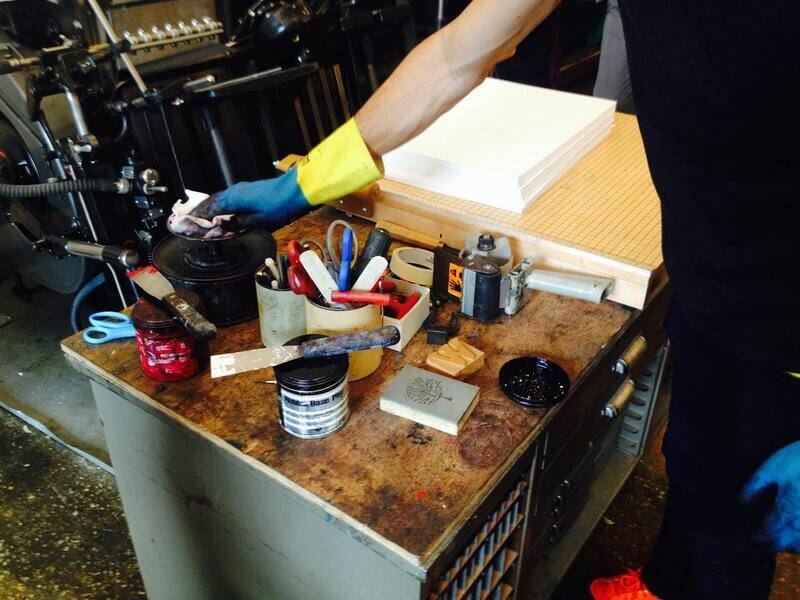
While initial quotes often detail the basic costs, there are auxiliary charges that can accrue unexpectedly during a colour printing project. Setup fees, which cover pre-press processes such as colour calibration, proofing, and file preparation, are common and can vary depending on the complexity of the artwork. Design modifications submitted late or high-resolution images requiring special handling may incur extra costs. Specialty finishes—including gloss coatings, matte varnish, lamination, embossing, or foil stamping—are typically charged separately and added to the base price. For projects that involve multiple colour matches or extensive colour consistency over multiple runs, additional fees may be involved. Shipping costs are often not included in initial quotes and depend on delivery speed, destination, and packaging requirements. Clients should clarify all potential additional charges beforehand and request comprehensive quotes that enumerate all aspects of the service to maintain control over project expenses. Transparency at this stage ensures smoother execution and budget adherence.
Factors Influencing Colour Print Price
Several key factors directly impact the overall cost of colour printing, influencing how much clients can expect to pay. Understanding these elements allows for better budgeting and informed decision-making when choosing a printing service. One primary factor is the volume of prints; larger quantities typically benefit from economies of scale, reducing the cost per unit. Conversely, small runs generally incur higher per-item costs due to setup and material expenses.
Print quality and resolution also significantly influence pricing. High-resolution prints with vibrant colour accuracy require more sophisticated printing equipment and inks, which can escalate costs. The type of material used—such as glossy or matte paper, specialty card stock, or synthetic substrates—further affects the price, especially if premium materials are requested.
Design complexity plays a crucial role as well. Intricate artwork, multiple colours, and detailed graphics demand more calibration and calibration time, increasing labour costs. The number of colours involved in a project influences printing costs, with full-colour (CMYK) jobs generally being more expensive than black-and-white prints due to the additional inks and setup involved.

Types of Printing Technologies and Their Cost Implications
The choice of printing technology has a notable effect on pricing. Inkjet and digital printing are popular for short runs and custom jobs due to their quick turnaround times and minimal setup costs. They provide high-quality colour imaging suitable for marketing materials, photos, and small batches, often at a lower entry point.
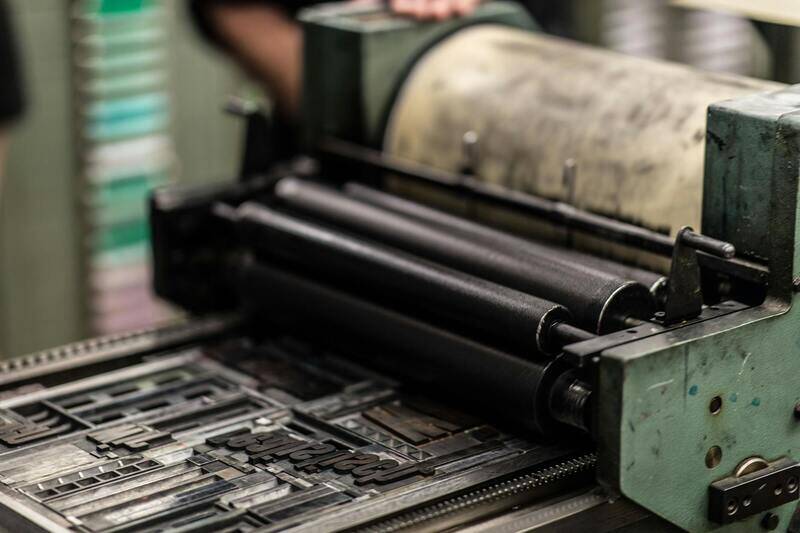
For larger volumes, offset printing remains a cost-effective option. It involves an initial setup process, including plate creation and colour calibration, which can be expensive but becomes economical over thousands of copies. Offset printing ensures consistent colour fidelity and sharpness across all prints, although it’s less suitable for small orders due to higher setup costs.
Screen printing is an alternative choice for specific materials and larger quantities, especially for promotional items like apparel or merchandise. It involves stencil creation for each colour, making it less ideal for complex, multi-colour designs but cost-efficient for bulk items.
Pricing Structures for Colour Printing Services
Printing providers typically adopt diverse pricing models based on project specifications. These structures include per-page rates, flat fees for specific print runs, or tiered pricing based on volume. Per-page rates are common for short runs, with costs decreasing as the number of pages or copies increases.
Flat-rate pricing is often used for large-format or specialised jobs, where a fixed fee covers design, setup, and production. Tiered pricing is designed to incentivise larger orders, offering discounts or lower unit costs for higher quantities. Clients should review the detailed breakdown of each pricing option to compare value and select the most economical choice for their needs.
Additional factors such as colour coverage, paper type, and finishing options may be charged separately or integrated into a comprehensive quote. Transparent pricing from the provider helps clients understand the cost components and avoid unexpected expenses.
Estimating Colour Print Costs Based on Specifications
Accurate cost estimation begins with detailed project specifications. Clients should prepare files with the correct resolution (minimum 300 DPI), colour profiles, and appropriate file formats such as PDF or TIFF. Providing precise dimensions, colour requirements, and material preferences ensures the printing service can generate an accurate quote.
It's advisable to specify the number of copies, paper quality, and any special finishes upfront. For complex designs with multiple colours, requesting a proof or sample print can verify colour accuracy before full production, helping to prevent costly reprints or adjustments.
Request comprehensive quotations that itemise all costs involved, including setup fees, per-unit charges, and potential surcharges for special finishes. This level of detail enables clients to anticipate total expenses with confidence.
Additional Charges and Hidden Fees in Colour Printing
While most quotes clearly outline the base costs, certain ancillary charges may apply during the production process. Set-up fees, which cover colour calibration, file preparation, and proofing, are common and can vary depending on artwork complexity.
Special finishes, such as gloss coatings, matte varnishes, lamination, embossing, or foil stamping, often carry additional costs. These enhancements improve aesthetic appeal but require separate processing steps. Projects involving multiple colour matches or extensive colour consistency across large runs may incur extra charges to ensure quality.
Shipping and delivery costs are typically not included in initial quotes and depend on destination, delivery speed, and packaging requirements. Clients should clarify these potential expenses beforehand and request detailed estimates to avoid surprises. Transparency at this stage facilitates smooth project execution and helps adhere to the intended budget.
Tips to Reduce Colour Print Expenses
- Opt for standard paper sizes and weights to minimize material costs.
- Limit the number of colours used; consider converting some elements to grayscale where appropriate.
- Bulk print larger quantities to benefit from volume discounts.
- Design efficiently, avoiding unnecessary details that increase printing complexity.
- Request comprehensive quotes that include all potential additional charges upfront.
- Compare different providers to identify the most competitive options based on quality and price.
- Utilize digital proofing methods to reduce waste and reprint costs.

Comparing Prices Across Printing Providers in Singapore
When evaluating different printing services, clients should prioritize transparency and clarity in price quotes. Request detailed estimates that specify costs for each component, including setup fees, per-unit charges, finishes, and shipping. Many providers offer online calculators or instant quotes, which can facilitate comparing prices efficiently.
Consider the reputation and portfolio of the printer, along with customer reviews, to assess quality consistency. It’s advisable to request samples or sample prints to verify colour accuracy and material quality before committing to a large order.
Furthermore, inquire about any ongoing promotions or discounts for bulk orders. Negotiating package deals or bundled services might also result in additional savings. Remember to analyze the total cost, not just the unit price, to ensure the chosen provider aligns best with your project budget and expectations.