Understanding Poster Print Services
Poster printing has become an essential service for a wide range of applications, from marketing campaigns and promotional events to educational presentations and personal projects. The process involves transforming digital designs into high-quality physical posters that can be used for display, advertising, or artistic expression. In Singapore, professional print shops specializing in poster prints, such as those found on fastprinting.org, offer diverse options tailored to various needs and preferences.
Typically, poster printing encompasses a variety of formats, styles, and finishes, each suited to specific purposes. Common types include large-format posters used for advertisements, event promotions, and gallery displays, as well as smaller posters for retail signage or academic presentations. These services often allow customization in size, material choice, and finishing touches, ensuring that clients receive a product that closely matches their vision.
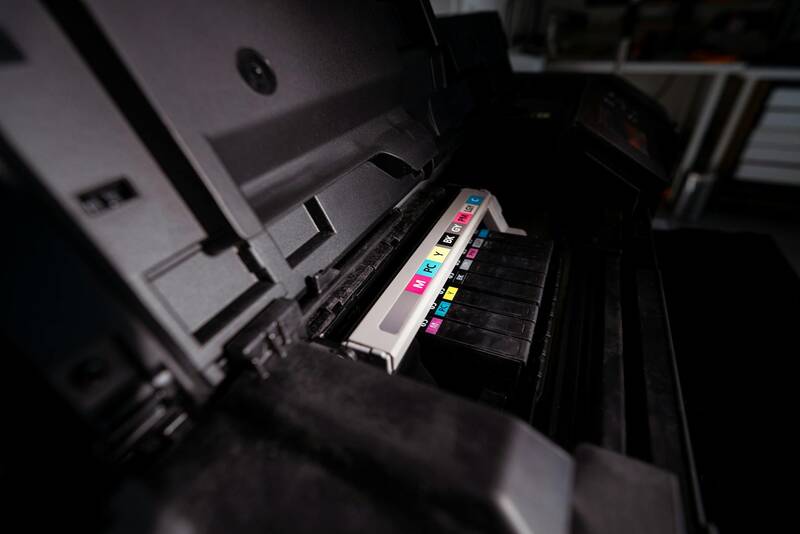
Popular poster types produced in Singapore print shops include:
- Matte Posters: Ideal for indoor use, offering non-reflective surfaces that reduce glare and enhance readability.
- Glossy Posters: Known for vibrant colors and a shiny finish, perfect for eye-catching displays.
- Vinyl Posters: Durable and weather-resistant, suitable for outdoor advertising or long-term installations.
- Canvas Posters: Providing a more artistic look with textured finishes, suitable for gallery displays or personalized art projects.
Beyond material choices, print shops often offer additional options such as lamination, mounting, and wraps, allowing clients to customize their posters for durability and aesthetic appeal. The rise of digital printing technology has made it possible to produce highly detailed, vibrant posters efficiently, often within short timeframes to meet urgent deadlines.
Understanding these foundational aspects of poster printing enables clients to make informed decisions when choosing a print shop. It’s essential to evaluate the variety of products and services provided to ensure they align with your specific objectives, whether it’s for a commercial advertising campaign or a personal creative project.
Types of Poster Materials and Finishing Options
Choosing the right material for your poster is vital to achieving the desired visual impact and longevity. Common materials offered by professional poster print shops include paper, vinyl, canvas, and polyester fabric. Each material has unique benefits tailored to specific uses and environments.
- Standard Paper: Economical and versatile, suitable for indoor displays, exhibitions, and short-term promotions. Available in matte, gloss, or satin finishes, providing options for glare reduction or vibrancy enhancement.
- Vinyl: Known for its durability and weather resistance, vinyl is ideal for outdoor advertising or repeated handling. It supports vivid printing and can be printed on magnetic or adhesive-backed options for versatile mounting.
- Canvas: Offers a textured, artistic appearance, often used for gallery displays, personalized art, or decorative purposes. Canvas prints can be stretched or framed for a premium presentation.
- Polyester Fabric: Light-weight and flexible, suitable for banners or creative installations where flexibility and ease of transport are important.
Finishing touches enhance the overall presentation and resilience of your posters. Popular options include:
- Lamination: Adds a protective layer, shielding the poster from scratches, moisture, and UV damage. Suitable for both indoor and outdoor use.
- Mounting: Attaching posters to foam boards, backings, or rigid substrates to facilitate easy display and transport.
- Framing: Select frames can elevate the aesthetic appeal and ensure the poster remains preserved over time.
- Creasing or Folding: For specialty displays or packaging purposes, creases can be strategically placed to facilitate folding without damaging the print.
Design and File Preparation Guidelines
Proper design and file setup are crucial for achieving vibrant, precise poster prints. Here are essential guidelines to follow:
- Resolution: Use a minimum of 300 DPI at the final print size to ensure sharpness and detail. Low-resolution files may appear pixelated or blurry.
- Color Mode: Design files should be created in CMYK color mode to match printing inks and prevent color discrepancies.
- File Formats: Preferred formats include PDF, TIFF, or EPS for vector-based designs. JPEGs can be used for photographic images, provided they meet resolution standards.
- Bleed and Margins: Incorporate at least a 3-5mm bleed area beyond the final trim line to prevent white borders or incomplete printing at edges.
- Fonts and Layers: Embed fonts or convert text to outlines to prevent font substitutions. Flatten layers if necessary for compatibility.
Adhering to these specifications helps ensure that your printed poster matches the visual quality of your digital design, reducing the risk of errors or delays.

Understanding Poster Print Services
Choosing the right poster print shop involves more than just selecting a vendor; it requires understanding the spectrum of services they offer and how those services align with your project requirements. Reliable poster print shops like fastprinting.org specialize in producing high-quality prints on a variety of materials, ensuring your vision is accurately translated onto a durable and visually appealing medium. These shops utilize advanced printing technologies, such as large-format digital printers, that deliver exceptional detail, vibrant colors, and consistent results. The process usually begins with comprehensive consultation, where you can discuss your specifications, including size, material preferences, finishing options, and timeline expectations.
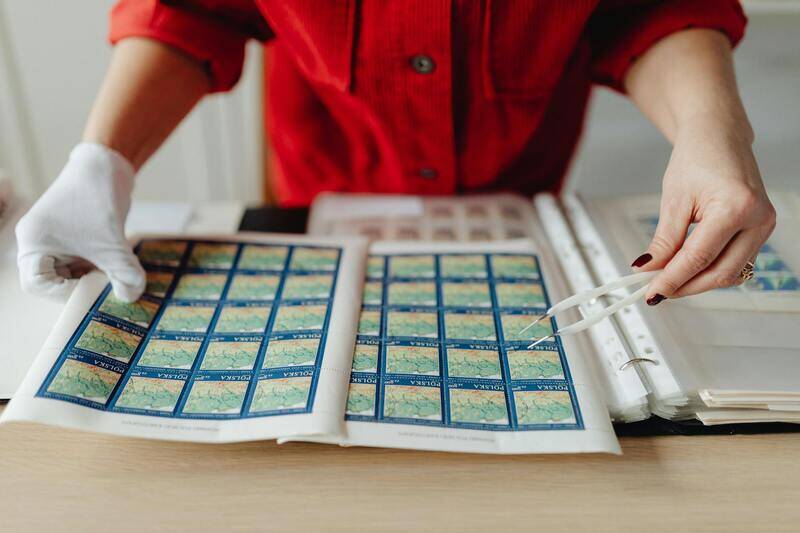
In addition to standard commercial printing, many poster print shops offer bespoke services such as custom mounts, laminations, and special coatings that enhance durability and visual impact. They also provide assistance with file preparation, ensuring your digital files meet the required specifications for optimal output quality. Essentially, a seasoned poster print shop functions not just as a manufacturing entity but as a partner in translating your creative ideas into impactful visual displays.
Factors to Consider When Selecting a Poster Print Shop
Efficient poster printing hinges on aligning your project needs with the capabilities of the print shop. A thorough assessment of key factors ensures a smooth process and satisfactory results.
- Quality Assurance and Technology: Investigate whether the shop uses state-of-the-art printing equipment capable of producing vibrant, detailed images at high resolutions. Consistency across multiple projects is a good indicator of reliable quality control.
- Material Range and Finishes: Confirm the shop offers a variety of materials suitable for your intended display environment, whether indoor or outdoor, and check available finishing options like matte, gloss, or satin coatings.
- Turnaround Time: Adherence to deadlines is vital. Understand their production schedules and whether they can accommodate rush orders if needed.
- Customer Support: A dedicated support team helps clarify technical questions, guides design preparations, and assists with troubleshooting, ensuring a more seamless experience.
- Pricing Transparency: Clear, upfront quotations prevent surprises. Verify that the shop provides detailed cost breakdowns, including setup, materials, and final delivery charges.

Evaluating these factors at a reputable poster print shop like fastprinting.org guarantees that your project aligns with your expectations, budget, and timeline, ultimately leading to a highly successful print outcome.
Design and File Preparation Guidelines
Ensuring that your digital files are correctly prepared is essential for achieving the best quality in your poster print. The standard format for submission is typically vector-based files like PDF, AI, or EPS for designs that include graphics and text, as these formats preserve quality regardless of size adjustments. For photographic images, high-resolution raster files such as TIFF or PNG are recommended, with a minimum resolution of 300 dots per inch (dpi) at the final print size to maintain clarity and detail.
Design considerations should include proper color management, ideally using CMYK color profiles, which align with the printing process and help ensure color accuracy upon output. It is equally important to incorporate bleed areas—generally 0.125 inches—to prevent unintended white margins after trimming. Keep critical text and graphical elements well within margin guides to avoid any cropping issues.
File naming conventions should be clear and systematic to facilitate easy identification and processing. Before submission, double-check that all fonts are embedded or converted to outlines to prevent font compatibility issues. Conducting a final review for resolution, color, and overall layout guarantees that the design meets high-quality standards and aligns with the print shop’s technical specifications.
Pricing and Quotation Process
Transparent pricing is fundamental when planning a poster project. Most reputable print shops, including fastprinting.org, provide detailed quotations based on variables such as size, material choice, finishing options, and quantity. Requesting a comprehensive quote that itemizes costs—covering setup fees, material charges, printing, and delivery—helps avoid unexpected expenses and facilitates budgeting.
Many shops offer instant online calculators or personalized consultations to give accurate estimates. It’s advisable to communicate your project’s specifications clearly, including the deadline, to obtain a realistic quote. Understanding the breakdown of costs ensures you can make informed decisions about material upgrades or additional finishes that match your budget and project goals.
Turnaround Time and Delivery Options
Meeting deadlines is crucial in professional poster printing. Reputable shops typically provide estimated turnaround times, which vary depending on order complexity, size, and quantity. Standard projects often take 24 to 72 hours, whereas rush orders can usually be accommodated with prior arrangement—though typically at an additional cost.
Delivery options include local courier services, national shipping, or in-store pickup, offering flexibility based on your needs. Trackable shipping methods and secure packaging help ensure your posters arrive in pristine condition and on schedule. It’s important to communicate your timeline early and confirm the shop’s capacity to meet your deadlines, especially for time-sensitive projects.
Customer Support and Printing Guarantees
Quality assurance is reinforced through attentive customer service. Trusted print shops provide dedicated support teams to assist with design questions, file preparation, and selection of materials. Some shops may offer proofs or samples prior to the final print to ensure aesthetic accuracy and color fidelity.
In addition, printing guarantees—such as satisfaction warranties or free reprints—demonstrate confidence in output quality. Clear communication channels and responsive service streamline the process, reduce miscommunications, and enhance overall satisfaction. Prioritizing shops with robust support and guarantees ensures that your investment yields a successful and high-quality poster print.
Tips for Ensuring a Successful Poster Printing Experience
- Start with high-resolution, print-ready files that conform to the shop’s technical requirements.
- Include bleed and margin guides in your design to avoid cropping issues.
- Request samples or proofs, especially for color-critical projects, to verify output quality before final printing.
- Communicate your timeline clearly and confirm lead times to meet project deadlines.
- Opt for reputable shops with transparent pricing, quality guarantees, and excellent customer support.

Understanding Poster Print Services
Poster print shops offer a specialized service designed to produce high-quality, large-format prints suitable for advertising, event promotion, educational displays, and artistic exhibitions. These services typically encompass a wide range of customization options, including various materials, finishes, and sizes, ensuring clients can achieve their desired visual impact. Each project starts with selecting the appropriate printing technology—such as large-format inkjet printers—that delivers vibrant colors, sharp details, and durable output suitable for indoor or outdoor use. Professional poster print shops often utilize advanced color management systems to ensure color fidelity and contrast accuracy in every print. This guarantees that the final product closely matches the digital design, which is crucial for brand consistency and visual effectiveness. Additionally, many shops invest in eco-friendly inks and sustainable materials to meet environmentally conscious standards, reflecting a commitment to responsible printing practices. Aside from the technical side, these shops provide comprehensive consultation services, guiding customers through material choices based on project requirements, budget, and expected exposure conditions. Whether you need waterproof vinyl posters for outdoor advertising or lightweight paper for indoor displays, reputable print shops have the expertise to recommend optimal options.
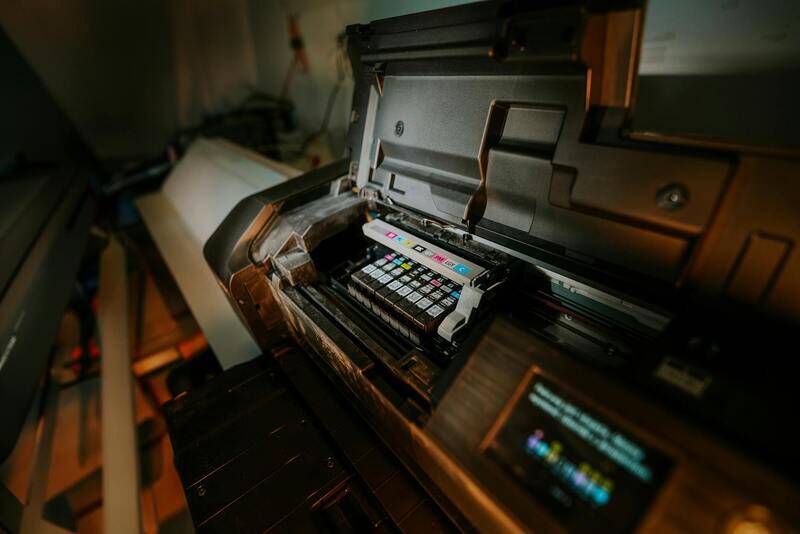
Another critical aspect of poster printing services is quality assurance. This involves rigorous inspection processes at various stages—from digital file review and proofing to the final print check—to ensure the output meets specified standards. Regular maintenance of printing equipment and calibration practices help maintain color consistency and sharpness across batches. Certain shops also offer supplementary services like lamination, mounting, or framing, which add value and enhance the durability and presentation of the posters.
Factors to Consider When Selecting a Poster Print Shop
- Reputation and Experience: Look for shops with a proven track record in producing high-quality posters for similar projects.
- Range of Materials and Finishes: Ensure the shop offers diverse options such as matte, gloss, satin, or textured finishes, along with different substrate choices like vinyl, fabric, or rigid board.
- Technology and Equipment: Advanced printing equipment translates into better color accuracy, resolution, and overall quality assurance.
- Customer Support: Responsive communication, design assistance, and pre-print proofs are vital for minimizing errors and aligning expectations.
- Turnaround Times and Delivery: Confirm that the shop can meet your deadlines, especially for urgent projects, and inquire about shipping or pick-up options.
- Pricing Transparency: Clear quotations without hidden fees, along with flexible pricing based on size, material, and order volume, facilitate budget planning.

Types of Poster Materials and Finishing Options
Choosing the right materials and finishes plays a critical role in the durability and visual appeal of your posters. Common base materials include:
- Glossy Photo Paper: Offers bright colors and sharp images, ideal for indoor displays where vibrancy is desired.
- Matte Paper: Reduces glare and fingerprints, suitable for academic, corporate, or artistic presentations.
- Vinyl: Flexible, weather-resistant, perfect for outdoor advertising or high-traffic areas.
- Canvas: Adds a textured, artistic quality, often used for gallery displays or artwork reproductions.
- Rigid Board: Provides sturdiness for standalone displays or signage that needs to withstand handling and environmental factors.
Finishing options enhance the safety, aesthetic, and functional qualities of your posters. These include:
- Lamination: Adds a protective layer that resists moisture, scratches, and UV exposure.
- Mounting: Adhesive-backed or foam core backing for easy installation and stability.
- Framing: Professional framing services turn posters into ready-to-display art pieces, offering additional protection and aesthetic appeal.
Design and File Preparation Guidelines
Achieving optimal print quality begins with proper design and file setup. Here are key considerations to ensure a seamless printing process:
- Resolution: Use high-resolution images (at least 300 DPI) to prevent pixelation and maintain sharpness, especially for large prints.
- File Format: Submit files in widely accepted formats such as PDF, TIFF, or EPS, which preserve quality and compatibility with print systems.
- Color Mode: Work in CMYK color space, which aligns with commercial printing standards, to achieve accurate color reproduction.
- Bleed and Margins: Include bleed areas ( typically 0.125 to 0.25 inches) to avoid unintended white borders after trimming, and set safe margins to prevent cropped content.
- Design Complexity: Keep in mind the limitations of printing technology; avoid overly fine details that may not reproduce well at large scales.
- Proofing: Request digital or physical proofs to verify colors and layout before proceeding with the final print.
Following these guidelines minimizes errors and ensures the final product aligns with your vision, making the most of the quality offered by professional poster print shops.
Understanding Poster Print Services
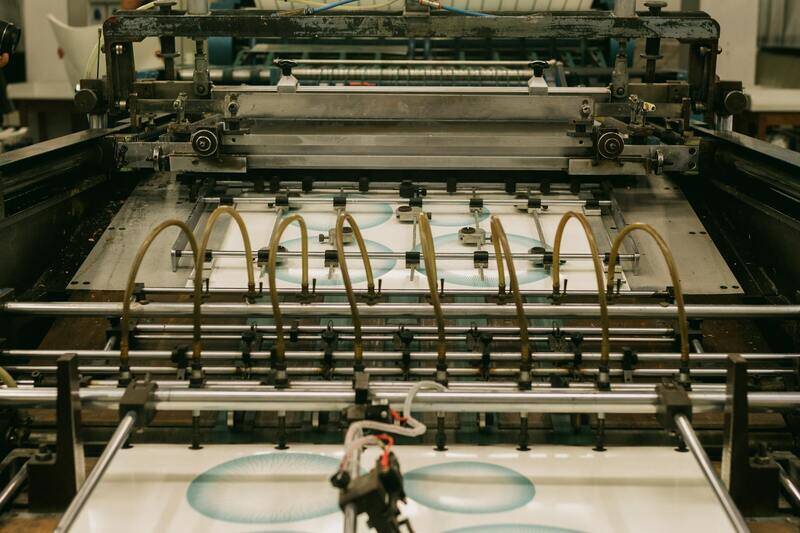
Poster print shops specialize in translating digital designs into large-scale physical displays that captivate and communicate effectively. They utilize advanced printing technologies, such as large-format inkjet printers, which ensure vibrant colors, sharp details, and consistent quality across various materials. These services are essential for businesses, event organizers, artists, and educators seeking high-impact visual communication tools. Professional poster printing involves detailed craftsmanship that considers material quality, color accuracy, and durability, making it a vital resource for high-stakes visual presentations.
Many poster print shops offer customization options, including sizes, finishes, and mounting solutions, to meet diverse project needs. They directly manage each step of the process from initial design consultation to final delivery, ensuring that clients receive products that meet specific specifications and expectations. Modern poster print services also incorporate eco-friendly practices, such as using sustainable inks and recyclable materials, emphasizing their commitment to environmental responsibility and quality assurance.
Factors to Consider When Selecting a Poster Print Shop
Choosing the right poster print shop requires evaluating several critical factors that influence quality, efficiency, and overall satisfaction. The following considerations help ensure your project aligns with your goals:
- Experience and Reputation: Opt for shops with a proven track record in large-format printing and positive client reviews. Experienced providers are better equipped to handle complex designs and various material requests.
- Technology and Equipment: Confirm that the shop uses state-of-the-art large-format printers capable of delivering high-resolution prints with consistent color fidelity.
- Material Selection: Ensure the shop offers a range of durable, weather-resistant materials suitable for both indoor and outdoor applications.
- Turnaround Time: Assess their processing and delivery schedules to match your project deadlines without compromising quality.
- Customer Service: Professional staff who provide transparent communication, timely updates, and support throughout the printing process are invaluable.
Types of Poster Materials and Finishing Options
Poster print shops offer a variety of materials and finishing techniques tailored to different usage scenarios, aesthetic preferences, and environmental conditions:
- Materials:
- Glossy Paper: Ideal for vibrant displays with sharp details, commonly used indoors.
- Satin or Matte Paper: Reduces glare and enhances readability, suitable for exhibitions and presentations.
- Vinyl: Durable and weatherproof, perfect for outdoor signage.
- Canvas: Adds an artistic feel, suitable for gallery displays or premium branding.
- Finishing Options:
- Lamination: Provides extra protection against scratches, spills, and UV damage.
- Mounting: Options include foam core backing, adhesive-backed mounting, or magnetic frames for easy installation.
- Framing: Professionally framed posters present a polished, ready-to-hang appearance, especially for premium projects.
Design and File Preparation Guidelines
Ensuring your digital files are correctly prepared is crucial to achieving the desired print quality. Adherence to specific guidelines minimizes discrepancies and guarantees a smooth production process:
- Resolution: Use at least 300 DPI resolution for all images and graphics, especially for large-format prints to prevent pixelation and maintain clarity.
- File Formats: Submit designs in PDF, TIFF, or EPS formats to preserve quality and compatibility with professional printing equipment.
- Color Mode: Work in CMYK color space to correspond with the printing process and achieve color accuracy.
- Bleed and Margins: Incorporate 0.125 to 0.25-inch bleed areas to avoid unintentional white borders after trimming, and set appropriate safe margins for critical content.
- Design Simplification: Avoid overly intricate details that may not reproduce well at large scales, and test print sections of your design if possible.
- Proofing: Request digital or physical proofs to verify colors, layout, and overall appearance before proceeding with full production.
This meticulous approach to design setup optimizes final results, aligning the finished poster with your expectations and leveraging the capabilities of professional print shops.
Understanding Poster Print Services
Choosing the right poster print shop requires an understanding of the comprehensive services available. Professional poster printing involves high-quality digital or offset printing methods, tailored to various design specifications and display environments. A reputable poster print service offers not only high-grade equipment but also expertise in color management, material selection, and finishing options, ensuring your visual communication stands out effectively. Diverse printing techniques, such as matte or glossy finishes, large-format capabilities, and custom sizes, are often supported by established print shops specializing in poster projects. By understanding the scope of services offered, clients can better align their project goals with the capabilities of their chosen provider, resulting in vibrant, durable, and visually appealing posters that meet specific business or personal needs.
Factors to Consider When Selecting a Poster Print Shop
When evaluating a poster print shop, several key factors influence the quality and overall success of your project:
- Reputation and Experience: Prioritize shops with proven track records and positive customer feedback, particularly those with extensive experience in large-format printing.
- Range of Materials and Finishes: Ensure the shop offers a variety of material options such as vinyl, fabric, or fine art papers, along with different finishes like matte, gloss, or satin for desired texture and durability.
- Color Management and Imaging Capability: Confirm the use of professional color calibration tools and high-resolution printers to achieve precise color fidelity and sharpness.
- Customer Reviews and Portfolio: Review previous work samples and testimonials to gauge the quality standards and creative versatility of the print shop.
- Additional Services: Accessibility of design assistance, file preparation guidance, and finishing options such as lamination, mounting, or framing can enhance your overall experience.
Types of Poster Materials and Finishing Options
Material selection greatly impacts the look, feel, and longevity of your posters. Common options include:
- Vinyl: Suitable for outdoor or high-traffic environments due to its water resistance and durability.
- Foam Board: Offers lightweight support ideal for indoor displays and exhibitions.
- Canvas: Provides a textured, artistic appearance, perfect for gallery displays and decorative purposes.
- Fine Art Paper: Gives a premium, refined look suitable for high-end presentations and collectible prints.
Finishing options further enhance appearance and functionality, including:
- Lamination: Adds protection against scratches, UV exposure, and moisture, extending the lifespan of your posters.
- Mounting: Foam core or gatorboard backing for stability and easy display setup.
- Framing: Complete framing services to provide a polished presentation, particularly suitable for corporate or gallery settings.
Design and File Preparation Guidelines
To maximize print quality, proper preparation of your digital files is essential. Ensure your files adhere to these standards:
- Resolution: Use a minimum of 300 DPI at the final print size for all images and vector graphics, which prevents pixelation and maintains clarity.
- File Formats: Submit designs in PDF, TIFF, or EPS formats, as these preserve quality and facilitate compatibility with professional equipment.
- Color Mode: Work exclusively in CMYK color space to align with the printing process and ensure accurate color reproduction.
- Bleed and Margins: Incorporate a 0.125 to 0.25-inch bleed area, along with safe margins, to account for trimming and avoid white borders around your design.
- Simplify Design Elements: Avoid overly intricate details that might not reproduce well at large dimensions; testing a section of your design can be beneficial.
- Proofing: Request digital or physical proofs for review to make necessary adjustments before final production.

Pricing and Quotation Process
Pricing for poster printing is typically calculated based on several factors: size, material, quantity, finishing options, and complexity of design. Reputable print shops provide detailed quotations, often through online calculators or direct consultations. To obtain an accurate quote, provide clear specifications, including dimensions, material choices, and any additional finishing services required. Some shops may also offer discounts for bulk orders or ongoing projects. Transparency in pricing and comprehensive quotations help clients plan their budgets effectively and avoid unexpected costs. When requesting a quote, always ask for itemized details to understand the breakdown of costs associated with each component of your project.
Ensuring a Successful Poster Printing Experience
Achieving a high-quality print outcome requires meticulous planning and clear communication with your chosen poster print shop. Starting with the preparation of your artwork, verify that your files adhere to the specifications discussed earlier—correct resolution, color mode, bleed areas, and proper sizing. Double-check all elements for accuracy and visual harmony before submitting your design, as revisions post-print can lead to delays and additional costs.
Engaging in open dialogue with the print shop is crucial to align expectations and clarify any uncertainties regarding materials, finishes, or special instructions. Providing comprehensive details about your project’s purpose and desired effects enables the technicians to recommend suitable options, ensuring the final product meets your requirements.
Before approving the final proof or digital preview, scrutinize it closely for color accuracy, layout issues, or inconsistencies. Confirm that all text is legible and images are sharp. If possible, request a physical proof to assess how your poster will look once printed, especially if color matching and material texture are critical to your project. Any adjustments identified at this stage should be communicated immediately to prevent costly reprints or delays.
Once your poster is printed, inspect the finished product upon receipt. Look for uniform color distribution, crisp image details, and proper finishing, such as clean cuts or smooth lamination if applicable. Authenticity in quality control measures by the print shop assures you that your investment yields the best results.
For ongoing projects or large orders, establishing a consistent relationship with the print service provider can facilitate smoother transactions, better pricing, and prioritized turnaround times. Providing feedback on previous jobs also helps the shop refine their process to better suit your preferences, fostering a more efficient collaboration.
By meticulously preparing your artwork, maintaining clear and detailed communication, and thoroughly reviewing proofs and finished products, you set the stage for a seamless poster printing process. This proactive approach ensures that your visual communications are polished, impactful, and delivered on time, aligning perfectly with your strategic objectives.