Understanding Color Poster Printing
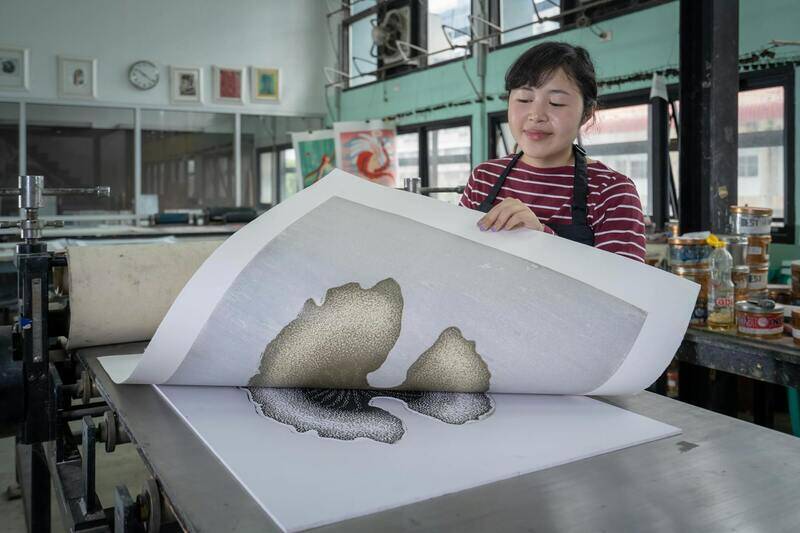
Color poster printing is a specialized process that transforms digital designs into vibrant, high-quality physical displays. It involves the use of advanced printing techniques that apply full-color images and text onto various materials to produce eye-catching visuals. This method is integral to a broad range of applications, from commercial advertising campaigns to educational displays and event promotions. High-resolution images, bold typography, and dynamic color schemes are hallmarks of color posters, allowing businesses and organizations to communicate their messages effectively and persuasively. Posters serve as a powerful marketing tool because of their ability to quickly capture attention and convey information in a visually engaging manner. In advertising, vibrant posters are used to promote products, services, or brand initiatives in high-traffic areas. Educational institutions utilize colorful posters to illustrate concepts, showcase student achievements, or promote campus activities. Similarly, event organizers rely on eye-catching posters to generate interest and inform the public about upcoming events. The process of color poster printing involves multiple steps, starting from the design phase, where digital artwork is prepared with precise color management to ensure fidelity between the digital file and the printed image. The choice of materials—such as glossy, matte, or semi-glossy papers—also plays a crucial role in the overall appearance and durability of the final product. The quality of the printing technology, whether traditional offset or modern digital printers, impacts the vibrancy and clarity of the colors. In professional settings, color poster printing is often executed using high-end inkjet or laser printers that support a broad color gamut. These printers utilize CMYK (cyan, magenta, yellow, black) inks or advanced color management systems to reproduce complex images with gradient smoothness and color accuracy. The ability to produce consistent, vivid images makes color poster printing an essential service for organizations seeking to make a bold visual statement. Furthermore, the versatility of color poster printing extends to the variety of formats and sizes available. Whether for large-scale billboards or smaller exhibition posters, the technology supports a wide spectrum of custom dimensions suited to different display environments. Overall, color poster printing combines artistic design with technical precision, resulting in impactful visual communications that cater to diverse industry needs.
Types of Materials Used for Color Posters
Selecting the appropriate material for color poster printing significantly influences the visual impact, longevity, and functionality of the final product. Commonly employed substrates include vinyl, paper, and fabric, each offering distinct advantages tailored to specific display conditions and purposes.
- Vinyl: Known for its durability and weather resistance, vinyl is an ideal choice for outdoor advertisements, billboards, and signage exposed to the elements. Its flexibility allows for application on various surfaces, and it maintains vibrant color reproduction even after extended outdoor exposure.
- Paper: Printing on high-quality paper remains a popular option for indoor displays, promotional posters, and event signage. Paper posters are available in finishes such as gloss, matte, and semi-gloss, which influence the final color vibrancy and surface texture. The choice of paper impacts not only aesthetics but also ease of handling and mounting.
- Fabric: Fabric materials are favored for their lightweight nature and premium appearance. They are often used for artistic displays, trade show backdrops, and interior decor. Fabric posters can provide a softer look with rich color saturation and are less prone to tears and creases compared to paper.

Each material's selection depends on factors like the intended setting, poster size, durability requirements, and budget considerations. Proper understanding of these options allows for optimizing visual appeal and ensuring the poster meets specific display needs effectively.
Design Considerations for Color Posters
Achieving striking visuals in color poster printing hinges on meticulous design choices that optimize visual impact and viewer engagement. Selecting the right color schemes is fundamental, with contrasting colors enhancing readability and drawing attention, while harmonious palettes ensure aesthetic balance. High-resolution images and graphics are essential to prevent pixelation, especially when enlarging artwork. The resolution should typically be 300 DPI or higher to guarantee crisp, detailed visuals. Layout principles also play a crucial role. Effective posters employ a clear focal point to guide viewers’ eyes naturally through the content, supported by strategic use of white space to avoid clutter. Text placement must prioritize legibility, with font sizes and styles chosen to be visible from a distance. Incorporating brand elements consistently helps reinforce messaging, and the overall design should complement the intended environment and audience. Additionally, consideration of poster dimensions influences the design process. Larger formats demand thoughtful scaling of images and text, ensuring clarity remains intact. Typography, margins, and alignment must be balanced to foster a professional appearance without overwhelming the viewer. Responsiveness to lighting conditions where the poster will be displayed, such as outdoor versus indoor settings, can also shape design choices to maximize visibility in various environments.
Design Considerations for Color Posters
When it comes to producing high-quality color posters, the initial design phase is critical in influencing the final outcome. A well-thought-out design ensures that the vibrant colors and visual elements resonate effectively with the intended audience. Selecting the appropriate color palette involves understanding color psychology and how different hues evoke specific emotions or responses. Bright, bold colors often catch the eye and are effective for promotional and event posters, while subdued tones may be suitable for more formal or informational displays.
In addition to color selection, hierarchy in design guides viewers’ attention to key messages. Utilizing size variations, contrasting fonts, and strategic placement emphasizes important information. The use of consistent branding elements such as logos, fonts, and color schemes fosters recognition and reinforces the message. For large-scale posters, scalability is essential—images and text should retain clarity and impact when viewed from a distance.
Furthermore, typography plays a vital role in the readability and overall aesthetic. Sans-serif fonts are typically preferred for outdoor posters or those viewed from afar, as they provide clarity at various resolutions. Font sizes must be sufficiently large, especially for main headlines, ensuring visibility in outdoor or crowded environments. The balance of white space prevents clutter, allowing the viewer to easily process the information presented.

Understanding Color Poster Printing
Color poster printing is a specialized process that combines vibrant color spectrums with high-resolution printing techniques to produce visually captivating promotional materials. From marketing campaigns to event displays, the goal is to attract attention and communicate messages clearly through striking visuals. The process involves digital or offset printing methods that are capable of translating digital designs into physical posters with meticulous color accuracy and detail. This ensures that every hue, gradient, and contrast is faithfully reproduced, maintaining the integrity of the original design concept. One key aspect of successful color poster printing is ensuring color fidelity. Color management systems and calibration are employed to match the printed output with digital designs, minimizing discrepancies. This is particularly crucial when brand colors or specific color palettes are essential to maintain consistency across multiple promotional materials. Larger format printers, such as wide-format inkjet or LED UV printers, are typically used for producing posters that range from small displays to large advertising billboards. Moreover, innovative printing inks and substrates have expanded the possibilities of color poster printing. UV-resistant, eco-friendly inks help in creating durable posters suitable for outdoor environments, while specialty papers and vinyls provide additional texture and finish options. The choice of printing method and materials impacts the overall look, durability, and cost of the final product, making it vital to select the most appropriate combination for each project’s specific requirements.
Image Placeholder: Insert an image showcasing a professionally printed color poster

Environmental and Durability Aspects
Choosing the right materials and printing techniques not only influences the visual impact of a color poster but also dictates its longevity and suitability for specific environments. For outdoor or high-traffic areas, durability becomes a key consideration. Utilizing UV-resistant inks and weatherproof substrates, such as certain vinyl or laminated paper, ensures that vibrant colors are preserved despite exposure to sunlight, moisture, and varying temperatures. These materials help prevent fading, cracking, and peeling, maintaining the poster’s visual appeal over time. Moreover, eco-friendly printing options have gained traction, emphasizing sustainable practices without compromising quality. Water-based inks, recycled substrates, and soy-based inks minimize environmental impact while providing excellent color vibrancy and durability. When selecting materials, it is essential to evaluate their compatibility with the intended environmental conditions and their overall lifecycle, which can significantly influence maintenance costs and the need for replacement. Investing in high-quality laminates and protective coatings further enhances the durability of color posters. Matte, gloss, or satin laminates can protect against scratches, fingerprints, and UV damage. Such enhancements are crucial for posters placed in outdoor settings or high-traffic indoor areas, where physical wear and environmental factors are more prominent.
Tips for Effective Color Poster Outcomes
- Opt for high-resolution digital files to ensure sharp, vibrant prints, especially for intricate graphics and fine details.
- Maintain consistent color profiles and calibration between your design software and the printer to achieve accurate color reproduction.
- Choose appropriate substrates aligned with the poster’s purpose—durable vinyl or laminated paper for outdoor use, thinner paper for indoor displays.
- Consider the ambient lighting conditions where the poster will be displayed; gloss finishes can enhance visibility under bright light, while matte finishes reduce glare.
- Work with printing professionals who understand the nuances of color management and material selection to maximize the visual impact of your poster.
Choosing the Right Printing Service
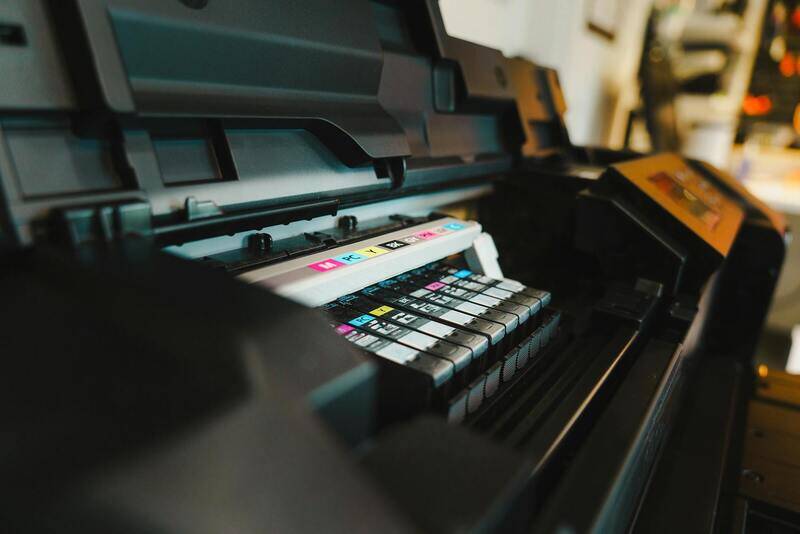
To achieve optimal results in color poster printing, selecting a reputable and experienced printing service is essential. An ideal provider should offer state-of-the-art printing technologies, a wide selection of high-quality materials, and professional design assistance. Reliable printers utilize advanced digital and offset printing methods that support vibrant color reproduction, sharp detail, and consistent quality across large volumes.
Before entrusting a printing company, verify their portfolio of completed projects to evaluate their capability in handling color poster requirements. Customer reviews and testimonials can offer insights into their adherence to deadlines, quality standards, and customer satisfaction. It is also beneficial to inquire about their material options, finishing services, and environmental policies to ensure they match your expectations and project specifications.
Essential Factors When Choosing a Printing Service
- Technological Capabilities: Confirm whether the provider uses high-end digital or offset printers capable of rendering vibrant colors and fine details, especially for complex graphics or gradient-rich designs.
- Material Range: Ensure they offer a variety of substrates, including matte, gloss, satin, vinyl, and specialty papers, to match the intended environment and aesthetic preferences.
- Customization Options: Look for services that provide options for size customization, finishing techniques like lamination or UV coating, and mounting or framing solutions.
- Environmental Considerations: Opt for companies that utilize eco-friendly inks and sustainable materials, aligning with responsible printing practices.
- Turnaround and Delivery: Confirm their production timelines and ensure they can meet your project deadlines with reliable delivery options.
Assessing Quality and Cost Effectively
While cost is a significant factor, it should not compromise the quality of your color posters. Reputable printing services often provide detailed quotes that break down expenses related to materials, inks, finishes, and labor. Understanding these components helps you gauge the value offered and make informed decisions aligned with your budget and goals.
Request samples or prototype prints if possible, to verify color accuracy, material quality, and overall finish. This step can prevent costly reprints and ensure the final product meets your expectations.
Maintaining Communication and Clarity
Clear communication with your printing service minimizes errors and ensures alignment on project specifications. Provide high-resolution digital files with embedded color profiles, and if applicable, discuss color matching protocols. Regular updates during the printing process enable you to address any issues promptly and keep the project on track.
Final Considerations for Color Poster Printing
Once you have selected your preferred printing method and material, paying attention to the final processing steps can dramatically enhance the appeal and durability of your color posters. Finishing techniques such as lamination, UV coating, or specialty films serve not only to protect the printed surface but also to elevate the visual impact, giving posters a vibrant and polished look that catches the eye.

Choosing the appropriate finish depends on the intended use and display environment of the posters. For indoor promotional displays, a matte or gloss lamination can enhance visual clarity and reduce glare. For outdoor banners or posters exposed to the elements, weather-resistant coatings and UV protection are essential to prevent fading and damage over time.
Quality Control and Inspection
Prior to finalizing your order, inspecting print proofs or samples is an integral step in the process. A physical proof allows you to verify color accuracy, resolution, and overall quality, ensuring that the final product aligns with your expectations. Reputable printing services often provide digital proofs initially, followed by physical samples upon request.
During the inspection, pay close attention to the consistency of colors, the sharpness of images, and the stability of the inks. Address any discrepancies with your printer promptly to avoid final production issues. This proactive approach minimizes rework and ensures a smooth completion of your project.
Maintaining and Displaying Your Color Posters
Proper handling and display practices extend the lifespan of your printed posters. Use cleaning techniques suitable for the chosen finish—avoid harsh chemicals that could damage the surface. When mounting posters, select appropriate frames or display boards that complement the visual aesthetics and provide physical protection against environmental factors.
For outdoor use, consider weatherproof mounting options and anti-UV treatments, especially in sunlit or exposed areas. Regular maintenance and cleaning help preserve the vibrant hues and crisp details, ensuring your posters continue to serve their purpose effectively over time.
Leveraging Professional Expertise for Optimal Results
Collaborating with professional printing providers offers access to advanced technologies and expert guidance that can significantly benefit your project. Experienced printers can advise on the best material and finish combinations for specific applications, optimize color profiles for digital and print consistency, and suggest innovative solutions to enhance visual impact.
Investing in professional support translates into a higher quality output, resilient from everyday wear and tear, and visually compelling enough to attract and engage your target audience. By choosing proven printing methods and materials, your color posters will stand out with clarity, vibrancy, and durability.