Overview of Colour Posters
Colour posters serve as dynamic visual communication tools across diverse sectors, effectively capturing attention and conveying messages through vibrant imagery and text. These posters utilize a broad spectrum of colours to evoke emotions, highlight key information, and create memorable impressions. Their visual impact makes them a preferred choice for marketing campaigns, event promotions, educational materials, and branding efforts.
The primary purpose of colour posters is to attract viewers and communicate messages succinctly yet compellingly. In retail environments, they showcase special offers or new product launches with eye-catching visuals. In corporate settings, they reinforce branding themes or corporate social responsibility campaigns. Educational institutions often use them to promote awareness campaigns or upcoming events, leveraging their strong visual appeal to engage diverse audiences.
Historically, posters have played a significant role in advertising and public information dissemination. Today, high-quality colour posters continue to be an essential component of visual marketing strategies due to their ability to deliver messages impactfully and memorably.
In Singapore, the use of colour posters is prevalent in advertising, education, public services, and entertainment sectors. Their capacity to combine bold graphics with vivid colours makes them particularly effective in a competitive environment, helping brands and organizations stand out distinctly.
To maximize the effectiveness of colour posters, it is essential to understand the design and production processes involved. Proper planning and execution ensure the final product aligns with the intended message and visual impact, contributing to overall marketing success or informational outreach.
Material and Paper Choices for Colour Posters
Choosing the appropriate material and paper stock is crucial in ensuring that colour posters maintain their vibrancy, durability, and overall visual appeal. The selection process involves several considerations, including the poster’s intended use, placement environment, and target audience.
For indoor displays, standard coated papers such as gloss, satin, or semi-gloss finishes are popular choices. These papers enhance the richness of colours and provide a smooth surface that accentuates detailed graphics and text. Coated papers also offer moisture resistance to some degree, which helps in maintaining the poster’s condition over time.
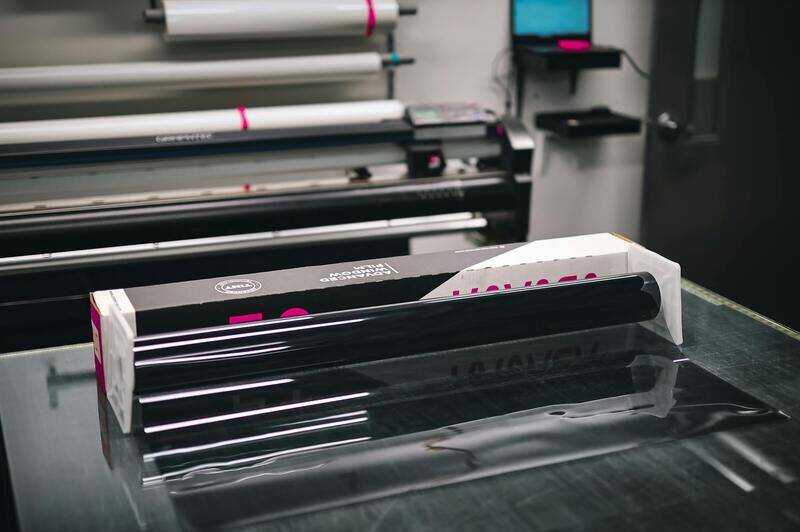
For outdoor applications or environments exposed to moisture and weather elements, heavier-duty materials such as weatherproof vinyl or waterproof banners are recommended. These materials are capable of standing up to rain, wind, and prolonged sunlight exposure without fading or breaking down, making them ideal for urban advertising, event displays, and signage in public spaces.
Additionally, some advertisers opt for matte-finish papers, especially when reducing glare is a priority, such as in areas with bright lighting. Matte finishes also help minimize fingerprints and smudges, maintaining a clean appearance over time. On the other hand, high-gloss papers can amplify colours and lend a luxurious, striking look suited for high-end brands or promotional events.
When selecting paper weight, thicker options (such as 170-200gsm) are generally preferred for posters to ensure sturdiness and a premium feel. Thinner papers may be suitable for temporary or short-term displays but are more susceptible to damage and creasing.

Ultimately, manufacturers and clients should consider the visual goals, environmental conditions, and budget constraints when selecting materials. Consulting with printing professionals can help identify the most suitable options to produce high-quality, attention-grabbing colour posters that withstand the demands of their specific application contexts.
Material and Paper Choices for Colour Posters
When producing colour posters, selecting the appropriate material and paper finish is essential to achieving desired durability, visual impact, and overall quality. Different printing substrates offer unique advantages, and understanding these options allows for tailored solutions that meet specific display needs.

Common materials include:
- Vinyl: Waterproof and weather-resistant, ideal for outdoor use. Vinyl offers longevity and flexibility, making it suitable for signage exposed to various environmental conditions.
- Art Paper: A popular choice for indoor posters, especially when vibrant colour reproduction is desired. Available in various finishes such as matte or gloss to influence the visual style.
- Kraft or Recycled Paper: An eco-friendly option that provides a rustic aesthetic. While less vibrant, it appeals for environmentally conscious branding or artistic expressions.
- PVC or Foam Boards: Rigid options that add a three-dimensional element to poster displays, providing durability and a high-quality appearance.
Finish options also significantly impact the poster's visual appeal:
- Matte Finish: Reduces glare and fingerprints, making it suitable for environments with bright lighting or where a subdued look is preferred.
- High-Gloss Finish: Enhances colour vibrancy and offers a shiny, reflective surface that captures attention effectively, ideal for promotional campaigns or luxury branding.
- Satin or Sheen Finish: Provides a balanced sheen for a professional look that highlights colours without excessive glare.
Choosing the correct combination of material and finish depends on several factors, including location, durability requirements, visual style, and budget. Consulting experienced printing professionals can guide selections that maximize impact while maintaining practicality for the intended application.
Beyond material choice, the weight of the paper influences the poster's robustness. Thicker papers (around 170-200gsm) tend to be sturdier and convey a premium feel, making them suitable for high-profile displays. Thinner options may suffice for temporary use or indoor environments where weight and ease of transport are considerations. Ultimately, aligning the material and paper choices with the poster’s purpose ensures an impactful and durable display capable of withstanding various conditions.
Material and Paper Choices for Colour Posters
When designing colour posters, selecting the appropriate material and paper is essential to achieving the desired visual impact and ensuring durability. The choice of material influences not only the aesthetic appeal but also how well the poster withstands environmental factors such as moisture, light, and handling. Common options include gloss, matte, satin, and specialty finishes, each offering a distinct look and feel that can complement the poster’s purpose and setting.

Considerations for Material Selection
- Finish Type: A gloss finish elevates colour vibrancy and captures attention through its reflective surface, making it ideal for promotional displays where eye-catching visuals are essential. Matte finishes, on the other hand, offer a non-reflective surface that minimizes glare, suitable for indoor environments with bright lighting or when a subdued look is preferred.
- Durability Needs: Thicker, heavier papers (typically between 170-200gsm) provide increased sturdiness, making them suitable for long-term or high-traffic installations. These materials resist tearing or creasing better, contributing to an upscale presentation. Lighter options are convenient for temporary displays or indoor settings where portability and ease of setup are priorities.
- Environmental Conditions: For outdoor posters exposed to weather elements, selecting water-resistant or laminated options can significantly extend the lifespan. Some materials are treated with uv coatings to prevent fading from sun exposure, maintaining colour fidelity over time.
- Cost-effectiveness: Budget constraints may necessitate choosing standard-weight paper with basic finishes. However, investing in higher-quality materials can result in a more impactful display that justifies the higher initial expense through increased visibility and longevity.
Application of Material Choices
The physical attributes of posters are also influenced by their application. For instance, premium gloss papers are often favored for gallery displays or high-end events due to their vibrant look. In contrast, satin or semi-matte finishes are versatile options suitable for professional environments where a clean, polished appearance is desired without excessive reflection.
Customizing for Specific Needs
Depending on the target audience, environment, and message tone, tailoring the material choice can enhance overall effectiveness. For outdoor marketing campaigns, robust, weather-resistant substrates help retain visual quality over extended periods. For indoor exhibits or retail displays, a balanced approach with a high-quality satin finish can convey professionalism and elegance without compromising practicality.

In these scenarios, collaborating with experienced printing professionals ensures that material selections align with the intended deployment environment, budget, and visual objectives. Their expertise can aid in choosing the best combination of paper weight, finish, and coating to produce posters that are not only visually striking but also durable enough to withstand the demands of their display contexts, whether indoor or outdoor. Proper material choice is a critical step toward delivering an impactful and lasting visual message through colour posters.
Effective Methods for Creating Colour Posters: Official Approaches to Achieve Quality and Impact
Understanding the Authenticity of Design and Production Processes
Creating visually striking colour posters requires adherence to officially recognized methods that ensure high-quality results. This involves selecting accurate color reproduction techniques, effective material choices, and reputable printing processes. When aiming for posters with vivid hues and sharp details, it’s essential to work with established design protocols that emphasize color consistency, sharp image resolution, and durable finishes. This strategic approach guarantees that your final product not only captures attention but also retains its visual appeal over time.
To craft authentic colour posters, designers and print professionals rely on industry-standard tools and settings. Color calibration, for example, involves adjusting monitors to display true-to-life colours, which is fundamental for matching digital designs with physical prints. Digital profiling helps in maintaining uniformity across production runs, ensuring that colours appear consistently from batch to batch. Moreover, professional-grade color management software facilitates the creation of precise color profiles, enabling accurate reproduction of complex shades and gradients commonly used in compelling poster designs.

Leveraging Proven Printing Techniques and Technologies
For producing authentic colour posters, the choice of printing technology plays a crucial role. Offsets and large-format digital printers are widely recognized as official methods capable of delivering superior colour accuracy, sharpness, and consistent quality. Offset printing, in particular, is preferred for bulk production due to its ability to reproduce detailed imagery with vibrant colours while maintaining cost efficiency. On the other hand, high-end digital printers are suitable for smaller runs or projects requiring customization and quick turnaround times.
Implementing proven printing techniques also involves selecting the appropriate inks and substrates. Pigment-based inks, for instance, offer better longevity and resistance to fading, especially beneficial for posters displayed in outdoor or high-traffic environments. Similarly, using premium-quality substrates such as coated papers or vinyl materials enhances the colour vibrancy and overall durability of the poster. These materials are often recommended by industry professionals to ensure the printed colours match the original design intent perfectly and withstand environmental stress.
Ensuring Authenticity with Reputable Printing Partners and Equipment
Authentic results in colour poster creation are best achieved through collaborations with certified printing service providers equipped with advanced machinery. Choosing providers with a track record of quality work, transparent printing processes, and certified technology ensures that the final product meets stringent standards of colour fidelity and durability. Outsourcing to reputable companies also provides access to expert consultation on material selection, finishing options, and technical specifications.
Advanced equipment such as wide-format printers, high-precision color calibration tools, and environmentally controlled printing environments are hallmarks of professional service providers. These elements contribute to consistent colour reproduction and high-resolution outputs, critical for professional-grade posters. Furthermore, by opting for official printing channels, clients gain assurance of adhering to industry best practices that uphold quality standards, from initial design to finished product.
Ultimately, professional techniques and certified equipment, combined with authentic collaboration, form a comprehensive framework for producing colour posters that are both visually compelling and enduring. This approach secures the integrity of your branding, advertising message, or artistic expression, making your posters stand out effectively across various environments and applications.
Material and Paper Choices for Colour Posters
Choosing the appropriate material and paper type is essential for achieving the desired visual impact and durability of colour posters. The selection process significantly influences both the aesthetics and longevity of the final product.
High-quality paper stocks commonly used for colour posters include gloss, matte, and satin finishes, each offering distinct advantages:
- Gloss Paper: Enhances vibrancy and colour depth, making images appear more vivid and eye-catching. Ideal for promotional posters that need to attract immediate attention.
- Matte Paper: Produces a sophisticated look with reduced glare, suitable for detailed designs, textual content, or environments where reflections could hamper readability.
- Satin or Semi-gloss Paper: Strikes a balance between gloss and matte, providing a smooth finish that enhances colours without excessive glare.
In addition to paper finish, the weight and thickness of the paper impact both the tactile quality and durability. Thicker stocks (generally 170gsm and above) lend a premium feel and better resistance to creases or damage during handling and display. For outdoor or high-traffic environments, laminated or weather-resistant materials are recommended to withstand environmental factors.

When selecting materials, consider the specific context in which the posters will be displayed, as well as the message’s importance. Opting for environmentally friendly options is also advisable, as recycled or sustainably sourced papers reduce ecological impact while maintaining high quality.
Professional printing services offer a wide range of material options, providing guidance to ensure the chosen substrate aligns with your goals for colour fidelity, durability, and overall appearance. Their expertise can help in selecting the best combination of paper type and finish to maximize the visual appeal and lifespan of your posters.
Printing Techniques for Colour Posters
To faithfully reproduce vibrant colours and sharp details, the choice of printing technique is critical. The most common methods include:
- Digital Printing: Suitable for short runs and quick turnaround times, digital printing offers high-resolution outputs with accurate colour reproduction. It is ideal for customized or personalized posters.
- Offset Printing: Best suited for large-volume orders, offset printing delivers exceptional colour consistency and fine detail reproduction. It maintains high quality even on larger print runs, making it cost-effective in the long term.
- Large-format Printing: Designed specifically for posters, banners, and signage, this method uses wide-format printers capable of producing expansive, high-resolution images with vivid colour pop. UV and solvent inks used here ensure durability and resistance to environmental factors.
The choice between these methods depends on the project scope, desired quality, and budget constraints. Collaborating with experienced printers ensures optimal technique selection aligned with your objectives.
Color Management and Accuracy
Achieving colour consistency and precise reproduction requires robust color management practices. These include:
- Color Calibration: Regular calibration of monitors and printers ensures that on-screen colours match printed outputs. This process minimizes discrepancies between digital designs and physical posters.
- Use of Standard Color Profiles: Implementing industry-standard ICC profiles guarantees consistent colour spaces across devices, aiding in accurate colour translation from digital file to print.
- Proofing and Test Prints: Before production, creating proof copies allows for validation of colours, details, and overall appearance. Adjustments can then be made to achieve the desired outcome.
Color management software and advanced calibration tools further enhance accuracy, providing clients with confidence that the printed posters will match their visual expectations. By adhering to these meticulous processes, designers and brands can maintain colour integrity throughout the printing cycle, ensuring the final posters effectively communicate the intended message with vibrant and true colours.
Choosing a Printing Service for Colour Posters
When selecting a printing service for vibrant and impactful colour posters, it is essential to focus on official, professional providers that uphold quality standards and use advanced printing technology. A reputable printing company will offer comprehensive consultation, guiding clients through the selection of appropriate materials, finishes, and colour management practices to ensure optimal results.
Key Criteria for Selecting a Reliable Colour Poster Printer
- Experience and Industry Reputation: Choose a printer with established expertise in large-format and colour printing. Client testimonials, portfolio samples, and industry recognition reflect the company's reliability and proficiency.
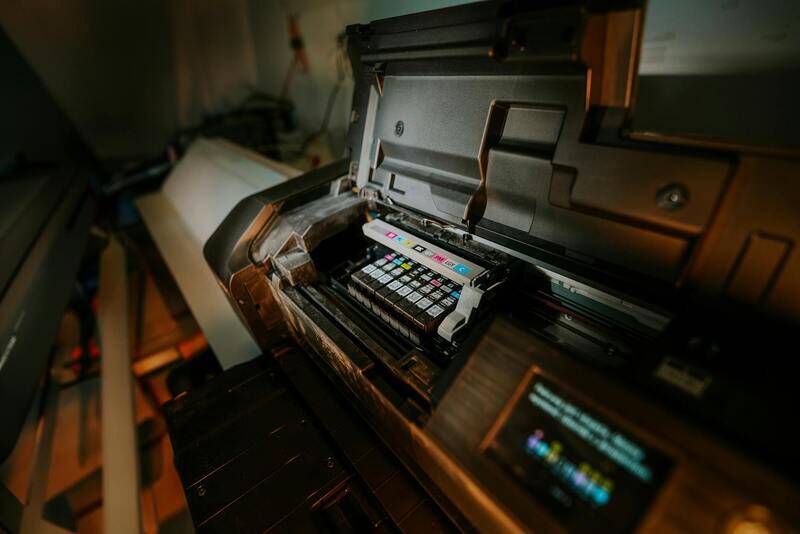
- Advanced Printing Technologies: Confirm that the provider employs state-of-the-art digital presses, UV or solvent inks, and proper calibration tools, which are critical for achieving precise colour reproduction and durability.
- Material Variety: Ensure the printer offers an extensive range of high-quality substrate options such as glossy, matte, or satin finishes, along with durable backing materials fitting your project needs.
- Color Management Capabilities: Verify that the service provider implements rigorous colour calibration protocols, ICC colour profiles, and proofing services to guarantee colour accuracy from digital design to final print.
- Environmental Considerations: Opt for printers that utilize eco-friendly inks and sustainable materials, aligning with corporate responsibility and environmental standards.
- Turnaround Time and Customer Support: Efficient scheduling, clear communication, and responsive customer service are vital to meet project deadlines and address design or technical queries promptly.
Evaluating Cost-Effectiveness and Value
While budget constraints are a common concern, focusing solely on the lowest price may compromise quality. It is advisable to seek quotes that balance affordability with technical precision, ensuring that every aspect from material choice to finishing details contributes to the desired visual impact and longevity of the posters.
Effective communication with the printing provider is crucial. Clearly articulate your design objectives, preferred colour schemes, and any special considerations. Well-informed clients can collaborate more efficiently with the printer, ultimately achieving superior results.
Factors to Discuss Before Proceeding with a Printing Project
- Design Specifications: Confirm the dimensions, resolution, and file format requirements to prevent delays or quality issues.
- Colour Proofing: Request onsite or digital proofs for approval, ensuring the colours match your expectations before mass production.
- Material Selection: Select suitable substrates that enhance vibrancy, durability, and suitability for indoor or outdoor environments.
- Finish Options: Consider matte, gloss, or satin finishes that complement your design and usage conditions.
- Delivery Schedules: Establish timelines that align with your marketing or event schedules, allowing for unforeseen adjustments.
By prioritizing these factors, clients can ensure that their colour posters meet high standards of quality and visual impact, effectively communicating their message to target audiences.
Advanced Techniques for Enhancing Colour Poster Quality
When it comes to achieving the most vivid and durable colour posters, utilizing advanced printing techniques is essential. These methods not only enhance visual appeal but also ensure the longevity and resistance of the prints against environmental factors. Digital printing, for instance, allows for high-resolution reproduction with a broad spectrum of colours, making it ideal for detailed designs and photographic images. The use of large-format inkjet printers equipped with UV-resistant inks can produce posters that maintain their vibrancy over time, even when exposed to sunlight or humidity.

Screen printing is another method that excels in producing bold, vibrant colours, particularly for limited runs or specific design effects. This technique involves pressing ink through a mesh onto the substrate, allowing for thick ink layers and rich colour density. Such a method is often used for posters that demand striking visual impact and durability, especially in outdoor settings.
Ensuring Colour Consistency and Reproducibility
Implementing rigorous color management protocols is vital for reproducing exactly the intended hues across multiple poster batches. This involves calibrating monitors, printers, and proofing processes to maintain a consistent colour profile. Utilizing colour charts and swatches during the design and proofing stages helps verify that the printed output matches digital expectations. For large-scale projects, creating colour proofs for approval before full production reduces the risk of discrepancies and costly reprints.
Finishing and Laminating Options for Enhanced Durability
Post-printing finishing touches significantly contribute to a poster's lifespan and appearance. Laminating with matte, gloss, or satin finishes not only offers additional protection from scratches, moisture, and dust but also influences how colours are perceived. Gloss finishes tend to amplify vibrancy, making colours pop, while matte finishes provide a subdued, elegant appearance with reduced glare. Consider edge trimming, mounting, or framing to further preserve the integrity of the poster and improve presentation.
Maintenance and Preservation of Colour Posters
Proper handling and storage are crucial in maintaining the quality of colour posters over time. Posters designed for outdoor display should be mounted with weather-resistant materials, and laminated surfaces should be kept clean with gentle cleaning methods to prevent dust buildup. Indoor posters can benefit from frame protection or glass covers, which shield against UV rays and physical damage. Regular inspection ensures that any deterioration can be addressed promptly, prolonging the visual impact of the posters.
Innovations and Trends in Colour Poster Printing
Emerging technologies such as eco-friendly inks and biodegradable substrates are shaping the future landscape of colour poster production. These developments aim to reduce environmental impact while maintaining high standards of print quality. Additionally, augmented reality (AR) integrations within posters are gaining popularity; this involves embedding digital elements that activate through smartphones or tablets, creating interactive marketing experiences and engaging audiences more effectively.