Types of Poster Printing Services Available in Singapore
Singapore boasts a diverse range of poster printing services tailored to meet various marketing, educational, and artistic needs. The most prevalent methods include digital printing, large-format printing, and custom specialty printing, each serving specific purposes and offering unique advantages.
Digital Poster Printing
Digital printing is the most commonly used method for small to medium-sized posters. Thanks to its speed, high-quality output, and cost-effectiveness, digital printing is ideal for short runs and quick turnaround projects. It supports a wide spectrum of colors and can produce detailed images, making it suitable for promotional posters, event advertisements, and artistic displays.
Large-Format Poster Printing
For larger posters that require exceptional graphic impact, large-format printing is the preferred choice. This method utilizes advanced wide-format printers capable of producing posters that can reach several meters in width. It is especially popular for outdoor advertising, trade shows, and large indoor displays. The durability and high-resolution output ensure the posters remain vibrant and eye-catching in various environments.
Custom and Specialty Printing Services
In addition to standard printing services, Singapore also offers custom poster printing options that incorporate specialty materials and finishes. These services include printing on canvas, fabric, or vinyl, as well as custom cutting and lamination for enhanced durability and aesthetics. Such options are frequently used for gallery displays, fashion branding, and unique promotional campaigns.
Choosing the right type of poster printing service depends on factors like intended use, target audience, budget, and desired visual impact. Local printing providers often offer consultation to help clients determine the most suitable printing method for their specific needs, ensuring optimal results and effective communication of their message.
Popular Materials and Finishing Options for Posters
Choosing the right material and finishing options is essential to maximize the visual impact and durability of poster prints in Singapore. Each material offers unique qualities suited to different display environments and purposes. Common materials include high-quality paper, durable vinyl, and fabric options, each with specific advantages. Paper is typically used for indoor displays and short-term promotions due to its affordability and ease of printing. Vinyl stands out for outdoor applications because of its weather resistance and longevity. Fabric posters are favored for high-end displays, art exhibitions, and installations where texture and a premium feel are valued.
Finishing techniques further enhance the appearance and lifespan of posters. Lamination offers both protection and a polished look, whether matte or gloss. Matte lamination reduces glare, making posters suitable for brightly lit areas or environments where reflections can interfere with visibility. Gloss lamination, on the other hand, enhances colors and details, making images pop and creating a vibrant visual effect. Additional finishing options include edge sealing, UV coating, and custom cutting, all of which contribute to a professional presentation and increased durability against wear and tear.
Design Considerations for Effective Posters
An impactful poster communicates its message swiftly and clearly. When designing posters in Singapore, it is crucial to focus on visual hierarchy, readability, and visual coherence. Use bold headlines and concise messaging to capture attention. Incorporate high-resolution imagery and graphics that align with the overall theme and purpose of the poster. Font choices should be legible from a distance, with contrasting colors to enhance visibility. Consistent branding elements, like logos and color schemes, reinforce recognition and brand identity.
Another important aspect is the balance of space—both positive (content) and negative (empty space). Proper spacing prevents the poster from appearing cluttered, making the message easier to digest. Consider the placement of key visuals and text to guide the viewer’s eye naturally across the poster. The use of compelling calls-to-action, especially for promotional or event posters, can motivate viewers to engage further.
Size and Resolution Recommendations for Posters
Choosing the correct size and resolution is pivotal in producing posters that are both visually appealing and highly effective. Standard sizes such as A1 (594mm x 841mm), A2 (420mm x 594mm), and A3 (297mm x 420mm) are commonly used across various applications, ranging from promotional events to informational displays. For large-format prints, ensuring high resolution—at least 150 dpi for viewable distance—is essential to maintain sharpness and clarity in the final output. For posters intended for close viewing, such as detailed infographics or intricate graphics, a resolution of 300 dpi is recommended to prevent pixelation and ensure crispness.
When preparing digital files, it's crucial to set the document dimensions accurately according to the targeted print size, including bleed margins of at least 3mm to facilitate bleeding and prevent unwanted white edges. Using vector graphics for logos and text ensures scalability without loss of quality. For bitmap images, sourcing high-resolution originals is necessary, as low-resolution files—especially those below 150 dpi—may result in blurry or pixelated prints. Adhering to these specifications guarantees that posters will deliver a professional, polished appearance and communicate messages effectively.

Factors Affecting Poster Printing Costs in Singapore
The cost of poster printing in Singapore is influenced by a variety of elements, which should be carefully considered when planning your project. The choice of materials plays a significant role; premium options like canvas or specialty vinyl command higher prices compared to standard poster paper. Size is another important factor—larger posters naturally incur greater production costs due to increased material and printing time.
Print quality and finishing options also affect pricing. Features such as matte or gloss lamination, UV coating, or custom cuts elevate the final cost but significantly enhance durability and aesthetic appeal. The complexity of the design, including the number of colors and details, can impact the printing process and lead to varying costs.
Bulk orders often benefit from discounts, making larger quantities more economical per piece. Turnaround time may also influence price—urgent requests typically entail premium charges. Understanding these aspects allows for better budget management and selection of appropriate options tailored to specific needs.

Popular Materials and Finishing Options for Posters
Choosing the right materials and finishing options is pivotal to producing posters that are both visually striking and durable. In Singapore, poster printing services offer a variety of high-quality materials designed to meet different needs and environments. Standard poster paper is a cost-effective choice, suitable for indoor displays, while thicker, coated papers provide enhanced vibrancy and resistance to wear. For outdoor or high-traffic areas, materials like weatherproof vinyl or waterproof fabric sheets are preferred to withstand environmental conditions.
Some of the most common finishing options include lamination, which provides an extra layer of protection, enhances color vibrancy, and reduces glare. Matte lamination is favored for reducing reflections and creating a sophisticated look, whereas gloss lamination enhances brightness and makes colors pop. UV coating is another popular choice for outdoor posters, offering increased resistance against sunlight, moisture, and physical abrasion.
Specialty finishes, such as spot UV or textured coatings, can add tactile elements and visual interest, making posters stand out even more. Additionally, edge cuts and custom shapes are available to create distinct visual impressions, particularly useful for promotional campaigns or branding events.
High-quality adhesives and mounting options also complement the material choices. Options include double-sided tape, Velcro strips, or magnetic backing, allowing posters to be securely displayed on various surfaces without damage.

Design Considerations for Effective Posters
Creating a compelling poster involves careful attention to design elements that attract attention and convey information efficiently. To maximize impact, designers should focus on clarity, visual hierarchy, and consistency. A well-structured layout directs viewers seamlessly through the poster's content, emphasizing key messages and ensuring readability from a distance.
Color schemes play a vital role in catching the eye and evoking the right emotional responses. Bright, contrasting colors can highlight important details or calls to action, while harmonious palettes create aesthetic appeal. It's crucial to utilize colors that align with branding or campaign themes and to consider color psychology for optimal engagement.
Typography choice and typography size influence how easily viewers can absorb information. Use bold fonts for headlines and legible fonts for body text, maintaining sufficient size so that details are visible even from afar. Limit the number of font styles to preserve visual coherence and avoid clutter.
Imagery and graphic elements should be relevant, high-resolution, and strategically placed to complement the text. Using professional images or vector graphics ensures clarity, especially when enlarging prints. Incorporating whitespace effectively prevents the design from feeling congested, enhancing overall readability.
In addition to aesthetic considerations, it's essential to adhere to technical specifications. Ensuring the artwork is designed at the appropriate resolution—usually at least 150 dpi for large posters—prevents pixelation and preserves image quality. Moreover, incorporating bleed areas ensures that no critical content is cut off during trimming.
Involving professional designers or working with experienced poster printing providers can streamline this process. They can offer valuable insights on best practices, current design trends, and technical requirements. As a result, the final product not only looks attractive but also communicates your message with clarity and professionalism.
Types of Poster Printing Services Available in Singapore
Singapore offers a diverse range of poster printing services tailored to meet various needs, from small promotional flyers to large-scale advertising displays. Each printing method provides different benefits depending on factors such as material durability, print fidelity, and finishing options.
Digital printing is prevalent for quick turnaround and custom prints, suitable for short-run projects or personalized posters. This method supports vibrant color reproduction and detailed images, making it ideal for marketing campaigns and event announcements.
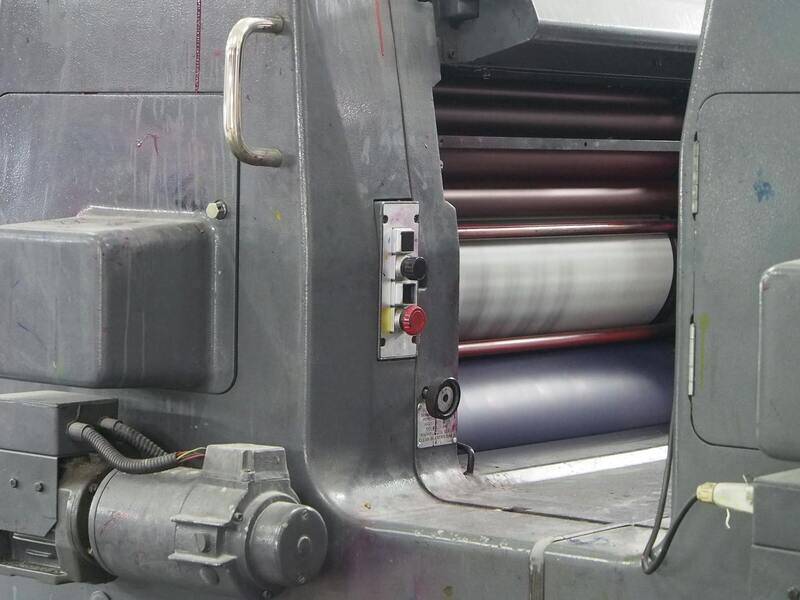
Offset printing, on the other hand, is often utilized for larger quantities due to its cost-effectiveness at scale. It produces high-quality, sharp images with consistent color accuracy, making it a preferred choice for promotional materials requiring uniformity across batches.
Large-format printing is essential for creating posters that are meant for thick viewing distances or outdoor advertising. It employs specialized printers capable of producing wide prints on materials like vinyl or canvas, with options for waterproof and UV-resistant coatings to withstand outdoor conditions.
Specialty printing services such as matte or gloss finishes, textured surfaces, or metallic inks are also available in Singapore. These options enable customization to align with branding strategies and aesthetic preferences, ensuring that each poster leaves a lasting impression.

Popular Materials and Finishing Options for Posters
Material selection plays a crucial role in the durability, appearance, and suitability of posters for different environments. Common materials include:
- Vinyl: Highly durable, weather-resistant, ideal for outdoor advertising and long-term displays.
- Paper: Cost-effective and versatile, suitable for indoor posters and short-term promotions. Options range from standard gloss, matte, to silky finishes.
- Canvas: Provides a textured, artistic look, often used for gallery displays or high-end branding.
- PVC: Rigid and waterproof, useful for signs and banners that require sturdiness.
Finishing touches significantly impact the visual appeal and longevity of posters. Common options include:
- Lamination: Adds a protective layer, improving resistance to moisture, scratches, and UV damage. Available in gloss or matte finishes depending on desired aesthetic.
- Grommets: Reinforced eyelets for easy hanging, often used with banners or outdoor posters.
- Rounded Corners: Enhance the look and prevent tearing, especially for posters frequently handled or displayed outdoors.
- UV Coating: Protects against sun damage and fading, critical for outdoor advertising.

Design Considerations for Effective Posters
Creating impactful posters requires careful attention to design principles that ensure your message captures attention and remains clear. Key considerations include:
- Visual Hierarchy: Prioritize essential information through size, color, and placement, guiding viewers naturally through the content.
- Color Usage: Select contrasting colors for text and background to enhance readability and evoke specific emotions aligned with the campaign.
- Typography: Use bold, legible fonts for headlines, with a maximum of two to three complementary font styles to maintain visual coherence.
- Imagery: Incorporate high-resolution images or vectors that align with the theme and message, ensuring clarity even when enlarged.
- Whitespace Balance: Avoid clutter by spacing elements effectively, which improves overall readability and visual appeal.
- Call-to-Action (CTA): Clearly communicate the desired response, whether it is visiting a location, calling a number, or attending an event.
Designing with these principles in mind will increase the poster’s ability to attract attention and deliver your message efficiently. Collaborating with professional designers or printing providers experienced in poster creation can further enhance the final output.

Size and Resolution Recommendations for Posters
Choosing the appropriate size and resolution is vital to ensure your posters are striking and legible, regardless of where they are displayed. Typical poster sizes range from small formats like A3 (11.7 x 16.5 inches) to large formats such as 24 x 36 inches or even larger for billboards.
For high-quality prints, resolution standards should be adhered to, with at least 150 dpi recommended for large posters displayed from a distance. This resolution strikes a balance between image clarity and file manageability. For posters with detailed graphics or text that will be viewed up close, a resolution of 300 dpi may be necessary to prevent pixelation.
Technical specifications entail setting the artwork dimensions in pixels to match the chosen physical size multiplied by the resolution. For example, a poster measuring 24 x 36 inches at 150 dpi should have artwork dimensions of 3600 x 5400 pixels.
Including bleed areas—typically 3 mm or 1/8 inch—around the artwork prevents unwanted borders or cut-off edges during trimming. Ensuring all critical content stays within the safe zone avoids accidental loss of vital information.

Factors Affecting Poster Printing Costs in Singapore
Several key factors influence the final expense of poster printing projects in Singapore, including:
- Size and Dimensions: Larger posters or custom shapes naturally incur higher costs due to increased material and printing requirements.
- Material Choice: Premium materials like vinyl or canvas elevate the price compared to standard paper options, especially when waterproof or UV-resistant finishes are added.
- Printing Method: Offset printing may offer lower costs for bulk orders, while digital printing is preferable for small runs or quick turnarounds.
- Quantity: Bulk orders typically benefit from discounts, reducing the per-piece cost.
- Finishing and Customizations: Additional features such as lamination, grommets, rounded corners, or specialty inks will add to the overall cost.
- Design Complexity: Intricate graphics, multiple colors, or high-resolution images may require extra time or processing, influencing pricing.
It is advisable to request detailed quotes from multiple Singaporean print providers, where clear specifications and desired materials are communicated. This approach not only helps in budget management but also ensures the final product aligns with your expectations and project requirements.
Types of Poster Printing Services Available in Singapore
Singapore's dynamic market offers a diverse range of poster printing services tailored to meet varied business and personal needs. Digital poster printing remains the most prevalent choice due to its quick turnaround and cost-efficiency, especially suitable for small to medium-sized runs. Offset printing, on the other hand, is often utilized for large volume orders, delivering consistent quality across bulk productions. Additionally, specialized services such as large-format printing are available for oversized posters that demand high-resolution details and vivid color reproduction.
Moreover, some providers offer eco-friendly options, utilizing environmentally conscious inks and sustainable materials to cater to clients prioritizing green practices. For those requiring durable and weather-resistant posters, options like weatherproof vinyl or laminated surfaces are common. Custom shapes and cut-outs are also feasible with advanced cutting technology, allowing for highly creative designs that stand out in a competitive landscape.

Popular Materials and Finishing Options for Posters
The choice of materials significantly impacts the aesthetic appeal and longevity of printed posters. Standard poster paper remains popular for indoor applications, offering vibrant colors and smooth finishes at an affordable price. For outdoor or high-traffic environments, PVC vinyl or weatherproof fabrics provide enhanced durability and resistance to weather elements.
Finishing options also elevate the design, with lamination adding a layer of protection against scratches and UV damage, thus extending the poster’s lifespan. Matte finishes minimize glare, ideal for detailed visuals, while glossy coatings amplify color vibrancy, catching viewers' attention effectively. Specialty finishes such as spot UV coating can be applied to highlight specific areas, giving the poster a luxurious and premium appearance.

Design Considerations for Effective Posters
Creating compelling posters requires attention to visual hierarchy, clarity, and message delivery. Incorporate high-resolution images and bold, legible fonts to ensure readability from a distance. Limit the number of fonts and colors to maintain visual coherence, and focus on a clear focal point that captures the viewer's interest immediately.
Color schemes should align with branding or campaign themes, invoking the desired emotional response. Use contrasting colors to highlight essential information and ensure that textual elements are easy to read against background visuals. Incorporating negative space thoughtfully can prevent clutter and improve overall composition.
For outdoor posters, consider durable visuals with high contrast for visibility under varying lighting conditions. Indoor posters benefit from detailed designs, where finer elements can be appreciated at close viewing distances.
Size and Resolution Recommendations for Posters
Poster sizing varies based on location and purpose. Common indoor sizes include A2 and A1, while larger formats like 24x36 inches or even bigger are suitable for outdoor displays or event banners. Selecting an appropriate size ensures visibility without overwhelming the space.
The resolution for poster printing typically depends on the size and viewing distance. For standard indoor posters, a resolution of 300 DPI (dots per inch) is recommended to produce crisp images and text. Larger posters viewed from afar can be printed at lower resolutions, such as 150 DPI, without sacrificing visual quality. Always verify that digital files are prepared at the required resolution to prevent pixelation or blurriness.

Factors Affecting Poster Printing Costs in Singapore
Multiple elements influence the overall expenses associated with poster printing projects. First, the size and complexity of the design play crucial roles: larger and more intricate posters demand more materials and processing time. Material choices, such as premium vinyl versus standard paper, significantly impact costs, especially with added finishes like lamination or waterproof coatings.
Printing method and quantity are also decisive factors. Digital printing suits smaller batches with quick turnarounds, often at a premium per piece, whereas offset printing offers cost efficiencies for bulk orders. Additional customizations, like rounded corners, grommets, or special inks, add to the budget but can enhance the final presentation. Design complexity, including high-resolution images or multiple colors, may require extra time and resources, raising the overall price.
Requesting detailed quotations from multiple providers and clearly communicating your specifications ensures transparency and aids in managing your budget effectively. It also helps in selecting a provider that aligns with your project’s standards and deadlines.
Selecting a Reliable Poster Printing Provider in Singapore
Choosing a reputable printing partner in Singapore involves evaluating their portfolio, technological capabilities, and customer feedback. Ensure they utilize advanced printing equipment capable of handling various formats and materials, guaranteeing consistency and quality. Transparency in pricing structures and turnaround times further indicate professionalism and reliability.
Experienced providers typically offer sample proofs before final production, allowing adjustments and ensuring the output aligns with expectations. Consider providers with comprehensive options for finishing and customizations to meet specific project needs efficiently. Good communication, prompt responses, and a clear understanding of your vision are essential to a successful printing experience.
When engaging with potential vendors, inquire about their quality control processes and their ability to handle urgent or bulk orders. A reliable provider will also adhere to industry standards for safety and environmental considerations, ensuring your posters are produced sustainably and responsibly.
Uses and Applications of Printed Posters in Singapore
Printed posters serve a diverse array of functions within Singapore's dynamic market landscape. They are a vital component for effective advertising campaigns, branding initiatives, and event promotions, offering a visually impactful medium to communicate messages to targeted audiences. Businesses leverage posters to announce new product launches, special discounts, or seasonal sales, ensuring high visibility in high-traffic areas such as shopping malls, public transportation hubs, and street banners. The flexibility in size and design allows organizations to craft compelling visuals that capture attention quickly and convey information succinctly.
In the context of cultural and entertainment events, posters are indispensable for promotional purposes. Concerts, exhibitions, festivals, and theatrical performances prominently feature poster advertising to attract attendees. The vibrant imagery and strategic placement of these posters help create anticipation and community engagement. Moreover, educational institutions and government agencies frequently use posters to disseminate essential information, encourage public participation in campaigns, or promote health and safety initiatives.
Individuals and smaller businesses also utilize poster printing for personal events such as weddings, birthdays, or community gatherings. These posters often serve as decorative elements or informational notices, bringing a personalized touch to special occasions. Additionally, non-profit organizations rely on posters to raise awareness for social causes, environmental campaigns, or charity events, emphasizing their messages through compelling visuals designed to inspire action.
Advantages of Using Printed Posters
- High Visibility: Posters placed in strategic locations attract the attention of passersby, making them an effective tool for brand exposure.
- Cost-Effective Marketing: Compared to digital advertising, posters can be produced and distributed at a relatively low cost, especially for localized campaigns.
- Flexibility in Design: They allow for creative freedom, utilizing various sizes, colors, and materials to craft impactful visuals.
- Immediate Impact: Large, vibrant posters quickly communicate messages, making them ideal for time-sensitive promotions.
- Durability and Longevity: Depending on the material and finish, posters can withstand weather conditions, extending their promotional lifespan.
With their versatility and wide applicability, printed posters continue to be an essential element in Singapore’s marketing and communication strategies. When produced through trusted printing services, they ensure high-quality results that effectively transmit the intended message to diverse demographics across urban and communal spaces.