Overview of Large Image Printing
Large image printing is a specialized process that involves creating high-quality, expansive visuals suitable for a variety of professional and commercial applications. Unlike standard printing methods, large image printing requires precision, advanced technology, and careful planning to produce images that are both visually compelling and technically accurate. This form of printing is essential in industries such as advertising, where impactful visuals draw attention and communicate messages effectively; interior design, where large murals and wall coverings transform spaces; and event planning, where banners and backdrops set the stage for memorable experiences.
The significance of large image printing extends beyond aesthetics. In advertising, large-format visuals can convert pedestrian traffic into potential customers through eye-catching displays. Within interior spaces, they serve as focal points that enhance the ambiance or reinforce branding elements. Events such as trade shows, festivals, and corporate gatherings leverage large printed images to engage audiences and create memorable impressions. As technology advances, the capabilities of large image printing continue to expand, allowing for more detailed, vivid, and durable visuals that meet the evolving needs of these diverse sectors.

Types of Large Image Printing Techniques
Several prominent techniques underpin the production of large-format images, each with distinct advantages suited to specific applications. The most prevalent methods include:
- UV Printing: Utilizing ultraviolet light to cure inks directly onto various substrates, UV printing offers vibrant color outputs, quick drying times, and excellent durability. It is ideal for printing on rigid materials such as acrylic, metal, or wood.
- Solvent and Eco-Solvent Printing: These techniques use solvent-based inks that penetrate the surface of materials like vinyl or fabric, providing water resistance and long-lasting color. Eco-solvent printers are favored for their reduced environmental impact and safety.
- Latex Printing: Leveraging water-based latex inks, this method produces flexible, eco-friendly prints with high-quality color reproduction. Latex printers excel in producing banners, wall coverings, and other flexible materials.
- Dye Sublimation: Particularly suitable for fabric-based materials, dye sublimation involves transferring dyes onto substrates through heat and pressure. It produces vibrant, fade-resistant images excellent for textiles used in displays or curtains.
The choice of technique depends on factors such as the intended material, durability requirements, color fidelity, and environmental considerations.
Types of Large Image Printing Techniques
Understanding the various methods available for large image printing is essential for selecting the most suitable approach for a specific project. Each technique offers unique benefits tailored to different requirements, substrates, and environments. The primary methods include:
Digital Inkjet Printing
Digital inkjet printing remains the most versatile and widely used technique for producing large format images. It employs tiny nozzles to spray droplets of ink directly onto the substrate, allowing for high-resolution outputs with detailed color gradations. Inkjet printers are compatible with a broad spectrum of materials, including paper, vinyl, fabric, and more, making them ideal for custom banners, wall coverings, and fine art reproductions.
Solvent and Eco-Solvent Printing
These printing techniques utilize solvent-based inks that penetrate the surface of non-porous materials like vinyl, PVC, or outdoor fabrics. Solvent printing yields highly durable images with excellent water and UV resistance, making it suitable for outdoor signage, vehicle wraps, and point-of-sale displays. Eco-solvent printers, which emit fewer volatile organic compounds, are favored for their safer operation and environmentally friendlier profile, while still delivering robust colors and longevity.
UV Printing
UV printing technology applies ultraviolet light to instantly cure inks on rigid or flexible substrates. This process allows for precise printing on materials such as acrylic, glass, and metal, enabling vibrant, detailed images with excellent adhesion and resistance. UV printing excels in applications requiring durability and sophisticated finishes, including decorative panels and customized signage.
Latex Printing
Leaning on water-based latex inks, this method produces flexible, eco-friendly large images with high color fidelity. Latex printers are particularly effective for creating banners, wallpaper, and other flexible media where durability and environmental impact are considerations. The ability to print directly onto a variety of materials reduces the need for additional lamination or finishing steps.
Dye Sublimation
Specialized for fabric-based applications, dye sublimation involves transferring dyes onto substrates through heat and pressure, resulting in vibrant, long-lasting images. This technique is predominantly used for textiles such as curtains, clothing, or display fabrics, known for their fade resistance and vivid color reproduction. The process ensures the images are embedded into the material, providing excellent durability against abrasion.
Overview of Large Image Printing
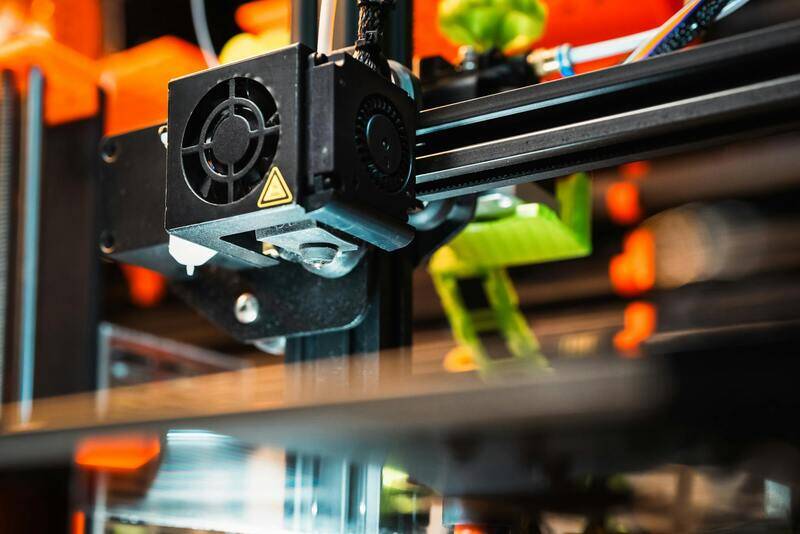
Large image printing encompasses a range of high-quality printing methods designed to produce expansive visuals that capture attention and enhance visual communication. This process is pivotal for creating impactful signage, murals, banners, and display materials that require precision, durability, and vivid color reproduction. Understanding the foundational principles of large image printing ensures that clients select the most appropriate techniques and materials to meet their display needs, whether for commercial, promotional, or artistic purposes.

Efficient large image printing demands attention to detail from initial design to final installation, incorporating considerations such as substrate compatibility, color fidelity, and environmental conditions. Technological advancements have made it increasingly feasible to produce high-resolution, durable, and visually stunning printed images on an array of materials, broadening the scope of applications and creative possibilities.
Types of Large Image Printing Techniques
There are several legitimate methods employed by professional printers to realize large-scale images, each suited for different materials and purposes. Selecting the right technique hinges upon factors like material type, usage environment, and desired aesthetic effects. The following are primary printing methods used in creating large images:
- UV Printing: This process utilizes ultraviolet light to cure inks instantly on various substrates, ideal for rigid surfaces like acrylic and glass, while providing durable, vibrant images suitable for indoor and outdoor settings.
- Latex Printing: Employing water-based latex inks, this method produces flexible and eco-friendly large images with excellent color accuracy, making it suitable for banners, wallpapers, and other adaptable media.
- Dye Sublimation: Best suited for textiles and soft substrates, dye sublimation transfers dyes onto materials through heat, creating vibrant, fade-resistant images embedded into the fabric for long-term durability.
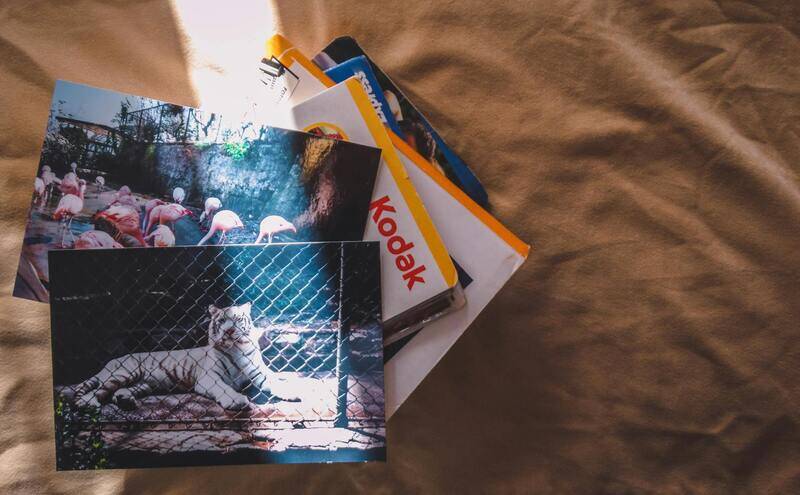
Each technique offers its unique advantages, ensuring that creators and businesses can achieve precise, high-quality results aligned with their specific display goals. The choice of method significantly impacts the final appearance, longevity, and environmental impact of the printed product.
Materials and Mediums Used in Large Image Printing
When pursuing large image printing through recognized and authorized methods, selecting the appropriate materials is essential for achieving optimal results. Different substrates and mediums are used depending on the intended display environment, durability requirements, and aesthetic preferences.
Among the most common materials used in large-format printing are:
- Acrylic and Polycarbonate: These rigid plastics provide high clarity and durability, making them ideal for signage, exhibition displays, and retail environments. UV printing on acrylic surfaces yields vibrant, scratch-resistant images capable of withstanding outdoor conditions.
- Vinyl Films: Often used in banners, wall coverings, and vehicle wraps, vinyl films are highly versatile due to their flexibility and weather-resistant properties. Latex printing on vinyl ensures color accuracy and elongation for outdoor applications.
- Fabric and Textiles: For soft signage, such as banners and curtains, textiles like polyester or silk are frequently used. Dye sublimation techniques transfer dyes into the fabric, producing images with intense color and long-term resilience against fading.
- Paper and Canvas: Fine art printing on canvas or high-quality paper is utilized for gallery displays, advertisements, and limited editions. These materials support vibrant color reproduction and detailed imagery, often enhanced with protective coatings to prolong lifespan.
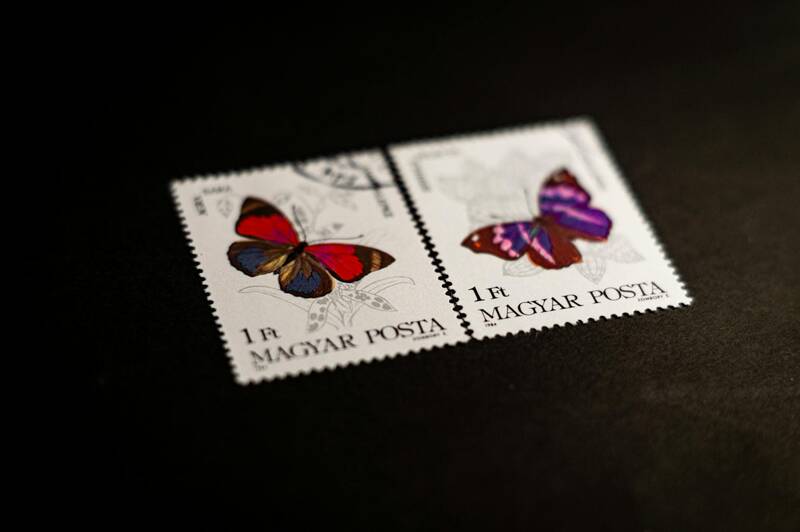
Choosing the right medium requires consideration of environmental factors such as exposure to sunlight, moisture, and physical handling. For outdoor signage that must endure variable weather conditions, materials like weatherproof vinyl or acrylic are preferred. Conversely, interior installations might prioritize materials that offer superior image quality and texture, such as canvas or specialty papers.
Beyond material selection, the compatibility with specific printing techniques is crucial. UV printing adheres well to rigid substrates like glass and acrylic, providing crisp, vivid images suitable for high-end displays. Latex printing offers flexibility on vinyl, banners, and wallpapers, delivering eco-friendly options with vibrant finishes. Dye sublimation excels with textiles, producing durable images embedded into the fabric surface, ideal for soft signage applications.
In addition to the base materials, surface finishes such as matte, gloss, or satin coatings can influence the visual impact, durability, and maintenance of the final product. These coatings can protect against scratches, UV rays, and environmental pollution, enhancing longevity and appearance over time.
Understanding the Materials and Mediums Used in Large Image Printing
Choosing the appropriate materials for large image printing is fundamental to achieving optimal visual quality, durability, and overall effectiveness of your display. The selection process involves evaluating the environmental conditions where the print will be displayed, the desired finish, and the compatibility with particular printing technologies.
At the core of large-format printing are a variety of media tailored to specific applications:
- Vinyl: Widely used for banners, outdoor signage, and vehicle wraps, PVC vinyl offers robustness, flexibility, and weather resistance. Latex printing technology has expanded the possibilities with environmentally friendly inks that produce vibrant, flexible prints on vinyl surfaces.
- Canvas: Favored for artistic and interior display purposes, canvas allows for high-resolution reproductions with a textured finish that mimics traditional artworks. It is typically coated with a protective layer to prevent fading from light exposure.
- Metal and Rigid Substrates: Materials like aluminum, acrylic, and glass are common substrates for high-end displays. UV printing is often employed here due to its ability to produce crisp, detailed images directly on non-porous surfaces, ensuring longevity and vividness.
- Textile and Fabric: Dye sublimation printing is especially suitable for soft signage, producing durable, vibrant images embedded into fabrics. It is ideal for backdrops, apparel, and soft banners, providing flexibility and an elegant appearance.
- Specialty Paper: For indoor applications emphasizing fine detail and color fidelity, high-quality papers with matte or gloss finishes are utilized. These materials support gallery-quality reproductions and limited editions, often with additional coatings for enhanced longevity.
Surface coatings play a vital role in extending the lifespan of large prints. Matte, gloss, and satin finishes influence how light interacts with the surface and can add protective layers against scratches, UV radiation, and environmental pollutants, ensuring the image retains its visual appeal over time.
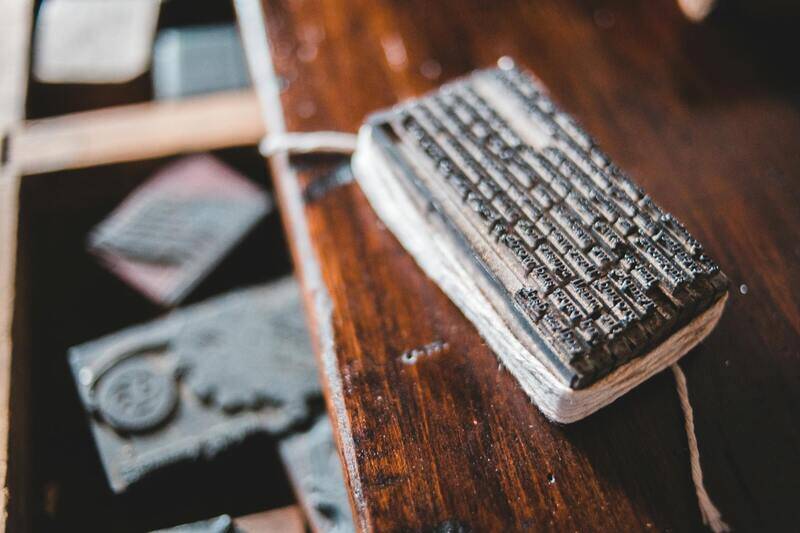
In sum, the careful selection of materials and surface treatments tailored to specific display needs enhances the overall impact and longevity of large prints. Understanding the properties of each material category and their compatibility with different printing methods helps ensure the final product meets the desired aesthetic and functional objectives.
Installation and Display Methods
Effective installation and display techniques are essential to maximize the visual impact and durability of large image prints. The choice of method depends on the environment, material of the print, and intended viewing experience. Properly mounted and displayed images not only enhance aesthetic appeal but also protect the artwork from damage over time.
Framing and Mounting Options
Framing is a traditional approach that provides structural support and a polished appearance. Frames made of metal, wood, or aluminum can be selected based on the overall design theme. For large prints, especially those on rigid substrates like foam board or acrylic, a flush mount with minimal metal edges creates a sleek, modern look. When using fabric or flexible materials, tension mounting systems help keep the print taut, preventing sagging and wrinkles.
- Frame Mounts: Ideal for indoor environments where a refined presentation is desired. Frames can be equipped with UV-protected glass or acrylic to safeguard against UV damage and dust.
- Wall Mounts: Direct mounting systems, such as z-clips or french cleats, enable a seamless appearance. These are suitable for both lightweight prints and heavy, rigid materials.
- Suspension Systems: For cavernous or outdoor locations, cables, wires, or specialized rods offer flexible display options that accommodate large sizes and uneven surfaces.
Outdoor Display Techniques
Outdoor large image displays require robust methods that withstand environmental factors like wind, rain, and UV radiation. Weather-resistant mounting hardware combined with protective coatings enhances longevity and reduces maintenance efforts.
- Vinyling: Large vinyl banners with reinforced grommets allow for secure fastening to various surfaces. Reinforced edges and strong adhesives improve tear resistance.
- Structured Panels: Rigid panels made of aluminum composite or other durable materials can be anchored securely while offering a clean, professional look suitable for billboards or transit displays.
- Acrylic and Glass Enclosures: For premium outdoor displays, these enclosures protect the image from the elements while providing a sleek presentation.
Considerations for Safe and Effective Installation
When installing large images, attention must be given to weight distribution, anchoring points, and safety measures. Using appropriate fasteners and supports ensures that the display remains secure over time. Additionally, alignment tools and scaffolding might be required for very large installations to ensure precision and safety. Regular inspection and maintenance, including cleaning surfaces and checking mounting hardware, help preserve the appearance and structural integrity of the print.
Installation and Display Methods
Effective installation is crucial to maximizing the visual impact and durability of large image prints. The choice of method depends heavily on the environment and the surface where the print will be displayed. For outdoor environments, weather-resistant mounting hardware and protective coatings are essential to safeguard against elements such as wind, rain, and ultraviolet radiation. Reinforced grommets on vinyl banners, for example, facilitate secure attachment to various surfaces, while structured panels made of aluminum composite can be anchored firmly for billboard or transit advertising purposes.
For premium outdoor displays, acrylic and glass enclosures offer a sleek, modern appearance while providing protection against environmental factors. These enclosures help preserve high-resolution images by shielding them from moisture, dust, and physical contact. Indoors, prints can be mounted directly to walls using specialized adhesives or hanging systems designed for large formats, ensuring they remain flat and free of warping over time.
Proper installation techniques involve attention to weight distribution and anchoring points to prevent sagging or detachment. Using precision tools like leveling devices or plumb lines guarantees that the print remains perfectly aligned. In cases of extremely large images, scaffolding and professional mounting systems may be necessary to ensure safety and optimal positioning. Routine inspections, cleaning, and hardware checks contribute to maintaining the visual quality and structural integrity of the display over time.
Additional Tips for Optimal Display
- Consider environmental exposure: Select mounting methods suitable for the specific conditions of the display location.
- Ensure proper spacing: Maintain adequate distance between the viewer and the print for a clear view while preventing accidental damage.
- Use high-quality fasteners: Durable materials like stainless steel or corrosion-resistant hardware prolong the lifespan of outdoor installations.
- Regular maintenance: Clean with gentle, non-abrasive cleaners and inspect mounting points periodically to identify early signs of wear or damage.
Ultimate Guide to Large Image Printing
Exploring Official Methods for Large Image Printing
When undertaking large image printing, adhering to established, reputable methods ensures the visual excellence and durability of the final product. Professional large-format printing relies primarily on digital artistry and precise printing technologies that are optimized for high-resolution outputs. The utilization of standardized techniques like dye-sublimation, solvent, UV-curable, and latex printing guarantees consistent results across various materials and sizes. These methods are executed within controlled environments, preventing issues such as color shifts, distortion, or image degradation. Access to high-quality equipment operated by skilled technicians forms the backbone of legitimate large image printing processes, emphasizing accuracy in color reproduction, sharpness, and fidelity to the original design.

Technologies Supporting Large-Scale Image Production
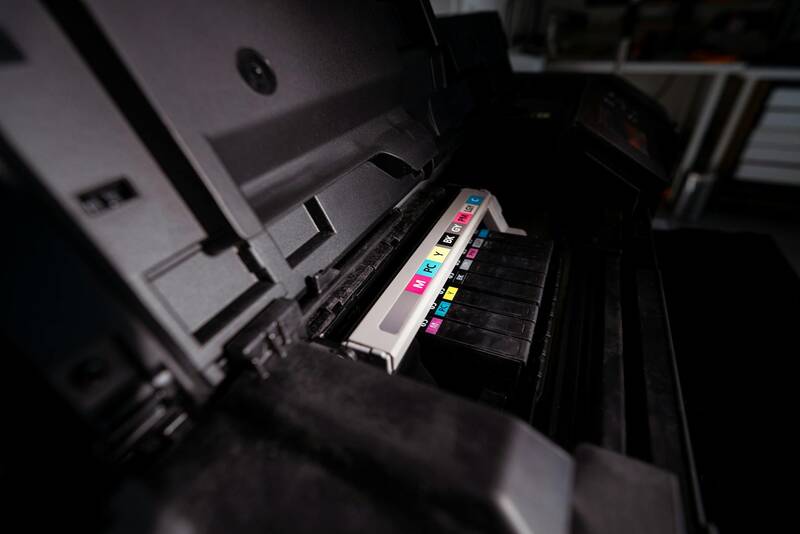
Professional large image printing employs a variety of permitted techniques tailored for different substrate compatibilities and project requirements. Inkjet printers, especially those with wide-format capabilities, dominate the industry, offering precise control over ink deposition and color blending. UV-flatbed printers use ultraviolet light to instantly cure inks onto rigid or flexible surfaces, producing vibrant, durable images. Dye-sublimation printers are often used for fabric displays, providing seamless color gradients and high wash resistance. Solvent and eco-solvent printers favor outdoor signage with weatherproof qualities and long-lasting color integrity. The choice of technology depends on the medium, environmental considerations, and the intended display location, but all are grounded in regulated procedures designed for optimal output quality.
Materials and Mediums Recognized in Professional Large Image Printing
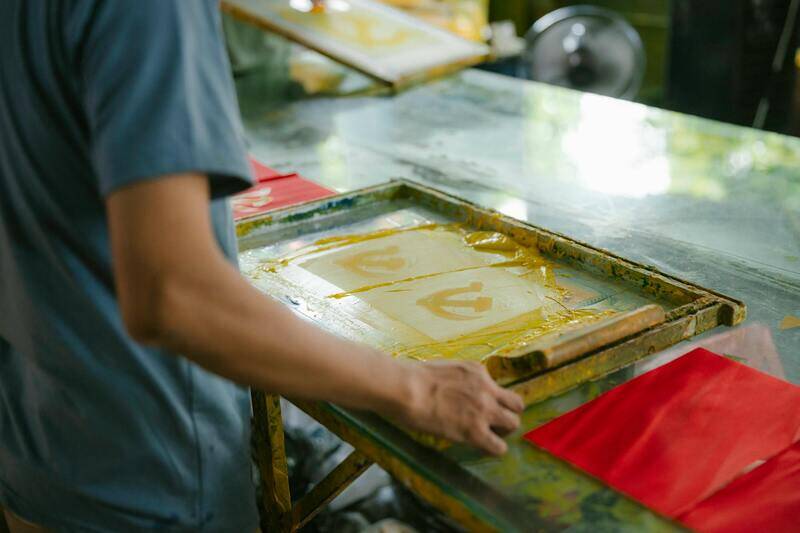
Using legitimate materials is essential for achieving sustained image quality and longevity. Common substrates include vinyl, canvas, backlit film, fabric, acrylic, and aluminum panels. Each material offers unique advantages: vinyl is highly durable for outdoor use; canvas provides a classic aesthetic for fine art; and acrylic lends a sleek, modern appearance to interior displays. These mediums are selected based on environmental exposure, aesthetic preferences, and installation requirements. Printing professionals utilize approved inks—such as solvent, UV-curable, or latex inks—that are formulated to adhere effectively to specific substrates, resist environmental factors, and maintain color integrity over time.
Design Precision and Resolution Standards for Large Printing
The clarity of large prints hinges on meticulous digital design and optimal resolution settings. Effective large image printing starts with high-resolution files—typically 300 dpi or higher at the intended print size—ensuring detailed, crisp visuals. When scaling or enlarging images, maintaining aspect ratios prevents distortions, while vector graphics are preferred for logos or designs requiring sharp lines. Color management, including proper calibration of monitors and printers, assures color consistency. Attention to bleed, margins, and safe zones avoids cutting off critical details during trimming. Employing proven color profiles and adhering to manufacturer guidelines for resolution and file formats uphold the integrity of large-scale reproductions.

Optimal Sizing, Scaling, and Aspect Ratio Management
Accurate sizing and scaling are crucial for producing visually balanced large images. Determining the appropriate print size involves evaluating viewing distances, spatial constraints, and the medium’s physical limitations. Maintaining the aspect ratio during scaling preserves the original proportions, preventing distortion or stretching. Advanced software tools facilitate precise adjustments, offering grid overlays or scaling ratios to match the desired dimensions without compromising image integrity. When enlarging graphics, it's important to consider the native resolution; upscaling beyond recommended limits can reduce sharpness. Smoothing algorithms available in professional design programs can mitigate pixelation, resulting in seamless, oversized images suitable for impactful displays.
Methods for Installing and Showcasing Large Prints
Proper installation maximizes the visual impact and longevity of large images. Professional mounting methods include wall adhesive systems, framing, or tensioned displays tailored to the medium and environment. Using robust hardware—such as stainless steel fasteners or reinforced hooks—ensures stability, especially for outdoor or high-traffic areas. Precise leveling techniques, like laser-guided tools, help align images perfectly. For flexible or fabric displays, tensioning systems maintain flatness and prevent sagging. When positioning images, consider environmental factors such as sunlight, humidity, or proximity to heat sources. Accessible mounting points and modular hardware simplify adjustments and future replacements. Skilled technicians handle large-scale installations to avoid warping, tearing, or detachment, safeguarding the quality of the display over time.

Financial and Time Considerations for Producing Large-Scale Prints
The cost associated with large image printing involves multiple elements, including material quality, technology used, print size, and finishing options. High-quality substrates and inks significantly influence pricing, alongside labor costs for design setup and installation. Lead times vary depending on the complexity, from several days for standard jobs to multiple weeks for custom or intricate projects. Advanced digital printing methods, like UV-cure or latex printing, often deliver quicker turnaround times due to their efficiency and direct-to-substrate capabilities. Planning well in advance and consulting with experienced providers ensures timely completion and optimal budget allocation. Investing in professional-grade materials and equipment results in vivid, durable images that withstand environmental exposure, ultimately providing a worthwhile return on investment for impactful visual communication.