Understanding Large Print Photography
Large print photography is a specialized field within the broader scope of visual arts and printing, focusing on creating expansive photographic displays that command attention and evoke emotional responses. This technique involves enlarging photographs to sizes that often exceed standard display dimensions, making them suitable for prominent exhibition spaces, gallery settings, commercial advertisements, and public installations.
The process begins with high-resolution images, often captured with professional-grade cameras capable of capturing intricate details at a macro level. Once the image quality is secured, the next crucial step is digital preparation, ensuring the photograph is optimized for enlargement without losing its clarity, color fidelity, and sharpness. This preparation involves meticulous editing, resizing, and sometimes the use of specialized software to enhance details and eliminate potential pixelation issues that can arise during magnification.

One of the defining aspects of large print photography is its capacity to transform a simple image into a commanding visual piece that can dramatically impact viewers and communicate messages effectively. As digital files are prepared for printing, considerations such as color accuracy, contrast, and exposure become critically important to ensure the final output maintains the integrity of the original scene.
Moreover, large print photography isn't solely about size; it also emphasizes the importance of high-quality material choices, appropriate printing techniques, and effective display strategies. These elements work in harmony to produce photographs that are not only aesthetically striking but also durable and suitable for long-term exhibition.
Understanding the technical aspects, from image capture to final printing, enables creators and enthusiasts to produce large-scale photographs that retain their visual impact over time. Whether used for artistic expression, commercial advertising, or large-scale displays in public spaces, large print photography represents a fusion of technical skill and artistic vision that elevates the storytelling power of images.
Key Factors in Creating Large Print Photographs
Creating impactful large print photographs involves a combination of technical precision and artistic intent. Each step, from capturing the initial image to selecting the appropriate printing techniques, plays a vital role in ensuring the final product is visually striking and durable. Understanding how to effectively manage these factors allows photographers and artists to achieve high-quality results that resonate with viewers and withstand the test of time.
Optimal Image Resolution and Quality
Ensuring the source image has sufficient resolution is paramount when preparing for large-format printing. A high-resolution image provides the necessary detail and sharpness that remain intact even when enlarged significantly. Typically, a minimum of 300 DPI (dots per inch) at the intended print size is recommended, although larger prints may require even higher resolutions to prevent pixelation. Properly capturing images with high-quality equipment — such as full-frame digital cameras with high megapixel counts — lays a solid foundation for successful large print production.
It’s also essential to check the image for clarity, accurate exposure, and appropriate contrast before processing. Post-capture editing should focus on fine-tuning color balance, sharpening details, and reducing noise. Specialized software tools can be employed to enhance and prepare the image, ensuring it maintains fidelity during enlargement.
Color Management and Consistency
Color accuracy is critical in large print photography, particularly when images are used for commercial or artistic display. Adhering to a strict color management process helps reproduce colors faithfully from screen to print. This process includes calibrating monitors with professional calibration tools, utilizing color profiles consistent with the printer and materials, and performing test prints to verify color fidelity.
Maintaining consistency in color across different print runs is vital for branding and cohesive exhibitions. Professionals often utilize standardized color spaces—such as Adobe RGB or sRGB—to ensure predictable results. Proper file preparation, including embedded color profiles and color matching, helps bridge the digital-physical gap effectively.
Assessing Material Compatibility
The choice of printing material influences both the aesthetic quality and longevity of large photographs. Options such as canvas, fine art paper, vinyl, or metal each offer distinct finishes, textures, and durability properties. For vibrant, detailed images, materials with high ink absorption and color clarity are preferred. Consulting with printing specialists can help determine the ideal substrate based on the artwork's intent and display environment.
Prepress and Final Adjustments
Before final printing, it’s crucial to review the prepared file at full size, checking for any imperfections or artifacts that might have been introduced during editing. Soft proofing allows designers to simulate how colors and details will appear once printed, enabling final adjustments to optimize the image for the chosen printing method and material.
Choosing the Appropriate Printing Technique
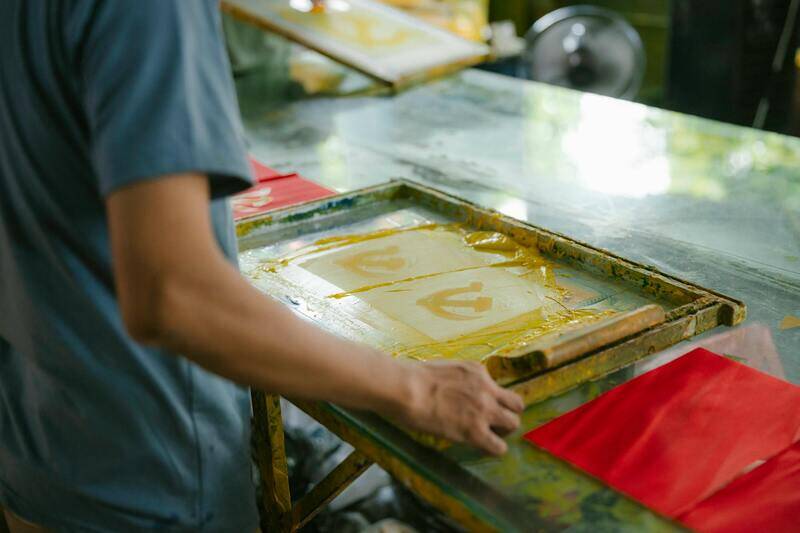
Various printing technologies are suitable for large-scale photographs, each with its advantages. Inkjet printing, especially with archival inks, is widely favored for its ability to produce high-resolution images with rich colors and deep blacks. Screen printing, although less common, can be used for specific artistic effects and textured finishes. UV printing offers durable, weather-resistant options for outdoor displays. Selecting the proper technique depends on the desired visual outcome, durability requirements, and budget considerations.

Accurate Image Preparation and File Formatting
To ensure the highest quality output for large print photography, it is vital to prepare your digital files meticulously. Start by digitizing images at the highest possible resolution, typically 300 dpi or higher, to retain fine details and color depth. When enlarging images, maintaining that original resolution minimizes pixelation and ensures sharp, crisp results. Use lossless file formats such as TIFF or PSD to preserve image integrity during editing and printing processes.
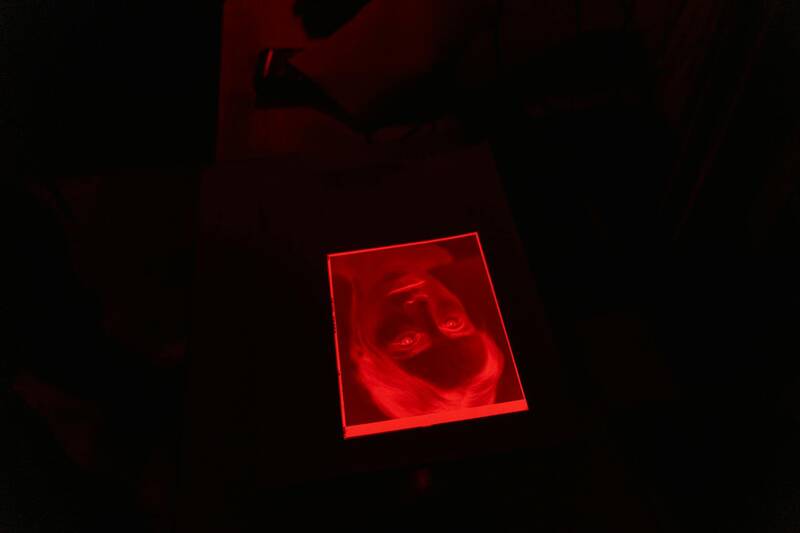
Color management plays a key role in achieving accurate reproduction. Employ calibrated monitors to edit and adjust colors precisely, and utilize color profiles that match the printing substrate and inks. Soft proofing within editing software allows simulating the final appearance on different materials, helping to identify potential issues before printing. It’s equally important to adjust contrast, sharpness, and saturation to optimize visibility and vibrancy at large sizes.
Selecting Appropriate File Formats and Resolution
- Resolution : Aim for 300 dpi at the final print size, which typically translates to larger pixel dimensions. For example, a 24x36 inch print should have a pixel dimension of roughly 7200x10800 pixels to ensure clarity.
- File Format : Use TIFF or PSD files that support high-quality image data and layers for any last-minute edits. JPEGs can be used if saved at maximum quality, but they are prone to compression artifacts.
- Color Profiles : Embed CMYK or Adobe RGB color profiles suited for large format printing, depending on the printer’s requirements.
Working Directly with Printing Suppliers
Engaging with printing specialists early in the process allows for professional advice on preparing files tailored to their specific equipment and substrates. Clear communication about the desired outcome, display environment, and material choice ensures the final product meets expectations. Many printers provide detailed specifications and guidelines for file preparation, including preferred color profiles and resolution settings.

Understanding and implementing these precise preparation strategies facilitates the creation of large print photography that is both visually striking and technically flawless, capable of captivating viewers at any scale.
Understanding Large Print Photography
Large print photography involves creating images that maintain their sharpness, color accuracy, and visual impact when scaled to significant sizes. This process requires meticulous planning and precise technical adjustments from the initial capture to the final output. The intent is to produce enlargements that reveal intricate details and facilitate an immersive viewing experience, often used in galleries, exhibitions, or public displays where visual dominance is essential.
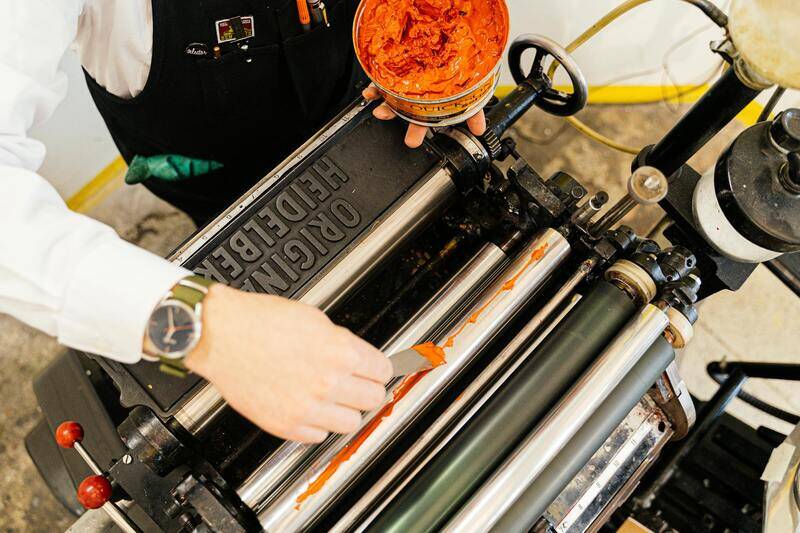
To achieve high-quality results, photographers must start with images captured at optimal resolutions, utilizing professional-grade equipment capable of detailed image acquisition. Post-processing also plays a critical role, as adjustments to contrast, sharpness, and saturation are necessary to enhance clarity and vibrancy, especially when viewed on expansive surfaces. Proper preparation ensures that every pixel contributes to a cohesive, impactful display, elevating the overall aesthetic and technical excellence of large print artwork.
Understanding Image Resolution and File Specifications
Resolution considerations are fundamental, as they directly influence the clarity of enlarged images. For large prints, a resolution of approximately 300 dots per inch (dpi) at the final print size is recommended. For instance, a 24x36 inch print should ideally be generated from a file with dimensions around 7200x10800 pixels. This provides a sufficient pixel density to prevent pixelation and maintain fine detail.
File formats must support high-quality image data and layers for effective editing and color fidelity. Common formats include TIFF and Photoshop PSD files, both capable of preserving detailed image information. JPEG files can also be utilized if saved at maximum quality, but they are more susceptible to compression artifacts that can diminish image integrity at large scales. Embedding appropriate color profiles, like CMYK or Adobe RGB, ensures color accuracy across different printing devices and substrates.

Collaborating with Printing Professionals
Engaging with experienced printing service providers early in the process allows for tailored advice regarding file preparation and material selection. Clear communication about the intended display environment and desired aesthetic results is crucial. Many printing specialists offer detailed specifications for preparing files, including recommended resolutions, color profiles, and substrate choices. By collaborating closely, photographers can optimize their workflows, ensuring that technical parameters align with the capabilities of the chosen printing equipment.
This partnership fosters the creation of large prints that excel in both artistic quality and technical robustness, resonating powerfully with viewers and standing the test of time.
Choosing the Right Printing Materials and Methods
Achieving optimal results in large print photography starts with the selection of appropriate printing materials and techniques. The choice of substrate significantly influences the final appearance, durability, and feel of the print. High-quality paper, canvas, acrylic, or metal surfaces each impart distinctive characteristics, and understanding their unique properties ensures the photographer’s vision is faithfully translated into the final product.
For vibrant, detailed images, many opt for specialty papers such as fine art or photographic papers crafted from fiber or coated materials. These substrates support rich color reproduction and sharp detail, which are crucial when printing large format images where every pixel can be scrutinized. Canvas is popular for a more textured, artistic feel, allowing for additional creative effects like staining or varnishing, which can enhance visual appeal and longevity. Acrylic and metal prints are ideal for modern, sleek presentations, offering depth, gloss, and a durable surface resistant to moisture and scratching.
When selecting a printing method, there are several techniques to consider, each suited to different substrate types and desired outcomes:
- Giclée Printing: Often regarded as the gold standard for fine art large prints, this inkjet-based method offers high resolution, a wide color gamut, and lasting color fidelity. It is particularly effective on fine art papers and canvas, providing sharp details without sacrificing color accuracy.
- UV-LED Printing: Suitable for printing directly onto rigid surfaces like metal or acrylic, UV-LED printing cures the ink instantaneously, resulting in vibrant, durable images with a glossy or matte surface finish.
- Dye Sublimation: Primarily used on specially coated substrates like metal or polyester fabrics, this process allows for seamless, vibrant prints with excellent color depth and durability, suitable for both outdoor and indoor displays.
Advancing the technical aspects, calibration of printers and consideration of color profiles ensures consistency across large prints. Proper color management workflows, utilizing calibrated monitors and ICC profiles, support accurate color reproduction, which is especially important for large prints where discrepancies can become more noticeable. Additionally, the use of UV-resistant or waterproof coatings can enhance the longevity of prints in environments prone to moisture, sunlight, or dust exposure.
Collaborating with reputable printing service providers who specialize in large format printing is essential. Experienced professionals can provide valuable guidance on material selection, finishing options, and color management. They can also advise on the optimal print size based on the display environment and intended viewing distance, ensuring the artwork maintains its impact and clarity when enlarged. This partnership guarantees that every technical detail aligns perfectly with the artistic vision, producing a stunning final product that preserves every element of the original photograph.
Understanding Large Print Photography
Large print photography involves the process of printing high-resolution images on a significantly bigger scale, often used for decorating expansive walls, creating impactful visual displays, or producing promotional materials. This specialized field requires a careful balance of technical precision and artistic judgment to maintain clarity, color accuracy, and overall quality when enlarging images from smaller originals. Precision in capturing detail and color fidelity becomes paramount, as larger prints are more susceptible to amplifying any imperfections or inconsistencies in the image. Proper preparation, from selecting high-resolution images to optimizing for scale, ensures that the final output maintains sharpness and vibrancy, offering a captivating viewing experience that can evoke emotion or convey essential narratives effectively.

Challenges and Considerations in Large Print Photography
Creating large prints requires meticulous attention to detail, including mastering color management to prevent discrepancies caused by scaling. It involves evaluating the resolution of original images—higher resolution files are essential to preserve detail at enlarged sizes. Furthermore, selecting appropriate printing substrates and finishes directly influences the durability, appearance, and effectiveness of the print. Recognizing potential issues with pixelation or blurriness helps artists and clients choose suitable approaches and tools to achieve the best possible quality. Proper understanding of the technical workflow—such as color calibration and image sharpening—is vital for ensuring consistency from digital file to final product. Consequently, working with experienced professionals who understand the intricacies of large format printing is highly recommended to mitigate risks and realize the artistic vision fully.
Technical Aspects to Consider
- Image resolution: Aim for a minimum of 300 DPI at the final print size to retain detail.
- Color accuracy: Implement color profiles and calibration to ensure consistent hues across devices and prints.
- Material compatibility: Choose substrates that complement the image and intended display environment.
- Finishing options: Explore lamination, framing, or mounting techniques for added longevity and aesthetic appeal.
- Viewing distance: Determine the optimal viewing distance to balance detail and impact, influencing print size and detail level.
Conclusion
Successfully producing large print photographs involves a precise interplay of technical mastery and artistic insight. Making informed decisions regarding resolution, color management, and material selection ensures the final piece will be both captivating and durable. Partnering with professionals experienced in large format printing and thorough preparation of digital files are key factors in achieving high-quality results that honor the original artistic intent and resonate with viewers.
Ensuring Authenticity in Large Print Photography
When producing large print photographs, it is essential to rely solely on established and respected printing establishments that utilize professional-grade equipment and adhere to industry-standard practices. These facilities implement rigorous quality controls and maintain comprehensive quality assurance protocols to guarantee each print meets precise specifications. Using dedicated large format printers equipped with high-resolution capabilities and consistent color management systems, these providers can reproduce images with exceptional clarity and vibrancy, regardless of the size. Furthermore, they employ advanced calibration tools to ensure consistent color reproduction across different media and print batches, which is critical for maintaining fidelity to the original digital image.

It is important to verify that the printing service employs genuine, high-quality inks and substrates approved for large format printing. These materials contribute significantly to the durability of the print, resisting environmental factors such as UV exposure, humidity, and surface abrasions. When selecting a provider, inquire about the specific inks and materials used, and whether they comply with industry standards for archival quality. The use of certified printing techniques and environmentally responsible materials bolsters the longevity and presentation quality of large photographic prints.
Image File Preparation and Submission
To ensure that your images are reproduced accurately on a large scale, proper preparation of the digital files is crucial. Files should be formatted in high-resolution formats such as TIFF or JPEG with a minimum resolution of 300 DPI at the desired final print size. It is advisable to work with professionals or trusted sources that can assess and optimize images for large format printing—this includes sharpening, adjusting contrast, and color correction aligned with the print medium. Incorporating color profiles and metadata ensures consistent results and reduces the risk of unwanted shifts in hue or detail loss.
Opting for Certified and Experienced Providers
Choosing a printing service with a proven track record of delivering large photographic prints with precision and attention to detail is fundamental. Reputable providers often showcase certifications from recognized industry organizations and provide examples of their work. They also offer consultation services, guiding clients through material choices, finishing techniques, and installation options. Working with experienced specialists reduces the likelihood of errors and ensures the final output adheres to technical standards appreciated by professional photographers and artists alike.

In summary, purchasing large print photographs from reputable sources guarantees high-quality results that preserve the details, colors, and artistic intent of the original image. Verifying the use of premium materials, thorough file preparation, and working with experienced professionals are key steps that form the foundation for producing impressive large-scale photographic works with lasting visual impact.
Maintaining and Care for Large Print Photographs
Once a large print photography piece has been successfully displayed, ongoing maintenance is essential to preserve its visual integrity and prevent deterioration over time. Proper care ensures that the vibrant details and colors captured in the original image remain vivid and true. This involves understanding the factors that contribute to the longevity of large photographs and implementing routine practices to mitigate potential damage.
Proper Cleaning Techniques
Cleaning large photographic prints requires a gentle approach to avoid damage to the surface. Use soft, lint-free microfiber cloths, preferably slightly dampened with distilled water, to remove dust and surface pollutants. Avoid abrasive materials or harsh cleaning agents that can scratch or dissolve the ink or surface coating. For stubborn spots, consult with professional conservation specialists to identify safe cleaning agents tailored for the specific materials used in the print.
Environmental Considerations for Preservation
Environmental factors play a significant role in the lifespan of large photographs. Maintain moderate temperature and humidity levels in display or storage areas to prevent warping, cracking, or mold growth. Typically, a temperature range of 18-22°C (65-72°F) with a relative humidity of 40-50% is optimal. Avoid direct sunlight, which can cause fading, and implement UV-protective glazing or UV-filtering window films when displaying large prints in well-lit areas.
Handling and Storage Best Practices
When moving or storing large photographs, use proper support to avoid bending or creasing. Employ acid-free protective coverings, such as tissue paper or specialized enclosures, to prevent chemical interactions that can lead to deterioration. Ideally, store prints flat in a dedicated, climate-controlled archive or rolled around a sturdy core if space constraints exist. When framing, opt for materials that are acid-free and archival quality to enhance longevity and prevent acid migration which can damage the photograph over time.
Periodic Inspection and Conservation
Routine inspections are crucial to identify early signs of deterioration—such as discoloration, mold, or surface damage. Engage professional conservators for detailed assessments and remediation efforts if necessary. They can perform specialized cleaning, repair, or stabilization procedures to extend the lifespan of large print photographs. Proactive conservation ensures these visual artifacts retain their original impact for decades, allowing audiences to continue experiencing their artistic and documentary significance.