Understanding Large Format Photo Paper
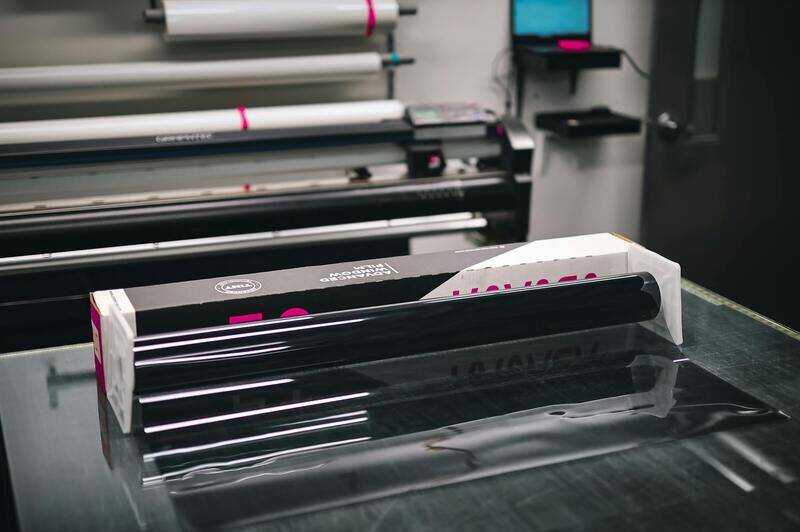
Large format photo paper represents a specialized category of printing substrate designed for high-quality, expansive photographic displays. Typically ranging from widths of 24 inches to 60 inches or more, these papers serve professional photographers, artists, and commercial entities aiming to produce monumental visual works. The dimensions of large format photo paper are standardized but flexible, accommodating a variety of custom sizes tailored to specific project requirements. This substantial size allows for detailed, vivid reproductions of images, making it an indispensable choice for applications such as fine art prints, exhibition displays, advertising billboards, and architectural renderings.
In terms of use cases, large format photo paper excels in scenarios demanding exceptional clarity, color accuracy, and durability. Its applications extend from gallery-grade photographic reproductions to large-scale commercial signage. This versatility stems from the paper’s capacity to hold detailed, high-resolution images on expansive surfaces. Additionally, it supports a variety of printing technologies, enabling users to create stunning visuals that are both impactful and long-lasting. As such, selecting the appropriate large format photo paper is critical for achieving desired visual effects and ensuring archival quality.
Understanding these foundations is essential for anyone involved in large-scale printing. The choice of photo paper not only influences the aesthetic quality but also impacts the longevity and handling of the final print. Whether for an art installation or a commercial display, the right large format photo paper can elevate a project, ensuring that each detail is rendered with precision and vibrancy.
Material Composition and Surface Finishes
Choosing the appropriate large format photo paper depends heavily on its material composition and surface finish, which directly influence the visual outcome and durability of prints. Most high-quality large format photo papers are crafted from a base material such as alpha-cellulose, resin-coated paper, orPolyester, each offering distinct advantages. Alpha-cellulose papers, often used for fine art and archival purposes, provide excellent longevity and color fidelity. Resin-coated (RC) papers, on the other hand, are popular for commercial printing, offering smoother surfaces and faster drying times. Polyester-based papers are valued for their rigidity and chemical resistance, making them suitable for specialized applications.

Within these base materials, surface finishes vary significantly, impacting how images are perceived and their suitability for different viewing environments. Glossy finishes enhance color vibrancy and contrast, making them ideal for photographic displays and portfolio presentations. Matte finishes absorb light, reducing glare and reflections, which are beneficial in settings where viewers will be close to the print or in brightly lit areas. Satin or semi-gloss surfaces strike a balance, offering some of the vibrancy of glossy papers while minimizing reflections. Luster finishes combine qualities of gloss and matte, providing depth and richness with less glare, often preferred for gallery exhibitions and fine art reproductions.

Each finish also impacts handling and cleaning procedures. Glossy papers tend to show fingerprints and smudges more readily, requiring careful handling or protective coatings for long-term displays. Matte and satin finishes, being less reflective, are easier to maintain and clean, making them suitable for frequent use in commercial environments. Considering the intended display setting, longevity, and aesthetic goals will guide the selection of the ideal surface finish when choosing a large format photo paper.
Understanding Large Format Photo Paper
Large format photo paper serves as the foundation for creating striking visual displays, high-quality photographic reproductions, and commercial signage. Selecting the right paper is critical to achieving desired results in terms of color accuracy, durability, and presentation style. When considering large format options, it is essential to examine not only the physical size but also the composition, surface texture, and how these factors influence print quality.
Manufacturers offer a broad spectrum of large format photo papers tailored to various printing needs and display environments. From glossy, semi-gloss, matte, to luster finishes, each surface finish influences how an image appears once printed and how it interacts with light. The paper's weight and thickness also bear significance, impacting rigidity, lifespan, and ease of handling, especially in outdoor or high-traffic displays. Understanding these parameters helps ensure that the chosen paper aligns with both the creative vision and practical requirements of each project.

Factors Influencing Choice of Large Format Photo Paper
- Intended Display Environment: Indoor galleries, outdoor signage, or commercial displays each demand different levels of resistance and finish.
- Type of Image: Vibrant photographs may benefit from glossy or luster finishes, while detailed images with subtle tonal variations might be better suited to matte surfaces.
- Handling and Maintenance: Consider ease of cleaning and resistance to fingerprints, especially for frequently touched displays.
- Longevity: Durability factors such as resistance to fading, moisture, and physical wear influence the choice of paper material and finish.
Impact of Material Composition on Print Outcomes
Different paper materials inherently affect the appearance and lifespan of large format prints. Resin-coated papers, commonly used for their smooth surface and bright white bases, excel in producing sharp image quality and vibrant colors. These are ideal for photographic reproductions, banners, and posters where clarity and brightness are priorities.
Fiber-based papers, on the other hand, offer a textured, more natural surface that can lend an artistic or vintage feel to prints. While they may not offer the same level of brightness as resin-coated options, fiber-based papers provide excellent tonal range and depth, making them suitable for fine art reproductions and archival-quality prints.

Surface Finishes and Their Suitability
The surface finish of large format photo paper dramatically influences the final presentation. Glossy finishes maximize color vibrancy and contrast, creating eye-catching displays ideal for photography exhibitions and promotional displays. Matte finishes, characterized by their non-reflective qualities, are advantageous in high ambient light environments and for close-viewing situations, where glare can diminish the viewing experience.
Satin and semi-gloss surfaces offer a middle ground, combining vibrant color reproduction with reduced glare, making them versatile choices for a wide range of indoor applications. Luster finishes blend the benefits of gloss and matte by providing richness and depth with less reflection, frequently preferred in galleries and for art reproductions that require a sophisticated appearance without glare interference.
Optimizing Print Quality with Material and Finish Choices
Choosing the right combination of paper material and surface finish is integral to producing high-quality large format prints. For up-close viewing, especially in retail or fine arts settings, matte or satin finishes may be preferred due to their ease of maintenance and reduced glare. For vibrant displays where color pop and contrast are paramount, glossy or luster finishes can elevate visual impact.
Furthermore, the interaction of the selected paper with printing technologies such as inkjet or aqueous-based printers impacts final quality. Many premium large format photo papers are designed to provide optimal absorption and color fidelity with specific printing methods, ensuring that every image maintains its integrity over time and under various display conditions.
Material Composition and Surface Finishes
When selecting large format photo paper, understanding the material composition and surface finish is crucial for achieving desired print quality and durability. The primary materials used in high-quality large format photo papers include resin-coated (RC) and fiber-based (fiber) options. RC papers are characterized by a polymer coating that provides excellent ink absorption, quick drying times, and resistance to handling-related damage. These papers often feature a smooth surface ideal for detailed photographic reproductions, sharp images, and vibrant colors. Fiber-based papers, on the other hand, are composed of cellulose fibers, offering a textured finish that mimics traditional darkroom papers. They are prized for their archival qualities and rich tonality, making them a popular choice for fine art printing.

Surface Finishes and Their Impact
Surface finish plays a significant role in the presentation and durability of large format photographs. Common finishes include matte, satin (semi-gloss), gloss, and luster. Each finish offers distinct advantages that influence viewing experience, ease of handling, and longevity.
- Matte Finish: Known for its non-reflective surface, matte paper minimizes glare, making it suitable for high ambient light environments and detailed viewing. Its surface also reduces fingerprints and smudges, which simplifies maintenance over time.
- Satin/Semi-Gloss Finish: Combining the qualities of matte and gloss, satin provides vibrant color reproduction with reduced glare. It strikes a balance that works well for various indoor settings, allowing color depth without excessive reflection.
- Gloss Finish: Offering high reflectivity, gloss enhances color vibrancy and contrast, making it ideal for images with rich hues and detailed textures. However, it can be more susceptible to fingerprint marks and glare, requiring careful handling and appropriate lighting conditions.
- Luster Finish: A popular choice in galleries, the luster surface offers a soft sheen that enhances image depth while controlling glare. It combines durability with an elegant appearance suitable for art reproductions and professional displays.
The interaction between surface finish and the printing technology also affects the final output. For example, inkjet printers with specialized pigmented inks perform optimally on semi-gloss and luster surfaces, providing longevity and vivid color accuracy. Conversely, fiber-based matte papers absorb inks differently, often resulting in subtly textured and archival-quality prints that are highly valued in fine art contexts.
Choosing the correct combination of material composition and surface finish is vital to meet the specific needs of your project, whether it’s a photographic exhibition, a commercial display, or a limited edition art print. High-quality large format photo papers are designed to complement cutting-edge printing technologies, ensuring your images are reproduced with clarity, depth, and durability over time.
Understanding Large Format Photo Paper
Large format photo paper serves as the foundational medium for creating high-quality, wide-scale photographic prints. Designed to accommodate expansive images, this type of paper must meet specific standards for size, weight, and surface quality to ensure detailed reproduction and durability. It is typically favored by professional photographers, artists, and print service providers who require a material capable of holding fine details and vibrant colors over large dimensions. The selection of appropriate large format photo paper significantly influences the overall presentation, longevity, and visual impact of the final print.
Types of Large Format Photo Paper
There are several main categories of large format photo paper, each tailored to different needs and aesthetic preferences:
- Glossy Paper: Known for its shiny finish, glossy papers enhance color vibrancy and contrast. They produce striking images but may reflect light, which can interfere with viewing in certain lighting conditions.
- Matte Paper: Matte papers feature a non-reflective surface that minimizes glare and is ideal for archival prints and fine art photography. They offer a subdued, elegant appearance suitable for detailed monochrome images.
- Luster or Semi-Gloss Paper: Combining attributes of glossy and matte surfaces, luster photo papers come with a soft sheen that reduces glare while maintaining vivid color reproduction. This finish is popular in gallery and exhibition settings.
- Metallic or Pearl Finish: These specialty papers add a reflective, luminous quality that enhances depth and texture, often used for commercial displays and high-end art prints.
Material Composition and Surface Finishes
The material composition and surface finish determine not only the aesthetic quality of the print but also its durability and compatibility with various printing technologies. Common materials include fiber-based, resin-coated (RC), and synthetic substrates, each offering different levels of archival quality and texture. Surface finishes such as smooth, textured, gloss, luster, and matte are selected based on the desired visual outcome, ambient lighting conditions, and handling requirements. For example, textured surfaces can introduce subtle tactile elements that add depth, whereas smooth surfaces facilitate sharp detail reproduction.
Print Quality Factors and Resolution
The quality of large format prints is heavily dependent on the resolution and precision of the printing process. High-resolution printing, typically measured in dots per inch (DPI), ensures fine details are accurately captured and reproduced. The interaction between the print head technology and the ink application affects color depth, gradation, and sharpness. Fine art reproductions often require a minimum of 300 DPI, but professional exhibitions may benefit from even higher resolutions to optimize clarity and detail.
Moreover, the color gamut—representing the range of colors the printer and paper can produce—plays a crucial role in achieving true-to-life images. A wider color gamut allows for more vibrant and nuanced reproductions, especially in reproducing subtle tones and gradients. Proper calibration of the printer, ink selection, and paper type should be routinely maintained to ensure consistent results across large-format projects.

Understanding Large Format Photo Paper
Large format photo paper is specifically designed to accommodate wide printing projects, often exceeding standard paper sizes. It offers photographers, artists, and print professionals a versatile canvas to showcase high-resolution images on expansive surfaces. These papers are engineered to retain image sharpness, color fidelity, and durability across significant dimensions, making them ideal for creating impactful displays, portfolios, and gallery pieces. The selection of large format photo paper involves considering factors such as material composition, surface texture, and intended display environment, ensuring each print meets both aesthetic and functional requirements.

Material Composition and Surface Finishes
The core material of large format photo papers typically consists of cellulose fibers, synthetic fibers, or a combination of both, which influence the paper's strength, flexibility, and print compatibility. Cotton-based papers often feature a finer surface texture and enhanced archival qualities, making them preferred for fine art applications. Synthetic or coated papers, on the other hand, can offer smoother finishes and resistance to environmental factors such as moisture and UV exposure.
Surface finishes play a pivotal role in determining the visual impact and handling characteristics of large format prints. Common finishes include:
- Glossy: Enhances color vibrancy and contrast, ideal for detailed, vibrant images but prone to glare.
- Matte: Reduces reflections, providing a soft, muted aesthetic suitable for large displays and environments with complex lighting.
- Luster/Satin: Balances vibrancy and glare reduction, offering a professional and refined appearance.
- Textured: Adds tactile depth, often used to mimic traditional photographic paper or fine art surfaces.
Choosing the right surface finish aligns with the intended visual style, display conditions, and handling requirements, ultimately enhancing the longevity and viewer engagement of large format photographs.
Image Placeholder 1

Print Quality Factors and Resolution
Achieving optimal print quality on large format photo paper relies heavily on precise resolution settings and printer calibration. High resolution, typically measured in dots per inch (DPI), is essential to reproduce intricate details and subtle gradations in color. While a minimum of 300 DPI is ideal for fine art reproductions, higher resolutions can improve clarity for large-scale photographs displayed in inspection or high-exposure settings.
The interaction of print head technology, ink application, and paper surface influences the final output's color accuracy and sharpness. Modern large format printers employ advanced print heads capable of depositing tiny ink droplets, allowing for detailed imagery with smooth gradients and nuanced tonal variations. Color gamut width—representing the range of reproducible colors—also impacts the vividness and depth of the final image, especially important for portraits and landscape photographs with rich tonal transitions.
Routine calibration of the printer system, along with the selection of appropriate inks and paper types, ensures consistent results for large format displays. Under optimal conditions, high-resolution printing on quality large format photo paper produces images with exceptional detail and vibrancy, suitable for both commercial and artistic purposes.
Image Placeholder 2
Choosing the Right Photo Paper for Projects
When selecting large format photo paper for specific projects, it is crucial to consider the purpose, expected lifespan, and environmental factors influencing the display. For instance, archival-quality papers with acid-free and lignin-free compositions are preferred for artwork intended for long-term exhibition, offering enhanced durability and resistance to environmental degradation. Conversely, trade show displays or temporary installations may prioritize cost-efficiency and ease of handling.
Factors such as color accuracy, gloss level, and surface texture also impact the overall presentation. Commercial photographers aiming for gallery-quality prints often select high-end cotton or fine art papers with matte or luster finishes to maximize image detail and longevity. Conversely, vibrant commercial advertisements might benefit from glossy finishes that amplify color intensity and contrast. The environmental conditions, such as indoor lighting, exposure to UV light, and humidity levels, should influence the final material choice, ensuring the print maintains its visual integrity over time.
Handling and Storage of Large Format Photo Paper
Proper handling and storage are essential to preserve the quality of large format photo paper before printing and after completion. The paper should be stored flat in a dry, clean environment, protected from dust, moisture, and direct sunlight. Using acid-free storage containers or sleeves minimizes environmental interactions that could compromise surface integrity or cause discoloration. Handling the paper with clean gloves prevents stains and fingerprints, which may be difficult to remove from large surfaces.
During transport or setup, care should be taken to avoid bending or scratching the surface, especially for textured or coated papers. When not in use, maintaining a stable environment with consistent temperature and humidity levels prevents warping or curl. Proper storage and handling not only safeguard the aesthetic qualities of the final print but also extend its lifespan, ensuring it remains impactful for years to come.
Factors Affecting Print Quality with Large Format Photo Paper
Achieving the highest quality results when printing on large format photo paper hinges on several critical factors. Among these, printer resolution plays a pivotal role. High-resolution printers capable of at least 1200 dots per inch (DPI) are essential for capturing fine details and producing sharp, vibrant images. The alignment and calibration of the printer ensure that colors are accurately reproduced and that lines remain crisp, especially important for large-scale images where enlargements can reveal imperfections.
Additionally, the choice of ink significantly impacts the durability and appearance of the final print. Pigment-based inks tend to offer superior longevity, resistance to UV light, and water exposure compared to dye-based inks. Regular maintenance of the printing equipment, including cleaning print heads and checking ink levels, ensures consistent ink flow and prevents streaks or color inconsistencies.
Another essential aspect is the color management workflow, which involves using color calibration tools and profiles that match the printer, ink, and paper combination. Proper color management ensures that the hues, saturation, and contrast in the digital file translate accurately onto the printed output. This process minimizes color shifts and ensures that the final piece aligns with the original artist's vision or client specifications.

Applications and Final Considerations
Large format photo paper is widely used across various industries, from fine art and photographic exhibitions to commercial displays and outdoor signage, thanks to its ability to produce vibrant, detailed images at impressive sizes. When selecting a paper type, considering the specific application is crucial—art prints may prioritize texture and archival qualities, while commercial banners often focus on color vibrancy and durability under environmental stress.
Given the significant investment in large format printing projects, pre-press checks, including proofing and test prints, are highly recommended. These steps help verify color accuracy, resolution, and overall visual impact before committing to the final print. Proper workflow procedures, from digital file preparation to print execution, ensure consistent results aligned with project goals.
Careful consideration of these production factors, combined with adherence to best handling practices, enhances the lifespan of the finished piece and ensures that the visual qualities of large format images are preserved over time. Whether for displaying artwork or creating impactful advertisements, understanding these elements helps users leverage the full potential of large format photo paper.
Choosing the Optimal Large Format Photo Paper for Your Specific Needs
Making an informed choice of large format photo paper involves a comprehensive understanding of its compatibility with different printing methods, durability features, and the intended display environment. Not all photo papers perform equally across printing technologies, and selecting the right type can significantly influence the final visual impact of the printed piece. Critical considerations include the paper’s surface characteristics, weight, and compatibility with inks and printers to ensure optimal adhesion, color reproduction, and longevity.
Matching Photo Paper with Printing Technologies
- Inkjet Printing: Most large format photo papers are designed for inkjet printers, which provide high-resolution output ideal for fine art and photographic reproductions. Look for papers with coatings that enhance ink absorption and minimize bleed, ensuring crisp detail and smooth gradation. - Giclée Printing: This specialized inkjet printing method benefits from photo papers with archival quality and high pigment retention. The paper's surface plays a vital role in the richness of color and the subtlety of shadows. - UV Printing: For outdoor applications, UV-curable inks require compatible photo papers that resist environmental stresses. Selecting papers with protective finishes bolster the durability of the image against UV exposure and moisture.
Assessing Durability and Environmental Resistance
Depending on where and how the print will be displayed, selecting a photo paper with appropriate durability features is essential. Some papers are manufactured with surface coatings that provide resistance to scratches, fading, and water damage. For displays exposed to outdoor conditions or high traffic, choosing papers with enhanced weatherproof characteristics can prolong the lifespan and maintain image integrity.
Cost Considerations and Bulk Sourcing
The cost of large format photo paper varies based on material quality, surface finish, and brand. High-end, archival-grade papers typically carry a premium owing to their longevity and refined surface properties. When planning for large projects, sourcing from reliable suppliers offers benefits such as consistent quality, bulk discounts, and availability of tailored sheet sizes, which can reduce waste and streamline workflow efficiencies.
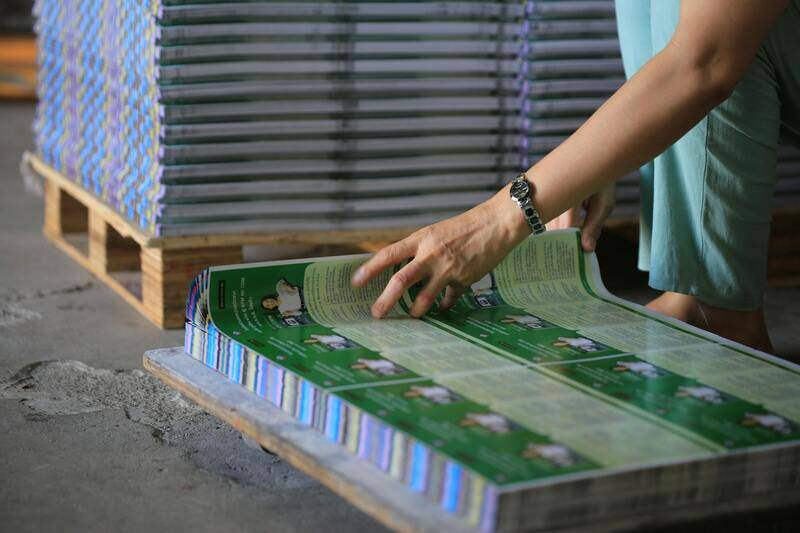
Understanding these factors ensures that the chosen large format photo paper aligns with project goals and budget constraints, enabling the creation of visually stunning and durable prints. By thoroughly evaluating printing technology compatibility, environmental resistance, and cost, users can optimize their investments and achieve superior outcomes in large-scale photographic and artistic productions.