Overview of Large Scale Picture Printing
Large scale picture printing has become a fundamental component across multiple industries, offering a means to exhibit visuals on an expansive scale that captures attention and enhances environments. This method involves reproducing images, artwork, or graphics onto extensive surfaces, typically ranging from wall murals and banners to signage and exterior displays. The significance of such prints extends beyond mere scale; it encompasses the capacity to transform spaces, communicate powerful messages, and create immersive visual experiences.
In sectors like advertising, large scale printing is employed to produce striking billboards and promotional visuals that dominate cityscapes, ensuring maximum visibility and impact. The interior design industry leverages it for expansive wall coverings that define atmosphere and aesthetic. Similarly, in the art world, large format prints enable artists to showcase reproductions or installations that provide an engaging viewer experience at a grand scale.
The practical applications of large scale picture printing are vast, owing to its ability to seamlessly produce high-quality visuals on surfaces that measure several meters across. It plays a pivotal role in creating branding environments, exhibition displays, retail fixtures, and even outdoor signage that withstands environmental challenges.
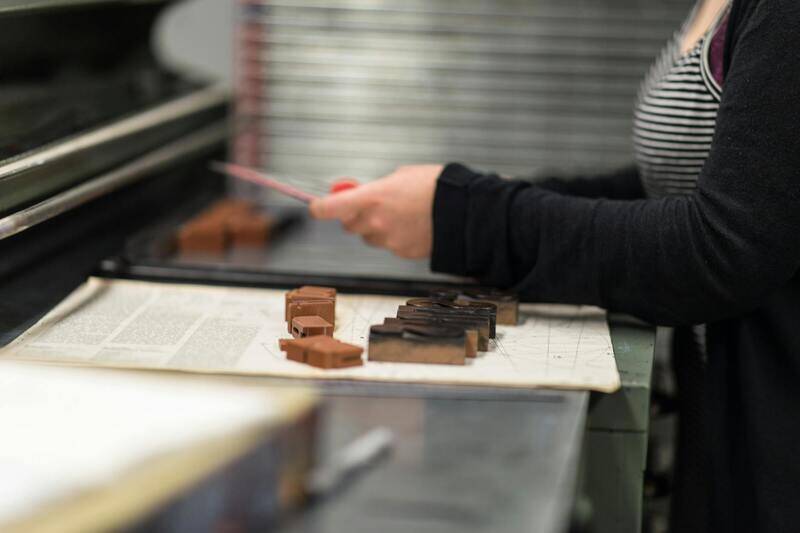
Achieving these results requires specialized printing methods capable of managing large formats without sacrificing image clarity or color fidelity. As the demand for high-resolution, durable, and visually compelling large-scale visuals grows, advancements in printing technology continue to expand the possibilities for designers, marketers, and artists. Understanding the core principles behind large scale picture printing is essential for selecting the optimal approach tailored to specific project requirements and environmental conditions.
Types of Large Scale Printing Technologies
Digital Printing
Digital printing stands as a versatile and efficient solution for large scale picture printing. This technology directly applies digital images onto various substrates without the need for intermediate steps such as plate creation. It offers rapid turnaround times and high-resolution output, making it ideal for projects requiring detailed color reproduction and sharp image clarity. Digital large format printers utilize inkjet or other advanced print heads that precise control over ink placement, ensuring vibrant colors and smooth gradients even on expansive surfaces.
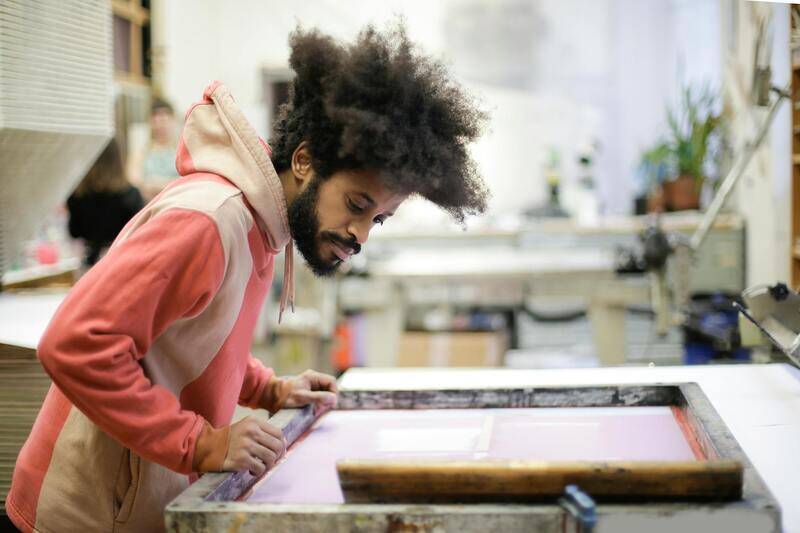
Moreover, digital printing supports variable data printing, allowing customization for targeted marketing campaigns or personalized installations. Its capacity to handle a variety of materials—ranging from vinyl and textiles to paper and canvas—further broadens its applicability. This method's flexibility and ease of setup make it highly preferred for short to medium runs, where color accuracy and image detail are paramount.
Inkjet Printing
Inkjet printing is a subset of digital printing frequently employed for large format visuals. It uses tiny nozzles to eject droplets of ink directly onto the substrate, producing highly detailed and color-rich images. Advances in inkjet technology enable the printing of images at resolutions exceeding 1200 dpi, ensuring clarity at large sizes. This method is particularly well-suited for fine art reproductions, photographic displays, and murals where image fidelity is critical.
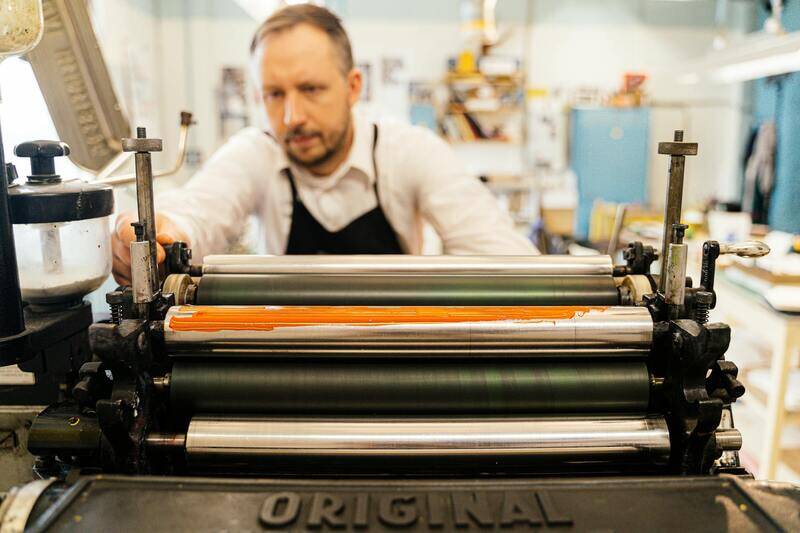
Inkjet systems can be configured with solvent, eco-solvent, UV-curable, or aqueous inks, each offering different benefits concerning durability, environmental impact, and color gamut. The selection of ink type depends on the project's specific demands such as outdoor exposure, substrate compatibility, and color durability.
Solvent and Eco-Solvent Printing
Solvent-based printers are renowned for their ability to produce highly durable outdoor graphics. They utilize solvent inks that penetrate surfaces, resulting in designs that resist fading, scratching, and weathering. Eco-solvent printers, an environmentally friendly evolution, use milder solvents that reduce emissions and ozone-depleting compounds while still providing excellent resistance to environmental factors. These technologies are frequently used for banners, vehicle wraps, and large outdoor signage, where longevity is essential.

Both methods support a wide variety of rigid and flexible materials, including vinyl, mesh, and rigid panels. They are chosen primarily for projects requiring outdoor lifespan and high-resolution visuals that maintain vibrancy over extended periods.
Additional Technologies and Considerations
Beyond the core methods, techniques such as UV printing and screen printing also serve specific large scale applications. UV printing caters to rigid substrates like acrylic or glass, enabling crisp, high-impact visuals with protective coatings. Screen printing, while more traditional, remains effective for certain large-volume, simplified designs on textiles or signage materials.
Selecting the appropriate printing technology must align with factors like project scale, desired durability, substrate compatibility, and budget constraints. Understanding the unique strengths of each method guarantees that large format visuals meet both aesthetic expectations and practical requirements.
Materials Used in Large Scale Printing
Choosing the right substrate forms a crucial part of achieving high-quality, long-lasting large scale prints. Common materials include vinyl, canvas, fabric, and backlit materials, each with unique properties tailored to specific applications.
- Vinyl: Versatile and durable, vinyl is the most frequently used material in large format printing. It comes in various finishes such as gloss, matte, or satin, suitable for outdoor banners, vehicle wraps, and signage. Its weather-resistant qualities make it ideal for applications exposed to the elements, and it can be easily cut into custom shapes.
- Canvas: Known for offering a fine art feel, canvas is favored for high-end wall art or decorative displays. It is typically printed with high-resolution inks and mounted to rigid substrates or stretched over frames. Canvas provides a textured finish that enhances visual depth and impact.
- Fabric: Used mainly for soft signage or temporary displays, fabric offers flexibility and lightweight handling. Materials like polyester or polyknit are popular for trade show backdrops, banners, and theatrical backdrops due to their ease of transportation and setup.
- Backlit Materials: These substrates are designed specifically for lightbox displays, made from translucent materials that allow light to pass through and illuminate the printed image. Perfect for retail advertising, event signage, and directory boards, backlit materials enhance visibility and visual appeal in low-light environments.
Each substrate's selection depends on factors like environmental exposure, durability needs, visual clarity, and installation requirements, ensuring that the finished product aligns with project goals.
Design Considerations for Large Scale Prints
Creating effective large format visuals involves meticulous planning to ensure clarity, impact, and longevity. Some key design factors include:
- Resolution: High-resolution images are vital; a minimum of 150 dpi at the final print size is recommended to preserve detail and sharpness.
- Color Management: Utilizing color profiles and calibration ensures consistency in color reproduction across large formats, maintaining vibrancy and accuracy.
- File Preparation: Vector graphics are preferred for logos and text to prevent pixelation upon scaling. Raster images should be embedded at appropriate resolutions and optimized for printing.
- Layout and Composition: Strategic placement of visual elements guides viewer attention and maximizes overall impact, especially in highly visible outdoor settings.
- Consideration for Viewing Distance: Designs should be optimized for the intended viewing distance; complex details are less noticeable from afar, so simplicity and bold visuals often work best.
Installation and Mounting Techniques
Proper installation ensures the stability and visual integrity of large scale images. Techniques vary based on material, location, and scale:
- Mechanical Fastening: Using grommets, rails, or poles for banners and flexible materials provides a secure method suitable for outdoor environments.
- Adhesive Mounting: For rigid substrates, industrial-strength adhesives or double-sided tape can be used, often combined with mechanical supports for added security.
- Framing and Mounting Systems: Rigid panels or fabric prints may be framed or suspended using specialized systems to ensure flatness and aesthetic appeal.
- Considerations for Weather and Wear: Adequate tensioning, weatherproofing, and protective coatings are essential to maintain appearance and durability over time.
Cost Factors and Budgeting
Understanding the cost structure of large scale picture printing helps in effective project planning. Key constituents include:
- Material Costs: Substrate choice significantly influences overall expenses, with premium materials like backlit or specialty fabrics costing more than standard vinyl.
- Printing Technique: Advanced methods like UV or high-resolution solvent printing may entail higher costs but offer improved quality and longevity.
- Size and Complexity: Larger dimensions and intricate design details increase material consumption and printing time, affecting total expenditure.
- Installation and Logistics: On-site setup, transportation, and specialized mounting equipment contribute to project costs and should be factored into budgeting.
Environmental and Durability Considerations
Selection of materials and printing techniques impacts both environmental footprint and the lifespan of large scale images. Some considerations include:
- Sustainable Materials: Opting for eco-friendly substrates, water-based inks, or recyclable materials minimizes environmental impact.
- Weather Resistance: For outdoor applications, durability against UV rays, rain, and wind is critical. Materials with protective coatings or laminate layers extend visual quality and structural integrity.
- Maintenance: Easy-to-clean surfaces and resistance to fading or scratching reduce long-term maintenance needs and costs.
Overview of Large Scale Picture Printing
Large scale picture printing is a specialized segment within the broader printing industry, focusing on creating extensive visual displays suitable for both indoor and outdoor environments. This process transforms high-resolution digital images into expansive physical prints that serve promotional, aesthetic, or informational purposes. The scope of large format printing spans from grand banners and wall murals to backlit displays and outdoor signage, demanding precision, durability, and vibrant color reproduction.
Fundamentally, large scale picture printing caters to businesses, event organizers, interior designers, and artists seeking impactful visual communication. The process involves meticulous image preparation, selection of appropriate printing technology, and choice of materials to ensure the final product aligns with specific use-case requirements. With technological advancements, printing sizes have expanded significantly while maintaining sharpness and color fidelity, enabling impressive visual presentations that capture attention and convey messages effectively.
Types of Large Scale Printing Technologies
Choosing the right printing technology is crucial for the success of large format projects. The most prevalent methods include:
- Solvent and Eco-Solvent Printing: These printers utilize solvent-based inks that offer vibrant colors and excellent adhesion to a variety of substrates. They are favored for outdoor applications due to their durability and weather resistance.
- UV Printing: UV printing employs ultraviolet light to instantly cure inks onto surfaces, making it suitable for rigid and flexible materials. It produces sharp images with high detail and offers a wide range of substrate compatibility.
- Latex Printing: Latex printers are known for their eco-friendliness and flexibility. They deliver high-quality images with excellent stretch and adhesion, ideal for banners and wall coverings.
- Solvent-Base and Water-Based Inkjet Printing: While solvent-based options provide durability, water-based inks are a cleaner alternative for indoor applications, offering good color accuracy with lower environmental impact.
Advances in Printing Technologies
Recent innovations have increased the scope and quality of large format printing. Features such as higher dpi resolutions, enhanced color management, improved image alignment, and faster print speeds enable producers to meet demanding project timelines without compromising quality. Additionally, multi-layer printing options facilitate the creation of textured or layered effects, broaden the potential for creative expression, and enhance visual impact.
Materials Used in Large Scale Printing
The material selection directly influences the visual quality, durability, and applicability of large scale prints. The range of substrates includes:
- Vinyl: A versatile and cost-effective option, ideal for banners, posters, and window graphics. It comes in various finishes, including matte, gloss, and reflective.
- Fabric: Used for wall coverings and backdrops, fabrics like polyester or cotton blends offer a lightweight and flexible surface that can be tensioned or mounted with ease.
- Rigid Substrates: Materials such as acrylic, aluminum, or wood panels are suitable for durable signage and gallery displays, providing a premium look and longevity.
- Backlit Films: Translucent materials designed to enhance illuminated displays, these films are often used in lightboxes and advertising boards.
- Canvas: Commonly chosen for artistic reproductions, providing a textured surface that mimics traditional painting materials.
Further treatment options, including laminates and protective coatings, enhance weather resistance, UV stability, and ease of maintenance, prolonging the lifespan of large format prints and maintaining visual integrity over time.
Overview of Large Scale Picture Printing
Large scale picture printing encompasses a broad spectrum of high-quality printing solutions designed to produce expansive images suitable for commercial, artistic, and promotional purposes. This technique involves transferring high-resolution digital imagery onto substantial surfaces, ensuring clarity, vibrant color reproduction, and durability. Such prints are commonly utilized in outdoor advertising, interior decor, event backdrops, and retail displays, where visual impact and long-lasting performance are paramount. Advances in printing technology have enabled the production of seamless, large-format images that meet the exacting standards of clients seeking impressive visual displays without visible joints or distortion.
Types of Large Scale Printing Technologies
Several official methods exist for creating large scale images, each optimized for different materials and intended effects. The primary technologies include:
- UV Printing: This method utilizes ultraviolet light to instantly cure UV-sensitive inks on rigid and flexible surfaces. UV printing offers outstanding color fidelity and the ability to print directly onto non-porous materials like acrylic, glass, and metal, making it ideal for high-detail displays and gallery-quality reproductions.
- Solvent and Eco-Solvent Printing: These techniques employ solvent-based inks that penetrate substrates like vinyl and banner fabrics, producing vibrant colors with excellent weather resistance. Eco-solvent printers reduce harmful emissions, aligning with environmentally conscious projects.
- Latex Printing: Known for its flexibility and eco-friendliness, latex printing uses water-based inks that create durable, elastic images suitable for banner material, wallpaper, and other flexible substrates. It offers quick drying times and high resolution.
- Giclée and Inkjet Printing: High-precision inkjet printers are used for artistic reproductions and gallery displays. These are capable of producing detailed, color-rich images on canvas or fine art papers, suitable for large-format wall art or backdrops.
Materials Used in Large Scale Printing
The choice of substrate significantly impacts the final appearance, durability, and application of large scale prints. Commonly used materials include:
- Vinyl: Popular for banners, signage, and window graphics, vinyl is adaptable and available in matte, gloss, and reflective finishes. Its weather resistance makes it suitable for outdoor advertising.
- Fabric: Tensioned fabric displays and backdrops often leverage polyester blends for a lightweight, flexible, and visually striking surface.
- Rigid Substrates: Materials such as acrylic, aluminum, and wood panels lend a polished, professional look, especially for gallery-quality artwork or durable signage.
- Backlit Films: Used in illuminated displays, these translucent films enhance visibility and impact in lightbox formats.
- Canvas: Frequently employed in artistic reproductions, offering a textured surface reminiscent of traditional paintings.
Additional treatments, including laminates, UV coatings, and weatherproof overlays, are often applied to improve longevity and resistance to environmental factors, ensuring the preservation of vibrant visuals over time.
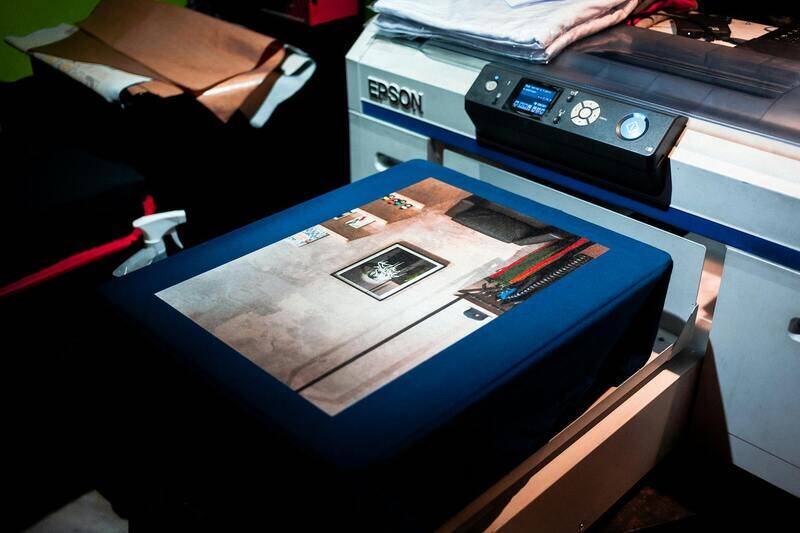
Installation and Mounting Techniques
Proper installation of large scale pictures is essential to maintain visual impact and ensure longevity. The selection of mounting methods depends on the material of the print, the location, and the intended viewing experience. Among the most common techniques are:
- Adhesive Mounting: This involves directly applying a strong, often industrial-grade adhesive to attach displays like vinyl or fabric prints onto walls or rigid surfaces. Proper surface preparation, such as cleaning and smoothing, enhances adhesion and minimizes imperfections.
- Mechanical Fastening: Rigid substrates like acrylic or aluminum panels are frequently mounted using brackets, screws, or hanging systems. This approach offers stability and ease of replacement or adjustment, especially for gallery-quality pieces or signage in high-traffic locations.
- Framing and Edging: For canvas or fine art prints, framing with custom or standard frames provides a polished presentation. Floater frames or hidden mounting systems are popular choices that preserve the aesthetic integrity of the artwork.
- Lighting Integration: Incorporating lighting elements, such as spotlights or backlighting, requires careful planning of electrical and mounting fixtures. Properly integrated lighting enhances visual impact and highlights the details of large images.
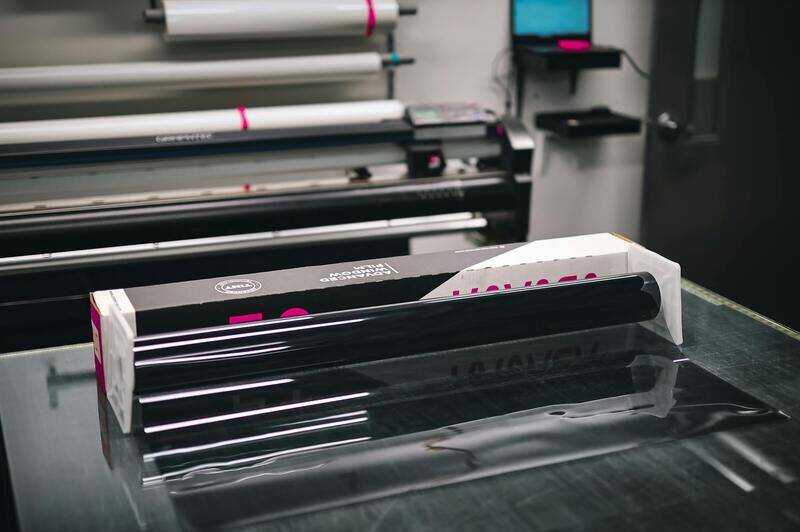
Safety and Maintenance of Large Scale Prints
Ensuring the safety of large-scale prints during installation and over extended display periods is crucial. Secure mounting prevents accidental falls or damage, especially for high-traffic environments. Regular inspections should include checking for signs of wear, environmental damage, or fading. Cleaning methods are tailored to the material:
- Use soft, lint-free cloths to remove dust and dirt.
- Employ mild, pH-neutral cleaners for stubborn stains, avoiding abrasive substances that might scratch or degrade the surface.
- For backlit or translucent films, avoid excessive moisture that can compromise the structure.
Proper storage when not on display involves controlled environments that minimize exposure to humidity, light, and temperature fluctuations, thereby preserving the quality of the print over time.
Environmental and Durability Considerations
When selecting materials and printing techniques for large-scale pictures, it is essential to understand how environmental factors can influence the longevity and appearance of the print. External conditions such as wind, water, and UV exposure can significantly impact the durability of your display, particularly in outdoor environments. For outdoor applications, choosing weather-resistant materials and protective coatings is critical to maintaining image integrity over time.
UV-resistant coatings are commonly applied during the printing process or as a finishing layer to protect prints from fading caused by sunlight exposure. These coatings absorb or reflect ultraviolet rays, ensuring the vibrancy of colors is preserved for extended periods. Additionally, laminates or clear protective films serve as physical barriers against water, dirt, and mechanical wear, greatly enhancing durability for outdoor or high-traffic indoor settings.
Sustainable practices are increasingly integrated into large scale picture printing, reflecting a commitment to environmentally responsible production. This includes the use of eco-friendly inks such as soy-based or water-based options, which emit fewer volatile organic compounds (VOCs) and reduce environmental impact. Recyclable substrates, biodegradable films, and energy-efficient printing processes further support sustainable initiatives within this industry.

Applying Weather-Resistant Features
- UV Protective Coatings: These coatings shield images from fading and discoloration caused by prolonged sunlight exposure.
- Waterproof Laminates: Provide a barrier against moisture, preventing damage from rain, humidity, or splashes.
- Durable Ink Selection: Use inks formulated for outdoor durability, which resist peeling, cracking, and fading over time.
- Proper Mounting and Framing: Secure fixtures and weatherproof frames further protect the print from environmental elements.
Implementing Sustainable Practices
- Opt for inks with low VOC emissions to minimize environmental impact.
- Utilize substrates made from recycled or biodegradable materials whenever possible.
- Choose energy-efficient printing equipment to reduce carbon footprint.
- Explore options for environmentally conscious disposal or recycling of materials at the end of their lifecycle.
Detailed Methods for Authentic Large Scale Picture Printing
Authentic large scale picture printing relies exclusively on established manufacturing techniques that have been perfected through years of industry experience. These methods typically involve direct digital printing processes that are capable of producing high-resolution images on a variety of substrates. One such method, which is widely used and recognized for its precision and durability, is UV flatbed printing. This technique uses ultraviolet light to instantly cure ink upon contact with the substrate, allowing for vibrant, detailed images to be printed directly onto rigid or flexible surfaces without the need for intermediate steps.

Additionally, solvent and eco-solvent printing methods are prevalent in producing large-scale images, especially on vinyl, canvas, and other outdoor-friendly materials. These techniques involve spraying solvent-based inks that bind tightly with the substrate, creating durable, weather-resistant prints suitable for outdoor environments. The choice of inks and substrates in these processes helps ensure the longevity and visual integrity of large format images over time.
Utilizing Screen Printing for Large Formats
Screen printing remains a viable and legitimate approach for large scale picture production, particularly for applications requiring bold colors and thick ink layers. This process involves creating a stencil of the image on a mesh screen, then applying ink through the screen onto the substrate. With the advent of modern screen printing equipment capable of handling expansive surfaces, it continues to be an effective method for producing visually impactful large images, especially on fabric, plastic, or glass surfaces.
Considerations for Digital and Hybrid Methods
In contemporary production environments, hybrid approaches that combine digital printing with traditional techniques are often employed to optimize quality and efficiency. For instance, digital printing can be used for detailed images, while additional layers such as varnishing or embossing are added through screen printing or other methods to enhance texture and durability. Ensuring adherence to strict quality controls throughout these processes guarantees the precision and consistency of large scale prints.
Strict adherence to these officially recognized methods ensures that large scale picture prints meet high standards of quality, longevity, and safety, making them suitable for both indoor and outdoor applications.
Image Placeholder