Overview of Big Size Printing
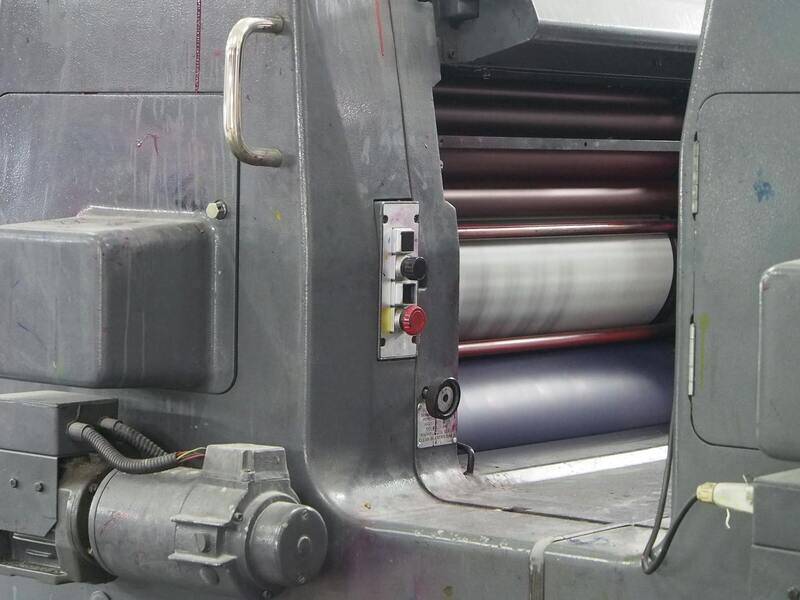
Big size printing has become an essential component in the visual communication strategies of many industries, particularly across vibrant markets like Singapore. This form of printing involves producing large-scale images, banners, posters, and displays that are designed to attract attention and convey messages effectively from a distance. The primary purpose of big size printing is to maximize visibility and impact, making it an invaluable tool for branding, advertising, and informational purposes.
Across various sectors, including retail, events, real estate, and corporate environments, large format prints serve crucial roles. Retailers utilize expansive signs to highlight promotions or new products, while events rely on eye-catching banners to guide attendees or promote sponsors. In real estate, large printed visuals showcase property details and enhance presentations, boosting engagement and interest. Moreover, such prints are vital for outdoor advertising, where durability and clarity are paramount for capturing the public’s attention amid bustling cityscapes like Singapore’s urban environment.

The effectiveness of big size printing stems from its ability to communicate messages quickly and clearly, even in high-traffic areas or for temporary campaigns. Its adaptability to various mediums makes it a versatile option for many organizations aiming to enhance their visual presence. As the demand for impactful visual displays grows, the scope of big size printing continues to expand, driven by technological advancements and increasing expectations for high-quality, large-format graphics.
Types of Big Size Printing Techniques
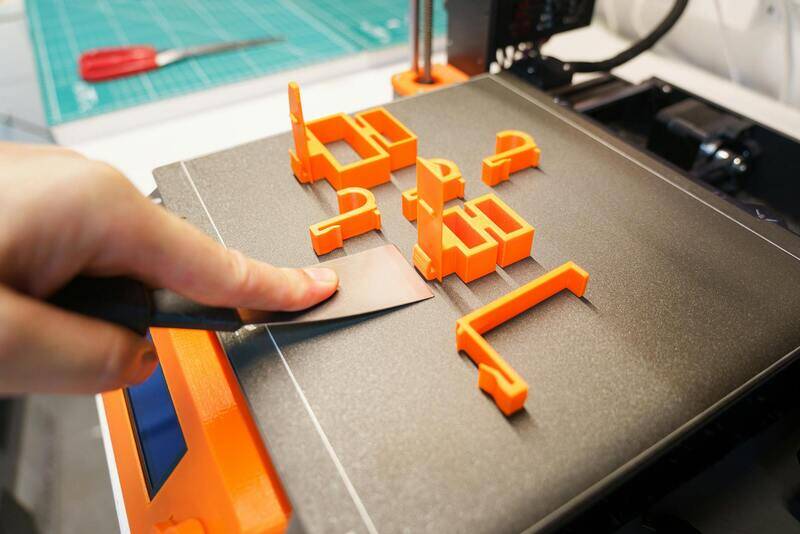
When it comes to large-scale printing projects, selecting the appropriate technique is essential to achieve optimal results in terms of quality, durability, and cost-effectiveness. Several prominent methods dominate the industry, each suited to specific types of applications and material choices.
Digital Large-Format Printing
Digital printing stands out as the most versatile and widely used technique for big size printing today. It leverages high-resolution inkjet or LED technology to produce detailed, vibrant images on various substrates. This method provides rapid turnaround times and supports customization without the need for extensive setup costs. Digital large-format printing is especially suitable for short to medium runs, making it ideal for campaigns that require frequent updates or personalized visuals.
Screen Printing
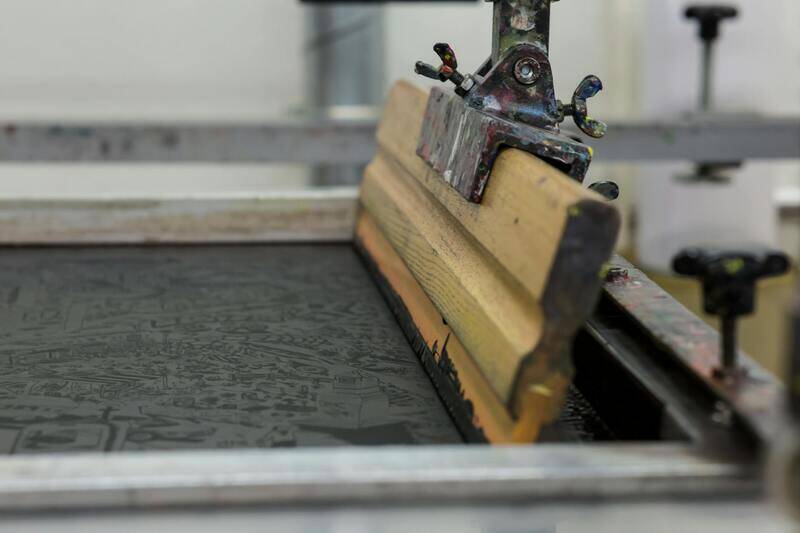
Screen printing, also known as serigraphy, has a long-standing tradition in producing bold and durable prints. In this process, a mesh screen is used to transfer ink directly onto the substrate, making it suitable for printing on a variety of materials such as fabric, plastic, and metal. Screen printing is cost-effective for large quantities of the same design, offering excellent color vibrancy and longevity, especially for textiles and outdoor displays. However, setup costs can be higher, and it’s less flexible for intricate designs or low-volume projects.
Flexography
This method employs flexible relief plates to transfer ink onto substrates and is predominantly used for packaging, labels, and large banners. Flexography is renowned for its speed and ability to print on uneven surfaces, as well as its capability to handle high-volume production runs efficiently. It also supports a wide range of inks, including quick-drying and environmentally friendly options.
Advantages and Limitations
- Digital Printing: Quick, customizable, and capable of producing high-detail images. Limited by substrate size and cost per unit for very large runs.
- Screen Printing: Durable and vibrant for textiles and surfaces requiring thick ink layers. Less cost-effective for small quantities and intricate designs.
- Flexography: High-speed production suitable for large quantities, ideal for packaging and banners. Initial setup is more complex, and design flexibility is somewhat limited compared to digital methods.

Overview of Big Size Printing
Big size printing encompasses a variety of methods designed to produce large-scale images, banners, posters, and signage that instantly capture attention and convey messages effectively. This segment of printing is essential in outdoor advertising, event displays, retail promotions, and corporate branding, where visual impact and message clarity are crucial. The ability to produce high-quality, durable prints on a range of materials makes big size printing an indispensable tool for businesses seeking to elevate their visibility and reach a broad audience.
The process involves specialized equipment and techniques capable of handling large formats while maintaining image integrity, color consistency, and longevity. Professionals often work closely with clients to determine the most suitable printing method based on project scope, material choice, and desired durability. Emphasizing precision and quality, big size printing ensures that even the most detailed graphics and vibrant color palettes are accurately reproduced at scale, making a powerful statement in any environment.

From ideal material selection to advanced printing techniques, the right approach guarantees impactful visuals that withstand environmental stressors, such as weather and UV exposure. Integrating the latest printing technology ensures that large prints do not compromise on clarity, sharpness, or color vibrancy, thereby providing impactful visual communication that resonates with viewers from a distance.
Types of Big Size Printing Techniques
- Digital Large Format Printing: This method is preferred for its ability to produce detailed, high-quality images quickly. It is suitable for short to medium runs and can adapt easily to custom designs. This technique is especially valuable in creating posters, banners, and wall coverings with sharp resolution and precise color matching.
- Screen Printing: Ideal for producing bold, durable images on textiles, plastic, and other surfaces. Screen printing is particularly effective when large quantities of a single design are needed. It offers vibrant colors with excellent longevity, making it suitable for outdoor signage and promotional items.
- Flexography: Used extensively in packaging and label production, flexography employs elastic relief plates capable of fast turnaround times. Its high-speed nature makes it advantageous for large-volume printing jobs such as banners, retail displays, and corrugated packaging.
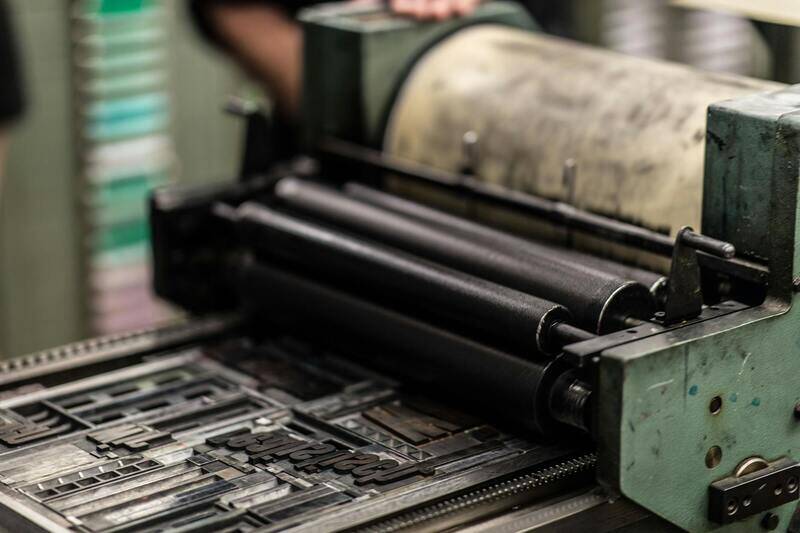
Each technique has specific advantages that make it suitable for different applications, and choosing the optimal method depends on factors such as material type, desired image durability, volume, and cost considerations. Understanding these distinctions ensures that clients select the most appropriate approach to meet their project goals effectively.
Overview of Big Size Printing
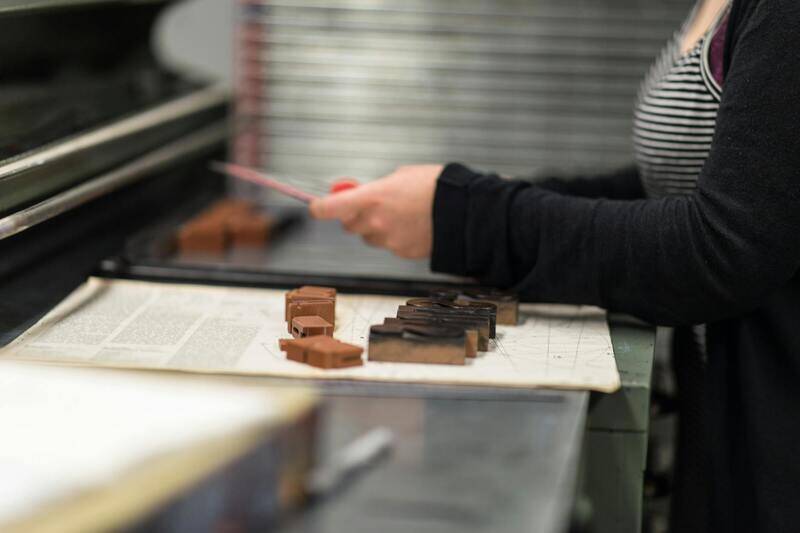
Big size printing encompasses a range of large-scale printing solutions that are used for impactful visual displays across various industries. This form of printing is characterized by its ability to produce oversized visuals that command attention and convey messages with clarity. Whether employed for advertising, event branding, interior decoration, or public signage, big size printing ensures that the visual content is seen from a distance, maximizing visibility and engagement. The demand for such printing solutions continues to grow as businesses and organizations seek innovative ways to stand out in crowded environments. The fundamental objective of big size printing is to combine high-quality images with durable materials, ensuring that visual messages remain vibrant and legible regardless of external conditions or the time elapsed since installation.
Types of Big Size Printing Techniques
Choosing the appropriate method for big size printing depends largely on the specific application, desired quality, and durability requirements. Below are the most prominent techniques used in the industry:
Digital Large Format Printing
This method utilizes high-end inkjet printers capable of producing detailed images on various materials. Digital large format printing is favored for its speed, precision, and ability to handle customized designs in short runs. It is particularly suitable for producing posters, banners, wall coverings, and point-of-sale displays, offering high-resolution output with sharp, vivid colors. The process allows for quick turnaround times and flexibility in design changes, making it ideal for projects with tight deadlines or frequent updates.
Screen Printing
Screen printing involves pushing ink through a mesh screen that has been prepared with a stencil of the design. This technique is renowned for its durability and vibrant color reproduction, especially on surfaces such as textiles, plastics, and signage materials. Screen printing is cost-effective for large quantities of the same design, making it a preferred choice for promotional banners, flags, and outdoor signage. Its robustness ensures that large-scale prints retain their visual appeal even after prolonged exposure to harsh environmental conditions.
Flexography
This technique employs flexible relief plates to transfer ink onto packaging materials, labels, and other substrates. Flexography is characterized by rapid production speeds and capability for continuous printing, making it suitable for high-volume jobs like retail displays, corrugated packaging, and product wrapping. Its efficiency in producing consistent and durable prints supports high-quality branding efforts across various product categories.

Materials Used in Big Size Printing
The selection of materials plays a crucial role in the success of big size prints, influencing both aesthetic quality and longevity. Commonly used materials include:
- Vinyl: A versatile and weather-resistant material, ideal for banners, outdoor signage, and vehicle wraps. Its durability ensures the print remains vibrant over extended periods, even in challenging environmental conditions.
- Canvas: Suited for indoor wall art and displays, canvas offers a textured surface that enhances visual depth and richness. It is often chosen for gallery-quality prints and decorative installations.
- Posters and Paper: Used mainly for indoor displays, posters provide high-resolution visuals at a lower cost. They are easily laminated or mounted for added protection and visual appeal.
- PVC and Polycarbonate: These rigid materials are employed for durable signage and display panels that require structural stability without compromising clarity.
Material choice depends on environmental exposure, application purpose, and budget constraints. Selecting the right substrate ensures that your big size print achieves the desired visual effect while maintaining integrity over time.
Materials Used in Big Size Printing
Choosing the appropriate material is fundamental to the success of large-scale printing projects. The material not only impacts visual appeal but also determines the print's durability, weather resistance, and overall longevity. Each material offers unique properties suited to specific applications, environmental exposures, and budget considerations.
Vinyl remains the most popular choice for outdoor signage due to its high weather resistance and flexibility. It can be used for banners, vehicle wraps, and outdoor billboards, providing vibrant, long-lasting visuals that withstand elements like rain, sun, and wind. Its ability to conform to various surfaces makes it versatile for intricate designs and complex installations.
Canvas is favored for indoor applications, particularly for wall art, gallery displays, and decorative installations. The textured surface of canvas adds visual depth and richness, enhancing the aesthetic quality of detailed artwork. Since canvas is less resistant to environmental factors, it is mainly used in controlled indoor settings.
Posters and large-format paper are cost-effective options ideal for indoor displays, promotional events, and temporary signage. These materials offer excellent resolution and color vibrancy. When laminated or mounted securely, they can be used repeatedly without significant deterioration, making them suitable for short-term campaigns or event-based marketing.
For rigid and structural signage, PVC and polycarbonate are often chosen. These materials provide a sturdy foundation for durable display panels, directional signs, and informational signage. Their optical clarity and structural stability make them suitable for environments that require a combination of strength and visual precision.
The decision on material selection should consider exposure conditions, movement requirements, and the desired lifespan of the print. Industry professionals often evaluate environmental factors—such as UV exposure, moisture levels, and physical impact—to recommend the most suitable substrates. This careful consideration ensures that the large prints maintain visual integrity and structural stability throughout their intended lifespan.

Overview of Big Size Printing
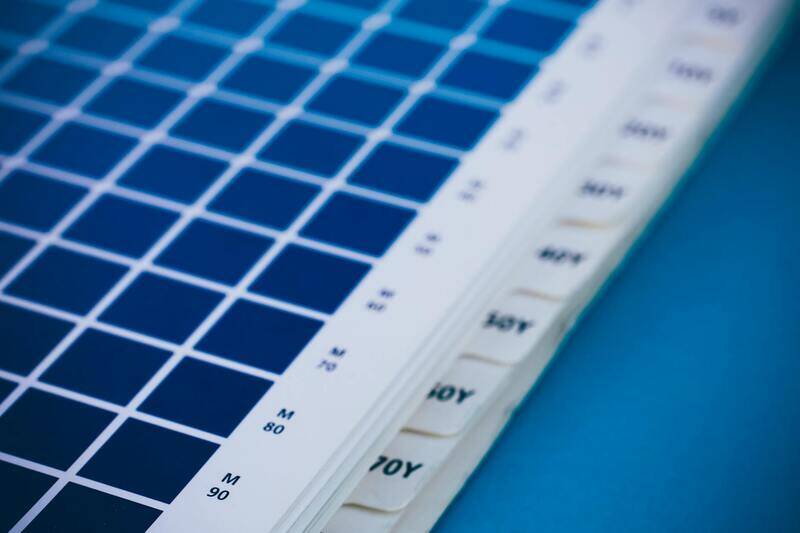
Big size printing encompasses a range of large-scale printing techniques designed to produce visually impactful displays, whether for marketing, decorative, or informational purposes. This method involves printing on materials that are significantly larger than standard formats, often exceeding several feet in width or height, to create attention-grabbing visuals that can be seen from a distance. The process requires specialized equipment capable of handling wide formats, ensuring high-quality resolution, and maintaining color consistency across expansive surfaces. The versatility of big size printing allows it to serve diverse applications, ranging from outdoor billboards and building wraps to intricate interior murals and exhibition backdrops.
Types of Big Size Printing Techniques
The selection of printing techniques for large format displays is crucial to achieving durability, visual clarity, and vibrancy. Among the most prevalent methods are:
- Large Format Inkjet Printing: This technique uses wide-format inkjet printers capable of outputting high-resolution images on a variety of substrates. It is ideal for producing detailed graphics with a broad color gamut, making it highly suitable for banners, wall coverings, and vehicle wraps.
- Latex Printing: Latex printing employs water-based inks that are flexible, eco-friendly, and resistant to weather elements. It provides excellent color fastness and scratch resistance, making it popular for outdoor signage and promotional banners.
- Solvent and Eco-Solvent Printing: These methods utilize solvent-based inks that offer high durability and resistance to UV exposure, suitable for outdoor environments. They are used for large posters, signage, and vehicle advertising.
- Screen Printing: For certain applications such as banners and fabric prints, screen printing offers vibrant colors and durability, especially when printing on textiles or rigid materials.
Materials Used in Big Size Printing
The choice of materials significantly impacts the quality and longevity of large format prints. Common substrates include:
- Vinyl: Highly versatile and durable, vinyl is a popular material for outdoor banners, vehicle wraps, and wall coverings due to its resistance to weather conditions.
- Polyester and Canvas: These materials are preferred for indoor applications such as mural displays or art reproductions, offering excellent image quality and texture.
- Paper and Poster Boards: Cost-effective options ideal for short-term displays like event signage and promotional posters, especially when laminated or mounted for added durability.
- Rigid PVC and Polycarbonate: Used for structural signs and permanent displays; these materials provide robust support and clarity for detailed graphics.

Design Considerations for Large Scale Prints
Planetary scale printing demands meticulous planning to ensure visuals are impactful and legible. Key considerations include:
- Resolution and DPI: High-resolution files with sufficient DPI are essential to prevent pixelation. For large prints, a lower DPI may be acceptable if viewed from a distance.
- Color Accuracy: Ensuring color consistency and vibrancy involves proper color management, including calibration of printing devices and color profiles.
- Viewing Distance: The intended viewing range influences design elements such as font size, image detail, and color contrasts.
- Material Compatibility: Designs should be optimized based on substrate characteristics to prevent issues like cracking, fading, or peeling.
- Environmental Impact: Consideration of weather resistance, UV protection, and ease of maintenance can extend the lifespan of the print.
Overview of Big Size Printing
Big size printing encompasses the production of large-scale visuals that can range from indoor murals to substantial outdoor banners. This category of printing plays a crucial role in advertising, event promotion, branding, and environmental design. Delivering visually compelling images on expansive surfaces requires specialized equipment, quality materials, and precise methods. Its ability to capture attention at a distance makes it an indispensable tool for businesses and organizations seeking high-impact visual communication.
Types of Big Size Printing Techniques
Several printing techniques are utilized to achieve large-scale images with clarity and durability. Each method is suited to specific applications based on factors such as material, environment, and desired longevity:
- UV Printing: Uses ultraviolet light to cure inks instantly on a variety of substrates. Ideal for vibrant, detailed prints on rigid surfaces like acrylic, wood, and metal.
- Latex Printing: Employs water-based inks that produce flexible, weather-resistant images suitable for banners and outdoor signage.
- Solvent and Eco-Solvent Printing: Delivers durable, weatherproof graphics, often used for billboards and large banners exposed to outdoor elements.
- Screen Printing: Suitable for repetitive printing of simple, bold designs on large fabrics or plastic sheets. Renowned for producing vibrant colors and high durability.
- Piezoelectric Inkjet Printing: Utilized in most large-format printers, capable of printing high-resolution images on diverse substrates such as vinyl, mesh, and canvas.
Materials Used in Big Size Printing
The selection of materials significantly influences the quality, appearance, and lifespan of large prints. Commonly used substrates include:
- Vinyl: Waterproof and versatile, ideal for outdoor banners and vehicle wraps due to its durability.
- Canvas: Offers a textured finish that resembles artwork, often used for indoor murals and decorative prints.
- Polyester and PVC Films: Rigid and flexible options suited for signs and structural displays, providing clarity and structural support.
- Backlit Films: Designed for illuminated displays, these materials allow light to pass through, enhancing visual impact in nighttime settings.
- Paper and Posters: Cost-efficient choices for temporary displays, promotional events, and indoor signage, especially when mounted or laminated.
Design Considerations for Large Scale Prints
Designing for large-scale printing requires meticulous attention to detail to ensure the final output is impactful and meets viewing expectations:
- Resolution and DPI: Maintaining high resolution files ensures crisp images. For distant viewing, lower DPI settings can be considered without compromising visual quality.
- Color Management: Accurate color reproduction involves calibration of printers and proper use of color profiles, ensuring vibrancy and consistency across large prints.
- Viewing Distance and Scale: Understanding how viewers will observe the print influences decisions on font size, image detail, and contrast levels.
- Material Compatibility: Design should accommodate the substrate's properties, avoiding issues like cracking, peeling, or fading.
- Environmental Factors: For outdoor applications, UV resistance, weatherproofing, and ease of maintenance are critical to prolong lifespan.
Comprehensive Safety and Handling Practices for Big Size Printing
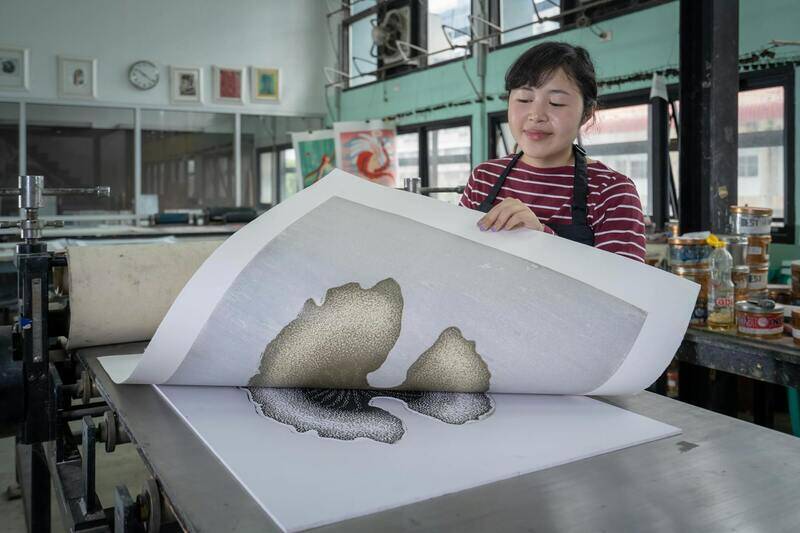
Ensuring safety and proper handling during the production and installation of large-format prints is essential for achieving high-quality results and maintaining a secure environment for personnel and the surroundings. Given the size and complexity of big size printing equipment and materials, following official protocols and best practices can prevent accidents, damage, and invalidation of the print project.
Proper Equipment Handling
Large-format printers involve sophisticated machinery requiring trained operators familiar with safety guidelines. Operators should always use personal protective equipment (PPE), including gloves, safety glasses, and hearing protection where necessary. Regular inspection and maintenance of printing equipment are vital to prevent malfunctions, unanticipated breakdowns, or hazards caused by worn parts or electrical issues.

Material Handling and Storage
Materials such as vinyl, fabric, and backlit films are often bulky and heavy, requiring appropriate lifting techniques and storage solutions. Use equipment like carts, lifts, or conveyor belts to move large sheets safely. Storage areas should be dry, clean, and free from clutter to avoid accidental damage or interference during the printing process.
- Handle materials with clean gloves to prevent contamination or surface damage.
- Stack materials to avoid bending, creasing, or tearing.
- Label storage clearly for easy identification and access.
Installation Safety Measures
The installation of big size prints often involves elevated work areas and the use of scaffolding or lifts. Adherence to safety standards is crucial:
- Use certified climbing and safety harnesses when working at heights.
- Employ sturdy scaffolding with guardrails and secure footing.
- Coordinate with skilled installers and communicate effectively during the setup process.
- Create a secure perimeter around installation zones to prevent accidental falls or injuries to passersby.
Environmental and Waste Management
Proper disposal and recycling of printing waste materials are key to environmental health and safety. Follow official disposal protocols for inks, solvents, and used materials. Employ spill containment measures and ensure proper ventilation in enclosed spaces to reduce exposure to potentially hazardous fumes.

Training and Compliance
Regular training sessions for staff and technicians about handling procedures, safety protocols, and emergency response are non-negotiable. Document safety measures and conduct periodic audits to ensure ongoing compliance with industry standards and best practices.
Conclusion
The implementation of comprehensive safety and handling practices is fundamental in the big size printing industry. By ensuring proper equipment handling, material management, safe installation procedures, and staff training, businesses can achieve high-quality large-format prints while safeguarding their personnel and the environment. Precise adherence to established safety guidelines enhances operational efficiency, minimizes risks, and supports the successful deployment of impactful large-scale visual displays.