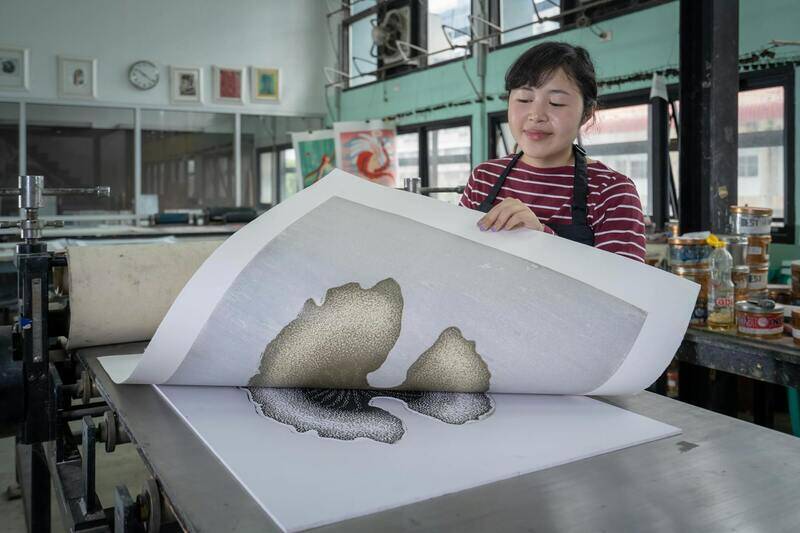
Overview of Wide Format Poster Printing
Wide format poster printing is a specialized printing process designed to produce large-scale visual displays with exceptional clarity, color accuracy, and durability. This technology is an essential tool for businesses, educational institutions, event organizers, and marketers who require impactful, high-quality visual communication on a grand scale. Unlike standard printing methods, which typically accommodate smaller sizes, wide format printing facilitates the creation of posters, banners, murals, and other large-format graphics that serve as attention-grabbing elements in both indoor and outdoor environments.
The primary purpose of wide format poster printing is to deliver visually compelling messages that can be seen from a distance, making it ideal for advertising campaigns, trade show exhibits, retail displays, and public information campaigns. Its importance in these industries stems from its ability to combine large size with precise detail, ensuring that text, images, and branding elements remain crisp and vibrant at any scale. Furthermore, advancements in printing technology have enhanced the efficiency, color spectrum, and material compatibility of wide format printing, enabling the creation of durable, weather-resistant posters suitable for prolonged outdoor exposure or high-traffic indoor spaces.
In addition to commercial uses, wide format poster printing plays a vital role in cultural, artistic, and informational contexts. Artists utilize this technology to produce large-scale murals that transform urban landscapes, while educational institutions employ posters to enhance learning environments with visual aids. Event organizers harness the power of wide format posters to create immersive environments that maximize audience engagement. Overall, the versatility and impactful visual capabilities of wide format poster printing make it a cornerstone of visual communication across diverse sectors.
Materials Suitable for Wide Format Posters
Choosing the right material is essential for maximizing the impact and longevity of wide format posters. The selection depends on the intended environment, durability requirements, and budget considerations. Common materials include vinyl, backlit film, fabric, and paper-based substrates, each offering distinct benefits suited to specific applications.
- Vinyl: The most popular choice for outdoor advertising due to its weather-resistant properties. Vinyl posters are flexible, durable, and capable of withstanding exposure to rain, wind, and UV rays without significant degradation. They come in various finishes such as gloss, matte, and satin, allowing for tailored visual effects.
- Backlit Film: Designed for illuminated displays, this material allows light to pass through, creating vibrant backlit posters. Ideal for indoor signage in retail spaces, transportation hubs, or events requiring high visibility during low light conditions.
- Fabric: Used for indoor displays, fabric offers a wrinkle-resistant, lightweight alternative that provides a sophisticated, high-quality look. It is often chosen for its smooth finish and ability to showcase detailed, vivid images.
- Polypropylene and PVC: These rigid or semi-rigid options are suitable for exhibit displays or signage that require structural stability and a sleek appearance. They are also resistant to bending and impact.
- Paper-based substrates: Usually reserved for temporary or indoor uses, high-quality poster paper can deliver sharp image details but lacks the durability needed for outdoor applications.

Understanding the specific material properties helps in selecting the most appropriate substrate, ensuring that the final product meets both aesthetic and functional expectations. For outdoor environments, weather-resistant and UV-coated materials significantly extend the lifespan of posters. Conversely, indoor applications benefit from lighter, visually optimized materials that enhance image quality and ease of handling.
Design Considerations for Wide Format Posters
Designing for wide format printing involves specific considerations to ensure clarity, visibility, and visual impact. Key factors include image resolution, color accuracy, and layout scalability. High-resolution images—typically 150 dpi or higher at the final print size—are crucial for maintaining detail when enlarged. Vector graphics are preferred for logos and text elements to prevent pixelation.
- Color Management: Accurate color reproduction requires using calibrated monitors and color profiles to match print outputs closely. This ensures that vibrant colors and branding elements appear consistent across different prints.
- Layout and Composition: Given the large scale, elements should be designed with readable typography and bold visuals that can be quickly understood from a distance. Minimal clutter and strong focal points improve overall communication.
- Bleed and Margins: Incorporating sufficient bleed areas ensures that no critical content is lost during trimming. Safe zones should be observed to prevent key details from being too close to the edges.
- Material Compatibility: Design files must be compatible with the chosen substrate, considering limitations related to stretching, folding, or surface texture that could affect the final appearance.

Collaborating with experienced graphic designers and print professionals ensures that the creative concepts are effectively translated into print-ready files. This collaboration minimizes errors, maximizes visual impact, and reduces the need for costly reprints, ultimately delivering a high-quality, attention-grabbing wide format poster that effectively communicates your message across diverse settings.
Overview of Wide Format Poster Printing
Wide format poster printing serves as a versatile and impactful method for creating large-scale visual displays that captivate and inform audiences. This printing technique is essential for advertising, events, retail displays, trade shows, and informational signage, where visibility from a distance is key. Unlike standard printing, wide format options accommodate sizes ranging from several feet to multiple meters, enabling the delivery of vibrant, high-resolution visuals that command attention in busy environments.
These posters leverage specialized printing machines capable of handling large substrates without compromising image clarity, color fidelity, or surface integrity. The ability to produce comprehensive visual messages on expansive surfaces makes wide format poster printing a preferred choice for branding campaigns and large-scale communication efforts. Ensuring that every detail, from intricate graphics to bold typography, is preserved in large-scale reproduction is vital for maintaining the poster's effectiveness and visual appeal.
Types of Wide Format Printing Technologies
Choosing the appropriate printing technology is fundamental in achieving the desired quality and durability for your wide format posters. The primary methods include:
- Solvent and Eco-Solvent Printing: These techniques utilize solvent-based inks that provide excellent adhesion to non-porous materials like vinyl and banner textiles. They are known for producing vibrant colors with resistance to UV fading and weather conditions, ideal for outdoor signage.
- UV Printing: This method employs ultraviolet light to cure inks instantly upon contact with the substrate, resulting in sharp images and durable surfaces. UV printing is suitable for rigid materials such as foam boards or acrylic, expanding the range of usable substrates.
- Latex Printing: Latex printing combines environment-friendly inks with flexible, high-quality results. It offers vibrant colors, quick drying times, and flexibility for applications on fabric or vinyl, making it suitable for both indoor and outdoor posters.
- Solvent and Eco-Solvent Inkjet: These systems are recognized for their ability to produce large, detailed images with exceptional color vibrancy while maintaining weather resistance. They are often used for banners, murals, and promotional posters that require longevity.

Material Selection and Finishing Options
The choice of substrate significantly influences the visual quality and lifespan of wide format posters. Key materials include:
- Vinyl: Known for durability and weather resistance, vinyl is a popular choice for outdoor signage. It provides a smooth surface for vibrant color reproduction and can adhere well to various surfaces.
- Fabric: Fabric-based posters offer a premium look with a matte finish, reducing glare and reflections. They are lightweight, foldable, and easily transportable, ideal for indoor events and displays.
- Paper: High-quality art or poster paper is suitable for indoor applications where longevity is less of a concern, such as gallery displays or temporary signs.
- Banner Materials: Specialty banner fabrics and mesh materials facilitate customization for specific application needs, such as breathability or wind resistance.
Finishing techniques including lamination, grommeting, wind slits, and hemming can enhance the durability, ease of installation, and overall aesthetic of the final print product.
Materials Suitable for Wide Format Posters
Selecting the right material is crucial for achieving optimal visual impact and longevity of wide format posters. The choice depends heavily on the intended display environment, durability requirements, and budget considerations. The primary materials used in wide format poster printing include vinyl, fabric, paper, and specialized banner textiles, each offering unique advantages tailored to different applications.

Vinyl: Vinyl remains a popular choice for outdoor signage due to its exceptional weather resistance and durability. It provides a smooth surface ideal for vibrant, sharp color reproduction. Vinyl posters are well-suited for use in environments exposed to wind, rain, or sunlight, making them suitable for billboards, event banners, and street advertising. High-quality vinyl options can withstand prolonged outdoor conditions without significant degradation, maintaining their visual appeal over extended periods.
Fabric: Fabric-based posters offer a more refined aesthetic, with a matte finish that reduces glare and reflections. They are lightweight and foldable, facilitating transport and installation. Fabric posters are commonly used for indoor displays, exhibitions, and trade shows where a professional, high-end appearance is desired. They also allow for high-resolution printing that captures fine details and vibrant colors, making them ideal for artwork, portrait banners, or promotional displays in retail environments.
Paper: For indoor applications requiring detailed imagery and a premium look, high-quality art or poster paper is ideal. These materials are best suited for gallery displays, temporary events, or points of sale where environmental exposure is minimal. The primary advantage of paper-based posters is their ability to deliver high-resolution images with superior color accuracy, though their outdoor longevity is limited without protective lamination.
Banner Materials: Specialty fabrics and mesh materials are designed to meet specific needs such as breathability, wind resistance, or ease of installation. Mesh banners, for example, allow wind to pass through, making them suitable for large outdoor displays in exposed locations. These materials are also customizable in terms of transparency and texture, providing versatile options for different promotional contexts.
Finishing techniques play a vital role in enhancing the durability and aesthetic appeal of wide format posters. Lamination protects prints from scratches, UV damage, and environmental wear. Grommets facilitate easy hanging and securement, while wind slits help in reducing wind load, preventing potential tearing. Hemming ensures clean edges and added stability, especially for banners and large posters used outdoors.
Considerations When Selecting Materials
- Visibility and Environment: Evaluate whether the poster will be displayed indoors or outdoors, in high-traffic or protected environments.
- Longevity: Determine the lifespan needs—short-term promotions may require less durable materials, while long-term signage benefits from weather-resistant options.
- Visual Impact: Consider the desired finish—glossy, matte, or satin—to enhance colors and reduce glare.
- Installation and Handling: Opt for materials that are easy to roll, transport, and install without risking damage.
- Budget Constraints: Balance between the quality and cost of materials, ensuring that the selected option aligns with campaign goals and financial plans.
Print Quality and Resolution Standards
Achieving high-quality wide format posters hinges on meticulous attention to print resolution, color accuracy, and finishing details. The resolution, typically measured in dpi (dots per inch), directly influences the clarity and sharpness of the final image. For large-scale posters intended for close viewing, a minimum of 150 dpi ensures crisp details, while 300 dpi or higher is ideal for posters that will be observed from closer distances. Maintaining optimal resolution prevents pixelation and guarantees that intricate design elements, text, and images appear sharp and professional.
Color accuracy is equally critical in producing visually compelling posters. Employing color management systems and calibration tools ensures that the printed colors match the digital design precisely. Consistent color reproduction across prints establishes brand integrity and visual coherence, especially important in marketing campaigns where brand colors are crucial.

Finishing techniques, including lamination, coating, and mounting, significantly enhance the durability and aesthetic appeal of posters. Lamination provides a protective layer that shields the print from scratches, UV damage, and environmental elements. It also adds a glossy or matte finish, influencing the overall visual impact. Proper mounting, especially for indoor displays, ensures the poster remains flat and free of wrinkles. The choice of finishing details should align with the poster’s intended use, environmental exposure, and desired visual effect.
Applications and Use Cases of Wide Format Posters
Wide format posters serve a diverse array of purposes across various industries. In retail environments, they promote new products, sales, or branding messages, drawing immediate attention with their vivid visuals. Event organizers utilize large posters for concert promotions, conferences, and exhibitions, where visibility from a distance is crucial. In the hospitality sector, hotels and restaurants employ custom-sized posters to showcase menus, special offers, or thematic decor.
Construction and real estate sectors often leverage large informational posters or banners to communicate project details or property highlights to the public. Additionally, educational institutions and non-profits use wide format posters to inform, educate, and rally community support. The versatility of these prints allows them to function both as static advertising tools and dynamic visual statements.

Applications and Use Cases of Wide Format Posters
Leveraging Wide Format Posters for Effective Advertising
Wide format posters play a vital role in contemporary marketing strategies due to their impactful visual presence. Retailers utilize these large prints to highlight new product launches, seasonal sales, and branding messages, often positioning them in high-traffic areas to maximize visibility. Their vibrant colors and sizeable dimensions attract the glance of passersby, making them ideal for creating immediate brand recognition. Additionally, in the context of promotional events and trade shows, wide format posters serve as eye-catching backdrops or displays that effectively communicate key messages and draw attention from a distance.
Enhancing Event Promotion and Audience Engagement
Event organizers depend heavily on large-scale posters to promote concerts, festivals, conferences, and cultural exhibitions. Their size allows for the inclusion of detailed information, schedules, and branding elements, all designed to create a cohesive visual narrative that resonates with audiences. These posters are often strategically placed around venues and in nearby public areas to foster anticipation and increase attendance. The clarity and resolution of the printed visuals ensure that even distant viewers grasp the intended message easily, reinforcing event branding.
Boosting Retail and Hospitality Experiences
The hospitality sector uses wide format posters to showcase menus, special offers, and thematic decor that enhance the ambiance of hotels and restaurants. Such visuals not only inform but also reinforce the establishment’s brand identity. In retail environments, large posters are instrumental in displaying promotional offers, new merchandise, or seasonal themes, guiding customer flow and encouraging impulse purchases. Their durability and visual impact make them essential tools for both aesthetic enhancement and strategic marketing.
Informational and Educational Outreach
Construction companies, real estate developers, and educational institutions frequently employ wide format posters for informative purposes. Construction sites use them to display project timelines, safety guidelines, and informational signage, ensuring clear communication with workers and visitors. Real estate agencies utilize large banners and posters to highlight property features during open houses or developments. Educational institutions leverage these posters for campus events, awareness campaigns, and informative displays that reach broad audiences effectively. In the nonprofit sector, wide posters serve as powerful advocacy tools, helping to rally community support and disseminate critical messages on social issues.
Versatility in Promotional Contexts
Overall, the adaptability of wide format posters allows them to serve in multiple roles—from static advertising displays in urban landscapes to dynamic backdrops that enhance branding at special events. Their capability to be customized in size, design, and material ensures they meet specific marketing and communication objectives across diverse sectors. Whether used indoors or outdoors, in commercial or community settings, these posters stand out for their visual impact, durability, and capacity to communicate complex messages quickly and effectively.

Maintenance and Durability of Wide Format Posters
Ensuring the longevity and visual integrity of wide format posters requires meticulous maintenance and a clear understanding of the environmental factors that impact them. Proper care not only prolongs the lifespan of these large-scale displays but also maintains their vibrant appearance and effective communication quality over time.
Care and Cleaning
Maintenance begins with regular cleaning, which should be performed using gentle techniques to prevent damage. Most posters can be cleaned with a soft, damp cloth to remove dust and surface dirt. For tougher stains, a mild soap solution can be used, but harsh chemicals, abrasives, or high-pressure water jets should be avoided, as they may compromise the material or print quality. When cleaning, always blot gently rather than scrubbing to preserve the integrity of the ink and material surface.
Environmental Conditions
The outdoor exposure of wide format posters necessitates an understanding of environmental influences. UV sunlight can cause fading and deterioration of colors over time, making UV-resistant finishes a valuable option for outdoor displays. Weather elements such as rain, wind, and snow should be considered; waterproofing and wind-resistant mounting are critical for outdoor applications. Extreme temperatures can also cause warping or cracking—thus, selecting materials with high temperature tolerance is advisable. Additionally, protecting posters from high humidity helps prevent mold growth and material degradation.
Storage and Handling
When not in use, proper storage minimizes damage and keeps the posters in optimal condition. Roll or fold posters carefully, using protective sleeves or tubes to prevent creases, tears, or surface abrasions. Avoid stacking heavy objects on stored posters, and store them in cool, dry environments away from direct sunlight. Handling the posters with clean hands or gloves prevents oil transfer and dirt accumulation, maintaining a pristine appearance for subsequent use.

Choosing a Printing Service Provider
Selecting a reliable printing partner is a crucial step in achieving high-quality wide format posters. A competent provider should possess the latest digital printing technologies, such as solvent, latex, or UV inkjet systems, which ensure vivid colors and durable prints suitable for various environments. It’s essential to review their portfolio, request samples, and inquire about their material options and finishing services—like lamination, UV coating, or weatherproofing—to enhance durability and aesthetics.
Additionally, a transparent and professional service provider offers consultation on material selection, design optimization for large-scale prints, and advice on proper mounting or installation techniques. Their expertise ensures that the final product aligns with your intended usage, environmental conditions, and budget constraints. Customer reviews and testimonials often provide insight into their ability to deliver consistent quality and timely completion, essential factors for successful wide format poster projects.
Legal and Ethical Standards in Wide Format Poster Printing
Adhering to official standards and recommended practices in wide format poster printing is essential for ensuring high-quality, legally compliant, and ethically produced materials. When selecting printing methods, it is critical to use authorized inks and printing systems that meet industry standards for safety and performance. These materials are tested for color accuracy, durability, and environmental impact, which supports responsible printing practices. Utilizing licensed software and design tools helps maintain integrity in visual outputs, ensuring that images and texts are accurately rendered without infringement. It also prevents the use of pirated fonts or copyrighted images that could lead to legal repercussions. All design elements should be created or obtained through legitimate channels, respecting intellectual property rights. Professional printing providers implement strict quality control protocols that verify adherence to these standards before the final production phase. This includes calibration of printers for consistent color output, meticulous inspection of prints for defects, and compliance with environmental regulations concerning waste disposal and chemical use. Furthermore, environmentally sustainable practices are increasingly recognized as an integral part of responsible wide format printing. Choosing a printing service that employs eco-friendly inks, recycling programs, and energy-efficient equipment underscores a commitment to sustainability and social responsibility. This not only aligns with current industry expectations but also enhances brand reputation and consumer trust. By following these official methods, businesses and individuals can produce visually compelling, durable, and ethically sound wide format posters that effectively communicate messages while respecting legal frameworks and social policies. Proper documentation of the sourcing and printing process adds an extra layer of accountability, facilitating transparency and fostering long-term partnerships with reputable providers.