Understanding Name Card Printing
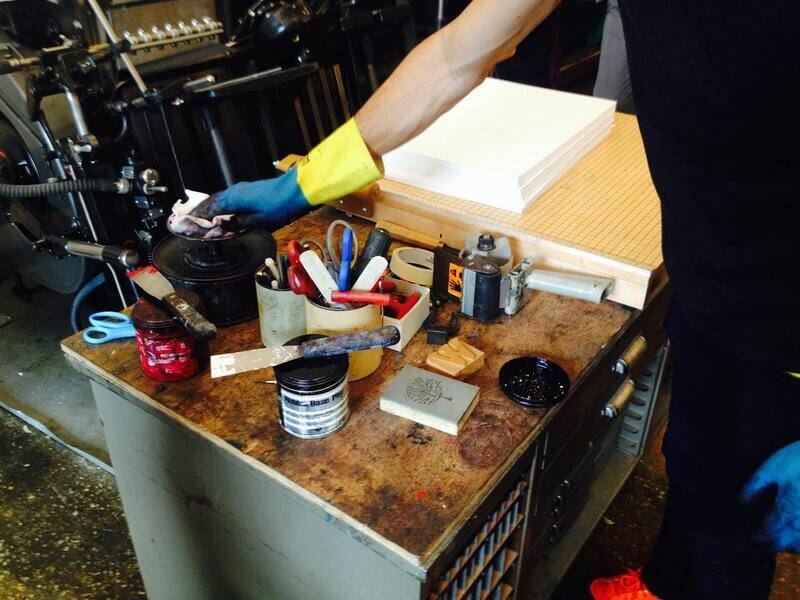
Name card printing is a fundamental aspect of professional branding that involves the creation of personal or corporate business cards. These cards serve as a tangible representation of an individual’s or organization’s identity, providing essential contact information in a visually appealing format. The process of name card printing encompasses several steps, starting from design conception to the physical production of the cards, using various materials and techniques. In the competitive landscape of business communication, a well-crafted name card can leave a lasting impression, fostering connections and opening doors for future opportunities.
In professional settings, the importance of name card printing extends beyond mere contact sharing. It is a strategic branding tool that reflects the professionalism, credibility, and style of the individual or company. Whether for networking events, corporate meetings, or conferences, the presentation of a neatly printed and thoughtfully designed name card can significantly impact how others perceive your brand. The process involves selecting suitable materials, designs, and printing techniques to produce durable, attractive, and functional cards that effectively communicate your business identity.
Choosing the Right Material for Name Cards
The material selection plays a crucial role in the durability and visual appeal of name cards. Common options include:
- Standard Card Stock: Typically, 14-16 pt cardstock offers a balance of sturdiness and cost-efficiency, suitable for most professional needs.
- Premium Paper: Thicker materials such as matte or gloss finishes enhance tactile experience and visual impact.
- Specialty Materials: Options like textured, recycled, or transparent plastics provide unique textures and appearances that reflect innovation and sustainability.
Selecting the right material depends on the brand image you wish to project, budget constraints, and the intended durability of the cards. High-quality materials not only reinforce brand perception but also resist wear and tear, ensuring your contact information remains clear and professional over time.
Design Elements of Effective Name Cards
An impactful name card design integrates several key elements:
- Clear Typography: Readable fonts that convey professionalism and align with your brand identity.
- Balanced Layout: Strategic placement of logos, text, and contact details to ensure clarity and aesthetic harmony.
- Brand Colors and Logos: Consistent use of brand colors and logo placement reinforce recognition and credibility.
- Whitespace: Adequate spacing around elements prevents clutter and improves visual flow.
- Unique Design Features: Subtle textures, embossing, or foil accents can elevate the design, making your card stand out.
Effective design combines functionality with visual appeal, facilitating easy access to contact information while reflecting the essence of your brand.
Printing Techniques for Name Cards
The choice of printing technique determines the overall quality and tactile experience of the name card. Common methods include:
- Offset Printing: Ideal for large batches, offering high-quality, consistent results with vibrant colors and sharp details.
- Digital Printing: Suitable for small quantities and quick turnaround, providing flexibility with customization.
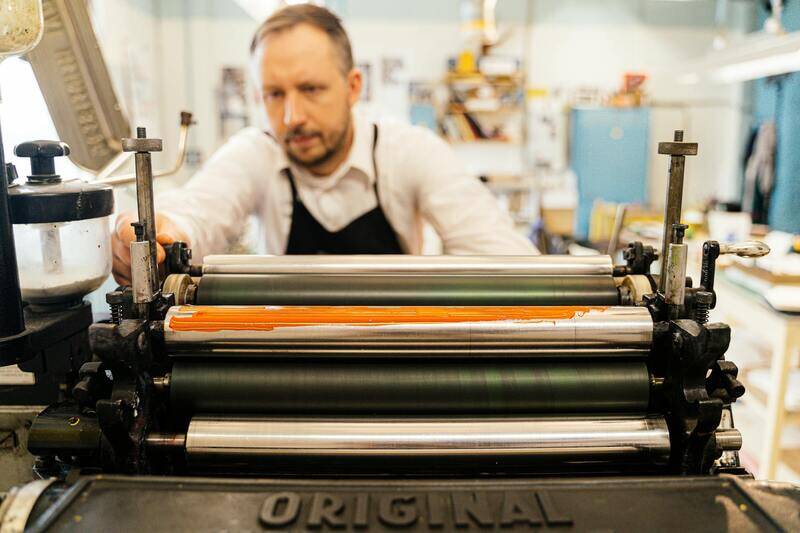
- Letterpress and Embossing: Adds depth and texture by imprinting designs into the paper, creating a sophisticated look.
- Foil Stamping: Adds metallic accents, emphasizing logos or key design features for a premium appearance.
- UV Coating: Provides a glossy finish that enhances color vibrancy and offers additional protection.
Each technique offers unique advantages, and selecting the right one depends on desired aesthetics, budget, and production volume. Combining methods, such as digital printing with embossed logos, can create distinctive and memorable cards.
Size and Shape Options for Name Cards
While the classic rectangular shape is standard, diverse sizes and shapes can help your name card stand out. Common options include:
- Standard Size: Typically 3.5 x 2 inches, matching most wallet and cardholders.
- Square: Equal width and height, offering a modern, unique look.
- Rounded Corners: Adds a softer, more refined aesthetic.
- Custom Shapes: Die-cut designs shaped around logos or themed outlines for high personalization.
Choosing unconventional shapes requires precise die-cutting and can increase production costs but can significantly enhance visual impact and brand recall.
Cost Factors in Name Card Printing
The total cost of name card printing depends on several interrelated factors:
- Material Quality: Higher-grade papers and specialty materials incur higher expenses.
- Design Complexity: Intricate designs, embossing, or foil accents require additional processing steps and costs.
- Color Options: Full-color printing is more expensive than single or limited colors.
- Quantity: Larger orders typically benefit from lower per-unit costs due to economies of scale.
- Printing Technique: Advanced methods like letterpress or UV coating add to the overall expense.
Balancing quality and budget is essential in achieving a professional outcome that aligns with your branding goals without unnecessary expenditure.
Exploring Material Options for Name Card Printing
When selecting materials for name card printing, it is crucial to consider durability, texture, and visual appeal. High-quality cardstock remains the most popular choice due to its rigidity and professional appearance, minimizing the risk of creases or bends. Common varieties include matte, gloss, and silk finishes, each providing a distinct feel and visual effect.
Matte finishes lend a subdued, elegant look, reducing glare and making text easier to read. Glossy finishes enhance vibrant colors and sharp images, ideal for visually striking designs. Silk finishes combine the benefits of matte and gloss, offering a soft sheen with excellent print clarity. For an added touch of sophistication, specialty materials such as textured paper, transparent plastic, or metallic foils can be used. These materials not only increase the card's resilience but also elevate the overall aesthetic, leaving a memorable impression on recipients.
It's essential to choose a material that aligns with your branding and intended audience. For instance, luxury brands might prefer premium textured or metallic finishes, whereas tech companies may opt for sleek plastic cards for durability and modern appeal.
Design Elements that Enhance Name Card Effectiveness
To maximize the impact of your name card, incorporate balanced design elements that reflect your brand identity. Use consistent color schemes, typography, and logo placement to establish brand recognition. Incorporate whitespace strategically to avoid clutter and ensure key information is easily accessible. Including subtle design features such as embossed logos, foil accents, or textured elements can add dimension and sophistication, making your card stand out among competitors.
Opt for legible fonts that are not overly decorative, emphasizing clarity and professionalism. The hierarchy of information—name, title, contact details—should guide the recipient’s eye naturally across the card. Additionally, consider creative use of icons or QR codes for quick digital linking, facilitating efficient networking.

Advanced Printing Techniques to Elevate Your Name Card
Choosing the right printing techniques is fundamental for conveying quality and attention to detail. Techniques such as embossing and debossing create tactile contrast by raising or lowering design elements, significantly enhancing the card’s texture. Foil stamping can add metallic accents that catch light, conveying luxury and prestige. Spot UV coating provides a glossy finish over designated areas, emphasizing logos or key information.
Letterpress printing offers an artisanal feel with deep impressions into the paper, suitable for high-end branding. Thermography produces raised printing with a textured finish, offering a cost-effective alternative to embossing while maintaining a sophisticated appearance. When combined with custom finishes like matte or gloss varnishes, these techniques can produce visually striking cards tailored to your brand's personality.

Customization Options in Size and Shape
Standard rectangular cards continue to dominate due to their practicality, but exploring unconventional sizes and shapes can make your card distinguishable. Square cards offer a modern aesthetic suitable for creative industries. Rounded corners soften the overall look, making the card more comfortable to handle and less prone to damage. Die-cut shapes facilitate bespoke outlines—shapes that follow logos or thematic motifs—adding an extra layer of personalization.
Though customized shapes may increase production time and costs due to specialized cutting processes, they can significantly reinforce your brand identity and leave a lasting impression. Opting for non-traditional sizes can also stand out in a stack of conventional cards, helping ensure your contact details are remembered.

Factors Influencing Cost in Name Card Production
Understanding the key components that affect printing costs enables more effective budgeting. Material choices impact the overall price; premium papers and specialty materials cost more but offer enhanced durability and aesthetic appeal. Design complexity, such as detailed embossing or intricate foil work, demands additional processing and setup charges.
The scope of color usage plays a role, with full-color printing being more expensive than monochrome or limited-color options. Larger quantities typically reduce the per-unit cost due to economies of scale, but initial setup costs might be higher for small batches. Advanced techniques like UV coating and letterpress printing add to the expense but can significantly elevate perceived quality.
Consider the overall balance between quality and budget constraints, ensuring that each element contributes to the desired professional image without unnecessary expenditure.

Choosing the Optimal Printing Techniques for Name Cards
Implementing the right printing method is vital for producing professional and memorable name cards. Advanced printing techniques can elevate the aesthetics of your cards, making them stand out and reflect your brand’s identity. Digital printing is widely favored for its speed, flexibility, and cost-effectiveness, especially suitable for small to medium order quantities. Its ability to produce high-quality images with vibrant colors makes it an excellent choice for detailed logos and intricate designs.
Offset printing, on the other hand, excels when producing large batches due to its efficiency and consistent color quality. This method involves creating plates for each color, which allows for high-volume production with sharp image reproduction and color accuracy. It also supports special finishes like matte, gloss, or satin coatings that enhance durability and visual appeal.
Letterpress printing offers a tactile impression that adds a sense of craftsmanship and vintage charm. It is ideal for creating textured text or logos that evoke a sense of tradition and sophistication. Spot UV coating is another innovative option, where specific areas of the card are glossed to add emphasis and depth, creating a luxurious finish that catches the eye.
Embossing and debossing are techniques used to create raised or recessed designs, emphasizing logos or key information with a tactile element. Foil stamping adds metallic finishes that can instantly elevate the perceived value of the card, introducing shimmering accents of gold, silver, or other metallic hues.
Exploring Size and Shape Options for Name Cards
Standard dimensions for name cards typically measure 3.5 x 2 inches, aligning with conventional business card standards. This size ensures compatibility with wallets, cardholders, and standard storage systems, making it a practical choice for most applications.
However, customizing size and shape allows for differentiation in a competitive environment. Non-traditional shapes such as rounded corners, scalloped edges, or die-cut designs can add visual interest and uniquely reflect your brand's personality. For instance, a circular card or a custom-shaped card that mirrors your industry iconography can leave a memorable impression.
Special shapes can also serve functional purposes, such as a foldable design that reveals additional contact information or branding messages. While these options might incur higher production costs due to specialized cutting and printing processes, they significantly enhance brand recognition and convey a tailored, professional image.
Cost Factors to Consider in Name Card Printing
Several elements influence the overall cost of producing name cards. Material choices play a significant role; premium cardstocks with textured finishes or eco-friendly options tend to cost more but provide durability and a premium feel. Finishing techniques like embossing, foil stamping, or matte and gloss coatings add layers of complexity, increasing production time and expenditure.
The design intricacy also impacts costs. Simple, clean layouts with minimal colors are usually more affordable, whereas detailed artwork with multiple hues, gradients, or special effects require advanced printing techniques that raise the price.
Order quantity significantly affects unit costs. Larger orders benefit from bulk pricing, reducing the per-card expense, although setup costs for initial jobs might be higher, especially for custom shapes or finishes. Maintaining a balance between quality and budget is essential to ensure your name cards effectively serve their purpose without unnecessary costs.
Additional embellishments, like UV coatings or textured embossing, are considered investments in visual impact. These features impart an upscale look but should be chosen judiciously based on your brand image and target audience.
Size and Shape Options for Name Cards
Choosing the appropriate size and shape for your name cards is a critical aspect of creating an impactful business tool. The standard dimensions, typically 3.5 inches by 2 inches, are favored for their practicality and ease of storage. However, expanding beyond the conventional size can help your cards stand out and effectively reflect your brand identity.
Custom shapes and sizes, such as rounded corners, square designs, or die-cut forms, offer opportunities for creativity and differentiation. For example, a circular or die-cut silhouette can make your card memorable, especially when aligned with your industry or brand theme. These unique shapes require specialized cutting techniques to ensure precision and a clean finish, which may slightly influence production costs but can significantly enhance visual appeal and tactile experience.

When selecting the shape and size, consider compatibility with your distribution methods. Standard rectangular cards are more convenient for bulk mailing and digital sharing, whereas custom shapes may demand additional handling or packaging considerations but can leave a lasting impression during face-to-face interactions.
Furthermore, dimension options may impact the printing process. Unusual sizes or layered shapes necessitate precise alignment during printing and finishing. High-quality digital or offset printing equipment can accommodate these customizations, but it’s essential to communicate detailed specifications to ensure consistency and accuracy throughout production.
Choosing the right size and shape requires balancing aesthetic appeal with functionality and cost-efficiency. Standard sizes are generally more economical and compatible with existing templates, but custom options, when thoughtfully chosen, can elevate your branding efforts and foster greater brand recognition among your target audience.
Legitimate Methods for Producing High-Quality Name Cards
When it comes to producing professional name cards, utilizing legitimate and reputable printing methods ensures that your cards are not only visually appealing but also durable and consistent with industry standards. Employing trusted printing processes, such as offset and digital printing, guarantees precision, color accuracy, and high-quality finishes essential for making a positive impression. These methods are supported by established manufacturers who adhere to strict quality controls and use premium materials, ensuring your name cards reflect your brand's professionalism.
Offset printing is widely recognized for its ability to produce vibrant colors and sharp details, especially advantageous for bulk orders. It offers excellent color fidelity and consistency, making it suitable for intricate designs or multi-color branding elements. Digital printing, on the other hand, provides flexibility and faster turnaround times, ideal for smaller quantities or customized cards. Both techniques require specialized equipment operated by trained professionals, which helps maintain the integrity of your design and ensures a high-end finish.
It's essential to work with certified printing vendors who utilize ISO-certified procedures and maintain industry standards. These providers often have comprehensive quality assurance measures that oversee color management, material handling, and finishing touches. By choosing established printing companies, you benefit from transparency, reliability, and the assurance that your name cards meet professional benchmarks.
When selecting a printing partner, inquire about their credentials, portfolio, and client testimonials to verify their legitimacy. Many reputable vendors also provide samples to evaluate print quality before committing to large production runs. This step helps you confirm that the final product aligns with your expectations and branding standards.
In addition, ensure that the printing process adheres to environmentally responsible practices, such as using eco-friendly inks and recycled materials, which reflect a commitment to sustainability. Clear communication of your design specifications and preferred finishes—like matte, gloss, or silk coatings—also plays a vital role in achieving a result that complements your brand identity.
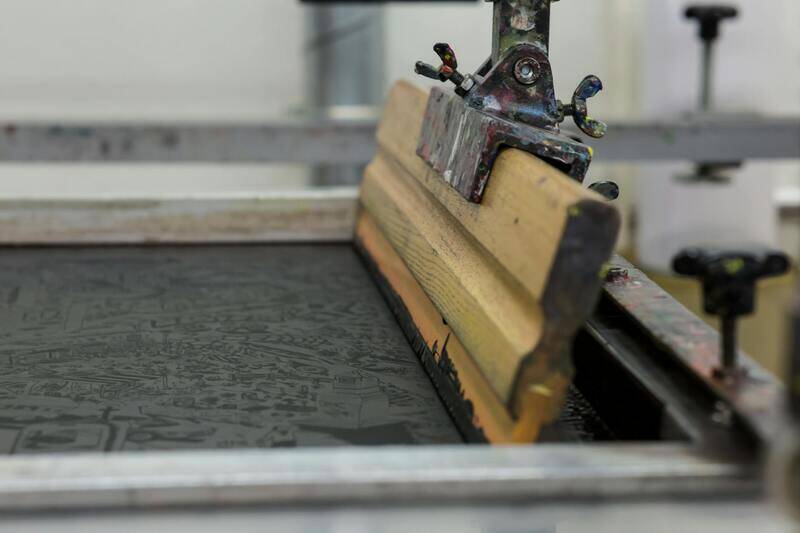
Moreover, focusing on official, well-established printing methods means your name card can incorporate advanced features like embossing, foil stamping, or spot UV coating reliably. These enhancements add tactile and visual appeal, elevating the overall presentation while maintaining a high standard of production quality.
Advanced Printing Techniques to Elevate Name Card Quality
To ensure your name cards make a lasting impression, leveraging advanced printing techniques is crucial. These methods not only enhance the visual appeal but also add tactile elements that distinguish your cards from standard designs. Techniques such as embossing and debossing create a textured effect, elevating the perceived value of your card. Foil stamping introduces metallic accents, providing a luxurious touch that aligns with premium branding strategies.
Spot UV coating is another sophisticated process that adds gloss to specific areas of your card, highlighting key information or logo elements. This selective sheen creates contrast and draws attention without overwhelming the overall design. When executed by professional printers, these features integrate seamlessly, resulting in a high-end finish that communicates professionalism and attention to detail.
Implementing such printing techniques requires precise calibration and high-quality equipment. It is vital to collaborate with reputable printing vendors who utilize advanced machinery to reproduce intricate details accurately. Confirming their experience with these processes and reviewing samples can help ensure the desired outcome. When incorporated thoughtfully, these features enrich your name card’s aesthetic, leaving a memorable impact on recipients.

Moreover, combining multiple techniques—such as foil stamping with spot UV or embossing—can create a layered, dynamic appearance. This synergy enhances the card’s tactile richness and visual allure, elevating your branding efforts effectively. Carefully selecting which features to incorporate based on your brand image and budget allows for a flexible, yet impactful, approach to name card production.
Standard and Innovative Size and Shape Options
Traditional business card dimensions typically measure 3.5 x 2 inches, offering a compact and familiar format. However, exploring alternative sizes and shapes can significantly influence how your card is perceived. Unconventional shapes like rounded corners, oval, square, or even custom-cut forms can make your card stand out amidst a sea of standard designs.
When opting for unique shapes, it’s essential to maintain practicality. Ensure the size aligns with typical wallet or cardholder dimensions, enabling easy storage and retrieval by recipients. Additionally, custom shapes should not compromise readability or the integrity of your design elements.
Innovative formats, such as foldable cards or mini-booklets, allow you to expand on your brand story or showcase multiple services in a compact form. These options can create interactive experiences that foster memorable interactions. Colorful edges, laser cuts, or die-cut silhouettes further contribute to a distinctive aesthetic, provided they are executed with precision and high-quality materials.

Ultimately, selecting the appropriate size and shape should reflect your brand identity and the message you wish to convey. Collaborating with experienced printing specialists ensures that your vision is realized accurately, maintaining both functionality and innovation in your final product. The right choices in size and shape not only enhance visual appeal but also reinforce your professional image in every interaction.
Size and Shape Options for Name Cards
When selecting the dimensions and contours of your name card, opting for standard measurements such as 3.5 inches by 2 inches typically ensures compatibility with most wallets and cardholders. Nonetheless, exploring alternative sizes and unique shapes affords an opportunity to distinguish your brand in competitive markets. Customizing the shape of your card can convey creativity and attention to detail, whether through rounded corners, oval forms, square figures, or intricate die-cut silhouettes.
Innovative formats, including foldable cards or mini-booklets, can serve as engaging tools for storytelling or showcasing a range of services. These formats provide a tactile experience, encouraging prolonged interaction and memorability. Additionally, embellishments like colorful edges, laser-cut patterns, or intricate die cuts can enhance durability and aesthetic appeal, provided they are executed with precision on high-quality materials.

It is crucial to balance creativity with practicality. The size and shape should facilitate ease of storage and retrieval while aligning with your brand identity. Overly elaborate designs might compromise portability or readability, diminishing their utility in real-world interactions. Collaborating with experienced printing professionals ensures your design is optimized for both visual appeal and functionality.
Choosing the Right Material for Name Cards
The selection of materials directly impacts the tactile quality, durability, and overall impression of your name cards. Common options include standard paper stock, which is cost-effective and versatile; thicker cardstock, offering a premium feel; textured papers like linen or vellum for a sophisticated look; and specialty materials such as transparent PVC or metallic finishes for a modern or luxurious aesthetic. Each choice carries different weight in conveying professionalism and brand personality.
Consider the context of your industry and target audience when choosing materials. For example, creative industries may benefit from unconventional textures or eco-friendly papers, while corporate environments might favor classic, sturdy finishes. The printing method should complement the material to ensure vibrant colors, sharp details, and longevity.
Design Elements of Effective Name Cards
An impactful name card integrates several key design elements that facilitate clear communication and brand representation:
- Logo placement: Position your logo prominently, ideally in the top left or center, to reinforce branding.
- Typography: Use legible fonts that reflect your brand personality while ensuring information is easy to read.
- Color scheme: Maintain consistency with your brand colors, but incorporate accent hues to draw attention to important details.
- Hierarchy of information: Prioritize essential details such as name, title, contact information, and website for quick recognition.
- Whitespace: Employ sufficient spacing to prevent clutter, enhancing readability and aesthetic balance.

Integrating these elements thoughtfully results in a cohesive, visually appealing, and effective marketing tool. Working with professional designers or printing specialists who understand these principles can significantly elevate the quality and impact of your name cards.
Secure and Efficient Methods for Name Card Customization and Branding
When it comes to producing high-quality name cards that truly reflect your brand identity, opting for reputable and official printing methods is essential. These methods ensure the consistency, durability, and professional appearance of your cards, which can significantly influence first impressions and networking success.
One of the most reliable approaches is ordering through established commercial printing services that specialize in business cards. These providers offer a comprehensive range of options, including premium materials, varied finishes, and sophisticated printing techniques. Engaging with certified vendors ensures that your specifications are accurately executed, leveraging their expertise in color accuracy, material selection, and finishing touches.
Furthermore, official printing methods often provide security features such as holograms, watermarks, or unique serial numbers that prevent unauthorised duplication and support authenticity verification. These measures are particularly advantageous for organizations that require secure identification or want to reinforce their brand's credibility.
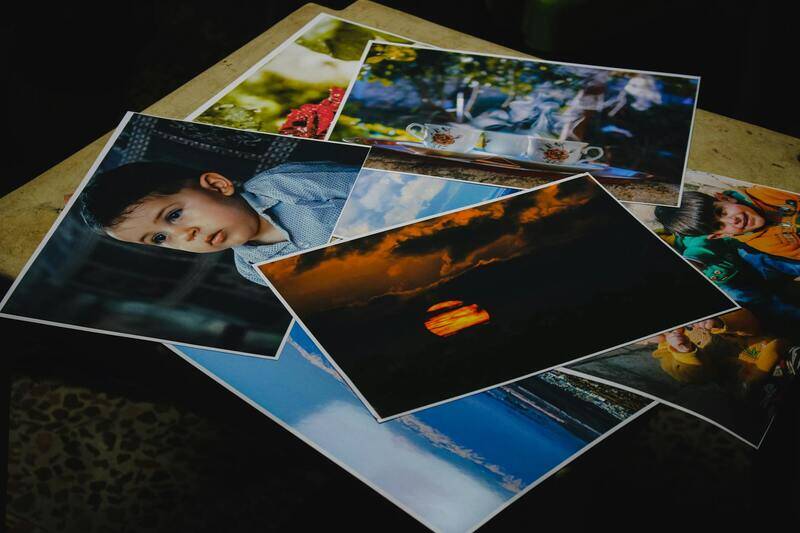
Another legitimate avenue involves partnering with local print shops or national printing franchises that have a proven track record for quality and customer satisfaction. Such partnerships often include personalized consultations, allowing you to customize every aspect of your name card, from material and design to special finishes like embossing or spot UV coating. These tailored approaches not only enhance the visual impact but also support unique branding strategies.
For organizations with extensive or recurring needs, establishing a contractual agreement with a professional printer ensures consistency across all batches. These contracts typically include quality assurance processes, delivery schedules, and designated quality control checks, guaranteeing that each set of name cards adheres to the agreed standards.
Utilizing Digital Printing Technologies for Precision and Flexibility
Digital printing technologies such as toner and inkjet systems serve as legitimate solutions with distinct advantages. They facilitate quick turnaround times and economical options for small to medium runs. Digital methods also support intricate designs, gradients, and full-color images without compromising sharpness or clarity.
In addition to traditional digital printing, newer innovations like UV printing and latex printing offer higher durability, vivid color reproduction, and eco-friendly options. These advanced techniques are increasingly available through authorized providers, ensuring that your branding materials remain resilient and visually appealing over time.
Ensuring Quality Through Proper Validation and Certification
Choosing an official printing service often involves verifying certifications, standards, and adherence to industry regulations. Look for providers that hold internationally recognized quality assurance certifications, such as ISO standards, which validate their commitment to process excellence and environmental responsibility.
Request samples and detailed portfolio showcases before placing a substantial order. Confirm that the selected methods have proven success in producing consistent, high-quality results aligned with your brand's expectations. Relying on reputable sources not only guarantees superior output but also reduces risks associated with subpar products and disjointed branding efforts.