Types of Cards and Printing Requirements
Card printing encompasses a wide array of card types, each designed to meet specific functional and aesthetic needs. The most common categories include business cards, identification (ID) cards, loyalty and membership cards, gift cards, and access control cards. Each type demands tailored printing techniques, materials, and design features to ensure durability, security, and visual appeal.
Business cards are a fundamental marketing tool used to establish professional connections. They require high-quality printing with precise color fidelity and often feature special finishes to stand out. ID cards are vital for secure identification and access control within organizations; these typically integrate security features such as holograms or embedded chips. Loyalty and gift cards are another prominent category, designed for repeated use with durable materials to withstand regular handling. Their printing specifications often include magnetic strips or QR codes for seamless functionality.
Ensuring each card type is correctly produced involves a detailed understanding of their unique requirements. For example, ID cards often require precise barcode or photo integration, while business cards benefit from premium finishes and high-resolution graphics. Recognizing these distinctions is essential for selecting the appropriate printing method and materials, ultimately resulting in cards that fulfill their intended purpose efficiently and attractively.
Printing Techniques for Cards
A range of printing techniques exists to produce different card types effectively. Digital printing is widely used for short runs and personalized cards, offering quick turnaround times and high-quality output. Offset printing provides the cost efficiency needed for larger quantities and offers superior color accuracy and detail. Screen printing, though less common, is suitable for specialty finishes and metallic effects. Additionally, security features such as holographic overlays or embedded chips often require advanced printing strategies, integrating multiple techniques to achieve the desired result.
For premium or high-security cards, a combination of offset lithography, digital printing, and special finishing options can be employed. These methods help ensure the durability, security, and visual appeal of the cards, accommodating the specific needs of each card type.
Materials Used in Card Printing
The choice of material plays a crucial role in determining the durability, appearance, and functionality of printed cards. Common materials include PVC, PET, and composite laminates, each selected for their strength and flexibility. PVC remains the most popular due to its excellent durability and ease of printing, making it suitable for business, ID, and loyalty cards.
For cards requiring enhanced security or environmental resistance, polycarbonate or Teslin substrates are preferred. These materials resist scratches, weathering, and wear, extending the lifespan of the cards. In some cases, specialty films and overlays are added to incorporate holograms, UV features, or metallic finishes, enhancing both security and visual impact.
Understanding the properties of these materials enables the selection of the best substrate for each application, balancing cost with performance. The result is a professional-grade card that meets specific operational needs while maintaining an attractive appearance.
Printing Techniques for Cards
Implementing the right printing method is essential to produce durable, vibrant, and precise cards. Different techniques cater to various needs, from small batch customizations to large volume production, each offering unique advantages.
- Digital Printing: This method is highly versatile, allowing for rapid production and easy customization. It employs inkjet or laser technology to print directly onto the card substrate, enabling detailed graphics, photographs, and fine text to be incorporated with ease. Digital printing is ideal for short runs and on-demand production, providing flexibility for updates or design changes.
- Offset Lithography: Known for high-quality and consistent results, offset printing transfers images from a plate to a rubber blanket before printing onto cards. This technique is suitable for large orders, offering cost efficiency at volume, and produces sharp images and flawless color reproduction. It is especially beneficial when the design includes complex artwork or multiple color layers.
- Thermal Printing: This process involves heat to transfer dye or resin onto the card surface. It is frequently used in desktop card printers for issuing ID cards, access control, and membership cards. Thermal printing provides a clean, professional appearance, with options for dye sublimation for full-color images or resin printing for superior durability.
- Hybrid Approaches: Combining techniques such as digital and offset printing or overlay and lamination processes enhances both security and visual appeal. For example, offset can be used for background colors while digital techniques handle custom personalization.

Materials Used in Card Printing
The substrate material forms the foundation of a card’s durability, appearance, and performance. Proper material selection ensures the final product aligns with operational needs and environmental conditions.
- PVC (Polyvinyl Chloride): The most common material, offering excellent durability, flexibility, and ease of printing. It withstands wear and tear, making it suitable for loyalty, membership, and ATM cards. Its compatibility with various printing techniques supports vibrant color reproduction.
- PET (Polyethylene Terephthalate): This material provides superior strength and is often chosen for cards that require increased tear and water resistance. PET’s properties make it suitable for high-use cards like transit passes or access cards.
- Polycarbonate: Known for exceptional toughness and resistance to scratches and harsh conditions. Polycarbonate cards are prevalent in security applications where longevity and tamper resistance are critical.
- Composite Laminates and Specialty Films: These materials are employed to add security features such as holograms or metallic finishes. They enhance visual appeal and provide additional layers of protection against tampering.

Understanding the characteristics of these substrates enables selecting the most appropriate base for each specific application, balancing cost, durability, and visual impact. Proper material choice ensures a professional, high-quality output that meets operational demands efficiently.
Types of Cards and Printing Requirements
Understanding the Variety of Card Types
Card printing encompasses a wide spectrum of card types designed for distinct purposes. Identification cards, loyalty cards, access control cards, and financial cards each have unique specifications that influence the choice of materials and printing techniques. Identifying the primary use case facilitates the selection of appropriate card properties, ensuring functionality and durability. For example, access control cards often require enhanced security features and resistance to environmental factors, while loyalty cards prioritize visual appeal and ease of handling.

Material Selection Based on Card Type
Different card types demand different substrates to meet their operational environments and longevity expectations. The choice of material directly impacts the card’s lifespan, resistance to daily wear, and visual presentation. High-traffic applications such as transit passes benefit from durable materials like PET or polycarbonate, offering resistance to water, tearing, and repeated handling. Conversely, promotional or event-based cards might utilize standard PVC for cost efficiency, focusing on vibrant graphics and quick turnover.
Printing Requirements Driven by Card Purpose
Each card's purpose also influences its printing specifications. For example, ID cards used for employee verification often require embedded security features like holograms or microtext, along with high-resolution printing for clear photograph reproduction. Membership cards, on the other hand, might prioritize eye-catching design and flexible finishing options. Understanding these diverse requirements ensures the production process aligns perfectly with functional expectations and visual standards.
Key Material Properties for Optimal Card Performance
- Durability: Material must withstand physical stress and environmental factors such as moisture and temperature variations.
- Flexibility: Especially important for cards that need to be bent or handled regularly without cracking.
- Print Compatibility: The material should support high-quality printing to produce sharp, vibrant images and text.
- Security Features: Certain materials allow for integrating security elements directly during manufacturing, enhancing the card’s protection against tampering.
Designing with Material Constraints in Mind
Design considerations should be tailored to the chosen substrate. For instance, polycarbonate may require specialized inks capable of adhering firmly to its surface, while PVC may support a broader range of printing techniques. Ensuring that the design complements the material's properties results in a professional and durable final product, meeting both aesthetic and operational criteria.
Printing Techniques for Cards
As card printing technology advances, a variety of methods have become prevalent, each with advantages suited to particular card types and design complexities. Techniques such as dye sublimation, offset printing, UV printing, and laser engraving allow for extensive customization, security integration, and high-quality visual output.
Dye Sublimation Printing
This highly versatile method is favored for its ability to produce vibrant, full-color images directly onto PVC and other compatible substrates. By transferring dye-based inks under heat, it achieves rich color reproduction and smooth gradients. Dye sublimation is ideal for producing high-resolution ID and loyalty cards where visual appeal is paramount.
Offset Lithography
Employing traditional printing plates, offset lithography supports the mass production of cards with consistent high quality. It is well-suited for complex designs requiring multiple color layers, especially when integrating intricate patterns or security features into large-volume orders.
UV Printing
UV printing uses ultraviolet light to cure inks instantly on the card surface, allowing for detailed personalization and the inclusion of textured elements like raised logos or tactile features. It provides excellent adhesion and is suitable for specialty cards demanding unique visual effects.
Laser Engraving and Marking
For enhanced security, laser engraving introduces permanent marks directly onto the card material. This technique is particularly effective for creating microtext, serial numbers, or embedded security features on polycarbonate and similar substrates. The process ensures longevity and tamper resistance, making it a preferred choice for access and identification cards.
Material and Printing Synergy
Selecting the appropriate printing technique hinges on understanding the interaction between the substrate and ink or engraving method. For example, dye sublimation works best on PVC, offering vibrant colors with no dye transfer issues, while laser engraving provides durable marks compatible with polycarbonate. Compatibility ensures high-quality output, operational reliability, and the added security necessary for sensitive applications.
Advanced card manufacturing often combines multiple techniques—such as printing a full-color background via dye sublimation, overlaying security features with UV printing, and marking specific elements with laser engraving—to produce comprehensive, feature-rich cards tailored to precise requirements.
Types of Cards and Printing Requirements
Card printing encompasses a diverse range of card types, each serving unique purposes and requiring specific printing techniques to meet functional and aesthetic standards. Common card categories include identification cards, membership cards, loyalty cards, access control cards, gift cards, and personalized business cards. Each type has distinct design and security needs, influencing the choice of printing method, material, and finishing process.
For identification and access control cards, durability, security, and clarity are paramount. Membership and loyalty cards often prioritize vibrant visuals and embedded branding elements. Gift cards require eye-catching designs and textured finishes for tactile appeal, while business cards focus on professionalism and concise information display.
Different cards necessitate specific printing resolutions, color fidelity, and security features. For example, high-security ID cards integrating microtext or holographic overlays demand precise printing techniques, such as laser engraving or UV printing. Conversely, standard loyalty cards can utilize dye sublimation for high-quality, full-color images.
The choice of substrate is equally crucial. PVC remains the most prevalent due to its affordability and durability, but polycarbonate or composite materials are preferred for applications requiring enhanced tamper resistance or exposure to harsh environments. The selection process involves balancing budget constraints with desired longevity, security, and visual impact.
Understanding these variations ensures that the printing process aligns with the specific requirements of each card type, delivering optimal performance and visual appeal. The correct pairing of card type and printing methodology maximizes durability, security, and branding effectiveness, which are essential for successful card deployment across diverse applications.
Types of Cards and Printing Requirements
Understanding the distinct categories of cards is essential for selecting the appropriate printing method and materials. Each card type, from identification cards to gift cards, comes with unique specifications and design features that influence the printing process. Identification badges, access control cards, and membership cards demand durability, security features, and high-resolution images to ensure clarity and longevity. Gift cards, on the other hand, aim to attract consumers with vibrant visuals and textured finishes, requiring advanced color fidelity and surface treatments. Business cards emphasize professionalism and typically involve a fine balance of detailed typography, logos, and minimalistic design elements, which call for high-quality printing precision.
When determining the correct printing method, factors such as the intended use, exposure to environmental conditions, and security needs play pivotal roles. For instance, standard loyalty or membership cards often utilize dye sublimation or offset printing for full-color vibrancy, while high-security ID cards may incorporate laser engraving, holographic overlays, or microtext to prevent duplication. Some cards necessitate specific security features, such as microchips or magnetic strips, which require compatible printing techniques and compatible substrates. The choice of material—PVC, polycarbonate, or composite—also depends on the expected lifespan, environmental stress, and security requirements of each card type.
Printing Techniques for Cards
Selection of the appropriate printing technique is crucial for achieving the desired functionality, durability, and visual appeal of cards. Common methods include dye sublimation, offset printing, digital printing, laser engraving, and UV printing. Each technique offers distinct advantages suited to specific card types and security features.
- Dye Sublimation: Ideal for producing high-quality, full-color images with smooth gradients. Frequently used in loyalty cards and membership cards where vibrant visuals are crucial.
- Offset Printing: Suitable for large-volume runs requiring crisp details and color accuracy, often used for business cards and large batch ID cards.
- Digital Printing: Offers flexibility for small runs or customized orders, providing quick turnarounds without sacrificing quality.
- Laser Engraving: Used to carve permanent marks and security features directly onto the card surface, highly effective for ID and access control cards requiring tamper resistance.
- UV Printing: Enables printing on various surfaces with high resistance to wear and chemicals, used to add tactile or textured effects, especially on gift and promotional cards.
The compatibility of these methods with card substrates influences the final product’s durability and security. For example, PVC cards lend themselves well to dye sublimation and offset printing, whereas polycarbonate’s resilience benefits from laser engraving for permanent identification features.
Materials Used in Card Printing
The selection of materials significantly impacts the performance, security, and appearance of printed cards. PVC remains the most popular due to its balance of cost, flexibility, and durability. It provides excellent printability and resistance to bending and water exposure, making it suitable for everyday use in various industries.
Polycarbonate is preferred for applications requiring heightened tamper resistance and environmental resistance, such as for government-issued ID cards or access credentials in harsh conditions. Composite materials, combining layers of PVC and other substrates, can offer enhanced durability and protection against physical wear.
Other materials like PET (polyethylene terephthalate) are sometimes used for eco-friendly or biodegradable options, aligning with sustainability goals. The surface finish options, including matte, gloss, or textured finishes, enhance visual appeal and tactile experience, further influencing the choice of material.

Design Considerations for Card Printing
Effective card design combines aesthetic appeal with functional clarity. High-resolution graphics, clear typography, and appropriate security elements should be balanced to produce a visually striking yet practical card. For identification and access cards, placement of security features like microtext or holograms must be carefully planned to prevent tampering or duplication.
Color schemes should align with branding guidelines, ensuring consistency across all card types. Incorporating embedded elements such as barcodes, QR codes, or magnetic strips requires precise positioning to guarantee scannability and ease of use. Additionally, considering tactile features—such as embossed text or textured surfaces—can enhance user experience and security.
Design software compatibility and print resolution are critical factors, as high-quality results demand detailed artwork prepared with professional tools. The choice of finish—glossy, matte, or textured—should complement the card for maximum visual impact and durability. Proper design and printing strategies ensure the final product meets both aesthetic standards and functional requirements, extending the lifespan and security of the cards.
Security Features and Enhancements
Implementing advanced security features in card printing is essential for ensuring the integrity and protection of the cards against unauthorized duplication or tampering. These enhancements are carefully integrated into the printing process and design to maintain authenticity and provide confidence to users and organizations alike.
One of the fundamental security measures includes the use of holographic overlays or holograms. These visual elements are difficult to reproduce without specialized equipment, making them an effective deterrent against counterfeiting. Additionally, microtext, which involves printing tiny text that appears as a line to the naked eye but reveals detailed information under magnification, adds an extra layer of security.
Embedded security features such as UV-visible inks, UV-reactive markings, and invisible texts are incorporated during printing. When exposed to ultraviolet light, these elements become visible, verifying the card's authenticity without compromising visual design. Microprinting around vital areas or on the edges of the card also enhances security by making replication challenging.
Magnetic strips and smart chip integrations are further technological components used for secure data storage and transaction validation. Magnetic stripes encode information for access control or payment processing, while chips, such as RFID or EMV chips, facilitate contactless interactions with added data security protocols.

Advanced printing techniques like laser engraving and dye sublimation are employed to create durable, tamper-resistant designs. Laser engraving can etch highly detailed images or text directly onto the card surface, making alterations nearly impossible without damaging the card itself. Dye sublimation printing embeds colors into the card material, providing vibrant visuals that are resistant to fading and wear.
Incorporating these security features requires precise coordination during the design and printing phases. Work with a provider experienced in secure card manufacturing to balance visual aesthetics with functional security measures. Proper integration ensures that the cards retain their appearance and security integrity throughout their lifespan, safeguarding both the issuing organization and the cardholders from potential fraud or misuse.
Types of Cards and Printing Requirements
Various types of cards serve distinct purposes, each demanding specific printing specifications to ensure functionality and durability. Common categories include identification cards, access control cards, gift and loyalty cards, membership cards, and payment cards. Each type necessitates tailored features such as embedded chips, magnetic stripes, holographic overlays, or special security marks. The printing requirements for these cards involve precise color accuracy, sharp resolution for detailed images or text, and often the integration of security elements to prevent duplication and manipulation. For instance, ID cards used within corporate or institutional settings may require photo embedding, barcode scanning capabilities, and security holograms. Payment and access cards, on the other hand, often incorporate magnetic strips or smart chips, necessitating compatibility with card readers and security protocols. Meeting these varied requirements involves selecting appropriate materials and printing techniques aligned with the intended card functionality and lifespan.
Printing Techniques for Cards
The quality and durability of printed cards hinge on the chosen printing method. Dye sublimation printing is a popular technique for producing vibrant, high-resolution images with excellent wear resistance. This method involves vaporizing dye inks that embed into the surface of PVC or composite cards, resulting in colors that are resistant to fading and scratching. Laser engraving is another prominent method, particularly suited for security-sensitive cards. It etches precise details directly onto the card surface, creating tamper-proof identifiers such as serial numbers, personal information, and graphics. Offset printing allows for larger volume runs with consistent color accuracy but may lack the security features of laser engraving or dye sublimation. UV printing offers raised, tactile designs and special effects, adding a premium touch to membership or loyalty cards. The selection of a printing technique depends on the card’s purpose, required security features, and expected usage environment.
Materials Used in Card Printing
Card manufacturing primarily utilizes PVC (polyvinyl chloride), which offers flexibility, durability, and ease of printing. Alternatives like PET (polyethylene terephthalate) provide increased resistance to wear and environmental factors, suitable for long-term applications. Composite cards combining multiple materials can enhance durability and incorporate multiple security features. Certain high-security cards may incorporate embedded chips made of silicon or embedded RFID tags, requiring materials that support such integrations. Additionally, specialty overlays, holographic films, and transparent lamination layers are often added to enhance visual appeal and security. These materials must be compatible with the chosen printing method to ensure clarity, longevity, and resistance to tampering. Overall, the selection of card material plays a critical role in optimizing both the functional performance and visual quality of the final product.
Design Considerations for Card Printing
Designing an effective card involves meticulous attention to visual hierarchy, branding consistency, and security integration. High-resolution graphics, clear typography, and well-placed logos contribute to an aesthetically appealing card that accurately represents the issuing entity. The layout should accommodate all necessary data fields, such as names, identification numbers, or expiration dates, without cluttering the design. Incorporating transparent or holographic overlays can add visual intrigue and security layers. Color schemes must align with branding guidelines, while special finishes like matte, gloss, or soft-touch coatings influence tactile perception and aesthetic appeal. Additionally, the design process should consider the placement of security features, ensuring they are seamlessly integrated without compromising the overall visual harmony. Working closely with professional designers experienced in card printing guarantees that the final product balances functionality, security, and visual sophistication.
Security Features and Enhancements
To enhance authenticity and prevent unauthorized duplication, advanced security features are integrated into modern card printing processes. Holographic overlays provide a dynamic visual element that is difficult to replicate and can be customized with logos or patterns. Microprinting involves printing tiny text or intricate patterns visible only under magnification, thwarting counterfeit attempts. Ghost images, UV-reactive inks, and color-shifting inks are additional layers that add complexity to the design. Embedding RFID or NFC chips allows for contactless data transfer, providing secure access or transaction capabilities. Magnetic stripe customization with encrypted data adds another layer of security for payment or access control. Tamper-evident seals, holographic foil overlays, and laser-engraved identifiers further reinforce the card’s integrity. The integration of these features requires a precise manufacturing process, often involving specialized equipment and materials, to ensure each security element functions reliably throughout the card’s operational life.
Color and Finishing Options
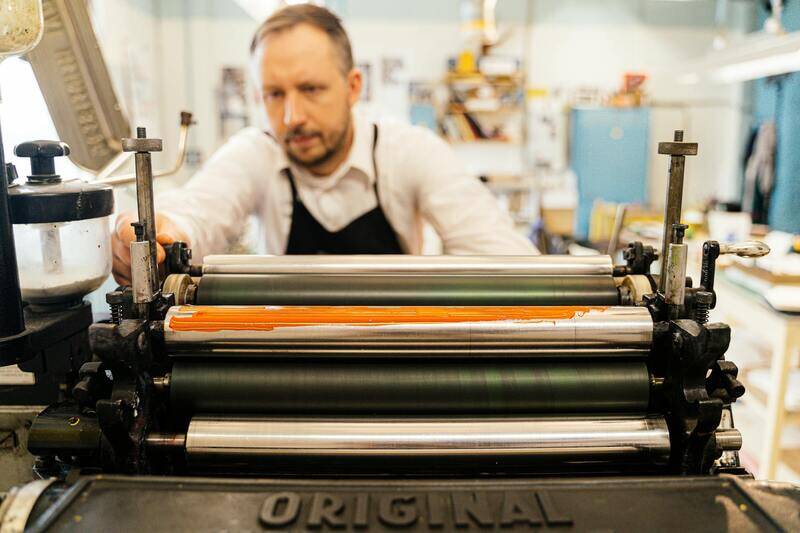
Color choices and finishing options significantly influence the visual impact and perceived quality of printed cards. Bright, vibrant colors obtained through dye sublimation create visually appealing cards, especially for branding purposes. Metallic or holographic finishes add a premium or dynamic appearance, catching the light and enhancing the card’s aesthetic appeal. Matte finishes offer a non-reflective surface that minimizes fingerprints and provides a professional look, ideal for identification or corporate settings. Glossy coatings amplify colors and provide a smooth, shiny surface that highlights detailed designs. Soft-touch coatings deliver a tactile experience, adding a layer of sophistication. Specialty finishes such as embossed logos or raised text can also be incorporated to heighten the tactile and visual impact. The combination of color and finish options should align with the card’s purpose and branding identity, ensuring an impression that is both functional and visually compelling.
Types of Cards and Printing Requirements
Card printing encompasses a broad spectrum of card types, each with specific printing requirements tailored to their distinct functionalities and applications. Identification cards, membership cards, gift cards, loyalty cards, and access control cards all demand precise specifications to optimize performance, durability, and aesthetic appeal. For example, identification cards often require high-resolution printing with embedded security features, while gift cards prioritize vibrant visuals and smooth finishes. The printing requirements are influenced by factors such as card thickness, surface treatments, and embedded technologies, necessitating specialized processes and equipment for each type.
Printing Techniques for Cards
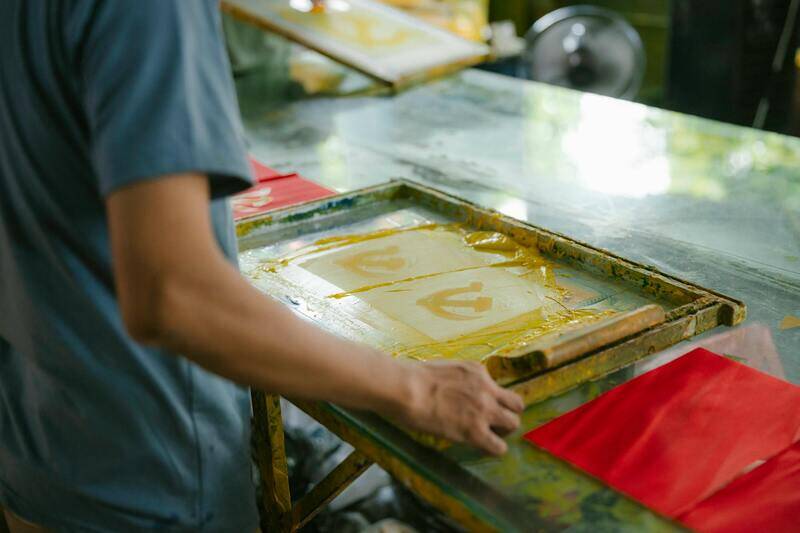
To achieve optimal results, different printing techniques are employed depending on the card's purpose and design complexity. Dye sublimation is a widely used method for printing vibrant, full-color images on PVC cards, offering excellent color reproduction and durability. Laser engraving is often used for adding text, logos, or security features directly onto the card surface, providing a permanent and tamper-resistant solution. Offset printing is suitable for large quantities, offering high precision and consistent color quality, while UV printing allows for detailed images and overlays on various card surfaces. Combining these techniques can produce multifunctional cards with both vibrant visuals and embedded security features.
Materials Used in Card Printing
Materials play a critical role in ensuring the longevity and functionality of printed cards. PVC remains the most common substrate, valued for its strength, flexibility, and printability. Polycarbonate offers superior impact resistance and high-temperature stability, making it ideal for cards requiring enhanced durability. PET (polyethylene terephthalate) is another option, appreciated for its environmental resistance. Specialized overlays and protective layers are often added during printing to enhance scratch resistance, water protection, and overall lifespan. The choice of materials directly impacts the card's performance in various environments and use cases.
Design Considerations for Card Printing
Designing effective printed cards involves careful consideration of layout, branding, and security elements. Clear and legible text, appropriate logo placement, and balanced use of colors contribute to a professional appearance. Incorporating elements like holographic overlays, microtext, and unique identifiers enhances the card’s visual security and authenticity. High-resolution images and precise registration ensure sharp details, while margin and bleed specifications prevent unintended cropping during production. Compatibility with personalisation options, such as barcode or magnetic strip integration, should also influence the design process to facilitate functional features without compromising aesthetic appeal.
Special attention should be paid to alignment, font choices, and contrast to ensure readability and visual coherence. Advanced design software allows for detailed mockups and revisions, streamlining the development process before production.
Security Features and Enhancements
Incorporating security features into card printing is essential for authenticity and protection against counterfeiting. Features like holographic images, UV-visible markings, and microtext are commonly integrated into the design to provide quick verification points. Laser-engraved identifiers, such as serial numbers or personal data, reinforce the card’s integrity by making alterations visibly detectable. Embedding RFID chips or magnetic strip encoding adds a layer of access control or transaction capability while maintaining security standards. Security inks, tamper-evident seals, and holographic foils are layered into the printing process to further deter fraudulent replication and ensure the card’s integrity over its operational lifespan.
Color and Finishing Options
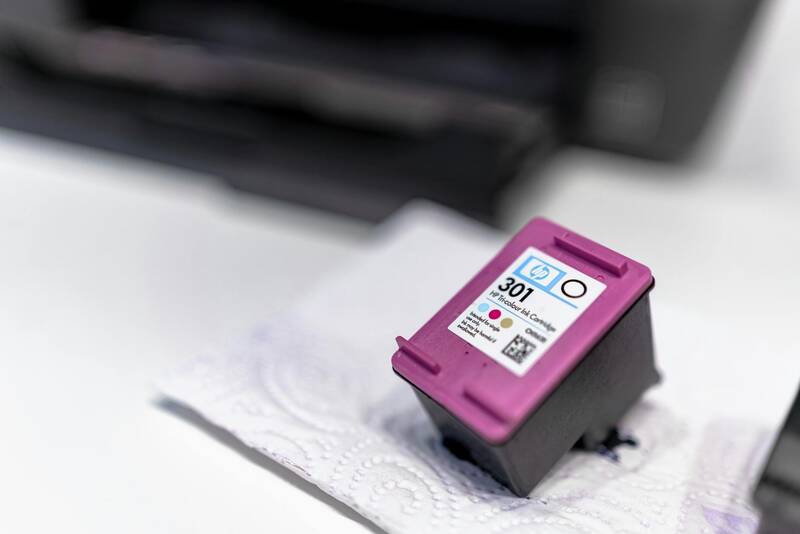
The visual appeal of printed cards heavily depends on color choices and finishing techniques. Bright, saturated colors achieved through dye sublimation create eye-catching cards, ideal for branding and marketing. Metallic and holographic finishes provide a premium, dynamic appearance that shimmers under light, adding a sense of luxury or uniqueness. Matte finishes offer a subtle, non-reflective surface that reduces fingerprints, making them suitable for professional identification cards. Glossy coatings enhance colors and add shine, emphasizing intricate designs and logos. Soft-touch coatings deliver tactile comfort, elevating the perceived quality. Additionally, specialty finishes like embossed logos or raised text introduce tactile dimensions, enriching the card’s overall presentation. Selection of these options should correspond with the card’s intended use, intended environment, and branding objectives to create a balanced blend of utility and aesthetics.
Cost Factors and Turnaround Time
The financial investment and delivery timeline for card printing depend on several key factors. Material quality, complexity of design, security features, and volume all influence overall costs. Advanced security features and specialized finishes tend to elevate production expenses, while larger orders often benefit from economies of scale. Turnaround time varies based on the printing method and customization complexity; high-resolution, security-enhanced cards may take longer due to the intricate processes involved. Standard orders are typically completed within a few business days, whereas customized or security-rich cards might extend to a week or more. Selecting a vendor with streamlined production capabilities and a clear communication process ensures timely delivery while maintaining quality standards.