Importance of Custom Made Business Cards
In today’s competitive marketplace, establishing a distinct professional identity is essential for making a memorable impression. Custom made business cards serve as a tangible representation of a company’s brand, values, and credibility. They are not just contact details; they are a reflection of your professionalism and attention to detail. A well-designed, personalized card can differentiate you from competitors and foster trust among clients and partners. When crafted with precision and creativity, custom business cards effectively communicate your unique value proposition, helping to forge meaningful connections that can lead to long-term relationships.
Moreover, custom business cards enhance brand consistency across all communication channels. Incorporating company colors, logos, and fonts ensures that recipients associate the card with your corporate image seamlessly. This visual consistency reinforces your brand identity and elevates your professional standing. Additionally, in a digital age, tangible business cards still hold significant value as a personal touchpoint; they serve as a physical reminder of your interaction, increasing the likelihood of future engagements.
Design Elements for Custom Business Cards
The design of a custom business card is pivotal in conveying your brand message effectively. It starts with choosing the right layout that aligns with your industry and target audience. Key elements include the placement of your logo, contact information, and any additional visuals or icons that reinforce your brand identity. The use of white space is equally important, as it ensures clarity and readability.
Typography selections must complement your brand tone—professional, modern, or creative—while ensuring legibility. Color schemes should be consistent with your brand palette, creating visual harmony. Incorporating unique graphical features, such as embossed patterns or custom illustrations, can further distinguish your card from standard options.
Other essential design considerations include:
- Size and shape variations
- Inclusion of social media handles or QR codes
- Utilization of textured or innovative finishes
Materials and Finishes
The choice of materials and finishes directly influences the tactile experience and overall aesthetic of your business card. Premium materials such as thick cardstock, matte, gloss, or matte-laminated layers add durability and sophistication. Specialty papers, like recycled or textured stock, can also convey eco-consciousness or uniqueness.
Finishing touches, including spot UV coating, foil stamping, embossing, or debossing, elevate the visual appeal and touch sensation. These enhancements can highlight logos or key design features, making your card stand out. Selecting the right material and finish should align with your brand personality and the message you wish to communicate.
Design Elements for Custom Business Cards
Effective design elements are fundamental for creating business cards that leave a lasting impression. A well-thought-out layout balances visual appeal with clarity, ensuring key information such as your name, title, company, contact number, email, and website are easily accessible. Employing a grid-based structure can help organize content neatly, avoiding clutter and ensuring readability across all formats.
Color usage should reinforce your brand identity while maintaining professionalism. Opt for a color palette that complements your branding. Contrasting colors can highlight critical details like your name or logo, guiding the viewer’s eye naturally. Typography plays a vital role; selecting fonts that align with your brand tone—whether modern, classic, or playful—while prioritizing legibility is essential. Combining a primary font with a secondary accent font can add visual interest without overwhelming the viewer.
Incorporating branding elements, such as logos, icons, and taglines, further amplify your identity. Consistent use of these visuals helps establish recognition and trust. Consider the use of negative space deliberately; it enhances overall clarity by preventing overcrowding and directs focus to essential information.
Innovative design features like rounded corners, die-cut shapes, or patterns enhance physical uniqueness. Including social media handles or QR codes can facilitate immediate digital engagement. When choosing these design elements, always aim for cohesion, ensuring each component supports the overall brand message and aesthetic without overwhelming the primary information.
Materials and Finishes
Material selection influences both the tactile experience and the perceived quality of your custom made business cards. Classic options like high-quality cardstock provide durability and a substantial feel. For a more luxurious touch, consider specialty finishes such as matte or gloss lamination, which also protect against wear. Recycled papers demonstrate environmental responsibility while textured or patterned stocks add visual depth and uniqueness.
Finishing techniques further elevate your cards' appeal. Spot UV coating can highlight logos or specific design elements with a glossy sheen, creating contrast with matte backgrounds. Foil stamping lends a metallic highlight, perfect for branding accents, while embossing or debossing adds tactile dimension and visual interest. Choosing the right combination of materials and finishes should align with your brand’s personality and the impression you aim to leave.
Printing Techniques for Custom Business Cards
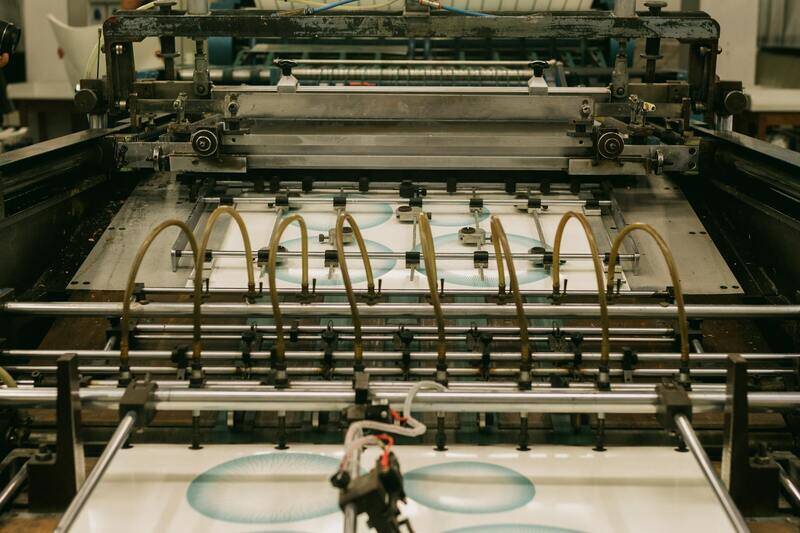
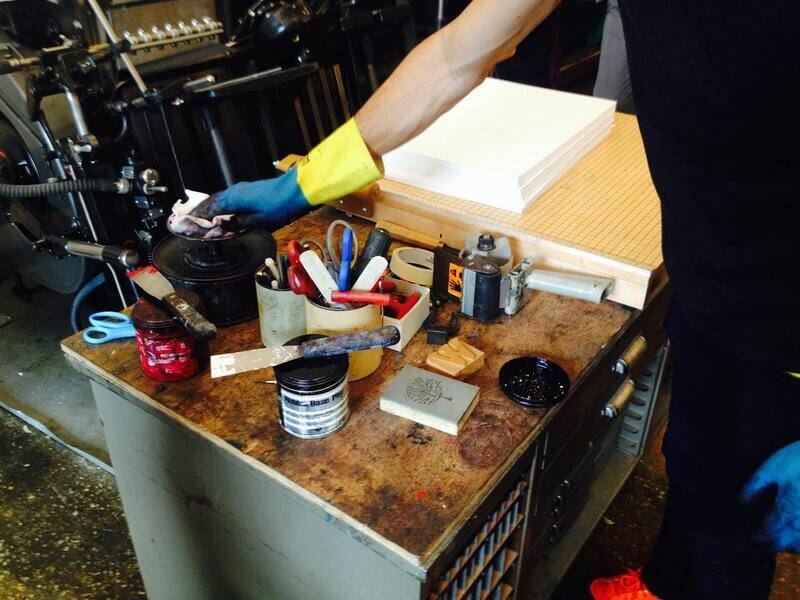
Advanced printing methods enable the production of high-quality, visually striking business cards. Offset printing is often favored for larger runs, offering accuracy and vibrant color reproduction. Digital printing provides flexibility for smaller quantities and faster turnaround times, suitable for personalized or limited editions. Letterpress printing introduces a tactile, embossed effect which exudes craftsmanship and sophistication.
Spot color printing allows for precise application of specific hues, matching brand colors flawlessly. UV coating can be added post-printing for a shiny, protective layer that enhances durability and visual gloss. Specialty finishes, such as foil stamping or thermography, add textured and metallic effects to specific areas, elevating the overall design and appeal of your business card.
Customization Options and Features
The spectrum of customization features available for business cards now includes unique shapes, size variations, and innovative textures. Die-cut shapes break away from traditional rectangles, offering distinctive profiles aligned with your brand’s personality. Textured surfaces like linen, felt, or embossed patterns provide tactile differentiation from standard cards.
Additional customizable features include the integration of QR codes, augmented reality (AR) elements, or holographic foils, increasing interactivity. Magnetic backing or transparent overlays are other options that add multifunctionality and visual appeal. These elements should be chosen carefully to complement, rather than overpower, your overall design, ensuring that the card remains practical and professional.
Pricing and Turnaround Times
Cost considerations for custom made business cards depend significantly on material choices, finishing techniques, and order volume. Basic designs utilizing standard cardstock and minimal finishes tend to be more budget-friendly, while premium materials and intricate embellishments increase costs. Bulk orders often benefit from lower per-unit prices and faster production timelines.
Turnaround times vary based on complexity and quantity but typically range from 24 hours for small digital print jobs to several days for large runs involving specialized finishes. Express services are available with an additional fee, providing rapid delivery to meet tight deadlines. Transparent communication with the printing provider about your specifications and scheduling helps ensure timely delivery and adherence to quality standards.
Choosing a Printing Service in Singapore
Selecting a reputable printing provider in Singapore involves evaluating expertise, technology, and customer service. Look for companies that offer extensive customization options, high-resolution printing, and a variety of premium materials and finishes. Review previous work or samples to assess quality and craftsmanship. Reliability in meeting deadlines and transparent quoting processes are also important factors.
Engaging with a local provider provides the advantage of on-site consultations, easier communication, and quicker adjustments during production. Opting for a company that emphasizes eco-friendly options, such as recycled papers and eco-conscious inks, aligns with sustainable branding goals while supporting responsible manufacturing practices.
Best Practices for Business Card Usage
Maximizing the impact of your custom business cards involves strategic distribution and presentation. Always keep an ample supply available, especially during networking events or meetings. Handle your cards with care to preserve their pristine condition—consider using a cardholder or wallet designed for business cards.
When presenting your card, do so with confidence and a brief personal introduction. Tailor your distribution approach based on the context, whether at formal meetings or casual networking events. Follow-up interactions, such as sending a quick email or connecting digitally, can reinforce the connection made through your business card. Ensure that your card design matches your overall branding and professional image, creating a cohesive and memorable impression on prospective clients or partners.
Materials and Finishes
Choosing the right materials for custom made business cards is fundamental to achieving a distinctive and professional appearance. Common options include uncoated paper, matte, gloss, and silk finishes, each imparting a unique texture and visual effect. Uncoated cardstock offers a natural, tactile feel ideal for minimalist designs, while matte finishes reduce glare and are excellent for detailed graphics or subdued color palettes. Glossy finishes, on the other hand, emphasize vibrant colors and sharp images, making design elements pop with a shiny, protective layer. Silk finishes combine the elegance of matte and gloss, providing a smooth, soft touch that exudes sophistication.
For enhanced durability and a premium look, some options include textured materials such as linen oricano, which lend a tactile richness and visual depth. Additionally, specialty substrates like plastic or PVC can be used for waterproof, flexible cards suitable for certain industries or outdoor settings. Beyond the base material, finishes like spot UV coating, embossing, foil stamping, and holographic accents can be incorporated to add texture, shine, and visual interest. These finishing touches elevate the card’s aesthetic and contribute to a memorable first impression, reinforcing branding and professionalism.
Printing Techniques for Custom Business Cards
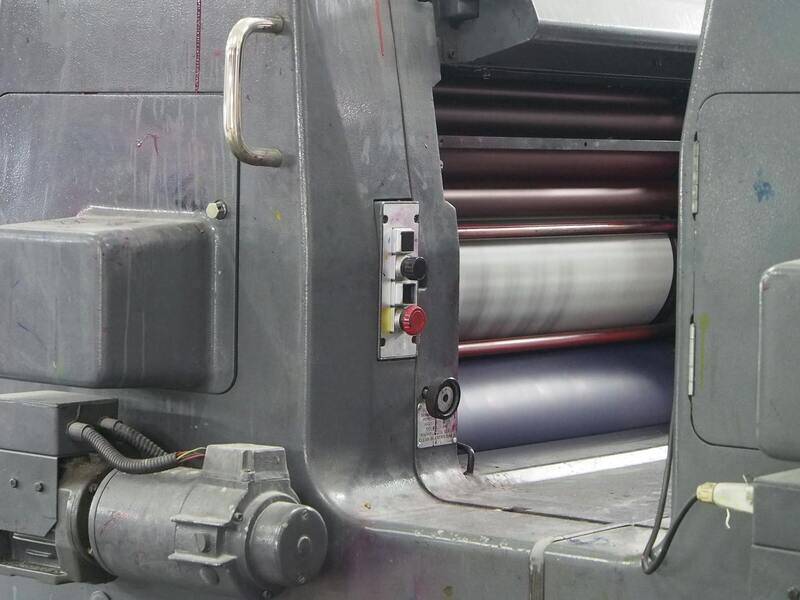
Different printing techniques ensure that your business card's design details are sharp, vibrant, and durable. Offset printing remains the industry standard for high-volume, precise color reproduction and consistent quality. It is especially effective for complex designs and large batches, providing cost-efficiency and excellent color fidelity. Digital printing offers a flexible, faster alternative suitable for small runs and personalized designs, making it ideal for startups or limited editions. UV printing adds a layer of durability and enables printing on non-porous surfaces, including plastics and metals, with crisp, vibrant images.
Some specialized techniques include letterpress, which presses ink into the paper for an embossed effect, adding tactile sophistication; foil stamping, which applies metallic or pigmented foil to certain elements for a luxurious finish; and laser cutting or die-cutting, allowing for intricate shapes and custom designs that extend beyond standard rectangular cards. The selection of the appropriate printing technique depends on the desired aesthetic, functionality, and budget considerations, ensuring the finished product aligns perfectly with brand goals.
Materials and Finishes for Custom Made Business Cards
Choosing the right material and finish is crucial in creating business cards that stand out while accurately representing your brand's identity. The selection process involves considering durability, tactile feel, and visual appeal to ensure your cards leave a lasting impression.
Common materials include traditional cardstock, which offers versatility and affordability. Heavier weight cardstocks, such as premium 16-20pt options, lend a sense of solidity and professionalism. For a more distinctive feel, textured papers like linen, canvas, or eggshell provide tactile richness that can enhance branding elements.
In addition to paper options, specialty materials like transparent acrylic, metal, or plastic provide modern alternatives with a sleek, contemporary aesthetic. These materials are especially effective for industries such as technology, design, or luxury brands seeking to convey innovation and exclusivity.
Finishing techniques complement material choices by adding visual depth and durability. Matte finishes offer a sophisticated, subdued look that reduces glare, making text and details easy to read. Glossy finishes enhance color vibrancy and provide a vibrant, eye-catching appearance suitable for dynamic designs.
Spot UV coating is often applied selectively on specific design elements like logos or borders, creating a contrasting textured effect against matte or uncoated areas. Foil stamping can add metallic accents to logos, icons, or borders, imparting a luxurious feel and visual interest. Raised embossed or debossed effects can add a tactile dimension, especially on text or logo elements, emphasizing branding in a subtle yet impactful way.
High-quality finishes not only enhance aesthetics but also improve resistance to wear and tear, preserving the card's integrity over time. When selecting materials and finishes, aligning choices with the brand's personality, budget, and the intended use of the cards will result in a polished, professional appearance that effectively communicates credibility and attention to detail.
Fostering Trust and Credibility Through Custom Made Business Cards
Utilizing custom made business cards allows businesses to establish a memorable first impression that resonates with professionalism and attention to detail. When recipients receive a card that is thoughtfully designed and crafted from high-quality materials, it conveys a sense of reliability and commitment to excellence. In competitive industries, these tangible representations of a brand act as a reinforcement of trust, pushing potential clients or partners to view the business as serious and credible.
Beyond aesthetics, the strategic use of custom features such as embossed logos or unique textures underscores a brand’s dedication to quality. These details stimulate sensory engagement, making the card not only a contact tool but also a tactile experience. Such impressions can influence a recipient’s perception, encouraging them to remember the brand and fostering a sense of connection that extends beyond the initial exchange.
Enhancing Brand Identity with Custom Business Cards
Personalization plays a pivotal role in aligning business cards with a company's visual identity. Custom options enable incorporation of brand-specific elements, including logos, color schemes, and typography, ensuring consistency across all marketing channels. This coherence reinforces brand recognition and differentiates the business from competitors.
Furthermore, selecting the appropriate shape and size for business cards helps to communicate the brand personality and target audience. For example, a sleek, minimalist design with a slim profile might appeal to modern tech startups, while a more ornate or textured card suits luxury brands aiming to exude exclusivity. Customized features like rounded edges, die-cut shapes, or textured surfaces contribute to creating a distinctive tactile and visual identity.
Maintaining Professionalism and Attention to Detail
High-quality custom made business cards reflect a meticulous approach to branding and professionalism. Precision in design and production demonstrates a business’s dedication to quality, which can significantly influence client perceptions. Details such as aligned text, consistent color usage, and reinforced edges exhibit a level of craftsmanship that leaves a lasting impression.
Additional Factors in Customization
- Unique Shape and Size Variations
- Textured Surfaces and Special Finishes
- Incorporation of Metallic Foils or Spot UV Accents
- Embedding of QR Codes or Augmented Reality Elements
Leveraging these features thoughtfully ensures that each card serves as a powerful extension of the brand, tailored precisely to the business’s identity and strategic goals.
Materials and Finishes
Choosing the right materials and finishes is crucial in crafting custom made business cards that leave a durable and memorable impression. High-quality cardstock options such as matte, gloss, or textured finishes can significantly influence the tactile experience of the card. Heavier weights like 16pt or 32pt cardstock add a sense of robustness and professionalism, ensuring the card withstands frequent handling without wear.
Special finishes like soft-touch coatings provide a velvety smooth feel, enhancing perceived value, while matte finishes reduce glare for better readability. Gloss finishes, on the other hand, accentuate vibrant colors and sharp details, making designs pop. Textured surfaces, such as linen or canvas textures, add depth and sophistication, aligning with brands aiming for an artisanal or luxury vibe.
In addition to standard finishes, many print providers offer a range of decorative options such as UV coating for a glossy, durable top layer or matte lamination for an understated elegance. Spot UV highlights specific elements like logos or contact details, creating a contrast that draws attention and enhances visual impact.
Printing Techniques for Custom Business Cards
Advanced printing techniques can dramatically enhance the visual appeal and uniqueness of custom made business cards. Digital printing offers quick turnaround times and high-quality results suitable for small to medium batches, with precise color reproduction and detailed graphics.
Offset printing remains a preferred method for larger quantities, delivering consistent color fidelity and sharpness across the entire run. It is ideal for complex designs with multiple colors and gradients, ensuring your branding appears vibrant and accurate.
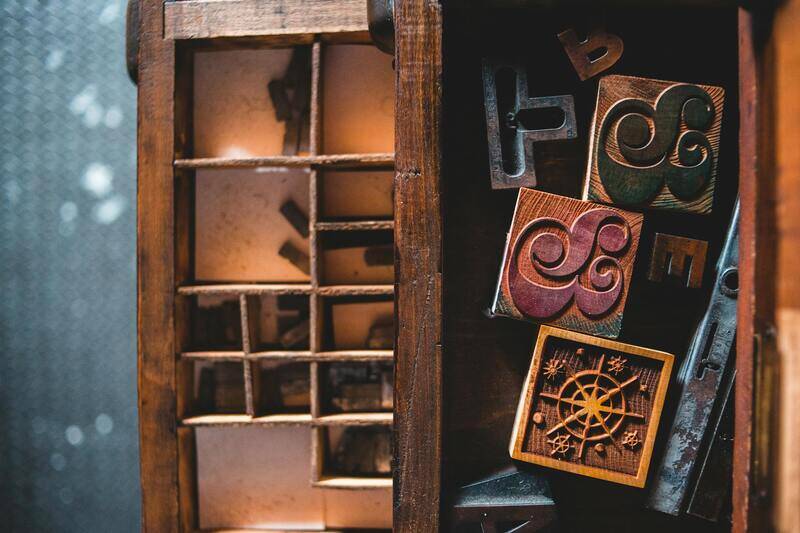
For added flair, specialty techniques like letterpress printing provide a tactile imprint that gives a distinguished, handcrafted feel. This method presses the design into the paper surface, creating a subtle yet impactful textured effect. Similarly, foil stamping applies metallic or pigmented foils, elevating the design with a luxe metallic sheen that catches the eye.
Spot UV coating, as previously mentioned, is another popular technique that selectively adds gloss to specific areas, enhancing details and adding visual contrast. Thermochromic inks or glow-in-the-dark finishes can also bring a playful or innovative element, making your business card not just visually appealing but also interactive.

Importance of Custom Made Business Cards
Custom made business cards serve as a vital extension of your professional identity, offering a tangible way to convey your brand’s message and values. Unlike generic templates, tailored designs reflect your unique position in the industry, fostering memorability and recognition among clients and partners.
By choosing custom business cards, you have the opportunity to incorporate specific design elements that resonate with your brand. These include your company’s color palette, logo, typography, and overall aesthetic. Such consistency reinforces brand identity and enhances credibility, especially in competitive markets.
Furthermore, custom business cards facilitate the inclusion of exclusive features that make your contact information stand out. For example, incorporating textured finishes, specialty cuts, or unique materials can provide a sensory experience that leaves a lasting impression. Ultimately, investing in personalized cards translates into a more professional image, increased networking opportunities, and greater trust from your audience.

Design Elements for Custom Business Cards
Effective custom business cards begin with thoughtful design, combining visual appeal with functional clarity. Key elements to consider include:
- Logo Placement: prominently display your logo to strengthen brand recognition.
- Color Scheme: select colors that complement your branding and evoke the desired emotions.
- Typography: choose readable fonts that reflect your brand personality, whether formal, modern, or playful.
- Contact Information: include essential details such as name, title, phone number, email, and website.
- Whitespace: utilize positive space effectively to maintain a clean and professional look.
- Unique Shapes and Sizes: consider unconventional cuts or shapes to differentiate your card from standard formats.
Incorporating these design elements strategically enhances both aesthetics and usability, ensuring your business card effectively communicates your brand’s message.
Materials and Finishes
The choice of material significantly influences the tactile experience and durability of your custom business cards. Common materials include:
- Standard Cardstock: versatile and cost-effective, suitable for most designs.
- Recycled Paper: eco-friendly option that appeals to environmentally conscious clients.
- Luxury Papers: thicker, textured, or specialty paper stocks for a premium feel.
- Plastic or Vinyl: durable and water-resistant, ideal for long-term use in various environments.
Finishes enhance the visual appeal and tactile quality of your cards. Popular options encompass:
- Matte Finish: provides a smooth, non-glossy surface with a sophisticated look.
- Glossy Finish: offers vibrant colors and a shiny surface that attracts attention.
- Soft Touch Finish: delivers a velvety texture, elevating tactile experience.
- Specialty Coatings: include spot UV, matte lamination, or textured embossing for added effect.
Selecting the right combination of materials and finishes aligns with your branding goals and ensures the durability of your business cards in daily use.

Printing Techniques for Custom Business Cards
Drafting the perfect design is only part of the process; employing appropriate printing techniques is crucial to realize your vision. The choice of method impacts color fidelity, texture, and overall quality.
Standard techniques include:
- Digital Printing: ideal for quick turnaround and small runs, with options for full-color designs and complex images.
- Offset Printing: preferred for larger quantities, offering precise color reproduction and sharp detail, especially with multi-colored or gradient-heavy designs.
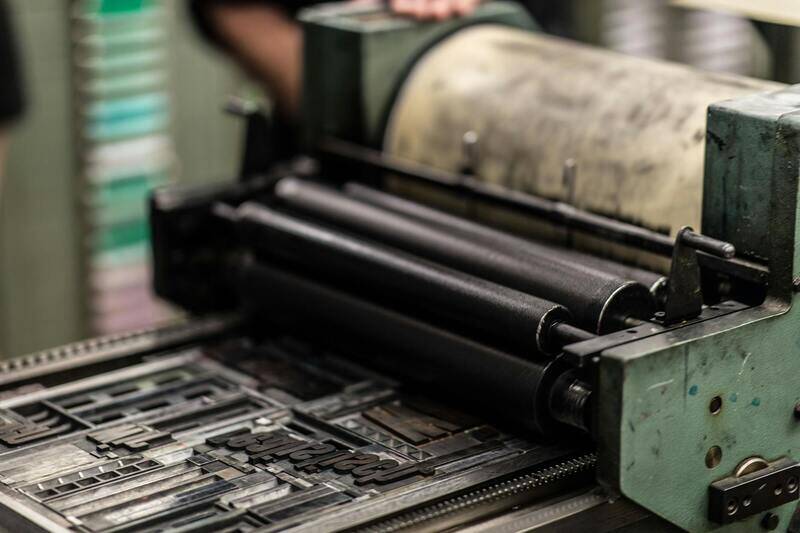
- Letterpress Printing: a tactile method that presses ink into the paper, creating a charming, handcrafted effect.
- Foil Stamping: applies metallic or pigmented foils, imparting a luxurious shimmer that draws attention.
- Spot UV Coating: selectively glosses specific areas of the card, emphasizing particular design elements or text.
Each technique offers unique advantages, and selecting the right one depends on the desired texture, visual impact, and budget constraints. Working closely with a professional printing provider ensures that these methods are executed with precision, resulting in high-quality, impactful business cards that effectively support your branding efforts.
Importance of Custom Made Business Cards
Custom made business cards serve as a tangible extension of your professional identity, reinforcing your brand and making a lasting impression on clients, partners, and prospects. Unlike standard templates, personalized cards can reflect your unique style, industry relevance, and corporate ethos through bespoke designs, specific materials, and tailored finishes. This individualization ensures that your card stands out amidst a sea of competitors, facilitating recall and fostering trust. In today’s competitive business landscape, a well-crafted, custom business card not only communicates professionalism but also demonstrates attention to detail and a commitment to quality. It acts as a portable branding tool that encapsulates your company's vision and values, serving as a constant reminder of your services or products once exchanged. With the contemporary focus on differentiation, investing in custom business cards aligns with strategic brand positioning and elevates your corporate image across all networking channels.
Design Elements for Custom Business Cards
Effective design is pivotal in creating business cards that resonate with your target audience. Several key elements contribute to a compelling and professional layout:
- Logo Placement: prominent positioning to enhance brand recognition.
- Typography: choosing legible fonts that align with your brand personality.
- Color Scheme: utilizing brand colors or contrasting hues to attract attention.
- Imagery: incorporating relevant graphics or icons sparingly to convey your message without cluttering.
- White Space: balancing design elements with adequate whitespace for clarity and sophistication.
- Contact Information: ensuring essential details such as phone number, email, and website are clear and accessible.
Advanced design options, such as embossed logos or custom shapes, can further enhance visual appeal and tactile experience, transforming a simple card into a memorable brand asset.
Materials and Finishes
The choice of materials significantly influences the durability and aesthetic appeal of your business cards. Common options include:
- Cardstock: thick, sturdy paper that provides a premium feel. Variations such as matte, gloss, or satin finishes cater to different stylistic preferences.
- Texture: linen, cotton, or specialty textured papers can add tactile richness.
- Plastic: durable and waterproof options suitable for high-wear environments.
- Metal or Wood: premium materials offering a distinctive, luxurious touch, often used for high-end brands.
Finishes like matte coating reduce glare and hide fingerprints, while gloss finishes enhance color vibrancy. Spot UV coating offers selective gloss, emphasizing specific design elements. Additionally, options such as foil stamping or embossing lend a tactile and visual shimmer, making cards more engaging and impressive.
Printing Techniques for Custom Business Cards
Selecting the proper printing method is essential for translating your design into a high-quality physical product. Each technique offers distinct benefits suited to specific design goals:
- Digital Printing: Quick and cost-effective, ideal for small to medium runs with vibrant full-color images and detailed graphics. Suitable for personalized designs with variable data printing.
- Offset Printing: Excellent for large volume orders, providing superior color accuracy and sharp details, especially with complex gradient or multi-colored designs.
- Letterpress Printing: Creates an elegant, tactile impression by pressing ink into the paper, adding depth and sophistication to your design.
- Foil Stamping: Applies metallic or pigmented foils to add shimmering accents, perfect for premium branding purposes.
- Spot UV Coating: Adds a glossy finish to select areas, emphasizing logos or key contact info while maintaining a matte background for contrast.
Consultation with experienced printing service providers ensures these techniques are applied precisely, achieving a refined finish that elevates your brand image. Combining methods—such as foil stamping with letterpress—can create unique effects that resonate with discerning clients.