Understanding Business Card Printing Prices
Business card printing prices vary considerably depending on several key factors. Typically, the cost to produce high-quality business cards ranges from as low as a few cents per card to several dollars per card when opting for premium options. The primary determinants influencing the overall expense include material selection, design intricacy, order volume, printing method, and any additional services or customizations requested.
For most standard business cards, the price range is influenced by the type of paper used, the intricacy of the design, and the quantity ordered. Small orders, generally under 100 cards, tend to have a higher per-unit cost due to setup fees and minimum runs. Conversely, larger quantities benefit from the economies of scale, significantly reducing the per-card price.
The printing industry offers a spectrum of options that cater to diverse business needs and budgets. Basic printing on standard card stock might be the most affordable choice, suitable for those requiring quick and cost-effective solutions. On the other hand, high-end finishes such as embossing, foil stamping, or spot UV coating entail higher expenses but deliver a more luxurious appearance. Ultimately, understanding these price influences allows businesses to make informed decisions aligning with their branding goals and budget constraints.

Primary Factors Influencing Business Card Printing Costs
- Material Quality: Thicker, textured, or specialty paper elevates costs.
- Design Complexity: Custom graphics, double-sided printing, and unique finishes add to the price.
- Order Quantity: Larger orders usually benefit from discounted rates per card.
- Printing Method: Offset, digital, or letterpress printing each have different associated costs.
- Additional Services: Custom finishes, die-cut shapes, and packaging can increase expenses.
By thoroughly evaluating these factors, businesses can select printing options that maximize visual impact while staying within their budget. It is vital to view business card printing as an investment in professional branding, where quality and presentation play pivotal roles in making a lasting impression.
Material Options and Their Impact on Cost
Choosing the right material for business cards significantly influences the overall printing price. Standard card stocks such as 14-point or 16-point paper are typically the most economical, offering durability and a professional feel without incurring substantial additional costs. Premium options, including high-quality textured papers, linen finishes, or specialty materials like recycled or cotton-based stocks, tend to elevate expenses but provide a distinctive tactile experience that enhances branding perception.
Furthermore, finishes such as matte, gloss, or soft-touch coatings not only improve aesthetics but also incur different costs. Matte coatings tend to be more affordable, while gloss finishes add a vibrant sheen that might be slightly more expensive. Specialty finishes like embossing, foil stamping, and spot UV coatings, which add decorative and tactile appeal, generally represent a higher investment but significantly boost the card’s visual intrigue and perceived value.
Materials with unique properties, such as magnetic backing or clear plastic substrates, come with premium pricing reflecting their novelty and durability. When selecting materials, consider both the impression you wish to make and the budget constraints, optimizing the balance between material quality and cost-effectiveness.
Design Complexity and Customization Costs
The intricacy of your business card design directly impacts the printing cost. Simple, text-based layouts on standard sizes are typically the most economical. Conversely, designs featuring elaborate graphics, custom illustrations, intricate patterns, or layered effects increase both time and materials required and thus, the overall expense.
Customization options such as double-sided printing amplify costs as they require more ink and processing time. Meanwhile, incorporating special features like die-cut edges, rounded corners, or custom shapes necessitates additional setup and production steps, which can significantly elevate printing fees. Developers should weigh the benefits of such features against their branding goals and budget, choosing options that enhance visual appeal without unnecessary expenditure.
Advanced design elements such as embossed or debossed text, foil accents, and textured finishes contribute to a high-end look but also add to the production complexity. These elements often require specialized equipment and materials, making them more suitable for brand-centric presentations seeking to make a powerful impression.
Quantity and Pricing Tiers
The volume of business cards ordered greatly influences the pricing structure. Typically, printing providers offer tiered rates where the per-unit cost decreases as order quantities increase. For small orders, such as 100 or 250 cards, unit prices tend to be higher due to setup costs and minimum run requirements. Bulk orders, spanning 1,000 or more cards, benefit from substantial discounts that reduce the overall investment per card.
It is advisable to evaluate the expected usage of cards to optimize cost-efficiency. Businesses that require regular distribution can consider larger batches for long-term savings, while those needing a small batch for a specific campaign might opt for more economical printing options. Some providers also offer package deals or partial discounts for repeat orders, contributing further to cost savings.

Printing Techniques and Their Pricing
Different printing methods inherently vary in cost and quality. Offset printing is generally the most cost-effective for large volumes, offering high-quality results and consistent color accuracy. Digital printing, on the other hand, is ideal for smaller batches due to lower setup costs and faster turnaround times but may have a slightly higher per-card price at larger volumes.
Letterpress printing, recognized for its tactile impression and craftsmanship, commands a premium price due to the intricate process involved. Similarly, specialty techniques like foil stamping and embossing significantly contribute to the cost but greatly enhance visual and tactile appeal, making them suitable for brands emphasizing luxury or exclusivity.
Deciding on the appropriate printing technique depends on the desired aesthetic, volume, and budget. Combining different methods, such as digital for bulk printing and spot UV coatings for accent details, can optimize both cost and visual impact.
Additional Services and Their Costs
Suppliers often offer a suite of additional services that can add decorative value but also influence the pricing. Custom die-cut shapes require additional tooling and setup fees, which can cost more than standard rectangular cards but provide unique shapes aligned with brand identity.
Adding specialty finishes such as laser-cut details, magnetic backing, or textured coatings enhances the card’s appeal at an extra expense. Packaging options, including protective sleeves or premium boxes, can also contribute to higher costs but improve the overall presentation for client gifting or event distribution.
When budgeting for business card printing, it’s important to consider both immediate costs and potential value-added benefits of these extra features. Selectively applying these services to key designs ensures a balance between expenditure and brand differentiation.
Design Complexity and Customization Costs
Business card designs that incorporate intricate details or unique artwork tend to increase the overall printing expense. Elaborate graphics, custom illustrations, or premium fonts require additional preparation time and sometimes specialized licensing, which can elevate costs. The level of customization also influences the choice of printing method; for instance, embossing, foil stamping, and spot UV coating are often reserved for higher-end designs due to their detailed application processes and the need for precision tooling.
Special effects such as raised text or textured finishes not only augment visual appeal but also involve extra steps in the production process, resulting in increased expenses. When considering such custom features, it is crucial to balance aesthetic ambitions with budget constraints to ensure the final product aligns with brand standards without incurring unnecessary costs.
Quantity and Pricing Tiers
Ordering volume plays a significant role in determining the per-unit cost of business card printing. Generally, larger quantities benefit from bulk pricing discounts, making high-volume orders more economical on a per-card basis. For small quantities, the setup costs associated with printing plates or digital customization are distributed over fewer cards, slightly increasing the unit cost.
Many printing providers implement tiered pricing structures, where the price per card decreases exponentially as order quantities increase. Therefore, strategic planning of order size, considering both immediate needs and future requirements, can lead to substantial savings. It is also worth noting that some suppliers offer flexible options for rapid reordering, which can be advantageous for ongoing branding efforts or last-minute events.
Printing Techniques and Their Pricing
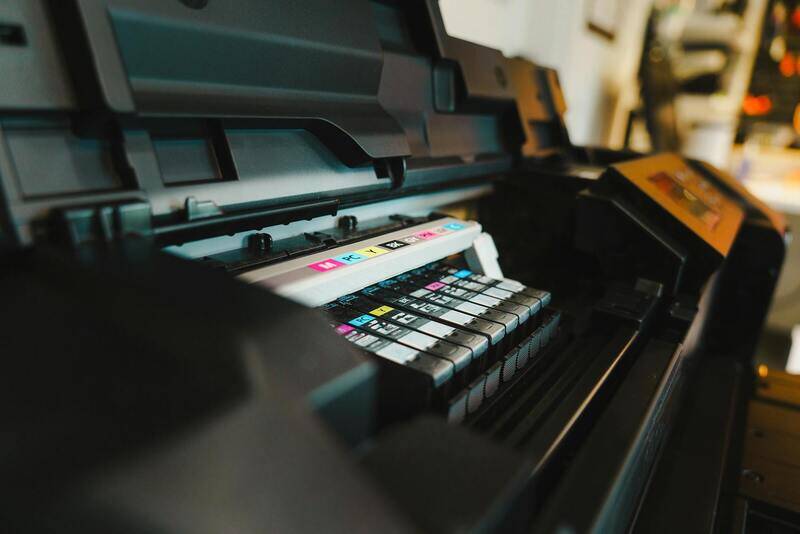
The choice of printing technique markedly influences the final price of business cards. Standard digital printing is typically the most cost-effective option for small runs and straightforward designs, offering rapid turnaround times. Conversely, offset printing can reduce costs when producing large quantities, thanks to economies of scale, but involves higher setup costs.
Specialty methods such as letterpress, foil stamping, and UV coating command premium prices due to their labor-intensive processes and the expertise required. These techniques often appeal to brands seeking to convey luxury or exclusivity. Combining different methods—such as digital printing for bulk production and selective foil accents—can balance cost with visual impact.

Additional Services and Their Costs
Additional services can enhance aesthetic appeal but also contribute to higher printing costs. Custom die-cut shapes introduce additional setup and tooling fees, especially if a unique shape deviates from standard rectangles. These shapes can reinforce brand identity and make cards stand out in a stack.
Special finishes, such as magnetic backing, textured coatings, or laser-cut details, create tactile interest and increase the perceived value of the business card. However, each added feature typically involves extra processing steps, which translate into additional charges. Packaging options like protective sleeves or premium boxes are also noteworthy, as they elevate the presentation but require extra investment.
When planning a budget, it’s wise to prioritize these customized features for key cards or special occasions. Selectively applying premium enhancements ensures cost-efficiency while maximizing visual differentiation and brand recognition.
Understanding Business Card Printing Prices
Pricing for business card printing varies widely depending on several key factors that influence both the quality and customization of the final product. Businesses often seek a balance between cost-efficiency and visual impact, making it essential to understand the components that contribute to overall pricing. Factors such as print method, material choice, design complexity, quantity ordered, and additional finishing options all play a part in determining the final costs.
One of the primary considerations is choosing the right printing technique, which directly affects the unit price. Digital printing, for instance, is ideal for small runs and offers quick turnaround times at a relatively lower cost. Conversely, offset printing becomes more economical for larger orders, boasting consistent quality and sharp color fidelity at a lower per-unit expense with increased volume.
Material Options and Their Impact on Cost
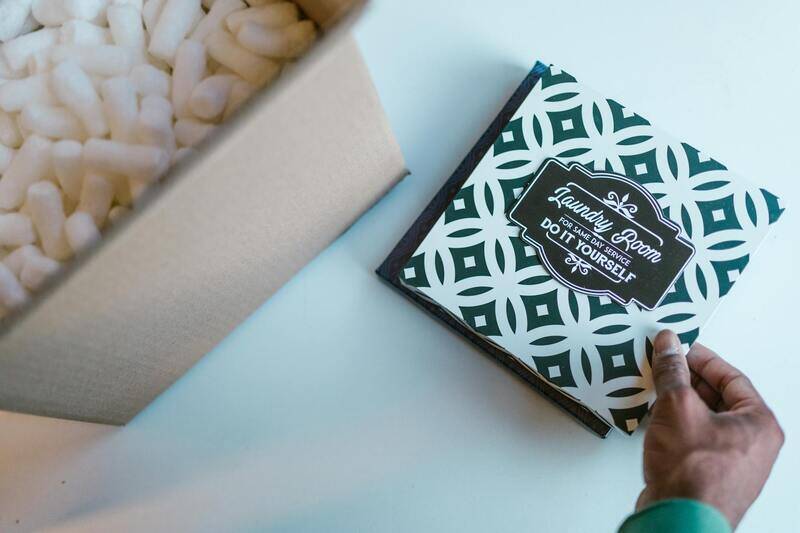
The selection of raw materials is a significant determinant of the business card printing price. Standard cardstock typically provides a cost-effective solution suitable for most professional needs, with options often ranging from 14pt to 32pt thicknesses. Thicker stocks, such as 16pt or higher, offer durability and a premium feel but come at increased costs.
Specialty materials, including textured, matte, glossy, or PVC plastics, can elevate the tactile and visual appeal of business cards but tend to carry additional charges. Utilizing unique finishes like linen, kraft paper, or even metal foil can substantially increase the expense, especially when combined with high-end printing techniques.
Design Complexity and Customization Costs
Detailed designs or extensive customization demand more resources both in design preparation and production. Simple, clean layouts generally cost less because they are easier to print and replicate. However, intricate patterns, multi-layer designs, or custom artwork require precise setup, which can extend production time and increase costs.
Customization options such as color matching, double-sided printing, or custom die-cut shapes often involve additional setup fees. For instance, die-cut shapes necessitate custom dies, with costs depending on complexity and quantity. Fine details like embossed logos, foil accents, or spot UV coatings, while visually striking, introduce significant extra charges due to the specialized processes involved.
Additional Finishing and Special Effects
Additional finishing touches can enhance the overall presentation but may also impact the pricing structure. Options such as UV gloss, matte lamination, soft-touch coatings, or textured finishes add tactile dimension and visual sophistication to business cards. These extra features typically entail supplementary production steps, thereby increasing the total cost.
Specialty effects like foil stamping or hot stamping provide luxurious accents but come at a premium, especially if applied selectively or on high-quality materials. Laser-cut details, embossed or debossed elements, and magnetic backings also contribute to higher expenses, making it advisable to reserve these features for strategic branding purposes.
Impact of Quantity on Pricing
Ordering business cards in larger quantities often results in a reduction of the overall unit cost, thanks to economies of scale. Bulk printing leverages the setup costs associated with each print run, distributing these expenses across a broader number of cards. As a result, businesses aiming for cost efficiency should consider purchasing in higher volumes when possible, especially for ongoing marketing needs.
For small quantities, digital printing offers flexibility without significant setup fees. Meanwhile, for larger quantities, offset printing provides a more economical price per card, making it suitable for businesses requiring significant branding assets or promotional materials.
Understanding Business Card Printing Prices
When evaluating the cost of business card printing, it is essential to consider a range of factors that influence the final price. The initial expense involves the complexity of the design and the chosen customization options. Simple designs with basic text and minimal graphics generally incur lower costs due to straightforward printing processes. Conversely, intricate designs with detailed illustrations, multiple layers, or unique shapes often require specialized printing techniques, increasing labor and material expenses.
Manufacturers often use tiered pricing models based on the production volume. Smaller quantity orders tend to have a higher cost per card, as setup and customization expenses constitute a larger proportion of the total. As volume increases, per-unit costs typically decrease because the fixed costs are spread over a larger number of prints, offering economies of scale. For businesses planning extensive branding efforts, bulk ordering can provide significant cost savings without compromising quality.
In addition to production techniques, delivery options, turnaround times, and shipping fees can affect the overall pricing. Rush orders, expedited shipping, or customized packaging can boost total expenses but ensure quicker delivery and tailored presentation. It’s crucial to balance budget constraints with the desired quality and lead times to select the most suitable printing plan.

Material Options and Their Impact on Cost
The choice of materials directly influences not only the visual appeal but also the printing costs of business cards. Standard card stocks such as 14pt or 16pt matte or gloss finishes are economical options suitable for most professional needs. These materials are readily available, quick to produce, and typically cost-effective for bulk orders. Higher-end materials, such as textured linen, premium matte, or specialty plastics, can enhance tactile quality and durability, resulting in increased costs.
Specialty materials like foil-backed cards, transparent plastics, or magnetic backings introduce additional production steps and require specific printing techniques, which add to the overall price. Thicker, more luxurious substrates provide a premium feel but involve higher raw material costs and potentially longer production times. When budgeting, it is important to weigh the desired impression against the material's impact on cost, choosing options that align with brand positioning and marketing strategies.
Design Complexity and Customization Costs
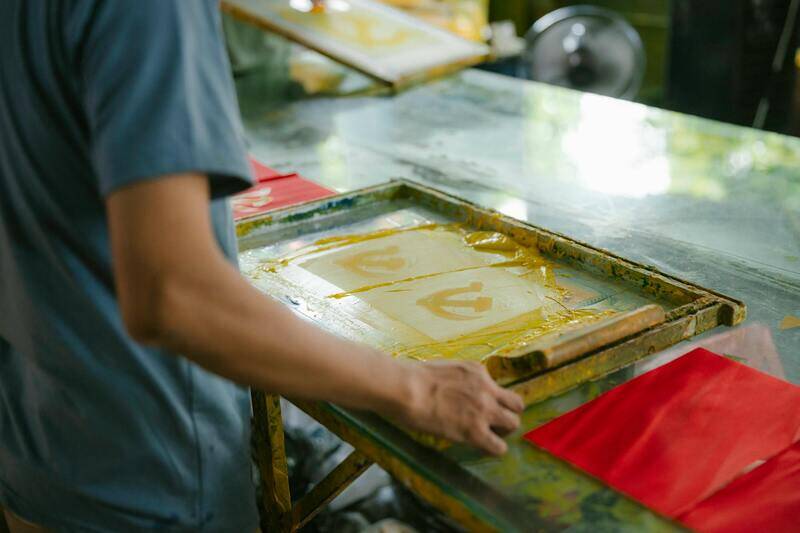
Design intricacy plays a significant role in determining the business card printing price. Simple layouts with minimal colors and standard fonts are typically the most affordable to produce. They require minimal customization and fewer printing passes. Detailed artwork, multi-layer designs, or use of special effects such as spot UV coating, embossing, or foil accents can lead to higher costs due to additional setup steps and specialized machinery.
High customization options like die-cut shapes, intricate embossing, or textured finishes contribute not only to visual appeal but also to increased production expenses. These features often require custom dies or additional labor, which can significantly add to the unit price. For businesses seeking a distinctive look, investing in customization can yield a memorable brand impression, justifying the higher expenditure.
It is advisable to plan carefully, prioritizing the most impactful design elements while avoiding unnecessary complexity that does not align with branding goals. Clear communication with the printing provider ensures accurate cost estimates and efficient production processes.

Summary
Business card printing prices are governed by multiple interconnected factors, including materials, design complexity, quantity, and chosen printing techniques. Understanding these elements allows for strategic budgeting, ensuring that the final product meets brand standards without exceeding financial constraints. Careful selection of materials and customization options, combined with ordering in appropriate volumes, can optimize expenses and generate substantial value for your professional identity.
Understanding Business Card Printing Prices
Determining the true cost of business card printing requires an assessment of multiple factors that influence the final price. These include the choice of materials, design intricacies, order quantity, and specific printing techniques. Each element plays a vital role in shaping both the budget and the quality of your cards, enabling businesses to make informed decisions aligned with their branding objectives and financial plans. Recognizing how these components interact ensures a strategic approach to ordering business cards that meet aesthetic standards while maintaining cost efficiency.
Material Options and Their Impact on Cost
The selection of material forms the foundation of your business card’s appearance and durability, with each type contributing differently to the overall printing price. Standard paper stocks typically offer a budget-friendly option, suitable for basic designs and bulk orders. Selecting thicker stock, such as 16-point or 32-point cardstock, provides a more substantial and premium feel, but at a higher cost. Specialty materials, including matte or glossy finishes, textured surfaces, or eco-friendly options like recycled paper, can further influence pricing due to their distinct production processes and material costs.

The quality of the material directly affects not only the visual appeal but also the card’s longevity and tactile experience. For businesses aiming to leave a lasting impression, investing in high-quality materials can justify the increased expenses. Conversely, for cost-conscious projects, standard stocks with minimal embellishments can provide a balanced solution that maintains professionalism without exceeding budget constraints.
Design Complexity and Customization Costs
The intricacy of your card’s design significantly impacts manufacturing costs. Simple designs with minimal colors and straightforward layouts tend to be economical, especially when produced using basic printing methods. In contrast, more complex designs with numerous colors, detailed illustrations, texturing, or multilayer effects require advanced printing techniques and additional setup time, which raise the overall price.
Custom features such as rounded corners, die-cut shapes, embossed logos, or foil accents introduce extra steps in the production process. These options often necessitate creating custom dies or applying specific coatings, adding to both material and labor costs. While these enhancements elevate the visual impact and brand memorability, it's important to evaluate their necessity relative to overall design goals and the target audience.
Quantity and Pricing Tiers
The number of business cards ordered influences per-unit pricing through volume discounts commonly offered by printers. Smaller batches, such as 100 or 250 cards, generally cost more per piece, due to setup fees and minimal order economics. Increasing the quantity to 500, 1,000, or more often reduces the unit price, making large orders more cost-effective in the long run.
It is advantageous to plan ahead and estimate future needs to capitalize on tiered pricing structures. For instance, ordering a larger batch may seem initially more expensive but can lead to significant savings per card. Additionally, bulk orders allow for consistent branding across multiple projects and convenience for ongoing marketing efforts.

Printing Techniques and Their Pricing
Different printing methods provide varied aesthetics and costs. Basic digital printing is cost-effective for small quantities and simple designs. It offers quick turnaround times with acceptable quality for most professional needs. However, for high-end finishes or large orders, offset printing may be preferable due to its ability to produce vibrant color accuracy and consistent results at scale.
Premium techniques, such as letterpress, foil stamping, or spot UV coating, significantly increase the price per card because of the specialized machinery and processes involved. These methods can generate compelling visual effects or tactile textures that enhance brand perception but are more suitable for short runs or high-impact designs where the added cost is justified by the desired presentation quality.
Additional Services and Their Costs
Beyond standard printing, a variety of optional services can augment the final product. Laminations, for instance, add a layer of protection and gloss, but also increase costs. Rounded corners soften the card’s appearance and are relatively affordable but still contribute to pricing. Serial numbering for personalized cards or sequential batches may involve extra setup to ensure each card is uniquely identified, influencing the overall expense. Carefully assessing these optional services allows for a balanced approach between functionality, aesthetics, and budget.
Understanding Business Card Printing Prices
When evaluating the costs associated with business card printing, it’s essential to consider multiple factors that influence the final price. These include the choice of materials, the complexity of design, order quantity, selected printing techniques, and any additional services. Each element contributes significantly to the overall cost, and understanding their impact helps businesses make informed decisions that align with their branding and budget objectives.
Material Options and Their Impact on Cost
The material used for business cards not only affects appearance and durability but also influences pricing. Standard options such as 14-point or 16-point cardstock are common and cost-effective, providing a balance between quality and affordability. Premium materials, like textured paper, linen finishes, or thicker stock (such as 32-point or even heavier), add to the cost but deliver a more luxurious tactile experience.
Specialized materials such as recycled paper or environmentally friendly substrates may have a slight price premium due to sourcing and processing costs. Additionally, metallic or pearlized paper options offer unique aesthetics but generally come at a higher price point, suitable for brands seeking a distinctive visual statement.
Design Complexity and Customization Costs
The intricacy of a business card design directly affects the printing costs. Simple designs with standard fonts and minimal colors are economical, especially when produced in large quantities. However, highly detailed artwork, multiple colors, or custom graphics require advanced setup and may necessitate additional proofing, which can increase costs.
Customization options like embossing, debossing, or the inclusion of unique die-cut shapes also add layers of expense. These features require specialized equipment and additional production steps, making them more suitable for campaigns where visual impact justifies the investment.
Quantity and Pricing Tiers
Economies of scale play a significant role in business card pricing. Ordering larger quantities often reduces the cost per unit due to the spread of setup fees across more cards. For example, printing 500 cards might be only slightly more expensive than 250, but the cost per card tends to decrease significantly as volume increases.
Many printing services offer tiered pricing, where the price per card drops at specific quantity thresholds—such as 100, 250, 500, or 1,000 cards. Businesses should consider their needs carefully, balancing the benefit of bulk discounts against the risk of stockpiling unsold cards.
Printing Techniques and Their Pricing
Different printing methods yield various aesthetic qualities and costs. Digital printing is the most economical option for small runs or uncomplicated designs, providing quick turnaround times. Offset printing becomes more cost-effective as quantities increase, thanks to high-speed production and superior color fidelity. For premium finishes, specialized techniques like letterpress, foil stamping, or UV spot coating significantly elevate the price per card due to machine and labor requirements.
Each technique offers distinct visual and tactile effects, allowing businesses to choose based on the desired impression and budget constraints. For example, foil accents can add a touch of elegance but should be used sparingly to manage costs effectively.
Additional Services and Their Costs
Enhancements beyond standard printing can transform the look and feel of a business card, albeit at an increased cost. Laminations—glossy or matte—provide durability and visual appeal but involve extra processing fees. Rounded corners are a simple yet effective upgrade that softens the card's appearance without a high price tag.
Serial numbering or personalized batch processing involve extra setup steps, impacting overall expenses. These services are particularly beneficial for clients needing custom identification or unique batch tracking. Careful assessment of these add-ons enables a strategic blend of aesthetics, functionality, and budget management, ensuring the final product resonates with brand identity while remaining cost-efficient.
Understanding Business Card Printing Prices
Business card printing prices are influenced by a variety of factors that reflect both the quality and customization level of the final product. When evaluating costs, it is essential to consider the base printing method, material choices, design intricacies, order quantity, and additional finishing options. Each element plays a critical role in shaping the overall expense, enabling businesses to tailor their cards to meet both aesthetic standards and budget constraints.
Material Options and Their Impact on Cost
The choice of materials is a primary determinant of printing price. Standard cardstock is generally the most economical option, providing durability while maintaining affordability. Typically, weight options like 14pt or 16pt cardstock are widely used, with thicker materials adding marginally to costs. Premium materials such as linen, textured paper, or recycled stock can elevate the price due to higher production costs and unique tactile qualities.
Special finishes like matte, gloss, or soft-touch coatings not only enhance the visual appeal but also add an extra layer of cost. For instance, matte and gloss laminations increase durability and aesthetic appeal but require additional processing, which is reflected in the pricing. Likewise, specialty embellishments like foil accents or embossing demand specific equipment and skilled labor, significantly impacting the expense.
Design Complexity and Customization Costs
The complexity of a design can greatly influence printing costs. Simple, minimalistic designs that use basic colors and layouts tend to be more cost-effective, especially when produced via digital printing methods that facilitate quick turnaround. Conversely, intricate designs featuring multiple colors, custom illustrations, or gradient effects often require more sophisticated printing techniques, which can run up expenses.
Customization options such as unique shapes, die-cut edges, or textured elements necessitate additional steps in the production process. These modifications not only involve extra labor and materials but also may require specialized equipment, which elevates the overall price. However, such bespoke designs significantly enhance brand recognition and can justify the extra investment.
Quantity and Pricing Tiers
Order quantity directly influences the price per card, with larger quantities typically reducing the unit cost due to economies of scale. For small runs, digital printing is preferred, providing quick and cost-effective solutions. As the volume increases, offset printing becomes more economical, especially for standard designs. Many printers offer tiered pricing structures, encouraging bulk orders by lowering the price when ordering in higher quantities.
It is important for businesses to evaluate their needs carefully—ordering a moderate quantity to balance cost and coverage or opting for larger batches if repeat orders or multiple locations are planned can lead to significant savings over time.
Printing Techniques and Their Pricing
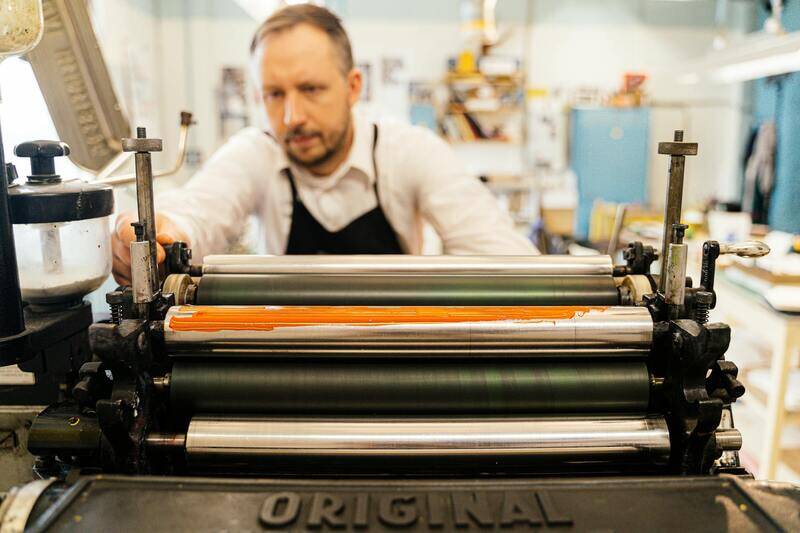
The chosen printing technique can substantially sway costs. Digital printing is considered the most economical for small quantities or straightforward designs due to its rapid production and minimal setup requirements. Offset printing, which involves creating plates for high-volume runs, offers superior color accuracy and consistent quality but entails higher initial setup costs. Premium printing methods like letterpress, foil stamping, or UV coating are reserved for high-impact, luxury cards and are correspondingly more expensive due to their complexity and labor requirements.
Each technique offers a distinctive tactile and visual experience, allowing businesses to align their branding strategies with budget considerations. For example, offset and digital printing are suitable for most standard needs, while specialized techniques should be reserved for key branding materials to maximize impact within a set budget.
Additional Services and Their Costs
Beyond basic printing, a range of supplementary services can elevate the quality and uniqueness of business cards. Laminations—either gloss or matte—provide additional durability and a premium appearance but come with extra costs. Rounded corners are a simple upgrade that softens the card's edges, usually added at a minimal additional fee.
Other enhancements, such as serial numbering, holographic effects, or personalized batch processing, involve more involved setup processes. These services are invaluable for companies seeking to incorporate security features, internal tracking, or distinctive branding elements. While they do increase overall costs, selecting targeted enhancements can strike a balance between visual appeal and budget management, ensuring the cards serve their intended purpose effectively.