Comprehensive Guide to Brochure Printing: Types, Design, and Best Practices
Types of Brochures and Design Options
Brochures serve as versatile marketing tools, offering a range of formats tailored to different promotional needs. Selecting the appropriate brochure type is crucial for effective communication and visual appeal. Common formats include bi-fold, tri-fold, z-fold, half-fold, and gate-fold brochures. Each offers unique advantages in terms of space, layout flexibility, and audience engagement.
Bi-fold brochures, segmented into two panels, are ideal for straightforward messaging with a clean, uncluttered appearance. Tri-fold brochures, divided into three vertical sections, provide ample space for structured content and are widely used for event programs, product showcases, or service details. Z-fold brochures expand on this layout, allowing for dynamic folding that reveals sections sequentially, enhancing user interaction.
Design considerations extend beyond format to stylistic elements. The choice of imagery, typography, and color schemes influences how the brochure captures attention and conveys brand identity. Minimalistic designs emphasize clarity and elegance, while bold, colorful layouts attract a dynamic audience. Including high-resolution images and consistent branding ensures professional presentation, fostering trust and interest among potential clients.
Selecting Paper Quality and Finishes
The tactile experience of a brochure begins with paper quality. Heavier weight papers, such as 100-200 lb gloss or matte finishes, offer durability and a premium feel. Glossy finishes enhance vibrant colors and sharp images, making visuals stand out. Matte finishes provide a sophisticated, glare-free surface suitable for detailed text and soft color palettes.
Consider the function and placement of the brochure when choosing paper. For instance, handouts or giveaway brochures benefit from sturdy, high-quality materials that withstand handling. Additionally, specialty finishes such as linen textures, soft-touch coatings, or protective lamination can elevate the perceived value and longevity of the printed material.
Choosing the Right Printing Method
Effective brochure printing hinges on selecting an appropriate printing technique. Digital printing offers rapid turnaround and cost efficiency for smaller quantities, maintaining high quality for vibrant images and sharp text. Offset printing, on the other hand, is optimal for large-volume orders, ensuring consistent color reproduction and detailed finishes. Various printing techniques also include spot UV coating for glossy highlights, embossing for textured effects, and foil stamping to add metallic accents. These methods enhance visual interest and add a touch of sophistication to the overall design.
Color Management and Crafting Eye-Catching Graphics
Color plays a pivotal role in brochure effectiveness. Proper color management ensures that printed visuals accurately match digital designs, requiring calibrated monitors and proofing processes. Bright, contrasting colors can attract attention, but consistency in hue is paramount for brand recognition.
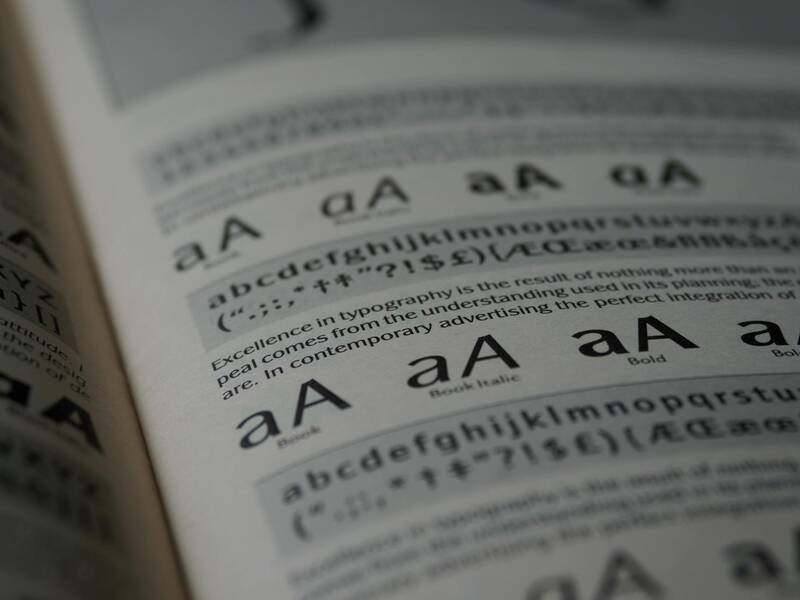
Graphics should be high-resolution and align with the overall theme and message. Incorporate compelling images, icons, and infographics to convey complex information succinctly. Strategic use of whitespace can prevent clutter, emphasizing key messages and guiding the reader’s eye through the brochure.
Cost Factors and Budget Optimization
Understanding the cost drivers in brochure printing enables effective budget management. Factors influencing costs include the type of paper, printing volume, finishing techniques, and turnaround time. Bulk orders typically reduce per-unit expenses, while custom finishes and high-grade materials command higher prices. Cost optimization involves balancing quality with necessity. Choosing suitable formats and finishes that align with campaign goals and target audience expectations ensures that resources are allocated efficiently. Procurement from reputable printers offering transparent pricing and bulk discounts adds to financial efficiency.
Turnaround Time and Delivery Options
Timely delivery is critical to marketing campaigns and promotional events. Standard turnaround times vary from a few days to a week, depending on the scope and complexity of the project. Expedited options are available for urgent needs, often at higher costs. Reliable printers provide various shipping and delivery solutions, including express courier and bulk freight, ensuring the brochures arrive at the intended location promptly. Clear communication with the printing provider guarantees that deadlines are met without compromising quality.
Best Practices for Distribution and Usage
Maximizing the effectiveness of brochures involves strategic distribution. Consider target locations, events, and partner channels that align with your audience’s interests. Handouts, mail campaigns, trade shows, and retail displays are optimal points for dissemination. Design collateral, such as standees or digital versions, can extend the reach of printed brochures. Ensuring the content is up-to-date, clear, and aligned with current marketing messages enhances engagement and encourages action.
Maintaining Quality and Quality Control
To preserve the high standards of printed brochures, rigorous quality control during production is essential. Printing proofs should be reviewed for color accuracy, layout precision, and defect detection before final printing. Regular communication with the print service provider, coupled with visual inspections during production, helps identify and rectify issues early. Proper storage conditions and handling post-production ensure that the brochures maintain their quality until distribution.
Choosing the Right Printing Method
When selecting a printing method for brochures, understanding the differences in technology and their impact on quality, cost, and turnaround time is essential. The two primary options are digital and offset printing, each suited to different project scales and specifications.
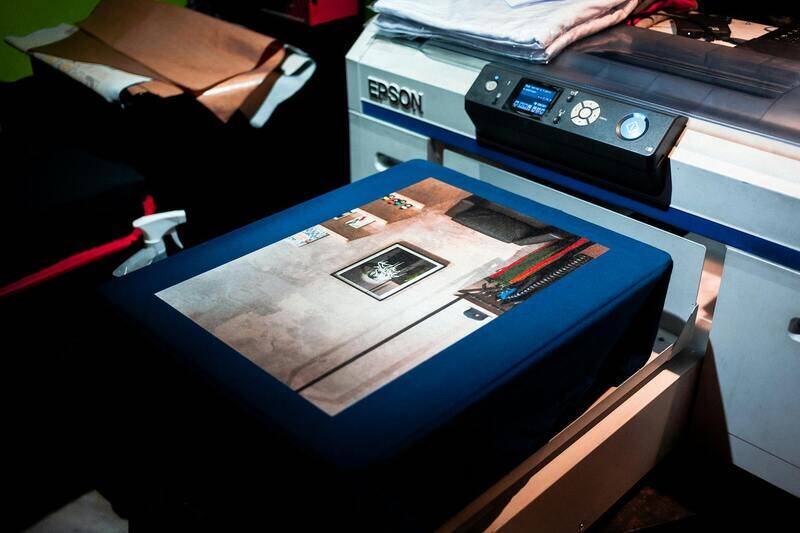
- Digital Printing: Ideal for small to medium quantities, digital printing offers quick turnaround times and flexibility in customizing each brochure. It eliminates the need for printing plates, reducing setup time and costs, making it a practical choice for short runs or projects requiring frequent updates.
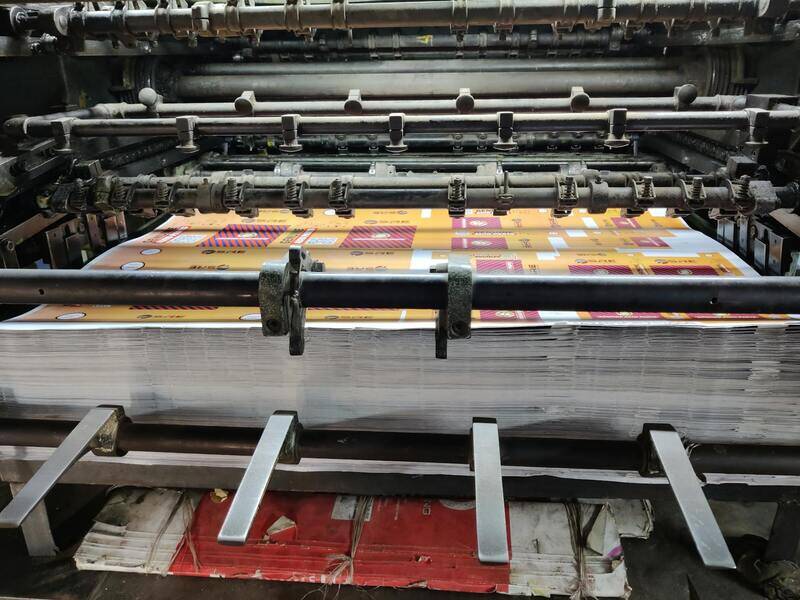
- Offset Printing: Best suited for large print runs, offset printing delivers superior color accuracy and consistent quality across thousands of copies. It involves creating printing plates for each color, which makes initial setup more time-consuming and costly but economical for bulk orders.
Choosing between these methods depends on your project’s volume, complexity, and budget. For organizations aiming for high-impact visuals and bulk distribution, offset printing provides vibrant, professional finishes. Conversely, digital printing offers adaptability for smaller batches and quicker delivery, making it suitable for targeted marketing campaigns.
Understanding the strengths of each method ensures the production process aligns with your marketing goals, delivering brochures that are both visually appealing and cost-effective.
Types of Brochures and Design Options
Brochures serve as a vital marketing tool, and selecting the appropriate type and design can significantly impact the effectiveness of your promotional efforts. Common brochure formats include bi-fold, tri-fold, Z-fold, and gate-fold, each offering unique opportunities for creative layout and information hierarchy. The choice depends on the nature of your message, the amount of content, and your desired aesthetic.
Design options encompass various styles, from sleek, minimalist visuals to intricate, visually rich compositions. Incorporating high-quality images, consistent branding elements, and compelling typography enhances the brochure’s appeal. Templates can serve as starting points, but custom designs tailored to your brand identity often produce more impactful results.
To maximize readability and visual interest, consider a balanced layout that guides readers through the information smoothly. Use contrasting colors to highlight key sections and employ whitespace strategically to avoid clutter. The integration of graphical elements like icons or infographics can also aid in communicating complex data succinctly and attractively.
Selecting Paper Quality and Finishes
The choice of paper and finishes profoundly influences the tactile experience and overall presentation of your brochures. Standard brochure papers range from matte to gloss, each providing distinct visual effects and durability levels.
Matte finishes offer a soft, non-reflective surface that enhances readability and lends a sophisticated appearance—ideal for brochures with extensive text or elegant branding. Gloss finishes, on the other hand, produce vibrant colors and sharp images that capture attention, making them suitable for photo-heavy designs.
Premium paper options include silk, pearl, and linen textures, which add a luxurious feel and durability, ensuring your brochures withstand handling over time. For environments where longevity and resistance to wear are priorities, heavier weight papers (such as 130 lb or 170 lb cardstock) are recommended.
Additional finishes like UV coating, spot varnishing, or soft-touch coatings can introduce a protective layer that enhances gloss, adds tactile contrast, and protects against scratches or fingerprints. These treatments not only improve aesthetics but also extend the brochure’s lifespan, reinforcing your brand’s quality perception.

Types of Brochures and Design Options
Choosing the right type of brochure is essential to effectively communicate your message and engage your target audience. Brochures come in various formats, each suited for different purposes and presentation styles. Typical types include bi-fold, tri-fold, z-fold, and multi-page booklets. The bi-fold brochure provides a simple, open layout, ideal for concise information and impactful visuals. The tri-fold is more versatile, allowing for segmented content that guides the reader through your messaging systematically. Z-fold brochures add a dynamic element, perfect for interactive storytelling or step-by-step explanations.
Each design option offers unique possibilities for customizing layout, graphics, and text placement. For instance, a trifold layout allows three distinct panels for tailored content sections, while a multi-page brochure can include detailed product descriptions, testimonials, and extensive branding elements. When selecting a template, consider how much information needs to be conveyed and how you want the reader to navigate your content.
Design Customization and Visual Appeal
The visual design of your brochure plays a key role in capturing attention and conveying professionalism. Incorporating high-quality images, consistent branding elements, and compelling typography helps reinforce your message. Design options include the use of bold headlines, iconography, infographics, and transparent overlays to highlight key information. Incorporating brand colors and logos creates a cohesive look that enhances brand recognition.
Advanced design techniques involve layering graphical components, employing creative grid systems, and experimenting with unique fold lines to make your brochure stand out. Whether opting for minimalist elegance or a vibrant, energetic aesthetic, the goal remains to create a layout that is both visually appealing and easy to read.
Innovative Features and Special Effects
Modern brochure design often integrates special effects such as embossing, foil stamping, or die-cut shapes to add tactile interest and uniqueness. Embossed logos or raised text lend a premium feel, while foil accents can highlight specific details or branding elements. Die-cut designs open up possibilities for unconventional shapes and windows, drawing the viewer’s eye to focal points.
Incorporating these features requires collaboration with skilled printing specialists but results in highly engaging visuals that elevate your marketing efforts. The strategic use of such effects can turn a standard brochure into a memorable piece that resonates with your audience long after initial exposure.
Choosing the Right Printing Method
Once the design and materials for your brochure are finalized, selecting the appropriate printing process becomes pivotal to achieving the desired quality, durability, and visual appeal. Different printing techniques offer various advantages suited to specific project requirements, budget considerations, and desired finishes.
Offset Printing
Offset printing is a widely used commercial printing method ideal for large volume runs. This technique involves transferring ink from a plate to a rubber blanket, then onto the printing surface. Offset printing delivers high clarity, consistent color reproduction, and sharp details, making it an excellent choice for professionally designed brochures with complex graphics and precise color matching. Its cost-effectiveness increases with quantity, making it suitable for bulk orders.
Digital Printing
Digital printing offers a rapid turnaround and cost efficiency for smaller quantities, making it a popular choice for short-run or customized brochures. This method prints directly from digital files onto the chosen paper, bypassing the need for plates. Digital printing allows for quick edits and personalization, providing flexibility to update content or incorporate variable data for targeted campaigns. While it may not match offset in color intensity for large volumes, advancements in digital technology ensure vibrant, sharp prints suitable for most marketing purposes.
Flexography and Other Methods
Flexographic printing is often used for specialty finishes or textured effects, particularly if incorporating foil stamping or embossing. It is suitable for certain types of bulk packaging but less common for basic brochure printing. Similarly, screen printing and letterpress may be employed for specific creative accents or high-end projects, though they are generally reserved for specialty applications rather than mass brochure production.
Matching Your Choice to Brochure Goals
- Volume considerations: Offset for large runs; digital for smaller batches or personalized options.
- Design complexity: Offset excels with detailed, multi-colored designs; digital handles simpler layouts efficiently.
- Timeline: Digital offers faster turnaround; offset may require additional preparation time.
- Budget: Digital reduces setup costs for smaller print quantities; offset becomes economical as volume increases.
Understanding these options ensures your brochure aligns with your marketing goals, budget, and timeline while delivering a professional appearance that resonates with your target audience.
Types of Brochures and Design Options
Choosing the appropriate type of brochure and its design is crucial to effectively communicate your message and brand identity. Brochures come in a variety of formats, each suited for different marketing strategies and audience engagement. Common types include bi-fold, tri-fold, Z-fold, gatefold, and accordion designs. The selection depends on your content complexity, space requirements, and visual appeal.
Design options for brochures range from minimalistic and clean to highly vibrant and detailed layouts. Incorporating brand elements such as logos, color schemes, and typefaces helps establish consistency and recognition. Advanced design techniques, such as die-cut shapes, spot UV finishing, and embossing, add physical texture and visual interest, making your brochure stand out. When designing, consider readability, visual hierarchy, and the flow of information to guide viewers effortlessly through your content.

Selecting Paper Quality and Finishes
Paper quality significantly impacts the tactile experience and overall perception of your brochure. Generally, thicker stocks such as 14pt or 16pt cardstock provide durability and a premium feel. Options vary from uncoated paper, which offers a natural surface suitable for writing or highlighting textures, to coated papers with matte, gloss, or satin finishes that enhance colors and add sheen.
Finishing touches like laminations or special coatings further protect the brochure and elevate its aesthetic. Gloss finishes deliver vibrant color reproduction and a sleek appearance, while matte finishes offer a subtle, understated elegance that reduces glare. Soft-touch coatings are popular for luxury branding, providing an ultra-smooth surface that invites touch and increases perceived value.
Factors to Consider When Choosing Paper and Finishes
- Intended durability and handling frequency
- Print vibrancy and color accuracy needed
- Brand image and desired tactile experience
- Budget constraints and cost considerations
Choosing the Right Printing Method
The primary printing techniques for brochures include digital and offset printing. Each method offers distinct advantages suited to different production needs. Digital printing provides quick turnaround times and is ideal for small print runs or personalized versions, allowing for rapid edits and targeted content updates. It excels in producing vibrant, sharp images and is generally more cost-effective for short quantities.
Offset printing, on the other hand, is preferred for large-volume brochure production due to its cost efficiency at scale. It produces consistent, high-quality images with richer color depth, making it suitable for intricate designs and detailed artwork. The initial setup is more time-consuming, but the per-unit cost decreases significantly with higher volumes.
Matching Printing Method to Campaign Goals
- For short campaigns or personalized content, digital printing offers flexibility and speed.
- For extensive distribution and high-quality presentation, offset printing provides superior color fidelity and cost efficiency.
- Creative effects such as embossing, foil stamping, or textured finishes may require specialized printing techniques, often involving flexography or screen printing, for adding texture and visual impact.
Color Management and Crafting Eye-Catching Graphics
Effective color management ensures that your brochure's hues appear consistent and vibrant across all printed copies. Utilizing standardized color profiles, such as CMYK, guarantees that the intended palette translates accurately from digital designs to physical prints. Collaborating with a professional printer often involves pre-press checks and calibration to maintain color fidelity.
Creating attention-grabbing graphics involves balancing high-quality imagery, compelling typography, and strategic use of whitespace. Using bold colors to highlight key information, incorporating high-resolution photos, and employing visual hierarchies guide the reader’s eye and reinforce your message. Additionally, integrating vector graphics and scalable illustrations maintain sharpness at various sizes, ensuring your visuals retain clarity and impact.
Design Tips for Visual Impact
- Use contrasting colors to emphasize calls-to-action or important details.
- Maintain consistency in fonts and visual style throughout the brochure.
- Avoid clutter by limiting the amount of text and utilizing clear headings.
- Leverage white space to create a clean, organized look that enhances readability.
Cost Factors and Budget Optimization
Budget considerations heavily influence the selection of brochure printing options. Factors impacting cost include paper quality, finishing techniques, print volume, and the complexity of design elements. Higher-quality papers and special finishes naturally increase expenses, but they also elevate perceived value and professionalism.
To optimize costs, consider simplifying design elements or limiting embellishments to critical areas. Choosing a standard paper stock and a common format such as bi-fold or tri-fold can reduce production costs without sacrificing visual appeal. Bulk printing often results in lower per-unit costs, making offset printing more economical for large quantities. Conversely, short runs or highly personalized brochures benefit from digital printing, which minimizes setup fees and allows for flexible adjustments.
Strategies for Cost-Effective Brochure Production
- Prioritize essential design features, avoiding unnecessary embellishments.
- Leverage economy of scale with larger print runs.
- Opt for standard sizes and folds to reduce die-cut or setup fees.
- Coordinate with your printing provider to explore cost-saving options without compromising quality.
Types of Brochures and Design Options
Choosing the appropriate brochure type is fundamental to effectively communicating your message and engaging your target audience. Common formats include bi-fold, tri-fold, z-fold, and gatefold brochures, each serving different purposes and offering unique visual dynamics. The bi-fold, with its two-panel layout, provides a simple, professional look suitable for straightforward messaging. Tri-fold brochures offer multiple panels for organizing information systematically, making them ideal for event programs, company profiles, or product catalogs.
In addition to formats, design options span from minimalist, clean layouts to intricate, highly artistic compositions. Minimalist designs focus on clarity and simplicity, directing attention to key points through ample white space and straightforward typography. Conversely, elaborate designs may incorporate detailed illustrations, custom graphics, and textured finishes to create a memorable impression. Integrating high-quality images, consistent color schemes, and well-structured headlines enhances visual appeal and readability.
Brochure design should align with brand identity, ensuring coherence across visuals, typography, and messaging. Using professional design tools or engaging experienced graphic designers can facilitate the development of visually compelling brochures that resonate with the target demographic. Proper layout, balanced use of images and text, and strategic placement of call-to-action sections are essential for maximizing engagement.
Selecting Paper Quality and Finishes
The choice of paper quality significantly influences the tactile and visual perception of your brochure, affecting its perceived value and durability. Standard options include coated and uncoated papers, with finishes such as matte, gloss, and silk. matte finishes impart a subdued, sophisticated look with low reflectivity, suitable for professional settings and content-heavy brochures. Gloss finishes enhance vibrancy and are ideal for brochures featuring high-resolution images, making colors pop and details stand out. For a more luxurious feel, premium options like linen or textured papers offer nuanced surface qualities that add tactile interest. Additionally, specialty finishes such as spot UV coating, embossing, or foil stamping can highlight specific design elements, creating a premium appearance that captures attention. When selecting a finish, consider the brochure’s purpose, target audience, and distribution environment. Matte and uncoated papers tend to hide fingerprints and smudges, making them suitable for frequently handled materials. Conversely, glossy finishes are more prone to fingerprint marks but excel in presenting vibrant visuals.
Image Placeholder

Choosing the Right Printing Method
The selection of an appropriate printing method hinges on factors such as budget, desired quality, production volume, and turnaround time. Offset printing remains the top choice for large print runs because it offers superior quality, consistent color reproduction, and cost-effectiveness at scale. This method involves creating plates for each color, making it less suitable for short runs but highly efficient for bulk production.
Digital printing, on the other hand, is ideal for smaller quantities or projects requiring quick turnaround times. It offers flexibility for customization and personalization, with minimal setup costs. This method is particularly advantageous for targeted marketing campaigns or limited edition brochures.
For specialized finishes or unique effects like metallic inks or consistent color matching, flexographic and screen printing can be considered, although these are generally reserved for larger projects with specific design needs. Consulting with your printing provider ensures optimal method selection aligned with your project goals.

Color Management and Crafting Eye-Catching Graphics
Effective color management begins with selecting color schemes that reinforce your brand identity and evoke the desired emotional response. Utilizing a consistent color palette across your brochure ensures visual harmony and recognition. High contrast between background and text enhances readability, while vibrant accents draw attention to key elements.
Implementing professional graphic design practices involves choosing complementary colors, appropriate font pairings, and balanced imagery. High-resolution images aligned with print specifications prevent pixelation and ensure crisp visuals. Employing vector graphics for logos and icons guarantees scalability without loss of quality.
Moreover, color calibration for your digital assets and the printer ensures accurate color reproduction. Working with designers and printers experienced in color management minimizes discrepancies between on-screen previews and final printed materials.
Cost Factors and Budget Optimization
Balancing quality and cost is fundamental when planning brochure printing projects. The primary cost influencers include paper choice, finishing techniques, print volume, and design complexity. Higher-grade papers, elaborate finishes, and intricate designs increase expenses but elevate the perceived value of the final product.
To optimize expenditures, streamline design elements: avoid overly complex artwork or unnecessary embellishments. Standard paper stocks and common fold formats, such as bi-fold and tri-fold, help reduce production costs by minimizing die-cut and setup fees. Bulk printing offers economies of scale, significantly lowering per-unit costs for large quantities.
Digital printing provides cost-effective options for small runs or highly personalized brochures, especially when flexibility and quick turnarounds are priorities. Always collaborate with printing specialists to identify savings opportunities without compromising quality, such as choosing cost-efficient paper types or minimal finishing options.

Turnaround Time and Delivery Options
Timely delivery is crucial for marketing campaigns and promotional events, demanding clear communication with your printing partner regarding production schedules. Standard turnaround times typically range from 3 to 7 business days, depending on project complexity and volume. Expedited services are available for urgent needs, often at an additional cost, ensuring your brochures arrive promptly.
Delivery options should align with your logistical requirements, including in-house pickup, courier, or freight shipping. For international orders, consider customs and import regulations that may impact delivery schedules.
Providing accurate artwork files and approved proofs well in advance facilitates smooth production, minimizing delays. Establishing milestones for approval and review processes assures that the final product meets expectations and deadlines are maintained.
Types of Brochures and Design Options
Brochures come in a variety of formats, each serving different marketing purposes and audiences. Common types include bi-fold,tri-fold, z-fold, gate fold, and booklet styles. The choice of design heavily influences the brochure’s effectiveness and visual appeal. For instance, a bi-fold brochure offers a simple, clean layout suitable for straightforward messaging, while a tri-fold provides multiple panels for organized content segments.
Design options also extend to the style of graphics, typography, and color schemes. Bright, bold colors are ideal for capturing attention at trade shows, whereas more subdued palettes may suit luxury brands aiming for an elegant presentation. Incorporating high-quality images and consistent branding elements reinforces recognition and trustworthiness.
Choosing Paper Quality and Finishes
Paper selection is a critical factor in brochure presentation and durability. For a professional look and feel, options include gloss, matte, and uncoated finishes. Gloss paper enhances vibrancy but can reflect light, making it suitable for colorful images and bold graphics. Matte finishes offer a sophisticated, non-reflective surface that reduces fingerprints and smudges, ideal for brochures with detailed text and subtle color schemes.
Weight and thickness also affect overall quality. Thicker papers, such as 130 lb or 170 lb cover stock, provide sturdiness and a premium feel, especially for high-end branding materials. Lighter papers, around 80 lb or 100 lb, are more economical and appropriate for bulk distribution.
Additional Finishing Touches
- UV coating for added sheen and scratch resistance
- Embossing or debossing for tactile depth
- Spot varnishing to highlight specific design elements
- Rounded or custom-shaped corners for a distinctive look
Choosing the Right Printing Method
Methods such as offset printing and digital printing each offer distinct advantages. Offset printing excels in high-volume runs, delivering consistent, high-quality images with vibrant color reproduction. It is cost-effective when producing large quantities, making it ideal for extensive marketing campaigns.
Digital printing offers greater flexibility for smaller batches or personalized brochures, enabling quick turnaround times and the ability to update content without significant cost increases. This method is suitable for targeted marketing or regional distributions where customization is beneficial.
Color Management and Crafting Eye-Catching Graphics
Effective color management is essential for maintaining consistency across different print jobs and mediums. Using standardized color profiles ensures that colors display accurately from digital files to final printed pieces. Professional designers often utilize CMYK color mode, which aligns with the printing process, to achieve precise results.
Graphics should be high-resolution, and fonts carefully selected to enhance readability. Incorporating contrast, strategic use of space, and balanced imagery can significantly increase visual engagement, drawing attention to key messages and calls to action.
Cost Factors and Budget Optimization
Overall expenses for brochure printing are influenced by design complexity, quantity, paper quality, and finishing options. Bulk printing typically reduces per-unit costs, making large runs more economical. Choosing standardized sizes and formats simplifies production and reduces waste, further lowering costs.
To optimize your budget, consider balancing quality and quantity—investing in premium materials for flagship brochures while opting for more economical choices for supplementary materials. Communicating your budget constraints with your printer can lead to tailored solutions that meet your marketing goals without overspending.
Turnaround Time and Delivery Options
Meeting deadlines is crucial for promotional campaigns and events. Standard turnaround times range from a few business days to a week, depending on project size and complexity. For urgent needs, expedited services may be available, often at an additional fee, to ensure timely delivery.
Delivery arrangements should be aligned with logistical needs, including options such as in-house pickup, courier services, or freight shipping. Accurate file preparation and clear communication with the printing provider help prevent delays and ensure that the final product aligns with expectations. Setting internal milestones for proofs and approvals facilitates a smooth production process.
Best Practices for Distribution and Usage
Effective distribution strategies amplify the impact of your brochures. Position printed materials strategically at busy locations, such as reception areas, trade shows, or community centers, to maximize outreach. Consider targeted mailing campaigns to reach specific demographics, ensuring that the brochures are relevant and compelling.
For digital integration, pairing print brochures with QR codes or augmented reality features can enhance engagement and provide additional channels for interaction. Regularly updating content and refreshing distribution points keeps your messaging relevant and maintains brand visibility.