Understanding Custom Brochures
Custom brochures serve as versatile marketing tools designed to effectively communicate a brand's message, showcase products or services, and reinforce corporate identity. Unlike standard templates or pre-designed pamphlets, custom brochures are tailored to meet specific branding objectives, target audience preferences, and strategic communication goals. Their unique designs and personalized content create a memorable impression, enabling businesses to stand out in competitive markets.
These marketing materials are crafted with precision to reflect the personality and core values of a brand. They can be used across various platforms and settings, including trade shows, corporate events, direct mailing campaigns, or in-store displays. Custom brochures are integral to multi-channel marketing strategies, enhancing visibility and fostering engagement with prospective clients and existing customers alike.
A well-designed custom brochure combines aesthetic appeal with functional content, guiding the reader seamlessly through information that highlights what the business offers. Whether aiming to inform, persuade, or build brand awareness, custom brochures provide an effective medium to deliver tailored messages in formats ranging from bi-folds to multi-page booklets.
The Role of Custom Brochures in Marketing and Branding Strategies
In the landscape of modern marketing, custom brochures are more than informational leaflets—they are a reflection of a company's professionalism and commitment to quality. They help establish credibility and trust by presenting a consistent visual identity aligned with branding guidelines. When crafted with attention to detail, they enhance brand recognition and reinforce key messages that resonate with target markets.
Strategically, custom brochures support lead generation efforts and facilitate customer conversion by providing comprehensive, well-organized information in an engaging format. Their tangible nature allows potential clients to hold a representation of the brand, which can leave a lasting impression. Additionally, the ability to customize every aspect—from the layout to the materials—enables brands to adapt their messaging for different campaigns or demographic segments.

Key Attributes of Effective Custom Brochures
- Personalization: Tailored content and design elements that align with brand identity.
- Visual Appeal: Eye-catching graphics and layout to attract attention and enhance readability.
- Clear Messaging: Concise, targeted language that communicates value propositions effectively.
- Quality Materials: Selection of durable and premium finishes that reflect the brand’s image.
- Strategic Layout: Logical flow of information guiding the reader naturally through the content.
Investing in custom brochures with these attributes ensures they serve as powerful tools for engagement and conversion, helping businesses differentiate themselves in busy marketplaces. Precise execution of design and printing strategies results in promotional materials that not only look impressive but also function seamlessly to support overarching marketing goals.
Choosing the Right Materials and Finishes
When developing custom brochures, selecting appropriate materials and finishes is crucial to creating a durable, visually appealing product that aligns with your brand image. The material choice influences not only the tactile experience but also the overall perception of quality by your target audience. Common options include gloss, matte, or soft-touch coatings, each offering distinct aesthetic and functional benefits.
Gloss finishes provide vibrant colors and a shiny surface, making images and text pop — ideal for eye-catching visuals. Matte finishes offer a subdued, sophisticated look with reduced glare, perfect for content-heavy designs that benefit from easy readability. Soft-touch coatings elevate the tactile experience, giving the brochure a premium feel that resonates with high-end branding.
In addition to coatings, paper stock selection impacts the brochure's longevity and durability. Thicker stocks like 14pt or 16pt cardstock enhance robustness, ensuring the material withstands handling and environmental factors. Recycled or eco-friendly options cater to sustainability commitments, appealing to environmentally conscious consumers.
For specialized applications, consider additional treatments such as lamination or foil stamping. Lamination adds a protective layer that guards against moisture and wear, extending the lifespan of the brochure. Foil accents or embossed elements can highlight specific sections, adding a touch of elegance and uniqueness to your design.
Customization Options in Brochure Printing
The versatility of custom brochure printing extends to a wide array of options that allow brands to craft materials perfectly aligned with their marketing goals. These options encompass various binding techniques, folds, sizes, and unique finishing touches.
- Folding Styles: Options such as bi-fold, tri-fold, Z-fold, gate fold, or custom folds cater to different content arrangements and visual interest. Creative folding methods can make your brochure stand out and facilitate narrative flow.
- Binding Methods: For multi-page brochures, binding options like saddle stitching, perfect binding, or spiral binding provide durability and flexibility in design presentation.
- Custom Sizes and Shapes: Deviating from standard dimensions allows for innovative shapes or sizes that draw attention and reinforce brand personality.
- Special Finishes: Embossing, debossing, spot UV coating, and foil stamping enable tactile and visual enhancements that elevate the overall quality of your marketing materials.
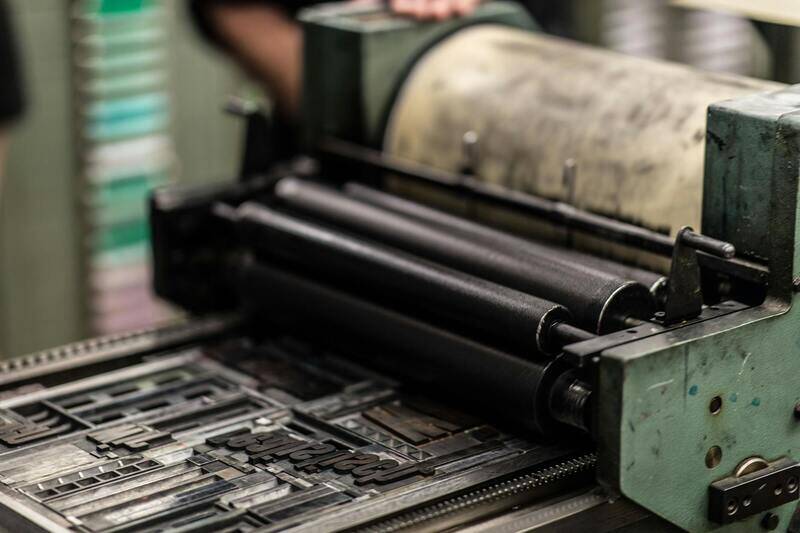
By leveraging these customization options, businesses can craft brochures that precisely match their communication objectives, ensure visual consistency with their branding, and leave a memorable impression on recipients. Thoughtful consideration of these elements guarantees that the final product effectively engages viewers and supports overall marketing strategies.
Effective Customization Options in Brochure Printing
Employing a range of proven customization options enables businesses to produce compelling brochures that resonate with their target audience. From choosing the right paper type to incorporating special finishes, each element contributes significantly to the overall impact of the marketing material. Selecting the appropriate combination of these options ensures that the brochure aligns seamlessly with the brand’s identity and marketing objectives.
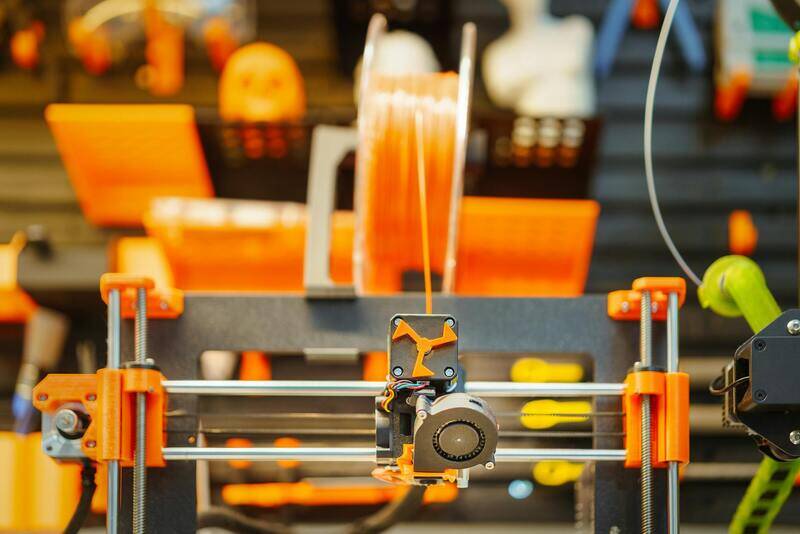
Selecting Optimal Paper and Finishes
The foundation of a high-quality custom brochure starts with its material. Paper weight and texture play critical roles in conveying the desired message and durability. For instance, heavier cardstock provides a premium feel, ideal for luxury brands and critical presentations. Textured papers, such as linen or felt finishes, add tactile richness, encouraging interaction and closer inspection.
Special finishes further elevate the visual and tactile appeal of brochures. Techniques like spot UV coating can highlight specific areas, creating a contrast between glossy and matte surfaces. Foil stamping adds metallic accents that catch light, emphasizing logos or headlines. Embossing and debossing introduce three-dimensional elements, giving the brochure a tactile dimension that invites touch and exploration.
Innovative Shapes and Custom Sizes
Moving beyond traditional rectangular formats, custom shapes and sizes provide opportunities for distinctive branding. Die-cut designs can create unique silhouettes, such as circular, oval, or custom-shaped brochures that stand out on display racks or direct mail. Varying the size or incorporating irregular edges allows brands to tailor their marketing materials for maximum visual interest while reinforcing their individual personality.
Binding and Fold Variations
Binding methods influence both durability and presentation. Saddle stitching is effective for multi-page brochures, offering a streamlined look suitable for catalogs or product catalogs. Perfect binding creates a polished, book-like appearance, ideal for comprehensive informational brochures. Spiral or wire binding permits flexibility and reuse, often preferred for periodic updates or handouts.
Fold types significantly affect layout and narrative flow. Besides common options like bi-fold and tri-fold, creative folds such as Z-fold, gate fold, or accordion styles provide engaging ways to present content dynamically. These folding styles not only enhance aesthetics but also facilitate storytelling, guiding viewers through information in an intuitive manner.
Customization as a Marketing Asset
Each customization option—from paper choice to finishing touches—serves as a strategic tool in shaping consumer perceptions. Well-designed custom brochures reflect professionalism, attention to detail, and brand sophistication. When executed thoughtfully, these marketing tools can effectively communicate complex messages, showcase product features, or reinforce brand identity with precision and style.
Enhancing Custom Brochure Appeal through Die-Cutting and Embossing
Utilizing die-cutting techniques allows for the creation of unique and eye-catching shapes that break away from traditional rectangular formats. This precision process involves cutting paper with custom knives to produce intricate patterns, cut-outs, or shaped edges that perfectly align with branding themes. Such designs can highlight specific aspects of a business, such as a logo or product silhouette, making the brochure more memorable and engaging.
Similarly, embossing introduces a tactile element to custom brochures by raising design features or text on the paper surface. This method adds depth and texture, creating a sophisticated sensation that enhances the perceived value of the printed material. When combined with high-quality paper, embossing can emphasize key messages or branding elements, offering a sensory experience that encourages audience interaction.
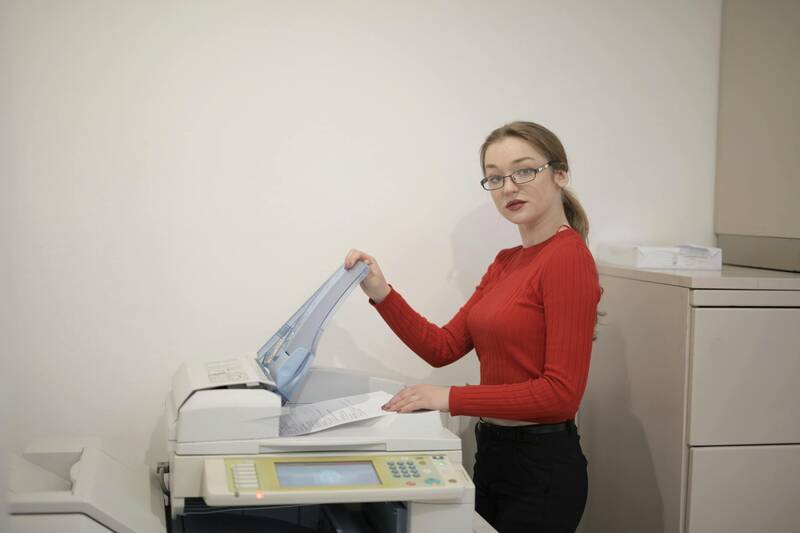
Innovative Printing Techniques for Superior Results
Contemporary printing methods such as UV coating, foil stamping, and matte or gloss finishes contribute significantly to the overall aesthetic of custom brochures. UV coating provides a durable, high-shine surface that enhances vibrant colors and protects against wear and tear. Foil stamping introduces metallic or pigmented accents, adding a luxurious feel that underscores premium branding.
Choosing between matte and gloss finishes depends on the desired visual impact; gloss offers eye-catching brightness ideal for vivid imagery, while matte provides a subdued, elegant look conducive to professional settings. Specialty printing techniques like spot UV or textured coatings allow brands to selectively enhance specific areas, drawing focus exactly where it is needed.
Ensuring Color Fidelity and Brand Uniformity
Accurate color reproduction is crucial for maintaining brand consistency across printed marketing materials. Using standardized color profiles such as CMYK and Pantone ensures that hues remain consistent regardless of batch or printing facility. Proper file preparation with high-resolution images and calibrated proofing processes can prevent discrepancies and undesirable color shifts.
Consistent use of brand colors, fonts, and imagery across all custom brochure copies strengthens brand recognition and reinforces visual identity. Engaging professional graphic designers or print specialists can further optimize color management, ensuring that the final product accurately reflects the intended brand palette.
Managing Order Quantities and Cost Efficiency
Determining the optimal quantity for custom brochures requires balancing budget constraints with marketing objectives. While larger orders benefit from lower per-unit costs through economies of scale, smaller runs enable more frequent updates and targeted campaigns. By analyzing distribution channels and audience size, businesses can avoid excess inventory while maintaining flexibility for campaign adjustments.
Offset printing is ideal for high-volume orders, offering consistent quality and cost savings, whereas digital printing provides quick turnaround times suitable for small to medium runs. Combining these methods strategically can yield a balance between quality, cost, and delivery schedules.
Strategic Distribution and Effective Usage of Custom Brochures
Once produced, a well-planned distribution approach maximizes the impact of custom brochures. Direct mail campaigns, trade show handouts, in-store displays, and networking events are common channels for placement. Tailoring the distribution method to target demographics ensures that the brochures reach the most receptive audiences.
In addition to physical dissemination, integrating brochures into digital marketing strategies—such as downloadable PDFs on websites or email attachments—broadens reach and provides measurable engagement metrics. Incorporating QR codes can facilitate seamless transitions from physical brochures to online content, nurturing leads and encouraging further interaction.
Advanced Printing Techniques for Custom Brochures
Generating high-quality custom brochures requires selecting appropriate printing techniques that align with the project's objectives, budget, and timeline. Each method offers distinct advantages in terms of output quality, production speed, and cost efficiency. Understanding these options enables businesses to make informed decisions that produce visually compelling materials while optimizing resource expenditure.
Digital printing stands out for its versatility and rapid turnaround capabilities, making it ideal for short runs or projects requiring quick updates. It allows for personalized content, enabling targeted marketing efforts without the need for expensive setup. The digital process uses advanced toner or inkjet technology to produce crisp details and vibrant colors, suitable for brochures with intricate graphics or photographs.
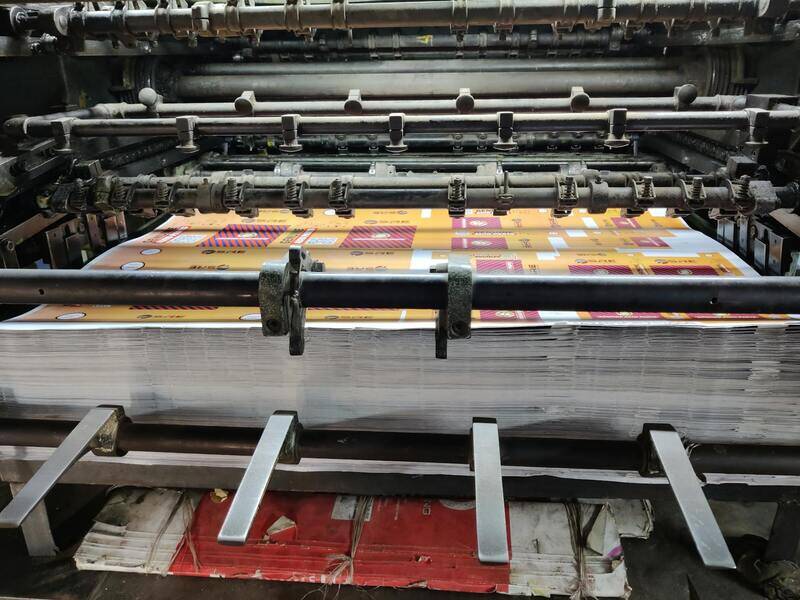
Offset printing remains the preferred choice for large-volume orders due to its cost-effective production of consistent, high-quality images and colors. This lithographic process involves creating metal plates for each color, ensuring precise color reproduction and sharp text. The initial setup costs are higher, but the per-unit expense decreases significantly with larger runs, making it advantageous for mass distribution campaigns.

Specialty printing techniques can elevate the tactile experience of custom brochures. Embossing, debossing, foil stamping, and spot UV coating add texture, shine, and visual interest, reinforcing brand identity and making materials more memorable. These finishing touches are especially effective for luxury brands, corporate reports, or promotional materials aiming to leave a lasting impression.
Choosing the right printing method involves weighing factors such as volume, deadline, budget, and desired quality. Combining digital and offset techniques often provides a strategic balance, using digital for proofs, short runs, and personalizations, while leveraging offset for large-scale production. Specialty finishes can be applied selectively to highlight specific sections or design elements, adding a layer of sophistication to the overall presentation.
Understanding Custom Brochures
Custom brochures are versatile marketing tools tailored specifically to meet the unique needs and branding objectives of a business or organization. Unlike standardized templates, custom brochures allow for the integration of specific design elements, color schemes, content structures, and finishing touches that resonate with the target audience. They serve multiple purposes, including promoting products or services, informing stakeholders, and enhancing brand visibility. The flexibility inherent in custom brochures ensures that each piece functions optimally within its intended marketing context, whether it’s a sleek corporate brochure, an interactive product catalog, or an engaging event program.
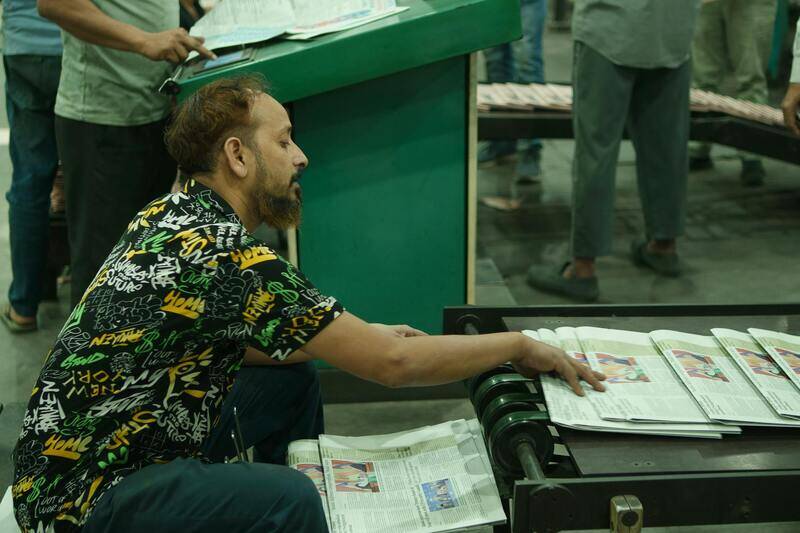
Design Principles for Custom Brochures
Effective custom brochures adhere to core design principles that improve readability, visual appeal, and overall communication effectiveness. Key elements include a clear hierarchy of information, balanced use of images and text, and consistent branding. Visual hierarchy guides the reader naturally through the content, emphasizing key messages and calls to action. Strategic use of white space prevents clutter where information is dense, making the brochure more inviting and easier to navigate. Color schemes and font choices should align with brand guidelines to reinforce brand recognition and convey the desired mood—whether professional, innovative, or approachable.
Moreover, the layout must be adaptable to various formats, ensuring compatibility across print sizes such as tri-folds, bi-folds, or custom-shaped folds. The inclusion of visual cues like icons or infographics simplifies complex information, making your message accessible and engaging. Custom illustrations or photography tailored to your brand can deepen emotional connection and reinforce your messaging. Attention to detail in design ensures the brochure not only looks appealing but also communicates your core values and unique offerings effectively.
Choosing the Right Materials and Finishes
Selecting appropriate materials and finishes is fundamental to producing a tactilely engaging and durable brochure. Paper weight is a primary consideration; thicker cardstock, such as 14-16pt, imparts a sense of quality and sturdiness, ideal for premium brands or important documentations. Matte finishes provide a sophisticated, non-reflective surface that enhances readability and reduces glare, suitable for detailed graphics or text. Conversely, gloss finishes amplify vibrancy, making colors pop and images appear more vivid—perfect for high-impact visual storytelling.
Specialty finishes elevate the tactile experience further. Soft-touch coatings lend a luxurious feel, while matte coatings add elegance and reduce fingerprints. Spot UV coatings selectively highlight specific areas—such as logos, headings, or images—drawing attention to key elements. Embossing and debossing create textures that can make certain text or graphics stand out physically, adding depth and sophistication. Foil stamping introduces metallic accents that evoke luxury and exclusivity, often used on logos or key titles to create a striking contrast. The choice of materials and finishes should align with your branding strategy, target audience preferences, and the overall message you wish to convey.
Customization Options in Brochure Printing
Printing technology offers a broad array of customization options that allow brands to create distinctive brochures. Variable data printing enables personalization at an individual level, such as inserting recipient names or tailored offers, which can significantly boost engagement. Custom fold lines yield creative formats beyond traditional bi-fold or tri-fold structures, offering innovative ways to present content and guide the reader through the material seamlessly. Special die-cut shapes can transform standard rectangular brochures into unique, eye-catching pieces that stand out even before being opened.
Beyond structural customization, finishing options like foil accents, embossing, and specialty coatings add a layer of sophistication and tactile interest. These choices help emphasize specific sections, create brand consistency through unique visual cues, and leave a memorable impression. Furthermore, options for UV coating or lamination not only enhance the durability of the brochure but also give it a high-end appearance that reflects quality. Customization extends to the choice of binding styles and reveals, which can accommodate longer content or multiple sections, providing flexibility for complex or detailed marketing materials.
Printing Techniques for High-Quality Brochures
Achieving superior print quality involves selecting appropriate printing techniques aligned with your project scope and desired finish. Digital printing is ideal for short runs, quick turnarounds, and personalized brochures. Its affordability and flexibility make it suitable for testing new designs or executing limited promotions with customized content. Offset lithography remains the gold standard for large-volume productions due to its ability to produce sharp images and consistent color reproduction at scale. This process utilizes metal plates etched with the image to be printed and is especially cost-effective for mass distributions, ensuring each brochure maintains the same high quality.
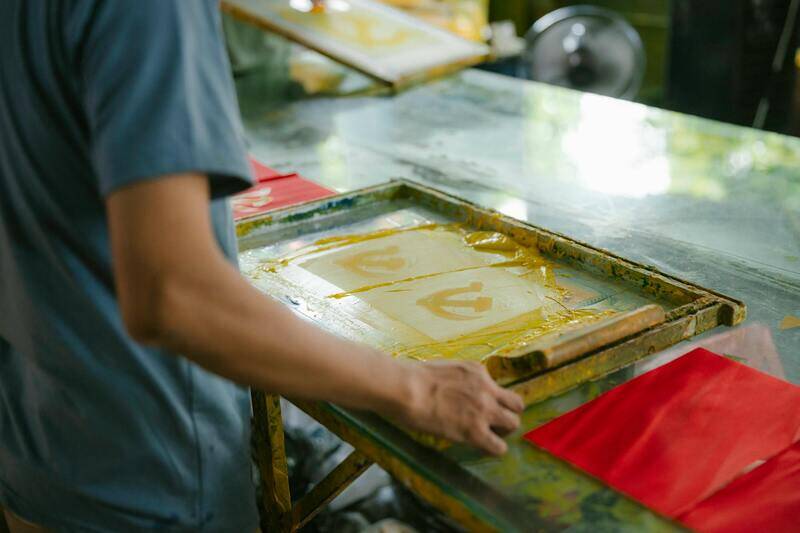
For brochures demanding intricate graphics or photographic imagery, specialty techniques such as induction printing or gravure printing may be employed. These methods facilitate high-definition reproductions with complex detail and rich color depth. Moreover, specialty finishes like embossing, foil stamping, and spot UV are typically layered onto offset or digital prints to add texture and visual interest. Combining these techniques allows for a customized, multi-dimensional look that captures attention and elevates brand perception.
To further enhance visual impact, some printers utilize wet inkset or high-density inkjet technologies to produce denser, more vibrant colors—especially useful for graphics that require a dramatic pop of color. When considering printing techniques, it’s important to balance quality, budget, and production volume to achieve the optimal result for your custom brochures, ensuring each piece reflects your brand professionalism and appeals to your target audience.
Understanding Custom Brochures
Custom brochures serve as versatile marketing tools, allowing businesses to present information, showcase products or services, and reinforce their brand identity through tailored designs and formats. Unlike standard templates, custom brochures are crafted to match the specific visual and functional needs of each organization, enabling targeted messaging that resonates with distinct audiences. They often incorporate unique layouts, personalized content, and distinctive finishes to elevate brand perception while effectively communicating core messages.
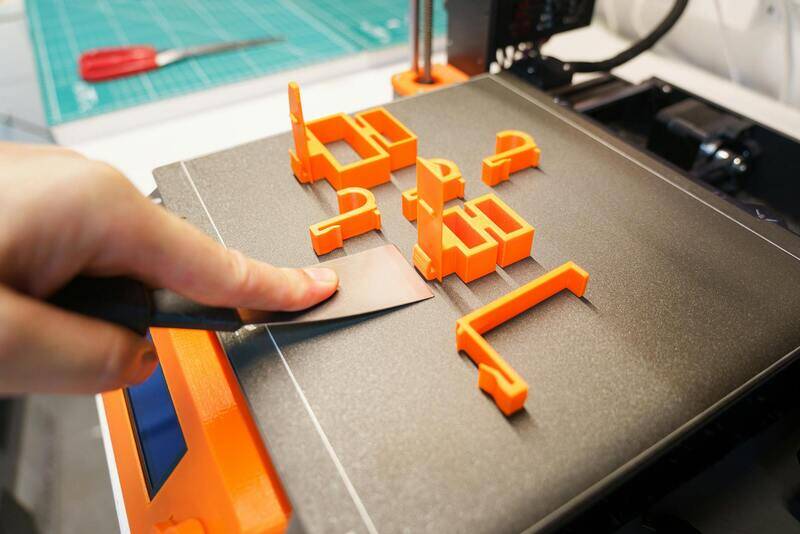
An essential consideration when creating custom brochures is understanding how their design and material choices influence perception and impact. Factors such as layout, typography, imagery, and overall aesthetic significantly affect how recipients perceive the professionalism and credibility of a brand. Moreover, custom brochures can be adapted to various purposes, including promotional campaigns, event invitations, product catalogs, and corporate reports. Their design flexibility ensures that they can be a vital component in integrated marketing strategies.
Design Principles for Custom Brochures
Effective design is rooted in clarity, visual hierarchy, and brand consistency. It begins with a detailed understanding of the target audience and the core message intended to resonate with them. Layouts should be clean, ensuring that key information stands out without overwhelming the reader. Consistent use of brand colors, fonts, and imagery reinforces identity and helps establish a recognizable appearance.
- Hierarchy: Use size, color, and placement to emphasize important elements.
- Whitespace: Proper spacing improves readability and creates a polished look.
- Imagery: High-resolution images aligned with brand identity add visual interest and credibility.
- Typography: Clear, legible fonts that support the overall aesthetic.
Adhering to these principles ensures that custom brochures are not only visually appealing but also effectively communicate the intended message with clarity and professionalism.
Choosing the Right Materials and Finishes
The tactile experience of a brochure plays a crucial role in how it is perceived. Selecting appropriate materials and finishes enhances durability and aesthetics, making your printed piece stand out. Common options include heavyweight cardstock for a premium feel or lighter papers for cost-effective distribution. Finishes such as matte, gloss, or satin coatings influence the visual texture and protect the printed surface.
- Paper Selection: Heavier weights (e.g., 14-16pt) convey quality, while lighter options (e.g., 100lb gloss text) offer affordability.
- Finishes: Matte finishes provide a sophisticated look, gloss enhances vibrancy, and satin offers a balanced sheen.
- Special Touches: Embossing, foil accents, or UV coatings can add dimensionality and visual interest.
These choices should align with the overall brand image and the brochure's intended use to create a compelling and durable marketing material.
Customization Options in Brochure Printing
Modern printing technology offers a multitude of customization options that cater to specific branding needs. Beyond standard sizes and folds, options include die-cut shapes, custom inserts, and fold types such as z-folds, tri-folds, or gate folds. Personalization extends to variable data printing, enabling each brochure to be tailored with individual recipient details, increasing engagement and response rates.
- Folding Styles: Different folds facilitate creative layouts and compact storage.
- Die-Cutting: Custom shapes or windows create memorable impressions.
- Variable Data: Incorporating personalized content based on recipient data increases relevance.
- Special Effects: Spot UV, embossing, and foil stamping provide tactile and visual differentiation.
These customization options enable the creation of brochures that are distinctive and aligned with brand storytelling, making a lasting impact on viewers.
Printing Techniques for High-Quality Brochures
The choice of printing technique profoundly influences the final appearance and quality of brochures. Digital printing is ideal for small runs, quick turnaround times, and personalized content, offering high fidelity in reproducing images and colors. Offset lithography remains a preferred method for larger quantities, delivering sharp image reproduction and consistent color across extensive runs.
- Offset Lithography: Suitable for large-volume production with exceptional quality and consistency.
- Digital Printing: Cost-effective for short runs, customization, and rapid delivery.
- Specialty Techniques: Induction printing, gravure, and flexography may be employed for intricate graphics or specific surface effects.
Applying the right printing technique aligned with project scope ensures the production of impressive, durable, and visually compelling brochures that reinforce your brand’s professionalism and attention to detail.
Effective Distribution and Strategic Use of Custom Brochures
After investing in high-quality custom brochures, it is essential to strategize their distribution to maximize reach and engagement. Proper dissemination of your brochures ensures that your target audience receives your message effectively and leaves a lasting impression. Consider a multi-channel approach that aligns with your marketing goals and audience preferences.
Targeted Distribution Channels
- Direct Mail Campaigns: Sending tailored brochures directly to prospective clients or loyal customers fosters personal connection and enhances brand recall. Use targeted mailing lists to ensure relevance and increase response rates.
- Event Handouts: Distributing brochures at trade shows, conferences, or community events helps in engaging a concentrated audience interested in your offerings. It also allows for immediate engagement and follow-up opportunities.
- In-Store and Point-of-Purchase Displays: Placing brochures at strategic locations within your business premises or retail spaces encourages spontaneous interest and provides additional product or service information to customers.
- Partnerships and Collaborations: Sharing your brochures with complementary businesses or industry partners can expand your reach and leverage existing networks for mutual benefit.
- Content Integration in Digital Campaigns: While printed brochures are tangible assets, integrating their content into your digital marketing strategies—such as email newsletters or downloadable PDFs—can reinforce your message across various platforms.
Maximizing Brochure Impact
- Placement and Visibility: Ensure brochures are placed in high-traffic areas where potential clients are likely to see and pick them up. Regularly refresh stock to prevent wear and maintain visual appeal.
- Call-to-Action Clarity: Incorporate clear and compelling calls to action that guide recipients towards desired responses, whether it's visiting a website, calling your sales team, or visiting your location.
- Personalization and Follow-Up: When possible, personalize the distribution process. Follow up with recipients through calls or emails to nurture leads generated from brochure campaigns.
- Tracking and Feedback: Use unique codes or dedicated contact points to track brochure engagement. Collect feedback to refine future distribution strategies and improve content relevance.
Measuring Success and Adjusting Strategies
Implementing a system for evaluating the effectiveness of your brochure distribution is crucial. Monitor metrics such as response rates, leads generated, and sales conversions. Analyzing this data allows for strategic adjustments, ensuring that future campaigns are more targeted and cost-effective. Regularly update your distribution list and tailor your messaging to evolving customer preferences, maintaining a dynamic approach that keeps your brand top-of-mind.