Introduction to Custom Brochure Printing
Custom brochure printing is a strategic tool used by businesses and organizations to effectively communicate their brand message, showcase products or services, and engage their target audience. Unlike generic or pre-designed brochures, custom printing allows for tailored designs that reflect the unique identity of a company, providing flexibility in layout, content, and overall presentation. This method is essential for companies aiming to stand out in competitive markets, as it ensures that their promotional materials are not only visually appealing but also aligned with their brand ethos.
In the context of marketing and branding, a well-designed, professionally printed brochure acts as a tangible representation of a business. It facilitates direct communication with potential clients, partners, or customers by providing comprehensive information in an accessible format. The importance of custom brochure printing extends beyond aesthetics; it encompasses strategic communication, brand recognition, and customer engagement. As a versatile marketing collateral, custom brochures can be distributed at trade shows, sent via mail campaigns, or placed at strategic locations, making them an indispensable part of a business’s promotional arsenal.
With the evolution of digital printing technologies and innovative design options, businesses now have the ability to produce high-quality, personalized brochures tailored to specific campaign needs. This flexibility enhances the effectiveness of marketing strategies by allowing brands to adapt their messaging to different target segments, geographic locations, or product launches. From single-fold leaflets to multi-page booklets, custom brochure printing offers an array of formats and styles that cater to diverse requirements, making it a vital component in comprehensive promotional efforts.
Design Considerations for Custom Brochures
Creating an impactful custom brochure begins with meticulous design planning. The visual elements, layout, and overall aesthetic must align with the brand’s identity and appeal to the target audience. Choosing the right color palette, typography, and imagery plays a crucial role in conveying the intended message effectively. Consistency in branding, including logo placement and brand colors, strengthens recognition and recall among viewers.
Strategic content placement ensures that the most vital information captures attention immediately. Clear headlines, concise descriptions, and compelling calls-to-action guide readers seamlessly through the brochure. Incorporating whitespace thoughtfully prevents clutter, making the content easily digestible and visually appealing. When considering design, it’s important to optimize for both digital viewing and print quality, ensuring that images and text remain sharp and vibrant across different formats and printing techniques.
Materials and Finishing Options
The choice of materials significantly impacts the durability, aesthetic, and perceived value of the brochure. Standard options like coated or matte paper offer different tactile sensations and visual effects—glossy finishes provide vibrancy, while matte finishes lend sophistication. When selecting paper weight, thicker stock communicates quality and longevity, ideal for premium branding.
Finishing touches such as lamination, embossing, or spot UV coating can elevate the brochure’s visual impact and tactile experience. Spot UV, for example, highlights specific areas with a glossy layer, drawing attention to key messaging or branding elements. Embossing adds a tactile dimension, making particular features or logos stand out physically, which enhances memorability and perceived quality.
Printing Techniques and Technologies
Advancements in printing technologies enable precision and high-quality output for custom brochures. Offset printing remains ideal for larger quantities, offering consistent color reproduction and cost-efficiency at scale. Meanwhile, digital printing provides flexibility for short runs and rapid turnaround times, making it perfect for personalized campaigns.
Specialized techniques such as foil stamping or die-cutting can add unique textures and shapes to brochures. Foil stamping creates a metallic finish that adds luxury and visual interest, while die-cutting allows for creative shapes and windows, making the brochure more engaging. These techniques, combined with high-resolution prints, ensure each piece reflects professionalism and attention to detail.
Choosing a Printing Service Provider in Singapore
When selecting a printing partner, consider their expertise in custom brochure production, range of available materials and finishes, as well as their ability to meet deadlines. A reliable service provider should offer sample proofs, transparent pricing, and clear communication throughout the project. Industry reputation and client reviews can also provide insights into their consistency and quality standards.

Cost Factors and Budgeting for Custom Brochures
Pricing for custom brochures depends on several factors, including paper choice, size, page count, finishing options, and order quantity. While premium materials and special finishes increase costs, they also enhance the brochure’s perceived value and effectiveness. Bulk orders typically reduce the per-unit price, making large-scale campaigns more economical.
Allocating a realistic budget ensures quality output without compromising your marketing goals. It’s essential to compare quotes from multiple printers, review their included services, and consider the long-term benefits of durable, high-quality brochures that leave a lasting impression on recipients.
Materials and Finishing Options
When selecting materials for custom brochure printing, it is essential to consider both aesthetic appeal and durability. Standard options include gloss, matte, or satin finishes, each offering different visual effects and tactile sensations. Glossy finishes enhance vibrant colors and sharp images, making visuals pop, whereas matte finishes provide a sophisticated, subdued look that minimizes glare, ideal for text-heavy designs. Satin finishes strike a balance, offering a smooth sheen with less reflectivity, suitable for a broad range of designs.
In terms of paper stock, choices range from lightweight, economical options to heavyweight, premium substrates. Thick, sturdy paper not only contributes to the tactile quality but also conveys a sense of quality and professionalism. For added durability, especially if the brochures will be handled frequently or exposed to the elements, consider using linen, textured, or recycled materials. These options offer unique textures that can enhance brand identity and leave a lasting impression.

Finishing touches can significantly impact the perceived value of a brochure. Protective coatings, such as UV varnishing or aqueous coating, help preserve print quality and provide resistance against fingerprints, smudges, and fading. Special effects like soft-touch coatings give the surface a velvety feel that exudes luxury, making your brochure stand out in a stack of simpler pieces. Embossing and debossing techniques can add tactile dimension and highlight specific elements, such as logos or headlines, enhancing overall visual interest.
Other options include die-cutting to create custom shapes, windows, or overlays, which add a creative edge to your design. Spot UV coating can selectively highlight areas with a shiny, high-gloss finish, drawing attention precisely to key messages or visuals. These enhancements not only elevate the aesthetic appeal but can also reinforce brand recognition by adding distinctive, memorable features to your marketing collateral.
Choosing the appropriate combination of materials and finishing options depends on your target audience, budget, and overall branding strategy. Working with a knowledgeable printing provider ensures you can explore the best options to match your vision while keeping within your financial parameters.
Traditional Printing Methods for Custom Brochures
When investing in custom brochure printing, selecting the right printing method is crucial for achieving desired quality and cost-effectiveness. Conventional offset printing remains a popular choice for producing high-volume brochures with consistent color accuracy and excellent detail reproduction. This technique involves transferring ink from plates to rubber blankets before printing onto paper, making it suitable for large quantities where economies of scale can significantly reduce costs. Offset printing also allows for precise color matching, which is essential when maintaining brand consistency across marketing materials.
Digital printing has gained prominence due to its flexibility and shorter turnaround times, especially advantageous for smaller runs or when quick updates are needed. This method directly transfers digital images onto paper using high-quality inkjet or laser technology, resulting in vivid prints with sharp details. Digital printing also simplifies the process of customizing brochures, enabling the creation of variable data printings—such as personalized greetings or targeted messaging—without incurring additional setup costs.
For environmentally conscious brands, eco-friendly printing options are available that utilize vegetable-based inks and sustainable paper stocks. These methods align with sustainability efforts while ensuring print quality and durability. Some providers also offer hybrid solutions, combining offset and digital techniques to optimize both cost and quality depending on the specific requirements of each project.
- Order Size: Offset is more cost-effective for large quantities; digital suits smaller, customized batches.
- Design Complexity: Offset provides higher color precision, ideal for complex designs with multiple colors.
- Turnaround Time: Digital offers faster production times, perfect for urgent projects.
- Budget: Digital printing generally has lower initial setup costs, benefiting smaller budgets.
Reliable and Secure Official Printing Methods for Custom Brochures
When producing high-quality custom brochures, selecting the right printing method is essential to achieving professional results that meet brand standards. Established printing services employ a variety of official techniques that ensure durability, color fidelity, and consistency throughout the production process. These methods have been refined over decades to provide businesses with dependable options for creating impactful marketing materials.
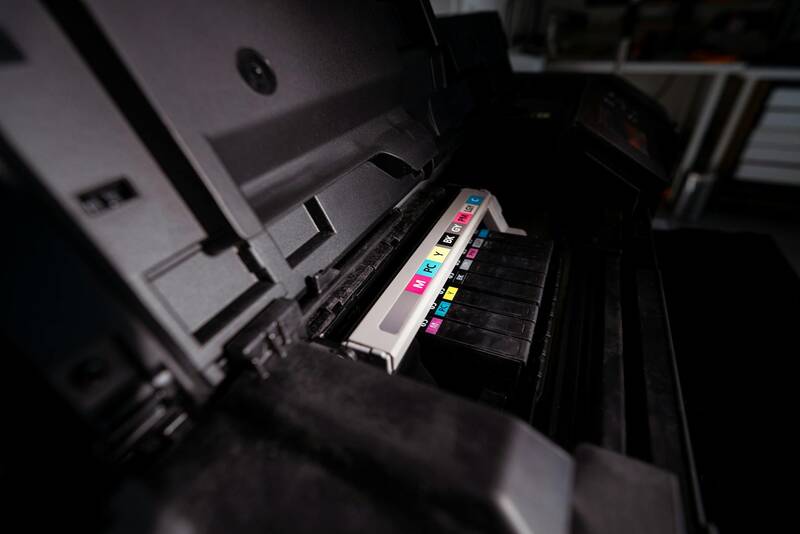
Digital printing is widely valued for its rapid turnaround and high customization capabilities. This process involves directly transferring digital images onto paper using high-precision inkjet or laser systems. It is especially suitable for small to medium runs, personalized messages, and projects requiring frequent updates, as it minimizes setup time and costs. Digital printing allows for intricate designs, variable data printing, and precise color matching, making each brochure unique and tailored to specific audiences.

Offset printing, on the other hand, remains a popular choice for larger-scale production due to its ability to deliver consistent color quality across high volumes. This technique involves creating printing plates for each color, which transfer ink onto the paper through a series of rollers. Offset printing produces sharp, vibrant images with precise color calibration, making it ideal for complex designs and brand-authentic color schemes. Although offset requires longer setup times, its cost efficiency becomes evident during bulk productions.
Specialized finishing techniques also play a key role in enhancing brochure professionalism. These include UV coating for a glossy, protective layer, matte finishes for a subdued elegance, and matte or gloss lamination for added durability. Foil stamping, embossing, and die-cutting are additional official methods used to create textured, eye-catching details that draw attention and reinforce brand identity securely.
Maintaining Consistency with Certified Printing Supplies and Processes
To guarantee top-tier quality that aligns with your design vision, it's vital to work with providers who utilize official, certified printing supplies. Use of authorized inks and papers ensures color accuracy, adhesion, and the longevity of the printed material. Certified printers follow strict industry standards, which means their equipment and consumables undergo regular calibration and quality controls. This commitment secures consistent output, minimizing risks of misprints or color discrepancies that could compromise branding efforts.
Moreover, many reputable printing services adhere to environmental standards and ethical sourcing, employing eco-friendly inks and sustainable paper stocks. This dedication not only supports corporate social responsibility but also enhances the credibility of your marketing campaign by highlighting sustainable practices.
Technological advancements in digital and offset presses also include built-in safety and quality assurance features, such as automated color management and real-time print monitoring. These official methods enable providers to deliver brochures with precise color matching, sharp image clarity, and consistent finishing, reinforcing your brand’s professional image.
Investing in Proven and Documented Printing Protocols
Effective customization relies on disciplined utilization of verified workflows and industry-standard procedures. Trusted printing companies follow detailed protocols regarding file preparation, proofing, color calibration, and material handling. Utilizing official color profiles and adhering to specific DPI requirements guarantees that the digital files translate accurately into the final print product. Routine proofing steps—such as soft proofs, hard proofs, and calibration checks—permit modifications before mass production, thereby reducing waste and rectifying issues early in the process.
To further secure the integrity of the final product, clients are encouraged to request test samples or mock-ups that demonstrate the intended design, finishes, and material quality. These samples allow for verification and adjustments, ensuring the finished brochures meet expectations. Such official practices and documented procedures establish accountability, streamline production, and foster confidence in the project’s outcome.
Printing Techniques and Technologies
Employing the right printing techniques is essential to achieving high-quality custom brochures that effectively communicate your brand message. Modern printing methods, such as digital printing and offset printing, offer distinct advantages depending on project scope, design complexity, and order volume. Digital printing is often favored for short runs due to its quick turnaround and cost-efficiency, allowing for personalized content and rapid adjustments. Conversely, offset printing excels in large-volume productions, providing superior image clarity, color consistency, and high attention to detail, making it ideal for complex designs that demand precise reproductions.
Advanced printing technologies incorporate built-in safety and quality assurance features, which include automated color management systems and real-time print monitoring. These functionalities ensure that each brochure maintains color accuracy and sharpness, adhering to strict standards throughout production. The integration of such features diminishes the potential for errors, reduces waste, and ensures a consistent look from the first print to the last copy. For organizations aiming to uphold a professional image, leveraging these official printing methods guarantees that the final product aligns with brand standards and presentation expectations.

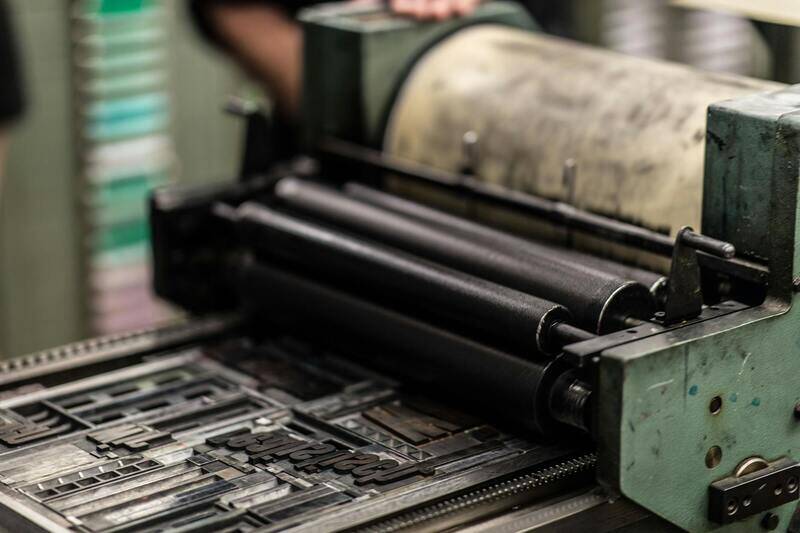
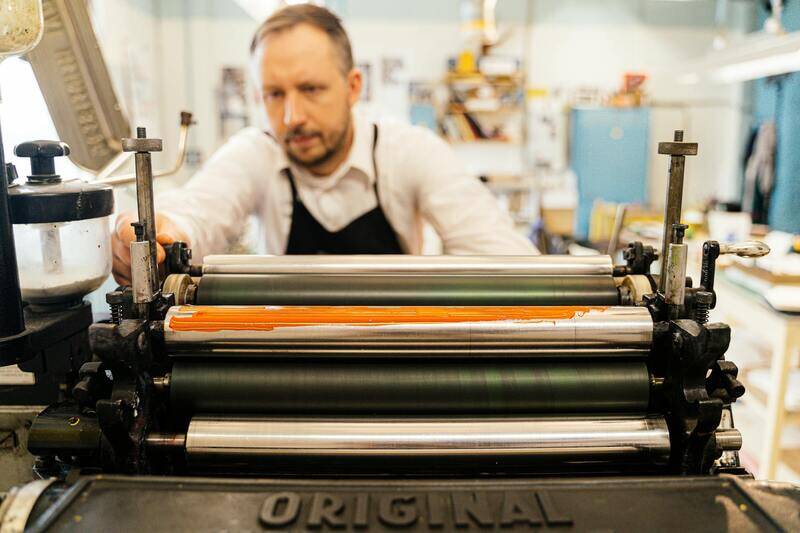
Offset presses, for instance, utilize lithographic processes that transfer ink from plates onto a rubber blanket, then onto paper, resulting in exceptional detail and color vibrancy. Digital presses, on the other hand, use digital files directly to produce prints, allowing for flexible customization, quick setup, and minimal lead times. Both approaches employ official and documented protocols for file preparation, color calibration, and quality control, which are crucial in producing reliable and professional brochures.
Documentation and adherence to industry standards, such as proper DPI settings, color profiles, and proofing procedures, are fundamental components of quality assurance. Routine soft proofs and hard proofs serve as critical checkpoints, allowing for design adjustments prior to full-scale production. Official testing methods, including calibration and sample testing, help verify that the print output closely matches the intended design, thereby minimizing errors and ensuring a polished final product.
Investing in trusted printing protocols and technologies not only enhances the visual quality of your brochures but also streamlines production processes. Clients are encouraged to request test samples to review finishes, material compatibility, and overall print quality—these test runs are part of established procedures that reinforce accountability and ensure the final product meets specified expectations.
Choosing a Reliable Printing Method for Custom Brochures
When it comes to selecting an official printing method for your custom brochures, understanding the distinctions between different techniques is essential. Two principal approaches—offset printing and digital printing—offer distinct advantages, each adhering to strict industry standards to ensure consistent quality and vibrant results.

Offset Printing: Precision and Color Fidelity
Offset lithography remains the preferred choice for large-volume brochure printing owing to its ability to produce highly detailed images with excellent color accuracy. This process involves transferring ink from metal plates to rubber blankets and then onto the printing substrate, typically high-quality paper stock. Offset presses operate under meticulous protocols—regular calibration, precise color management, and thorough inspection—to guarantee that each print run meets exact specifications. These procedures are documented and rigorously followed, ensuring each brochure maintains consistency throughout the batch.
Furthermore, offset printing employs official color matching methods like Pantone color systems and standardized ICC profiles, facilitating precise reproduction of brand colors. Conducting sample proofs before mass production is a standard step, where clients can verify color accuracy, gloss levels, and finish effects. This official process minimizes production errors and reduces waste, providing a trustworthy foundation for creating impactful marketing materials.
Digital Printing: Flexibility and Speed
Digital printing is recognized for its quick turnaround times and cost-efficiency for short runs. Modern digital presses use advanced techniques like toner or inkjet technology, which adhere to strict operational standards to produce high-quality output. They involve precise digital workflows—file preparation adhering to DPI and color profiles—and routine calibration checks to maintain color consistency. Digital presses excel at customization, allowing for variable data printing such as personalized messages, QR codes, or targeted images, all managed through official data management protocols.
All digital processes incorporate rigorous testing phases, including soft proofs and sample prints, that confirm the accuracy of colors and images. This official, step-by-step quality assurance protocol ensures that each brochure adheres to client specifications, minimizing the margin of error. Digital printing's compliance with industry-standard procedures makes it an excellent choice when fast delivery and customization are priorities.
Implementing Official Quality Checks and Standards
Whether employing offset or digital techniques, adherence to documented industry standards is fundamental. This includes appropriate file formats, resolution settings (typically 300 DPI or higher), color management workflows, and consistent proofing procedures. Clients are encouraged to review and approve proofs before full-scale production—these proofs are created through documented processes to confirm that the final print meets all expectations.
Additionally, official test methods such as calibration of printing devices, color verification against standardized color charts, and sampling tests on test sheets are integrated into the production pipeline. This systematic approach not only guarantees top-tier brochure quality but also fosters transparency and accountability between service providers and clients.
Visual Representation of Printing Processes

Official Methods to Ensure the Quality of Your Custom Brochure Printing
When selecting a service provider for custom brochure printing, understanding the official processes and procedures they follow can significantly influence the final product's quality. Reputable print companies adhere to established industry standards and employ certified methods to guarantee accurate, vibrant, and durable outputs. This dedication to quality involves a series of systematic steps designed to meet client specifications and maintain consistency across all printed materials.
Adherence to Industry Standards and Protocols
Leading printing services strictly follow documented protocols and standards that govern the entire production process. They utilize high-resolution digital files that comply with prescribed resolution settings, typically 300 DPI or above, ensuring crisp detail and sharp imagery. The use of standardized color profiles, such as ICC profiles, guarantees color accuracy and consistency across different batches and printing runs. These standards also dictate proper file formats, with PDF/X being the preferred format for press-ready files, minimizing errors and misinterpretations during printing.
Rigorous Proofing and Sample Approval Processes
Prior to full-scale production, official proofing procedures are implemented. This includes creating digital proofs and physical samples that replicate the final product as closely as possible. Clients are provided with these proofs for review and approval, ensuring that colors, layout, and content meet expectations. This step acts as a formal checkpoint, reducing the likelihood of costly reprints or corrections after printing has commenced.
Calibration and Testing of Printing Equipment
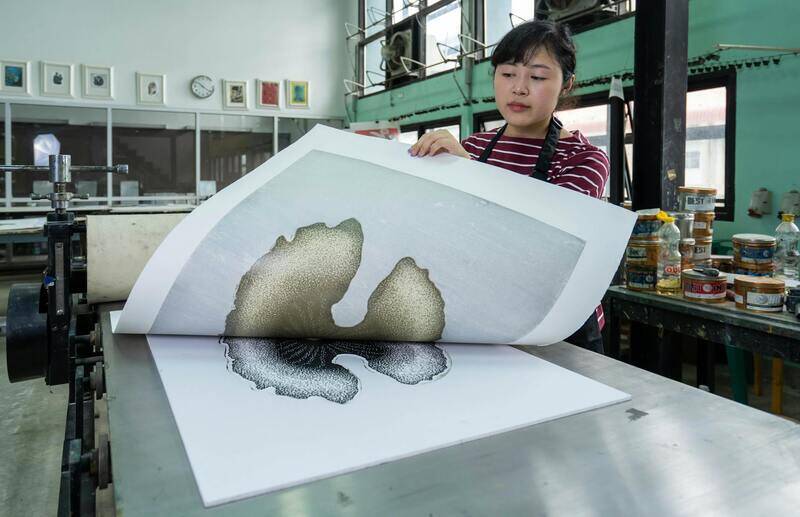
To maintain high standards, official print providers routinely calibrate their printers using standardized color charts and calibration tools. This calibration process aligns color output with industry standards, guaranteeing that the printed brochures reflect the expected hues and shades. Regular testing, including color verification with standardized references, helps catch deviations early and maintain consistency throughout different print runs.
Quality Control Checkpoints Throughout Production
Throughout the printing process, designated quality control checkpoints verify that each stage of production adheres to pre-established standards. These checkpoints include checking paper quality and thickness, inspecting color fidelity and registration (alignment of colors and images), and verifying finishing details such as folding, binding, and lamination. Any discrepancies identified at these stages are addressed immediately, preventing substandard batches from reaching clients.
Completion of Formal Quality Certifications and Documentation
Many official printing service providers possess industry-recognized certifications that demonstrate their compliance with quality management systems. These certifications serve as formal attestations to their commitment to quality and reliability. Additionally, comprehensive documentation such as production reports and quality assurance certificates accompany printed brochures, providing transparency and accountability for clients.
Collaborating with Established and Certified Printing Services
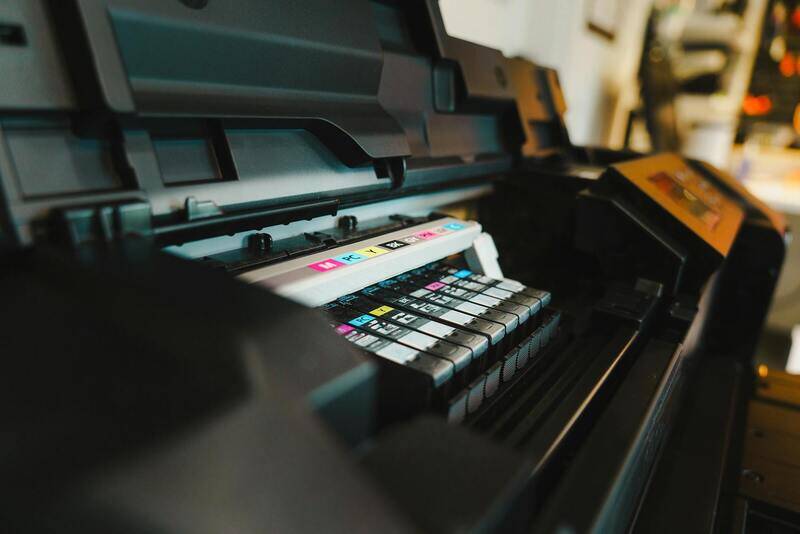
Engaging with companies that are part of recognized industry associations or who have received official accreditations ensures that your custom brochures are produced following best practices. These organizations often enforce strict guidelines and periodic audits that compel members to uphold high standards in all aspects of printing, from raw material sourcing to final output. By choosing such providers, clients can be confident that their brochures are created through legitimate, certified methods that prioritize quality and consistency.
In Summary
- Selection of well-qualified, certified printing companies following documented procedures.
- Implementation of comprehensive proofing and client approval protocols.
- Routine calibration and testing of printing equipment for color accuracy.
- Incremental quality checks during production to identify and correct issues promptly.
- Utilization of certified materials and adherence to strict finishing standards.
Understanding and verifying that your custom brochure printing process follows these official methods not only guarantees a high-quality finished product but also secures a reliable and professional service experience. Always request proof of quality measures and certifications when engaging with a printing service provider to ensure your marketing collateral truly reflects your brand’s standards and expectations.