Understanding the Purpose of Professional Brochures
In the competitive landscape of the printing services industry, professional brochures serve as a vital marketing asset that effectively communicates a company's offerings, values, and expertise to potential clients. These printed materials are not merely informational; they are strategic tools designed to capture attention, foster a sense of trust, and incite engagement. A well-crafted brochure seamlessly blends visual appeal with compelling content to reflect the professionalism and reliability of the business it represents.
The primary goal of a professional brochure is to establish a memorable brand presence. It functions as a tangible representation of a company's identity, showcasing core strengths and unique selling propositions in a concise format. Because brochures are often the first point of physical contact between a business and a prospective client, their quality and design directly influence perceptions and future opportunities.
Furthermore, brochures serve to educate the reader about specific services, products, or industry expertise. They are tailored to highlight how a company stands out from competitors by emphasizing specialized features, customer benefits, and proven results. This educational component builds credibility and confidence, encouraging potential clients to initiate contact or engage further with the company's offerings.
Another essential purpose of professional brochures is to guide prospects through a call to action. Whether it is encouraging inquiries, inviting visits to a website, or prompting purchases, the brochure's content and layout are crafted to lead the reader toward a tangible next step. The design elements, imagery, and messaging are strategically aligned to maximize response rates and return on investment.

In sum, professional brochures are more than just printed materials; they are comprehensive marketing assets that establish credibility, demonstrate expertise, and foster engagement. In an industry where first impressions matter significantly, investing in high-quality brochures ensures a lasting impact, positioning a business as a leader capable of meeting client needs with professionalism and precision.
Choosing the Right Printing Materials and Finishes
Opting for high-quality materials is fundamental in producing professional brochures that leave a positive, lasting impression. The selection of paper stock significantly influences the brochure's tactile experience and durability. Heavier cardstock, such as 14pt or 16pt paper, provides a sturdy feel that conveys quality and professionalism, ideal for brochures intended for high-end markets or detailed informational content. For a more luxurious touch, incorporating textured or matte finishes can add a sophisticated appearance, reducing glare and making reading comfortable, especially in well-lit environments.
Finishes such as gloss, matte, or satin each deliver distinctive visual effects and protective qualities. Gloss finishes amplify color vibrancy and crispness, making images and branding stand out vividly. Conversely, matte finishes offer a subdued, elegant look that minimizes fingerprints and glare, ideal for brochures that emphasize text readability. Satin finishes strike a balance, providing a smooth sheen with good color reproduction and a soft touch. The choice of finish should align with the brand personality and the message’s tone, ensuring cohesion across all marketing collateral.
Embedding additional features like UV coatings can further enhance durability and visual impact, protecting critical details from wear and tear. Soft-touch coatings, often used in luxury brochures, provide a velvety surface that intuitively communicates exclusivity and quality. These refinements not only contribute to a premium appearance but also demonstrate a company's commitment to excellence, reinforcing the credibility of the printed material.
Material and finish choices should be guided by the brochure's purpose, target audience, and distribution context. For instance, a brochure meant for mailing should incorporate finishes resistant to handling and environmental factors, such as waterproof coatings or tear-resistant stocks. When combining these elements thoughtfully, companies can produce brochures that not only visually impress but also withstand the rigors of distribution and storage, reinforcing their image of professionalism and reliability.
Understanding these options and selecting the appropriate combination ensures that the final product aligns perfectly with strategic marketing goals, elevating the overall brand perception and engagement level.
Understanding the Purpose of Professional Brochures
Professional brochures serve as a vital touchpoint between a business and its target audience, encapsulating key messages, branding elements, and value propositions in a tangible format. They are designed to inform, persuade, and establish credibility, functioning as a portable portfolio that showcases expertise, products, or services. Unlike digital advertisements, brochures provide a multisensory experience through high-quality print, engaging recipients with tactile interaction and vivid imagery. This creates a lasting impression, fostering trust and recognition that can influence purchasing decisions or client engagement.
By carefully crafting content and design, businesses can effectively communicate their unique selling points, demonstrate industry leadership, and build a professional image. Brochures also support multiple strategic objectives, including lead generation, brand reinforcement, and event promotion. Their physical presence can serve as a tangible reminder of your offerings, especially when distributed at trade shows, corporate meetings, or direct mail campaigns. When executed with precision, professional brochures bridge the gap between branding and customer interaction, elevating overall marketing efforts.
Key Elements of a Well-Designed Brochure
Designing an impactful brochure involves multiple key elements, each contributing to clarity, aesthetic appeal, and effectiveness. These include a compelling headline that captures attention immediately, visually appealing imagery that supports the narrative, and concise yet informative copy that communicates core messages. Effective use of typography ensures readability and guides the reader seamlessly through the content, while a clean layout maintains focus on the most critical information.
Another crucial component is the strategic placement of calls-to-action (CTAs), encouraging recipients to take the next step, whether it’s visiting a website, making contact, or attending an event. Color schemes should align with branding guidelines, reinforcing recognition and emotional resonance. Consistency across all design elements fosters professionalism, ensuring the brochure reflects the business's values and industry standards.
Typography and Color Usage
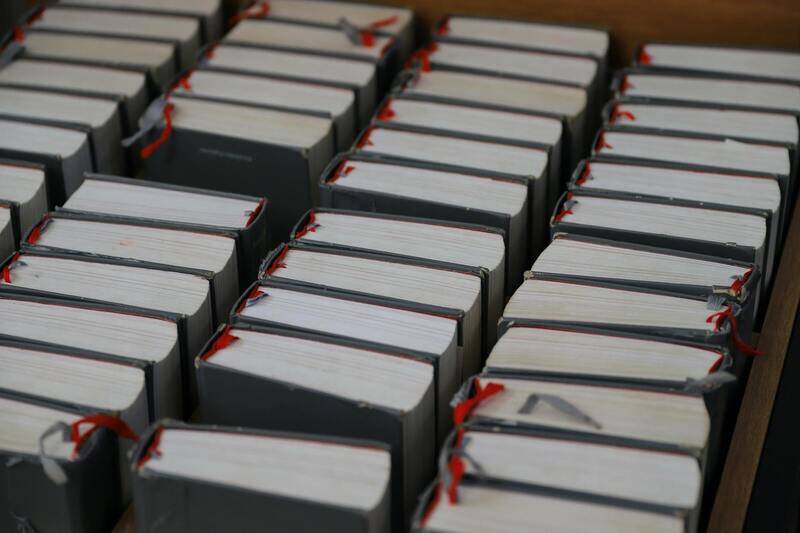
- Clear, legible fonts tailored to the target audience and brand personality.
- Color palettes that reinforce brand identity and evoke appropriate emotional responses.
- Hierarchy in font size and weight to emphasize key messages and guide reading flow.
Imagery and Graphics
- High-resolution images that highlight products or services effectively.
- Custom graphics and icons to simplify complex information.
- Consistent visual language that supports overall messaging.
Effective Content Strategy for Brochures
A strategic approach to content ensures the brochure resonates with its intended audience and delivers maximum impact. Start by defining clear objectives and understanding the specific needs and interests of your target demographic. Follow with creating compelling headlines and engaging subheadings that guide the reader naturally through the material. Keeping content concise, relevant, and persuasive helps maintain interest and encourages action. Incorporating testimonials, case studies, or data-driven insights adds credibility and supports your claims.
Additionally, consider the tone and voice that align with your brand identity. Formality, humor, or professionalism should reflect your company's personality while remaining authentic and respectful of your audience’s preferences. Employing a consistent narrative style across all sections creates a cohesive reading experience that motivates recipients to connect with your brand on a deeper level.
Choosing the Right Printing Materials and Finishes
Once the brochure design and content have been finalized, selecting appropriate printing materials and finishes becomes crucial in achieving a professional and durable product that resonates with your brand. The quality of print materials not only influences the visual appeal but also impacts the tactile experience, which can significantly affect perceptions of your business. The choice of paper and finish should align with the brochure's purpose, target audience, and brand personality.
Selecting the Correct Paper Stock
When opting for professional brochures, the paper stock is one of the most defining elements. Common choices include:
- Matte Finish: Ideal for readability, reduces glare, and provides a sophisticated look suited for corporate, luxury, or minimalist designs.
- Glossy Finish: Enhances colors and imagery, making photographs appear vibrant and eye-catching—perfect for product-focused brochures.
- Satin or Silk Finish: Combines the best of matte and gloss, providing a smooth touch with enhanced color depth and image clarity.

Finishing Techniques to Enhance Appeal
Adding specific finishes can transform a standard brochure into a luxury marketing tool. Popular options include:
- UV Coating: Adds a shiny, protective layer that makes colors pop; resistant to scratches and fingerprints.
- Soft Touch Coating: Provides a velvety, luxurious feel that encourages tactile engagement and perceived value.
- Embossing and Debossing: Creates raised or recessed designs that add depth and tactile interest, drawing attention to key elements.
Importance of Consistency and Quality
Ensuring consistency across all printed materials reinforces brand cohesion. High-quality materials combined with expert finishing demonstrate a commitment to excellence and help establish a memorable impression. Such details often reflect the professionalism of your enterprise and influence how your target audience perceives your offerings.
Visual Timeline of Material Selection
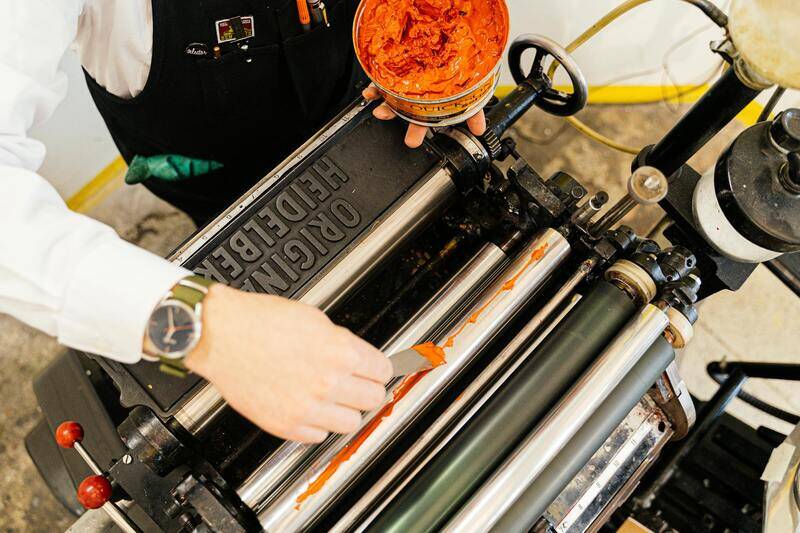
Carefully evaluating the available options in terms of durability, aesthetic appeal, and compatibility with your overall branding strategy will result in a brochure that not only attracts attention but also endures the rigors of distribution and handling.
Choosing the Right Printing Materials and Finishes
When producing professional brochures, the selection of printing materials plays a crucial role in conveying quality and reinforcing brand identity. The type of paper, its weight, texture, and finish collectively contribute to the tactile experience and visual impact of the final product. Opting for high-grade paper stocks, such as cardstock or premium coated papers, not only enhances durability but also elevates the perceived value of your marketing materials.
Material choices should align with the brochure’s purpose and target audience. For example, a luxury brand might favor a thick, matte-finished paper with embossed accents, while a technology company may opt for glossy paper that highlights vibrant imagery. A careful evaluation of these options ensures your brochure complements your brand’s message and stands out effectively.

Finishing techniques further refine the presentation. UV coating provides a glossy, protective layer that accentuates colors, making images pop while safeguarding against scratches and fingerprints. Soft touch coatings impart a velvety feel, creating a tactile experience that encourages interaction and leaves a memorable impression. Embossing and debossing add depth to your design by creating raised or recessed elements, drawing attention to key sections and adding a layer of elegance.
Consistency in these finishing details across all printed materials underscores a professional image and demonstrates an unwavering commitment to quality. Such meticulous attention to printing details not only reflects the quality of your goods or services but also influences customer perceptions, fostering trust and credibility.

Careful consideration of durability, aesthetic appeal, and how materials align with your overall branding strategy is essential. The right combination ensures your brochure remains inviting during distribution, handling, and over time. Visual comparisons of different paper stocks and finishes can help you determine the most suitable options, balancing cost and impact to achieve a professional, high-quality appearance that resonates with your audience.
Choosing the Right Printing Materials and Finishes
When producing professional brochures, selecting the appropriate printing materials and finishes is critical to achieving a polished and durable end product. The choice of paper stock can influence both the tactile experience and the visual quality of your brochure, directly affecting the perception of your brand. High-quality paper options such as heavy cardstock or premium matte and gloss papers provide a sturdy feel that communicates reliability and sophistication. These materials are optimal for highlighting vibrant images and sharp text, ensuring your message is both visually appealing and durable against handling or environmental factors.
Finishing techniques further elevate the brochure’s presentation by adding texture, gloss, or protective layers. UV coating, for instance, delivers a glossy surface that enhances color vibrancy and offers resistance against scratches and fingerprints. Soft touch coatings provide a velvety feel, inviting interaction and leaving a memorable tactile impression. Embossing and debossing add dimensionality to your design, emphasizing specific areas such as logos or headings, and contributing to a sense of elegance and craftsmanship.

Careful consideration of these materials and finishes is essential to ensuring your brochure aligns with your overall branding and marketing objectives. For instance, environmentally conscious organizations might opt for recycled paper with matte finishes to communicate sustainability, while luxury brands may prefer thick cardstocks with soft touch coatings to convey exclusivity. Matching the right combination of paper and finish can also balance cost-effectiveness with visual impact, giving you a professional product that resonates with your target audience and withstands the rigors of distribution.
Design Best Practices for Printing Brochures
To maximize the effectiveness of your professional brochures, it’s vital to adhere to design best practices specifically tailored for print media. This includes a clear and harmonious layout that guides the reader’s eye effortlessly through the content, highlighting key messages without overwhelming the visual space. High-resolution images and carefully selected color schemes that reflect your brand identity ensure a vibrant and cohesive appearance. Typography choices should be legible and consistent, with font sizes and styles that reinforce hierarchy and readability.
Another critical aspect is consistency across all design elements. This encompasses use of branding colors, logo placement, font styles, and image styles. Such uniformity not only enhances clarity but also reinforces brand recognition. Incorporating ample white space reduces clutter, making the brochure easier to scan and engage with. Strategic use of call-to-action (CTA) elements directs the reader toward desired responses effectively.
Pre-press preparation is equally important. Ensuring that the file formats, resolution, and bleed settings comply with the printer’s specifications minimizes the risk of errors or quality loss. Proper alignment of images and text, along with proofing stages, allows for adjustments before mass printing, saving costs and ensuring a flawless final product.

Choosing the Right Printing Materials and Finishes
In producing professional brochures, selecting appropriate printing materials and finishes is crucial in delivering a refined and impactful final product. The choice of paper stock influences not only the tactile experience but also the visual appeal of your brochure. For instance, a heavier, thick paper such as 140-300gsm provides durability and a premium feel, making it suitable for high-end branding efforts. Conversely, lighter weights may be more economical and functional for bulk distributions.
When considering finishes, options like matte, gloss, or satin coatings offer different aesthetic qualities and protective benefits. Matte finishes lend a sophisticated, understated look, reducing glare and hiding fingerprints, which is ideal for content-rich brochures. Gloss finishes, on the other hand, enhance color vibrancy and sharpness, making images pop and catching the viewer’s eye. Satin finishes strike a balance between the two, providing a smooth surface with moderate luster.

Specialty coatings such as soft-touch or textured finishes can add a tactile dimension that impresses clients and prospects. These are particularly effective for branding elements that benefit from a luxurious feel, like executive profiles or product catalogs. Additionally, considering environmentally friendly options like recycled paper or soy-based inks demonstrates a commitment to sustainability, which can enhance your corporate reputation.
Implementing Official and Reliable Methods for Brochure Production
Utilizing verified and widely accepted print production techniques ensures that your brochures meet professional standards. Choosing reputable offset or digital printing houses equipped with advanced technology guarantees high-resolution output and color consistency. Offset printing remains a preferred method for large print runs due to its cost efficiency and exceptional quality, especially when color accuracy and sharp detail are priorities.
For smaller batches or projects requiring quick turnaround, digital printing offers flexibility and quick setup times without compromising quality. When preparing files for production, adhere strictly to the printer’s specifications—this includes proper bleed settings, color profiles, and resolution—thus reducing errors and wastage. Conducting test prints or proofs before the final run allows for adjustments, ensuring that the finished product aligns with your branding and messaging expectations.
Ensuring Long-Term Value and Professionalism
Investing in top-tier printing methods and materials not only elevates the immediate visual impact but also enhances the longevity of your brochures. Durable materials and high-quality finishes resist wear and tear, maintaining a polished appearance over time, especially in environments where handling is frequent. Additionally, choosing official, reputable print service providers aligns with best practices and guarantees access to advanced equipment, quality assurance processes, and consistent results.
Distribution Strategies for Professional Brochures
Once your professionally designed brochures are printed with high-quality materials and finishes, the focus shifts to distribution. An effective distribution strategy ensures that your brochures reach the intended audience, thereby maximizing their impact and utility. The approach you select should align with your business objectives, target demographic, and the nature of the message conveyed.
Targeted Distribution Channels
Identifying the right channels for distribution is vital. Depending on your industry, geographic scope, and target audience, options include direct mailing, handing out brochures at events, placement in high-traffic retail locations, and strategic placement in professional settings such as hotels, conferences, and business centers. Distributing brochures directly to potential clients or partners allows for personalized engagement, making it easier to track response rates and adjust tactics as needed.
Leveraging Partnerships and Collaborations
Partnering with complementary businesses can extend the reach of your brochures. For example, collaborations with local chambers of commerce, trade associations, or industry events can facilitate broader distribution. Providing brochures in locations frequented by your target demographic, such as cafes near offices or community centers, can also increase visibility and brand recognition.
Digital Integration Techniques
Although physical brochures are a tangible marketing tool, integrating digital methods enhances overall outreach. Including QR codes on printed materials allows recipients to access additional digital content or contact forms. This dual approach combines the tactile appeal of printed brochures with the convenience of online engagement, broadening the scope of your marketing efforts.
Evaluation and Optimization of Distribution Efforts
Establishing metrics to analyze the effectiveness of your distribution channels is crucial. Tracking responses from specific locations or campaigns, whether through coupon codes, dedicated landing pages, or survey questions, provides insights into what strategies yield the best results. Regular review of distribution methods enables iterative improvements, ensuring that your efforts remain aligned with evolving business goals and market trends.
Implementing a well-rounded distribution plan for professional brochures not only extends their reach but also reinforces your brand’s professionalism and credibility across various touchpoints. When combined with consistent design quality and compelling content, strategic distribution maximizes the return on your printed material investments, establishing a solid foundation for your marketing communications.