Overview of Brochure Printing Services
Brochure printing companies provide specialized services aimed at creating visually compelling and professionally produced promotional materials. These companies cater to a wide range of business needs, from marketing campaigns and corporate communications to event promotion and product launches. Their services encompass the design, customization, and production of various types of brochures that effectively communicate a brand’s message and engage target audiences.
Typically, brochure printing includes several formats such as bi-fold, tri-fold, z-fold, and multi-page booklets. Each format serves different purposes—for example, bi-fold brochures are ideal for simple information dissemination, while multi-page booklets are suitable for detailed descriptions and comprehensive presentations. Customization options are extensive, allowing clients to select specific sizes, finishes, color schemes, and paper qualities to align with their branding and campaign goals.
In terms of printing techniques, high-quality brochure printing companies employ advanced methods such as offset printing, digital printing, and large-format printing. Offset printing provides superior image quality and cost-effectiveness for large runs, while digital printing offers quick turnaround times suitable for smaller batches or custom prints. Large-format printers are used for special projects requiring extraordinary visuals or durable outdoor signage.
These companies also offer a variety of embellishments like glossy or matte coatings, embossing, foil stamping, and UV coatings to enhance the visual appeal and tactile experience of the finished product. Such features help brochures stand out in competitive environments and leave a lasting impression on viewers.
From initial consultation and design submission to proofing, printing, and delivery, brochure printing companies streamline the entire process to ensure quality, consistency, and timely completion. Their expertise ensures that every brochure aligns with marketing objectives and maintains a high standard of presentation, making them essential partners for effective brand communication.
Material and Finishing Options
Choosing the right materials and finishes is critical to creating visually compelling and durable brochures. Professional brochure printing companies offer a broad spectrum of paper stocks, ranging from standard gloss and matte finishes to premium textured cards. The choice of paper impacts not only the aesthetic appeal but also the tactility and longevity of the finished product.
Finishing options further enhance the brochure's visual impact and tactile experience. Gloss coatings provide a shiny, reflective surface ideal for vibrant images and bold colors, making designs pop and capturing attention immediately. Matte finishes lend a sophisticated, subdued look that reduces glare, perfect for text-heavy content or more understated branding. Soft-touch coatings add a velvety feel, elevating the perceived quality.

Specialized finishes like spot UV coatings can selectively highlight specific areas of your brochure, such as logos or calls to action, creating visual contrast and guiding the viewer’s eye. Embossing and debossing techniques introduce texture and dimension, making certain elements stand out physically and visually. Foil stamping adds metallic accents for a luxurious effect, ideal for high-end branding or special announcements.
Durability considerations are equally important when selecting materials. For outdoor use or environments with heavy handling, thicker cardstocks and weather-resistant coatings ensure the brochure retains its quality over time. Eco-conscious clients can opt for recycled paper varieties and environmentally friendly finishes, aligning marketing strategies with sustainability commitments.
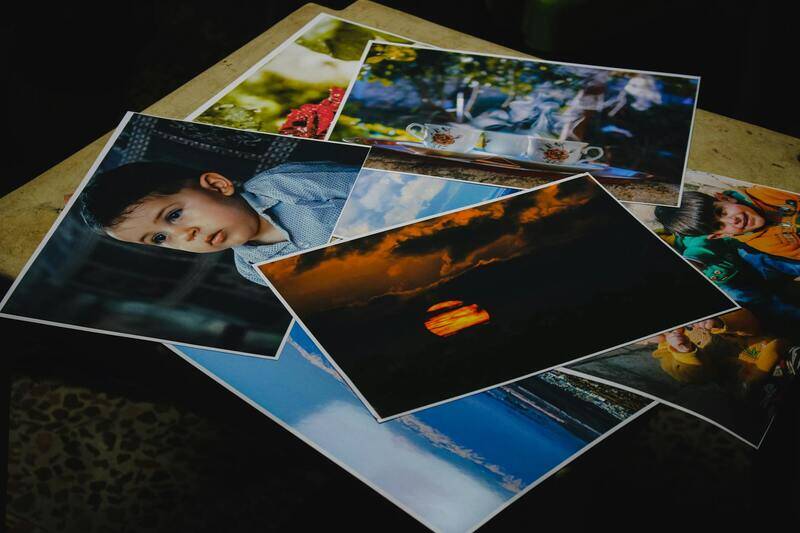
Incorporating these material and finishing elements requires coordination with experienced printing professionals who understand how various combinations behave during the printing process. Consultation with specialists can help identify the most suitable options aligning with the campaign’s objectives, budget, and desired aesthetic impact.
Material and Finishing Options
Choosing the appropriate materials and finishes for your brochure is critical in conveying your brand’s message effectively. The selection of paper stock can influence the tactile experience and visual impact. Thicker, premium stocks, such as 14-16pt cardstock, offer durability and a high-quality feel, making them suitable for corporate presentations, product launches, or luxury brands. For a softer touch or more environmentally conscious approach, recycled paper options provide eco-friendly benefits without compromising aesthetic appeal.
The finish applied to the brochure further enhances its appearance and durability. Matte coatings lend an understated elegance with subdued glare, ideal for brochures heavy on textual information or with minimalist designs. Glossy finishes, on the other hand, create vibrant, eye-catching visuals that make images and colors pop, perfect for photographs and detailed graphics.
Specialized finishes offer additional flair. Spot UV coatings allow specific areas of the brochure, such as logos or headlines, to stand out with a shiny, textured contrast, adding a layer of visual interest. Embossing and debossing provide a tactile dimension that can elevate branding elements, making logos or patterns physically stand out from the page. Foil stamping introduces metallic accents in gold, silver, or other colors, imparting a luxurious touch suitable for high-end offerings or promotional material.
Durability is a key factor in material selection, especially for brochures intended for outdoor displays or frequent handling. Weather-resistant coatings and thicker stocks ensure that the brochure maintains its integrity over time. Additionally, environmentally mindful choices like biodegradable coatings and recycled papers align with sustainable business practices while still meeting quality standards.
Material and Finishing Options
Choosing the right materials and finishes for your brochure is pivotal in conveying your brand’s professionalism and capturing the audience's attention. The selection of paper stock, coatings, and finishing techniques influences both the visual impression and the durability of your printed materials. When selecting paper, options range from standard gloss or matte finishes to premium textured and cotton papers, each imparting a unique feel and look that aligns with your brand identity.
Coatings and finishes further enhance the brochure’s appeal and longevity. Matte coatings lend a subdued elegance, reducing glare and making textual content easier to read. Glossy finishes amplify colors, making visuals more vibrant and compelling, especially for image-heavy brochures. Beyond basic coatings, specialized finishes such as spot UV coating allow for targeted gloss effects on specific areas like logos or headlines, creating a striking contrast against the matte or dull background.
Embossing and debossing techniques introduce tactile elements that elevate the physical experience of the brochure. Embossed areas stand out with a raised effect, adding depth and dimension, perfect for highlighting key branding components. Foil stamping introduces metallic accents—gold, silver, or other colors—that evoke a sense of luxury and exclusivity, suitable for high-end products or premium invitations.

Material choices also impact the brochure’s resilience to wear and environmental factors. For outdoor applications or high-traffic distribution, weather-resistant coatings and thicker, sturdier stocks ensure that the brochure maintains its appearance over time. Recycled and biodegradable options are increasingly popular among environmentally conscious brands, combining sustainability with high-quality presentation.
Impact of Material and Finish Choices
- Durability: Weather-resistant coatings and sturdy cardstocks prevent damage from handling and environmental exposure.
- Aesthetic appeal: Finishes like matte, gloss, or textured effects create visual interest aligned with brand message.
- Luxury and differentiation: Metallic foils and tactile effects elevate perceived value and brand prestige.
- Sustainability: Recycled, biodegradable, and eco-friendly coatings support green initiatives without sacrificing quality.
Impact of Material and Finish Choices
Selecting the appropriate material and finish for your brochures is crucial in creating a compelling visual and tactile experience that aligns with your brand identity. The choice of stock impacts not only the appearance but also the durability and suitability of the brochure for its intended purpose. Thicker, higher-quality paper stocks lend a sense of luxury and permanence, making them ideal for prestigious presentations or high-end product showcases. Conversely, lighter options may be more suitable for mass distribution campaigns where cost efficiency is a priority.
Finishing techniques further enhance the brochure’s visual appeal and tactile engagement. Matte finishes reduce glare, providing a sophisticated and understated look that complements minimalist designs. Gloss coatings, on the other hand, add vibrancy and depth to images and colors, making visuals pop and grabbing viewers' attention instantly. Textured finishes, such as linen or embossing, introduce a unique feel that can make your brochure stand out physically, reinforcing brand personality and message.
Material Durability and Environmental Considerations
When choosing materials, consider the environment in which your brochures will be used. Weather-resistant coatings safeguard against moisture and handling damage, ensuring longevity outdoors or in high-traffic areas. For eco-conscious brands, options like recycled paper, biodegradable stocks, and eco-friendly coatings balance sustainability with high-quality presentation, allowing your company to demonstrate its commitment to environmental responsibility without compromising aesthetics.

Enhancing the Brochure's Perceived Value
The tactile qualities of embossed or foiled elements can elevate the perceived value, making the brochure feel more exclusive and memorable. Metallic foils in gold or silver evoke luxury, making them ideal for executive summaries or premium product highlights. Embossing adds depth, making logos or key visuals stand out, adding a layer of sophistication that can influence a recipient's impression of your brand.
Additional Considerations for Material and Finish Selection
- Cost efficiency: Thinner stocks and simple finishes may reduce costs, which is beneficial for large-scale distribution.
- Environmental impact: Seeking sustainable options aligns with green initiatives and appeals to eco-conscious audiences.
- Brand consistency: Finishes and materials should reflect your brand’s tone—be it luxury, professionalism, or innovation.
- Handling and distribution: Consider the brochure's ease of handling based on its weight and texture to ensure a smooth distribution process.
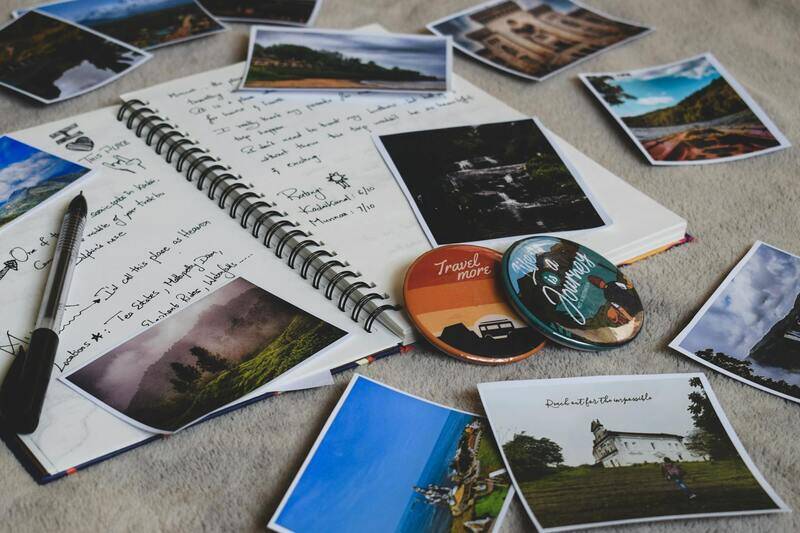
Visual Inspiration for Material and Finish Choices
Printing Technologies and Quality Assurance
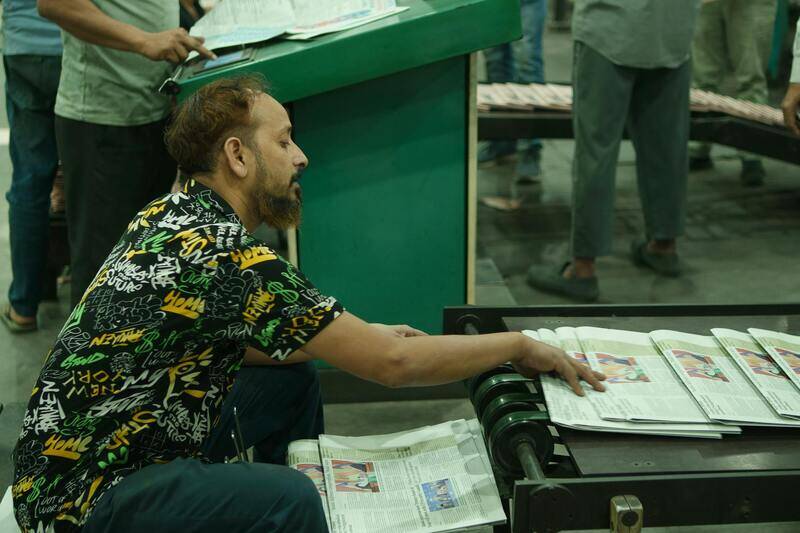
When selecting a brochure printing company, understanding the printing technologies they employ is crucial to ensuring your final product meets professional standards. Digital and offset printing are the primary methods used by industry-leading providers, each offering specific advantages based on volume, color accuracy, and turnaround time.
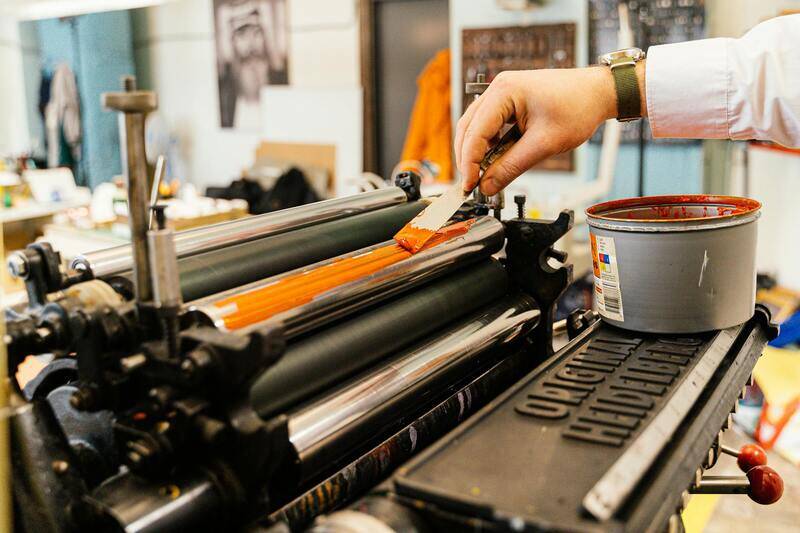
Offset printing remains a preferred choice for high-volume orders, delivering exceptional color fidelity and sharp details at lower per-unit costs when printing larger quantities. It involves transferring ink from a plate to a rubber blanket and subsequently to the printing surface, allowing for precise color matching and consistency across batches. Modern offset presses incorporate advanced color management systems and automation features, significantly reducing errors and waste, which aligns with efficient budget management.
Digital printing, on the other hand, offers unmatched flexibility and faster turnaround times, making it ideal for small to medium runs or when customization is a priority. This method directly transfers digital images onto the substrate via laser or inkjet technology. With improvements in color quality and resolution, digital printing now rivals offset for many applications, especially when variable data printing or quick revisions are needed. Companies that leverage digital presses can more easily produce personalized brochures tailored to specific target audiences, enhancing engagement and response rates.
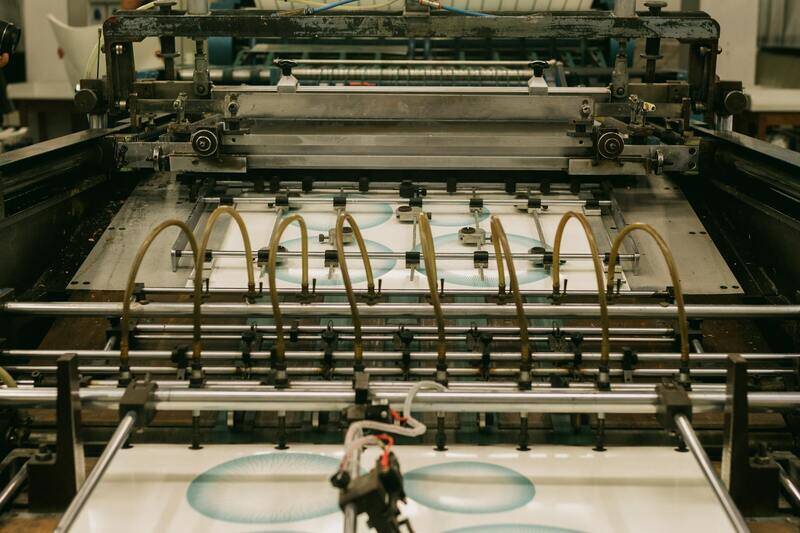
Quality assurance processes are integral to maintaining consistency and excellence in brochure printing. Leading companies adopt rigorous quality controls, including color calibration, proofing procedures, and inspection stages throughout the production cycle. Color calibration ensures that printed materials match approved digital proofs, reducing discrepancies between design and final output. Proofing, whether through digital soft proofs or physical samples, allows clients to review layouts, color accuracy, and finishes before bulk production begins. This step minimizes costly reprints and guarantees that the final brochures align with your branding and messaging expectations.
Additionally, lamination, coating, and finishing processes are carefully monitored. UV coating or aqueous varnishes provide protective layers that improve durability and enhance visual appeal, especially for intricate designs or vibrant color schemes. Embossing, foil stamping, and spot UV are included in quality assurance checks to ensure precise alignment and flawless execution. A company committed to quality invests in the latest technology and staff training, ensuring each brochure reflects professionalism and attention to detail.
Overview of Brochure Printing Services
Brochure printing services encompass a comprehensive range of options designed to meet diverse marketing and branding needs. A reputable brochure printing company offers customization in sizes, folds, and finishes, ensuring each project aligns with specific business objectives. These services leverage advanced printing technologies, such as digital and offset printing, to deliver high-resolution images, vibrant colors, and precise text reproduction. Besides standard brochure formats, many companies provide specialized options like saddle-stitched, trifold, z-fold, or gatefold designs to increase visual interest and functionality. Additionally, they often support a wide spectrum of materials including gloss, matte, or textured papers, enabling brands to craft tactile experiences that resonate with their target audience. Turnaround times are typically flexible, accommodating urgent campaigns or large-volume projects without compromising quality. With expert staff, state-of-the-art equipment, and stringent quality control protocols, a top brochure printing company ensures that each piece meets industry standards and surpasses client expectations.
Key Factors in Choosing a Brochure Printing Company
Selecting the right partner for brochure printing involves careful evaluation of multiple criteria. First, assess the company's technological capabilities; advanced printing methods like offset and digital presses are essential for producing crisp images and consistent colors. A company's reputation for quality assurance is equally important, which can be gauged through client testimonials, sample works, and industry credentials. Turnaround time and reliability are critical in meeting project deadlines; reliable companies maintain transparent timelines and efficient communication channels. Cost-effectiveness is another key consideration; the chosen provider should offer competitive pricing aligned with the desired quality standards and project scope. Customer service quality also plays a vital role — responsive support, clear communication, and willingness to accommodate specific requirements enhance the overall experience. Finally, environmentally sustainable practices, such as eco-friendly inks or recyclable materials, reflect a commitment to responsible business operations and are increasingly valued in the marketplace.
Design Considerations for Effective Brochures
Design plays a crucial role in capturing attention and conveying messages effectively through brochures. A professional printing company often provides design assistance or templates aligned with branding guidelines. Clear, concise messaging combined with compelling visuals ensures the brochure’s purpose resonates with viewers. Utilizing hierarchy in layout, such as bold headlines, subheadings, and strategic placement of images, guides readers naturally through the content. Color schemes should complement brand identity, while typography choices must maintain legibility across different formats and lighting conditions. Including high-resolution images and relevant graphics elevates visual appeal, making key information stand out. Balance between text and visuals prevents clutter, ensuring the brochure remains engaging yet informative. Emphasizing call-to-action elements, such as contact details or QR codes, facilitates immediate engagement. A well-structured design, produced using professional layout software, guarantees that the printed product maintains visual integrity and aligns with brand aesthetics.
Material and Finishing Options
The choice of materials significantly impacts the durability, tactile experience, and overall presentation of brochures. Common options include glossy, matte, silk, or textured papers, each providing unique finishes that enhance visual effects. Glossy paper emphasizes vibrant colors and sharp images, making designs pop, while matte or textured papers lend a sophisticated, understated look suitable for elegant brands. Finishing touches such as UV coating, aqueous varnish, or soft-touch lamination are crucial for protecting printed materials against wear and tear. Special effects like foil stamping, embossing, or spot UV coating add dimensionality and highlight key features, drawing attention to specific areas of the brochure. These enhancements not only improve aesthetics but also reflect a high level of professionalism. When selecting materials and finishes, consider the brochure's intended use and distribution environment to ensure longevity and visual impact.
Printing Technologies and Quality Assurance
Integrating the latest printing technologies is vital for achieving optimal brochure quality. Offset printing remains the preferred method for large-volume orders, delivering sharp images and consistent color fidelity. Digital presses, on the other hand, excel in short runs or versions requiring personalization, offering quick turnaround times and flexible customization. To sustain high standards, reputable brochure printing companies implement rigorous quality assurance procedures throughout the production cycle. Color calibration ensures that printed hues accurately match digital proofs or branding specifications. Proofing processes — digital or physical — provide clients with opportunities to review layouts, colors, and finishes before mass production begins, minimizing errors and waste. Advanced inspection systems verify registration accuracy, color consistency, and finishing precision. Protective coatings like UV or aqueous varnish are applied meticulously to enhance durability and aesthetics. Such thorough quality measures guarantee that each brochure reflects the highest level of professionalism and craftsmanship.
Overview of Brochure Printing Services
Brochure printing services encompass a comprehensive array of solutions designed to meet diverse marketing and communications needs. Professional brochure printing companies offer tailored options that align with brand identity, target audience, and distribution channels. By leveraging advanced printing techniques and premium materials, these providers ensure that each brochure not only captures attention but also maintains durability during handling and exposure. Whether it’s for product catalogs, event promotions, or corporate communication, reputable brochure printing companies supply high-quality, visually appealing products that reinforce brand messaging and foster consumer engagement.
Key Factors in Choosing a Brochure Printing Company
Selecting the right brochure printing partner involves evaluating several critical elements. Turnaround times are essential, especially for campaigns with tight schedules. A company’s capability to provide a wide range of finishing options, such as lamination, embossing, or folding styles, directly influences the final presentation. Material selection, from various paper stocks to specialty textures, impacts the brochure’s tactile appeal and durability. Technological expertise, including the use of both offset and digital printing, ensures the fidelity of colors and details, especially for complex designs or short runs. Customer service quality, transparency in pricing, and the ability to handle large-volume orders effortlessly further distinguish top-tier providers. Ensuring that your chosen company adheres to stringent quality control standards guarantees that each brochure upholds professionalism and brand integrity.
Design Considerations for Effective Brochures
An impactful design seamlessly combines visual elements with compelling content. Clear hierarchy through strategic use of headlines, subheadings, and bullet points guides readers effortlessly through the message. High-resolution images and consistent branding elements reinforce recognition and credibility. Incorporating whitespace carefully enhances readability and emphasizes key information. The layout should be adaptable to various formats and ratios, maintaining visual harmony across different sizes. Effective color schemes, aligned with brand guidelines, evoke desired emotional responses and differentiate the brochure from competitors. Ultimately, a well-designed brochure balances aesthetics and functionality, maximizing engagement and driving your marketing objectives.
Material and Finishing Options
Material choices profoundly influence the brochure's durability, tactile sensation, and overall appeal. Standard options include uncoated, matte, gloss, and textured papers, each imparting a distinct visual and tactile effect. For a luxurious finish, specialty papers like linen or velvet provide textural richness. The thickness or weight of the paper, measured in grams per square meter (gsm), affects robustness; thicker stocks lend a premium feel. Finishing techniques such as coating,lamination, or varnishing serve to protect and enhance visual impact. Matte finishes reduce glare, offering a sophisticated, muted look, while gloss coatings intensify colors and sharpness. Additional embellishments, including spot UV, foil stamping, or embossing, add tactile and visual accents that distinguish your brochure and elevate brand prestige.
Printing Technologies and Quality Assurance
Modern brochure printing harnesses cutting-edge technologies to deliver superior quality. Offset printing is ideal for large-volume orders, providing high precision, consistency, and vibrant color reproduction. Digital printing caters to short runs and customization needs, enabling quick adjustments without compromising quality. Quality assurance processes involve meticulous color calibration, ensuring printed hues match digital proofs and brand standards. Pre-press proofs, whether digital or physical, give clients a preview to approve before mass production. During printing, advanced inspection systems monitor registration accuracy, color consistency, and finishing details such as trimming or folding. Post-printing treatments, like UV coating or aqueous varnish, further protect the brochures and enhance aesthetics. These comprehensive quality checks guarantee that the final product aligns with professional standards, making a powerful impression on recipients.