Understanding Business Brochure Printing
Business brochure printing is a fundamental component of corporate marketing strategies, serving as a tangible representation of a company's brand, products, and services. It involves the meticulous process of designing and physically producing printed materials that communicate key information to prospective clients, partners, and stakeholders. These brochures are crafted to attract attention, foster trust, and compel recipients to engage further with the business. The significance of professional brochure printing extends beyond mere aesthetics; it influences perceptions of credibility and professionalism. A well-designed and expertly printed brochure can effectively highlight a company's unique selling propositions, showcase product portfolios, and convey brand values with clarity and impact. It acts as a portable marketing tool, capable of leaving a lasting impression that digital mediums alone might not achieve. In today’s competitive business environment, the strategic deployment of printed brochures can augment digital campaigns, providing a tactile experience that digital channels often lack. They are useful at trade shows, client meetings, corporate events, and for mail campaigns, serving as a versatile marketing collateral. The process of business brochure printing involves collaboration between design teams and printing specialists, ensuring that the final product aligns with branding guidelines and marketing objectives. It encompasses decisions about layout, imagery, language, and technical specifications such as paper quality and finishing options. This attention to detail ensures that the finished brochures reflect the company's professionalism and commitment to quality. Moreover, in the context of brand consistency, printed brochures provide a reliable vehicle for reinforcing visual identity through the use of consistent color schemes, logos, and messaging. Their physical nature often results in a more memorable brand impression, fostering trust and encouraging potential clients to take the next step. Ultimately, business brochure printing remains a vital component of comprehensive marketing campaigns. When executed correctly, it enhances brand visibility, communicates value propositions effectively, and contributes to a cohesive brand image that resonates with target audiences.
Types of Brochure Printing Services Available
Businesses seeking effective printed marketing materials have access to a variety of professional brochure printing services, each tailored to meet specific needs and preferences. Among the most common options are digital printing and offset printing, both of which are chosen based on order volume, quality requirements, and turnaround times.
Digital printing is ideal for short runs and projects requiring quick turnaround times. This method offers high-quality results with variable data printing capabilities, allowing for customization such as personalized addresses or messages on each brochure. Digital printing is cost-effective for small to medium-sized batches, and it supports a wide range of paper types and finishes, providing flexibility while maintaining visual appeal.
Offset printing, on the other hand, is suited for larger quantities and when consistent, high-quality output is critical. This traditional method involves creating plates for each color, which allows for precise color matching and superior image clarity. Offset printing often results in lower per-unit costs for substantial print runs, making it economical for recurring marketing campaigns or extensive distribution needs.
Other specialized services include:
- UV Coating and Laminations: These finishes enhance durability and visual impact, giving brochures a glossy or matte finish that resists wear and tear.
- Spot UV Printing: Used to highlight specific areas of the brochure with a glossy finish, creating visual contrast and emphasis.
- Die-cutting: Enables custom shapes and intricate cut-outs, adding uniqueness and tactile interest to printed brochures.
- Fold Types: Such as trifold, bifold, Z-fold, and gatefold, allowing for varied layout options to best convey your message.
These services provide opportunities to customize your brochure in ways that align with your branding and marketing goals. Engaging with a service provider that offers comprehensive options ensures your final product stands out and effectively communicates your brand story.
Understanding Business Brochure Printing
Business brochure printing encompasses a range of professional techniques aimed at producing high-quality marketing materials that effectively communicate a company's offerings, values, and brand identity. The process involves selecting appropriate printing methods to meet specific business objectives, whether it’s for local promotions, trade shows, or corporate presentations. Modern printing techniques allow for customization in terms of paper selection, finishing options, and binding choices, enabling businesses to craft brochures that truly resonate with their target audience.
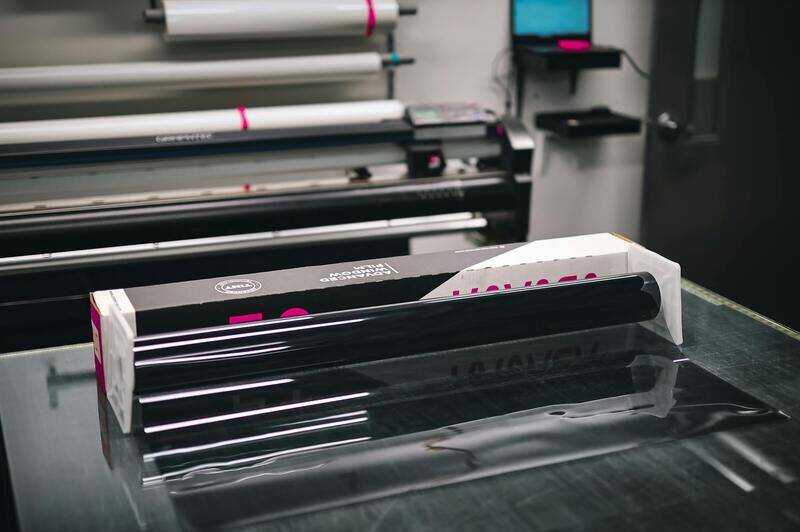
When choosing a printing method, companies must consider the volume of brochures needed, the desired visual impact, and budget constraints. Offset printing and digital printing remain the most popular official methods used by reputable printing services. Offset printing is favored for large-scale production due to its ability to consistently produce vibrant colors and sharp images at a lower per-unit cost for bulk orders. Digital printing, on the other hand, provides flexibility for smaller runs and quick turnaround times, making it suitable for targeted campaigns or personalized brochures.
Technical Aspects of Professional Brochure Printing
Professional brochure printing often involves optimizing several technical aspects to ensure the final product aligns with the brand’s message and aesthetic standards. These include selecting the appropriate paper quality—such as gloss, matte, or uncoated surfaces—that complements the brochure's design and purpose. High-quality coatings like UV or lamination can be applied to enhance durability and visual appeal, especially for brochures that will be handled frequently or exposed to environmental elements.
Offset presses use intricate plates to transfer images onto paper, allowing for high precision and consistent color matching. Digital presses utilize toner or inkjet technology suitable for short runs, enabling quick modifications and proofs before mass printing. Both methods can support various finishing options like embossing, foil stamping, or die-cutting, adding tactile and visual accents that make your brochure stand out.
Importance of Color Management and Accuracy
Color accuracy plays a pivotal role in business brochure printing, ensuring that brand colors are reproduced faithfully across different batches and substrates. Reputable printers employ color management systems and calibration protocols to maintain consistency in hues and shades. This guarantees that logos, brand motifs, and visual elements retain their intended appearance, reinforcing brand recognition and professionalism.
Quality Control and Material Selection
Quality control is a key component of official printing processes. Before mass production, proofs are created for client approval to identify potential issues and verify that the colors, layout, and finish meet expectations. Once approved, the production process adheres to strict standards to minimize errors. Material selection, including paper weight, texture, and finish, is critical to achieving the desired tactile experience and durability, especially for distributing brochures in diverse environments.
Understanding Business Brochure Printing
Business brochure printing is a critical component in creating effective marketing collateral that captures your brand’s essence and communicates your message clearly. To ensure your brochures are impactful, it’s essential to understand the official and reliable methods used in the industry. These methods uphold high standards of quality, consistency, and precision, providing your business with professional-grade materials that leave a lasting impression.
Traditional offset printing remains a popular choice for large volume runs due to its ability to produce vibrant colors and sharp images consistently. This process involves creating metal plates that transfer ink onto paper, enabling precise color matching and high-resolution output. Offset printing is especially suitable when brand colors need to be reproduced accurately across multiple batches, ensuring uniformity throughout the printing process.
Digital printing technology has revolutionized the industry by offering quick turnaround times and cost-effective solutions for short runs. This method uses toner or inkjet technology to directly print designs onto paper without the need for extensive setup. Digital printing allows for easy updates and personalization, making it an excellent option for businesses that require flexibility or are testing different design concepts.
Both printing techniques support various finishing options that enhance the tactile and visual appeal of your brochures. Techniques such as embossing and foil stamping add texture and a premium feel, while die-cutting can create unique shapes that make your brochure stand out. The choice of finishing depends on your brand identity and the message you wish to convey, with official printing providers guiding you toward options that best suit your needs.
Key Features of Effective Business Brochures
Creating a compelling business brochure involves several crucial features that influence the perception of your brand. Clarity and coherence in messaging ensure that your audience easily understands your core offerings and brand values. An unambiguous call to action directs readers on the next steps, whether it’s visiting a website, making a call, or attending an event.
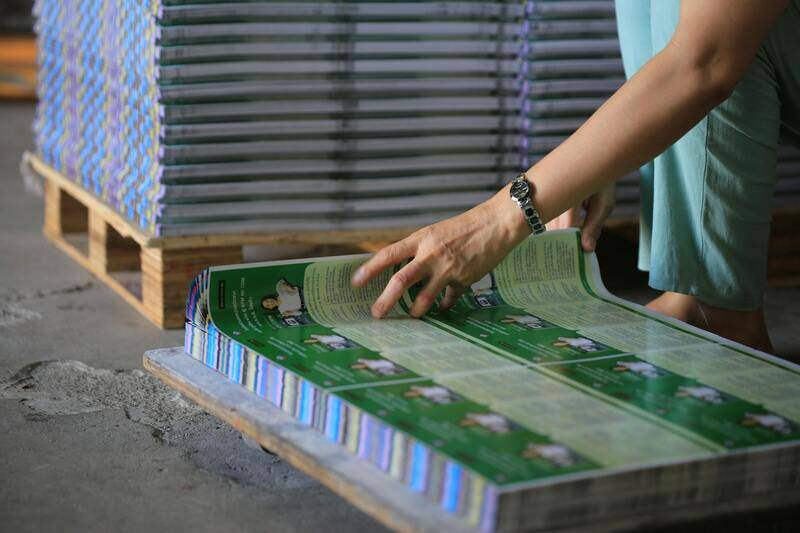
Design elements such as high-resolution images, consistent branding, and well-organized layouts contribute significantly to readability and visual appeal. These elements should be produced using high-quality printing methods to maintain fidelity and vibrancy. Additionally, selecting an appropriate size and fold style maximizes the brochure’s utility and ease of distribution.
Quality control during the printing process ensures that every brochure meets the highest standards. This includes verifying color accuracy, checking for print defects, and confirming that the layout is perfectly aligned. Reputable printing services perform multiple checks and produce proof copies for fine-tuning before mass production, ensuring the final product aligns with your expectations and brand standards.
Types of Brochure Printing Services Available
Business brochure printing services are diverse, offering options tailored to various marketing strategies and budgets. Standard digital printing is suitable for smaller quantities and allows rapid revisions, making it ideal for limited campaigns or testing markets. Offset printing, meanwhile, is preferred for larger print runs thanks to its cost-efficiency and consistent high quality over volumes.
Specialized services such as UV coating, matte or gloss finishes, and spot UV treatments provide additional protection and aesthetic enhancements, elevating your branding efforts. Fold styles include bi-fold, tri-fold, Z-fold, and gatefold, each serving different content presentation needs and providing unique user experiences.
To select the appropriate service, consider factors like the number of copies required, desired finishes, budget, and deadline constraints. Working closely with reputable printing providers ensures your brochures will meet your specifications and uphold your brand’s image.

Understanding Business Brochure Printing
Business brochure printing encompasses the process of creating professional printed materials that effectively communicate your brand message, products, or services to your target audience. It involves selecting suitable formats, designs, and printing techniques to produce visually appealing and durable brochures. The process begins with designing the layout, choosing appropriate graphics and text, and then selecting the right manufacturing methods to bring the concept to fruition. Notably, leveraging official and reputable printing methods guarantees that the final product adheres to quality standards and accurately reflects your brand identity.
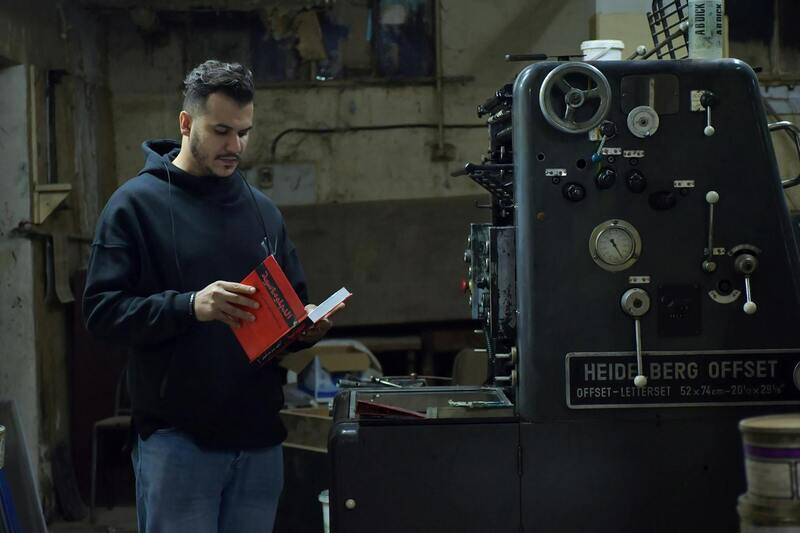
Opting for official printing channels ensures a meticulous approach to color management, paper quality, and finishing options. These elements are crucial to create a finished product that resonates with your branding standards and enhances your corporate image. When selecting a printing method, considering the operational capabilities, consistency, and familiarity with safety protocols of the provider ensures the output aligns with your expectations. Professional brochure printing involves multiple stages, including pre-press checks, proofing, and quality control, all aimed at delivering a product that truly embodies your business identity.
Key Features of Effective Business Brochures
- Clear Messaging: Content should be concise and directly address the needs or interests of your audience, making your value proposition obvious at a glance.
- Visual Appeal: Use high-resolution images and a consistent color palette that aligns with your brand to attract attention and foster trust.
- Professional Layout: Balance text and imagery with a well-structured layout that guides the reader seamlessly through the information.
- High-Quality Printing: Choose durable paper and finishes such as gloss or matte coatings to enhance tactile appeal and protect the brochure over time.
- Call-to-Action: Incorporate clear, compelling calls to action to guide potential clients towards your desired response or engagement.
Types of Brochure Printing Services Available
There is a broad spectrum of brochure printing options designed to meet varying business needs and budgets. Digital printing services are ideal for short runs, offering quick turnaround times and flexibility in design updates. Offset printing is preferred for larger quantities, delivering consistent quality and cost efficiency despite longer setup times. Specialized finishes, such as UV coating, matte or gloss lamination, and spot UV varnishes, can be added to enhance the visual impact and durability of your brochures. Fold styles also vary and include bi-fold, tri-fold, Z-fold, and gatefold, each serving different content presentation goals and user experiences.
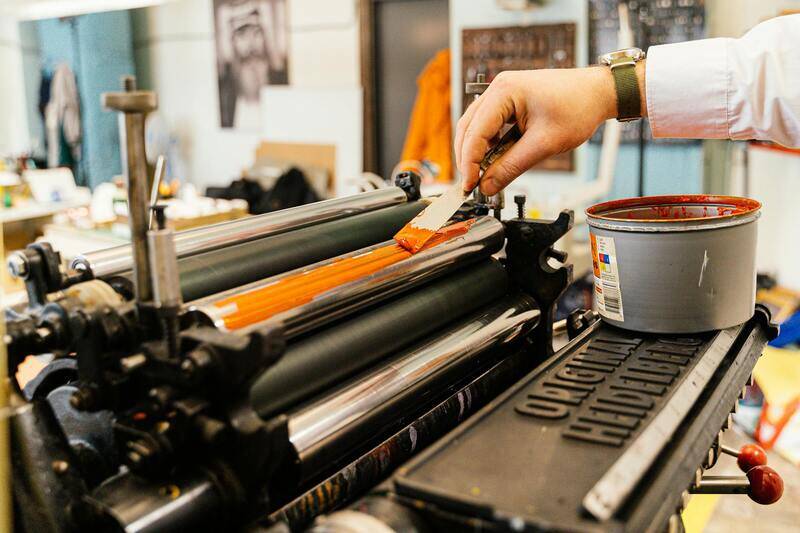
When selecting a service provider, consider the scale of your campaign, the required quality standards, turnaround times, and budget constraints. Working with an established printing partner ensures access to advanced technologies and quality assurance processes, thereby producing brochures that align with your branding strategy and marketing objectives.
Choosing the Right Paper and Finishes
Paper quality and finishing techniques significantly influence the perceived value and durability of your brochures. Heavier stock papers, such as 170gsm or higher, provide a sturdy feel that communicates quality. Matte finishes give a sophisticated, non-reflective surface ideal for readability and a modern aesthetic, while gloss coatings enhance vibrancy and bring images to life. Spot UV finishes can be selectively applied to highlight specific areas, adding a layer of visual depth and texture. Depending on your branding goals, you might opt for soft-touch coatings for a luxurious feel or specialized textured papers for unique tactile experiences. These choices should complement your overall visual identity and ensure your brochures withstand handling over time.
By carefully selecting paper types and finishing options, you reinforce your brand's image while enhancing the tactile experience for recipients. Consulting with a trusted printing provider allows you to explore various options, ensuring your brochure feels as valuable as the message it conveys. Additionally, considering environmental sustainability by choosing recycled or eco-friendly papers can align your printed materials with corporate responsibility goals, appealing to environmentally conscious audiences.
Legal Preservation of Business Brochures
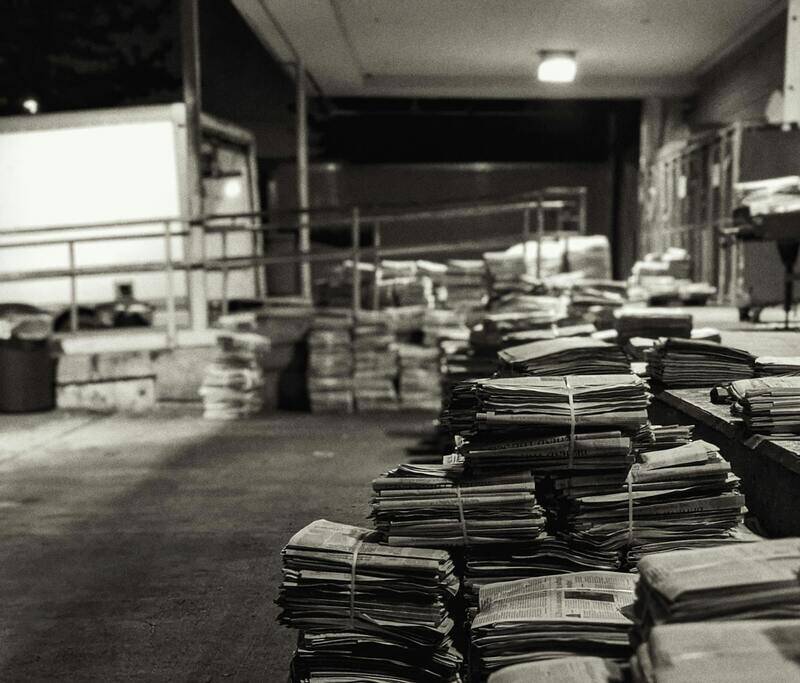
Ensuring the proper handling and storage of your business brochures is crucial in maintaining their accessibility and integrity over time. It’s essential to keep printed materials in a clean, dry environment away from direct sunlight, extreme temperatures, and humidity. Use archival-quality storage solutions such as acid-free folders and boxes to prevent deterioration caused by environmental factors. Proper organization, with clearly labeled categories or dates, facilitates easy retrieval for distribution or reference, preserving your investment in high-quality printed collateral.
In addition, standard practices include minimizing handling to reduce wear and tear. When brochures are in active circulation, encourage recipients to store them appropriately, such as in branded folders or presentation covers that offer extra protection. Implementing a tracking system for inventory control, especially when dealing with large quantities, helps manage supplies effectively and ensures that no materials are lost or damaged inadvertently.
Legal Considerations in Distribution and Usage
When disseminating business brochures, it’s important to respect intellectual property rights and privacy regulations. Ensure that all content within your brochures—such as images, logos, and written material—is owned by your organization or used with appropriate licensing agreements. This practice not only safeguards your brand but also prevents potential disputes with third parties.
Additionally, adhere to applicable data protection policies during distribution, especially if you include contact information or personalized content. This involves ensuring recipients’ details are handled securely and used solely for their intended purpose. For organizations with a wide distribution network, establishing clear guidelines on distribution processes can help maintain consistency and compliance with quality standards.
Strategies for Secure and Effective Distribution
- Direct Mail Campaigns: Utilize targeted mailing lists to reach specific audiences, ensuring your message is directly delivered to prospective clients or partners.
- Event Promotion: Distribute brochures at industry events, trade shows, or seminars to maximize exposure and engage potential customers face-to-face.
- In-Store or On-Site Distribution: Place brochures in high-foot-traffic areas within your own premises, encouraging walk-in inquiries and on-the-spot engagement.
- Strategic Partnerships: Collaborate with complementary businesses to display or share your brochures, expanding reach without substantial additional costs.
Ensuring your distribution methods are both strategic and compliant enhances your brand’s professional image and ensures your marketing efforts are as effective as possible.
Understanding Business Brochure Printing
Business brochure printing involves a meticulous process that combines strategic design, precise material selection, and efficient production methods to create printed materials that effectively communicate your brand's message. This process begins with identifying your target audience and determining the core objectives of the brochure, whether it’s to inform, persuade, or invite action. Once the goals are clear, the content, visuals, and layout are crafted to resonate with your viewers, emphasizing clarity, professionalism, and visual appeal. The printing process itself requires choosing appropriate printing techniques that align with your budget, timeline, and quality expectations. Offset printing offers high-quality results suitable for large volume orders, providing consistent color reproduction and sharp details. Digital printing, on the other hand, is ideal for short runs or requiring quick turnaround times, offering flexibility and cost-effectiveness. Ensuring color accuracy through Pantone color matching or process color printing guarantees that your brand colors are preserved across all materials. Additionally, integrating high-resolution images and professional graphic design enhances the overall impact, making the brochure a true reflection of your brand identity.

Key Features of Effective Business Brochures
Effective business brochures share several key features that ensure they attract attention and communicate the intended message efficiently. Clarity in messaging prevents confusion and guides the reader seamlessly through the content. Well-structured layouts with logical flow and visually appealing elements encourage engagement and retention. The use of compelling headlines and concise, impactful copy captures interest quickly, while strategic placement of images and graphics complements the textual content. Quality materials and finishes add a touch of professionalism and durability, reinforcing your brand’s credibility. A strong call-to-action directs recipients toward the desired response, whether visiting a website, making a call, or attending an event. Incorporating your branding—logos, color schemes, and consistent design elements—creates a cohesive look that enhances brand recognition. Overall, balance between aesthetic appeal and informational clarity is crucial for a brochure to be truly effective.
Types of Brochure Printing Services Available
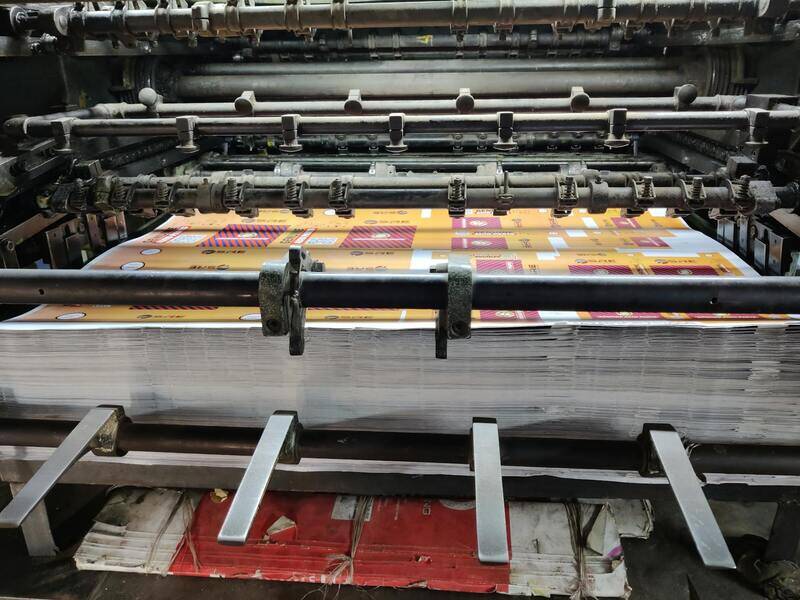
There are several printing methods tailored to meet various needs and expectations. Offset printing is widely used for extensive batches, delivering high-quality visuals with precise color matching and durable finishes. This method involves creating printing plates, which makes it cost-effective in large quantities. Digital printing, by contrast, is suitable for small runs or customized prints, offering faster turnaround without the need for plates. It allows for variable data printing, enabling personalization of each brochure, which is especially beneficial for targeted marketing campaigns. Large-format printing provides options for bigger displays or signage, often used for trade shows or in-store promotions. Additionally, specialty printing services such as embossing, foil stamping, or spot UV coating can add distinctive tactile and visual effects, elevating your brochure’s perceived value and uniqueness. Selecting the right combination of these services depends largely on your project scope, budget, and desired finish.
Choosing the Right Paper and Finishes
Paper quality and finishes significantly influence the look, feel, and durability of your brochures. Heavier cardstock, such as 14pt or 16pt, imparts a sturdy, premium feel that enhances perceived value. Glossy finishes provide vibrant colors and sharp images, ideal for visually rich brochures, while matte finishes offer a sophisticated, non-reflective surface that reduces glare and makes text easier to read. Soft-touch coatings can add a luxurious tactile experience, encouraging longer engagement with your material. Recycled or eco-friendly papers are available for organizations committed to sustainable practices, demonstrating environmental responsibility without compromising quality. Additionally, specialty papers with textures or patterns can create unique effects suited to specific branding or advertising styles. Consulting with your printer about the best paper options and finishes for your brochure’s purpose ensures a final product that both appeals visually and withstands regular handling.
Design Tips for Business Brochures
Effective brochure design balances aesthetics with functionality. Start with a clear hierarchy of information, highlighting key messages and calls-to-action prominently. Use a consistent color scheme and typography that align with your brand identity, ensuring readability and visual harmony. Incorporate high-quality images and graphics that reinforce your message without overwhelming the text. White space is essential; it prevents clutter and guides the reader’s eye naturally through the content. Consider different layout formats—bi-fold, tri-fold, or z-fold—to suit your content volume and distribution method. Keep the language concise, direct, and persuasive, focusing on benefits rather than just features. Adding interactive elements such as QR codes or contact details in easy-to-find locations can foster immediate engagement. Seeking professional graphic design assistance can elevate the overall visual impact, making your brochure both attractive and informative.
Cost Factors in Business Brochure Printing
The cost of brochure printing varies depending on multiple factors. The choice of printing method—offset or digital—directly impacts pricing, with offset generally being more economical at high volumes. Material selection, including paper weight and finish, also influences costs; premium papers and specialty coatings are priced higher. The complexity of design elements, including custom finishes like embossing or foil stamping, can add to the overall expense. Color requirements, such as the use of spot colors versus full process color, similarly affect the budget. Turnaround time and order size are additional considerations; larger quantities typically reduce the per-unit cost, while expedited deadlines may incur additional charges. It is essential to request detailed quotes from reputable printing providers and compare options to find a balance between quality and budget constraints.
Understanding Business Brochure Printing
Business brochure printing is a strategic process that transforms your marketing message into a tangible, visually compelling piece designed to leave a lasting impression. It involves selecting appropriate printing methods, paper qualities, and finishes to ensure the final product aligns with your brand standards and marketing goals. Given the significance of brochures as a key communication tool, it is essential to work with reputable printing providers who utilize high-quality machinery and environmentally responsible practices to produce durable and vibrant brochures that effectively showcase your offerings.
Key Features of Effective Business Brochures
- Clear Branding: Incorporate your logo, brand colors, and consistent typography to reinforce brand recognition.
- Engaging Visuals: Use high-resolution images and graphics that complement your message and appeal to your target audience.
- Concise Content: Present information in a straightforward manner with compelling headlines and succinct descriptions.
- Call to Action: Include prominent contact details, QR codes, or prompts that encourage immediate response or inquiry.
- Clean Layout: Maintain a balanced structure that guides the reader seamlessly from one section to the next, avoiding clutter and overwhelming design.
Types of Brochure Printing Services Available
Several printing techniques ensure your brochures meet specific quality and volume needs. Offset printing is ideal for large batches, offering cost efficiency and high-quality color fidelity. Digital printing provides quick turnaround times and flexibility for short runs or customization. Additionally, specialty printing services, such as embossed finishes or foil stamping, can enhance your brochures’ physical appeal, making your marketing materials more distinctive and memorable.
Choosing the Right Paper and Finishes

Selecting the appropriate paper stock is pivotal in conveying professionalism and durability. Common choices include matte, gloss, and silk finishes, each offering unique tactile and visual effects. Thicker papers, such as 170 GSM or higher, impart a premium feel, suitable for high-end products or services. Finishes like UV coating, laminates, or soft-touch coatings further protect your brochure and add an extra layer of sophistication. Consider incorporating specialty effects such as spot gloss or embossed details to make key elements stand out effectively.
Design Tips for Business Brochures
- Prioritize simplicity by avoiding excessive text or cluttered layouts.
- Use a consistent color scheme that aligns with your brand identity.
- Incorporate industry-relevant images that resonate with your target audience.
- Utilize varied typography to highlight key points and improve readability.
- Strategically position contact details and calls to action for quick accessibility.
- Ensure the design adapts well to various distribution formats, whether folded, rolled, or stacked.
Cost Factors in Business Brochure Printing
The investment in brochure printing varies based on multiple variables. Offset printing typically offers lower per-unit costs at high volumes, making it suitable for large-scale distribution. Premium paper stocks and finishes, such as matte or gloss coatings, increase production costs but significantly enhance the tactile experience. Specialty embellishments, like foil stamping or embossing, tend to incur additional charges, so it is vital to align these choices with your marketing budget. Turnaround times and order sizes also influence the overall expense; larger quantities often reduce unit costs, while rush orders may require additional fees. Procuring quotes from experienced printing service providers ensures an optimal blend of quality and cost efficiency achievable within your budget constraints.
Working with Printing Providers in Singapore
Partnering with reputable printing providers like FastPrinting.org ensures access to advanced printing technology, high-quality materials, and environmentally conscious practices. Start by clearly outlining your brochure specifications, including design, paper type, finishing options, and desired quantities. Request detailed quotations, and review the provider’s portfolio or client testimonials to assess their experience and reliability. Effective communication regarding your expectations, deadlines, and budget constraints helps to streamline the process, ensuring the final product precisely matches your promotional needs. Additionally, confirm turnaround timelines and after-sales support to avoid potential delays or miscommunications, thereby guaranteeing a smooth production experience.