Understanding Bulk Brochure Printing
Bulk brochure printing is a specialized service that involves producing large quantities of printed marketing materials, primarily brochures, with consistency in quality and design. This method is widely utilized by businesses, organizations, and institutions aiming to distribute promotional content efficiently and cost-effectively. Whether it's for product launches, corporate branding, or event marketing, bulk brochure printing offers a scalable solution tailored to significant distribution needs.
Brochures serve as versatile tools for communication, providing information about products, services, or organizational values. When produced in bulk, these printed materials help establish a cohesive brand presence across multiple channels and geographic locations. The process typically involves high-volume presses capable of maintaining uniform color accuracy, sharp images, and durable finishes across large print runs.
One of the key advantages of bulk brochure printing is the significant cost savings per unit. Printing large quantities reduces the overall cost of production, making it an economical choice for ongoing marketing efforts. Additionally, bulk printing reduces lead times for distribution, allowing businesses to meet tight deadlines for promotional events, trade shows, or product rollouts.
Common applications of bulk brochure printing include marketing campaigns, informational handouts at conferences, welcome kits for new clients or employees, and targeted promotional mailings. The ability to produce consistent, professional-grade brochures at scale ensures that a brand's message is delivered clearly and effectively to a broad audience.
Choosing bulk brochure printing over smaller print runs is often driven by the need for uniformity and efficiency. It is particularly advantageous in scenarios where multiple copies are required swiftly to maximize outreach impact. As a result, many organizations prefer this approach for sustained marketing initiatives, ensuring their brand message remains cohesive and present across various touchpoints.
Design and Content Considerations
Developing an impactful brochure requires careful attention to both design elements and the content conveyed. When preparing a bulk brochure for printing, it’s essential to create a layout that effectively balances visuals and text, ensuring readability and visual appeal for large audiences. Consistent branding, such as colors, fonts, and imagery, plays a critical role in reinforcing brand recognition across multiple print materials.
Content should be concise yet informative, tailored to engage the target audience. Use compelling headlines, clear calls to action, and high-quality images that align with the overall message. Incorporating whitespace strategically can enhance readability and make key information stand out. Moreover, ensuring that the content is optimized for print—considering font sizes, color contrasts, and image resolution—will maintain the brochure’s professional appearance after multiple copies are produced.

It is advisable to work with experienced graphic designers or utilize professional design templates to streamline this process. Once the design is finalized, a comprehensive review for accuracy and consistency before sent for bulk printing minimizes errors and ensures the final product aligns with the original vision.
Printing Specifications and Materials
Selecting the right specifications and materials is critical for achieving the desired quality and durability in bulk brochure printing. Common paper options include gloss, matte, or silk finishes, each providing different tactile and visual effects. The thickness or weight of paper, often measured ingsm (grams per square meter), impacts the brochure's sturdiness and perceived value.
Printing techniques, such as offset or digital printing, also influence the overall outcome. Offset printing is typically preferred for high-volume runs due to its efficiency and consistency, whereas digital printing offers flexibility for smaller quantities or variable data printing. Additionally, choosing environmentally friendly inks and sustainable materials can contribute to a more eco-conscious production process, aligning with corporate responsibility goals.
Clear communication with your printing service provider regarding specifications ensures the final product meets expectations. Detailed proofs prior to the full run are standard practice and help identify potential issues early, saving time and costs associated with reprints.
Cost Factors and Budgeting
Understanding the various cost components involved in bulk brochure printing aids in effective budgeting. The primary factors influencing costs include paper quality, printing technique, quantity, and finishing options such as lamination or coating. Printing a larger volume typically reduces the unit cost, leveraging economies of scale that make bulk orders more economical than multiple smaller runs.
Additional costs may stem from design services, proofs, and delivery logistics. Negotiating rates based on the total volume and delivery timeline can yield substantial savings. It is important to establish a clear budget early in the process, communicate specifications precisely, and request detailed quotes from multiple providers to ensure competitive pricing.

By understanding these cost factors, organizations can optimize their print strategy, balancing quality and budget constraints without compromising the effectiveness of their marketing materials.
Lead Times and Delivery Logistics
Efficient management of lead times and delivery schedules is vital for the success of bulk brochure campaigns. Leading printing providers typically offer rapid turnaround services, but lead times can vary depending on project complexity and order volume. Early planning and coordination help ensure that printed materials arrive in time for distribution and promotional events.
Delivery logistics encompass shipping options, tracking, and handling, which must be aligned with the overall campaign timeline. Some providers offer distribution services or partnerships with logistics companies, streamlining the entire process from printing to delivery. Choosing a printing partner with a proven track record for timely and reliable delivery minimizes disruptions and guarantees that marketing initiatives proceed smoothly.
Clear communication regarding deadlines and delivery expectations, coupled with order tracking, ensures that bulk brochures reach their destination efficiently, supporting seamless marketing operations.
Understanding Bulk Brochure Printing
Effective bulk brochure printing requires adherence to official, well-established methods that guarantee quality, consistency, and adherence to industry standards. This process involves collaborating with reputable printing companies that utilize high-grade equipment and authorized printing techniques to produce professional marketing materials. These methods include offset printing and digital printing, both of which are widely recognized for their ability to deliver vibrant colors, sharp images, and durable finishes.
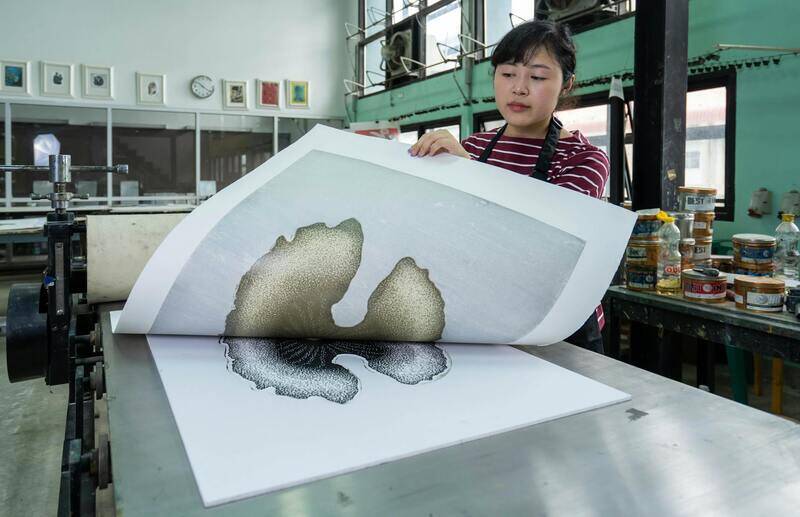
Offset printing, often the preferred choice for large-scale orders, involves transferring ink from a plate onto a rubber blanket and then onto the printing surface. This method is known for its consistency and cost-efficiency when producing high volumes of brochures. Digital printing, on the other hand, employs digital files directly onto the media, offering flexibility and shorter turnaround times for smaller or variable data print jobs. Both techniques require adherence to industry standards and standards set by printing authorities to ensure high-fidelity reproduction.
In addition to choosing the appropriate printing method, organizations should ensure that the printing service complies with industry best practices for color management, paper handling, and finishing processes. This includes using certified inks, environmentally friendly toners, and sustainable papers sourced through official supply channels. Verifying the credentials of the print provider, such as certifications from recognized industry groups, helps to confirm their commitment to quality and due diligence.
Official printing methods also encompass quality control procedures integrated throughout the production process. These include proofing systems for color accuracy, inspection protocols for defects, and standardized procedures for binding and finishing. Selecting a print shop with a transparent and detailed quality assurance process ensures that the final product meets professional standards and aligns with branding requirements.

Understanding Bulk Brochure Printing
Bulk brochure printing involves producing large quantities of printed marketing materials designed to promote your brand, products, or services efficiently. This process requires meticulous planning to ensure consistency, quality, and cost-effectiveness. It typically utilizes advanced printing technology and standardized procedures to deliver professional results tailored to your organization's specific needs. When opting for bulk brochure printing, businesses benefit from economies of scale, enabling significant cost savings per unit compared to smaller runs. This approach is especially advantageous for companies launching widespread marketing campaigns, event promotions, or product launches. The printing process often includes steps such as pre-press preparations, color management, proofing, and finishing, all governed by strict quality controls. Proper execution of these steps guarantees that the final product maintains high visual standards and aligns closely with your branding guidelines. Selecting the appropriate printing method, paper type, and finishing options plays a crucial role in achieving the desired aesthetic and functional qualities required for your brochures.

Key Factors in Choosing a Printing Service
When evaluating options for bulk brochure printing, it is vital to consider several critical factors to ensure your projects meet expectations and are delivered on time. These include:
- Reputation and Experience: Select a provider with a proven track record in high-volume brochure printing. An established company is more likely to have the necessary expertise and equipment to handle large orders efficiently.
- Quality Assurance Processes: Confirm that the printing service employs rigorous quality control measures, such as color calibration standards, inspection routines, and finishing checks. This guarantees your brochures consistently reflect your brand’s professional standards.
- Range of Materials and Finishes: Ensure the provider offers a variety of paper stocks, finishes, and binding options. This flexibility allows customization to better suit your branding and campaign needs.
- Turnaround Times: Evaluate their capacity to meet your deadlines without compromising quality. Reliable lead times are essential for timely campaign execution.
- Pricing Structure: Transparent, comprehensive pricing that includes all aspects of production—proofing, materials, finishing, and delivery—helps in maintaining your project budget.
Design and Content Considerations
Effective bulk brochure printing hinges on strong design elements and compelling content. To maximize impact and ensure coherence across large quantities, consider the following:
- Consistent Branding: Maintain uniformity in color schemes, logo placement, and typography throughout all brochures. This reinforces brand recognition and professionalism.
- High-Resolution Graphics: Use high-quality images and vector graphics to ensure clarity, especially after printing in bulk. Resolution should meet print specifications to prevent pixelation or blurriness.
- Clear Call-to-Action: Make your intent evident by including prominent, easy-to-understand calls-to-action. This guides recipients toward desired responses or engagements.
- Concise Messaging: Craft brief yet impactful copy. Large orders benefit from streamlined content that communicates key messages swiftly.
- Layout and Readability: Use well-organized layouts with plenty of white space, readable fonts, and logical flow. This enhances user experience and retention of information.
Careful consideration of these content and design elements ensures your bulk brochures are not only visually appealing but also effective in conveying your message to a broad audience.
Understanding Bulk Brochure Printing
Bulk brochure printing involves the production of a large quantity of printed materials designed to promote products, services, or brands. This method is particularly advantageous for organizations undertaking extensive marketing campaigns, trade shows, or events where consistency and cost efficiency are essential. Leveraging specialized printing processes, bulk brochure printing ensures high-quality output with uniform coloration, sharp imagery, and cohesive design elements across thousands or even millions of copies.
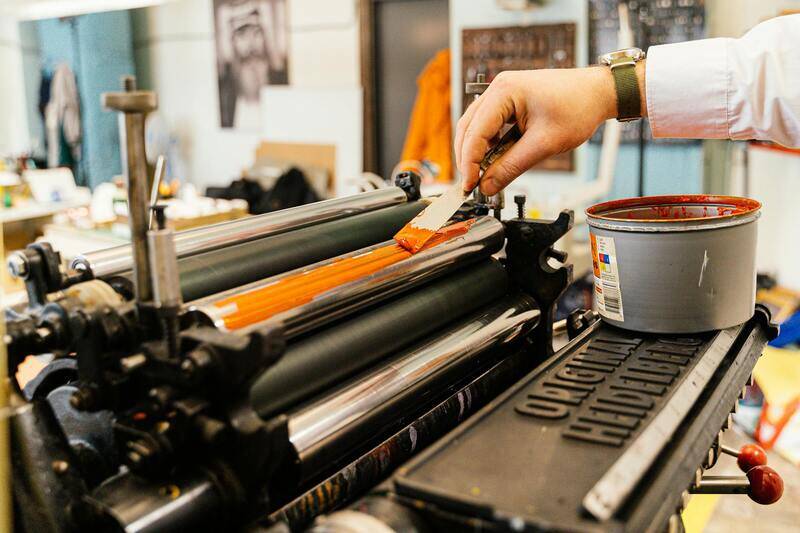
Manufacturers utilize advanced printing technologies such as offset and digital printing, each suited to different volume requirements. Offset printing, famous for its ability to deliver high-quality images with precise color matching, is ideal for large runs. Conversely, digital printing offers rapid turnaround for smaller or more customized batches without compromising quality. The choice between these methods depends on projected quantities, budget constraints, and desired turnaround times.
Another critical aspect of bulk brochure printing is scalability. As demand increases, the ability to maintain consistent quality and efficient production processes becomes paramount. Modern printing facilities employ sophisticated quality control measures, including color calibration and inspection procedures, to guarantee that each batch adheres to strict standards. Additionally, integrating variable data printing allows customization at scale while maintaining efficiency, enabling targeted messaging for different audience segments within the same print run.
Overall, bulk brochure printing remains a vital tool for organizations seeking to make a significant visual impact while optimizing their marketing budget. By understanding the nuances of the printing process, businesses can effectively plan and execute large-scale print campaigns that resonate with their target audiences.
Understanding Bulk Brochure Printing
Bulk brochure printing is an essential component of comprehensive marketing strategies for organizations aiming to reach wide audiences efficiently. This method involves producing large quantities of the same design, ensuring visual consistency and cost-effectiveness across extensive promotional campaigns. The process begins with selecting the appropriate printing technology, which typically ranges from offset to digital methods, depending on the volume and customization needs. Offset printing remains the preferred choice for high-volume orders due to its superior image quality and ability to maintain color fidelity over thousands of copies. Digital printing, however, offers flexibility for smaller batches or personalized variations, making it suitable for specific campaign segments.
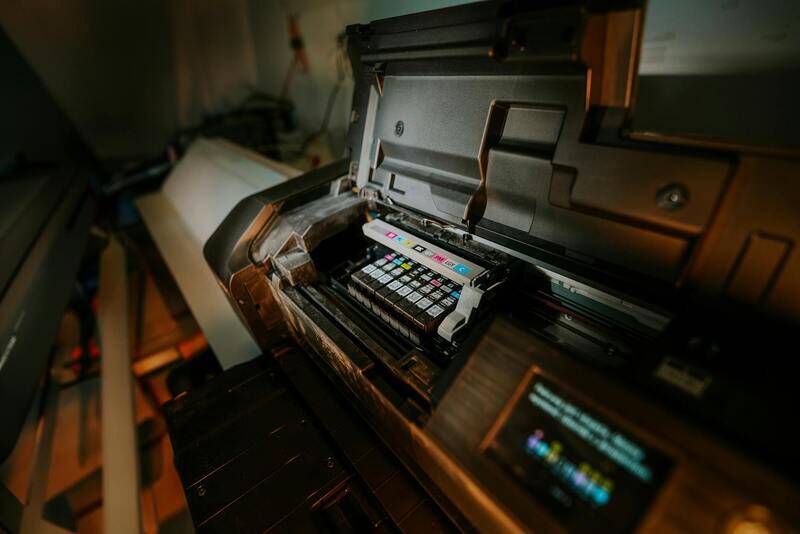
Beyond the printing process itself, bulk brochure printing encompasses a range of logistical and quality control measures. These include precise color calibration, inspection protocols, and the use of premium materials to ensure each batch meets high standards. The scalability of these operations allows organizations to plan large-scale campaigns without sacrificing detail or professionalism, effectively maximizing return on investment.
Key Factors in Choosing a Printing Service
Selecting the right provider for bulk brochure printing hinges on several crucial considerations. First, a reputation for reliability and consistent output quality is paramount. The service provider should demonstrate a robust portfolio of completed projects, emphasizing their expertise in handling large orders. Next, technological capacity plays a vital role; advanced equipment and processes, such as offset and digital presses, ensure that the final product aligns with exact specifications.
Additional factors include the provider's ability to manage complex color matching and the availability of finishing options like glossing, matte coatings, or lamination. These enhancements not only improve the aesthetic appeal but also contribute to the durability of the brochures. Equally important are the provider's logistics and delivery capabilities, which ensure timely fulfillment of large orders.
Design and Content Considerations
Effective bulk brochure printing hinges on a well-thought-out design that communicates the intended message clearly and professionally. When planning content, consistency in branding—through color schemes, fonts, and imagery—reinforces brand recognition. High-quality visuals and compelling copy should work hand-in-hand to engage the target audience.
- Prioritize clarity of key messages to avoid clutter and confusion.
- Use high-resolution images that reproduce well in large volumes.
- Incorporate calls-to-action that motivate responses.
- Ensure content aligns with overall marketing objectives.
Optimizing design files for print involves adhering to specifications such as bleed margins, resolution (minimum 300 dpi), and color profiles, typically CMYK. These technical details guarantee that the printed output matches on-screen designs, preserving visual integrity across large quantities.
Printing Specifications and Materials
The choice of paper and finish plays a significant role in the overall appeal and durability of brochures produced in bulk. Common options include gloss, matte, or satin finishes, each imparting a different tactile and visual effect. For high-end campaigns, thicker stock or specialty papers like recycled, textured, or coated materials may be preferred.
Additionally, the weight of paper (measured in GSM) impacts the lying and handling qualities, influencing perceptions of quality. Heavier papers (e.g., 150-170 GSM) are often used for premium brochures, whereas lighter options (e.g., 100 GSM) are suitable for cost-effective distributions.
Cost Factors and Budgeting
Budgeting for large-scale brochure projects requires a comprehensive understanding of various cost components. These include setup fees, printing methods, material choices, and finishing options. Offset printing, with its high setup costs, becomes more economical with increased volume, typically reducing the per-unit cost as print runs grow. Digital printing minimizes upfront costs, making it more suitable for shorter runs or customized subsets within a larger campaign.
Additional expenses to consider are bulk purchasing discounts on materials, the complexity of folding or binding, and shipping logistics. To maximize budget efficiency, organizations should balance quality expectations with volume requirements, aligning these with available resources.
Careful planning ensures that large-scale brochure printing achieves desired reach and impact without exceeding financial constraints, enabling sustained marketing efforts over multiple campaign cycles.
Understanding Bulk Brochure Printing
Bulk brochure printing involves producing large quantities of printed materials to support extensive marketing and promotional campaigns. It is especially advantageous for organizations aiming to distribute their message broadly, whether through direct mailing, event handouts, or retail display. The process typically benefits from economies of scale, allowing for significant cost savings per unit as print volumes increase. This efficiency makes bulk brochure printing an essential strategy for businesses seeking consistent branding and comprehensive outreach.

Accuracy in order quantities is critical when planning for bulk brochure projects. Precise planning ensures that the supply aligns with distribution channels, avoiding excess inventory or shortages. Many professional printing services offer advanced printing technologies, such as offset and digital printing, tailored to specific volume needs. Offset printing remains the preferred choice for large runs, providing high-quality output and cost efficiency at scale, while digital solutions cater well to smaller or customized batches.
Key Factors in Choosing a Printing Service
- Reputation and Experience: Selecting providers with a proven track record ensures reliable quality and service continuity for large projects.
- Printing Technologies: Offset presses for high-volume, premium quality jobs; digital printing for quick turnaround and customization.
- Material and Finish Options: The ability to handle diverse paper stocks, coatings, and special finishes aligns with branding and durability requirements.
- Cost Transparency and Quotes: Clear pricing models that break down setup, material, and finishing costs aid in budget management.
- Delivery Capabilities: Logistics support, including warehousing and transportation, ensures timely distribution to various locations.
Design and Content Considerations
Effective brochure design maximizes visual appeal and message clarity. When preparing content for bulk printing, it is imperative to consider readability, branding consistency, and call-to-action prominence. High-resolution images and professional graphic layouts should be used to create a compelling visual hierarchy.
- Consistent Branding: Logos, color schemes, and typography should reflect organizational identity.
- Clear Messaging: Concise text that communicates value propositions effectively.
- Strategic Layouts: Use of grid systems and white space to guide reader focus.
- Proofing and Accuracy: Multiple review rounds minimize errors before mass production.

Printing Specifications and Materials
Selecting appropriate specifications and materials is vital to achieving the desired durability, appearance, and functionality of bulk brochures. Choices include paper weight, finish, coating, and specialty options, each influencing cost and presentation.
- Paper Weight: Heavier papers (e.g., 150-170 GSM) lend a premium feel, while lighter options (e.g., 100 GSM) are suitable for mass distribution.
- Finish and Coatings: Matte finishes reduce glare and add sophistication; gloss coatings enhance vibrancy and durability.
- Specialty Materials: Recycled papers and textured surfaces support eco-friendly initiatives and tactile appeal.
- Binding and Folding: Options such as saddle stitching, perfect binding, or advanced folds enhance the brochure's usability and aesthetic.
Cost Factors and Budgeting
Effective budgeting for bulk brochure printing involves understanding all cost components, from setup to finished product. Offset printing offers lower per-unit costs at higher volumes, but requires significant initial setup, making it ideal for large quantities. Digital printing minimizes setup fees and allows for flexible, shorter runs, beneficial for campaigns with frequent updates or smaller batches.
- Setup Fees: Fixed costs associated with preparing the printing press, which are amortized over large volumes.
- Material Expenses: Influence by paper choice, finish, and binding options.
- Finishing and Customization: Specialty cuts, embossing, inserts, or unique coatings add to expenses.
- Shipping and Delivery: Logistics costs vary depending on distance, volume, and delivery speed.
Balancing project requirements against available resources enables organizations to strategize for maximum reach without compromising on quality. This includes leveraging bulk discounts and making informed choices about materials and finishing options.
Understanding Bulk Brochure Printing
Bulk brochure printing is a strategic approach to producing large quantities of print materials efficiently and cost-effectively. By printing in volume, organizations can significantly reduce the per-unit cost, ensuring that marketing collateral remains budget-friendly while maintaining high standards of quality. This method is particularly advantageous for businesses aiming to execute wide-reaching campaigns, such as product launches, seasonal promotions, or community outreach initiatives. When leveraging bulk printing services, companies benefit from streamlined production processes, consistent color matching, and uniform finishes across all copies. This consistency enhances brand recognition and reinforces the professionalism of your visual communications. Moreover, bulk printing allows for a variety of customization options, from paper selection to advanced binding, giving organizations the flexibility to tailor each brochure to their specific marketing goals.

Key Factors in Choosing a Printing Service
Selecting an appropriate printing partner is fundamental to achieving optimal results. Reliable providers should demonstrate extensive industry experience, a comprehensive portfolio of past work, and transparent communication channels. Assess their capacity to handle large volumes without compromising quality, and inquire about their technological capabilities, such as offset and digital printing options. Additionally, review their process for quality assurance, including color matching and finishing techniques. Certifications and positive client testimonials serve as indicators of a reputable service. It is essential to compare quotes meticulously, considering factors like setup fees, turnaround times, and included services. Efficient logistics and delivery options are equally important, ensuring that your brochures reach distribution points promptly without incurring excessive costs.
Design and Content Considerations
Creating compelling content and visually appealing designs is crucial for maximizing the impact of your brochures. Clear, concise messaging aligned with your brand voice should be prioritized. Use high-quality images and graphics that enhance readability and aesthetic appeal. Consistent branding—through logo placement, color schemes, and typography—reinforces recognition. Incorporate calls to action strategically to motivate engagement. During the design process, consider scalability for different formats and the potential for future updates, especially if utilizing digital printing methods that facilitate small batch revisions. Proper layout planning, including margins and bleed areas, ensures the final product appears professional and is conducive to readability.
Printing Specifications and Materials
Choosing the right printing specifications and materials significantly influences the durability and visual impact of your brochures. Options include paper weight, finish type, and special coatings. Thicker papers (e.g., 170-200 GSM) provide a premium feel, whereas lighter papers (e.g., 100 GSM) are more economical for mass distribution. Finish choices such as matte, gloss, or satin coatings affect glare and tactile quality. Specialty materials like recycled paper or textured stock can further support eco-conscious branding efforts while adding tactile interest. Binding solutions—including saddle stitching, perfect binding, or specialized folds—are selected based on the brochure’s design and intended use. These choices impact both the aesthetic appeal and the practicality of the printed materials.
Cost Factors and Budgeting
Understanding the various cost components associated with bulk brochure printing aids in effective budgeting. Offset printing typically provides lower per-unit costs at high volumes but requires significant initial investment for setup. Digital printing offers flexibility with shorter runs and lower setup fees, ideal for campaigns that require frequent updates or smaller quantities. Key cost factors include setup fees, material expenses (like paper quality and finishes), binding and finishing options, and logistics. Incorporating bulk discounts can substantially reduce expenses, especially when planning large-scale production. A balanced approach involves evaluating quality requirements against budget constraints, ensuring that the final product aligns with marketing objectives without overspending. Planning around these financial considerations helps organizations maximize return on investment and streamline resource allocation.
Lead Times and Delivery Logistics
Accurate lead time estimation is vital for coordinating marketing campaigns and distribution schedules. Production timelines vary based on order volume, complexity, and the chosen printing method. Offset printing generally requires longer lead times due to setup procedures but supports high-volume runs efficiently. Digital printing allows for quicker turnaround, suitable for time-sensitive needs. Post-printing, logistics play a critical role in delivering brochures promptly to various locations. Factors influencing delivery include geographic distance, volume, and chosen shipping methods. Partnering with a printing provider experienced in logistics management ensures timely distribution while minimizing costs. Advanced tracking and reliable courier services help maintain order integrity and facilitate smooth campaign rollouts.
Environmental Sustainability in Brochure Printing
Eco-conscious practices are increasingly integrated into brochure printing operations. Using recycled paper, vegetable-based inks, and environmentally friendly finishes reduces the ecological footprint of the production process. Certifications such as FSC or SFI indicate adherence to responsible forestry practices, adding value to environmentally aware branding strategies. Digital printing's minimal waste generation also aligns with sustainability goals, especially for smaller runs or rapid iterations. Additionally, implementing efficient workflow systems and optimizing material usage contribute to resource conservation. By prioritizing sustainability, firms can demonstrate corporate responsibility, appeal to environmentally conscious consumers, and foster trust in their brand identity.