
Overview of Full Color Brochure Printing
Full color brochure printing is an essential marketing tool that utilizes a vibrant palette to communicate your brand’s message effectively. By employing a range of colors, designers can create visually appealing layouts that capture attention and convey key information with clarity. The significance of full color printing lies in its ability to differentiate your business from competitors, evoke emotional responses, and enhance brand recognition. This method is particularly advantageous when showcasing products, highlighting services, or establishing a professional image that resonates with your target audience.
Using full color brochures allows organizations to conceptualize their visual narrative more compellingly. The rich, multicolored designs stand out in a crowded marketplace, making them ideal for trade shows, direct mail campaigns, and in-store promotions. The vibrant colors not only attract eyes but also facilitate better recall, ensuring your message leaves a lasting impression. Moreover, the versatility of full color printing supports various design styles—whether minimalist, intricate, or illustrative—enabling customization to match brand aesthetics and marketing objectives.

The Benefits of Using Vibrant, Multicolored Designs
- Enhanced Visual Appeal: Bright colors make brochures more engaging and eye-catching, increasing the likelihood of consumer interaction.
- Better Brand Recognition: Consistent use of specific colors reinforces brand identity and helps your business stand out.
- Improved Communication: Multicolored graphics can convey complex ideas more clearly and efficiently.
- Higher Engagement Rates: Visually stimulating brochures encourage recipients to read and retain information.
- Versatility in Design: Full color printing supports a wide range of creative layouts, from photographic imagery to vibrant illustrations.
Investing in full color brochure printing enables your marketing efforts to become more impactful. It provides a platform to showcase your offerings in the most attractive manner, ensuring your message resonates with clients and prospects while establishing a professional, memorable brand presence.
Design Considerations for Full Color Brochures
Creating an impactful full color brochure requires meticulous attention to the design elements that influence aesthetics and readability. The layout must facilitate a logical flow of information, guiding the reader seamlessly from one section to the next. Proper alignment, spacing, and hierarchy ensure that key messages stand out without overwhelming the viewer. Incorporating ample white space helps to declutter the design, making content easier to digest and visually appealing.
Imagery plays a pivotal role in producing compelling brochures. High-resolution photographs and illustrations should complement the overall theme, convey the intended message, and evoke emotional responses. When selecting images, consider their relevance and consistency with your brand identity. Vibrant visuals can enhance storytelling, making complex ideas more accessible and engaging.
Color schemes must be chosen thoughtfully to reinforce brand recognition and evoke desired emotional reactions. A harmonious palette that aligns with brand colors enhances consistency, while contrasting hues can draw attention to important sections or calls to action. It’s essential to balance vivid colors with neutral tones to avoid overpowering the design and to maintain readability across all elements.

Overall, the principles of good design include maintaining clarity, coherence, and visual interest. Applying grid systems ensures alignment and proportional balance. Consistent typography styles, font sizes, and spacing make the text easy to read and enhance the professional look of your brochure. Consider the purpose of the brochure and target audience during the design process to create a tailored, persuasive piece that captures attention and delivers your message effectively.
Choosing the right elements during the design phase directly impacts the effectiveness of your brochure in communicating your brand story and offerings. A well-designed piece can significantly influence customer perception and decision-making, making design considerations a critical aspect of the full color brochure printing process.
Understanding Color Management and Printing Techniques
Effective color management is fundamental to achieving vibrant, accurate color reproduction in full color brochure printing. To ensure that printed colors match digital designs, professional printers utilize advanced color management systems that calibrate devices and standardize color profiles across different production stages. This process guarantees consistency, whether the brochure is viewed digitally or in print.
Several printing techniques are employed in high-quality full color brochure production. Offset printing remains the preferred method for large volume runs due to its ability to produce sharp, precise images with consistent quality. It involves transferring ink from plates onto a rubber blanket and then onto the printing surface, allowing for meticulous color control and vibrancy.
Digital printing offers advantages for smaller quantities and quicker turnaround times. It employs digital files directly from computers, eliminating the need for plates, which reduces setup costs and allows for easy customization. While digital printing may not match offset's color richness in large volumes, advancements in digital technology have significantly closed this gap, making it a viable alternative for many applications.

To achieve the best results, print providers often combine techniques or employ hybrid solutions, especially when blending offset quality with rapid digital output. A deep understanding of color profiles, ink formulations, and substrate compatibility plays a crucial role in delivering brochures that meet high standards of visual appeal and durability.
Proper file preparation is equally important. Files should be created in the correct color mode—typically CMYK—to optimize color output. Including bleed areas and ensuring all images and graphics are high-resolution (at least 300 DPI) helps prevent loss of detail during trimming and finishing processes.
The choice of printing technique is influenced by project scope, budget, and desired quality outcomes. Consulting with experienced printing professionals ensures selecting the most appropriate method to produce full color brochures that effectively represent your brand and message.
Color Management and Printing Techniques
Achieving vibrant, accurate colors in full color brochure printing hinges on meticulous color management practices. Precise calibration of printers and monitors ensures that the colors displayed on the screen closely match those produced in print, reducing discrepancies that can compromise visual impact. Employing standardized color profiles, such as ICC profiles, assists in maintaining consistency across different devices and print runs.
Understanding the difference between color modes—CMYK and RGB—is fundamental. For print projects, files must be prepared in CMYK, which corresponds to the four-color printing process, enabling predictable color reproduction. RGB, used primarily for digital displays, can lead to color inaccuracies when converted improperly, resulting in dull or unexpected hues in printed pieces.
Advanced printing techniques further enhance color fidelity and vibrancy. Variations such as spot color printing allow for precise matching of corporate colors or special hues that are difficult to reproduce with standard process inks. Additionally, techniques like flood coating or varnish can add gloss and depth to specific areas of the brochure, accentuating key visuals or call-to-action sections. UV coating provides an extra layer of durability and a high-gloss finish, making colors pop with eye-catching brilliance.
Implementing color management strategies involves regular testing and calibration, particularly when using digital presses or when requiring consistency across multiple print runs. Collaborating with experienced printing professionals who understand these nuances can significantly impact the final product’s quality, ensuring your brochure’s colors accurately represent your brand’s identity and messaging.
Understanding the Printing Processes for Full Color Brochures
When it comes to producing high-quality full color brochures, selecting the appropriate printing method is critical to achieving the desired visual impact and maintaining cost efficiency. The primary printing techniques employed in the industry include digital printing, offset printing, and large-format printing, each with distinctive advantages suited to specific project requirements.
Digital Printing
Digital printing utilizes computer-controlled printing technology, transferring digital images directly onto the chosen substrate. This method is highly flexible, making it ideal for short runs or projects requiring variable data personalization. The speed of digital presses allows for quick turnaround times, which is advantageous for time-sensitive campaigns. Additionally, the setup costs are minimal, as there are no extensive preparations needed before printing; this results in lower costs for small batches of brochures. However, while digital printing delivers vibrant colors and fine detail, its per-unit cost can become less economical as quantity increases, compared to offset printing.
Offset Printing
Offset lithography remains a dominant process especially for large-volume projects due to its exceptional color consistency and high-quality output. It involves transferring ink from plates onto a rubber blanket, then onto the printing surface. This technique allows for precise color matching, rich hues, and sharp image reproduction across extensive runs. Offset printing is also highly cost-effective for large quantities, offering a consistent finish that can incorporate complex color profiles, including spot colors and special finishes such as matte or gloss coatings. The initial setup may be more time-consuming and costly, but once established, the unit cost decreases substantially for larger orders.
Large-Format Printing
For projects that require oversized brochures or banners, large-format printing offers a suitable solution. This method employs specialized wide-format printers capable of producing expansive visuals with high resolution. While not typically used for standard tri-fold brochures, it is effective when bold visuals or large visuals are integral to the design. Large-format printing can also be employed for prototypes, displays, or point-of-sale materials that demand striking visuals.
Choosing the Right Process for Your Brochures
- Consider the Quantity: Short runs favor digital printing for quickness and flexibility, whereas offset is more economical for larger quantities.
- Prioritize Visual Quality: Offset printing tends to produce more consistent and richer color matches for sophisticated designs.
- Assess Turnaround Time: Digital printing typically requires less preparation, enabling faster delivery times.
- Budget Constraints: Evaluate initial setup costs versus long-term per-unit expenses to determine the most suitable method.
Understanding the Printing Techniques for Full Color Brochures
Achieving high-impact visuals and vibrant colors in full color brochure printing requires selecting the appropriate printing techniques tailored to your project's specific needs. The two primary methods used in professional brochure production are offset printing and digital printing, each with distinct advantages that influence quality, cost, and production time.
Offset Printing: The Gold Standard for High-Volume, High-Quality Brochures
Offset printing remains the preferred method for producing large quantities of full color brochures due to its excellent color fidelity and consistent quality. This process involves transferring ink from a plate onto a rubber blanket, which then applies it onto the printing surface. Offset presses use CMYK color models combined with spot colors for precise color matching, especially important for branding consistency.
One notable benefit of offset printing is its ability to faithfully reproduce complex images, gradients, and detailed graphics, making it ideal for brochures that rely heavily on visual impact. Despite higher initial setup costs, offset printing becomes more economical per unit when producing quantities exceeding 1,000 copies. Furthermore, this process allows for a range of finishes—such as matte, gloss, or soft-touch coatings—that enhance the tactile quality of the brochure and make colors pop.
Digital Printing: Flexible and Fast for Short Runs
Digital printing offers a versatile alternative, especially suited for short runs and projects requiring quick turnaround times. Using high-resolution digital presses, this method enables direct printing from digital files without the need for plates, reducing setup time and costs. This flexibility makes digital printing highly effective for personalized brochures or limited editions where customization is essential.
The color quality in digital printing has significantly improved, allowing for accurate reproduction of photos and complex color schemes. While the per-unit cost may be higher for large quantities compared to offset printing, digital methods eliminate the need for extensive setup, making it economical for smaller batches. Additionally, digital presses support variable data printing, enabling each brochure to have unique content or graphics without additional costs.
Choosing the Appropriate Technique Based on Project Goals
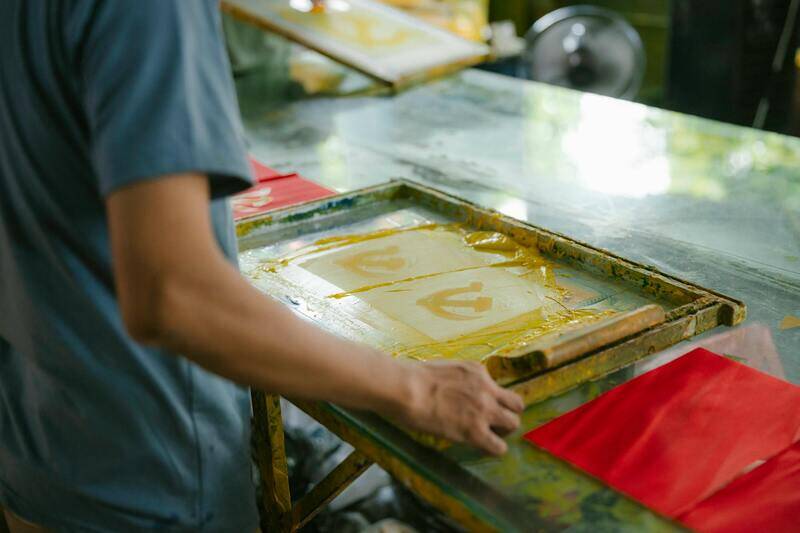
- Quantity: Opt for offset printing when producing large quantities to achieve better unit costs, while digital printing serves small to medium runs more efficiently.
- Design Complexity: Offset printing excels at reproducing intricate designs with precise color fidelity, suitable for brand-sensitive materials.
- Lead Time: For quick turnarounds, digital printing offers faster setup and production cycles.
- Budget: Evaluate the initial setup costs against long-term per-unit expenses to determine the most cost-effective method for your project.
Employing modern printing presses with advanced color management ensures that your full color brochures meet high standards of consistency and vibrancy, regardless of the chosen process.
Full Color Brochure Printing: Optimal Strategies for Production and Distribution
Effective Distribution and Usage of Brochures
Maximizing the impact of your full color brochures hinges on strategic distribution and targeted usage. To ensure your printed materials reach the intended audience effectively, it is crucial to tailor your approach based on the nature of your products or services, as well as your marketing objectives. Distributing brochures in high-traffic locations, such as trade shows, malls, or industry events, can significantly increase visibility. Partnering with relevant industry partners for distribution can also extend your reach without substantial additional costs.
Segmentation plays a key role in distribution strategies. Identify demographic and psychographic traits of your target customers to customize your delivery channels accordingly. For instance, sending personalized offers or exclusive invites via direct mail can foster stronger engagement. Incorporating QR codes or personalized URLs in brochures adds an interactive element that guides recipients to your digital platforms, increasing traffic and feedback.
Maximizing Outreach through Strategic Placement
- Location-Based Targeting: Place brochures in strategic venues frequented by your ideal customers.
- Event Sponsorships: Distribute brochures at trade shows, community events, or seminars relevant to your industry.
- Partner Collaborations: Co-brand your brochures with complementary businesses to broaden exposure.
Enhancing Engagement and Recall
To make a lasting impression, your brochures should be engaging, easy to read, and visually compelling. Use high-quality images, clear headlines, and concise calls-to-action. Pulled-out offers or limited-time discounts can incentivize immediate response. Ensuring consistency in branding across all printed materials helps reinforce brand recognition and trust among your audience.
Strategies to Maximize Marketing Impact
- Follow Up: Collect contact information through QR codes or discount codes for future marketing efforts.
- Track Responses: Use unique offers or URLs to measure the effectiveness of your distribution channels.
- Integrate with Digital Campaigns: Complement brochure distribution with online advertising, email marketing, and social media outreach to create a cohesive campaign.
- Maintain Quality Standards: Regularly update and refresh your brochures to ensure consistent representation of your offerings and brand image.
Optimizing Usage for Different Scenarios
Full color brochures are versatile tools suitable for a range of marketing and informational purposes, including product launches, company profiles, event invitations, or service guides. Depending on your goal, consider customizing content to match your audience's interests and expectations. For instance, a detailed brochure with technical specifications may be ideal for B2B clients, while lifestyle imagery and straightforward messaging work well for consumer-focused campaigns.
Understanding the Printing Techniques for Full Color Brochures
When it comes to producing vibrant and detailed full color brochures, selecting the appropriate printing process is essential to achieving high-quality results. There are several printing techniques commonly employed, each with unique advantages that cater to different production needs and budget considerations.
Offset Printing
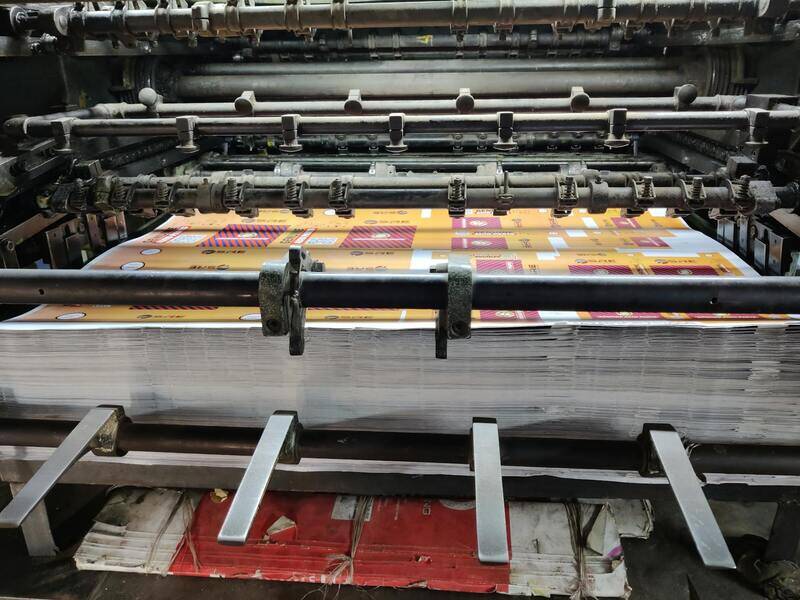
Offset printing remains the most popular choice for large volume orders, offering exceptional color accuracy and sharp image reproduction. This method involves transferring ink from metal plates to a rubber blanket, then onto the paper. Its ability to produce consistent quality over thousands of copies makes it ideal for extensive marketing campaigns requiring uniformity across all printed materials.
Digital Printing
Digital printing provides a cost-effective solution for smaller print runs and faster turnaround times. Utilizing high-resolution inkjet or laser technology, this method allows for quick setup and printing without the need for plates. Digital printing also offers advantages in customizing individual copies, making it suitable for personalized brochures or short-term projects.
Gravure and Flexography
While less common for brochures, gravure and flexography printing are used predominantly for specialty applications involving high-volume production or specific substrates. These processes excel in producing high-impact images with vibrant colors and are often employed in packaging but can serve niche needs in brochure printing with specific requirements.
Color Management and Quality Control
Maintaining consistent color output across printed batches is essential for a professional appearance. Effective color management involves using calibrated devices, color profiles, and proofing techniques to accurately predict final results. Proofs—either digital or printed—are typically reviewed before the full run to ensure that colors, images, and layout meet expectations.
Advances in Printing Technology
Recent technological advancements have further enhanced the capabilities of full color brochure printing. High-definition printing presses now deliver finer details and smoother gradients, while eco-friendly inks and substrates allow for sustainable production without compromising quality. Integrating these innovative solutions ensures that your marketing materials resonate with a modern, environmentally conscious audience.
Optimizing Visual Impact through Printing Precision
Achieving eye-catching visuals requires precise registration and color matching. Commercial printers utilize advanced calibration tools to align colors correctly across multiple pages and finishes. The calibration process minimizes color deviations, ensuring vibrant images and consistent branding throughout your brochure. Additionally, techniques such as spot UV coating or embossed elements can be added during printing to enhance specific sections or add tactile appeal, further elevating the brochure's visual impact and professionalism.
