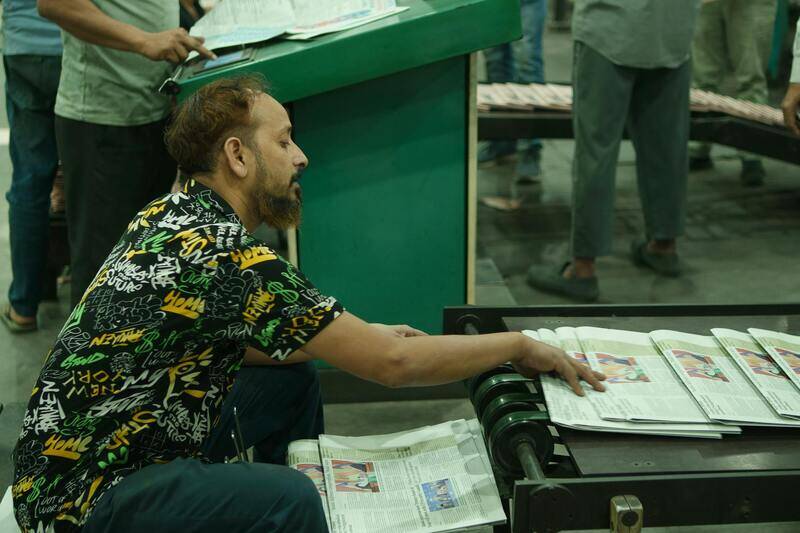
Understanding Banner Printing Prices
Banner printing is an essential marketing tool for businesses, events, and promotions. To achieve an effective visual impact, understanding the typical costs associated with banner printing services is crucial for planning and budgeting effectively. The price range for banner printing varies widely depending on numerous factors, including the size, material, and complexity of the design. Typically, prices can start from as low as a few tens of dollars for small, simple banners and increase to several hundred dollars for larger, high-quality or customized banners. The primary elements that influence these costs include the choice of material, the printing technique employed, the banner’s dimensions, and the degree of design customization required.
Quality, durability, and print resolution also play a vital role, as higher-end options tend to be priced at premium levels. It is advisable for individuals and businesses to weigh these factors carefully to determine the best balance between cost and quality for their specific needs. Recognizing the range and influencing factors ensures informed decision-making, avoiding overspending while still securing a professionally produced banner that effectively communicates your message.
Types of Banners and Their Cost Implications
Different types of banners are suited for varying purposes and environments, impacting their pricing. Common types include:
- Vinyl Banners: Known for durability and versatility, vinyl banners are used indoors and outdoors, with costs reflecting their size and quality.
- Fabric Banners: Often used for events or retail displays, these tend to be more expensive due to the material's texture and finish.
- Mesh Banners: Designed for outdoor use where wind passage is needed, these are typically cost-effective for large formats.
The selection of banner type depends on usage duration, environment, and budget, affecting overall costs.
Size and Dimensions Affecting Cost
The dimensions of a banner directly impact its printing cost. Larger banners require more material and print ink, which increases production expenses. Standard sizes such as 2x4 feet or 3x6 feet offer affordable options for small-scale advertising, while custom or oversized banners (e.g., 10x20 feet) entail significantly higher costs. When estimating expenses, it is vital to precisely measure the intended display area and consult with printing providers about price variations based on size.
Design Complexity and Customization
The intricacy of a banner’s design influences production time and materials, thus affecting the price. Simple designs with minimal colors and straightforward fonts are usually the most economical. Conversely, banners with complex graphics, detailed images, or multiple color layers require more ink, advanced printing techniques, and longer setup times, leading to increased costs. Customizations such as special finishes, eyelets, or reinforced edges might also add to the total expense.
Printing Techniques and Materials
Various printing methods and materials contribute to cost variations:
- Solvent and Eco-Solvent Printing: Common for outdoor banners, these techniques offer high durability and vibrant colors but at a higher price point.
- UV Printing: Suitable for rigid or fabric banners, UV printing provides high-quality, fade-resistant visuals with a premium price tag.
- Screen Printing: Less common for banners but beneficial for large-volume orders with simple designs, often reducing unit costs.
Material choices such as standard vinyl, premium mesh, or fabric each carry different costs, with higher-quality options offering increased longevity and visual appeal.
Additional Cost Factors
Other elements that may influence the final banner printing price include:
- Finishing options like hemming, grommets, or pole pockets
- Number of banners ordered (bulk discounts may apply)
- Delivery or installation services
- Design assistance or artwork preparation fees
Considering these components allows for a comprehensive budget plan that aligns with your promotional objectives.
Tips for Budgeting and Cost Comparison
To optimize your banner printing expenditure, it is advisable to compare quotes from multiple providers, clearly communicate your specifications, and inquire about any available packages or discounts. Planning ahead and providing detailed artwork can also reduce setup fees and turnaround times, ensuring your campaign remains within budget. Always review the final output quality and review samples before proceeding with large orders to prevent costly mistakes or reprints.
Average Price Range in Singapore
In Singapore, banner printing prices typically range from approximately SGD 50 to SGD 300 per banner, depending on size, material, and design complexity. Smaller, standard vinyl banners with basic design elements tend to be at the lower end of the spectrum, while larger or custom banners with intricate graphics are priced higher. Local print shops often provide package deals for bulk orders, enabling cost savings for multiple banners within a campaign. When selecting a printing service, it’s essential to prioritize quality and durability to ensure the banners serve their intended purpose effectively over time.
Understanding Banner Printing Prices
When planning for high-impact promotional campaigns, understanding the various factors affecting banner printing costs is essential. The price of banner printing is driven by multiple components, including the choice of materials, banner dimensions, design intricacy, and additional finishing options. Each of these factors contributes to the overall budget, making it important to review and compare different options meticulously.

Types of Banners and Their Cost Implications
The selection of banner type significantly influences the overall expenditure. Vinyl banners are among the most economical and popular choices, offering durability and weather resistance suitable for outdoor use. Fabric banners, often made from polyester or mesh materials, tend to be more expensive due to their premium finish and texture but offer superior visual appeal and a softer appearance.
Other options include mesh banners designed for wind resistance in outdoor settings and canvas banners that provide a classic look suitable for indoor displays. Each material has distinct cost brackets, with vinyl being the most budget-friendly and specialty fabrics commanding higher prices, especially when custom finishes or textures are involved.
Size and Dimensions Affecting Cost
The size of the banner directly correlates with its cost. Larger banners require more raw material, increasing material costs and printing time. Standard sizes, such as 3x6 feet or 4x8 feet, are generally more affordable due to economies of scale. Custom dimensions or oversized banners naturally incur additional costs, not only for material but also for specialized printing equipment calibration.
Design Complexity and Customization
The level of detail within a banner's design can have a profound impact on pricing. Simple designs with minimal graphics and text tend to be less costly to produce, while banners featuring intricate graphics, high-resolution images, or complex color gradients may require advanced printing techniques and longer setup times, thus increasing costs.
Customization options such as personalized logos, unique typography, or special color palettes can add to the overall price. Providing print providers with a clear, high-quality digital file without the need for extensive modifications can help control costs while ensuring your banner’s visual effectiveness.
Printing Techniques and Materials
Offset printing, digital printing, and large-format inkjet printing are common techniques utilized for banner production. Digital printing is suitable for short runs and highly detailed images, whereas offset may be more cost-effective for large quantities with consistent designs. The choice of ink and finishing coatings also affects pricing; UV coatings, matte or gloss finishes, and weatherproof sealants enhance durability but may carry additional charges.
Additional Cost Factors
- Finishing options: Grommets, pole pockets, hems, or reinforced edges add to the cost but improve durability and usability.
- Setup fees: Design adjustments or preparing artwork files might incur one-time setup costs.
- Delivery and installation: Costs may vary depending on distance, site accessibility, and installation complexity.
- Bulk orders: Ordering multiple banners can often lead to discounts, reducing per-unit costs significantly.
Tips for Budgeting and Cost Comparison
- Request detailed quotes from multiple providers, specifying dimensions, material preferences, and design complexity.
- Ask about discounts for bulk orders and available package deals to maximize savings.
- Provide high-quality digital artwork upfront to minimize setup fees and ensure swift project turnaround.
- Prioritize durability and material quality to avoid frequent replacements, providing long-term savings.
- Review samples or previous work samples to assess print quality before committing to large orders.
Average Price Range in Singapore
In Singapore, banner printing prices generally range from SGD 50 to SGD 300, influenced by factors like size, material, and design complexity. Standard vinyl banners with straightforward graphics tend toward the lower end, while larger, custom, or intricately designed banners push prices higher. Many local printers offer package deals for bulk orders, which can be advantageous for extensive campaigns. When selecting a service, balancing cost with quality and durability is crucial to ensure your banner effectively supports your marketing objectives over time.
Understanding Banner Printing Prices
Banner printing costs are primarily influenced by various factors such as size, material, printing technique, and customization level. Recognizing these factors helps in making informed decisions that align with your marketing budget and objectives. A clear understanding of the pricing structure ensures that businesses can allocate resources effectively, avoid overspending, and achieve maximum return on investment.

Size and Dimensions Affecting Cost
The physical size of a banner significantly impacts its overall price. Larger banners require more raw materials, increased printing time, and often more robust hanging hardware, which collectively drive up costs. Typical exposure in outdoor settings or large-scale promotional displays usually necessitate larger dimensions, thus escalating expenses. It’s crucial to balance visibility and budget constraints by selecting dimensions that effectively communicate your message without unnecessary expenditure.
Pricing models generally revolve around square footage or specific size brackets. For instance, smaller banners under 3 feet may cost substantially less per unit, while banners exceeding 10 feet in width tend to have proportionally higher prices due to equipment and material requirements. Custom shapes and unusual proportions can add to costs but may be justified by design needs or promotional impact.
Design Complexity and Customization
The intricacy of a banner’s design directly influences production costs. Simple graphics with minimal colors are cheaper to produce, especially if the design aligns with standard templates or straightforward layouts. Conversely, banners featuring detailed artwork, multiple colors, or custom illustrations necessitate advanced printing techniques and more meticulous setup procedures, thereby increasing expenses.
Customization options such as unique fonts, logos, and special effects like matte or gloss finishes further modify the cost structure. Advanced customization not only enhances visual appeal but often requires additional proofing or edits, contributing to the overall price. Understanding the scope of customization necessary allows for accurate budgeting and avoids unforeseen charges during production.
Printing Techniques and Materials
The choice of printing technology—such as solvent, eco-solvent, UV, or dye sublimation—impacts both the quality and cost of banners. Solvent and eco-solvent methods are prevalent for outdoor banners due to their durability and weather resistance, yet they tend to be more expensive than simple digital printing options.
Material selection plays a crucial role in pricing. Common banner materials include vinyl, mesh, fabric, and PVC. Vinyl remains the most popular for durability and versatility and is generally cost-effective, especially when purchased in bulk. Mesh banners are suitable for windy environments and may carry a slightly higher price point. Fabric banners, appreciated for their aesthetic appeal, also tend to cost more because of their specialized finishes and printing requirements.
Additional Cost Factors
- Edge Reinforcements and Grommets: Adding reinforced edges, eyelets, or grommets to banners for easy hanging slightly increases material and labor costs but extends lifespan.
- Finishing Touches: Laminating, hemming, or applying special coatings for weather resistance contributes additional expenses but ensures longevity.
- Delivery and Installation: Transportation costs vary based on location, size, and accessibility of the installation site. Complex installations may require professional rigging, further adding to the total cost.
- Artwork Preparation: If design files need modification or formatting, some providers charge setup fees, though providing ready-to-print files can minimize such costs.
Tips for Budgeting and Cost Comparison
- Request detailed quotations from multiple printing providers, ensuring that all specifications—size, materials, design complexity—are clearly outlined.
- Inquire about discounts for bulk orders, as larger quantities often afford significant per-unit savings.
- Prepare high-quality, print-ready artwork to minimize setup charges and avoid delays.
- Evaluate the durability and material quality of the banners to ensure long-term effectiveness, which can reduce the need for frequent replacements.
- Review samples or an online portfolio to assess print quality and accuracy before placing large orders.
- Consider the total costs involved, including transportation, installation, and potential after-sales services, when comparing quotes.
Average Price Range in Singapore
In Singapore, banner printing prices typically range from SGD 50 to SGD 300, depending on the specifics of size, material, and design complexity. Standard vinyl banners with basic graphics are usually at the lower end of the spectrum, making them suitable for short-term promotions or internal events. Larger-format banners with intricate designs or special finishes can push costs higher. Many local print service providers offer package deals for bulk orders, which can be cost-effective for large campaigns or regular marketing efforts. Prioritizing a balance between cost, durability, and visual impact is essential to ensure the banner effectively supports your promotional goals over time.
Understanding Banner Printing Prices
Determining the cost of banner printing involves analyzing several core components that influence the final price. These include the choice of materials, printing technology, design specifications, and additional services. When evaluating banner printing prices, it is essential to consider these elements meticulously to ensure that the investment aligns with your promotional needs and budget constraints.
Factors Affecting Banner Printing Costs
- Material Selection: Different materials, such as vinyl, mesh, fabric, or eco-friendly substrates, have varying costs. Vinyl banners are common due to their durability and affordability, whereas specialty materials like fabric or mesh may entail higher expenses but offer enhanced visual effects or weather resistance.
- Printing Technology: The choice between dye sublimation, solvent printing, UV printing, or eco-solvent techniques influences costs. UV printing, for example, typically provides sharper images and longer-lasting results, often at a higher price point due to equipment and material requirements.
- Design and Complexity: More intricate, multi-colored designs with detailed graphics or photographic elements generally require additional printing time and labor, which can increase expenses. Simple designs with minimal colors are usually more economical.
- Quantity and Turnaround Time: Ordering in bulk often results in per-unit cost savings, as many providers offer discounts for larger quantities. Urgent projects or expedited services may also carry premium charges due to the need for priority processing.
- Additional Services: Services such as lamination, eyeleting, hemming, or special finishes contribute to the overall cost. These enhancements can improve durability and appearance, providing added value for longer-term usage.
Effective Methods for Cost Management
To optimize your budget when planning for banner printing, consider adopting official and legitimate methods to ensure quality and cost-efficiency:
- Request Multiple Quotations: Contact several reputable print providers to gather detailed quotes. Comparing these estimates reveals market prices and helps identify competitive rates based on your specifications.
- Clarify Specifications Clearly: Provide precise details about size, materials, design files, and finishing requirements upfront. This transparency prevents unexpected charges arising from scope changes or misunderstood needs.
- Leverage Bulk Discounts: If you require multiple banners, inquire about volume discounts. Many providers offer scaled pricing for larger orders, making it advantageous to bundle printing projects when possible.
- Prepare Artwork in High-Resolution: Providing print-ready, high-quality files minimizes setup time and reduces the risk of errors or reprints, ultimately saving costs.
- Assess Long-Term Value: While cheaper options may seem appealing initially, investing in higher-quality materials or finishes can decrease the frequency of replacements, providing better value over time.
- Review Samples and Portfolios: Evaluating samples or online portfolios ensures that the provider can deliver the desired print quality, avoiding costly reprints or dissatisfaction with the finished product.
- Include Ancillary Expenses in Budgeting: Be aware of additional costs such as transportation, installation, or post-printing services to establish a comprehensive budget plan.
Average Price Range in Singapore
In the Singapore market, banner printing prices generally fall within the range of SGD 50 to SGD 300. Basic vinyl banners featuring straightforward graphics are typically priced at the lower end, ideal for short-term promotions or internal events. For larger-format banners with complex designs or premium finishes, costs tend to be higher. Many local providers offer discounted packages for bulk orders, which can be beneficial for sustained marketing campaigns or large-scale events. Balancing cost considerations with durability and visual quality ensures that your banners effectively support your promotional efforts over their intended lifespan.

Understanding Banner Printing Prices
Assessing banner printing costs involves examining several key factors that influence overall expenses. The pricing structure typically reflects the chosen printing method, material quality, size specifications, and customization requirements. Recognizing these elements helps in making informed decisions that align with marketing goals and budget constraints.
Factors Influencing Banner Printing Costs
- Material Selection: The choice of substrate — such as vinyl, fabric, or mesh — significantly impacts pricing. Premium materials with enhanced durability or special finishes like matte or gloss can elevate costs but offer longer lifespan and improved visual appeal.
- Printing Technique: Advanced methods such as UV printing or solvent printing tend to be pricier due to their high-quality output and ability to print on diverse surfaces. Screen printing, usually suitable for large quantities with simple designs, may offer cost advantages for bulk orders.
- Design and Artwork Complexity: Intricate designs, full-color images, and custom graphics increase production time and material use, subtly raising the price. Conversely, simpler graphics with fewer colors are more economical.
- Turnaround Time: Expedited delivery or rush orders generally incur additional fees, reflecting the urgency of production schedules.

Additional Cost Factors
Beyond the core printing expenses, there are ancillary costs to consider:
- Design Services: If professional design assistance is required, it adds to the overall cost but ensures the final product aligns with branding standards.
- Installation and Transportation: Large-format banners or those requiring special mounting procedures may involve additional charges for installation and logistics.
- Post-Printing Finishes: Coatings such as lamination or anti-scratch overlays safeguard the banner and can enhance visual quality but may add to production fees.
Cost-Effective Strategies for Banner Printing
To optimize your budget, consider these approaches:
- Compare quotes from multiple providers, paying attention to included services and material specifications.
- Evaluate the durability relevant to your banner’s lifespan and environment—investing slightly more upfront may reduce replacement costs later.
- Plan in advance to avoid rush charges while also taking advantage of bulk order discounts.
- Work with designers to streamline artwork and minimize revisions, preventing unnecessary expenses.
Analyzing these factors thoroughly ensures that your banner printing investment delivers maximum impact within your financial plan. Recognizing how size, material, printing methods, and additional services contribute to costs helps in selecting solutions that balance economy with visual effectiveness.
Understanding Banner Printing Prices
Accurate knowledge of banner printing prices is essential for effective planning and budgeting, especially when working with reputable providers such as fastprinting.org. Recognizing the various elements that influence the final cost allows clients to make informed decisions and select options that align with their marketing goals and financial constraints.
Types of Banners and Their Cost Implications
The type of banner selected significantly impacts the overall expense. Common options include vinyl banners, fabric banners, mesh banners, and step-and-repeat graphics. Vinyl banners are typically the most economical choice, offering durability and weather resistance suitable for outdoor use. Fabric banners, often used for indoor displays, provide a premium appearance but usually come at a higher price point. Mesh banners are ideal for large-scale outdoor advertising in windy environments, with costs influenced by material and size. Specialized banners like step-and-repeat backdrops, catering to events and branding, may incur additional design and printing charges due to their complex patterns.
Size and Dimensions Affecting Cost
The physical dimensions of a banner play a crucial role in determining printing costs. Larger banners require more material and longer printing times, which directly increase expenses. Standard size options such as 2x4 feet or 3x6 feet offer cost-efficient solutions, while custom dimensions, especially those exceeding typical measurements, should be anticipated to cost more. For instance, a 10-foot banner will generally cost more than a 4-foot banner, considering both material and print volume. Precise measurement and planning ensure that you select a size that balances visibility with cost-efficiency.
Design Complexity and Customization
The intricacy of your banner design influences the overall printing price. Simple text-based banners with minimal graphics tend to be less expensive, as they require less time for setup and fewer color inks. Conversely, highly detailed images, gradients, and multiple colors increase production costs. Customization features such as unique shapes, cutouts, or special finishes also add to expenses. Working with a professional designer can streamline this process, ensuring that the artwork is optimized for printing, which can prevent costly revisions and adjustments later.
Printing Techniques and Materials
Different printing methods, including digital printing, solvent printing, and eco-solvent techniques, offer varying cost structures. Digital printing is generally the most cost-effective for small to medium quantities and provides high-quality images. The choice of materials impacts pricing as well; for example, standard vinyl offers durability at a lower cost, while premium weatherproof or textured materials can increase expenses. Additionally, specialized finishes like matte coating, gloss lamination, or anti-scratch layers contribute to the final price but enhance visual appeal and longevity.

Selecting the right combination of method and material requires careful consideration of environmental exposure, duration of display, and desired visual effects. While initial costs are important, investing in quality materials and techniques can result in a more durable and attractive banner, ultimately delivering better value over time.
Understanding Banner Printing Prices
Pricing for banner printing varies significantly based on several key factors that influence both the production process and the final output quality. To make informed decisions, it is crucial to recognize the main elements affecting costs, such as size, material, design intricacies, and printing methods. By understanding these variables, clients can better estimate their budget and select options that align with their marketing strategies and visual expectations.
Types of Banners and Their Cost Implications
The choice of banner type plays a fundamental role in determining overall expenses. For instance, standard vinyl banners serve as a popular option due to their affordability and durability, making them suitable for short-term outdoor or indoor displays. Conversely, mesh banners, which feature small perforations for wind passage, tend to be more costly but offer enhanced resistance to weather conditions. Fabric banners, often used for premium indoor events, not only provide superior visual appeal but also tend to have a higher price point because of their high-quality materials and printing techniques. Each type of banner comes with different pricing structures influenced by material composition, printing complexity, and intended lifespan.
Size and Dimensions Affecting Cost
Size is among the most prominent determinants of banner pricing. Larger banners require more raw materials and increased manufacturing time, which elevates costs accordingly. For example, a standard 3x6-foot vinyl banner may be priced significantly lower than a custom-sized 10x20-foot display. When planning your budget, it is essential to balance the size with the visual impact needed for your campaign. Additionally, aspect ratios and shape customization can contribute to additional expenses, especially if unique or irregular dimensions are required for specific applications.
Design Complexity and Customization
The intricacy of your banner’s design greatly influences the overall printing cost. Simple designs with minimal colors are typically less expensive due to fewer print passes and ink usage. Conversely, banners featuring detailed graphics, gradients, or numerous colors result in longer production times and higher ink consumption. Custom features such as die-cut shapes, scalloped edges, or specialized finishes like matte or gloss coatings can also add to the total cost. Working with experienced designers to create optimized artwork helps prevent costly revisions, ensuring that the final output meets expectations without unnecessary expenses.
Printing Techniques and Materials
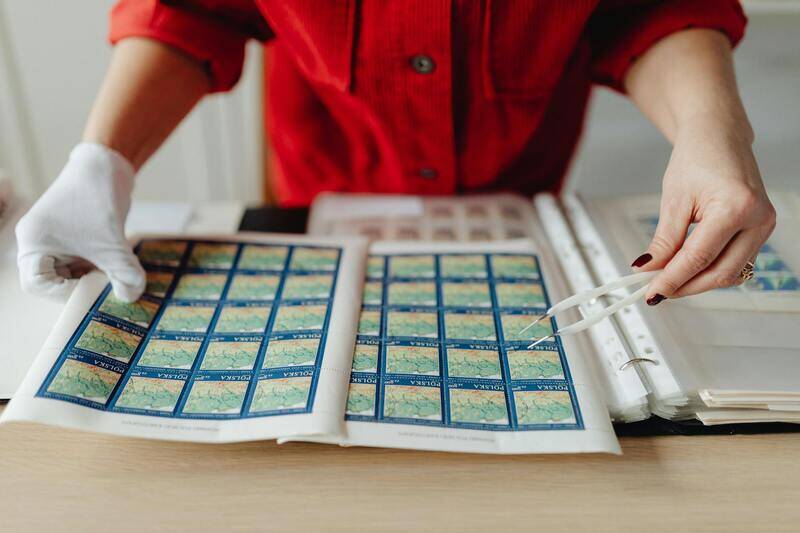
Different printing methods influence the final costs and durability of banners. Digital printing is the most common for small to medium runs, offering quick turnaround and high-quality images at a relatively moderate price. For outdoor banners exposed to harsh weather conditions, solvent or eco-solvent printing techniques are preferred as they provide excellent weather resistance but tend to be slightly more expensive. The selection of materials also impacts costs—standard vinyl is economical but less durable, while premium weatherproof fabrics or textured substrates offer enhanced longevity but at a higher price point. Finishing touches like lamination, anti-scratch coatings, or UV protection further influence the final price but add durability and aesthetic value.
Additional Cost Factors
Other elements that contribute to the overall cost include the complexity of installation, the number of banners ordered, and turnaround time requirements. Bulk orders often benefit from discounts, reducing the cost per unit. Similarly, expedited production and delivery may incur additional fees. Storage and transportation costs should also be considered, especially for large or multiple banners. Maintaining open communication with your printing provider ensures clarity regarding these potential add-ons, allowing for accurate budgeting and avoiding unexpected expenses.
Understanding Banner Printing Prices
Determining the appropriate budget for banner printing involves a comprehensive understanding of how various elements influence the overall cost. Beyond the basic expense of production, several factors such as material choice, printing technology, size, design intricacy, and additional features play crucial roles in shaping the final price. When engaging with a printing service like fastprinting.org, it is essential to clarify these aspects in advance, ensuring the quote aligns with your campaign requirements and financial plan. The precise calculation of banner printing costs enables strategic allocation of marketing resources, maximizing visibility while maintaining cost-effectiveness.
Types of Banners and Their Cost Implications
The variety of banner types available caters to diverse promotional needs, each with distinct pricing considerations:
- Vinyl Banners: The most common, offering affordability and durability, suitable for both indoor and outdoor use. Their cost-effectiveness makes them ideal for short-term campaigns or events.
- Fabric Banners: Known for a sleek appearance, these tend to cost more than vinyl due to the premium materials involved. They are often used for indoor displays or trade shows.
- Mesh Banners: Designed for outdoor settings, especially where wind resistance is necessary, mesh banners are slightly pricier due to specialized perforated materials.
- Premium Materials: Textured or specialty substrates, such as fabric with matte or gloss finishes, can significantly increase expenses but enhance visual appeal and durability.

Size and Dimensions Affecting Cost
Size remains a primary determinant of banner printing costs. Larger banners require more raw material, increased ink usage, and longer production times, all of which contribute to higher prices. Standard sizes like 2x4 feet or 3x6 feet are often more economical due to bulk material usage and ease of production. Custom sizes, especially those exceeding typical dimensions, incur additional setup and cutting charges. For heightened visibility, many organizations opt for oversized banners; however, a cost-benefit analysis should be undertaken to balance impact with expense.
Design Complexity and Customization
The intricacy of your banner’s design directly impacts production costs. Simple designs with minimal colors and straightforward graphics tend to be more affordable to produce. Conversely, banners featuring complex imagery, detailed typography, or numerous color gradients require advanced printing techniques and longer setup times, translating into higher costs. Customization options like double-sided printing, special finishes (lamination, matte, gloss), and unique fold or grommet placements will also influence overall pricing. Investing in high-quality, detailed designs can lead to a more striking visual impact, justifying the additional expenditure.
Printing Techniques and Materials
Selection of printing technology significantly affects both cost and durability of banners. Digital printing, prevalent for most projects, offers fast turnaround and high-resolution images at moderate prices. When outdoor durability is a priority, solvent or eco-solvent printing methods are preferred, providing excellent weather resistance. Materials used can range from budget vinyl to premium fabrics or mesh substrates. The choice of material impacts longevity, appearance, and cost, with heavier-duty, weatherproof options naturally costing more. Finishing treatments like UV coatings, anti-scratch layers, or laminates further increase the price but extend service life and maintain visual clarity over time.

Additional Cost Factors
Beyond the primary variables, other factors can contribute to the final expense:
- Installation and Mounting: Depending on site complexity, installation may require specialized equipment or labor, adding to overall costs.
- Volume and Bulk Orders: Purchasing larger quantities often reduces the unit price through discounts, optimizing budget efficiency.
- Rush Orders: Expedited production and delivery services come with premium charges but are crucial when deadlines are tight.
- Storage and Transport: Large or numerous banners entail transportation and storage costs that should be accounted for in the budget planning.
Tips for Budgeting and Cost Comparison
Effective budgeting begins with detailed research and clear communication with your printing partner. Request comprehensive quotes that break down costs for materials, size, design complexity, and additional services. Comparing quotes from multiple providers ensures competitive pricing and helps identify the best value proposition. Prioritize durability and visual quality aligned with your campaign goals to avoid unnecessary expenses on over-specification or under-quality materials. Planning ahead allows for thoughtful design adjustments, reducing costly revisions or last-minute rush fees. Understanding these elements enables precise cost estimates, supporting the development of impactful yet economical banner campaigns.