Comprehensive Guide to Banner Printing Services: Types, Materials, and Key Considerations
Types of Banners Available for Printing
When selecting a banner printing service, understanding the various types of banners available is essential to ensure that your visual communication aligns with your specific goals and environment. The primary categories include vinyl banners, fabric banners, mesh banners, and pop-up banners, each offering distinct advantages and suitable applications.
Vinyl Banners
Vinyl banners are among the most popular and versatile options, constructed from durable PVC material that resists weather elements. These banners are highly customizable with vibrant color reproduction, making them ideal for outdoor advertising, event promotions, and signage that needs longevity and resilience.
Fabric Banners
Fabric banners are crafted from polyester or polyester-blend textiles, offering a high-quality, matte finish that minimizes glare. They are perfect for indoor displays, trade shows, and lobby signage where a sleek aesthetic is desired. The soft material allows for elegant draping and mounting options.
Mesh Banners
Mesh banners consist of a perforated material that permits wind and air to pass through, making them suitable for large-scale outdoor applications such as stadiums, building wraps, and construction site fencing. Their breathability reduces wind load, preventing damage.
Pop-up Banners
Pop-up banners are portable, lightweight display units often used for temporary events, exhibitions, and retail setups. They typically feature retractable mechanisms, enabling quick assembly and disassembly, and are highly adaptable for various display environments.
Materials and Substrate Options
Choosing the appropriate material for your banner depends on your intended environment, durability needs, and aesthetic preferences. Common substrates include PVC, polyester fabrics, mesh, vinyl, and specialty textiles. Each offers specific benefits, such as enhanced weather resistance, vivid color fidelity, or ease of transport.
For outdoor applications, UV-resistant and waterproof materials are recommended to withstand environmental conditions. Indoor banners, on the other hand, may prioritize appearance and texture, benefitting from matte or satin finishes.
Design Considerations and Artwork Preparation
The visual impact of a banner is heavily reliant on thoughtful design and meticulous artwork preparation. Key factors include ensuring high-resolution images, appropriate color schemes, and clear messaging. Designers should consider the viewing distance and the environment where the banner will be displayed, adjusting font sizes and imagery accordingly.
File formats typically accepted for printing include PDF, AI, and EPS, with a recommended resolution of at least 300 DPI to ensure sharp reproduction. Bleed area and safe margins must be incorporated into the design to prevent unwanted trimming or cropping.
Printing Technologies Used in Banner Production
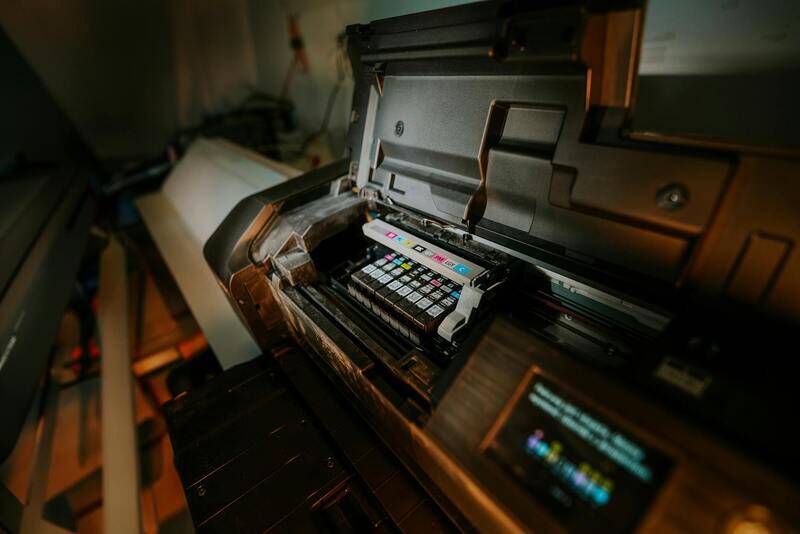
Modern banner production leverages advanced printing techniques such as UV printing, solvent, eco-solvent, and latex printing. These technologies provide high-quality color saturation, fast turnaround times, and long-lasting results. UV printing offers excellent durability with vivid images, while solvent and eco-solvent options are preferred for outdoor banners due to their weather resistance.
Size and Customization Options
Customization extends beyond design to include size variations tailored to your specific needs. Banners can range from small promotional displays to large-format wraps. Many printing services offer custom dimensions, with options for seamless widths, finished edges, grommets, hemmed borders, and pole pockets for easy installation.
Pricing, Turnaround Times, and Ordering Process
Pricing depends on factors such as size, material choice, and complexity of design. Reputable printing providers can deliver competitive rates for high-quality outputs, often providing discounts for bulk orders. Turnaround times vary from same-day services to several days, depending on order volume and urgency. The ordering process is typically straightforward, involving submission of artwork files, material selection, and payment confirmation.
Maintenance, Installation, and Lifespan of Printed Banners
Proper maintenance extends the lifespan of your banners. Outdoor banners should be cleaned periodically with mild soap and water. When installed, secure fixation is crucial to prevent damage from wind or vandalism. The lifespan varies based on material and exposure conditions, with durable vinyl and mesh banners often lasting multiple years outdoors, while fabric banners may require replacement sooner.
Choosing a Reliable Banner Printing Service
Selecting a dependable banner printing service involves evaluating their experience, portfolio, and customer reviews. High-quality services utilize state-of-the-art equipment, offer customization options, and prioritize clear communication to ensure your complete satisfaction. Partners like fastprinting.org are known for their professionalism, ensuring that each banner meets precise specifications and delivers on time.
Materials and substrate options
When selecting a banner printing service, understanding the variety of materials available ensures that the final product aligns with the intended use and environmental conditions. Key substrates include vinyl, mesh, fabric, and vinyl mesh blends, each offering distinct advantages based on durability, flexibility, and visual impact.
Vinyl banners: Often utilized for outdoor advertising due to their weather resistance, vinyl banners are highly durable, capable of withstanding rain, sun, and wind. They are cost-effective and available in different finishes, such as gloss or matte, to enhance visual appeal.
Mesh banners: Designed with perforations that allow wind to pass through, mesh banners are ideal for large-scale outdoor displays in windy locations. They maintain structural integrity and resist tearing, making them suitable for long-term outdoor campaigns.
Fabric banners: Typically produced from polyester or nylon, fabric banners provide a premium appearance with vibrant color reproduction. Their flexibility makes them suitable for indoor use or lightweight displays. However, they may require special care to prevent dirt accumulation and fading.
Pricing varies mainly based on the material's thickness, finish, and the size of the banner. For instance, thicker vinyl options with advanced weatherproof coatings may cost more but offer extended lifespan and enhanced durability. Mesh and fabric choices tend to be slightly higher in cost but deliver superior aesthetic qualities, especially for high-impact visual presentations.
Cost-efficiency and longevity should be weighed against specific usage needs. For outdoor advertising in variable weather conditions, vinyl or mesh banners provide optimal resilience. Conversely, for indoor events, lightweight fabric banners can create a sophisticated ambiance. A reputable banner printing provider presents options tailored to different scenarios, helping clients select the best substrate for their objectives and budget.
In addition to material choice, surface finishing options such as grommets, hemmed borders, pole pockets, and reinforced edges further enhance durability and ease of installation. These details are crucial in prolonging the lifespan of banners, especially in outdoor environments where exposure to elements and physical stress is greater.
Determining the right substrate involves considering factors such as location, expected exposure, and budget. Consultation with a seasoned banner printing service can provide valuable insights into selecting materials that meet both aesthetic and functional requirements, ensuring the banner remains impactful throughout its intended display period.
Types of banners available for printing
When selecting a banner printing service, understanding the diverse range of banner types ensures that clients can find the perfect fit for their marketing or event needs. The most common types include vinyl banners, mesh banners, fabric banners, and retractable banners, each designed to serve specific purposes and environments.
Vinyl Banners
Vinyl banners are the most versatile and widely used in various settings. They are made from durable, flexible PVC material, capable of withstanding outdoor elements such as wind, rain, and sunlight. These banners are ideal for outdoor advertising, construction site signage, and promotional events. Their surface allows for vibrant printing with high-resolution images and sharp graphics, ensuring visibility from a distance. Vinyl banners can be customized with grommets, hemmed edges, or pole pockets for easy hanging and installation.
Mesh Banners
Constructed from woven or extruded mesh fabric, mesh banners are specifically designed for high-wind areas. The small holes in the material allow wind to pass through, reducing stress on the structure and preventing damage. Popular for building wraps, stadium banners, and large advertising displays, mesh banners combine durability with excellent visual impact. Their semi-transparent nature provides a unique aesthetic and can be used in conjunction with backlighting for additional effectiveness.
Fabric Banners
Fabric banners are crafted from polyester or satin materials and are favored for indoor displays, trade show booths, and event backdrops. The soft, elegant appearance allows for high-quality printing with vibrant, rich colors, conveying a sense of professionalism and sophistication. These banners often feature a matte finish, reducing glare and enhancing readability. Their lightweight and easy-to-hang design make them a popular choice for temporary or semi-permanent displays.
Retractable Banners
Retractable banners, also known as roll-up banners, combine portability with ease of setup. They consist of a retractable stand and a printed fabric or vinyl graphic that can be rolled in or out. Suitable for exhibitions, conferences, and retail displays, these banners are convenient for frequent transport and quick installations. The quality of the print, combined with sturdy stands, ensures a professional appearance that effectively attracts attention.
Summary
The choice of banner type hinges on multiple factors such as location, exposure conditions, durability requirements, and the intended message. A reputable banner printing service can provide guidance on selecting appropriate materials and formats, ensuring the final product aligns with specific campaign goals and environmental demands.
Printing technologies used in banner production
Modern banner printing employs a range of advanced technologies that significantly enhance the quality, durability, and environmental sustainability of the final product. Among the most prevalent methods are UV printing, solvent printing, and latex printing, each offering distinct advantages suited to various applications.
UV Printing
UV (ultraviolet) printing utilizes ultraviolet light to instantly cure the ink onto the substrate. This technology produces vibrant, sharp images with excellent color accuracy, making it ideal for detailed graphics and high-resolution displays. UV printing is particularly valued for its ability to print on non-porous surfaces, including plastics, metals, and glass, expanding design possibilities beyond traditional materials. Additionally, UV-printed banners are highly resistant to scratching, fading, and weather elements, contributing to longer lifespan especially in outdoor environments.
Solvent Printing
Solvent printing employs solvent-based inks that penetrate the substrate surface, resulting in durable, weather-resistant graphics. This method is preferred for outdoor banners due to its excellent resistance to UV rays, moisture, and environmental pollutants. Solvent prints tend to be flexible and resistant to tearing or cracking, making them suitable for banners exposed to fluctuating weather conditions. While solvent printing provides robust results, it demands proper ventilation and disposal procedures because of residual chemical compounds.
Latex Printing
Latex printing is a water-based technology that combines high-quality output with environmental friendliness. It offers a versatile solution capable of printing on a wide variety of materials, including fabric, vinyl, and mesh. Latex banners are notable for their vibrant color reproduction, flexibility, and quick drying times. The technology’s eco-conscious nature makes it increasingly popular among businesses prioritizing sustainable solutions. Latex-printed banners also boast resistance to weathering, making them suitable for both indoor and outdoor display purposes.

The choice of printing technology directly influences the visual appeal, durability, and environmental impact of banners. When selecting a printing service, understanding the specific advantages of each method helps ensure the final product aligns with campaign objectives, exposure conditions, and sustainability goals.
Size and customization options
Banners come in an array of sizes, allowing for tailored solutions that suit diverse marketing environments and spatial constraints. Standard dimensions such as 24x36 inches or 48x96 inches are common, but custom sizes can be produced to meet precise specifications. Customization extends beyond dimensions to include shape, edge finishing, and special features like grommets or hems for installation convenience.
Design flexibility is a key benefit of professional banner printing services. Logos, slogans, images, and complex graphics can be integrated seamlessly into the final product, ensuring the banner effectively communicates the intended message. Advanced design tools and expert guidance during artwork preparation help optimize visual impact, employing high-resolution files that preserve clarity and color fidelity at any scale.
Material options for customized banners
- Vinyl: Durable, weatherproof, and ideal for outdoor use.
- Fabric: Elegant and soft, suited for indoor displays and events.
- Mesh: Air-permeable, perfect for windy outdoor settings.
- Backlit fabrics: Translucent materials designed for backlit installations that allow light to pass through, creating eye-catching effects.

Printing Technologies Used in Banner Production
When it comes to high-quality banner printing, various advanced printing technologies ensure vibrant visuals, sharp details, and durable results. Each method offers distinct benefits tailored to different project requirements, budget constraints, and environmental considerations.
- UV Printing: This technology utilizes ultraviolet light to instantly cure the inks on the substrate, resulting in rich colors and ultra-detailed images. UV printing is especially suitable for rigid or semi-rigid materials, providing a scratch-resistant and weatherproof finish that maintains clarity over time. The rapid curing process minimizes production time, making it an efficient choice for urgent projects.
- Solvent and Eco-Solvent Printing: These printers use solvent-based inks that penetrate the material, creating durable and weather-resistant banners. They are ideal for outdoor signage due to their ability to withstand elements like rain, wind, and sunlight. Eco-solvent variants reduce environmental impact while maintaining the same high durability standard.
- Latex Printing: Latex technology combines vibrant color output with flexibility and eco-friendliness. Latex inks are water-based, non-toxic, and suitable for a variety of substrates, including fabric and vinyl. The flexibility of latex prints prevents cracking, ensuring longevity even on curved or textured surfaces.
- Jet Printing (Wide-Format Inkjet): This versatile technology is widely used for custom banners, offering fine detail and a broad color spectrum. It supports large-format printing, making it perfect for expansive displays like billboard banners, event backdrops, and trade show displays. The high resolution achievable with jet printers ensures sharp images and crisp text.
Implementing the right printing technology depends on factors such as the banner’s intended location, exposure conditions, and desired visual quality. Professional banner printing services leverage these sophisticated methods to deliver products that meet industry standards for brightness, durability, and aesthetic appeal. Recognizing the nuances of each technology helps clients choose solutions that best align with their marketing goals and environmental needs, ultimately ensuring the success of their promotional campaigns.
Types of Banners Available for Printing
Choose from a diverse range of banner types tailored to suit various promotional and informational needs. Mesh banners are ideal for outdoor environments, providing excellent wind resistance while allowing airflow. Vinyl banners are versatile, offering durability and vibrant color reproduction for both indoor and outdoor use. Fabric banners, often made from polyester or nylon, deliver a high-end appearance suitable for trade shows and indoor displays, with the added benefit of being easily foldable and transportable. Paper or poster banners function well for short-term events or indoor advertising, offering quick turnaround times and cost-effective solutions. Specialty banners, such as retractable roll-up banners or pop-up displays, add convenience for events requiring portable signage. Each banner type is selected based on its environment, longevity needs, and purpose, ensuring effective visual communication across settings.

Materials and Substrate Options
Understanding the available materials and substrates is crucial for achieving optimal durability, appearance, and environmental compatibility. Common substrates include:
- PVC Vinyl: Known for its toughness and weather resistance, making it suitable for outdoor signage.
- Mesh Vinyl: Allows wind passage, reducing stress on outdoor banners exposed to strong winds.
- Fabric (Polyester/Nylon): Offers a premium look with excellent print quality, preferred for indoor settings and upscale events.
- Polypropylene: A lightweight, budget-friendly option for short-term indoor use.
- Canvas: Used primarily for artistic or decorative banners, providing a textured finish and high-end appearance.
Material choice affects not only the visual impact but also the banner's resistance to environmental factors such as moisture, UV exposure, and wind. Advanced coatings and lamination processes further enhance longevity and color vibrancy, ensuring the banner maintains its visual appeal over extended periods.
Design Considerations and Artwork Preparation
High-quality banner printing relies heavily on well-prepared artwork. Accurate sizing and resolution are essential to produce sharp, eye-catching visuals. Recommended guidelines include:
- Using a resolution of at least 300 dpi when designing at full size to ensure clarity and detail.
- Designing with bleed areas in mind, typically 1/8 inch beyond the final trim, to prevent unwanted white borders.
- Choosing bold, legible fonts and contrasting colors to maintain readability from a distance.
- Ensuring that images and logos are vector-based or high-resolution raster images to avoid pixelation.
- Saving files in preferred formats such as PDF, TIFF, or EPS, with embedded fonts and linked images.
Professional banner printing services often provide artwork review and guidance, ensuring that all design components align with print specifications and best practices for visual impact.
Printing Technologies Used in Banner Production
The quality and durability of printed banners are significantly influenced by the printing technology employed. Common technologies include:
- Solvent and Eco-solvent Printing: Known for their high durability and resistance to weather conditions, ideal for outdoor banners. Eco-solvent inks also offer environmentally friendly options with minimized VOC emissions.
- Latex Printing: Combines vibrant color output with flexibility and sustainability. It produces prints that resist cracking and fading, suitable for detailed and colorful banners.
- Jet Printing (Wide-Format Inkjet): Supports large-format printing with exceptional resolution, perfect for detailed images and large-scale displays.
Each technology caters to different needs, balancing factors such as environmental impact, image quality, and environmental exposure. Skilled printing providers choose the appropriate method based on the project specifications, ensuring the final product meets rigorous standards for color fidelity, durability, and visual clarity.
Size and Customization Options
Custom banner sizes are essential for aligning visual impact with available space and display objectives. Standard sizes are widely available, but many printing services offer full customization to meet specific requirements. Options include:
- Large-format banners suitable for billboards or building wraps, often exceeding 10 feet in width.
- Medium-sized banners for storefronts, trade shows, or event backdrops.
- Small banners for indoor signage, hanging displays, or promotional table coverings.
- Custom shapes and cut-outs, such as scalloped edges or circular banners, to create unique visual effects.
- Double-sided banners for increased visibility from multiple directions.
Clients can specify the dimensions, finishing options like grommets, hems, or pole pockets, and other custom features to enhance durability and ease of installation. Tailoring banner size and features ensures that the signage effectively captures attention and aligns with branding goals.
Types of banners available for printing
Choosing the right type of banner is crucial for achieving optimal visual impact and longevity. Common options include vinyl banners, fabric banners, mesh banners, fabric banners, and more specialized forms such as retractable banners and step-and-repeat backdrops.
Vinyl banners are highly durable and are often used for outdoor advertising due to their weather-resistant properties. They can be printed with vivid colors and offer excellent longevity, making them suitable for both short-term promotions and long-term campaigns.
Fabric banners, typically made from polyester or nylon, provide a high-quality visual appeal with sharp image reproduction. They are ideal for indoor displays, trade shows, and events where a softer, more sophisticated look is desired.
Mesh banners are designed with perforations that allow wind to pass through, reducing stress on the structure, and are predominantly used for large outdoor advertising where wind resistance is necessary. These banners are cost-effective and provide excellent visibility, even from a distance.
Specialized banners, such as retractable or roll-up banners, offer portability and ease of setup, perfect for event marketing. Step-and-repeat backdrops are used in photography and media events to display logos or branding consistently behind subjects.

Materials and substrate options
The choice of substrate affects the appearance, durability, and application of banners. Materials vary from standard vinyl and polyester fabrics to specialized mesh or vinyl mesh blends. These substrates can be customized to suit indoor versus outdoor use, exposure to elements, and visual preferences.
- Vinyl: Commonly used for outdoor banners, durable, weather-resistant, and capable of detailed color printing.
- Fabric: Offers a matte finish, reduces glare, and provides a high-end aesthetic for indoor displays.
- Mesh: Used for large outdoor banners where wind resistance is essential; allows airflow without sacrificing visibility.
- Bubble or Banner Vinyl with Block-out: Suitable for double-sided banners and environments requiring minimal light transmission.
Design considerations and artwork preparation
Effective banner design hinges on proper artwork preparation that aligns with printing specifications. High-resolution images (at least 300 dpi) ensure clarity, especially for detailed visuals and text. Vector graphics are preferred for logos and typography, as they maintain sharpness regardless of size.
Designers should account for bleed areas, safe zones, and margins to prevent essential elements from being cut or obscured. Color profiles should be set to CMYK to match the printer's color spectrum, ensuring accurate color reproduction.
When preparing artwork, consider the viewing distance and recommended font sizes to maximize readability. Avoid overly complex backgrounds that might detract from the message, and opt for bold, contrasting colors to enhance visibility.
Printing technologies used in banner production
Banner printing benefits from advanced large-format solutions, primarily UV, solvent, eco-solvent, latex, and dye sublimation printing. Each technology offers specific advantages aligned with environmental considerations, image quality, and surface compatibility.
UV printing employs ultraviolet light to cure inks instantly, resulting in highly detailed, vibrant images with excellent adhesion and outdoor durability. Solvent and eco-solvent printers use solvent-based inks that produce durable, waterproof prints suitable for outdoor use. Latex printing provides eco-friendly solvent alternatives with fast-drying, flexible, and abrasion-resistant results, ideal for a variety of substrates.
Dye sublimation is more suitable for fabric banners, where heat transfers dye-based inks onto the material, yielding rich color and a smooth, seamless appearance.
Size and customization options
Tailoring banner size and features enhances visual impact and installation convenience. Standard sizes are commonly available, but customization allows for precise adjustments to fit specific space requirements. Large-format banners can reach widths of 20 feet or more, perfect for billboards, building wraps, or stadium signage. Medium-sized banners (4 to 10 feet wide) are suitable for storefronts and indoor display areas, while smaller banners (under 4 feet) work well for indoor signage, point-of-sale displays, and promotional events.
Additional customization options include:
- Custom shapes, such as circular, scalloped, or die-cut edges, to create unique visual effects.
- Double-sided banners for increased visibility from multiple angles.
- Grommets, hems, and pole pockets to facilitate hanging and installation.
- Edge reinforcements and UV coatings to enhance lifespan and resistance to environmental stressors.
Pricing, turnaround times, and ordering process
Pricing for banner printing depends on factors like size, material choice, complexity of design, and finishing options. Typically, bulk orders can benefit from discounted rates, and express services are available for quick turnarounds. Vendors usually provide transparent quotes after reviewing the artwork and specifications.
Turnaround times generally range from 24 hours for standard banners to several days for larger or highly customized orders. It's advisable to place orders well in advance of planned events to ensure timely delivery.
The ordering process involves submitting artwork files formatted according to printer specifications, selecting material and size options, and choosing any preferred finishing touches. Payment can be made online through secure channels, and customers receive updates throughout the production cycle to track progress and ensure satisfaction with the final product.
Maintenance, Installation, and Lifespan of Printed Banners
Proper maintenance and installation are essential to maximize the lifespan and visual impact of your custom banners. High-quality materials and accurate installation practices help ensure banners remain vibrant and durable over time, especially in outdoor environments where exposure to weather can accelerate wear.
Proper Maintenance Practices
- Regular Cleaning: Gently clean banners with mild soap and water to remove dirt, dust, and pollutants. Avoid abrasive scrubbers or harsh chemicals that could damage the surface or fade colors.
- UV Protection: Applying UV coatings or laminates during production offers additional resistance against fading caused by prolonged sun exposure.
- Inspection and Repairs: Periodically check for tears, frayed edges, or loose grommets. Address minor damages promptly to prevent further deterioration.
- Storage Conditions: When not in use, store banners rolled or flat in a cool, dry place away from direct sunlight to preserve the material quality.
Installation Tips for Longevity and Visual Appeal
- Choose Appropriate Hardware: Use high-quality grommets, pole pockets, or hems suited for the environment—stainless steel or brass options are recommended for outdoor banners.
- Secure Properly: Ensure banners are firmly anchored using ropes, bungee cords, or hooks to prevent flapping and wind damage, especially in windy locations.
- Support Structures: Install banners on sturdy, weather-resistant frames or poles that provide even tension and prevent sagging.
- Placement Considerations: Position banners in areas with minimal direct contact with abrasive surfaces or contaminants to maintain their visual appeal longer.
Estimating Banner Lifespan
The longevity of a printed banner depends significantly on material choice, environmental conditions, and maintenance practices. In general:
- Indoor Banners: Can last up to 3-5 years with proper care, as they are protected from harsh weather.
- Outdoor Banners: Durable materials like vinyl or mesh with UV coatings typically offer a lifespan of 2-4 years. High-quality banners designed specifically for outdoor use can sometimes last longer if regularly maintained.
Ultimately, choosing a banner printing service that offers premium materials and expert advice on installation and upkeep can significantly enhance the value and effectiveness of your advertising efforts. Regular maintenance routines and thoughtful placement will ensure your banners continue to attract attention and communicate your message effectively long after initial setup.