Understanding Booklet Printing Costs
Booklet printing costs encompass a variety of elements that collectively determine the final price. When planning a printing project, it is essential to recognize how factors such as order volume, booklet dimensions, and internal complexity influence the overall expense. The key to effective budgeting and cost management lies in understanding these core components thoroughly.
First, the quantity of booklets ordered plays a pivotal role in cost calculation. Larger orders typically benefit from economies of scale, reducing the per-unit cost through bulk discounts. Conversely, small runs tend to have a higher per-unit cost due to setup fees and minimum production expenses. Second, the size of the booklet, whether it is a standard 8.5x11 inches or a smaller, custom measurement, directly impacts printing and binding costs. Larger formats may require more materials and may be more expensive to produce. Third, the complexity of the print job, including the number of pages, use of color, paper quality, and binding style, can significantly influence overall expenses. More intricate designs or premium materials often involve additional costs, which should be considered during budgeting.
To facilitate a clear understanding of potential costs, it is important to evaluate each of these elements in relation to your specific project requirements. Achieving the right balance of quality, size, and quantity is crucial for obtaining the most cost-effective printing solutions without compromising on the desired outcome.
Factors Affecting Booklet Printing Prices
When estimating the cost of booklet printing, it is vital to understand the various elements that can influence the final price. These factors extend beyond the basic size and quantity, encompassing details such as paper quality, binding methods, color choices, and additional finishing processes. Each of these components contributes to the overall cost structure and can be adjusted to meet both budget constraints and quality expectations.
Paper Quality and Weight
One of the primary variables is the selection of paper. Standard options like 80 lb or 100 lb gloss or matte paper tend to keep costs moderate, suitable for most promotional and informational booklets. Opting for heavier or specialty papers, such as recycled or textured options, naturally increases manufacturing expenses due to material costs. The paper's durability, aesthetic appeal, and tactile experience are significant factors that influence your choice, impacting both the cost and the perceived quality of the final product.
Binding Techniques
The method used to assemble the booklet can considerably affect the overall expense. Common options include saddle-stitch binding, perfect binding, or spiral binding. Saddle-stitching, which involves staples along the center fold, is generally cost-effective for smaller booklets up to 60 pages. Perfect binding, similar to paperback books, is more suitable for thicker publications and tends to be more costly due to additional processing and materials. Spiral binding can also add to the expenses but provides flexibility for larger or more specialized formats. Each binding style offers different durability and aesthetic qualities, making the selection an important factor in cost planning.
Color Options and Printing Techniques
The choice between black-and-white or full-color printing significantly impacts the price. Full-color pages require additional ink and more complex printing processes, which tend to increase costs, especially for multi-page booklets. Conversely, black-and-white printing is more economical, ideal for text-heavy materials and internal pages. Advanced printing techniques, such as UV coating or foil stamping, can enhance the booklet's appearance but add to the overall cost. Utilizing spot-color or digital printing technology can also influence pricing depending on project scope.
Finishing and Additional Features
Post-printing finishes contribute not only to the aesthetic appeal but also to the production costs. Options like lamination, foil accents, rounded corners, or embossed titles improve the tactile and visual quality but require extra processing. Designing with these features in mind allows for strategic decisions that align with budgetary limits. Additionally, the inclusion of custom covers, special inserts, or die-cut elements will typically raise the total expense but can significantly enhance the final presentation, making the investment worthwhile for branding and marketing purposes.
Summary of Cost Influencers
- Material selection: paper quality, cover weight, specialty finishes
- Binding style: saddle-stitch, perfect binding, spiral binding
- Color use: black-and-white versus full-color printing
- Printing technique(s): digital, offset, specialty coatings
- Finishing options: lamination, foil stamping, embossing
Understanding these determinants enables precise planning, ensuring that your project aligns with the targeted budget without sacrificing the desired level of quality and durability. Properly assessing each factor before proceeding will help optimize both cost and value for your booklet printing endeavors.
Understanding Booklet Printing Costs
When evaluating the expense of creating a professional booklet, it is essential to examine the detailed components that influence pricing. Each element, from paper selection to finishing touches, plays a significant role in the overall cost structure. Recognizing these factors helps in making informed decisions that balance quality with budget constraints, ensuring the final product meets both aesthetic and functional requirements.
Material Selection and Its Impact on Cost
The foundation of any booklet is its paper stock. Standard options like uncoated or matte finish papers are typically more economical, making them suitable for internal pages or bulk production. Conversely, premium materials such as gloss, silk, or textured papers enhance visual appeal and tactile experience but often come with additional costs. Cover materials, especially those with thicker weights or specialty finishes, also significantly influence the price. Choices like linen or faux leather covers tend to be more expensive than simple cardstock, but they greatly improve durability and presentation, which can be crucial for branding purposes.
Binding Methods and Their Cost Effects
The type of binding selected can considerably sway the total printing expense. Saddle-stitch binding, involving staples along the spine, offers a cost-effective solution suitable for booklets with a limited number of pages, typically up to 48 pages. For larger publications or those requiring a more refined appearance, perfect binding (glued spine) provides a polished look but at a higher cost. Spiral or wire binding, often employed for manuals or workbooks, adds versatility and durability but can increase production costs. Choosing the appropriate binding method hinges on the booklet’s purpose, durability needs, and budget considerations.
Color Versus Black-and-White Printing
The choice to utilize color or black-and-white printing directly impacts the cost structure. Full-color printing, often used for marketing materials and visually rich content, can be significantly more expensive due to higher ink consumption and the requirement for detailed color calibration. Black-and-white printing reduces these expenses and is ideal for internal reports or drafts. Combining color covers with monochrome interiors can provide a balanced approach, offering visual appeal without substantially inflating costs.

Finishing and Special Effects
Post-printing finishing options add a layer of sophistication, enhancing durability and visual quality. Lamination, UV coating, foil stamping, embossing, and rounded corners are commonly selected for aesthetic enhancement. These features, while elevating the final product, incur additional processing costs. For instance, spot UV coating or foil accents involve extra stages in the production process, which can double or triple the expenses associated with basic printing. Properly integrating these effects into the design phase ensures that they add value rather than unexpected costs.
Summary of Cost Influencers
- Material selection: paper quality, cover weight, specialty finishes
- Binding style: saddle-stitch, perfect binding, spiral binding
- Color use: black-and-white versus full-color printing
- Printing technique(s): digital, offset, specialty coatings
- Finishing options: lamination, foil stamping, embossing
Awareness of these factors allows for precise budgeting and strategic planning, ensuring that your booklet not only looks professional but also aligns with financial expectations. Each decision balances cost with the desired level of durability, aesthetic appeal, and overall effectiveness, enabling you to achieve an optimal outcome tailored to your objectives.
Understanding Booklet Printing Costs
When evaluating the total expense of booklet printing, it is crucial to consider the detailed components that contribute to the final price. The costs are primarily influenced by print volume, material choices, and production techniques. High-quality paper and complex design features can significantly impact pricing, making thorough planning essential for staying within budget. Additionally, the scope of finishing options, such as lamination or embossing, adds layers of refinement but also increases costs. Recognizing these elements helps in devising a cost-effective plan that balances quality with investment.

Factors Affecting Booklet Printing Prices
- Material Selection: The choice of paper quality and cover weight directly influences cost. Premium papers result in higher expenses but elevate the perceived value of the final product.
- Color Choices: Full-color printing on multiple pages or covers increases costs compared to black-and-white interiors and covers.
- Binding Style: Different binding methods such as saddle stitching, perfect binding, or spiral binding impact both aesthetic and price, with saddle stitching generally being the most economical option.
- Printing Technique: Digital printing offers cost advantages for smaller runs, while offset printing is more economical for larger quantities due to lower per-unit costs at higher volumes.
- Finishing and Effects: Features like gloss or matte lamination, UV coating, or foil stamping add sophistication but involve extra processing costs.
Price Range for Different Booklet Sizes
The cost for printing booklets varies notably based on size and page count. For smaller booklets, such as A5 formats with approximately 16 pages, prices can start as low as a few hundred dollars for bulk runs. Conversely, larger formats like A4 with higher page counts tend to cost more per unit, especially when colored pages and specialty finishes are included. Typical pricing structures are influenced by the number of copies ordered and design intricacies, necessitating detailed quotes to determine precise costs.

Understanding these pricing factors allows for better planning and ensures that your project aligns with financial expectations without compromising on quality. Collaborating with a professional printing provider can provide clarity on expected costs based on your specific requirements, leading to informed decision-making and efficient budget management.
Understanding Booklet Printing Costs
Accurate assessment of booklet printing costs is essential for effective project planning and budget management. These costs are influenced by multiple facets, from the choice of materials to the finishing techniques employed. Knowing how these elements combine helps businesses, organizations, and individuals make strategic decisions that align with their financial constraints while maintaining quality standards.
Factors Affecting Booklet Printing Prices
Several critical variables contribute to the overall cost structure of booklet printing, including size, page count, quantity, and customization features. Each aspect affects manufacturing complexity and resource allocation, thereby influencing pricing.
- Size and Dimensions: Standard sizes like A5, A4, or custom dimensions can significantly impact material costs and how efficiently the printing press can handle the job. Smaller sizes are generally more cost-effective but may require specific binding or finishing techniques, which can alter expenses.
- Page Count: The number of pages directly affects the amount of paper used and the printing time. Booklets with more pages require more materials and potentially longer press runs, increasing costs proportionally.
- Color Usage: Full-color printing on multiple pages offers visual appeal but comes with higher expenses compared to black-and-white or limited color options. The cost per page tends to decrease at higher quantities, especially for color jobs, due to efficiencies in offset printing processes.
- Binding Method: Choices such as saddle stitching, perfect binding, or spiral binding not only influence the aesthetic but also the cost. Saddle stitching remains the most budget-friendly, while spiral or perfect binding may add to the expense due to additional materials and assembly steps.
- Finish and Special Effects: Applying coatings like gloss, matte lamination, or UV treatments enhances durability and appearance but involves added labor and material costs. Foil stamping, embossing, or spot UV can elevate design but significantly increase production costs.
Price Range for Different Booklet Sizes
The cost to produce a booklet varies based on its dimensions and content complexity. For instance, smaller booklets, such as an A5 format with around 16 pages, can often be printed at modest rates, especially in bulk, sometimes falling below a few hundred dollars per batch. Larger sizes like A4 and those with higher page counts tend to incur increased costs, which are further affected by color and finishing choices.
The financial implications of these variations underscore the importance of precise specifications. Bulk orders typically decrease the per-unit expense, making large-scale printing projects more feasible within budget constraints. When requesting quotes, it’s crucial to provide detailed information about size, pages, color requirements, and finishing to obtain accurate estimates suited for your project.
Understanding Booklet Printing Costs
Evaluating the expenses associated with booklet printing involves a detailed understanding of various elements that influence the final price. The base cost generally includes factors such as paper quality, booklet dimensions, page count, and binding method. High-quality paper stock and intricate design features naturally push costs upward, especially when paired with specialized finishing options. Additionally, larger booklets with numerous pages demand more material and labor, which are reflected in the pricing. Knowing these fundamental elements helps in estimating and controlling printing expenses effectively.
Factors Affecting Booklet Printing Prices
The overall cost of producing a booklet is primarily influenced by specific variables that can be optimized based on project requirements. These include:
- Quantity: Larger print runs generally reduce the per-unit cost, as setup and printing economies of scale come into play.
- Page Count and Size: More pages and bigger formats require additional material and time, increasing the price.
- Color Vs. Black-and-White: Full-color printing incurs higher costs than monochrome options due to the complexity of color application and ink usage.
- Binding Type: Saddle stitching remains the most economical, whereas perfect binding or spiral binding adds to the expense due to extra materials and handling requirements.
- Finish and Coatings: Special finishes like gloss or matte lamination, UV coatings, foil stamping, and embossing significantly influence costs, often serving as premium features to enhance aesthetic appeal.
Price Range for Different Booklet Sizes
The costs associated with booklet production vary according to size and content complexity. For example:
- The smaller A5-sized booklets, especially those around 16 pages, can be produced at remarkably low costs when ordered in bulk, sometimes falling well below a few hundred dollars for large quantities.
- In contrast, larger formats such as A4 with higher page counts tend to increase expenses due to additional paper requirements and printing time.
- Color-intensive projects, especially those with complex designs or special finishes, further escalate costs regardless of size.
Cost Implications of Customization and Design
Custom features like intricate covers, embossed textures, foil stamping, or spot UV varnish contribute to the overall expense. While these enhancements elevate the visual appeal and perceived value of the booklet, they also involve additional setup, materials, and labor costs. Incorporating design elements such as special paper textures or unique binding techniques often results in a proportional increase in production costs, making it essential to balance aesthetic goals with budget constraints. Selecting minimal customization or opting for simpler finishes may reduce expenses, but for projects aiming to attract attention through premium presentation, increased investment is justified.
Additional Charges and Hidden Fees
When considering booklet printing projects, it is vital to be aware of potential supplementary costs. Setup fees are common, covering the initial preparation of digital files and printing plates. Rush order requests typically command higher premiums due to expedited turnaround times. Additionally, specific finishing choices like custom coatings, foil stamping, or embossing may incur extra charges beyond the base price. Shipping costs, if applicable, can vary based on distance and delivery method. Clarifying all these potential expenses upfront ensures a transparent and accurate budget estimate, preventing surprises during the final billing process.
Understanding Booklet Printing Costs
When evaluating the expenses associated with producing a booklet, it is crucial to consider the various components that contribute to the overall cost structure. The price of booklet printing is typically influenced by factors such as page count, paper quality, binding method, print quantity, and customization options. Each of these elements impacts the total expenditure, and understanding their role helps to make informed decisions aligned with budget and quality expectations.
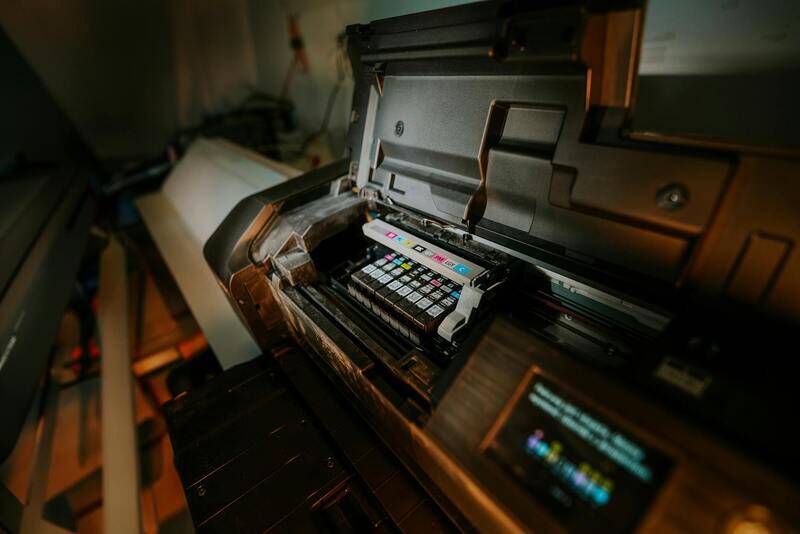
For instance, booklets with a higher page count naturally require more materials and longer printing times, which can increase the cost proportionally. Similarly, premium paper stocks or specialty finishes, such as gloss, matte, or textured papers, elevate the production expense. The binding technique chosen, whether saddle stitching, perfect binding, or spiral binding, also impacts pricing; simpler methods like saddle stitching are usually more economical than more complex binding options. Additionally, the print run size significantly influences per-unit costs—larger quantities tend to reduce the unit price due to economies of scale.
Beyond basic production, additional features like custom covers, embossing, foil stamping, or spot UV coating enhance visual appeal but add to the overall cost. It is essential to balance design ambitions with budget limitations to ensure the project remains financially feasible. Consequently, a clear understanding of these components allows for strategic planning and cost-effective booklet production.
Factors Affecting Booklet Printing Prices
- Page Count: More pages require additional materials and longer production time, raising costs.
- Paper Type and Quality: Higher-grade or specialty papers increase expenses but may appeal more to target audiences.
- Binding Method: The choice of binding influences both cost and durability.
- Print Quantity: Larger orders generally offer lower unit costs due to volume discounts.
- Design Complexity and Customization: Unique finishes, embossing, foil stamping, and custom cover designs add to the final price.
- Turnaround Time: Expedited orders may incur additional charges for fast processing and delivery.
Price Range for Different Booklet Sizes
The size of the booklet significantly impacts printing costs. For example, a standard A5 (5.8 x 8.3 inches) booklet tends to be more affordable compared to larger formats like A4 (8.3 x 11.7 inches). Smaller booklets often require less paper and can be produced rapidly, typically aligning with budget-friendly price points. On the other hand, larger booklets, which might accommodate more extensive information or visuals, generally involve increased material costs and longer printing times, translating to higher expenses.
Another consideration is custom dimensions or unusual sizes, which may necessitate specialized printing setup and adjustments, further influencing the budget. For straightforward projects, standard sizes are recommended to optimize cost-efficiency without compromising the intended purpose or design integrity.
Cost Implications of Customization and Design
The visual and tactile appeal of a booklet can be greatly enhanced through tailored design features, but these also carry cost implications. Customization options such as textured covers, embossed elements, foil stamping, or spot UV varnish significantly contribute to production expenses. These enhancements often involve additional setup procedures, specialized materials, and increased labor, which are reflected in the final price.
Design complexity can also involve the choice of unique paper textures or special binding techniques that align with the branding or aesthetic goals of the project. While more elaborate designs elevate the perceived value and impact, they also demand careful budget management. For projects with stringent financial constraints, opting for minimal customization or simpler finishes might be the most practical approach, ensuring effective communication and presentation without incurring excessive costs.
Bulk Printing and Cost Savings
One of the most effective strategies to reduce the cost per booklet is to increase the print volume. Bulk orders allow publishers to distribute setup fees and fixed costs over a greater number of copies, leading to substantial savings. For organizations planning large distributions—such as promotional campaigns, informational packets, or educational materials—printing in bulk provides an economical advantage.
It's important to analyze demand forecasts carefully. Overestimating the required quantity might lead to surplus stock, while underestimating could necessitate costly reprints. Collaborating with a reputable printer to determine optimal quantities ensures a balance between cost savings and inventory management.
Additional Charges and Hidden Fees
Beyond the initial quote, several auxiliary costs may arise during the booklet printing process. Setup fees are common, covering the preparation of digital files and printing plates. Rush orders, which require expedited processing, typically come with additional premiums. Custom finishing options, such as foil stamping or embossing, often incur extra charges, differing by complexity.
Shipping and delivery expenses can also impact the total budget, especially for large or weighty orders requiring special handling or expedited transit. It is advisable to discuss and confirm all potential charges upfront to avoid surprises. Fully transparent communication with the printing provider ensures accurate budgeting and aligns expectations for the final product.
Understanding Booklet Printing Costs
Determining the overall expense of booklet printing involves analyzing multiple components that contribute to the final price. Factors such as paper quality, printing technique, booklet dimensions, page count, and binding method all impact the cost structure. It is essential to recognize how these elements interplay; for instance, choosing specialty papers or intricate binding methods will increase expenses but can enhance the perceived value of the final product. Accurate cost estimation requires a comprehensive review of these parameters, ensuring that the printed materials meet organizational standards while remaining within budget.

Factors Affecting Booklet Printing Prices
- Paper Selection: Heavier or textured papers tend to be more expensive than standard options, affecting overall costs.
- Printing Method: Digital printing offers cost advantages for smaller volumes, while offset printing becomes more economical at larger quantities.
- Number of Pages: Increasing page count can raise costs due to additional materials and longer print times.
- Binding Technique: Stapled, perfect-bound, or spiral binding each carry different price points based on complexity and durability.
- Color Printing: Full-color printing adds to the expense compared to monochrome options, especially for larger quantities.
Price Range for Different Booklet Sizes
The size of a booklet significantly influences its printing cost. Standard sizes like A4 or letter-sized documents are generally less costly per unit, especially when printing in bulk. Smaller formats such as half-sized booklets or pocket-sized pamphlets typically require less paper and can be produced more efficiently, resulting in lower costs. Conversely, larger formats or custom dimensions may incur additional setup fees or material costs, particularly when special paper or finishing options are chosen.
Cost Implications of Customization and Design
Customizing your booklet with unique layouts, vibrant color schemes, or special finishes enhances its visual appeal but tends to increase printing expenses. Complex design elements such as die-cut covers, foil stamping, embossing, or UV coating require additional setup procedures and materials, which add to the total cost. Investing in high-quality, visually engaging designs can improve reader engagement and convey professionalism, but it's important to balance aesthetic enhancements with budget considerations.
Bulk Printing and Cost Savings
One of the most effective strategies to reduce booklet printing costs is to increase the order volume. Larger print runs distribute fixed costs such as plate setup and file preparation across more copies, significantly lowering the unit price. This approach is particularly beneficial for organizations with ongoing distribution needs, such as educational institutions, non-profits, or marketing campaigns. Proper planning and demand forecasting are crucial to avoid excess inventory while maximizing economies of scale.

Additional Charges and Hidden Fees
While initial quotations may seem straightforward, several additional fees can influence the final cost. Setup fees cover preparing digital files, creating printing plates, or other pre-press work. Rush orders often command either a premium or a quicker turnaround fee. Optional finishing services such as lamination, foil stamping, embossing, or special die-cuts are generally charged separately based on complexity. Shipping costs vary depending on order size, weight, and delivery speed, especially for distant locations or expedited services. Soliciting a comprehensive quote upfront helps clarify potential costs and prevent surprises during the printing process.
Planning and Getting Accurate Quotes
Effective planning entails detailed communication with your selected printing partner to obtain precise estimates. Providing complete specifications regarding size, page count, paper choice, binding method, and desired finishes enables the printer to generate an accurate quote tailored to your project's requirements. Requesting itemized breakdowns of costs—including setup, production, finishing, and delivery—will facilitate cost comparisons across providers. Advanced planning and transparency with your printer ensure that the final budget aligns with your expectations, avoiding unforeseen expenses and enabling strategic allocation of resources.