Understanding Brochure Printing Costs
Brochure printing prices vary significantly based on several key elements that influence the overall cost. When planning your marketing collateral, it's essential to grasp how factors such as quantity, size, material choices, and customization options contribute to the final price. An accurate assessment of these components allows businesses to optimize their budget without compromising on quality or design effectiveness.
Understanding these elements ensures that your investment aligns with your marketing goals. It also helps in making informed decisions about production methods, dimensions, and finishing options, enabling a balance between budget constraints and desired outcomes.
Common Pricing Factors for Brochure Printing
The cost of printing brochures is primarily affected by:
- Quantity: The number of brochures ordered influences unit price, with larger orders typically reducing the overall cost per piece.
- Size and Format: Larger or non-standard dimensions require more ink, material, and printing time, impacting the price.
- Material Quality: Higher grade paper, special finishes, or textured surfaces tend to increase production costs.
- Design and Customization: Unique folds, die-cut shapes, and detailed artwork can add to complexity and expenses.
- Printing Technique: Choices between digital, offset, or laser printing also affect pricing, with offset generally more cost-effective for large volumes.
Different Types and Sizes of Brochures and Their Impact on Price
Brochures come in various formats, each influencing the overall cost:
- Bi-Fold: The most common, cost-efficient for simple layouts and moderate sizes.
- Tri-Fold: Slightly more complex, with additional printing and folding considerations.
- Z-Fold and Accordion: Unique fold styles suitable for storytelling; tend to be priced higher due to additional design complexity.
- Rectangular Sizes: Standard sizes like A4, A5, or DL are typically less expensive, whereas custom or larger sizes incur higher costs.

Quantity and Bulk Printing Discounts
Order volume plays a crucial role in pricing. Most printing service providers offer tiered discounts for bulk orders, which help reduce the unit cost substantially. For small batch projects, prices tend to be higher per brochure; however, large orders benefit from economies of scale. Planning your campaign with a clear estimate of the required quantity ensures you can leverage these discounts effectively.
Material and Finish Options Affecting Brochure Pricing
The choice of materials directly impacts the durability and visual appeal of your brochures, consequently influencing costs. Common options include:
- Paper Types: Glossy, matte, recycled, and textured papers each have distinct price points.
- Finish Techniques: UV coating, lamination, embossing, and spot UV varnishing add visual interest and tactile appeal but increase production expenses.
- Cardstock Thickness: Thicker stock provides a premium feel but raises material costs.
Additional Costs: Design, Artwork, and Customization
Investments in professional design, artwork, and special customization options can supplement basic printing costs. Complex layouts, custom die cuts, and intricate printing effects require additional setup and production time, which are reflected in the final price. While some services may include design assistance, budget allocations should consider these additional expenses to avoid surprises.
Estimated Price Range for Brochure Printing in Singapore
In Singapore, the typical price range for brochure printing varies depending on specifications. Basic, small-volume orders may start at around SGD 0.50 to SGD 1.50 per piece, while larger orders with premium materials and customization can range from SGD 2.50 to SGD 5.00 or more per brochure. Obtaining quotes based on your specific needs ensures accurate budgeting and helps identify the best value for your investment.
Tips to Optimize Brochure Printing Budget
Effective budgeting involves strategic decisions such as:
- Choosing standard sizes and fold styles to reduce costs
- Ordering in bulk to maximize volume discounts
- Selecting materials that balance quality and affordability
- Planning the quantity carefully to avoid overstocking or shortages
- Utilizing digital printing for short runs to minimize setup fees
By understanding these core elements, businesses can better navigate brochure printing costs and achieve marketing objectives efficiently.
Common Pricing Factors for Brochure Printing
Understanding the various elements that influence brochure printing costs is essential for making informed decisions and optimizing your budget. Several key factors play a critical role in determining the final price, each contributing to the overall quality and appearance of the finished product.
- Paper Quality: The choice of paper significantly affects costs. Standard options like 150gsm gloss or matte paper are budget-friendly and widely used, while premium papers such as 300gsm cardstock or textured finishes elevate the look but increase expenses. The weight, texture, and coating of the paper contribute directly to printing costs, especially for larger quantities.
- Finishing Options: Special finishing techniques, including spot UV coating, lamination, embossing, or foil stamping, enhance the tactile feel and visual impact. These treatments add to production time and material costs but are effective for creating eye-catching brochures that convey professionalism and quality.
- Printing Techniques: Digital printing suits short runs or quick turnarounds at a lower unit cost, whereas offset printing is more cost-effective for larger volumes, producing consistent high-quality results. The chosen method influences setup costs and per-piece pricing, especially in medium to large orders.
- Design Complexity: Intricate layouts with multi-color finishes, custom illustrations, or detailed graphics require more time for setup and more ink and materials, thus increasing costs. Simpler designs typically cost less and are suitable for straightforward marketing campaigns.
- Number of Colors: Utilizing full-color printing involves more ink, which raises costs compared to black-and-white or limited-color designs. Strategic color choices can help manage overall expenses without compromising branding needs.
Different Types and Sizes of Brochures and Their Impact on Price
Choosing the appropriate type and size of a brochure is crucial, as these decisions directly impact both print costs and distribution effectiveness. The variety of brochure formats, from classic tri-folds to Z-folds, bi-folds, or gatefolds, offers flexibility but also alters production complexity and expenses.
- Standard Sizes: Common dimensions such as A4 (210mm x 297mm), A5 (148mm x 210mm), or DL (110mm x 210mm) are cost-efficient options due to their standardization. These sizes are optimized for cost-effective printing, folding, and finishing processes.
- Specialty Shapes and Sizes: Custom dimensions, square formats, or unique shapes like circular or die-cut designs attract premium prices owing to additional setup, tooling, and printing adjustments.
- Folding Styles: The choice between bi-fold, tri-fold, z-fold, or gatefold affects the complexity and cost. Simpler folds generally cost less, whereas multi-panel or intricate folds require more process steps, influencing the final price.

Quantity and Bulk Printing Discounts
Order volume plays a pivotal role in determining the unit price of brochures. Many printing providers offer tiered discounts, making bulk orders more economical per piece.
- Small Orders: For quantities under 1000 pieces, prices are generally higher per brochure, mainly due to setup and material costs spread over fewer units.
- Medium to Large Orders: When printing 2000, 5000, or more brochures, per-unit costs decrease significantly. Large orders leverage economies of scale, reducing overall expenditures and maximizing marketing reach.
- Bulk Discount Strategies: Combining multiple brochure types or sizes within a single order can attract additional discounts, especially when the production runs qualify for volume-based pricing structures offered by reputable print houses.
Material and Finish Options Affecting Brochure Pricing
The selection of materials and finishes directly impacts the overall expense of brochure production. High-quality materials coupled with specialized finishes enhance durability and aesthetic appeal, but these also come at a higher cost.
- Paper Types: From standard gloss and matte to textured or recycled papers, each choice influences pricing. Durable, premium stocks are ideal for high-end branding but require higher investment.
- Finishes: Matte and gloss coatings provide different visual effects and protection levels. Additional finishes like soft-touch coatings or textured embossing add tactile richness and elevate the sophistication, but they increase production costs.
- Special Effects: Techniques such as foil stamping, UV spot coating, laser-cut designs, or custom die cuts serve as premium options to make brochures stand out. While visually striking, these effects require specialized equipment and longer manufacturing times, translating to higher prices.
Choosing the right combination of materials and finishes aligns with your brand image and budget, striking a balance between quality and affordability.
Impact of Brochure Size and Format on Pricing
Choosing the appropriate size and format for your brochures significantly influences overall printing costs. Standard sizes, such as A4 (210 x 297 mm) and DL (110 x 210 mm), typically offer more cost-effective options due to their widespread use in the industry, resulting in lower setup and material expenses. Conversely, custom sizes and unconventional shapes can add to production costs because they often require special handling, die-cut tools, and meticulous alignment during the printing process.
Moreover, the brochure's fold type—such as bi-fold, tri-fold, Z-fold, or gate fold—also impacts pricing. Complex folds that involve additional creasing and precise folding mechanisms tend to be marginally more expensive. The choice of format ultimately balances aesthetic appeal and functionality with budget considerations.
Quantity of Brochures and Volume Discounts
Ordering in larger quantities generally leads to a lower cost per brochure, as fixed setup fees are spread across more units. Many reputable printers offer volume-based discounts, making bulk orders an effective strategy for cost reduction. For instance, printing 1,000 brochures may yield a significantly lower per-unit price compared to 250 copies, owing to economies of scale.
It is also beneficial to inquire about tiered pricing structures that cater to varying order sizes. Planning for larger runs not only reduces the overall expenditure but also ensures stock availability for sustained marketing efforts or future distribution needs.
Additional Expenses Related to Design and Customization
While the printing process features clear-cut costs based on materials and quantity, supplementary charges may accrue from design and customization services. These include creating bespoke artwork, applying specialized finishes, or implementing unique effects that require additional setup or skilled labor.
Design costs vary depending on whether the process involves simple layout adjustments or comprehensive branding overhauls. Customizations such as embossing, foil stamping, or die cuts necessitate specialized machinery and extended production times, ultimately influencing the final brochure printing price.
Estimated Cost Range for Brochure Printing in Singapore
In Singapore, basic standard brochures with simple finishes typically fall within the range of SGD 0.50 to SGD 2.00 per piece for bulk orders. More advanced options, including premium stocks or textured finishes, can push the per-unit cost upwards of SGD 3.00 to SGD 5.00. Exact pricing depends on size, paper quality, quantity, and chosen finishes, but reputable local printing providers ensure transparent quotes aligned with industry standards.

Strategies to Manage Brochure Printing Expenses
- Opt for standard sizes and formats to minimize die-cut and setup costs.
- Order in larger quantities to leverage volume discounts.
- Select cost-effective yet durable paper stocks suited to your brand image.
- Limit or carefully choose additional finishes to enhance visual appeal without inflating costs.
- Work closely with professional designers to streamline artwork, reducing revisions and associated expenses.
Understanding Brochure Printing Costs
Accurate comprehension of brochure printing costs is essential for effective budget planning and ensuring that your marketing investment yields the desired return. Pricing factors are influenced by multiple elements, including the scope of customization, material choices, production volume, and finishing techniques. Recognizing these parameters enables businesses to select options that align with their brand objectives and financial considerations, ultimately resulting in impactful and cost-efficient promotional materials.

Common Pricing Factors for Brochure Printing
- Material Selection: The type of paper or cardstock used significantly influences the price. Standard gloss or matte finishes are typically more economical, while textured, recycled, or specialty papers incur higher costs.
- Size and Layout: Larger or uniquely shaped brochures require more material and specialized cutting processes, increasing production expenses.
- Color Printing: Full-color (CMYK) printing is more expensive than black-and-white options, especially for complex images or designs with gradients and shading.
- Print Quantity: High-volume orders benefit from bulk discounts, reducing the cost per piece. Conversely, smaller runs tend to have higher individual costs due to setup fees.
- Finishing and Special Effects: Options such as gloss or matte lamination, UV coating, embossing, foiling, or die-cutting add to the overall price but can greatly enhance visual appeal and tactile quality.
- Turnaround Time: Expedited printing services typically carry premium charges, reflecting the priority handling and production speed required.
Different Types and Sizes of Brochures and Their Impact on Price
The choice of brochure type and size directly influences production costs. Standard sizes like A4 or DL are usually economical and widely available, offering cost-effective options for mass distribution. Custom sizes or formats, such as square or triangular designs, involve additional design considerations and manufacturing steps, often increasing costs. Additionally, the number of pages impacts binding and folding processes, affecting the final pricing.
For instance, a simple tri-fold brochure on standard paper in a common size might be among the most affordable options, ideal for businesses seeking concise messaging. Conversely, a multi-page booklet with premium finishes and intricate folds will necessitate higher investment but can serve as a compelling marketing tool.
Official Methods to Minimize Brochure Printing Expenses
To optimize printing costs while maintaining quality, consider the following approaches:
- Utilize standard sizes and formats to avoid custom die costs.
- Order larger quantities to take advantage of volume discounts, reducing the overall unit price.
- Select economical paper options that match both your durability requirements and visual branding.
- Limit or carefully choose additional finishes that significantly enhance aesthetics but are cost-intensive.
- Collaborate with experienced designers to create versatile artwork that requires minimal revisions, avoiding costly reprints.
Employing these strategies ensures your brochure printing remains within budget without sacrificing key visual and functional qualities.
Material and Finish Options Affecting Brochure Pricing
The choice of materials and finishing techniques plays a significant role in determining the overall cost of brochure printing. High-quality paper, specialized coatings, and intricate laminations can elevate printing expenses but also enhance the perceived value and durability of brochures.
Paper Types and Their Cost Implications
- Standard Paper: Commonly used options like 90-150gsm gloss or matte paper are budget-friendly and suitable for most marketing needs.
- Premium Paper: Heavier weight papers, such as 170-300gsm, provide a more luxurious feel and visual appeal but come with increased costs.
- Specialty Papers: Textured, recycled, or fiber-based papers may incur additional charges due to their distinctive properties and sourcing processes.
Coatings, Lamination, and Other Finishes
Applying coatings or laminations can substantially influence brochure prices by adding protective layers and aesthetic enhancements that prolong lifespan and improve tactile experience.
- UV Coating: Provides a glossy finish with excellent durability but at a higher cost.
- Matte Coating: Offers a subdued, elegant look, often at a lower price point than gloss finishes.
- Lamination: Adds a plastic film over the brochure, enhancing resistance against wear and tear. Glossy, matte, or soft-touch finishes are available, with costs varying accordingly.
- Special Effects: Spot UV, embossed accents, or metallic foils can offer striking visual appeal but significantly increase production expenses.
Impact of Finishing Choices on Pricing
While premium finishes can elevate the brochure's look and feel, they often require additional setup and processing steps, leading to higher costs. For bulk orders, however, these expenses can be spread out, making these finishes more cost-effective per unit. The selection of materials and finishes should align with the strategic objectives of the campaign and the target audience’s expectations to maximize investment efficiency.

Understanding Brochure Printing Costs
Accurately estimating brochure printing costs involves a comprehensive understanding of the multiple components that comprise the final price. Beyond the basic expense of material production, factors such as design complexity, finishing options, and order size play critical roles in determining the overall expenditure. To ensure a cost-effective yet high-quality output, it is essential to evaluate these elements systematically, aligning them with the intended marketing objectives and target audience expectations.
Common Pricing Factors for Brochure Printing
The price of brochure printing is influenced by several key elements. These include the type of paper used, printing techniques, color requirements, finishing treatments, and the quantity ordered. Each of these factors interacts to affect the per-unit cost, especially when considering economies of scale for larger orders. Recognizing these factors helps in making informed decisions that balance budget constraints with quality standards.
Material and Finish Options Affecting Brochure Pricing
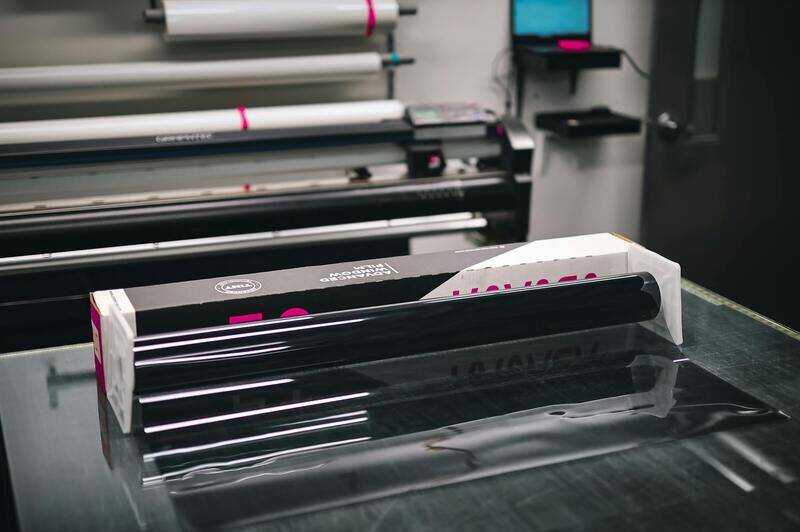
The selection of paper stock is paramount, with options ranging from standard gloss and matte finishes to specialty textured or recycled papers. Generally, premium materials cost more but contribute to a more luxurious and durable product. Finishing techniques further enhance the brochure’s tactile and visual appeal, impacting price accordingly. Coatings like UV or matte lamination can add significant value but at increased costs, especially with custom effects such as spot UV, metallic foils, or embossing. These finishes not only improve aesthetics but also provide additional protection, extending the lifespan of the brochures. Each finish choice should complement the campaign’s image and messaging goals while fitting the budget framework.
Additional Costs: Design, Artwork, and Customization
While printing costs form a major part of the brochure budget, additional charges often arise from the creative process. Custom design work, artwork preparation, and any unique customization required to meet specific branding standards can incur extra fees. These charges depend on the complexity of the design, the number of revisions, and the level of detail involved. For businesses seeking distinctive brochures with high-impact visuals, investing in professional graphic design and high-quality artwork can dramatically enhance the product’s effectiveness but should be planned for within the overall budget.
Estimated Price Range for Brochure Printing in Singapore
Brochure printing prices can vary widely depending on specifications, but typical ranges are available to help plan budgets. Small runs with basic materials might start around a few hundred Singapore dollars for 100-200 pieces. Medium-sized orders leveraging standard finishes and materials could range from SGD 300 to SGD 800 for quantities of 500 to 1,000. For high-end brochures featuring premium papers and elaborate finishes, costs may exceed SGD 1,500 or more for similar quantities. Collaborating with experienced printing providers ensures accurate quotations and helps in achieving the desired quality without exceeding financial constraints.
Tips to Optimize Brochure Printing Budget
- Choose standard sizes and formats to reduce plate and setup fees.
- Opt for bulk printing to take advantage of per-unit discounts.
- Limit the number of colors to minimize printing costs, favoring double-sided prints in black and one or two colors.
- Balance between premium finishes and budget constraints by selecting simple yet effective options.
- Provide print-ready artwork to avoid additional design charges and reduce turnaround time.
- Compare quotes from multiple printers to identify the most competitive pricing and service quality.
- Plan ahead to allow for long lead times, which can sometimes leverage lower rates due to scheduling flexibility.
Detailed Cost Breakdown for Brochure Printing Services
Understanding the various components that contribute to the overall brochure printing price enables businesses and individuals to make more informed decisions. Every element from material choice to finishing options influences the final cost, and recognizing these factors can lead to better budgeting and resource allocation.
At the core of brochure printing costs are the printing process and the materials used. The complexity of the design often dictates the number of colors and printing techniques required, which can significantly impact pricing. For example, standard digital or offset printing generally offers cost efficiency for larger runs, whereas specialty processes like foil stamping or embossing increase expenses due to additional labor and equipment usage.
Additionally, the type of paper selected plays a vital role. Thicker, premium-quality papers such as silk, matte, or gloss finishes tend to be more expensive than standard options. Custom textures or specialty papers, like recycled or tinted stock, also influence the cost structure. Finishing touches, including lamination, UV coating, or foil accents, further add to the price but enhance the durability and aesthetic appeal of the brochures.

Turnaround time is another element affecting pricing. Rush orders typically command higher fees due to extended printer schedules and expedited processing. Companies should assess their urgency levels and plan print schedules accordingly to capitalize on standard processing rates rather than premium fees.
Cost Optimization Strategies for Brochure Printing
- Select standard sizes and formats: Using common brochure dimensions reduces setup and plate costs, leading to lower per-unit prices. For instance, standard A4 or DL sizes are widely compatible with most printers’ equipment.
- Limit color usage: Opting for monochrome or dual-color printing where feasible can significantly cut costs. Double-sided black-and-white prints with minimal color accents deliver impactful results without high expenses.
- Capitalize on bulk orders: Printing larger quantities typically reduces the per-piece price. Consider strategic planning to maximize the number of brochures produced in each batch.
- Choose simple finishes: While premium finishes have visual appeal, basic matte or gloss lamination offers durability and style at a more affordable rate.
- Provide print-ready files: Ensuring that artwork is correctly prepared and formatted minimizes additional design charges and reduces turnaround time, potentially lowering overall costs.
Understanding these detailed components and implementing targeted strategies can help manage brochure printing expenses effectively. Whether opting for simple, cost-efficient solutions or investing in high-end finishes, aligning specifications with budget constraints ensures optimal value and quality for your marketing materials.
Factors Influencing Brochure Printing Price in Singapore
Determining the cost of brochure printing involves understanding multiple components that contribute to the overall budget. These include material selection, print specifications, finishing options, and the quantity ordered. Recognizing how each factor interacts helps organizations and individuals make informed decisions to achieve the desired quality within their financial constraints.
Material Selection and Its Effect on Cost
Choosing the right material for your brochures significantly impacts pricing. Standard paper stocks such as 150gsm or 200gsm gloss or matte finishes are typically more affordable, providing durability and a professional appearance. Premium materials like silk or textured papers, although visually striking, tend to increase costs due to their higher manufacturing expenses. Additionally, the choice of coating—spot UV, matte, or gloss lamination—adds to the final price, with simple finishes generally being more budget-friendly while still delivering a refined look.
Print Specifications and Finishing Options
Beyond paper type, print specifications such as color usage, print size, and folding style influence the overall price. Monochrome printing or limited color palettes reduce costs compared to full-color designs. Standard sizes like A4 or DL are more economical compared to custom dimensions, which require additional setup. Finishing touches like laminations, die-cutting, or embossing elevate visual appeal but also increase costs. Selecting basic finishing options often allows for more economical production, especially when ordering in bulk.
Impact of Quantity and Bulk Orders
The number of brochures printed directly influences unit prices. Bulk orders typically benefit from economies of scale, reducing the cost per piece as fixed setup fees are distributed over a larger quantity. Careful planning of printing quantities can lead to substantial savings, especially when magazines, event handouts, or marketing campaigns require extensive distributions. It is advisable to compare different batch sizes to identify the most cost-effective volume.
Additional Costs: Design and Customization
Beyond production expenses, allowances must be made for design, artwork, and customization services. Professional design work can significantly enhance the effectiveness of marketing materials but often involves additional charges. Ensuring that artwork files are print-ready and correctly formatted can minimize costly revisions or reprints. For those with in-house design capabilities, providing optimized files can significantly lower overall expenses.
Estimated Price Ranges for Brochure Printing in Singapore
Based on current market standards, the typical price for printing brochures in Singapore ranges between SGD 0.50 to SGD 3.00 per piece, depending on specifications. Basic, standard-sized brochures with limited colors and simple finishes tend to fall on the lower end of this spectrum. Conversely, options involving premium materials, extensive customization, or high-volume orders may be priced higher. Bulk printing often yields discounts, making it a more economical choice for large-scale campaigns.
It is essential for clients to request detailed quotes from reputable printing providers to compare offerings and find the best fit for their budgets and project requirements. Clear communication about specifications and desired outcomes ensures accurate pricing and timely delivery of their marketing materials.