Overview of Digital Poster Printing
Digital poster printing has become an essential component of contemporary advertising and promotional strategies. It involves the use of digital printing technology to produce large-scale visual displays that communicate messages effectively and dynamically. Unlike traditional printing methods, digital poster printing offers rapid turnaround times, high-resolution outputs, and the ability to customize designs with flexibility. This process utilizes digital files directly from design software, eliminating the need for extensive setup processes such as plate creation, which are typical in offset printing.
The significance of digital poster printing extends beyond marketing; it plays a vital role in event promotion, retail displays, informational signage, and branding efforts. Its capacity to produce vibrant colors, sharp details, and tailor-made sizes makes it a versatile tool for businesses looking to create eye-catching visuals that resonate with their target audience. The immediacy of digital technology also facilitates last-minute changes and updates, ensuring that messaging remains current and relevant.

Compared to traditional methods such as screen printing or lithography, digital poster printing provides several key features that elevate its utility in various sectors. These include faster production times, reduced setup costs, and the ability to print on a variety of materials. Digital printers are capable of producing detailed images with a wide color gamut, ensuring the final product is as close to the original design as possible. Moreover, digital printing supports small batches and one-off prints efficiently, making it ideal for short-term campaigns or customized displays.
In the evolving landscape of visual communication, digital poster printing continues to expand its capabilities, offering innovative solutions for brands seeking quick, high-quality, and customizable visual assets. Its role in modern marketing is undeniable, facilitating dynamic content that can be tailored to specific audiences, locations, and events. The ongoing advancements in digital printing technology promise even greater possibilities for creating impactful, durable, and visually striking posters that stand out in crowded digital and physical environments.

Common Materials and Substrates Used in Digital Poster Printing
Choosing the appropriate material for digital poster printing is essential to achieving the desired visual impact, durability, and functionality. The selection process depends on several factors including the intended display environment, longevity requirements, budget, and aesthetic preferences.
Vinyl remains a popular choice due to its robustness and weather-resistant properties, making it ideal for outdoor advertising or locations exposed to elements. Vinyl posters can be printed on monomer, polyvinyl chloride (PVC), or flexible vinyl materials, each offering different levels of durability and flexibility. They provide sharp image quality and vibrant colors, ensuring visibility from a distance and resilience over time.
Fabric-based substrates are favored for their upscale appearance and lightweight qualities. Materials such as polyester or nylon textiles are often used for indoor displays or trade show graphics. Their breathability helps prevent issues like curling or wrinkling, and they tend to produce a softer, more refined look. Fabric posters are also easily folded for transportation and can be cleaned without damaging the print.
Foam board and corrugated cardboard are also common options, especially for short-term promotions or point-of-sale displays. Foam boards combine lightweight construction with a solid surface that accepts high-resolution printing, providing vibrant visuals and easy mounting options. These materials are generally used indoors, where harsh weather conditions are not a concern.
For large-format digital posters, rigid materials such as aluminum composite panels or acrylic sheets are often employed. These substrates provide exceptional durability and a sleek, modern appearance, suitable for outdoor signage or high-traffic areas. Their high rigidity ensures the poster maintains its shape and presentation over extended periods.
Overall, the choice of substrate in digital poster printing hinges on balancing aesthetics, environmental exposure, intended lifespan, and budget constraints. Selecting the right material ensures the poster not only captures attention but also withstands the conditions in which it is displayed.
Overview of Digital Poster Printing
Digital poster printing has revolutionized the way businesses and organizations create visual communication tools, offering unprecedented flexibility, speed, and customization options. Unlike traditional offset printing, digital methods involve directly transferring digital images onto various substrates using advanced printing technologies. This process eliminates the need for lengthy setup procedures, making it ideal for short runs, one-off designs, or highly customized graphics. As a result, digital poster printing is extensively used in advertising campaigns, event promotions, retail displays, and informational signage. The technology allows for high-resolution, vibrant visuals that can be tailored to specific audience targets, location conditions, and branding guidelines. Furthermore, digital poster printing supports a wide array of materials, from flexible vinyls and fabrics to rigid foam boards and aluminum panels, ensuring optimal display solutions across indoor and outdoor environments.
Common Materials and Substrates Used in Digital Poster Printing
The selection of substrates in digital poster printing is crucial in determining the overall appearance, durability, and functionality of the final product. For indoor signage, materials such as satin or gloss paper, fabric banners, and foam boards are popular choices. These substrates offer smooth surfaces that produce detailed, sharp images with vibrant color reproduction. Fabric-based materials, including polyester or nylon textiles, are often preferred for trade show displays or retail environments due to their soft texture and lightweight nature. They are easily transported, foldable, and can be cleaned for reuse, providing a cost-effective and aesthetically appealing solution.
For short-term promotions or point-of-sale displays, foam boards and corrugated cardboard are practical options. They combine affordability with ease of mounting, and their rigid surfaces support high-quality digital printing that can display fine details. These materials are generally suitable for indoor use, as they are susceptible to environmental factors such as moisture or wind.
When it comes to large-format outdoor signage, rigid materials like aluminum composite panels, acrylic sheets, or weather-resistant vinyl are employed. These substrates are designed to withstand exposure to sunlight, rain, and wind, maintaining their visual integrity over extended periods. Aluminum composite panels, with their sleek, modern exterior, are especially favored for professional signage, while acrylic sheets offer a high-gloss finish that enhances the visual impact.

Printing Technologies and Equipment
High-quality digital poster printing relies on a number of advanced printing technologies, each suited to specific types of substrates and applications. UV printing involves ultraviolet light curing inks, which instantly dry upon contact with the surface, resulting in highly durable, scratch-resistant images suitable for outdoor and high-traffic settings. Solvent and eco-solvent printers use solvent-based inks that penetrate deeply into the substrate, providing vibrant colors and excellent weather resistance. These technologies are ideal for large-format banners, vehicle wraps, and outdoor signage where longevity is essential.
Some printers utilize dye sublimation or hybrid printing methods to achieve specific finishes or color ranges. The choice of equipment impacts the resolution, color accuracy, and overall durability of the printed poster. Modern digital printers offer high resolutions, often exceeding 1200 dpi, enabling detailed imagery with sharp lines and consistent color gradients. By selecting the appropriate technology, users can ensure their digital posters not only look visually striking but also perform reliably over their intended lifespan.
Design Considerations and File Preparation
Designing for digital poster printing involves careful planning to optimize resolution, color, and layout. Files should be prepared at the final print size with a minimum resolution of 150-300 dpi to ensure crisp detail. Color profiles and bleed settings are essential to prevent unintended borders or color shifts. Using vector graphics for logos and text guarantees scalability without loss of quality, while raster images should be high-resolution and color-managed for accurate reproduction. Incorporating margins and safe zones prevents critical elements from being cut off during trimming or mounting, facilitating a professional and polished presentation.
Ensuring compatible file formats, such as PDF or TIFF, and following printer-specific guidelines can streamline the production process and minimize errors. Proper file preparation not only improves print quality but also contributes to efficient turnaround times, especially when working with rapid digital printing services.
Common Materials and Substrates Used in Digital Poster Printing
When it comes to digital poster printing, selecting the appropriate materials and substrates is crucial for achieving the desired visual impact, durability, and ease of installation. The choice of material influences not only the aesthetic appeal but also how well the poster withstands environmental factors such as moisture, UV exposure, and handling. Recognized and proven materials maintain the integrity of digital posters over time, ensuring longevity and sustained quality.
One of the most popular materials for digital posters is coated or satin paper, which provides a smooth surface that enhances color vibrancy and detail. This type of paper is ideal for indoor display where high-quality visuals are paramount. Its surface finish minimizes glare while maximizing the clarity of complex graphics and photographic images, making it a preferred choice for exhibitions, presentations, and retail displays.
For outdoor or high-traffic applications, rigid substrates such as foam boards, PVC, or Coroplast are frequently used. These materials are lightweight yet durable, capable of withstanding elements such as wind, rain, and UV rays. Foam boards are valued for their ease of mounting and portability, making them suitable for temporary events and presentations. PVC cards and coroplast sheets, on the other hand, provide increased resilience and visual clarity, especially when paired with high-resolution digital printing technologies.
Vinyl materials are also common for larger or portable signage. Their flexibility allows for installation on uneven surfaces or curved architectural features, while their weather-resistant properties ensure that the visual quality remains consistent despite exposure to outdoor conditions.
Specialized substrates, such as backlit films and translucent acrylics, are used when illuminated digital posters are desired. Backlit films enable light to pass through vibrant colors, creating luminous displays that command attention. Translucent acrylic panels provide a sophisticated, high-end finish suitable for retail showcases, corporate lobbies, and art installations.
Innovations and Eco-Friendly Material Options
Modern digital poster printing emphasizes sustainability by utilizing eco-friendly substrates. Recyclable papers, biodegradable films, and environmentally conscious plastics are increasingly accessible, reducing the ecological footprint of printed marketing materials. These options often feature water-based inks and coatings that are safe for the environment while maintaining impressive print quality and durability.
In selecting the right material for a digital poster, stakeholders must consider the intended display environment, required lifespan, installation method, and budget constraints. Consulting with printing professionals ensures appropriate material choice, aligning technical specifications with project goals for a polished and impactful final product.
Design Considerations and File Preparation
Creating an effective digital poster begins with meticulous design and precise file preparation. Ensuring that your artwork aligns with printer specifications is crucial for achieving optimal quality and vibrancy in the final output. When preparing your files, it is essential to adhere to the recommended resolution, typically 300 dpi, to maintain clarity and sharpness, especially for large-format prints.
Color management plays a vital role in digital poster printing. Utilizing color profiles such as Adobe RGB or sRGB ensures consistent color reproduction across different devices and printing systems. Converting your artwork to a suitable color space before submission helps prevent color shifts and guarantees that the printed poster matches your intended design.
File Formats and Specifications
- Preferred formats include PDF, TIFF, or high-resolution JPEGs, which support detailed imagery and color fidelity.
- Embed fonts or convert text to outlines to avoid font mismatches or substitution issues during printing.
- Maintain a bleed margin of at least 0.125 inches to allow for trimming and border consistency.
Design Tips for Eye-Catching Posters
- Focus on bold, high-contrast visuals that are easily visible from a distance.
- Limit the amount of text to enhance readability; prioritize key messages and calls to action.
- Incorporate white space strategically to direct viewers’ attention and improve overall composition.
- Use vibrant colors and imagery that complement your brand or campaign theme, ensuring they translate well into the print medium.
Collaborating with professional digital poster printing service providers can significantly streamline this process. They often provide detailed file submission guidelines and proofing services, allowing you to review a digital proof before the final print run. This step helps prevent errors and verifies that your design looks perfect in the printed format, saving time and resources in the long run.
Best Practices for Durability and Installation
When it comes to maximizing the lifespan and visual impact of digital posters, selecting appropriate materials and installation techniques is crucial. Durability depends greatly on environmental factors, poster material choices, and proper mounting methods. For indoor displays, standard poster paper or lightweight vinyl materials generally suffice, providing vibrant color reproduction and ease of handling. However, for outdoor applications where exposure to weather elements is inevitable, opting for weather-resistant substrates such as laminated vinyl or other protective coatings ensures longevity and resilience against moisture, UV rays, and temperature fluctuations.
Proper installation techniques are equally essential. Ensure the surface where the poster is mounted is clean, smooth, and free from debris or oils to facilitate adhesion. Use high-quality mounting adhesives or graphics tapes suitable for the chosen substrate, avoiding materials that may cause damage or adhesive residue upon removal. For larger posters, employing mechanical fasteners like grommets, rails, or brackets can distribute weight evenly and prevent sagging or tearing over time. Proper tensioning during mounting helps maintain a smooth appearance and reduces the risk of warping or curling.

Lighting considerations also influence installation success. Positioning posters under appropriate lighting can improve visibility and ensure the design remains striking throughout its display period. In outdoor environments, avoid locations prone to high wind or physical contact, and consider protective coverings or frames to shield the poster from potential damage. Regular maintenance, such as cleaning and inspecting for signs of wear, helps preserve the poster’s appearance and structural integrity, ensuring it continues to serve its intended purpose effectively.
In summary, meticulous material selection combined with professional installation practices significantly extends the usability of your digital posters. This approach not only preserves visual quality but also optimizes the impact of your messaging across various environments and use cases.
Overview of Digital Poster Printing
Digital poster printing has revolutionized the way businesses, artists, and organizations create impactful visual displays. This method leverages advanced digital printing technologies to produce large-format images with exceptional clarity, color accuracy, and detail. It offers a versatile solution capable of handling a wide range of designs and materials, making it ideal for everything from event promotions to corporate branding. Digital poster printing enables rapid turnaround times and customizations, allowing for high levels of personalization and quick adjustments in response to market or campaign needs. The process involves digital file preparation, substrate selection, and precise printing techniques to achieve vibrant, durable results suitable for both indoor and outdoor environments.
Common Materials and Substrates Used in Digital Poster Printing
Choosing the right materials is essential to ensure your digital posters meet their intended purpose and display environment. The most frequently used substrates include paper-based options like gloss, matte, and satin papers, which are ideal for indoor applications requiring sharp image quality. For outdoor or high-traffic areas, rigid materials such as aluminum composite panels, weather-resistant vinyl banners, or polypropylene boards are preferred due to their durability and resistance to weathering. Flexible substrates, including fabric and mesh materials, are also popular for specific visual effects or large-scale installations where flexibility and breathability are necessary. Special coatings or laminates can be applied to enhance environmental resistance and prolong the lifespan of the printed poster, especially when exposed to elements like sunlight, moisture, or handling.
Printing Technologies and Equipment
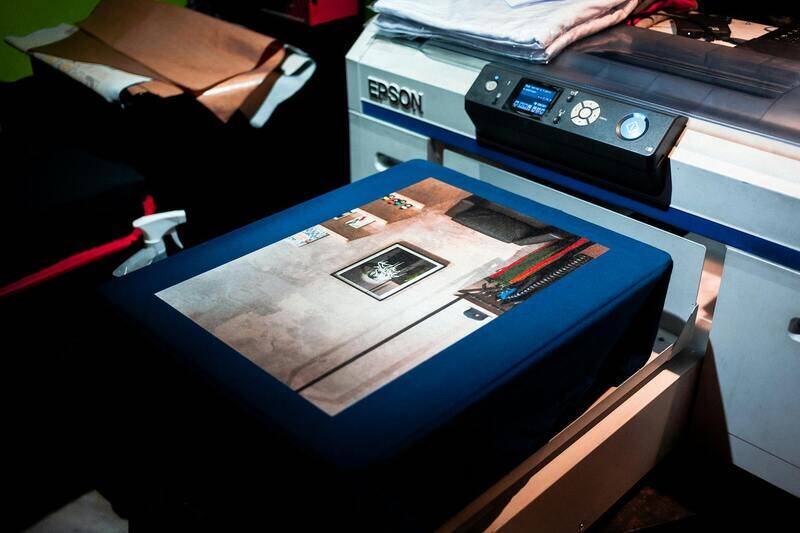
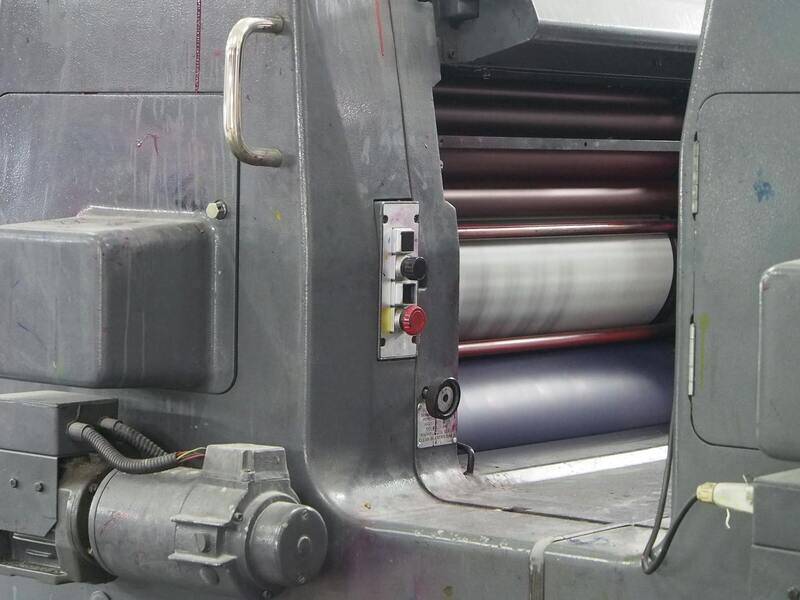
Digital poster printing primarily utilizes large-format inkjet printers equipped with specialized RI (Reactive Inkjet) or UV-curable ink systems. These printers are designed to handle wide rolls or sheets, offering precise color management and high-resolution outputs that capture intricate details. UV-curable printers are especially valued for their ability to print directly onto rigid substrates, providing immediate curing and minimal distortion. Inkjet technology allows for a broad color gamut, ensuring vibrant, eye-catching posters. Maintenance of these machines and proper calibration are crucial to maintaining consistent quality. Advances in printhead technology and ink formulations have significantly improved printing speed, color durability, and environmental safety, making digital poster printing an efficient choice for large-scale production as well as short-run custom projects.
Design Considerations and File Preparation
To achieve the best results, proper design considerations and meticulous file preparation are essential. Designers should work with high-resolution files (minimum 300 DPI at final print size) to ensure sharp, crisp images. Vector graphics should be used for logos and simple graphics to maintain scalability without quality loss. Color profiles should be managed carefully, with CMYK being standard for print to ensure accurate color reproduction. Bleed settings and safe margins must be incorporated to prevent unwanted cropping or white borders. Additionally, specific considerations like font embedding and color consistency are vital for a professional finish. Prior to printing, file formats such as PDF/X-1a or TIFF are recommended to preserve design integrity and facilitate smooth printing workflows.
Advantages of Digital Poster Printing
Digital poster printing offers numerous advantages over traditional methods, including rapid production times, high customization potential, and excellent color fidelity. It allows for short-run and on-demand printing, reducing inventory and waste. The process also supports variable data printing, enabling personalized messages or images tailored for specific audiences. The precision and detail achievable with digital printing provide vibrant visuals that command attention. Furthermore, digital poster printing typically involves lower setup costs, making it economically viable for small batches or limited editions. Its environmental benefits stem from reduced waste and the ability to print only what is needed, aligning with sustainability goals.
Applications and Use Cases
Digital posters are versatile tools employed across diverse sectors. In retail, they serve as eye-catching in-store advertisements or promotional displays. Corporate environments utilize digital posters for branding, informational displays, or internal communications. Event organizers rely on them for signage at concerts, exhibitions, and conferences. The entertainment industry uses digital posters to promote movies, concerts, and theater productions. In public spaces, they are often used for wayfinding, safety notices, or community art projects. Additionally, educational institutions benefit from digital posters for campaigns, academic achievements, and event promotions. The ability to produce large, high-quality visuals quickly makes digital poster printing an indispensable asset in marketing and communication strategies.
Best Practices for Durability and Installation
To maximize the lifespan and visual impact of digital posters, selecting the appropriate materials and finishing techniques is essential. Use high-quality, weather-resistant substrates such as vinyl, laminated media, or coated papers that can withstand environmental factors such as UV exposure, moisture, and physical abrasions. Incorporating protective coatings or laminates not only enhances durability but also maintains color vibrancy over time, especially for outdoor exposure.
Proper installation techniques are critical to ensure the poster remains securely affixed and visually appealing. Utilize suitable mounting hardware, such as grommets, standoffs, or adhesives designed for the chosen material. When installing outdoors, consider the environmental conditions—sunlight, wind, and rain—so that the signage remains intact and effective. For temporary displays, lightweight frames or adhesive mounts are often sufficient, whereas permanent signage requires more robust solutions. Regular inspections and maintenance, including cleaning and checking for damage, help preserve the poster’s appearance and structural integrity.

Handling and Storage Protocols
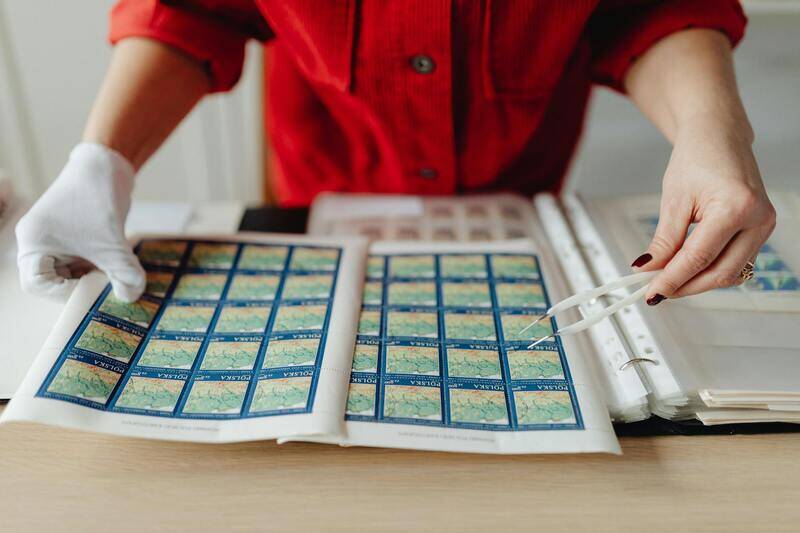
Proper handling and storage play a vital role in maintaining the quality of digital posters prior to installation. Store posters flat or rolled in protective tubes, avoiding areas with high humidity, direct sunlight, or extreme temperatures. When handling, wear gloves to prevent fingerprints or oils from damaging the surface. This careful management prevents deformation, smudges, or fading that could compromise the poster’s visual appeal and surface integrity.
For posters that need to be stored for an extended period, consider inverting or stacking them with protective backing layers and storing in climate-controlled environments. When ready for installation, inspect the digital posters for any damages or defects, ensuring all materials are in optimal condition before proceeding.
Environmental Considerations and Eco-Friendly Options
Sustainable practices are increasingly important in digital poster printing. Opt for eco-conscious materials that are recyclable or made from recycled content. Utilizing inks with low VOC emissions and environmentally friendly solvents can significantly reduce the ecological footprint of your prints. Many printing service providers now offer biodegradable laminates and recycled substrates to promote sustainability without compromising quality.
Furthermore, digital printing inherently reduces waste through on-demand production, eliminating excess inventory and minimizing environmental impact. When planning campaigns, consider the environmental implications of the chosen materials and methods, aiming for solutions that combine visual effectiveness with eco-responsibility.