Understanding Digital Poster Printing
Digital poster printing has transformed the way businesses, artists, and organizations communicate visual messages to their audience. This method utilizes advanced digital printing technology to produce high-quality, vibrant posters with precision and speed. Unlike traditional printing approaches, which often rely on printing plates and manual processes, digital poster printing employs electronically controlled processes that directly transfer digital images onto various materials. This shift offers numerous advantages in terms of turnaround time, customization, and cost-efficiency.
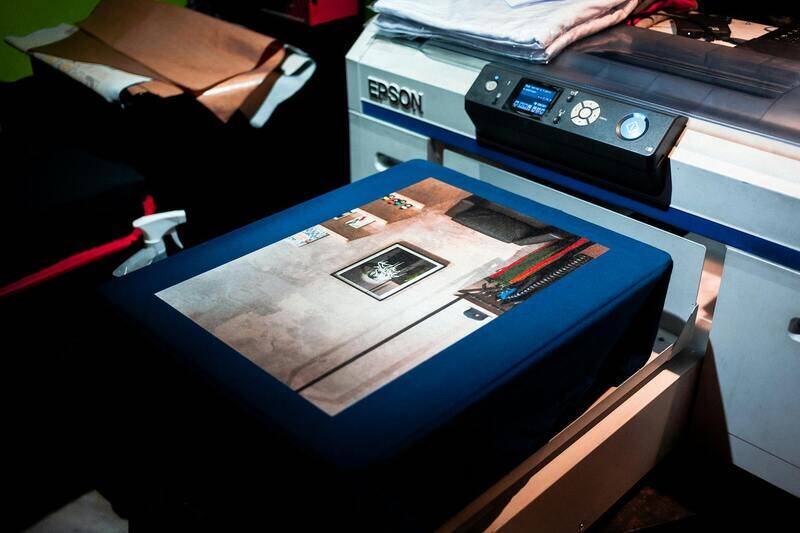
The core technology behind digital poster printing involves inkjet or laser printers capable of reproducing detailed images with accurate color fidelity. These printers operate by spraying tiny droplets of ink (in inkjet) or by using toner (in laser printing) onto substrates. The process allows for immediate printing of digital files, eliminating the need for extensive setup and making it feasible to produce short runs or even single posters effortlessly.

Compared to traditional lithography or screen printing, digital poster printing offers distinct advantages. Traditional methods often require extensive preparation phases, such as creating printing plates or stencils, which can be time-consuming and costly for small to medium quantities. Digital printing, on the other hand, enables rapid production with minimal setup, making it ideal for urgent orders, personalized posters, or design variations.
Furthermore, digital printing supports a wider range of materials and finishes, providing flexibility to meet diverse project requirements. High-resolution printing ensures that posters are sharp and clear, with accurate color reproduction that captures the original design’s intent. This combination of speed, quality, and customization makes digital poster printing a preferred choice for marketing campaigns, event promotions, and artistic displays.
Overall, digital poster printing bridges technological innovation with creative expression, empowering users to achieve impactful visual communication swiftly and reliably.
Types of Digital Poster Printing Technologies
Digital poster printing employs different technology types, each suited to specific needs and applications:
- Inkjet Printing: Utilizes tiny nozzles to spray droplets of liquid ink onto substrates. This method is renowned for producing vibrant colors and detailed images, ideal for high-quality posters, fine art reproductions, and photographic displays.
- Laser Printing: Uses toner (powdered ink) that is fused onto the material with heat. Laser printers provide fast turnaround times, sharp text, and solid color blocks, making them suitable for signage and informational posters.
- Hybrid Technologies: Some modern systems combine features of inkjet and laser printing to optimize output quality and efficiency for various poster applications.
Material Options for Digital Posters
Choosing suitable materials is crucial for achieving durability and visual impact. Common materials include:
- Glossy and Satin Photographic Papers: Offer vibrant color reproduction and are perfect for promotional posters displayed indoors.
- Matte Papers: Reduce glare and reflections, suitable for high-detail artwork or presentations requiring a professional finish.
- Vinyl and PVC:** Durable, weather-resistant options ideal for outdoor installations or long-term displays.
- Canvas: Creates a textured, artistic appearance, frequently used for gallery-quality prints.
Design and Resolution Considerations
Effective digital posters start with a high-quality design. Resolution plays a vital role; images should ideally be at least 300 dots per inch (DPI) at the final print size to ensure sharpness and clarity. Design software should also support color profiles that match printing standards, ensuring consistent color reproduction.
Color accuracy and contrast are paramount for impactful posters. Utilizing professional design tools and color calibration techniques can help achieve the desired visual outcome. Additionally, considering bleed areas, margins, and intended viewing distance influences layout and resolution choices.

Custom Size and Finishing Options
Digital printing services accommodate an extensive range of sizes beyond standard dimensions. Custom sizing allows for tailored marketing displays or artistic projects. Finishing options, such as lamination, mounting, or framing, enhance durability and presentation quality. These finishing touches also facilitate easier installation and long-term preservation of the posters.
Applications of Digital Posters
Digital posters are versatile tools utilized across many sectors:
- Marketing and Promotions: Launch events, product advertisements, and promotional campaigns.
- Event Displays: Concerts, exhibitions, conferences, and festivals.
- Educational and Informational Content: School notices, safety instructions, and public service announcements.
- Artistic and Creative Projects: Exhibitions, gallery displays, and personal art reproductions.
Material Options for Digital Posters
Selecting the appropriate material is crucial in digital poster printing to ensure durability, visual appeal, and suitability for various environments. Common substrates include weather-resistant vinyl, lightweight foam boards, rigid cardboard, and high-quality fabric fabrics. Each material offers unique benefits: vinyl is ideal for outdoor applications due to its resistance to moisture and UV exposure; foam boards provide a lightweight, smooth surface suitable for indoor displays; cardboard and paper are suitable for short-term or temporary displays where cost considerations are paramount. Additionally, specialty materials such as eco-friendly substrates are increasingly available, catering to environmentally conscious projects.
When choosing materials, consider the intended display environment, longevity requirements, and budget constraints. For long-term outdoor advertisements, weatherproof and UV-coated materials are recommended. Conversely, indoor posters at trade shows or galleries benefit from lightweight, visually vibrant substrates that enhance color appeal and ease of installation. Professional printing services typically offer a selection of premium materials with specific finishes such as matte, gloss, or satin, allowing customization to match branding or aesthetic preferences.
Design and Resolution Considerations
Achieving high-quality prints begins with meticulous design and appropriate resolution settings. Digital posters should be created at a minimum resolution of 300 DPI at the final print size to ensure crisp details and vibrant colors. This high resolution prevents pixelation and maintains sharpness, especially when viewing the poster from close distances.
Design software compatibility with color profiles, such as ICC profiles, ensures consistent color reproduction across different devices and printing systems. Managers should pay close attention to the bleed area—typically 1/8 inch—to prevent unintentional white borders after trimming. Margins should also be considered to avoid cutting into essential content. When designing for large-format posters, working with vector graphics and high-resolution raster images is vital to preserve quality during enlargement.
In addition to resolution, color calibration and proofing are integral processes to visualize how the final product will appear. Test prints or digital proofs help identify potential color shifts or design adjustments before committing to large-scale printing, saving time and resources while ensuring the final product meets expectations.
Understanding Digital Poster Printing
Digital poster printing has become an essential aspect of visual communication in various industries, offering unmatched flexibility and quality. This process involves the use of advanced digital printing technologies to produce large-format posters with vibrant colors, sharp details, and durable finishes. When considering digital poster printing, it is crucial to understand the core elements that influence the quality and effectiveness of the final product, including the choice of materials, design specifications, and the printing technology employed.

The popularity of digital poster printing services stems from their ability to produce customized visuals at scale with quick turnaround times. Whether for marketing campaigns, events, or informational displays, digital posters provide a compelling way to communicate messages visually and attract attention effectively. The key to successful digital poster printing lies in leveraging official, proven methodologies that uphold high standards of quality and consistency. This includes selecting the right printing technology, the appropriate materials, and adhering to optimal design principles, all of which contribute to creating impactful visual displays that resonate with target audiences.
Types of Digital Poster Printing Technologies
Different digital printing systems are used depending on the desired outcome, budget, and specific application. The most common technologies include:
- Inkjet Printing: Widely used due to its ability to produce high-quality, detailed images with vivid color reproduction. It employs tiny nozzles to spray ink directly onto substrates, making it ideal for both indoor and outdoor digital posters.
- UV Printing: Utilizes ultraviolet light to cure ink instantly on various materials including rigid surfaces. This method ensures durability and is suitable for long-term outdoor displays or signage with a need for resistant finishes.
- Electrophotography (Laser Printing): Commonly used for posters on paper or lightweight materials, offering fast production speeds and precise detailing perfect for indoor use or short-term projects.
Choosing the appropriate technology is vital to achieve the desired print quality, durability, and cost-efficiency. An experienced digital poster printing service ensures the use of legitimate, high-end equipment aligned with industry standards to guarantee consistent, high-quality results.
Material Options for Digital Posters
Materials for digital posters are selected based on their environment, longevity, and aesthetic requirements. Common options include:
- Vinyl Films: Favorable for outdoor applications due to their weather-resistant qualities. Vinyl posters can withstand moisture, UV exposure, and physical wear, making them suitable for long-term environmental displays.
- Fabric: Offers a softer, matte finish, often used in indoor settings or for trade shows. Fabric posters are lightweight, easy to transport, and can be printed with vibrant colors without glare.
- Premium Paper: Ideal for short-term or indoor promotions, providing sharp image quality and a professional look. Paper posters can be coated with matte, gloss, or satin finishes to enhance visual appeal and protection.
Ensuring the selection of official, high-grade materials elevates the overall impact and longevity of digital posters. Each material has specific benefits aligned with the intended use, environment, and display duration, making it essential to consult with reputable printing providers skilled in material handling and finishing techniques.
Design and Resolution Considerations
Effective digital posters warrant precise design and high-resolution outputs. The minimum resolution should be 300 DPI at the final print size to ensure crisp visuals and vibrant colors. Digital design files must include accurate color profiles, like ICC profiles, to maintain color consistency across different devices and printing systems. Managing bleed areas and margins during the design phase is critical to prevent unintentional white borders after trimming.
For large-format posters, leveraging vector graphics and high-resolution raster images ensures the clarity of details when enlarged. Incorporating rigorous proofing and test prints allows for adjustments before final production, ultimately preserving visual integrity. Proper calibration and color management are fundamental to delivering a finished poster that meets high standards of professionalism and visual impact.
Custom Size and Finishing Options
Digital poster printing services offer an extensive array of size options, accommodating specific display requirements. Custom sizes are designed to optimize visibility and fit within designated spaces. Finishing options such as laminations, mounting, and cutting enhance durability and aesthetic appeal. Matte, gloss, or satin finishes not only influence visual texture but also provide additional protection against environmental factors, ensuring longevity for both indoor and outdoor applications.
Applications of Digital Posters
Digital posters find application across diverse sectors including advertising, education, corporate events, and public information campaigns. They serve as dynamic visual mediums capable of conveying complex messages quickly. The versatility of digital posters allows for creative freedom and precise targeting, with capabilities for incorporating vibrant imagery, text overlays, and branding elements seamlessly integrated into the final product.
Benefits of Using Digital Poster Printing Services
Opting for official digital poster printing services ensures access to industry-standard technology and materials, guaranteeing professional results. These services often provide tailored solutions, from design assistance to finishing touches, ensuring the final product aligns with specific goals. Moreover, utilizing proven methods maintains high color accuracy, sharp resolution, and durable finishes, contributing to a compelling presentation that stands out and withstands environmental challenges.
Choosing a Digital Poster Printing Service
Selecting a reputable printing provider involves evaluating their technological capabilities, material options, and quality assurance processes. Established services will adhere to strict standards, employing legitimate equipment and materials, and provide transparent consultations to help clients achieve their vision effectively. It is equally important to consider turnaround times, pricing, and customer support to ensure a smooth and satisfactory printing experience that meets professional expectations.
Material Options for Digital Posters
When selecting materials for digital poster printing, it is crucial to consider durability, finish, and environmental conditions where the posters will be displayed. Commonly used substrates include gloss, matte, and satin paper, each offering unique visual effects and suitable for different settings. Glossy finishes enhance vibrant colors and sharp details, making them ideal for promotional displays and colorful imagery. Matte surfaces reduce glare and are preferred in environments where reflections could hinder visibility, such as in well-lit spaces or near windows.
Beyond paper, rigid materials like foam board, aluminum, or acrylic are often employed when posters require a more sturdy, long-lasting presentation. These options are versatile for both indoor and outdoor displays, providing resistance to moisture and physical impacts. For outdoor installations, weather-resistant materials are essential to maintain visual integrity over time.

In addition, fabric banners and vinyl are popular choices for large-format digital posters used in events or outdoor advertising. These materials are lightweight, durable, and can be easily rolled or transported, offering flexibility for temporary or long-term displays. The selection of material directly impacts the poster's longevity, visual appeal, and cost, making it important to match the chosen substrate with the intended use and environmental exposure.
Custom Size and Finishing Options
Digital poster printing services accommodate a wide range of sizes, from small displays for indoor use to massive billboards for outdoor advertising. Custom sizing allows clients to tailor the poster dimensions to specific spatial requirements, ensuring optimal visual impact and alignment with design specifications. Advanced digital printing technology enables precise scaling without loss of quality, even for highly detailed images or intricate text.
Finishing options are integral to enhancing the durability and aesthetic of the final product. Matte, gloss, and UV coatings serve protective functions, guarding against scratches, fading, and environmental damage. Laminating options can further extend the lifespan of posters, especially those exposed to outdoor conditions. Additionally, edge finishing techniques such as lamination, grommet installation, or reinforced borders facilitate ease of installation and handling.

For indoor applications, lightweight mounting options such as hemming or adhesive backings may be suitable, while outdoor posters often require more robust framing or waterproof sealing. Tailoring the size and finishing details complements the overall message and presentation style, ensuring the poster not only catches attention but also endures over time.
Material Options for Digital Posters
Choosing the right material is a critical factor in the effectiveness and longevity of digital posters. The material not only influences visual quality but also determines the poster’s durability against environmental elements. When selecting substrates, clients should consider the specific use case—whether the poster will be displayed indoors or outdoors—as well as the anticipated exposure to elements such as moisture, UV rays, and physical contact.
For indoor applications, lightweight materials such as foam boards, paper-based substrates, and fabric banners are common. These materials facilitate vibrant color reproduction and easy handling. Satin or matte paper stocks are preferred for their smooth finish and reduced glare, enhancing readability and visual appeal. Conversely, outdoor posters demand more resilient materials, such as weatherproof vinyl, mesh banners, or rigid plastic panels. These substrates resist water, fading, and tearing, ensuring the poster maintains its quality throughout the display period.
Advances in digital printing technology allow for high-resolution imaging on various materials, enabling detailed graphics and sharp text. Printable films with adhesive backing are often used for window displays or wall murals, providing versatility in installation. Laminated options are also available to add a layer of protection against scratches, dirt, and environmental wear. The choice of material impacts overall cost, ease of installation, and the poster’s lifespan, making it essential to align material selection with the intended purpose and viewing conditions.

Design and Resolution Considerations
High-quality digital poster printing hinges on meticulous design and optimal resolution settings. For posters to be eye-catching and professional, designs should be crafted at the final print size with an appropriate DPI (dots per inch). Typically, a resolution of 300 DPI is recommended for close-up viewing, ensuring crisp, detailed images with sharp text. Larger posters, intended for distant viewing, can sometimes be produced at lower resolutions, such as 150 DPI, without compromising visual clarity.
Ensuring the design adheres to the necessary bleed and safety margins is crucial for avoiding unintended cropping or white edges. File formats should be optimized for high-resolution output, with formats such as TIFF or PDF to preserve detail and color accuracy. Color calibration, including the use of ICC profiles, guarantees consistent results across different printing sessions, maintaining the vibrancy and accuracy of the original artwork.
Attention to color profiles is particularly important for posters with precise branding requirements or intricate color gradations. Proper calibration ensures that the printed colors match the intended palette, reinforcing brand consistency and visual impact. Moreover, designers should consider incorporating scalable vector graphics for logos or text to maintain sharpness at any size. These technical considerations collectively maximize image clarity and presentation quality, elevating the overall effectiveness of promotional campaigns or informational displays.
Applications of Digital Posters
Digital poster printing services serve a wide range of uses across multiple industries, making them an essential component of modern visual communication. In retail settings, digital posters attract customer attention, promote sales, and showcase seasonal collections with vibrant visuals that can be updated frequently to reflect current promotions. Event organizers rely on high-quality posters to generate excitement for conferences, concerts, and community gatherings, ensuring that promotional material stands out in crowded venues. In the advertising realm, digital posters effectively broadcast brand messages, new product launches, and special offers, often utilizing eye-catching graphics and compelling calls-to-action to drive consumer engagement. Interior decor also benefits from digital poster printing, allowing businesses and individuals to create customized artwork for offices, restaurants, and home environments. The ability to produce large, detailed images on various materials makes digital posters versatile for enhancing physical spaces with personalized or branded visuals. Additionally, educational institutions and public spaces utilize large-format digital posters to communicate safety procedures, event schedules, or historical information in a visually appealing manner. The adaptability of digital poster printing services enables clients to tailor their visual messages precisely to target audiences, ensuring that key information is transmitted clearly and effectively in a broad spectrum of settings. The durability and high-resolution quality of digitally printed posters guarantee long-lasting displays that maintain their visual impact over time, regardless of environmental conditions. Consequently, digital posters have become instrumental in marketing campaigns, informational displays, and aesthetic enhancements, demonstrating their integral role in contemporary visual communication strategies.

Ensuring Accurate Color Representation and Finishing Techniques
Achieving precise color accuracy is paramount in digital poster printing services to ensure that the final product aligns with the original design intent. This involves utilizing advanced color management systems and calibrated monitors during the design process, alongside high-quality printers equipped with a comprehensive color gamut. Proper color calibration guarantees that hues are consistent and vibrant, effectively capturing the nuances of branding and imagery intended in the poster design.
Printing professionals often employ specific finishing techniques to protect and enhance digital posters, extending their visual appeal and lifespan. Laminating is a common process, offering added durability and resistance to fading, moisture, and abrasions. Matte, gloss, or satin finishes can be selected depending on the desired aesthetic and functional needs, from providing a sleek, subdued look to maximizing vibrancy and shine.

Additional finishing options include mounting and framing, which not only improve presentation but also facilitate ease of installation. Mounting on foam boards or other rigid substrates transforms posters into interactive displays suitable for exhibitions, trade shows, or outdoor advertising. Using digitally printed posters with appropriate finishing techniques ensures that the investment in high-quality images is preserved and presented in an optimal manner, effectively communicating messages to targeted audiences.
Compliance with Industry Standards and Quality Assurance
In maintaining the integrity of digital poster printing services, adherence to industry standards and rigorous quality assurance practices are essential. Quality control processes involve inspecting color consistency, resolution, and finishing quality at multiple stages of production. This ensures that each poster meets the predetermined specifications and maintains high standards of visual fidelity.
Suppliers committed to quality often utilize certified printing equipment and environmentally friendly inks, which not only support eco-conscious practices but also guarantee vibrant, long-lasting prints. These measures contribute to producing posters that stand out visually and withstand environmental challenges such as UV exposure, moisture, and handling, without sacrificing image integrity.

By choosing a digital poster printing service that emphasizes comprehensive quality control and proper finishing options, clients can confidently receive visually stunning and resilient posters tailored to diverse applications, from retail displays to outdoor advertising campaigns.
Ensuring Long-lasting Quality and Environmental Responsibility in Digital Poster Printing
Investing in digital poster printing services not only involves choosing the right technology and materials but also ensuring that the final product maintains its visual appeal and durability over time. High standards in quality assurance are pivotal in achieving posters that are vibrant, precise, and weather-resistant, especially for outdoor or high-traffic areas.
Advanced Quality Control Measures
Leading digital poster printing providers employ comprehensive quality control protocols at each stage of production. These protocols include rigorous inspections of color consistency, resolution fidelity, and finishing quality. Implementing standardized checks ensures that every poster conforms to specific standards, delivering uniformity across large orders and multiple batches.
Utilization of certified printing equipment allows for precise color matching and sharp image reproduction, vital for maintaining brand integrity and message clarity. Periodic calibration of printers and regular maintenance routines prevent color shifts and technical discrepancies, guaranteeing that the output remains true to the original digital design.
Eco-friendly Inks and Sustainable Practices
Many professional digital poster printing services prioritize environmentally responsible methods by using eco-friendly, low-VOC inks. These inks are formulated to produce vibrant, UV-resistant colors while minimizing environmental impact. Sustainable practices extend to responsible waste management, energy efficiency, and the use of recyclable materials whenever possible.
Weather-Resistant and UV-Stable Finishing
For posters intended for outdoor use, specialized finishing techniques enhance longevity and resilience. Protective coatings, lamination, and UV-resistant varnishes shield printed images from fading, moisture, and physical damage. Such treatments are critical in maintaining the original visual quality and promoting the poster’s lifespan in challenging environments.
Environmental Impact and Regulatory Compliance
Adhering to established environmental standards and regulations is essential for reputable digital poster printing providers. This compliance underscores their commitment to sustainability and responsible operation, providing clients peace of mind that their printed materials align with broader ecological goals.
Durability and Visual Fidelity for Diverse Applications
High-quality digital posters combine durable substrates with precise printing techniques to withstand handling, environmental exposure, and time, all while preserving sharpness and color vibrancy. This combination makes them ideal for a range of uses, including retail displays, events, and outdoor advertising campaigns.
Visual Examples and Practical Implementations

Choosing a reputable digital poster printing service involves evaluating their commitment to quality and environmental practices. Clean, vibrant, and resilient posters result from stringent quality assurance measures, environmentally conscious inks, and advanced finishing options. These elements collectively guarantee an end product capable of communicating messages effectively across various settings and environments.