Printing Poster Singapore: A Comprehensive Guide to Your Poster Printing Needs
Types of Posters Available for Printing
When exploring options for printing posters in Singapore, it is important to understand the variety of types available to suit different purposes. Each type serves a unique function, whether for promotion, decoration, or information dissemination. The choice of poster type depends largely on intended use, target audience, and desired visual impact.
Promotional posters are designed to attract attention and communicate marketing messages effectively. They are often used in retail outlets, trade shows, or public events to promote products, services, or upcoming sales. These posters typically utilize bold colors, compelling imagery, and concise messaging to engage viewers quickly.
Decorative posters focus on aesthetics and are commonly used to enhance interior spaces, such as homes, offices, or commercial venues. They come in various artistic styles, from minimalist designs to intricate illustrations, catering to diverse tastes and interior themes. Material choices such as glossy or matte finishes can add texture and visual appeal.
Informational posters serve an educational or instructional purpose. Schools, government agencies, and organizations use these to communicate guidelines, safety protocols, or event details. Often, these posters require clear, easy-to-read fonts and organized layouts to effectively convey information.
In terms of materials, printing options range from standard paper, cardstock, to premium vinyl or canvas. Size options are equally diverse, from small A3 posters to large billboard-scale prints. This variety enables customized solutions tailored to specific needs and budget considerations.

Materials and Printing Techniques
Selecting the appropriate material for your poster is crucial to achieving the desired durability and visual quality. Common materials include standard gloss or matte paper, which are suitable for indoor displays, and more robust materials such as vinyl or fabric for outdoor or long-term use. The finish impacts not only the look but also the resistance to elements like moisture and UV exposure.
Printing techniques vary based on material and desired effect. Offset printing is ideal for bulk orders, providing high quality and consistency, while digital printing offers flexibility for smaller quantities and quick turnaround times. Some poster printing processes incorporate special finishes like lamination, spot UV coating, or embossing to enhance visual appeal and longevity.
Understanding the capabilities of advanced printing methods ensures your posters are produced with precision, vibrant color reproduction, and excellent detail resolution. This level of craftsmanship guarantees that your promotional or decorative posters will stand out effectively.
Factors to Consider When Choosing a Poster Printing Service
Choosing the right service provider involves evaluating several key aspects. Quality of the final product is paramount, requiring a portfolio review or sample request. Turnaround time and reliability also play a significant role, especially for time-sensitive projects. Cost and value for money are important, but should not compromise quality.
Additional considerations include access to a variety of materials and sizes, technological capabilities, and customer support services. An experienced printer with a comprehensive understanding of printing techniques can provide valuable guidance in material selection and design adjustments. Reviews and testimonials from previous clients can offer insights into their consistency and professionalism.
Design and Artwork Preparation
Effective poster printing begins with well-prepared artwork. High-resolution images, ideally 300 dpi or higher, are essential to maintain clarity in large formats. Ensuring proper color profiles and layout specifications aligned with the printer's guidelines helps achieve accurate color reproduction and print quality.
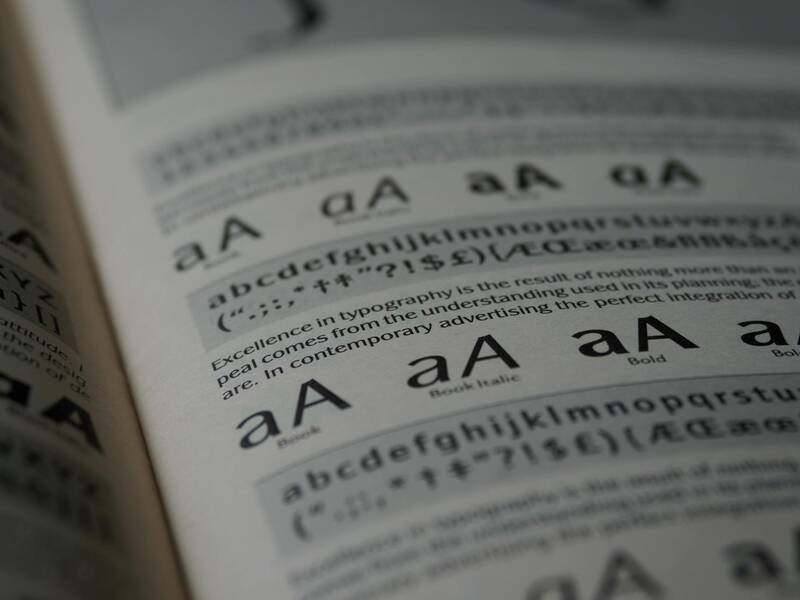
Designers should focus on clear messaging, suitable typography, and balanced composition to maximize visual impact. Keeping critical elements within safe margins and considering bleed areas prevents unwanted cropping during trimming. When preparing files, it's advisable to consult with your chosen printing service for their specific file requirements and check for any pre-press adjustments needed.
Materials and Printing Techniques
When selecting printing options for posters, understanding the available materials and techniques is crucial to achieving the desired visual impact and durability. Common materials include vinyl, which offers excellent weather resistance and longevity, making it ideal for outdoor advertising. Paper options vary from standard glossy or matte finishes suitable for indoor displays to specialty textured or heavyweight papers for premium internal presentations. Fabric banners are also popular for lightweight, portable options that provide a unique visual texture and durability.
The printing methods employed significantly influence poster quality and application suitability. Digital printing has become prevalent due to its rapid turnaround times and ability to handle complex, colorful designs with high precision. Offset printing is preferred for large quantities, delivering consistent color accuracy and sharp details over long runs. Large-format printing, often utilizing solvent or eco-solvent inks, enables the production of sizable posters with vivid colors and excellent durability, suitable for outdoor signage or artistic displays.

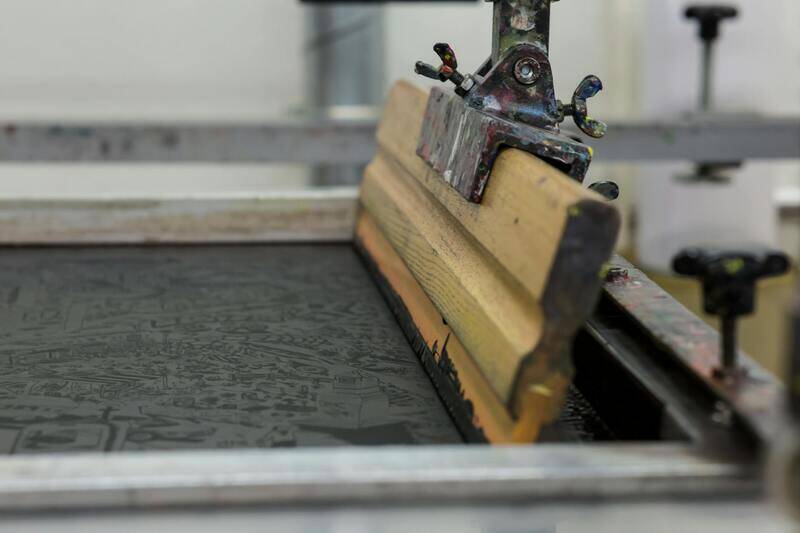
Additionally, printing techniques such as screen printing can be employed for specific effects, especially with limited color palettes or special textures. UV printing allows for direct printing on various rigid surfaces, providing versatility for unique custom projects. Choosing the appropriate combination of material and technique ensures posters not only meet aesthetic expectations but also withstand environmental factors, maximizing their visual lifespan.
Understanding the Range of Poster Sizes and Formats in Singapore
When selecting a printing poster in Singapore, it is essential to consider the various sizes and formats available to ensure your visual communications are effective and appropriately scaled. Poster sizes can vary significantly depending on their intended use, ranging from small, eye-catching flyers to large-format banners designed for outdoor visibility. Typical standard poster sizes include A3, A2, A1, and A0, each serving different purposes from indoor promotions to highly visible outdoor advertisements.

Additionally, custom dimensions are often required for bespoke campaigns or specific placement areas. Custom sizing allows businesses and event organizers to optimize space utilization and ensure their message is both prominent and legible. For instance, a company promoting a grand launch event might opt for oversized posters that dominate the visual landscape, whereas a retail store window display may benefit from smaller, more targeted formats.
Different Formats for Diverse Visual Impact
Posters in Singapore are also produced in various formats tailored to their placement and function. Standard formats include:
- Landscaped: These are wider horizontally and are ideal for outdoor billboards or wide display areas, providing ample space for graphics and text.
- Portrait: Vertically oriented posters suited for indoor walls, corridor displays, or vertical banners.
- Square: Offering a balanced visual perspective, square posters are versatile for art exhibits and promotional displays where symmetry is desired.
- Roll-up Banners and Standees: Portable formats often used in trade fairs and exhibitions, combining visual impact with ease of setup.
Choosing the correct size and format depends heavily on the message, environmental factors, and location of the poster installation. Collaborative consultation with printing specialists can help determine the most effective configuration for your campaign, ensuring visual clarity and maximum impact.
Strategic Tips for Selecting the Perfect Poster Format
- Assess the viewing distance: Larger formats are better for distant views, while smaller posters are suitable for close-up inspection.
- Consider the placement environment: Outdoor settings require durability and weather resistance, influencing material choice and size.
- Match design complexity to size: Intricate designs may require higher resolution printing and larger formats to maintain visual fidelity.
- Align with branding consistency: Uniform formats across multiple locations reinforce brand recognition across campaigns.
In Singapore, a strategic approach to sizing and formatting ensures that your posters captivate your target audience effectively, whether they are strategically placed on bustling streets or inside exclusive venues.
Materials and Printing Techniques
Choosing the appropriate materials and printing techniques is essential to achieve the desired visual impact and durability of your posters in Singapore's diverse environment. The selection process begins by understanding the specific requirements of your campaign, including outdoor versus indoor use, weather conditions, and lifespan expectations.
Common poster materials include:
- Glossy Paper: Known for vibrant color reproduction and a shiny finish, ideal for indoor displays and promotional posters where visual appeal is paramount.
- Matte Paper: Offers a non-reflective surface that reduces glare, suitable for posters that are likely to be viewed under bright lighting or in well-lit indoor spaces.
- Vinyl: Highly weather-resistant and durable, perfect for outdoor advertising where exposure to elements such as rain and sunlight occurs.
- Canvas: Provides a textured, artistic look suitable for high-end displays or artistic promotions, with options for stretch framing.
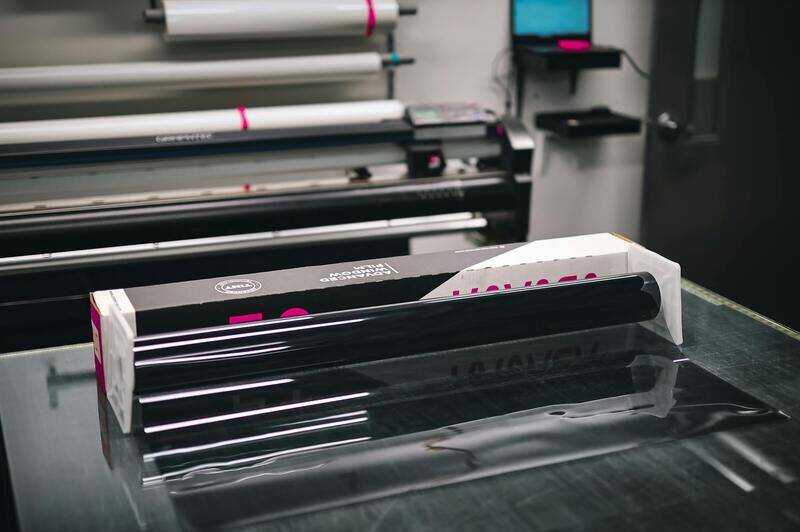
Printing techniques significantly influence the print quality, color fidelity, and finishing options of your posters. Advanced methods include:
- Digital Printing: Offers quick turnaround times and high-resolution output, ideal for short-run, customized posters.
- Large-Format Inkjet Printing: Produces crisp images on larger surfaces, suitable for banners and striking visual displays.
- UV Printing: Ensures vibrant colors with protective coatings that are resistant to scratches and weather conditions, beneficial for outdoor signage.
- Eco-Friendly Inks: Reduce environmental impact while maintaining excellent color vibrancy and longevity, aligning with sustainability initiatives in Singapore.
Factors to Consider When Choosing a Poster Printing Service
To secure a successful and impactful poster campaign, selecting the right printing partner involves assessing various critical factors. These considerations guarantee that the final product aligns with your expectations, budget, and campaign goals.
- Quality Assurance: Look for providers with a proven track record of producing high-resolution, color-accurate posters. Request sample prints or portfolio showcases to verify quality standards.
- Material Options: Ensure the printer offers a broad selection of materials suitable for your intended environment and durability needs.
- Turnaround Time: Confirm the availability of fast processing without compromising quality, especially if your campaign has tight deadlines.
- Pricing Transparency: Request detailed quotes that outline costs for different sizes, materials, and finishes. Avoid hidden fees to stay within your budget.
- Customer Support: A responsive and knowledgeable customer service team facilitates smooth communication and addresses any issues promptly.
- Environmental Practices: Consider printers that employ eco-friendly practices, such as use of sustainable materials and efficient waste management, aligning with Singapore's environmental standards.
Evaluating these aspects ensures the final prints will meet your expectations and resonate effectively with your target audience. Collaborating with reputable local printing services brings the benefit of close proximity for consultations and quality checks, streamlining the entire production process.
Types of Posters Available for Printing
The variety of poster types available for printing caters to diverse promotional and informational needs. Common formats include
promotional posters, event posters, educational posters, and artistic display posters. Each type serves a specific purpose, with variations in size, design complexity, and material suitability.
For instance, promotional posters often feature bold visuals and concise messaging aimed at attracting immediate attention, whereas educational posters may emphasize detailed graphics and informative content for clarity and understanding. Event posters are typically designed to highlight key information like dates and venues, requiring a balance between visual appeal and readability.
Additionally, specialty posters such as panoramic or foldable designs are used for unique display contexts or interactive campaigns. Selecting the appropriate type ensures that the poster effectively communicates its intended message and resonates with the target audience while fitting the display environment.

Materials and Printing Techniques
Choosing the right materials and printing techniques is crucial for achieving the desired durability, appearance, and impact of your posters. Standard materials include paper, vinyl, and fabric, each offering different advantages based on usage requirements. Paper posters, often used indoors, come in various finishes such as gloss, matte, or satin, affecting color vibrancy and glare reduction. Vinyl posters are highly durable, water-resistant, and suitable for outdoor displays, making them ideal for long-term advertising campaigns. Fabric posters are lightweight and reusable, providing a premium feel for high-end events or exhibitions. Regarding printing techniques, digital printing is prevalent due to its speed and cost-effectiveness, especially for short runs and customized designs. Offset printing is preferred for large quantities, delivering high-quality, consistent results with precise color reproduction. Large-format printing is essential for creating impactful banners and murals, often utilizing solvent or eco-solvent inks that withstand outdoor elements. Combining the appropriate material with an optimal printing technique ensures your posters remain vibrant, resilient, and visually engaging throughout their display period.
Design and Artwork Preparation
Ensuring your poster design is optimized for printing is a critical step in achieving professional results. This involves adhering to specific resolution requirements, typically a minimum of 300 DPI, to retain clarity and sharpness in the final print. High-resolution artwork files prevent pixelation and ensure crisp images and text.
File formats should be compatible with printing standards; commonly accepted formats include PDF, TIFF, and high-quality JPEG. It is advisable to embed all fonts and include bleed margins—generally 3mm—to prevent unwanted white borders after trimming.
Color management plays a vital role, with CMYK color mode recommended over RGB for print accuracy. Color calibration of your monitor ensures that the digital design's hues match the printed output closely. Incorporate layers and separate color channels properly to facilitate high-fidelity reproductions.
For complex designs, consult with your printing service provider to confirm the best specifications and receive guidance on preparing print-ready files. Proper pre-press preparation, including proofing, minimizes errors and reduces reprints, conserving costs and time.
Pricing and Cost Considerations
Understanding the factors that influence poster printing costs helps in budget planning and obtaining the best value for your investment. Pricing is typically determined by the size of the poster, material selection, printing quantity, and complexity of the design.
For smaller quantities or one-off orders, digital printing offers a cost-effective solution with fast turnaround times. Larger quantities might benefit from offset printing, which reduces the unit cost but involves higher initial setup expenses.
Posters designed for outdoor display often incur additional costs due to the choice of durable materials like vinyl or fabric, and specialized inks that resist weather elements. Large-format printing, essential for banners and murals, also commands a premium because of the advanced equipment and larger prints involved.
Additional costs may include finishing services such as lamination, mounting, or framing, which enhance durability and presentation quality. Some providers offer bundled packages or discounts for bulk orders, making it worthwhile to plan ahead and compare quotes.
Transparent communication with your printing partner about your budget constraints and project requirements ensures that you receive tailored solutions that meet your expectations without unnecessary expenditures.
Types of Posters Available for Printing
When selecting a poster printing service in Singapore, understanding the range of poster types accessible is essential for achieving your desired visual impact. Posters come in various formats, each suited for different purposes and display environments. Common types include:
- Standard Posters: These are typical paper-based posters suitable for promotional events, education, or decorative purposes. They usually come in sizes like A3, A2, or A1 and are ideal for indoor use.
- Foam Board Posters: Printed on durable foam core boards, these posters offer increased rigidity and a professional appearance. They are perfect for exhibitions and presentations where portability and sturdiness are valued.
- Flex Banner Posters: Comprised of vinyl material, these posters are designed for outdoor advertising. Their weather-resistant properties allow them to withstand environmental elements for extended periods.
- Canvas Posters: Printed on canvas fabric, these posters provide a textured, artistic feel suitable for galleries, interior decor, or premium promotional materials.
- Metal and Acrylic Posters: For a sleek, modern look, some businesses opt for printing on metal or acrylic sheets. These materials offer high durability and a premium aesthetic, often used for corporate branding or upscale events.
- Eco-Friendly Posters: Increasingly popular are sustainable poster options printed with environmentally friendly inks on recyclable or biodegradable substrates. They combine visual appeal with eco-consciousness.
Materials and Printing Techniques
The choice of materials and printing techniques significantly influences the final appearance and durability of your posters. In Singapore, prominent printing methods include digital, offset, and large-format printing, each suited to specific requirements.
- Digital Printing: Ideal for short runs and quick turnaround times, digital printing enables detailed, high-resolution images. It is commonly used for custom posters, event promotions, and prototypes.
- Offset Printing: Suitable for larger quantities, offset printing offers cost efficiency and consistent color reproduction. It is favored for bulk production where high quality and uniformity are crucial.
- Large-Format Printing: Essential for banners, murals, and promotional displays, this technique utilizes specialized inkjet printers capable of producing wide prints with vivid color accuracy.
Materials such as gloss, matte, satin, or textured finishes can be selected based on your aesthetic preferences and the poster’s intended environment. Weather-resistant laminates and UV coatings are commonly applied to outdoor posters to enhance longevity and vibrancy.

Factors to Consider When Choosing a Poster Printing Service
Opting for the right printing partner requires assessing multiple criteria to ensure your project meets quality standards and budget constraints. Essential factors include:
- Reputation and Experience: Look for providers with proven track records and positive client reviews, ensuring they can deliver consistent results.
- Range of Services: A comprehensive service offering, including design assistance, material options, finishing, and delivery, simplifies the production process.
- Turnaround Time: Confirm the supplier's ability to meet your deadlines, especially for time-sensitive campaigns or events.
- Product Quality: Request samples or visit physical locations to evaluate print quality, color accuracy, and material durability.
- Pricing Transparency: Obtain detailed quotes and inquire about potential hidden costs, such as setup fees or additional finishing services.
- Customer Support: Responsive communication and consultation support are vital for refining design specifications and troubleshooting issues.

Types of Posters Available for Printing
When choosing a poster for your advertising, presentation, or decorative needs, options are vast and tailored to specific purposes. Common types include large-format posters, which are ideal for outdoor advertising and events due to their size and visibility. These typically require durable materials like vinyl or weather-resistant substrates. For indoor settings, paper-based posters such as heavy cardstock or laminated paper are popular, offering a combination of affordability and quality. Art posters and photographic prints are often produced on high-resolution media to emphasize detail and color vibrancy, suitable for galleries or promotional displays.
Specialty posters include foldable or rollable varieties that facilitate easier transportation and storage. Additionally, there are eco-friendly options that utilize recycled materials or biodegradable substrates, aligning with sustainability efforts. When selecting the appropriate type, consider factors such as environmental exposure, durability requirements, and the visual impact you want to achieve.

Materials and Printing Techniques
The choice of materials and printing methods significantly influences the final quality of posters. Standard paper posters are commonly printed using digital or offset printing techniques, enabling sharp images and vibrant colors. For outdoor or high-traffic areas, weather-resistant materials like vinyl or canvas are preferred, often combined with UV coating or lamination to prevent damage from sunlight, moisture, and vandalism.
Printing techniques vary from traditional offset printing for bulk production to digital printing for short runs or customized designs. Large-format inkjet printers are widely used to produce posters with high resolution and color accuracy. Techniques such as silk-screening can also be employed for specific artistic effects or special finishes, providing texture and depth to printed posters.
Materials used include:
- Vinyl – durable, weather-resistant, ideal for outdoor use
- Paper – versatile, cost-effective options like gloss, matte, or satin finishes
- Canvas – premium, for artistic or gallery displays
- Polypropylene – lightweight, waterproof alternative
Factors to Consider When Choosing a Poster Printing Service
Selecting a reliable poster printing service involves careful evaluation of several key aspects. Start by reviewing their portfolio and obtaining samples to assess print quality and color fidelity. A comprehensive service provider should offer a variety of material options and finishing choices, ensuring customization to meet your project specifications. Turnaround time is critical, especially for time-sensitive campaigns, so confirm their ability to deliver within your required schedule.
Pricing transparency is essential; request detailed quotes with no hidden costs to compare options effectively. Customer support and consultation are equally vital, as experienced providers can assist in optimizing your design for optimal print results and troubleshooting any issues that may arise during the process. Additionally, consider their experience with different poster types and sizes, ensuring they can handle your specific requirements with expertise.
Design and Artwork Preparation
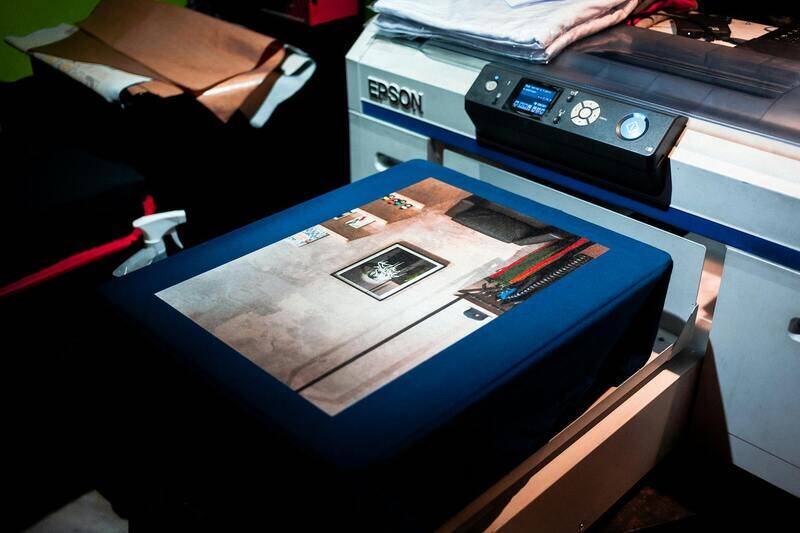
Preparing artwork correctly ensures the final poster meets professional standards. Use high-resolution files, ideally 300 DPI or higher, to maintain clarity and sharpness. Adhere to the specific dimensions and bleed requirements provided by the printing service to prevent unwanted cropping or margins. Preferred color formats are usually CMYK, which ensures color accuracy during the printing process.
Vector graphics are recommended for designs that require scaling without loss of quality, such as logos and text. For photographic images, provide the highest-quality images possible to avoid pixelation. It is also advisable to include crop marks and safe zones in your design to facilitate proper trimming and framing.
Many printing companies offer design assistance or templates, which can help in aligning your artwork with printing specifications. Reviewing your design meticulously before submission can prevent costly reprints and delays.
Pricing and Cost Considerations
The overall cost of poster printing depends on factors like size, material, volume, and finishing options. Larger sizes and thicker materials generally carry higher costs, though bulk orders often benefit from volume discounts. Additional finishes such as lamination or special coatings can add to the expense but significantly improve durability and visual appeal.
It is prudent to request comprehensive quotes from multiple vendors, clearly detailing costs for each component. Beware of minimal setup fees or charges for expedited processing. For recurring projects, establishing a long-term partnership may yield favorable rates and priority service.
Popular Printing Locations in Singapore
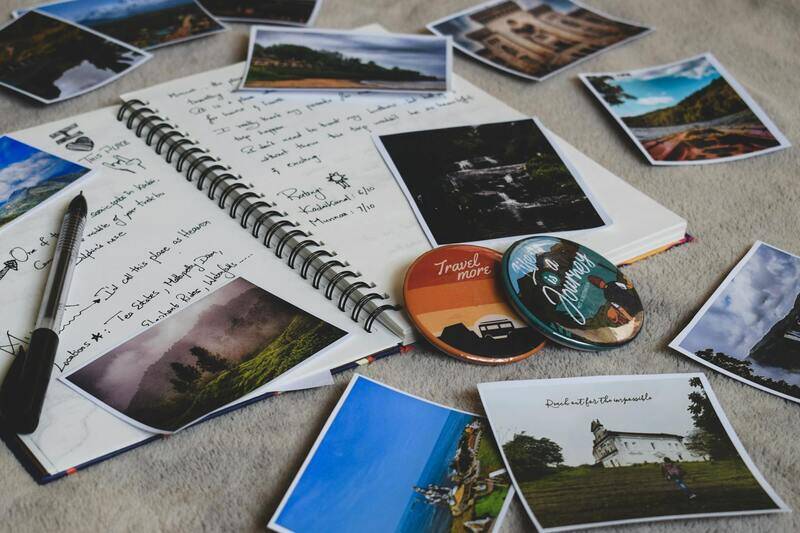
Singapore boasts numerous dedicated printing shops and large-format printing hubs equipped with state-of-the-art technology capable of producing high-quality posters. Areas like Balestier Road, to the north of the city center, are well known for their extensive printing services, including poster and signage production. The central business district and Serangoon Road also host several reputable establishments specializing in large-format printing and custom poster solutions.
Many of these locations provide on-site consultations, offer sample prints to assess quality, and support environmentally friendly printing practices. It’s advisable to visit these vendors, review their portfolio, and discuss your specific requirements directly to ensure a seamless printing experience.
Tips for Ensuring High-Quality Poster Prints
Beyond choosing the right provider, you can enhance the quality of your posters through meticulous preparation and ongoing communication. Always submit high-resolution artwork, keeping in mind the final size and viewing distance. Utilize color profiles recommended by the printer to achieve the desired vibrancy and accuracy.
Request proofs before the full run to verify colors, layout, and details. This step helps identify potential issues early, saving both time and resources. Pay attention to the finishing options, opting for protective lamination or UV coating for outdoor posters to boost longevity. Lastly, maintain clear communication with your printer to clarify expectations, deadlines, and any additional adjustments needed to attain your ideal poster presentation.