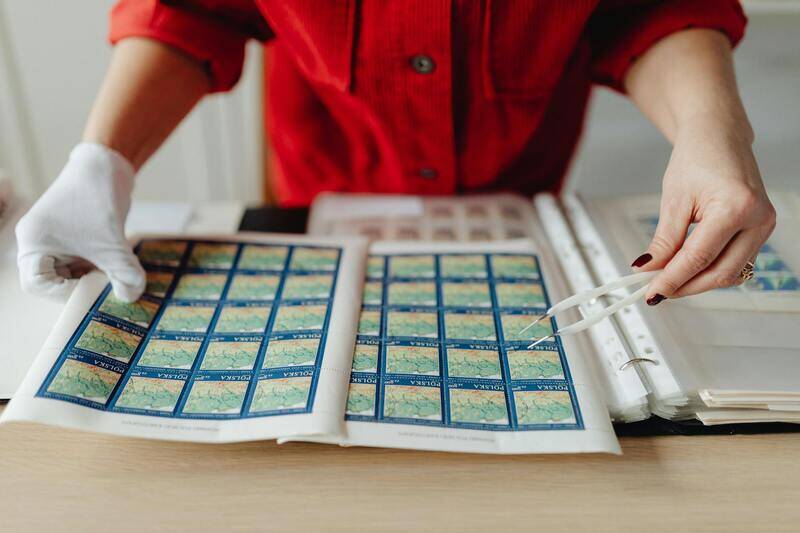
Print once, deliver six times
You need 12,000 brochures each year. Printing the full 12,000 in one run secures the best price per unit by a wide margin. However, this approach results in 12,000 brochures arriving at your office on a Tuesday, and your office currently lacks the space to store such a large quantity.
So they end up in a corner, where they get damp. Someone then stacks a box on top, causing creases throughout. By the time the content changes, half of them are still there, but the savings have evaporated.
There is a middle path that most people never consider: print the full quantity, store it at the printer, and release it in batches as needed. This approach solves the storage issue without compromising on the volume pricing benefits.
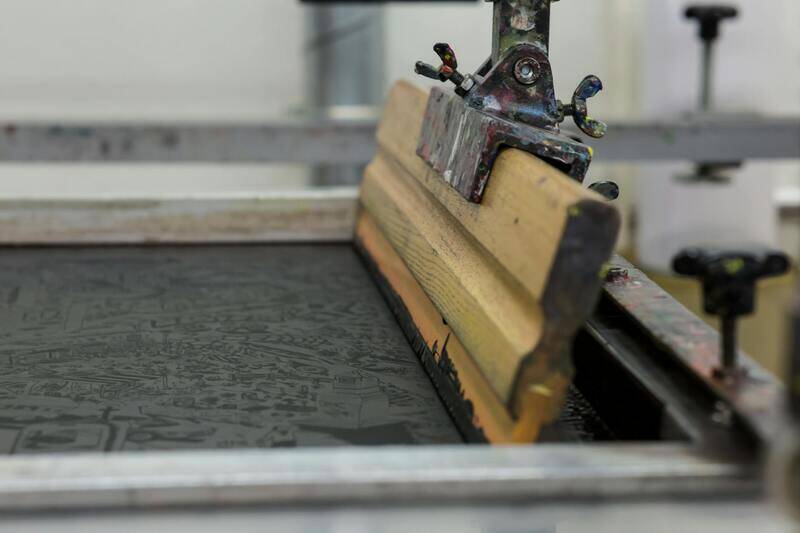
How print and hold works
The job runs once, producing the full quantity at the price that quantity earns. Instead of shipping everything immediately, the printer holds the stock and releases agreed-upon amounts on a schedule or upon request.
The economics work because the most expensive part of printing is the setup, which you only pay for once. Storage is relatively inexpensive: a pallet of paper occupies a specific, limited space in a warehouse that already exists.
Here is a plain list of what you can get out of it:
- The volume price is set without the actual volume being delivered.
- Material is best kept flat, dry, and in the dark, which is preferable to any office corner.
- Get deliveries when and how you want them, in the sizes that suit you best.
- A stock count somebody else maintains.
- No 12,000 brochures in a corridor.
The storage condition point is not trivial. Paper is hygroscopic, meaning it absorbs moisture from the air and releases it back. In a humid climate, stock left in an unconditioned space will absorb moisture, leading to cockling, meaning curling at the edges, and making it difficult to feed the paper cleanly through any machine that handles it later. Printed material stored improperly for six months is not the same material you approved.
Staged release, and what it is good for
The pattern fits some jobs much better than others.
| Good fit | Poor fit |
|---|---|
| Steady, predictable consumption | One-off event material |
| Multiple branches need the same thing. | Content that changes quarterly |
| Stable content with a long life | Anything with a price on it |
| Bulky items you cannot store | Small items that fit in a drawer |
| Recurring reorders of the same file | Jobs you will never repeat |
The second column is more important than the first. "Print and hold" is a gamble that the content remains relevant for as long as the stock lasts. If this gamble fails, you end up paying to store something that eventually has to be discarded. You also paid a bulk price for a quantity you never utilized. The savings were never actual.
So the true test is the same one that governs any bulk print decision: how long will the information on this page remain accurate? If the answer is a year, then print and hold is a good strategy. If the answer is until the next price review, it could be a trap disguised as a discount.
Multiple destinations change the maths
Another reason this pattern is effective is due to its distribution efficiency. If your material needs to be sent to twelve branches, someone has to divide 12,000 brochures into twelve portions and distribute them. Doing this in your office means that someone will spend a day counting and boxing the brochures. Alternatively, doing it at the printer means it will happen where the pallet, the packing bench, and the courier account are already located.
This is where print and hold quietly turns into a logistics service, and where it saves labour rather than money on paper. Ask whether your printer can hold stock and drop-ship to branches directly. Many can, and almost nobody asks. The general logistics picture is in our note on logistics and delivery for fast printing.

The questions to settle first
This arrangement relies on agreements, so it's important to establish these before proceeding, rather than addressing them afterward.
- What are the storage costs, and are they charged per pallet, per month, or included?
- How long will they keep it, and what happens at the end of that period?
- How much notice is required for a release? Is it the same day or three days?
- Who informs you when stock levels are running low, and at what specific level?
- Is delivery per release charged separately?
- What happens to the remainder if you no longer need it?
The notice period often catches people off guard. If a release requires three working days and your branch calls on a Monday needing material for Wednesday, the arrangement has failed at the exact moment it mattered. Know the number before you depend on it.
The final and most uncomfortable question is this: What if your content changes, rendering 4,000 brochures obsolete? Someone will have to dispose of them, which incurs a real cost. It's important to agree in advance who will bear this cost and how it will be managed. Additionally, this is the moment to consider whether any confidential material needs to be documented for destruction, rather than simply being discarded.
Storage is not free forever
Some printers come with storage that is free for a certain period, after which charges apply. Others charge from the start. Neither approach is wrong, but it's important to know which one you're dealing with. Storage that runs for two years quietly erodes the savings that justified the bulk run. Do the math over the full period, not just the first month.
Design for a long shelf
If you plan to hold stock for a year, design it to last that long. Keep prices off the main stock and place them on an insert that can be reprinted cheaply. Use a URL you control, which can be redirected as needed, rather than a campaign-specific address. Avoid naming individuals who may leave. Leave space for a stamp or sticker rather than printing branch details on the entire run.
These are small decisions made at the artwork stage, and they can determine whether your stock lasts or expires in a warehouse that you are paying for.
Ask us to hold it
We store bulk stock and release it according to schedule or on demand. The key conversation is at the quoting stage, not after delivery. Tell us how quickly you will actually process the material and where it needs to go. We will then inform you whether printing and holding the material will save you any costs or merely shift your storage issue into a billing one.
If your content changes in six months, we would say that the larger run is a false economy. However, if the content remains stable and the process is expanded to eight branches, this is likely the most cost-effective approach. Additionally, it eliminates the need for a dedicated position at your end.
You can see the range under choosing print services, and our note on ordering large print volumes without surprises covers what else to check. Get in touch through the contact page with your annual usage rather than your next order. That number is the one that decides this.