Overview of Custom Print Banners
Custom print banners serve as versatile tools for communication, advertising, and branding across a multitude of industries and events. They are large-format visual displays designed to convey messages in a visually striking and easily recognizable manner. From corporate branding to promotional events, product launches to community festivals, custom banners offer an impactful way to reach a target audience effectively. The ability to tailor size, design, material, and finishing options makes these banners adaptable to various contexts and objectives. In retail environments, banners attract foot traffic and highlight special offers. At trade shows, they help businesses stand out amidst a sea of competitors. During public gatherings or sporting events, they serve as rallying symbols or support statements. Their significance in marketing strategies lies in their capacity for high visibility, durability, and customizability, making them an essential asset for organizations aiming to reinforce their message, enhance brand recognition, or promote upcoming events efficiently.

Understanding the potential applications and importance of custom banners underscores their role in professional marketing efforts. When crafted with precision and careful planning, they can significantly elevate a brand’s presence and influence. Whether used indoors or outdoors, these banners serve as dynamic promotional tools that combine visual appeal with impactful messaging. As a core element of promotional campaigns, they contribute to heightened awareness and audience engagement, making their selection and design crucial to achieving desired outcomes.
Materials Used in Banner Printing
Choosing the appropriate material is critical to ensuring the durability and visual impact of a custom print banner. The selection depends on the intended use, location, and environmental exposure. Common materials include vinyl, mesh, fabric, and polypropylene, each offering distinct advantages suitable for various conditions.
- Vinyl: This is the most popular material for high-quality banners. It offers excellent durability, weather resistance, and vibrant print quality, making it ideal for both indoor and outdoor environments. Vinyl banners can withstand wind, rain, and UV rays while maintaining their color integrity over time.
- Mesh: Mesh banners incorporate small perforations that allow air to pass through. This feature reduces wind resistance, making mesh banners particularly suitable for large outdoor displays in windy areas. They still retain sufficient opacity for high-visibility messaging.
- Fabric: Fabric banners provide a premium look with a soft, matte finish. They are often used for indoor events, trade shows, and displays where a sophisticated aesthetic is desired. Fabric banners are lightweight, easy to transport, and can be printed with high-definition images.
- Polypropylene: Less common but affordable, polypropylene banners are suitable for short-term indoor use. They are lightweight and resistant to moisture, yet they may not withstand prolonged outdoor exposure.

Printing Techniques for Banners
The printing method used significantly influences the quality, durability, and color accuracy of custom banners. Several printing techniques are prevalent in professional banner production, each suitable for different requirements and budgets.
- UV Printing: This method employs ultraviolet light to cure ink quickly on the material's surface. UV printing allows for vibrant, high-resolution images with excellent adhesion and durability, especially on rigid or flexible substrates. It is ideal for short-run and detailed designs.
- Solvent and Eco-Solvent Printing: These techniques use solvent-based inks that penetrate the material, resulting in highly durable prints resistant to weather, scratches, and UV rays. Solvent printing is suitable for outdoor banners due to its longevity.
- Latex Printing: Latex printing provides environmentally friendly, flexible, and weather-resistant results. It offers a wide color gamut and is capable of producing vibrant images on various materials without the need for additional coatings.
- Screen Printing: While less common for large-format banners, screen printing can be used for simple, repetitive designs, especially in bulk production. It offers rich colors and high opacity but is typically more time-consuming and suited for limited color palettes.

Customization Options and Finishing Touches
Beyond the basic design, multiple customization options and finishing touches can enhance the effectiveness and lifespan of your banners. These details can also add aesthetic appeal and functionality.
- Grommets: Reinforced metal or plastic rings sewn into the banner edges facilitate easy mounting and hanging. They are essential for outdoor banners exposed to wind and weather.
- Hemming and Pole Pockets: Sewing or heat-fusing the edges with hems or pockets provides structural integrity and makes installation easier. Pole pockets are ideal for inserting poles or dowels for display.
- Edge Reinforcement: Additional stitching or strip reinforcement prevents tearing along edges, especially in high-traffic or windy areas.
- Flip Banners or Double-Sided Printing: These options allow for messaging on both sides, increasing visibility in multiple directions and optimizing promotional impact.
- Custom Shapes and Sizes: Cutting banners into unique shapes or sizes tailored to specific locations or design themes improves engagement and visual cohesion.

Design Considerations for Custom Print Banners
When selecting design elements for your custom print banners, it is essential to prioritize clarity, visibility, and overall visual impact. High-resolution graphics and crisp text ensure that your message is easily readable from a distance, which is particularly critical for outdoor banners in busy environments. Opt for bold fonts and contrasting colors to enhance legibility and draw attention effectively. Including a clear call-to-action (CTA) or key information reduces ambiguity and encourages viewer engagement.
Balancing aesthetics with practicality involves choosing colors and imagery that align with your branding while also considering the environment where the banner will be displayed. For outdoor banners subjected to outdoor elements, it’s necessary to select designs that are visually striking yet resilient to weather conditions such as wind, rain, and sun exposure. Simpler designs with limited color palettes can prevent muddiness and maintain clarity over time. Conversely, vibrant and detailed images can be effective for indoor displays where conditions are controlled.
It is also prudent to consider the space where the banner will be placed. Banners designed for large, open areas should utilize large fonts and minimal clutter to communicate messages effectively without overwhelming the viewer. Smaller or more detailed banners can incorporate finer text and intricate graphics, especially for close-up viewing in indoor settings.
Color Scheme and Typography
- Choose a color palette that aligns with your brand identity and ensures good contrast for readability.
- Limit the number of colors to avoid visual clutter and maintain a cohesive appearance.
- Select fonts that are easy to read at various distances; sans-serif fonts are often preferred for their clarity.
- Use large font sizes for headlines and important information to ensure visibility.
Incorporating Branding and Messaging
Consistent branding elements, such as logos, taglines, and brand colors, should be seamlessly integrated into the design. Clear, concise messaging increases recall and encourages engagement. Remember to prioritize your key message so that it stands out, especially in environments with competing visual stimuli.
Design Software and File Preparation
Utilize professional design software to create or customize your banners, ensuring the output files meet the specifications required for high-quality printing. Prepare files with appropriate resolution (generally 300 DPI), correct color profiles (such as CMYK), and bleed allowances to prevent any unwanted borders or omissions after trimming.

Customization Options and Finishing Touches
When investing in custom print banners, the array of customization options allows for tailoring the final product to specific branding and event needs. These options encompass size, shape, finishing techniques, and additional features that can enhance visual appeal and durability.
Shape and Size Variations
Standard rectangular banners are typical, but custom shapes—such as circular, scalloped, or irregular designs—can help a banner stand out. Size selection should be aligned with the intended display environment, whether for indoor exhibitions or outdoor billboards. Larger banners require robust materials and reinforced seams to withstand weather conditions, while smaller banners are suitable for confined indoor spaces or point-of-sale displays.
Finishing Techniques
Finishing touches significantly influence a banner's longevity and ease of installation. Common options include:
- Grommets: Metal eyelets placed at intervals along the edges facilitate easy mounting on various surfaces.
- Hemmed Edges: Reinforced borders improve durability, preventing fraying and providing a clean, professional look.
- Pole Pockets: Fabric channels sewn into the top and bottom edges allow banners to be displayed on poles or rods smoothly.
- Edge Reinforcement: Double stitching or heat-sealed edges add strength to prevent tearing, especially for larger banners exposed to outdoor elements.
Special Features to Enhance Impact
Additional options can be incorporated to optimize banners for their environment:
- Wind Slits: Cuts made in banners designed for outdoor use to reduce wind load, preventing damage or tearing.
- Interactive Elements: Incorporate QR codes or augmented reality markers to engage viewers digitally.
- Lighting Integration: UV or reflective coatings that improve visibility at night or in low-light settings.
Material Selection to Match Customization
Material choice directly impacts the feasibility of customization options. PVC is highly durable and suitable for outdoor banners with grommet options, while fabric options like mesh or canvas provide flexibility for indoor uses or decorative purposes. Choosing the right material ensures that the customization features—such as holes or pockets—perform effectively, preserving the banner’s visual appeal and structural integrity over time.
Ultimately, a comprehensive understanding of available customization options allows for designing banners that not only meet aesthetic expectations but also endure the conditions in which they are displayed. Consulting with professional printing experts ensures that each feature aligns with your specific requirements, achieving a cohesive and impactful visual presentation.
Design Considerations for Custom Print Banners
Creating an effective custom print banner involves more than just selecting a striking image or message; careful attention must be given to various design elements that influence visibility, readability, and overall impact. When designing banners, consider the intended viewing distance—large, bold fonts are essential for banners viewed from afar, ensuring that the message remains clear and eye-catching. Color contrast plays a pivotal role, as high contrast combinations improve legibility and attract attention, especially in outdoor settings where natural light can vary.
Another key factor is the layout. Organizing text and imagery with balance and clear focal points helps guide the viewer’s eye and emphasizes the most important information. Incorporate ample whitespace to avoid clutter, allowing each element to stand out distinctly. For events or promotional purposes, strategically placing branding elements, such as logos and slogans, ensures recognition without overwhelming the viewer. Choosing appropriate font styles and sizes is crucial; sans-serif fonts are typically preferred for their clarity on large-scale signage.

Visual Elements and Interactivity
In addition to static visuals, integrating interactive features can significantly boost engagement. Adding QR codes links potential customers to your website or social media platforms, providing a digital gateway to further information. Augmented reality markers, when scanned with smartphones, can reveal additional content, animations, or product demonstrations, creating a memorable experience. Ensure that these elements are integrated seamlessly into the design, maintaining aesthetic balance and readability.
Environmental Considerations in Design
The environment where the banner will be displayed influences design choices. For outdoor banners, eye-catching colors and bold visuals are essential for visibility in varying weather and lighting conditions. Incorporate reflective or UV coatings that reduce glare and enhance nighttime visibility. Wind slits can be incorporated into the design to prevent damage caused by high winds, especially on larger banners exposed to outdoor elements. Conversely, indoor banners might prioritize elegant finishes and softer color palettes for a more refined appearance.
Ultimately, collaborating with professional designers and print specialists ensures that your banner design aligns with environmental demands and maximizes visual impact. Precision in both concept and execution guarantees a final product that is as functional as it is visually compelling, fostering brand recognition and audience engagement.
Factors to Consider When Choosing a Banner Provider
Selecting the right provider for custom print banners involves a comprehensive evaluation of several critical elements to ensure a successful printing experience and a high-quality end product. While affordability is always a consideration, focusing on the provider’s expertise, reliability, and technological capabilities can significantly influence the longevity and visual impact of your banners.
Turnaround Time
Efficient production and delivery are essential, especially for time-sensitive marketing campaigns or event promotions. A reputable banner provider should offer clear turnaround timelines, allowing clients to align banner delivery with their event schedules. It’s important to verify whether the provider can accommodate urgent orders without compromising quality, and understand their process for rush productions.
Pricing and Cost Transparency
Cost remains a pivotal factor; however, the focus should be on pricing transparency and value rather than just the lowest rates. A detailed quotation should include all elements—from design setup fees to finishing touches—so there are no unexpected expenses. Providers that offer tiered pricing or bulk discounts can be advantageous for larger campaigns or recurring projects.
Customization Capabilities
The ability to realize your specific design vision is crucial. Confirm that the provider offers a wide range of customization options, including various sizes, shapes, finishes, and special features such as wind slits or reinforced edges. An experienced provider can also assist with layout adjustments, color accuracy, and integrating interactive elements seamlessly into the design.
Quality Standards
Durability and visual clarity depend heavily on the quality of materials and printing techniques used. Request samples or reference previous work to assess color vibrancy, resolution, and material sturdiness. A trustworthy provider adheres to strict quality control processes to ensure that every banner meets high standards, enduring outdoor conditions if necessary and maintaining sharp visuals over time.
Technological Capabilities
Advanced printing technology directly impacts the fidelity and complexity of custom banners. Look for providers that utilize digital, UV, or solvent printing methods capable of producing detailed, vivid images with long-lasting color retention. Choosing a provider with modern equipment can also offer more flexible options such as double-sided printing, seamless finishes, or textured effects.
Environmental Commitment and Sustainability
In today’s market, environmentally responsible practices are increasingly important. Some providers use eco-friendly inks, recyclable materials, and sustainable printing processes. These practices not only support environmental stewardship but can also enhance your brand’s reputation by aligning with eco-conscious values.
Evaluating these factors thoroughly ensures that the chosen printing partner aligns with your project requirements, budget, and expectations for quality and service. Collaborating with a provider that excels in these areas guarantees a professional, impactful, and enduring custom print banner that elevates your branding efforts across any display environment.
Understanding the Most Reliable Methods for Custom Print Banners
Utilizing Official and Authorized Printing Solutions
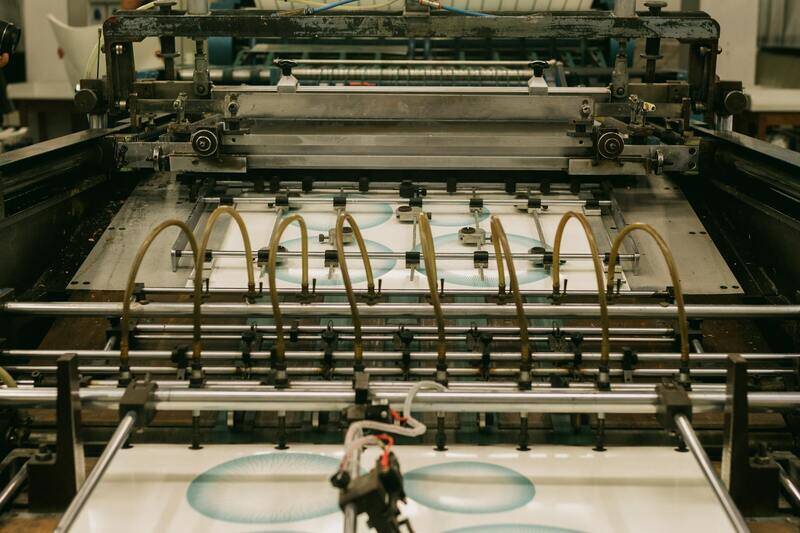
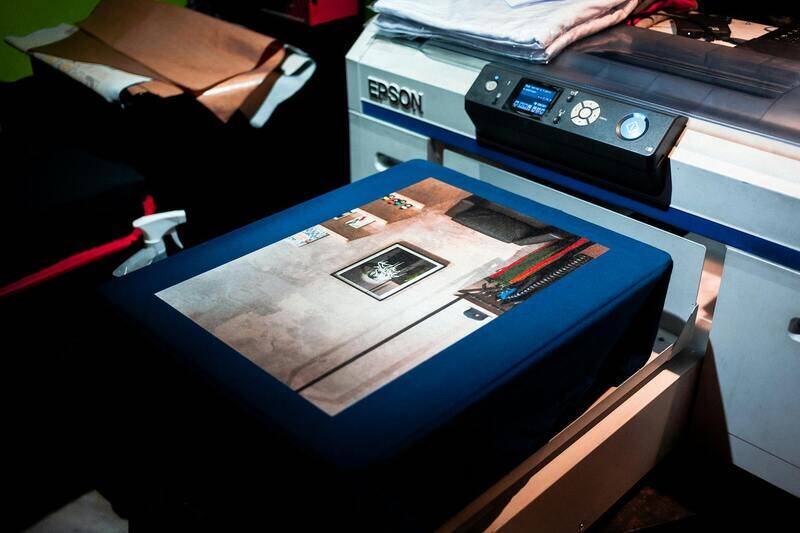
Securing a high-quality custom print banner begins with selecting the right printing partner that utilizes authorized methods and official equipment. Professional printing companies employ industry-standard, certified printers that adhere to strict manufacturing protocols, ensuring each banner meets precise specifications. These solutions often involve specialized digital, UV, or solvent printer technologies accredited for their consistency, color accuracy, and durability. When working with a certified provider, clients gain confidence that the banners are produced using officially sanctioned processes, which guarantees a level of quality and reliability that is essential for impactful branding.
Significantly, the use of authorized inks and materials is crucial for maintaining the integrity of the banners over time. Certified providers employ eco-friendly, industry-approved inks that comply with safety standards and offer outstanding color retention, resistance to fading, and weatherproof qualities. This adherence to official methods extends the lifespan of your banners, making them ideal for both short-term promotional events and long-term outdoor displays. By prioritizing official techniques, businesses and organizations can rest assured that they receive banners that meet established quality benchmarks, reinforced by rigorous quality control processes.
Practice of Rigorous Material Selection and Manufacturing Standards
Choosing a provider that adheres strictly to industry standards in material selection is a fundamental step toward ensuring the durability and visual appeal of custom print banners. Authorized manufacturers source materials from reputable suppliers that meet safety and quality compliance. These include high-grade vinyl, banner fabrics, and mesh materials specifically designed for outdoor and indoor applications. The consistent use of approved materials ensures that banners withstand environmental challenges such as wind, rain, and sun exposure without degradation of appearance or structural integrity.

Furthermore, reputable vendors employ official finishing techniques such as reinforced hems, grommets, and pole pockets that enhance stability and facilitate easy installation. These finishing methods, combined with the certified materials and established manufacturing standards, produce banners that not only look professional but also perform reliably over extended periods.
Ensuring Compliance with Industry Standards for Printing and Production
Compliance with recognized industry standards is essential for guaranteeing the authenticity and consistency of custom print banners. Certified printing solutions follow specifications set by leading organizations, ensuring that prints are accurate, colors are consistent, and materials meet safety and environmental regulations. This adherence typically involves routine inspections, calibration of equipment, and adherence to environmental management protocols, all verified through official certifications and quality audits.
By choosing a provider committed to these standards, clients can achieve a comprehensive solution that aligns with best practices in the industry, fostering trust and confidence in the final product. Whether for a marketing event, trade show, or permanent outdoor signage, using an authorized, standards-compliant printing process ensures that banners are produced with precision, durability, and aesthetics in harmony with your branding objectives.
Factors to Consider When Choosing a Banner Provider
When selecting a provider for custom print banners, it is crucial to evaluate several key factors that ensure the final product meets your expectations and serves its intended purpose effectively. Reliable vendors should demonstrate a strong commitment to quality, consistency, and professionalism, offering transparent information about their production processes and materials used.
One of the primary considerations is the provider’s adherence to industry standards and certified manufacturing practices. This includes the use of high-quality substrates, environmentally compliant inks, and proven printing techniques that result in vibrant, durable output. Clients should seek out vendors who carry relevant certifications or have certifications from recognized industry bodies, which serve as assurance of their commitment to quality and safety.
Experience and specialization in banner printing also play a significant role. A provider with a well-established track record can better advise on optimal design, material selection, and finishing options tailored to specific needs, whether for indoor displays or demanding outdoor environments. Turnaround times, customer service, and technical support are additional factors that impact the overall satisfaction and success of the project.
Assessing Pricing Structures and Value
While cost is an important aspect, it should not be the sole determinant in choosing a printing partner. Transparency in pricing, including details about setup fees, material upgrades, and finishing options, allows for informed decision-making. Clients should look for detailed quotes that itemize each aspect of the production process, ensuring there are no hidden charges.
Balancing cost with value involves considering factors such as durability, print quality, and customization options. Investing in higher-quality materials or advanced printing techniques can result in banners with longer lifespans and enhanced visual impact, ultimately offering better return on investment.

Evaluating Customer Support and Post-Production Services
Post-production support, including assistance with installation, maintenance, and troubleshooting, adds value to your purchase. Providers that offer comprehensive support ensure that your banners remain in optimal condition throughout their usage period. They should also have clear policies regarding warranties, repairs, and replacements, which reflect confidence in their manufacturing processes and product quality.
Good communication during the ordering process and after delivery, along with prompt responses to inquiries or concerns, contribute significantly to a positive customer experience. Such partnerships often lead to more successful projects and foster ongoing relationships for future requirements.
Looking Beyond the Initial Purchase
Long-term considerations include the ease of maintenance and storage of banners. High-quality banners should be easy to clean and resistant to environmental elements if intended for outdoor use. Providers who educate clients about proper care and offer options for banner storage or reusability contribute significantly to the value of their services.
Additionally, selecting a provider capable of fulfilling recurring or large-scale orders can streamline your branding efforts, providing consistency across multiple campaigns or locations. Establishing a working relationship with a dependable printing vendor simplifies future projects and ensures your visual branding remains consistent and impactful across various platforms.