Understanding Banner Design and Its Importance
In today’s competitive marketplace, banners serve as vital tools for marketing and brand visibility. An effectively designed banner communicates a compelling message, draws attention, and encourages viewers to take action. The success of a banner campaign hinges on a blend of visual appeal, clarity, and strategic placement, making the design process a critical element.
Key components of a successful banner design include bold headlines, clear imagery, and a cohesive color scheme that aligns with brand identity. Choice of fonts, spacing, and layout must facilitate quick comprehension, as banners are often viewed from a distance or in passing. High-quality graphics and vibrant colors ensure the banner stands out amidst surrounding visuals, enhancing brand recognition.

Beyond aesthetics, the strategic placement of banners in high-traffic areas maximizes exposure and impact. Whether for outdoor advertising, trade shows, or storefronts, understanding the audience and context informs design choices that resonate.
Furthermore, a well-planned banner design must adhere to technical specifications, including resolution and file formats, to ensure crisp, professional results when printed. This attention to detail enhances durability and maintains visual integrity across various sizes and materials.
Overall, the importance of thoughtful banner design lies in its ability to convey brand essence efficiently. When combined with high-quality printing techniques and appropriate materials, it becomes a powerful marketing asset that can significantly boost visibility and engagement.
Choosing the Right Materials for Printing Banners
When selecting materials for banner printing, it is essential to evaluate their durability, visual quality, and suitability for specific environments. The choice of material directly impacts the banner's longevity, appearance, and overall effectiveness in conveying your message.
Matte vinyl offers a non-reflective surface, making it ideal for indoor applications and areas with bright lighting conditions, while gloss vinyl amplifies colors and images for outdoor visibility. Fabric banners, often made from polyester, provide a sophisticated look and are suitable for both indoor displays and events requiring a high-end appearance. Mesh banners, constructed with perforated vinyl, are designed for outdoor use where wind resistance is necessary, allowing air to pass through without causing damage.
Cost considerations also influence material choice. PVC-based vinyl tends to be more affordable and versatile, making it suitable for short-term campaigns. Fabric options are typically more expensive but offer improved visual appeal and durability, especially in high-traffic or weather-exposed regions.
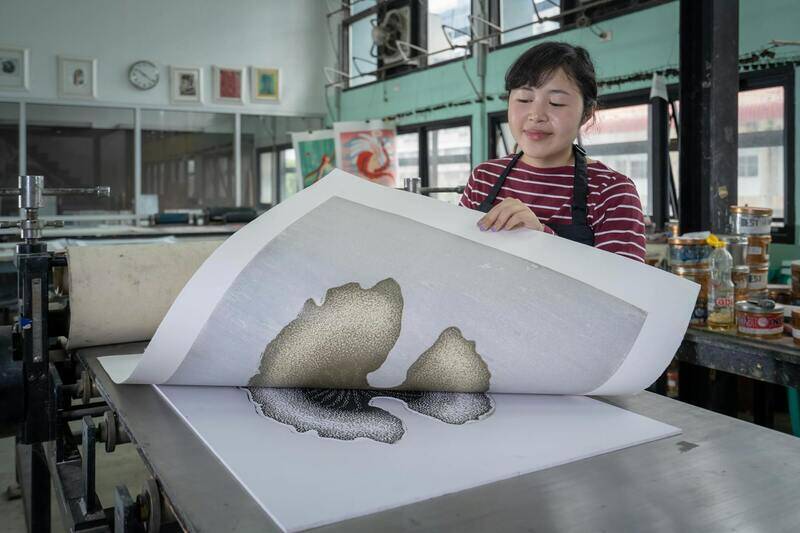
For outdoor banners exposed to harsh weather, materials with moisture and UV resistance are recommended to maintain vibrancy and structural integrity over time. Conversely, indoor banners can utilize lighter, more flexible materials that are easier to handle and install.
Consulting with a printing professional helps determine the most appropriate material based on your specific needs, budget, and expected exposure conditions. The right choice ensures your banner remains visually appealing and effective throughout the duration of its display.
Design Principles for Effective Banners
Effective banner design balances visual impact with clarity, ensuring the message resonates quickly with viewers. Principles such as simplicity, strategic use of color, and hierarchy of information serve as foundational elements.
- Simplicity: Avoid clutter by focusing on a central message or visual. Keep text concise and impactful, allowing for quick comprehension.
- Color Contrast: Use contrasting colors to enhance readability and draw attention. Bright backgrounds with dark text or vice versa can make key information pop.
- Typography: Select bold, legible fonts suitable for distant viewing. Maintain consistency in font style and size to create a cohesive look.
- Visual Hierarchy: Prioritize information by size and placement. The most critical message should be the most prominent, guiding viewers through the content naturally.
- Brand Consistency: Incorporate brand colors, logos, and imagery that align with your corporate identity, ensuring recognition and trust.
Designing with these principles in mind leads to banners that not only attract attention but also communicate your message effectively, ultimately enhancing your marketing efforts.
Optimal Banner Sizes and Formats
Choosing the appropriate size and format is crucial for maximizing visibility and impact. Common formats include:
- Standard Sizes: Such as 2’ x 4’, 3’ x 6’, and 4’ x 8’, suitable for various indoor and outdoor applications.
- Large-Format Banners: Including 6’ x 12’ and larger for outdoor signage and events requiring high visibility.
- Custom Sizes: Tailored to specific locations or needs, ensuring the banner fits seamlessly into the designated space.
The format should complement the viewing distance and environment. For example, larger sizes are better for outdoor, high-traffic areas, while smaller banners work well indoors or in specialized settings. Ensuring compatibility with printing equipment and materials also influences the final format, promoting a flawless finished product.

Choosing the right size involves balancing visual impact with practical considerations, such as installation space and budget constraints. Proper sizing ensures your message remains clear and impactful regardless of the viewing distance.
Understanding Banner Design and Its Importance
Effective banner design is a crucial component of successful outdoor and indoor advertising campaigns. It combines visual appeal with clear messaging to attract attention and convey information quickly. Thoughtful design incorporates essential elements such as color schemes, typography, and imagery, all aligned with your brand identity. This harmonization not only reinforces brand recognition but also enhances trustworthiness, making your message more memorable to viewers.
Additionally, strategic placement of elements ensures a natural flow that guides the viewer’s eye across the banner, emphasizing the key points. A well-crafted banner design captures interest within seconds, distinguishing your message amidst competing visuals. An understanding of the target audience's preferences and viewing environment informs the design choices, ensuring the banner resonates and drives engagement.
Incorporating high-quality graphics and concise, compelling text creates an immediate impact. The use of contrasting colors and balanced layout improves readability from a distance, which is essential for outdoor banners placed along busy streets or at large events. Overall, an intentionally designed banner becomes a powerful tool that supports overarching marketing goals, generating leads, increasing brand awareness, and fostering customer loyalty.

Choosing the Right Materials for Printing Banners
Selecting appropriate materials is fundamental to the durability, appearance, and overall effectiveness of your printed banners. The choice depends on several factors including the intended environment, duration of display, and budget considerations. Common material options include vinyl, fabric, mesh, and specialty substrates, each offering specific advantages.
- Vinyl: Versatile and durable, vinyl banners are resistant to weather elements, making them suitable for outdoor use. They can be printed with vibrant colors and are available in different thicknesses, offering excellent longevity.
- Fabric: Known for a high-quality finish, fabric banners are often used indoors or for premium displays. They offer a softer appearance and can be backlit for dramatic visual effects.
- Mesh: Ideal for windy outdoor settings, mesh banners allow air to pass through, preventing wind damage while still maintaining visibility of the printed graphics.
- Specialty materials: Options such as reflective or waterproof substrates are available for specific functional requirements or aesthetic effects.
Each material choice influences not only the visual quality but also the ease of installation and maintenance. Proper material selection ensures that your banner withstands environmental challenges while maintaining vibrant colors and sharp images throughout its lifespan.

Design Principles for Effective Banners
Creating impactful banners requires adherence to fundamental design principles that maximize visibility and message clarity. A well-designed banner combines compelling visuals, strategic layout, and clear messaging to attract attention and communicate effectively. By integrating these elements thoughtfully, businesses and organizers can ensure their banners serve their intended purpose successfully.
Emphasize Visual Hierarchy
Establishing a clear visual hierarchy guides viewers’ eyes naturally across the banner, highlighting the most important information first. Position key messages, such as promotional offers or brand names, prominently, employing larger fonts or contrasting colors. Supporting visuals and secondary details should complement, not clutter, the main message, facilitating quick comprehension even from a distance.
Use Bold Colors and Clear Fonts
Color choice plays a crucial role in drawing attention and evoking emotion. High-contrast color schemes increase readability and visibility, especially in outdoor environments with varying lighting conditions. Sans-serif fonts are preferred for their clean appearance and legibility at different sizes, ensuring that your message remains clear regardless of viewing distance.
Maintain Symmetry and Balance
Symmetrical layouts and balanced placement of elements contribute to a professional appearance. Adequate spacing prevents visual clutter, permitting each component—text, logo, images—to breathe and be easily discernible. Incorporate margins and padding strategically to achieve harmony and avoid overwhelming the viewer.
Incorporate Branding Consistently
Consistency in branding elements such as logos, color palettes, and slogans reinforces brand recognition. Use high-resolution images and vector graphics to preserve quality during printing. Clear integration of brand identity within the banner enhances credibility and ensures viewers associate the message with your business or organization seamlessly.
Utilize Effective Call-to-Action (CTA)
A persuasive CTA motivates viewers to take specific actions, such as visiting a website, calling a number, or attending an event. It should be concise, prominently placed, and visually distinct—often through contrasting colors or framing—to attract immediate attention. Well-designed CTAs convert passive viewers into active participants.
Pro Tips for Banner Design and Printing
- Prioritize simplicity; avoid overly complex graphics that can distract or confuse viewers.
- Use high-resolution images to ensure sharpness and clarity in print.
- Preview your design at actual size before printing to verify readability and visual impact.
- Seek professional feedback or conduct testing in real-world conditions to refine your design.
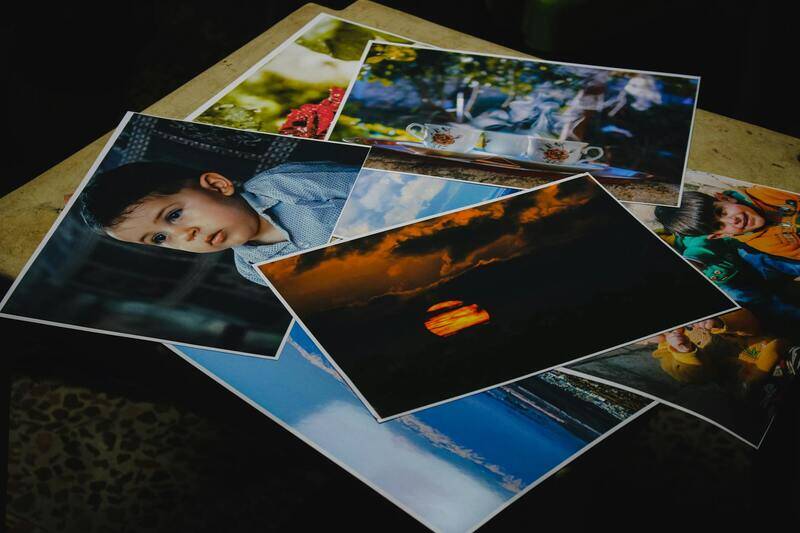
Understanding Banner Design and Its Importance
Effective banner design plays a pivotal role in capturing attention and conveying your message succinctly. The visual hierarchy, color scheme, typography, and imagery must work in harmony to communicate your brand’s core message compellingly. Well-designed banners not only attract viewers but also reinforce brand recognition, foster trust, and drive engagement. Prioritizing clarity and visual impact ensures that your banner stands out in crowded environments, whether in physical locations or digital platforms.
Choosing the Right Materials for Printing Banners
Material selection is crucial in ensuring your banners are durable, visually appealing, and suited to their environment. Banner substrates vary based on the intended use, location, and longevity requirements. Common options include vinyl, mesh, fabric, and PVC; each offers distinct advantages.
- Vinyl: Known for its durability and weather resistance, vinyl banners are ideal for outdoor use. They withstand rain, wind, and sun exposure without fading or tearing.
- Mesh: Featuring tiny perforations, mesh banners allow wind to pass through, making them suitable for high-wind areas while still providing visibility and print quality.
- Fabric: With a premium look and feel, fabric banners are often used indoors for events or retail displays. They provide vibrant color reproduction but may be less weather-resistant.
- PVC: A flexible plastic material that’s easy to print on and offers a range of thicknesses. PVC is versatile for both indoor and outdoor applications.

Design Principles for Effective Banners
Designing a banner that communicates your message effectively requires adherence to core principles that guide visual clarity and impact. These principles ensure viewers can easily interpret your message at a glance, regardless of their distance from the banner.
- Simplicity: Avoid clutter by limiting the number of elements. Focus on key messages, visuals, and branding to prevent overwhelming the viewer.
- Contrast: Use contrasting colors for text and background to enhance readability. Bright colors paired with darker text or vice versa draw attention and improve visibility.
- Typography: Select clear, legible fonts and maintain consistency throughout the design. Keep font sizes large enough for distant viewing, especially for essential information like contact details or calls to action.
- Imagery: Incorporate high-resolution images that support your message. Visuals should be relevant and professional, avoiding pixelation or distortion during printing.
- Brand Alignment: Consistently integrate your brand’s colors, logo, and slogans. This consistency reinforces brand recognition and creates a cohesive visual identity.
Optimal Banner Sizes and Formats
Choosing the right size and format for your banner involves understanding the viewing environment and the message's purpose. Larger banners are suitable for wide-open outdoor spaces, capturing attention from afar, while smaller banners may fit within retail or indoor settings for specific promotions.
Standard formats include:
- Outdoor banners: Typically ranging from 3x6 feet to 8x20 feet or larger, designed for visibility at roadside or event locations.
- Indoor banners: Commonly 2x4 feet or 3x5 feet, used in retail stores, exhibition booths, or conference spaces.
- Digital banners: Optimized for web or social media platforms, with specific dimensions to ensure clarity and compatibility.
When selecting formats, consider the resolution and aspect ratio to maintain sharpness and proportional balance during the printing process. High-quality vector graphics are recommended whenever possible to allow for scalability without loss of detail.

Understanding Banner Design and Its Importance
Effective banner design is essential for attracting attention and conveying your message clearly. It combines visual appeal with strategic messaging to create a compelling promotional tool. A well-designed banner not only draws the eye but also encourages viewers to engage with your brand or offers, making it an indispensable component of marketing campaigns. Elements such as color schemes, typography, imagery, and layout must be carefully curated to ensure consistency with your overall branding strategy and to maximize visual impact. Proper design also ensures that key information like contact details, calls to action, and promotional messages are easily readable from a distance and at various viewing angles, which is particularly important for outdoor or large-format banners.

Leveraging professional banner design techniques allows businesses to stand out amidst competition, whether at trade shows, storefronts, or outdoor events. When design principles such as harmony, contrast, and readability are strategically applied, banners become more than just visual identifiers—they become dynamic communication tools that support your marketing objectives and brand identity.
Choosing the Right Materials for Printing Banners
The selection of printing materials is a fundamental step in ensuring the durability, appearance, and functionality of your banners. The environment where your banner will be displayed plays a significant role in material choice. For instance, outdoor banners require weather-resistant substrates such as vinyl or mesh, which withstand exposure to elements like rain, wind, and sun. These materials are suitable for high-traffic outdoor environments, providing longevity and minimal maintenance.
Indoor banners, on the other hand, can utilize lighter, non-weatherproof materials such as fabric or PVC, which offer enhanced vibrancy and easy installation. These are ideal for retail stores, events, and exhibitions where visual appeal and quick setup are priorities. Additionally, digital banners intended for online use call for optimized digital formats with high resolution to ensure clarity and color accuracy across various devices and screen sizes.

Choosing the appropriate material also involves considering factors like ease of cleaning, weight, and how well the material adapts to printing techniques such as UV, solvent, or latex printing. High-quality materials can significantly enhance the visual impact and lifespan of your banner, representing a worthwhile investment for any promotional campaign.
Design Principles for Effective Banners
Creating impactful banners involves adherence to core design principles that foster clarity and visual engagement. The primary focus should be on simplicity; avoid overcrowding the banner with excessive text or imagery. Prioritize the most crucial message and use bold, easy-to-read fonts that can be quickly scanned from a distance.
Color contrast is vital for visibility—using complementary colors can highlight key elements and guide the viewer’s eye toward the most important information. Incorporate branding elements, such as logos and consistent color schemes, to reinforce brand recognition.
Whitespace, or negative space, plays a strategic role in balancing the layout and preventing clutter. Visual hierarchy should be established through size and placement, ensuring that the viewer's attention naturally flows toward the call to action or main message. When these principles are systematically applied, banners become effective communication tools that deliver messages with clarity and impact.
Optimal Banner Sizes and Formats
Determining the best size and format for a banner requires an understanding of the installation environment and intended audience exposure. For outdoor settings, large-format banners measuring from 3x6 feet up to 8x20 feet or more are common, designed to be visible from a distance and attract attention from passing drivers or pedestrians. The expansive size allows for bold typography and striking visuals that can be viewed easily from afar.
Indoor banners generally range from 2x4 feet to 3x5 feet, serving purposes such as retail promotions, conference displays, or exhibition booths. These sizes facilitate close-up viewing while still capturing attention within confined spaces. With digital banners tailored for online platforms, dimensions vary based on platform specifications—for example, social media ads and website banners follow specific pixel dimensions for optimal display.
Choosing the right aspect ratio and resolution is crucial to maintaining visual integrity during printing. Vector graphics are highly recommended for large-scale banners because they can be scaled to any size without loss of quality, ensuring crisp clarity at all viewing distances. Proper format selection ensures the final product meets your expectations for both appearance and functionality.
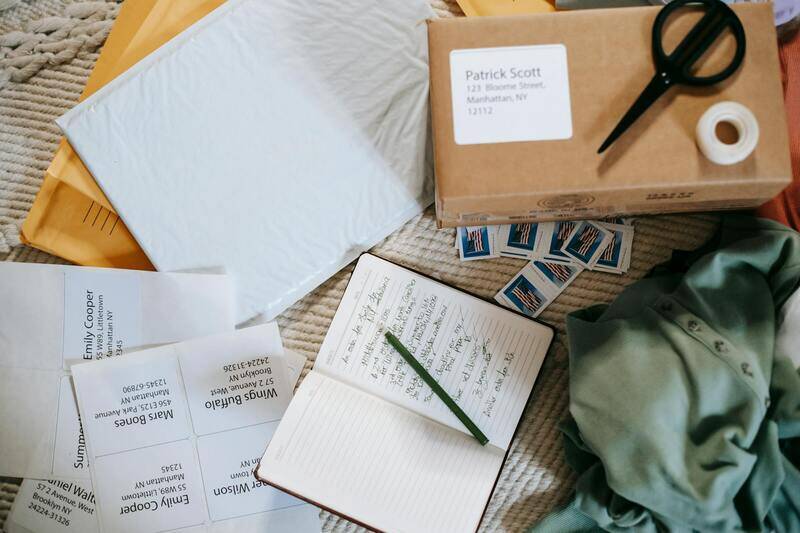
Understanding Banner Design and Its Importance
Effective banner design plays a pivotal role in attracting attention and conveying messages efficiently. The visual arrangement, font choices, color schemes, and imagery must be meticulously curated to ensure clarity and impact. A well-designed banner serves not only as a promotional tool but also as a visual anchor that enhances brand recognition. The importance of a cohesive and professional design cannot be overstated, as it directly influences viewer perception and engagement. Incorporating relevant graphics and concise messaging tailored to the target audience ensures that the banner communicates its purpose clearly and efficiently, whether for advertising, event promotion, or informational purposes.

Beyond aesthetics, functionality is key. A banner must be readable from afar, which involves selecting appropriate font sizes and colors that stand out against the background. Strategic placement of elements guides the viewer’s eye and emphasizes the core message. This focus on design fundamentals helps ensure that the banner’s message is not lost amidst clutter, but instead, resonates with viewers long enough to generate a desired response.
Choosing the Right Materials for Printing Banners
The choice of materials directly affects the durability, appearance, and suitability of banners for various environments. For outdoor banners, weather-resistant substrates such as vinyl or mesh fabric are ideal. Vinyl banners, in particular, offer high durability against elements like wind, rain, and UV rays while maintaining vibrant color presentation. Mesh banners, with their porous surface, allow wind to pass through, reducing strain and potential damage. Indoor banners require less robust materials, allowing for options like fabric or paper-based substrates that provide a premium look with easier handling and transportation.

Other considerations include the surface finish—matte or gloss—based on lighting conditions and aesthetic preferences. Matte finishes are excellent for reducing glare in bright settings, enhancing readability, while gloss finishes can enhance color vibrancy, making visuals more striking. The thickness and weight of the material influence handling and installation, especially for larger banners that require sturdy backing for easy mounting and stability.
Design Principles for Effective Banners
Effective banner design relies on foundational principles that ensure readability, visual clarity, and aesthetic appeal. First, simplicity is paramount; cluttered visuals dilute the core message. Use a limited color palette to create visual cohesion and leverage contrast to highlight important elements. Typography should be bold and legible, with font styles aligned with the branding and purpose of the banner. Hierarchy in design guides viewers naturally through the information, emphasizing headlines and key messages.
- Maintain a clear focal point to draw immediate attention.
- Use high-contrast colors for readability from distance.
- Limit the number of fonts to maintain consistency and clarity.
- Incorporate whitespace to prevent visual overcrowding.
- Apply imagery and graphics that complement and reinforce the message.
Consistency with brand elements such as logos, color schemes, and style enhances recognition and reinforces trust. Additionally, optimizing the design for the intended viewing distance ensures that viewers can quickly grasp the message without straining their eyes or missing vital details.
Optimal Banner Sizes and Formats
Determining the appropriate size and format begins by analyzing the environment and the viewing distance. Outdoor banners intended for high visibility from afar often measure between 3x6 feet and up to 8x20 feet or larger, providing ample space for bold text and compelling visuals. Indoor banners, suited for closer examination, typically range from 2x4 feet to 3x5 feet, balancing visibility with spatial constraints. These sizes facilitate close inspection while maximizing impact within confined areas.

For digital applications, dimensions are governed by platform specifications. Social media banner sizes, website headers, and ad formats follow particular pixel dimensions to ensure clarity across devices. Proper aspect ratio and resolution are critical to prevent distortion and pixelation in the final print or digital display. Vector graphics are highly recommended for large banners as they allow scaling without loss of quality, ensuring sharpness at any size.
Printing Techniques for High-Quality Banners
Modern printing techniques ensure banners are vibrant, durable, and true to design specifications. Inkjet printing is widely used due to its ability to produce high-resolution images with a broad color gamut. Solvent and eco-solvent printing techniques devour high-quality ink formulations that adhere well to various substrates, providing weather resistance and UV protection essential for outdoor banners. UV printing, with its immediate curing process, creates banners with enhanced color durability and crack resistance, ideal for long-term outdoor campaigns.
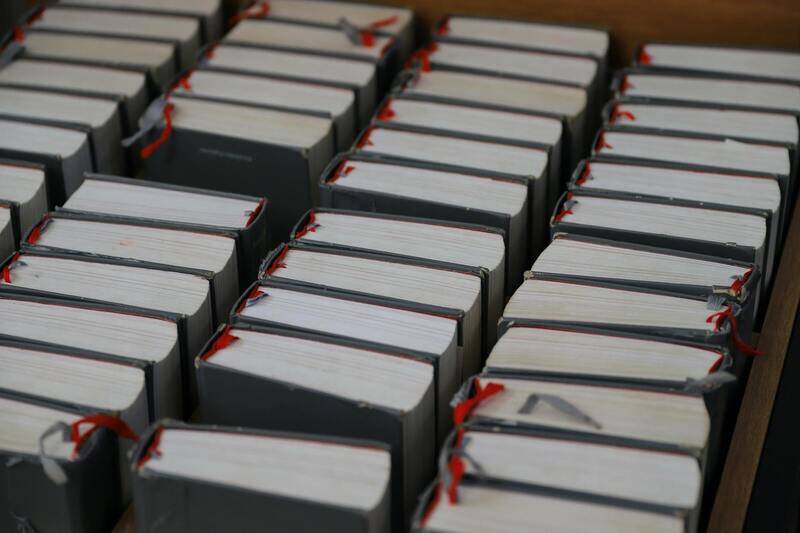
Speed and precision are achieved through digital printing methods that accommodate variable data, personalized graphics, and rapid turnaround times. The choice of printing technology is influenced by project scale, budget, and durability requirements, with high-end solvent or UV printers delivering superior results for large-format, outdoor applications.
Installation and Maintenance of Printed Banners
Proper installation guarantees that banners maintain their visual impact over time. Depending on the environment, hardware such as grommets, poles, tension rods, and adhesive solutions are used to secure banners firmly. It is critical to ensure that mounting surfaces are clean and smooth to prevent damage and ensure a secure fit. Using brackets and fasteners designed for outdoor conditions enhances longevity against wind and weather exposure. Regular inspection and cleaning are vital for maintaining banner appearance, removing dirt, grime, or environmental residues that could compromise colors or surface integrity.

Cleaning should be done gently using mild soap and water, avoiding abrasive tools that could scratch or degrade the material. When not in use, banners should be stored rolled or flat in a dry, cool place, protected from UV rays and excessive moisture. Proper maintenance preserves color vibrancy and structural integrity, ensuring your banner continues to make an impactful statement long after initial installation.
Understanding Banner Design and Its Importance
Effective banner design plays a crucial role in capturing attention and communicating messages clearly in various marketing environments. A well-crafted banner combines visual appeal with strategic messaging, ensuring that viewers immediately grasp the intended purpose. Good design integrates elements such as color schemes, typography, imagery, and layout to create a cohesive visual story that aligns with brand identity and event goals. When designing banners, it is essential to consider the target audience, the placement environment, and the overall campaign objectives. These factors influence choices about size, colors, and design complexity. Moreover, a professionally designed banner reflects credibility and enhances brand recognition, making it more likely to attract the desired engagement and response.

The importance of banner design extends beyond aesthetics; it also involves readability and visual hierarchy. Key information such as a call-to-action, contact details, or event date must be prominently displayed, guiding viewers naturally through the message. Balancing text and imagery ensures the banner remains visually compelling without overwhelming the viewer. Incorporating branding elements like logos and color palettes consistently reinforces brand identity and professional appearance. Additionally, utilizing high-resolution images and sharp graphics guarantees clarity when printed on large formats, preventing pixelation or blurriness that can diminish the impact of the promotional message.
Choosing the Right Materials for Printing Banners
Material selection significantly influences the durability, appearance, and function of printed banners. Common options include vinyl, fabric, mesh, and rigid substrates, each tailored for specific use cases. Vinyl banners are highly versatile, weather-resistant, and suitable for outdoor advertising. They can withstand harsh environmental conditions, including rain and sun exposure, without fading or tearing. Fabric banners, often made from polyester or nylon, provide a more upscale look with vibrant color reproduction and are ideal for indoor or short-term outdoor use.
Mesh materials are designed with small perforations allowing wind to pass through, making them suitable for large outdoor banners in high-wind areas. Rigid substrates such as foam board or acrylic are used for banners that require a stable, hard surface for indoor displays or special installations. When selecting materials, it's important to consider environmental factors, expected lifespan, and printing compatibility. Quality materials will ensure the printed design maintains its vibrancy and structural integrity over time, providing a sound investment for long-term campaigns.

Design Principles for Effective Banners
Creating impactful banners hinges on adherence to fundamental design principles. Contrast is vital to make text and key visuals stand out against backgrounds, ensuring readability from a distance. Color theory also plays a significant role; choosing colors that complement each other and evoke appropriate emotions enhances engagement. Simplicity is equally important—overly complex designs can confuse viewers and dilute the message. Clear focal points, such as a bold headline or a striking visual, help direct attention effectively.
Furthermore, consistency in font usage and branding elements maintains a professional appearance. Typography should be legible, with large, clean typefaces that are easy to read at various distances. Aligning text and images in a balanced layout ensures the banner looks organized and attractive. Maintaining appropriate margins and spacing prevents clutter, making the overall design accessible and inviting. By integrating these principles, banners can communicate messages efficiently while capturing attention in busy environments.
Optimal Banner Sizes and Formats
Selecting the right size and format of a banner depends on its intended location and purpose. Standard sizes range from small tabletop displays to large-format outdoor billboards. Common indoor sizes include 24” x 36” or 36” x 48”, suitable for trade shows, retail displays, or event signage. Outdoor banners often require larger dimensions, such as 4’ x 8’ or even larger, to ensure visibility from a distance.
Formats should accommodate the specific framing or mounting systems used. For example, banners with reinforced grommets and hems are ideal for hanging or tensioning setups, while banners designed for pole pockets are suited for banner stands. When preparing files, maintaining proper aspect ratios and resolution—typically 300 DPI at print size—is essential to preserve image quality. Considering the viewing distance influences whether a banner’s design elements need to be more prominent or detailed. Larger sizes with simplified designs often work best for outdoor environments, while detailed graphics and smaller formats suit indoor settings where viewers are closer.
Printing Techniques for High-Quality Banners
High-quality banner printing employs advanced technologies that ensure vibrant colors, precise details, and long-lasting durability. Solvent and UV printing methods are prevalent for outdoor banners, offering excellent resistance to weather and UV fading. These techniques enable the application of UV-resistant inks that adhere strongly to various substrates, maintaining image sharpness and vibrancy over extended periods.
For indoor banners, latex printing provides eco-friendly options with excellent color accuracy and surface finish. Digital printing technology facilitates rapid production and customization, allowing for personalized designs, short runs, or event-specific graphics without sacrificing quality. Screen printing is less common today but can still be used for specific applications requiring layered color effects or textured finishes.
Choosing the appropriate printing method influences the final result’s durability, appearance, and cost. High-end solvent or UV printing is ideal for banners that will be exposed to outdoor conditions, ensuring longevity and color retention. For indoor use, latex digital printing offers vibrant visuals with environmentally conscious inks. Proper prepress setup, color calibration, and quality control throughout the printing process are crucial steps to achieve flawless results for every project.
Installation and Maintenance of Printed Banners
Proper installation safeguards the visual impact and lifespan of banners, especially in outdoor settings subject to wind and weather influences. Hardware options like grommets, tension rods, or pole pockets are commonly used to secure banners firmly. Ensuring that mounting surfaces are clean, smooth, and free of debris facilitates a secure attachment, preventing sagging or tearing.
In outdoor environments, additional reinforcement with weather-resistant fasteners and supports can enhance stability. Regular inspections allow for early detection of issues such as tears, loose hardware, or environmental damage. Cleaning banners periodically with mild soap and water helps remove accumulated dirt, grime, and pollutants that can dull colors or degrade materials. When not in use, it is best to store banners rolled or flat in a dry, cool environment, protecting them from direct sunlight and moisture to extend their life and maintain visual appeal.