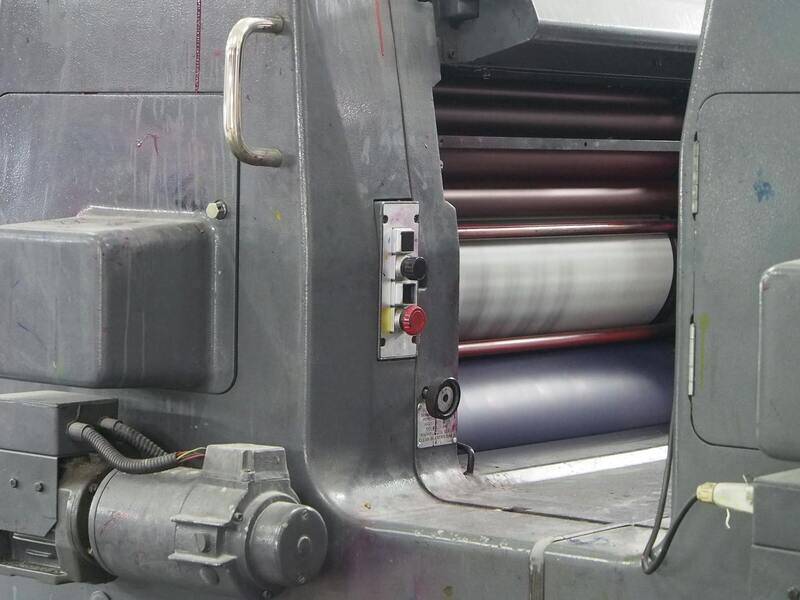
Understanding Print on Demand Booklets
Print on demand (POD) booklets represent a versatile and efficient approach to producing small to medium quantities of printed materials without the need for large-scale printing runs. Unlike traditional offset printing, which requires significant upfront investment and large order quantities, POD allows for individual copies or limited editions to be printed as needed. This method is particularly advantageous for businesses, authors, and organizations seeking flexibility, cost-effectiveness, and quick turnaround times.
At its core, print on demand booklet printing involves digital printing technology that reproduces high-quality images and text directly onto the chosen paper substrate. This process eliminates the need for printing plates, which are a staple in offset processes, thereby reducing setup time and costs. As a result, smaller quantities can be produced economically without sacrificing print quality.

One of the primary distinctions between print on demand booklets and traditional printing methods is the production scale and flexibility. Traditional printing typically involves large runs that are more cost-effective at volume but can lead to excess inventory or waste if demand fluctuates. In contrast, print on demand offers a tailored approach where each booklet is printed precisely when needed, reducing inventory costs and allowing for easy updates or revisions.
Advantages of print on demand booklets include:
- Customization: Easily update content or personalize booklets for different audiences.
- Cost Efficiency: Pay only for the copies you produce, minimizing upfront expenses.
- Rapid Turnaround: Faster production times facilitate last-minute project needs or events.
- Low Risk: No need for large print runs, reducing financial and material waste.
- Quality Output: Modern digital presses produce sharp, vibrant images and clear text suitable for a variety of uses.
Print on demand booklets are ideal for promotional materials, event programs, training manuals, catalogs, art portfolios, and personalized book projects. Their adaptability makes them a preferred choice for entrepreneurs, non-profits, educational institutions, and creative professionals seeking professional-looking printed materials without excessive investment.
Understanding these fundamental aspects of print on demand booklets helps clarify how this technology can be strategically utilized in diverse projects. The subsequent sections will guide you through designing, material selection, sizing options, and practical tips to maximize your success with print on demand booklet printing.
Choosing the Appropriate Printing Materials and Finishes
Optimizing the quality and durability of your print on demand booklets begins with selecting suitable printing materials and finishes. The choice of paper stock significantly influences the tactile experience, visual appeal, and longevity of your printed materials. Typically, a range of paper weights from 80 lb to 130 lb (approximately 118 gsm to 250 gsm) are available, catering to various needs such as lightweight handouts or premium presentations.
For the cover or exterior pages, heavier, coated papers are preferred to add a polished look and enhance durability. Glossy finishes accentuate vibrant colors and sharp images, making them ideal for promotional booklets, catalogs, or art portfolios. Conversely, matte finishes offer a non-reflective surface, providing a sophisticated appearance suitable for literary or training materials where readability is paramount.

Considerations for Binding and Special Effects
Binding options also play a crucial role in the presentation of your booklet. Common choices include saddle stitch (stapled), perfect binding, and comb binding. Saddle stitching is cost-effective for smaller booklets, while perfect binding lends a professional look suitable for larger or more enduring publications.
In addition to basic materials, customizable finishes such as embossing, foil stamping, spot UV coating, or rounded corners can add unique visual and tactile elements that make your booklets stand out. These features are particularly effective for branding, special editions, or high-end projects.

Impact of Material Selection on Cost and Production Time
Each choice concerning paper quality and finishes influences the overall cost and turnaround time of your print on demand projects. High-quality materials and intricate finishing options tend to increase per-unit costs but can significantly elevate the perceived value of your booklets. Careful planning and consultation with your print provider can help balance quality and budget constraints, ensuring an optimal outcome. Understanding the implications of material selections helps in accurately estimating both production timelines and expenses, enabling better budgeting and scheduling of your printing projects.
Material Selection to Optimize Durability and Visual Appeal
When creating print on demand booklets, selecting the right printing materials is crucial to achieving a professional and durable product. The choice of paper types influences both appearance and longevity, with options ranging from standard offset papers to specialty stocks designed for specific effects. For instance, uncoated papers offer a natural, matte finish that enhances readability and provides a tactile experience suitable for informational or artistic booklets. Coated papers, available in gloss or satin finishes, deliver vibrant color reproduction and sharp image quality, making them ideal for visual-heavy content such as catalogs or promotional booklets.

Cover options also significantly influence perceived quality and durability. Heavier cardstock or laminated covers provide extra protection against wear and tear, imparting a premium feel. Additionally, finish treatments like matte or gloss coatings on covers can be customized to align with branding aesthetics, offering a sleek, contemporary look or a soft, subdued surface. Special finishes such as spot gloss, embossing, or foil stamping can be applied sparingly to accentuate logos, titles, or decorative elements, adding a tactile dimension that captures attention and elevates your booklet’s presentation.
Enhancing Booklet Longevity with Finishing Touches
The finishing touches not only improve visual appeal but also extend the lifespan of your print on demand booklet. Techniques like rounded corners prevent fraying and damage over time, while UV coatings add a layer of protection against fingerprints and scratches. Additionally, lamination and protective coatings contribute to water resistance, which is particularly valuable for brochures and booklets intended for outdoor use or frequent handling.
Incorporating these finishing options requires coordination with your print service provider, ensuring the chosen treatments are compatible with your selected materials and binding styles. Properly finished booklets remain vibrant and intact longer, maintaining their professional appearance through repeated use or distribution over time.
Sizing and Format Options for Booklets
Choosing the appropriate size and format for your print on demand booklet is crucial for enhancing usability, aesthetic appeal, and overall impact. Standard dimensions such as 5.5 x 8.5 inches, 6 x 9 inches, and 8.5 x 11 inches are versatile options widely used across various industries and project types. These dimensions facilitate ease of handling, readability, and compatibility with common binding methods, making them suitable for catalogs, guides, promotional materials, and educational resources.
In addition to standard sizes, custom dimensions can be tailored to meet specific project requirements. Custom sizing allows for distinctive branding, creative layouts, or to fit particular content formats. When opting for non-standard dimensions, it’s important to consider how they will influence printing costs and distribution logistics, as unusual sizes may require special handling or larger paper sheets, affecting production time and expenses.
Fold types also play a vital role in booklet presentation. Popular options include tri-fold, bifold, z-fold, and saddle-stitched options, each serving different functional and aesthetic purposes. For example, tri-fold layouts are ideal for brochures and menus, offering compactness and visual flow, while saddle-stitch booklets typically feature multiple pages with a clean, professional look suitable for manuals or event programs.
Binding methods significantly influence the durability and presentation of print on demand booklets. Saddle stitching, where staples secure the folded pages along the spine, is common for thinner booklets and offers a sleek, unobtrusive profile. Perfect binding, which involves gluing pages to a spine, provides a polished, book-like appearance suitable for longer publications. Comb or spiral bindings add flexibility and ease of use, particularly for workbooks or manuals meant to lay flat.
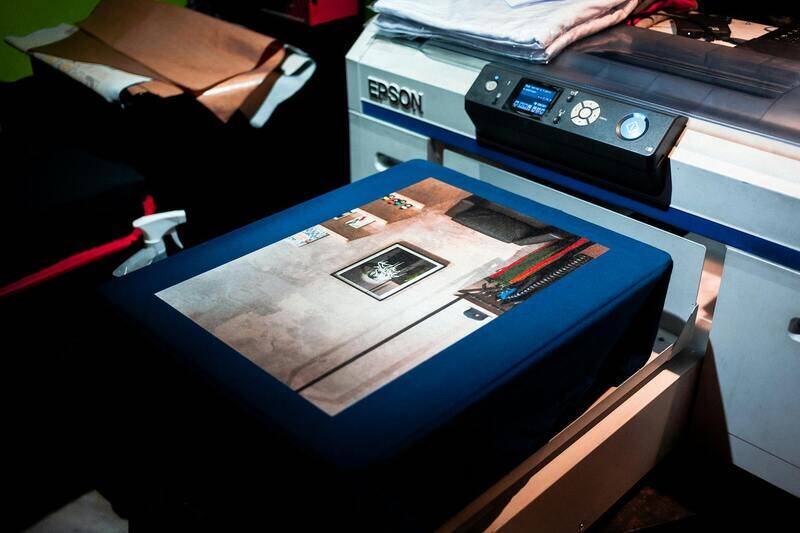
Opting for the right combination of size, fold, and binding can optimize your message delivery, enhance user experience, and ensure your booklet aligns with branding standards. Working closely with your chosen printing service provider allows for precise customization, ensuring that each element from dimensions to finishing touches complements your project's purpose and aesthetic focus.
Ensuring Quality through Legitimate Printing Methods
To achieve the best results with print on demand booklets, it is essential to utilize reputable printing techniques and official equipment. Professional printing services employ industrial-grade printers and advanced finishing machinery that guarantee precise color matching, sharp image reproduction, and durable binding. Relying on established providers ensures consistency across print runs, which is vital for maintaining brand cohesion and delivering a high-quality final product.
Authentic printing methodologies include digital printing, offset printing, and specialized finishing options such as lamination, UV coating, or embossing. Digital printing offers rapid turnaround times with excellent quality suitable for small to medium quantities, making it ideal for short-run booklets. Offset printing, on the other hand, is better suited for larger orders, providing superior color fidelity and cost efficiency at scale.

Working exclusively with certified printing facilities guarantees adherence to strict quality control standards. These facilities employ calibrated color management systems, standardized paper handling techniques, and reliable binding processes to produce professional-grade booklets that meet industry benchmarks and client expectations.
Legitimate methods also extend to the types of paper and finishing processes used. Choosing FSC-certified paper or specialty finishes such as matte, gloss, or semi-gloss can significantly influence the tactile and visual appeal of your booklet. Such options are available only through authorized suppliers equipped with the necessary technology to execute these finishes flawlessly.
Authentic Binding and Finishing Techniques
Binding methods profoundly impact the durability and presentation of print on demand booklets. Saddle-stitch binding, where folded pages are secured along the spine with staples, remains the most common for thinner publications, owing to its cost-effectiveness and streamlined appearance. For more substantial booklets, perfect binding offers a seamless, book-like finish with a glued spine, enhancing professionalism and longevity.
Alternative binding options such as spiral or comb binding provide functional advantages for manuals, workbooks, or brochures that require laying flat during use. These methods are accessible via legitimate printing channels, which guarantee that the binding is securely applied and withstands handling over time.
Selecting Appropriate Materials for Your Booklet
The choice of paper stock and finishes influences not only the look and feel but also the perceived value of your booklet. Thicker, premium papers convey quality and durability, ideal for presentation materials or high-end marketing brochures. Light-weight options are suitable for informational leaflets where portability is key.
Specialized finishes such as lamination provide extra protection against wear and tear, while matte coatings reduce glare for easier readability. Spot UV coatings can highlight specific areas, adding visual interest and emphasizing branding elements. Working with certified printers ensures access to these high-quality materials and finishes, enabling you to customize your booklet thoroughly.
Understanding Print on Demand Booklets
Print on demand (POD) booklets represent a flexible and efficient method to produce small to medium quantities of printed materials without the need for large initial investments. This process utilizes digital printing technology, allowing creators and businesses to customize, update, and distribute booklets swiftly and cost-effectively. Whether for promotional purposes, educational content, or mini catalogues, POD booklets enable users to respond quickly to changing demands or specific target audiences.

One of the key advantages of print on demand is that it eliminates excess inventory, as booklets are produced only when ordered. This approach not only reduces waste but also allows for on-the-fly modifications, such as updating content or adjusting design elements for different campaigns. This method is particularly beneficial for limited editions, niche markets, or personalized projects where flexibility in production is crucial.
Legitimate print providers that specialize in POD services employ advanced digital printing technologies that maintain high standards of color accuracy and resolution. They adhere to strict quality control processes, ensuring each booklet meets expectations for durability, presentation, and consistency. Reliable printers also provide options for various binding types, finishes, and paper qualities, which further enhances the professionalism of the final product.
Ensuring Quality Through Certified Printing Channels
Partnering with certified printing companies guarantees access to reputable materials and adherence to production standards. These providers undergo regular audits to verify their compliance with industry benchmarks, ensuring that every booklet produced aligns with best practices for materials, finishing, and binding. This meticulous approach results in a finished product that not only looks polished but also withstands handling and environmental exposure, prolonging its lifespan.
Moreover, legitimate printers employ environmentally responsible practices by sourcing sustainable materials and implementing eco-friendly printing processes. This commitment to environmental standards adds an extra layer of confidence that your booklets are produced ethically and responsibly, aligning with increasingly conscious consumer expectations.
Customizing Your Printing Specifications
- Selection of high-quality paper stocks, including matte, gloss, or specialty finishes, to match your desired aesthetic and functional needs.
- Options for binding styles such as saddle-stitch, perfect binding, spiral, or comb binding, each suited to different formats and usage scenarios.
- Incorporation of protective finishes like lamination or Spot UV coating to highlight visual elements and improve wear resistance.
- Color management processes to ensure vibrancy and consistency across multiple print runs.
Working with an established print provider allows you to specify these details precisely, guaranteeing your booklet reflects your vision while maintaining high quality standards.
Understanding Print on Demand Booklets
Print on demand (POD) booklets offer a flexible and cost-effective solution for producing small to medium quantities of printed materials, tailored precisely to your needs. Unlike traditional printing methods that require large batch runs and upfront investments, POD enables creators and organizations to print copies as they're ordered, reducing waste and inventory risks. The process leverages digital printing technology, which allows for high-quality output with quick turnaround times. This approach is particularly advantageous for projects such as promotional materials, limited editions, or personalized content where demand fluctuates or customization is essential.

One of the key features of print on demand booklets is the ability to incorporate unique content or variations within each copy without significant additional costs. This makes it ideal for targeted marketing campaigns, personalized educational tools, or event programs where customization enhances engagement. Moreover, the reliance on digital workflows ensures that each booklet adheres to accurate color reproduction, crisp text, and sharp images, maintaining a professional appearance regardless of order size.
Strategies for Confirming Printing Legitimacy and Quality Assurance
To ensure the production of high-quality print on demand booklets, selecting an established printing partner with a proven track record is crucial. Reputable providers utilize cutting-edge digital printing equipment capable of precise color management and consistent results across multiple orders. They also adhere to strict standards for material sourcing, finishing, and binding, which guarantees the durability and aesthetic appeal of the finished product. These providers often undergo rigorous audits and quality control checks, backing their commitment to maintaining industry benchmarks.
Engaging with such authorized printers ensures every booklet you receive meets the desired specifications and quality expectations. It’s advisable to request samples or review portfolios before placing an order. Additionally, clear communication about your artwork, preferred paper stocks, and finishing options promotes a smooth production process, minimizing errors and reprints.
Materials and Finishing Techniques for Authentic Booklet Production
- Paper selection: Choosing high-grade papers such as matte, gloss, or matte-gloss combinations enhances visual appeal and tactile experience.
- Binding methods: Common options include saddle-stitch, perfect binding, spiral, or comb binding, each suited to different formats and usage scenarios.
- Protective coatings: Lamination or Spot UV coating can be added to highlight visual elements, protect against wear, and prolong the booklet's lifespan.
- Color fidelity: Advanced color management processes ensure vibrant, consistent colors across multiple copies, essential for branding and impactful design.
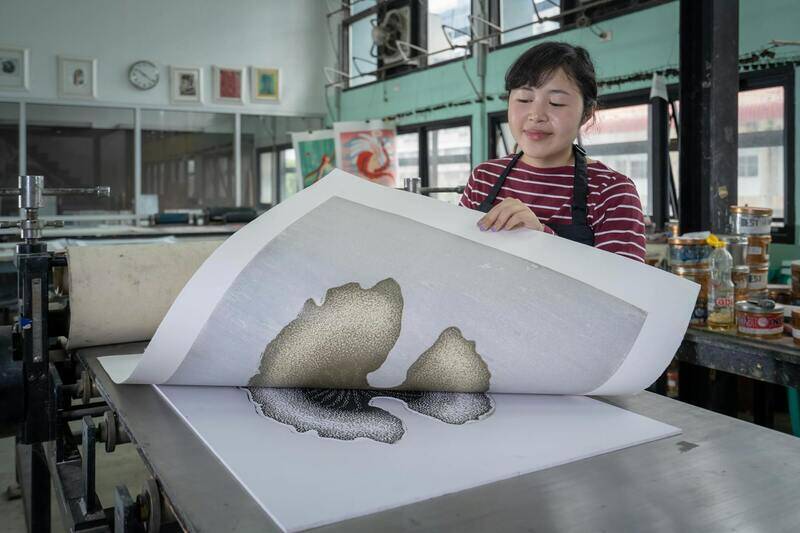
Size and Format Options That Reflect Industry Standards
Print on demand booklets are available in various sizes and formats to accommodate different content types and presentation styles. Common dimensions include A4, A5, and custom sizes tailored to specific needs. The format can influence factors such as portability, ease of handling, and visual impact. For instance, a pocket-sized booklet might be ideal for handouts or quick reference guides, while larger formats are suitable for detailed manuals or catalogs.
Design considerations such as margins, gutters, and fold lines must align with the chosen size and binding style. Working with experienced printers can help determine the optimal layout and ensure that your content fits seamlessly within the selected dimensions without compromising readability or aesthetic appeal.
Cost-Effective Pricing Structures for Small Batch Productions
One of the primary advantages of print on demand booklets is their affordability, especially for smaller quantities. Unlike traditional offset printing, which involves high setup costs, digital printing reduces barriers for limited runs. Costs are typically calculated per booklet, factoring in paper type, cover finish, binding method, and order quantity. This flexible pricing structure allows for manageable budgets, enabling ongoing adjustments based on demand or project scope.
Furthermore, the ability to print only as many copies as needed minimizes excess inventory and obsolescence risk, resulting in additional cost savings. Bulk discounts may be available for larger orders, but the overall expense often remains favorable compared to conventional print runs, making POD an attractive choice for entrepreneurs, educators, and organizations seeking high-quality printed materials without substantial upfront expenditures.
Order Placement and Delivery with Confidence
Executing a print on demand booklet project involves a straightforward process once you partner with a reliable provider. After finalizing your design, specifications, and materials, you submit your files via an online portal or directly communicate with your printing service. Leading providers employ digital workflows that streamline the prepress stage, reducing turnaround times and minimizing errors.
Delivery options are typically flexible, including standard, expedited, or courier services, often with tracking features to monitor progress. Proper packaging ensures that booklets arrive in pristine condition, ready for distribution or presentation. Many providers also offer proofing services, allowing you to review samples before the full print run begins, ensuring that the final product aligns with your expectations.

Securing Proper Licensing and Copyright Permissions for Your Print on Demand Booklets
When producing print on demand booklets, it is essential to ensure all content included is properly licensed or rights-cleared. This step guarantees that your printed material complies with intellectual property laws and respects original creators' rights. Securing appropriate permissions involves obtaining official licenses for copyrighted texts, images, and other creative elements incorporated into your booklet.
Start by verifying the ownership status of all included content. If you are using third-party materials, reach out to the copyright holders or licensing agencies to acquire the necessary rights. Many publishers offer licensing options that allow for specific usage types, such as print runs or digital dissemination. Making sure your permissions cover print on demand formats prevents potential legal complications and ensures smooth distribution.
For original content, registering copyrights can further reinforce your ownership, especially if you plan to sell or widely distribute your booklets. Proper documentation of permissions and licensing agreements provides clear proof of rights, which can be crucial for resolving disputes or clarifying usage rights.

Implementing Effective Copyright Management Strategies
- Maintain organized records: Keep detailed documentation of all permissions, licenses, and correspondence related to content rights. This simplifies the process of demonstrating compliance and resolving any issues that may arise.
- Use licensed stock resources: When incorporating images or graphics, opt for stock photo websites and repositories that provide explicit licensing agreements suitable for print projects.
- Consult legal professionals: For complex licensing needs, especially when dealing with copyrighted works or international rights, engaging a legal expert with experience in intellectual property can save time and prevent inadvertent infringements.
- Build partnerships with content creators: Collaborating directly with authors or artists and securing written agreements can streamline license acquisition and foster ongoing creative projects.
Adhering to structured copyright management practices ensures your print on demand booklet projects proceed without unintended legal issues, allowing you to focus on producing high-quality products that resonate with your target audience.