Understanding Color Printout Costs
Color printing is an essential service utilized by individuals and businesses alike for producing vibrant and detailed documents, marketing materials, and photographs. The cost associated with color printouts is influenced by a range of factors that must be carefully considered to ensure accurate budgeting and optimal service selection. At its core, evaluating these costs involves understanding the fundamental components that drive pricing, including the materials used, the type of printing technology, and the volume of prints required.
Basic Components Influencing Color Printing Costs
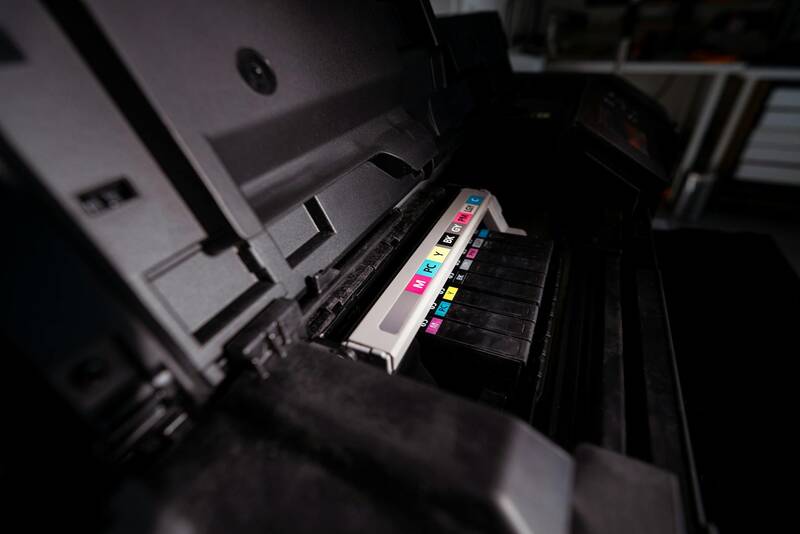
- Materials and Supplies: The quality and type of consumables, especially color ink cartridges or toners, significantly impact pricing. High-quality, multi-color cartridges tend to be more expensive but offer better vibrancy and longevity.
- Printer Technology: Different printing technologies, such as inkjet versus laser, come with varying operational costs. Inkjet printers are generally more affordable upfront but may incur higher ink costs per page, whereas laser printers, especially color laser models, involve higher initial investment but lower cost per page.
- Print Volume: The number of pages or images printed influences the per-unit cost. Larger volumes typically reduce the cost per page due to economies of scale, while small quantities might entail premium pricing.
- Maintenance and Operational Costs: Regular servicing and maintenance for high-end color printers influence overall expenses. Additional factors such as energy consumption and printer lifespan also contribute.
Materials and Supplies in Detail
Color printing relies heavily on the inks and toners used. Premium inks deliver more vivid colors and longer-lasting prints but are often priced higher. Printers equipped with individual color cartridges allow for replacements only when specific colors run out, optimizing costs. Conversely, all-in-one cartridges can be cost-effective but may lead to waste if only one color is needed frequently.
Printer Technology and Its Cost Implications
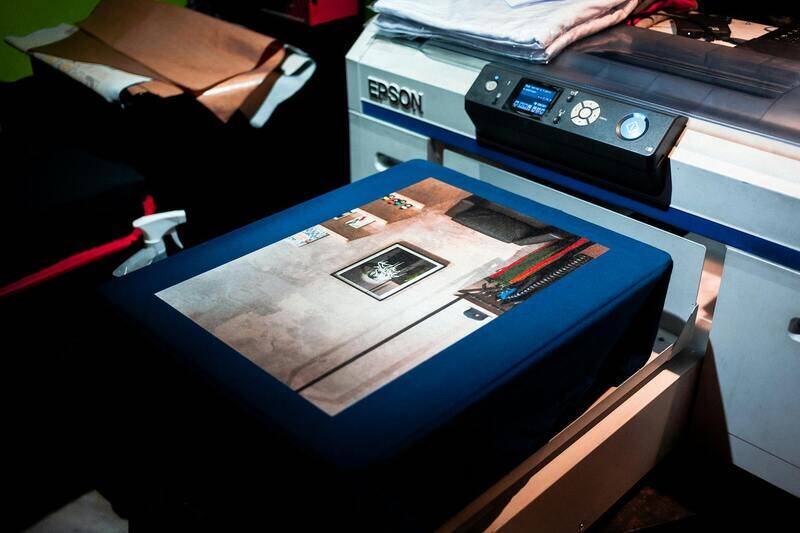
Inkjets are favored for their affordability and ability to produce high-quality images suitable for photographs and marketing collateral. Laser printers, especially color laser models, excel in high-volume environments, offering faster printing speeds with lower per-page costs despite higher initial investments.
Factors Affecting Color Printout Pricing
Multiple elements influence the final price of color prints outside of basic material costs. These include the print resolution, color complexity, and whether additional features such as double-sided printing or matte/glossy finishes are required. Higher resolution images demand more ink and processing time, thus increasing costs. Engaging in bulk printing often results in discounted per-page prices, especially when dealing with professional print services or online providers.
Visual Representation

Understanding Color Printout Costs
When determining the overall expense of color printing, it is essential to consider multiple components beyond just the cost of ink and paper. One primary factor is the printing technology used, which significantly influences per-page costs and quality. Inkjet printers, popular for their ability to produce detailed and vibrant images, tend to have lower upfront costs but can have higher per-page costs, especially when printing frequently or in high volume. Laser printers, particularly color models, often require a larger initial investment but provide lower costs per page, making them ideal for businesses or individuals with regular printing needs.
Another element impacting color print expenses involves the specific printer settings and output quality. Printing at higher resolutions, such as 600 or 1200 DPI (dots per inch), enhances image clarity and detail but consumes more ink and processing time, thereby increasing costs. Additionally, opting for finishing options like glossy or matte finishes, double-sided printing, or custom sizes can add to the overall expenses. These choices impact how much ink and material are used and can influence the total price you pay for each print job.

Bulk printing, whether through professional services or online providers, often affords significant discounts due to economies of scale. Many services offer reduced per-page prices when ordering in large quantities, which is particularly beneficial for organizations or events requiring numerous prints. Additionally, the choice between using separate color cartridges or a combined all-in-one cartridge affects costs. Replacing only the depleted color cartridges can save money over time, especially when specific hues are used more frequently.
Materials and Supplies
- Premium inks provide brighter, more accurate colors but at a higher cost.
- Standard inks offer a balance between affordability and quality for everyday printing.
- Quality paper and finishing materials can also influence the total cost.
Technological Considerations
- Inkjets: Ideal for detailed images; typically cost less initially but may be more expensive per page.
- Laser printers: Suitable for high-volume printing; higher upfront cost but lower ongoing expenses.
- Digital printing services: Offer high-quality output with scalable pricing based on volume.
Understanding these characteristics helps users optimize their printing strategy to balance quality and cost effectively, ensuring that the final price aligns with their needs and budget constraints.
Understanding Color Printout Costs
The price of color printouts is primarily determined by several core factors that influence both quality and quantity. When considering your printing needs, it’s essential to understand how these variables impact overall costs. Page coverage, the complexity of the images, and the frequency of printing all play pivotal roles. For example, a document with detailed, full-color graphics will require more ink and time, thus increasing the cost per page compared to a simple text-based document with minimal color areas.

Key Influences on Cost
- Page Coverage: Higher coverage means more ink consumption, leading to increased costs. Light coverage pages will cost less than those with dense color elements, especially in high volumes.
- Print Quality Settings: Premium quality modes utilize more ink and materials to produce vibrant images, which can elevate prices. Standard quality settings are more economical but may sacrifice some detail and color accuracy.
- Paper and Finish Options: Premium, coated, or specialty papers tend to be more expensive. Glossy finishes, thick cardstock, or textured materials also contribute to increased costs, especially for large batches.
- Order Size and Volume: Bulk printing typically lowers per-page costs due to economies of scale. Large-volume orders benefit from discounted rates per print, making them ideal for organizations or events requiring numerous copies.
- Type of Printer and Supplies Used: Inkjet printers often have lower initial costs but higher per-page ink consumption, whereas laser printers have higher upfront costs but lower operational expenses. The choice of cartridges—single color versus all-in-one—also impacts routine costs, with targeted replacements reducing waste.
Cost-Effective Strategies
To control expenses, consider optimizing print quality for the intended purpose. Using draft mode for internal documents, selecting standard paper, and printing in batches can significantly reduce costs. Additionally, carefully managing color usage—reserving expensive, high-quality color prints for essential materials—helps maintain budget constraints.
For those regularly producing high-volume color documents, investing in a high-yield color cartridge or a professional printing solution might prove more economical. Digital printing services also offer scalable options, especially suited for large jobs, delivering consistent quality without the need for significant equipment investments.
Additional Financial Considerations
- Maintenance and Equipment Lifespan: Regular maintenance ensures efficient operation and prolongs the lifespan of your printing equipment, indirectly affecting costs.
- Cost of Consumables: Prices of ink, toner, and specialty papers vary with supplier and quality. Bulk purchasing from reliable vendors can lead to savings over time.
- Environmental Factors: Using eco-friendly inks and materials, while sometimes more expensive initially, can reduce waste and long-term costs associated with disposal and environmental impact.
By carefully evaluating these factors, users can make informed decisions that balance quality requirements with budgetary constraints, ensuring that each color printout delivers value aligned with its intended use.
Pricing Variations Based on Print Volume
Understanding how print volume impacts the overall cost of color printouts is essential for effective budgeting. Most printing providers adopt a tiered or volume-based pricing structure, where the per-page cost decreases as the quantity increases. For smaller jobs, the cost per page tends to be higher due to setup fees, minimum charge requirements, or the use of less efficient printing methods for small runs.
For high-volume print projects, negotiating bulk discounts can significantly reduce the total expenditure. Large organizations often benefit from dedicated contracts that incorporate lower per-page rates, priority scheduling, and flexible service options. In contrast, occasional or low-volume users might encounter a standardized rate that is less economical but suitable for infrequent printing needs.

It's advisable to analyze the projected volume of color prints over a specific period to choose the most cost-effective plan or service. Some providers also offer subscription models or flat-rate packages, enabling predictable costs for ongoing requirements. These models are especially advantageous for businesses with steady printing needs, providing both convenience and financial predictability.
Comparing Local and Online Print Prices
When examining options for color printing, assessing the distinction between local and online providers is crucial. Local print shops often provide personalized service, quicker turnaround times, and the ability to physically inspect materials before printing. Pricing at these shops can sometimes be higher due to overhead costs, but they may offer more tailored solutions or in-person consultations.
Online printing services, on the other hand, usually benefit from economies of scale, passing savings onto customers through lower prices. These platforms typically provide detailed pricing calculators, allowing users to estimate costs based on specifications such as page count, color complexity, and paper choice. Additionally, online vendors often include bulk discounts, free shipping on larger orders, and promotional offers that can further reduce the overall price of color printouts.

To maximize savings, consider requesting sample prints from multiple vendors to evaluate quality and cost. Readers should also factor in logistics, delivery times, and the potential need for urgent printing when choosing between local and online providers, ensuring the selected option aligns with both quality expectations and budget constraints.
Tips for Getting the Best Price for Color Prints
- Compare pricing estimates from several reputable vendors to identify competitive rates.
- Take advantage of volume discounts or loyalty programs that reward frequent customers.
- Optimize your print settings—using draft mode, reducing color saturation, and selecting standard paper quality—can decrease costs significantly.
- Consolidate print jobs to large batches, minimizing setup fees and reducing per-page expenses.
- Request detailed quotations that include all charges, such as setup fees, finishing, and delivery costs, to avoid surprises.
- Utilize online calculators provided by printing services to estimate costs beforehand, aiding informed decision-making.
Additional Costs and Considerations
Beyond the base price per page, several auxiliary costs may influence the overall expense of color printing. These include finishing options like binding, lamination, and hole punching, which can add to the final invoice. Special paper types, such as glossy or cardstock, are also priced higher than standard options.
Transport and delivery charges are additional factors to consider, especially for online services. Some providers include shipping costs in the total quote, while others charge separately, possibly impacting the total budget. Additionally, turnaround time can affect costs; expedited services are often priced higher, but may be necessary depending on project urgency.
Careful planning and consultation with your chosen printing provider can help identify these extra costs in advance, enabling accurate budgeting and avoiding unplanned expenditures.
Pricing Variations Based on Print Volume
When evaluating the expense of color printing, understanding the relationship between print volume and cost is crucial. Typically, the unit price per page decreases as the number of printed pages increases, making bulk printing a more economical choice for large projects. This price reduction is attributable to the fixed costs associated with setup, which are divided over a larger number of pages in bulk orders.
For small quantities, the cost per print can be significantly higher, often due to minimal economies of scale. These higher per-page costs stem from preparation, such as calibration, formatting, and machine setup, which remain relatively constant regardless of quantity. Consequently, for projects requiring only a handful of color prints, pay attention to the minimum charges and setup fees to avoid disproportionate costs.
Conversely, with larger volume orders, many printing providers offer tiered pricing structures or discounts to incentivize volume. This approach can lead to substantial savings, especially for businesses or individuals with ongoing printing needs. Some companies also provide custom quotes for extensive print runs, allowing clients to negotiate better rates based on the expected volume.
To optimize cost efficiency, consider consolidating your print jobs into one large order rather than multiple smaller ones. Additionally, reviewing your needs for color accuracy and detail can help you decide whether a high-quality print process is necessary or if a more standard setting can suffice without compromising the overall quality.

Employing these strategies not only reduces your per-page expense but also streamlines your procurement process, saving both time and money. Always request detailed quotations from potential printing vendors to ensure all costs, including setup, finishing, and delivery, are transparent and within your budget.
Understanding Color Printout Costs
When evaluating the expense associated with color printing, it is crucial to recognize that multiple factors influence the final price. Color printout costs are determined not solely by the number of pages but also by the complexity of the image, the type of paper used, and the finishing requirements. Different print providers adopt varied pricing models based on these elements, highlighting the importance of understanding what contributes to overall costs to make informed decisions that align with your budget and quality expectations.

Types of Color Printing Technologies
Color printing utilizes several technologies, each with distinct cost implications. The most common types include:
- Inkjet Printing: Frequently used for high-quality images and photographs, inkjet printers are versatile but may incur higher costs per page due to ink consumption and maintenance.
- Laser Printing: Suitable for high-volume, fast, and crisp outputs, laser printers typically offer lower per-page costs, especially when printing large quantities.
- Dye Sublimation Printing: Primarily used for high-end photo printing, this method delivers rich color accuracy but often involves higher initial equipment costs and materials.
Impact on Price
The choice of technology directly affects the per-page expense. For instance, inkjet printers might be preferable for small, high-quality projects despite their higher cost per sheet, whereas laser printers are more cost-effective for bulk printing. Recognizing which technology suits your needs can help you manage expenses effectively, especially when ordering from a professional printing service such as fastprinting.org, which offers competitive pricing across different technologies.

Factors Influencing Color Printout Pricing
Several key factors contribute to the final cost of color printing, making it essential to consider these aspects when planning your print project:
- Photo and Image Complexity: Highly detailed images with multiple colors and gradients require more ink and precise calibration, increasing costs.
- Paper Quality and Finish: Premium paper types, such as glossy or textured finishes, tend to be more expensive than standard options, contributing to higher overall costs.
- Print Size and Volume: Larger-sized prints and higher volumes usually entail tiered pricing or bulk discounts, affecting the unit cost.
- Color Accuracy and Color Profiles: Ensuring color consistency across prints may involve additional calibration and proofing, impacting pricing.
- Finishing Services: Processes like lamination, mounting, or binding add to the total expense of the print job.
Understanding these factors enables customers to balance quality and cost more effectively, selecting the appropriate options that meet their requirements without unnecessary expenditure.
How Pricing Adjusts Based on These Factors
Higher complexity or finishing requirements often increase the per-unit cost. For example, a simple color page on standard paper may be significantly less expensive than a detailed photo print on high-gloss cardstock with finishing touches. When requesting quotes from sources like fastprinting.org, providing comprehensive details on your project scope and desired quality helps in obtaining accurate, customized pricing tailored to your specific needs.
Standard Pricing Models for Color Printing
Most printing providers employ specific pricing structures to establish transparent and predictable costs. Common models include:
- Per-Page Pricing: Charges are calculated based on the number of printed pages, with rates varying for color versus black-and-white prints. This model is straightforward and often used for smaller, one-off projects.
- Project-Based Quoting: For larger or complex jobs, a customized quote considers factors like material, finish, and volume, offering a tailored pricing solution.
- Tiered Volume Pricing: As print volume increases, the cost per page decreases, incentivizing bulk orders and making high-volume projects more economical.
- Minimum Charges and Setup Fees: Many providers apply a base fee to cover initial preparation costs, which can be especially relevant for small jobs.
Understanding these models allows for precise budget planning and the ability to compare quotes effectively across providers, ensuring that your printing needs are met within your financial parameters.
Understanding Color Printout Costs
When evaluating options for color printouts, it is essential to understand all associated costs beyond just the initial printing fee. These costs can include paper quality, finishing options, binding, and other special treatments that impact the final price. Each of these elements varies depending on your specific project requirements, and being clear about them can lead to more accurate quotes and better budget management.
Types of Color Printing Technologies
Different printing technologies influence both the quality and the cost of color prints. The most common methods include:
- Inkjet Printing: Widely used for its high-resolution capabilities ideal for photographic images and detailed graphics. It is often cost-effective for small runs but can be slower for larger volumes.
- Laser Printing: Suitable for producing high volumes of crisp, fast prints with color consistency. It may have higher initial setup costs but offers a lower cost per page for bulk jobs.
- UV Printing: Used for materials other than paper, providing durable and vibrant color output on various surfaces.

Factors Influencing Color Printout Pricing
The price for color printing is affected by a range of variables, including:
- Print Resolution: Higher resolution images require more ink and precision, increasing costs.
- Paper Type and Quality: Premium papers, such as gloss or matte finishes, enhance presentation but add to expenses.
- Color Coverage: Extensive color coverage, especially with full-bleed or high-density colors, consumes more ink, raising the cost.
- Finishing and Binding: Options like lamination, coating, or binding contribute additional charges.
- Print Size: Larger formats, such as banners or posters, generally cost more than standard A4 or letter sizes.
Standard Pricing Models for Color Printing
Many print providers employ specific methods to structure their prices, facilitating transparency and predictability:
- Per-Page Pricing: This straightforward approach calculates costs based on individual pages, with differentiated rates for color and monochrome pages.
- Project-Based Quotations: For complex or bulk projects, customized quotes consider requirements like material, finishing, and total volume, ensuring precise budgeting.
- Tiered Volume Discounts: As order quantities increase, the unit cost typically decreases, making large-volume jobs more economical.
- Setup Fees and Minimum Charges: These cover initial preparation costs and are often applied to small jobs.
Pricing Variations Based on Print Volume
Understanding volume-based pricing is crucial, as larger print runs usually benefit from lower per-unit costs. For example, a small batch of 50 prints might have a higher per-page price compared to a bulk order of 1,000 copies. This difference is due to economies of scale, which reduce marginal costs. Additionally, some providers offer special rates for recurring orders or long-term contracts, further decreasing overall expenses.
Comparing Local and Online Print Prices
Prices for color printouts can vary significantly depending on whether you choose a local printing service or an online platform like fastprinting.org. Local providers may offer personalized consultations, immediate order processing, and potentially higher margins but often at a premium compared to online options. Conversely, online print services typically provide more competitive rates, bulk discounts, and a broader selection of materials and finishes. When comparing prices, it is important to consider not just the initial quote but also additional costs such as shipping, rush fees, and taxes, which can influence the total expenditure.
Understanding Color Printout Costs
When evaluating the expense of color printing, it is essential to recognize the various elements that contribute to the overall pricing structure. Factors such as the type of printing technology used, the quality of materials, and the complexity of the design all influence the final cost. Customers aiming to optimize their budgets should consider these variables carefully, especially when planning large or frequent printing jobs. Analyzing the cost per page in relation to print volume helps in making informed decisions, enabling efficient allocation of resources across projects.
Types of Color Printing Technologies
Several printing technologies are available for producing vibrant color images, each offering distinct advantages and price points. The most common include:
- Inkjet Printing: Widely used for small to medium-sized jobs, inkjet printers deliver high-quality color images with crisp detail. These are often preferred for prototype, short-run, or personalized prints but may have higher per-print costs for larger volumes.
- Laser Printing: Suitable for high-volume printing, laser printers provide fast turnaround times with consistent quality. The initial investment might be higher, but cost efficiency increases with volume, making them ideal for bulk printing needs.
- Electrophotographic Printing: Often used by commercial printers, this method combines high speed with excellent color fidelity, typically at a cost-effective rate for large orders.
Factors Influencing Color Printout Pricing
Several key factors impact the cost of color printouts, including:
- Print Quality: Higher resolutions and advanced color matching increase costs, especially if premium finishes or special inks are requested.
- Material Selection: Using specialty papers or glossy finishes tends to raise price points compared to standard stock materials.
- Design Complexity: Intricate graphics or large images may require additional processing time and ink, affecting the overall price.
- Color Coverage: Pages with extensive color areas or multiple gradient transitions require more ink and maintenance, raising costs accordingly.
- Machine Efficiency and Age: Newer, more efficient equipment generally reduces per-page costs, whereas older machines might have higher operational expenses.
Standard Pricing Models for Color Printing
Pricing models often follow a per-page or per-job basis, tailored to specific printing requirements:
- Per-Page Pricing: The most common approach, especially for small to medium-sized jobs. The rate can vary based on color coverage and quality settings.
- Flat-Rate Pricing: Offered for predefined projects where the total cost is fixed, regardless of the actual number of pages, suitable for recurring or bulk orders.
- Quote-Based Pricing: For highly customized or large volume jobs, providers often offer tailored quotations that consider all variables involved.
Pricing Variations Based on Print Volume
The volume of print jobs plays a crucial role in determining unit costs. Typically, as the number of copies increases, the per-unit price decreases, thanks to economies of scale. For example, printing 50 copies might cost significantly more per page than producing 1,000 copies. This relationship enables clients to plan strategically: large-scale projects benefit from bulk discounts, reducing the overall expenditure. Many providers also incentivize repeat business through long-term contracts or subscription models, which further lower costs for consistent needs.
Comparing Local and Online Print Prices
Choosing between local and online printing services requires weighing several factors. Local providers often offer personalized consultations, quicker turnaround times, and the ability to physically inspect materials beforehand. However, these services may come with higher price tags due to overhead costs and regional market rates. Online platforms, such as fastprinting.org, tend to provide more competitive rates, especially for bulk orders and standard materials. They often include discounts for larger quantities and offer extensive options for customization. When evaluating options, customers should account for additional costs like shipping fees, rush delivery charges, and taxes, which can influence the final pricing.

Additional Costs and Considerations
Beyond base printing charges, several supplementary costs might impact the total price. Expedited turnaround times typically incur additional fees, especially if the job must be processed urgently. Finishing options such as lamination, binding, or special coatings can also add to the expense. Customization features like embossing, foil stamping, or unique die-cuts are often priced separately and may significantly influence the final bill. When planning print projects, it is advisable to request detailed quotes that include these extras, ensuring clarity on costs and avoiding surprises.