Overview of Colour Printing Pricing
Colour printing has become an essential component for businesses, educational institutions, and individuals seeking vibrant, high-quality visuals and documents. The cost of colour printing varies significantly based on a range of factors, including the type of project, volume, and the specific printing technology used. Typically, customers can expect to encounter a tiered pricing structure, where small print jobs tend to be more expensive per page, whereas larger volumes often benefit from discounted rates. The base cost includes charges for materials such as paper and ink, along with operational expenses like machine maintenance and labour. Understanding the common pricing range helps customers plan their budgets efficiently and choose suitable service providers that align with their financial constraints.
For simple documents, such as standard reports or presentations, the price might range from a few cents to a dollar per page depending on colour intensity and paper quality. For more complex or specialty prints—such as brochures, banners, or posters—the costs can increase significantly, often reaching several dollars per print. The pricing structure is also influenced by whether the printing is done in colour or black and white, with the former typically costing more due to higher ink usage and advanced machinery requirements. Recognising these cost factors enables users to gauge potential expenses before placing bulk orders or choosing specific services.
Factors Influencing Colour Printing Prices
- Type of printer and printing technology (inkjet, laser, digital)
- Print volume and economies of scale
- Paper quality and finish options
- Colour complexity and coverage
- Turnaround time and service level
- Additional embellishments or finishing touches
Besides the basic components, factors such as the complexity of colours involved—partial, full-page, or detailed imagery—can affect ink consumption and, consequently, the overall cost. Fast turnaround demands may also result in higher prices due to premium service charges, while larger print volumes usually allow for lower per-unit costs thanks to bulk discounts. Customers should evaluate these determinants carefully, especially when comparing different printing options to ensure their needs are met within their budget constraints.
Types of Printing Services and Cost Variations
The market offers a diverse range of printing services tailored to different requirements. Digital colour printing, often suitable for short runs and rapid turnaround, generally costs less per page but may have limitations in print size and material choices. Offset printing, curtailing larger volumes, provides superior colour fidelity and is cost-effective for high-volume projects. Large format printers cater to banners, posters, and other oversized prints, with pricing reflective of size, material, and print complexity. Specialized services like UV or waterproof printing incur additional costs due to their advanced technology and resource requirements.
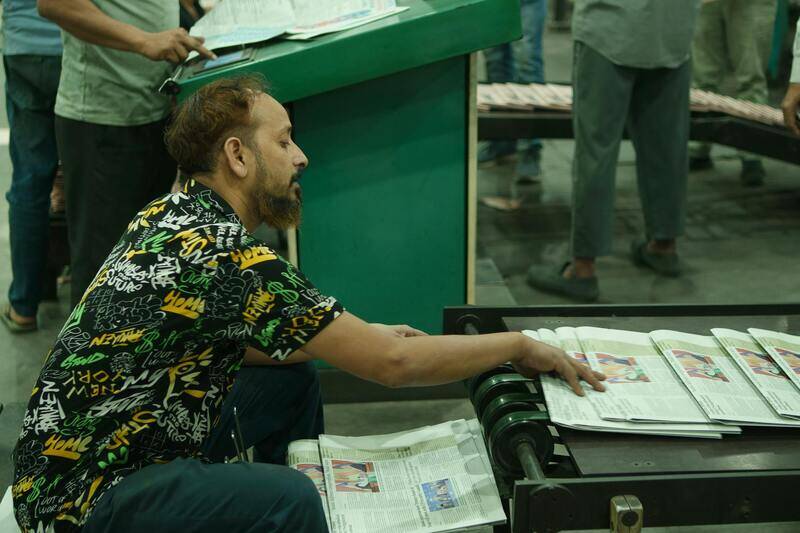
Each service type comes with its own pricing model, which is influenced by the specifics of the job. For instance, digital printing is ideal for small to medium runs and offers flexibility with quick turnarounds, but might be pricier per unit compared to offset printing for larger orders. Large format and specialty printing, though often more costly upfront, provide excellent visual impact for marketing and branding purposes. It's crucial to match your project requirements with the appropriate printing service to optimize both quality and cost efficiency.
Factors Influencing Colour Printing Prices
Understanding the elements that affect the cost of colour printing enables businesses and individuals to make informed decisions while managing their budgets effectively. Several core variables play a significant role in determining the final price charged by printing providers.
Print Volume and Quantity
One of the most substantial factors influencing pricing is the volume of prints ordered. Generally, purchasing larger quantities results in a lower cost per unit due to economies of scale. For small-scale projects, such as business cards or sample flyers, costs tend to be higher per piece. Conversely, bulk orders like pamphlets, posters, or booklets benefit from reduced unit prices, making them more economical for extensive campaigns or distribution.
Colour Complexity and Usage
The complexity and number of colours used in a design directly affect the printing price. Full-colour images, photographs, or designs with multiple shades require more sophisticated printing techniques and ink usage, which can increase costs. Simple designs with one or two colours are generally less expensive. The choice of colour profiles, colour matching, and the presence of special effects like gradients or varnishes also contribute to the overall expense.
Paper Quality and Material
The type and quality of paper significantly impact the cost structure. Premium materials such as glossy, matte, textured, or recycled papers often carry higher prices than standard options. Thicker or specialty papers that provide enhanced durability or a luxe feel can also add to the overall expenses. The size and weight of the paper, alongside specific finishes (e.g., lamination, embossing), influence the total cost as well.
Print Size and Dimensions
Large-format prints or oversized banners typically incur higher charges due to the increased material and longer setup times. Smaller prints, such as business cards or leaflets, tend to be more budget-friendly. The specific dimensions of the print, as well as the complexity involved in aligning or cutting, also determine the pricing structure.
Technology and Equipment Used
Advanced printing technologies such as UV coating, waterproof prints, or special finishes necessitate additional resources, specialized equipment, and materials, which can elevate costs. Digital printers are suitable for rapid, small batch jobs but might be pricier for high-volume projects, whereas offset printers excel with larger runs at lower per-unit costs, though setup fees might be higher initially.
Additional Design and Finishing Services
It’s essential to consider any extra services like design assistance, die-cutting, binding, or folding, which can influence the total price. Incorporating these finishing touches enhances the visual appeal and functionality of printed materials but should be accounted for when budgeting.

Factors Influencing Colour Printing Prices
Understanding the elements that impact the cost of colour printing helps businesses and individuals make informed decisions. Several key factors contribute to variations in pricing, and recognizing these can facilitate more accurate budgeting and selection of suitable printing options.
- Paper Quality and Type: The choice of paper significantly affects the overall expense. Standard coated or matte papers are generally more affordable, whereas premium materials like gloss, silk, or specialty textured papers increase costs. The thickness or weight of the paper also plays a role, with heavier stocks demanding higher prices due to increased material use and handling complexity. Specialty papers with unique finishes—such as metallic or transparent substrates—add further to the expenses.
- Print Size and Dimensions: Larger prints or banners naturally consume more resources and require extensive setup, thus raising the price. Small formats like flyers or business cards are typically more economical. Precise measurements matter; complex cuts, die-cut shapes, or intricate alignments can elevate costs, especially when specialized equipment or additional labour is involved.
- Color Complexity and Coverage: Full-colour designs that feature high-resolution images or extensive colour coverage tend to be more expensive due to increased ink usage and the need for precise colour management. Ongoing colour calibration ensures consistency across batches, but it can also contribute to higher costs, especially for large-volume prints.
- Printing Technology and Equipment: Technological choices directly influence pricing. Digital printing offers rapid turnaround and is ideal for short runs, but it can be more costly per unit for smaller quantities. Offset printing, on the other hand, is cost-effective for high-volume orders, despite higher initial setup fees. Specialty techniques like UV coating, waterproof finishes, or embossed details involve specialized machinery and materials, which inevitably add to the overall expenses.
- Additional Design and Finishing Services: Incorporating extra services such as graphic design, die-cutting, folding, or lamination can considerably impact the total cost. While these features enhance the visual appeal and functionality of printed items, they often require additional labour, materials, and time, all reflected in the final price.
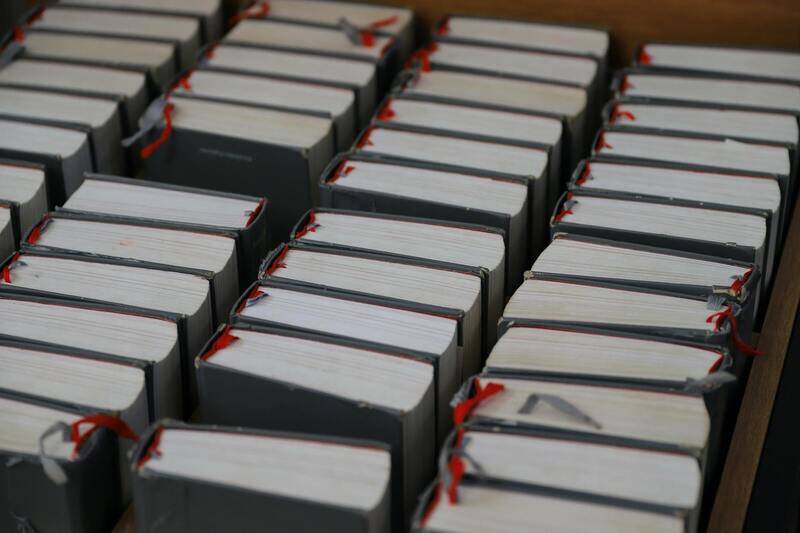
Types of Printing Services and Cost Variations
Different types of printing services cater to diverse needs and budgets, each with its own pricing structures:
- Digital Printing: Ideal for small runs and quick turnaround times. It offers flexibility with minimal setup costs, but the cost per unit can be higher for large quantities.
- Offset Printing: Suitable for high-volume printing, delivering cost efficiency at scale. Initial setup is more complex and costly, making it less ideal for short runs but economical for large batches.
- Large-Format Printing: Used primarily for banners, posters, or signage. This service incurs higher costs due to the size of the media and specialized equipment required.
- Specialty Printing: Techniques such as UV coating, embossing, foil stamping, or waterproofing create premium effects and involve unique materials and machinery, thus increasing the final price.
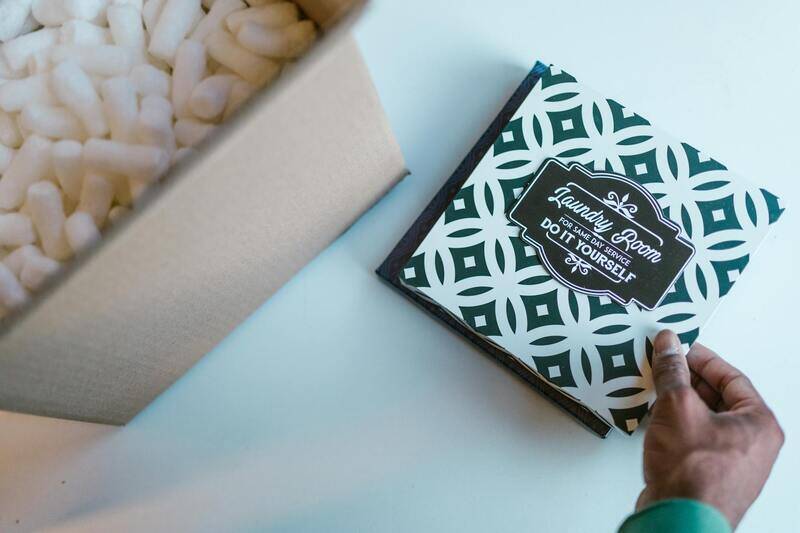
Types of Printing Services and Cost Variations
Understanding the diverse range of printing services available allows businesses and individuals to select options that best align with their budget and project requirements. Each type of printing employs distinct technologies, materials, and processes, which influence the overall cost structure.

Digital Printing
Digital printing is renowned for its flexibility and speed, making it an ideal choice for small print runs, prototypes, or projects requiring quick turnaround. Since digital presses operate directly from electronic files, they eliminate the need for printing plates, thus reducing setup time and costs. However, the per-unit cost tends to be higher compared to bulk offset printing, especially for larger quantities.
Offset Printing
This traditional printing method is favored for large-scale productions due to its efficiency and cost-effectiveness at volume. Offset printing involves creating plates and running sizeable print batches, which amortizes setup expenses over numerous copies, resulting in lower costs per unit. The initial setup, however, is more extensive and costly, making offset less practical for small quantities or one-off projects.
Large-Format Printing
Primarily used for banners, posters, and signage, large-format printing requires specialized machinery capable of handling wider media. Due to the size and the additional equipment, costs are generally higher. The materials used, such as vinyl or canvas, also contribute to increased expenses, especially when high-resolution images and vibrant colours are needed.
Specialty Printing Techniques
For premium finishes and unique visual effects, specialty printing techniques significantly influence pricing. UV coating, embossing, foil stamping, waterproofing, and other intricate processes necessitate advanced machinery and specialized materials. These enhancements enhance the aesthetic appeal and durability of printed items but come with elevated costs due to the complexity and additional labour involved.
Cost Impact of Finishes and Features
- Embossing and Foil Stamping: Adds a tactile and metallic effect, suitable for branding and luxury packaging.
- Lamination and Coatings: Improve durability and visual appeal but incur extra material and processing costs.
- Specialty Papers and Materials: Higher quality or textured papers increase the overall price but can significantly elevate the perceived value.
Choosing the right printing service involves weighing these cost considerations against the desired quality and impact of the final product.

Additional Costs and Fees
While determining the basic colour printing price is fundamental, it is equally important to consider the supplementary costs that may influence the overall expense. These additional fees can vary depending on specific project requirements, materials, and finishing options. Understanding these potential charges helps clients accurately budget for their printing needs and avoid surprises.
Setup and Artwork Preparation Fees
Many printing services charge for preparing digital files for printing, including file adjustments, proofs, and color calibration to ensure the final output matches client expectations. This is especially relevant for complex designs requiring multiple revisions or specialized color management processes. Setup fees are typically one-time costs that cover initial adjustments and digital proofing to prevent errors during printing.
Finishing and Binding Costs
Adding finishing touches such as laminations, UV coatings, embossing, foil stamping, or die-cutting enhances the appearance and durability of printed items. These embellishments, however, come with additional charges depending on the complexity and scope of work. Binding options, including saddle stitching, perfect binding, or spiral binding, also influence the total cost, particularly for booklets, catalogs, or manuals.
Rush Order and Delivery Fees
Expedited services for urgent printing projects often entail premium charges. When deadlines are tight, printers may need to prioritize your order, use overtime labor, or work with expedited shipping methods. Delivery fees depend on the location and chosen logistics method; localized services might include free or low-cost delivery, whereas distant or international orders could incur higher charges.
Specialty Material Surcharges
Using premium or textured paper, eco-friendly inks, or uniquely shaped materials can increase costs. These materials often require specific handling or advanced printing techniques, contributing to the overall price. It is advisable to discuss material options with the printer to ensure alignment with the budget while maintaining desired quality standards.

Additional Charges for Multiple Copies
Bulk printing orders typically benefit from reduced unit costs; however, small quantities can sometimes incur higher per-piece prices due to setup and material wastage. Clarifying minimum order requirements and volume discounts beforehand ensures that clients receive the most cost-effective solution for their specific needs.
Tips to Get Affordable Colour Printing Prices
- Plan your print quantities carefully to balance volume discounts with immediate needs.
- Choose standard sizes and basic finishes to minimize additional fees.
- Request detailed quotations including all potential charges to compare options effectively.
- Opt for local printers to reduce shipping costs and turnaround times.
- Consolidate multiple projects to benefit from economies of scale.
- Discuss your budget openly with the printer to explore cost-effective material and finish options.
Choosing a Printing Service Based on Price and Quality
The selection of a printing provider goes beyond merely comparing prices. It is essential to evaluate their portfolio, quality standards, and customer reviews to ensure that the final product meets your expectations. Transparent pricing, detailed quotations, and clear communication about all potential costs help build confidence and prevent hidden charges.
Properly balancing cost considerations with quality ensures your print projects achieve the intended visual impact while remaining within budget. Leveraging industry expertise and exploring various service options allows you to select a provider that offers both value and excellence in colour printing.
Understanding the Pricing Structure of Colour Printing
Colour printing prices are typically determined by a combination of factors that factor into the overall cost a business or individual will pay. It's important to recognize the various elements that influence the final pricing to make informed decisions. These components include the complexity of the design, the type of printing technology employed, the choice of materials, and the project specifications, such as size and quantity.

Key Factors Impacting Colour Printing Pricing
- Design Complexity: Intricate designs with multiple colours, gradients, and fine details often require more time and precision, which can increase costs.
- Printing Technology: Digital printing tends to be more cost-effective for small runs, whereas offset printing offers competitive rates for larger quantities due to setup efficiencies.
- Material Quality: The choice of paper type, finish (glossy, matte, satin), and specialty materials directly affects the base costs of printing projects.
- Quantity: Bulk orders usually benefit from volume discounts, lowering the per-unit price. Conversely, small quantity runs may incur higher costs due to setup and material usage.
- Finishing and Additional Features: Options such as lamination, UV coating, die-cutting, and binding add to the overall price but enhance durability and visual appeal.
Variations Across Different Printing Types
The method of printing significantly influences pricing. For instance, digital colour printing is ideal for quick turnaround projects with low to moderate volume, offering flexibility without substantial setup charges. Offset printing, while incurring higher initial setup costs, becomes more economical with large volume orders due to its speed and efficiency. Other methods like flexography or screen printing, though less common for typical business materials, have their own pricing structures based on complexity and scale.
Understanding Pricing Models and Requesting Quotations
Most reputable printing companies operate using either a flat rate system based on standard parameters or a custom quote model. To obtain accurate pricing, clients should provide comprehensive project details, including artwork files, preferred materials, size specifications, and desired finishes. This enables the service providers to prepare detailed quotations, outlining costs for each element. Transparency in pricing helps clients compare options effectively and avoid unexpected charges.
Indicative Price Ranges for Colour Printing in Singapore
While prices can vary depending on the aforementioned factors, typical costs for basic colour printing projects in Singapore provide a benchmark for budgeting. For standard flyers or leaflets of A4 size, prices can range from $0.20 to $0.50 per piece, with discounts applied as order quantities increase. Business cards, depending on quality and finish, usually cost between $0.10 and $0.30 each. Larger banners or posters may range from $10 to $50 per unit based on size and material quality.
It's advisable to request multiple quotations from different local printers to compare prices and services. Paying attention to turnaround times, included finishes, and the reputation of the provider ensures a balanced approach between cost and quality. Being aware of price ranges enables clients to plan their budgets more accurately, avoiding overspending while still achieving high-quality print results.
Overview of Colour Printing Pricing
Understanding the structure of colour printing prices is essential for businesses and individuals aiming to allocate budgets effectively. The cost of colour printing encompasses several components, including materials, labour, machine operation, and finishing processes. While some providers adopt fixed rates for specific products, others prefer customized quotations tailored to individual project specifications. This differentiation allows for flexibility in pricing, depending on the scope and complexity of the printing job. Typically, pricing varies based on quantity, colour complexity, paper quality, and additional features such as lamination or embossing. Accurate estimation begins with clear communication regarding project specifications, enabling printing services to deliver precise quotes reflective of the work involved.
Factors Influencing Colour Printing Prices
- Print Volume: Higher quantities usually benefit from bulk discounts, reducing the unit cost. Small orders tend to have higher per-piece prices due to setup and handling overheads.
- Material Quality: Premium papers and specialty finishes elevate costs but offer enhanced durability and aesthetic appeal. Material choice directly influences both the budget and the perceived value of the printed items.
- Type of Colour Printing: Some methods, such as offset printing, are more cost-effective for large runs, whereas digital printing is preferred for short runs to control costs.
- Design Complexity and Colour Use: Projects with intricate designs or a high number of colours require more elaborate setup, increasing costs compared to simpler, single-colour prints.
- Finishing Options: Add-ons like die-cutting, lamination, UV coating, or embossing contribute additional expenses, but significantly enhance the final presentation.
- Turnaround Time: Expedited services often incur higher prices due to priority processing and overtime work.
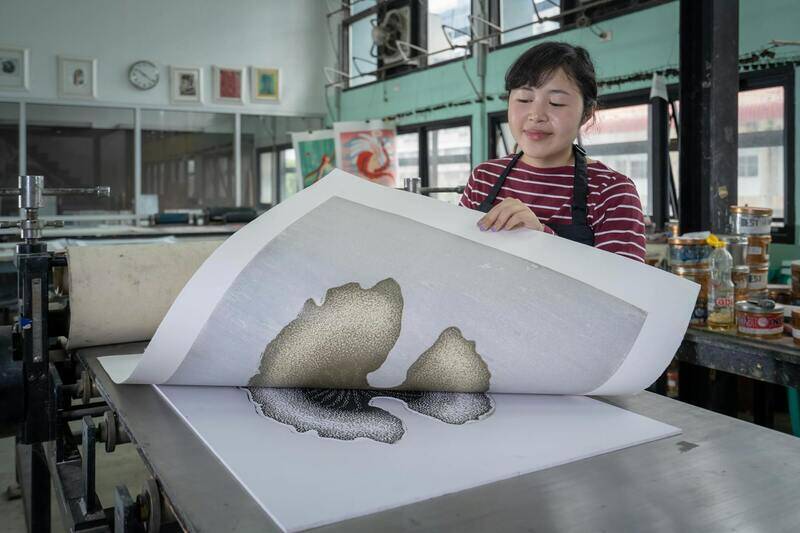
Types of Printing Services and Cost Variations
Colour printing services in Singapore span various methods, each with distinct cost implications. Digital printing is ideal for short-run projects with fast turnaround times, typically offering prices from $0.20 to $0.50 per piece for standard flyers or brochures. Offset printing, on the other hand, is more cost-effective for large quantities, providing economical per-unit prices when dealing with high-volume orders. Specialised printing options, such as wide-format printing for banners and large posters, usually charge per square metre rather than per piece, with prices varying based on material and size.
Requesting sample prints prior to bulk production can assist in assessing quality and ensuring that the chosen method aligns with your budget and expectations. Furthermore, some print providers offer bundle discounts for multiple job types or repeat business, fostering cost savings over time.
Pricing Models and Quotation Processes
Establishing transparent pricing begins with understanding the quotation models commonly employed by reputable printers. Flat-rate pricing is often used for straightforward projects with predefined parameters, offering clients predictability and ease of budgeting. Custom quotations, however, provide precise figures based on detailed project specifications, including artwork, material, size, and additional finishes. To facilitate accurate quotes, clients should prepare comprehensive artwork files, specify preferences for paper quality, colour accuracy, and the desired turnaround time.
Many printers utilize digital quoting systems that generate instant estimates based on entered parameters, whereas more complex projects may require manual review and detailed consultation. Regular communication with service providers ensures clarity, helping to avoid unexpected costs or project delays. Comparing multiple quotations enhances the ability to balance cost and quality effectively, ensuring every element of the print job aligns with strategic objectives and budget constraints.
Typical Price Ranges for Colour Printing in Singapore
For standard promotional materials, typical colour printing costs are approximately $0.20 to $0.50 per flyer or brochure of A4 size. Business cards with high-gloss finishes often range from $0.10 to $0.30 each, depending on quantity and design intricacies. Large-format prints such as banners and posters can cost from $10 to over $50 per unit, with price variations based on size, material, and finishing touches. When planning print projects, it's advisable to request multiple quotations, compare the included services, turnaround times, and reputation of the printer, providing a comprehensive view of potential expenses.
Additional Costs and Fees
Aside from base printing charges, several supplementary costs can influence the total expenditure. These include artwork preparation fees, especially if designing services are required, or costs associated with colour calibration to ensure colour fidelity across different prints. Finishing options such as lamination, embossing, or die-cutting are charged separately and should be factored into the overall budget. Additionally, expedited delivery options typically incur higher fees to accommodate tight deadlines.

Overview of Colour Printing Pricing
Understanding the cost structure of colour printing is essential for businesses and individuals seeking high-quality visual materials without overspending. Pricing typically depends on a combination of factors including the type of print job, volume, material, and additional finishing options. By analyzing these core elements, clients can estimate budgeting needs and choose appropriate service providers who deliver value alongside quality.
Factors Influencing Colour Printing Prices
Several critical aspects influence the overall cost of colour printing. These factors often include the complexity of the design, colour accuracy requirements, the type of printing technology employed, quantity ordered, and turnaround time. For example, prints requiring precise colour matching or special inks generally incur higher costs due to additional calibration and material expenses.
- Print Volume: Larger quantities typically benefit from bulk discounts, reducing the per-unit price. Small runs, however, tend to be more expensive on a per-piece basis.
- Material Quality: Premium paper stocks or specialty materials such as silk or textured finishes elevate costs compared to standard options.
- Design Complexity: Intricate graphics, gradient effects, and high-resolution images necessitate more advanced printing techniques and longer setup times, raising the final price.
- Colour Fidelity Requirements: Ensuring colour consistency and vibrancy across all prints requires precise calibration and, sometimes, additional process steps, which can increase costs.
- Turnaround Speed: Expedited delivery options generally attract premium charges to prioritize production schedules.
Types of Printing Services and Cost Variations
The kind of printing service selected has a direct impact on pricing. Digital printing, offset printing, large-format, and specialty printing each offer different benefits and cost implications:
- Digital Printing: Ideal for short to medium runs with fast turnaround times. Costs are usually lower per unit for smaller quantities but can escalate with larger volumes.
- Offset Printing: Suitable for high-volume projects, offering consistent colour quality and cost efficiency for bulk orders. Initial setup costs are higher, but unit prices decrease substantially with volume.
- Large-Format Printing: Used for banners, posters, and signage. Pricing typically depends on material size, material type, and finishing options.
- Specialty Printing: Includes techniques like embossing, foil stamping, or eco-friendly inks, which are priced higher due to their specialized nature.
Pricing Models and Quotation Processes
Most printing providers offer detailed quotations based on specific project details. Pricing models often involve:
- Per-Unit Pricing: Common for small runs, calculated based on the number of items, type, and finishing options.
- Project-Based Quotations: Custom quotes tailored to larger or more complex jobs, considering all variables such as layout, materials, and deadlines.
- Volume Discounts: Reduced rates for bulk orders, encouraging larger quantity commitments.
Clients should prepare detailed print specifications and extensive design files when requesting quotations to receive accurate and comparable estimates. Transparency about the scope and expectations helps avoid unexpected costs during project execution.
Typical Price Ranges for Colour Printing in Singapore
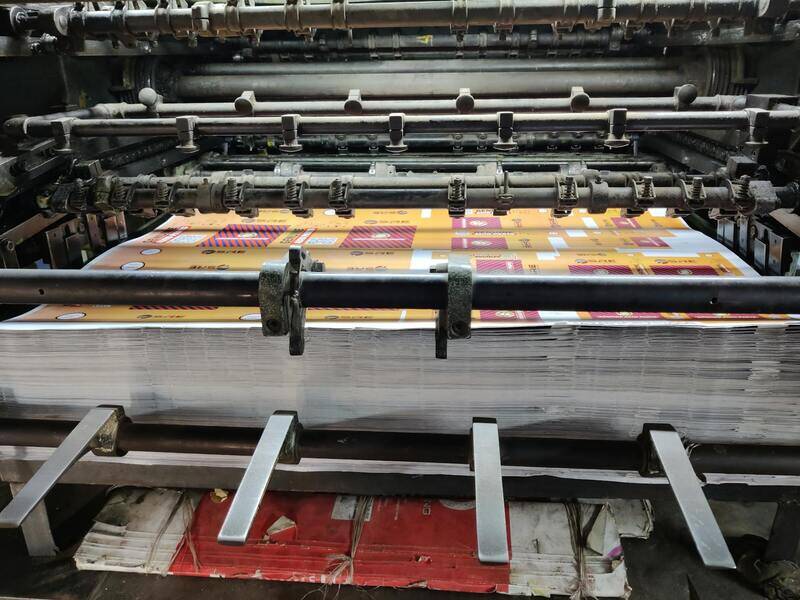
Standard promotional print items, such as flyers and brochures of A4 size, generally cost between $0.20 and $0.50 per piece. Business cards with high-gloss finishes can range from $0.10 to $0.30 each, depending on the material and quantity ordered. Large-format prints for banners, posters, and signage vary widely—from $10 to over $50 per unit—depending on dimensions, material, and complexity of finishing touches. It’s advisable to obtain multiple quotes and compare services offered, such as turnaround times, material options, and finishing treatments, to ensure cost-effectiveness without compromising quality.
Additional Costs and Fees
Besides the basic printing charges, several supplementary fees can contribute to the final budget. These include:
- Artwork Preparation: Charges for designing or preparing artwork files, especially if the client requires professional design services.
- Colour Calibration: Ensuring consistent colour output across different print runs may involve additional setup or calibration costs.
- Finishing Options: Lamination, embossing, die-cutting, and other embellishments often come with separate fees, typically charged per piece or as a package.
- Delivery and Logistics: Expedited or remote delivery services are available at an extra cost to meet tight schedules or specific location requirements.

Tips to Get Affordable Colour Printing Prices
To optimise costs while maintaining quality, consider the following strategies:
- Plan your print volume carefully to benefit from discounts associated with larger orders.
- Choose standard sizes and materials that are readily available to reduce production time and costs.
- Limit the number of colours used or opt for spot colours instead of full-colour process printing when appropriate.
- Coordinate multiple print items within a single project to streamline setup and reduce overall expenses.
- Request comprehensive quotations from several providers to compare not just prices but also the scope of services, turnaround times, and quality assurances.