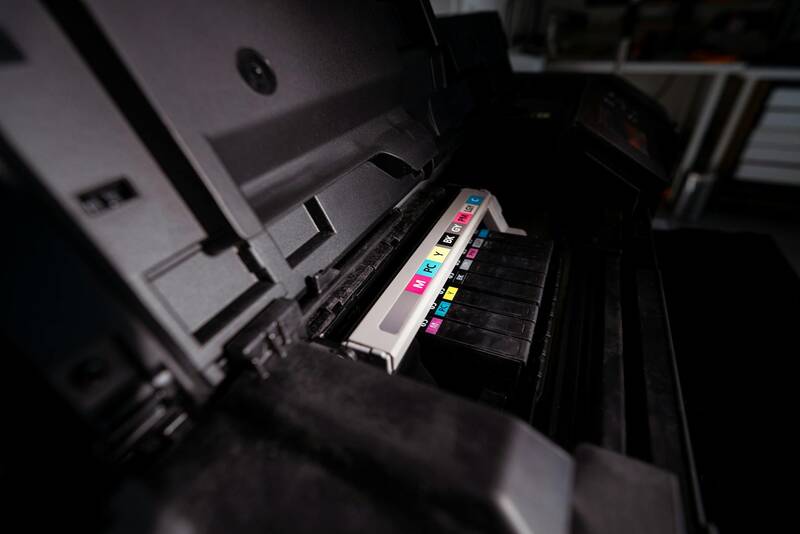
Overview of Color Printing
Color printing has become an integral component of the modern printing industry, offering vibrant and detailed visual representations that enhance communication and branding efforts. This printing process involves the reproduction of images and text in a multitude of colors through specialized printing techniques, allowing for the creation of visually appealing materials ranging from marketing collateral to educational materials. In Singapore's competitive marketplace, color printing serves as a vital tool for businesses aiming to differentiate their products and services, providing high-quality visuals that attract customer attention and foster brand recognition. The advent of color printing has significantly broadened the scope of printed media, enabling more expressive and eye-catching outputs. This is particularly prominent in sectors such as advertising, packaging, and personalized printing, where color fidelity and vibrancy are crucial for effective messaging. The evolution of color printing technology has also contributed to increased efficiency, reducing turnaround times while maintaining precise color accuracy. Furthermore, color printing's significance extends beyond commercial applications. It plays a pivotal role in educational and artistic contexts, providing detailed and true-to-life color representations that support learning and creative expression. As the printing industry continues to innovate, the importance of mastering color printing techniques and managing color consistency becomes more evident, especially for businesses striving to deliver high-impact visual content. With the rising demand for high-definition, color-rich outputs, Singapore's printing service providers are adopting advanced color management systems and state-of-the-art printing presses. This ensures the production of vibrant, consistent, and high-quality prints across various materials. Whether for corporate branding, promotional items, or personal projects, color printing remains a cornerstone of modern print media, underpinning the visual communication strategies of organizations across Singapore.

Types of Color Printing Techniques
To ensure vibrant and precise color reproduction, understanding the primary color printing techniques is essential. Each method offers distinct advantages tailored to specific project requirements, production volumes, and material types. The most prevalent techniques include digital printing, offset printing, and large-format printing, each serving a unique role in the world of color printing.
Digital Color Printing
Digital color printing leverages computer-controlled processes to produce images directly from digital files. This method is renowned for its quick turnaround times, high flexibility, and cost-effectiveness for short runs or custom projects. Digital printers use advanced inkjet or laser technology to deliver vibrant colors with fine detail, making it ideal for producing marketing materials, personalized items, and smaller batch jobs.
Offset Color Printing
Offset printing remains the gold standard for high-volume production of high-quality color prints. It involves transferring ink from a plate onto a rubber blanket, then onto the printing surface. This process allows for consistent color accuracy across large runs, making it suitable for producing magazines, catalogs, and detailed packaging. Offset presses can utilize a wide range of inks, including special finishes that further enhance vibrancy and texture.
Large-Format Color Printing
The demand for expansive color visuals in banners, posters, and trade show displays has expedited the development of large-format color printing. These systems utilize wide printing heads capable of producing high-resolution images on a variety of materials such as vinyl, fabric, and paper. The ability to print with high vibrancy and detailed nuances makes large-format printing an essential component in outdoor advertising and creative visual displays.
Choosing the right technique depends on factors like project volume, desired quality, material type, and budget constraints. Each method contributes uniquely to achieving the color-rich outputs vital for impactful visual communication across diverse industries.
Color Management and Calibration
Effective color management is pivotal in ensuring that the hues and tones in printed materials match the original design specifications. Central to this process are advanced color management systems (CMS) that utilize a combination of hardware and software to control and predict color output across all devices involved in the production chain. Implementing a robust CMS involves creating color profiles for printers, monitors, and the printing environment, which serve as reference standards for consistent color reproduction.
Calibration plays a vital role in maintaining this consistency. Regular calibration of printing devices ensures that each machine adheres to standard color output, reducing variances caused by wear and environmental factors. This involves adjusting printer settings, ink levels, and aligning color output to match specified profiles accurately.

Color profiles, often created using hardware calibration tools and software, serve as the backbone for managing color across different platforms. By embedding these profiles into the workflow, printers can accurately interpret colors from digital files and translate them into the printed output. This practice ensures that the final product maintains fidelity with the original design, regardless of the printing method or material.
Moreover, employing standardized procedures for color checking and proofing minimizes errors and streamlines production. Proofing, in particular, allows for previewing the final appearance, making adjustments before the full print run, which is essential in achieving precise results.
Ensuring Consistency in Color Reproduction
- Use of calibrated color management systems to maintain uniformity
- Creation and application of specific color profiles tailored for each printer and material
- Regular calibration routines to adapt to equipment usage and environmental changes
- Initial and ongoing color proofing to verify output accuracy
- Adoption of industry standards and best practices for color consistency
Impact on Quality and Client Satisfaction
Accurate color reproduction through meticulous management and calibration directly affects the quality of printed materials, leading to enhanced visual appeal and brand consistency. Clients benefit from dependable results, especially when color accuracy is critical, such as in corporate branding, product packaging, and marketing campaigns. Maintaining high standards in color calibration reinforces a company's reputation for professionalism and precision in printing services.

Overview of Color Printing
Color printing has revolutionized the print industry by enabling the reproduction of vibrant, detailed images and designs that resonate with audiences and enhance brand storytelling. It involves the process of replicating the full spectrum of colors onto various substrates, ensuring that the final printed product mirrors the intensive hues and subtle shading of digital artworks. This technology expands creative possibilities, allowing businesses, organizations, and individuals to produce compelling visual content that captures attention and communicates effectively.

From marketing brochures to packaging and fine art reproductions, color printing offers unmatched versatility and impact. Modern advancements in printing technologies have enhanced speed, resolution, and color fidelity, making professional-grade color output accessible and cost-effective for various projects. Reliable color reproduction is crucial for maintaining consistency across large print runs and multiple media, which in turn supports brand integrity and visual identity.
Types of Color Printing Techniques
Several prominent techniques underpin professional color printing, each suited for specific applications, substrates, and quality requirements. Understanding these techniques enables the selection of the most suitable method to achieve desired outcomes efficiently.
- Offset Printing: Known for its high quality and cost-efficiency in large volumes, offset printing utilizes plates to transfer ink onto a rubber blanket and then onto the printing surface. It allows for precise color matching, vibrant imaging, and is ideal for commercial printing jobs such as catalogs, magazines, and promotional materials.
- Digital Printing: This method directly applies digital images onto substrates, bypassing the need for printing plates. It offers quick turnaround times, cost-effective short runs, and easy customization, making it suitable for personalized marketing materials, short-run brochures, and on-demand printing.
- Solvent and UV Printing: These advanced techniques employ solvent-based inks or ultraviolet light to cure inks instantly. They are excellent for printing on non-traditional surfaces like plastics, metals, and textiles, providing durability and vivid color output.
- Flexography: Primarily used for packaging and labels, flexography employs flexible relief plates and fast-drying inks for continuous production on diverse materials, including films and corrugated boards.

Color Management and Calibration
Achieving consistent and precise color output hinges on effective color management and calibration practices. These processes are fundamental in aligning digital files with the physical printed result, ensuring that color rendition remains faithful across various devices and substrates.
Key components of effective color management include:
- Color Profiles: Creating and utilizing specific color profiles for each printer and material, which serve as standardized references to ensure uniform color reproduction.
- Calibration Routines: Regular calibration of printers and monitors to compensate for environmental conditions and equipment wear, maintaining consistent output quality.
- Proofing Procedures: Digital or physical proofs are used to preview the final product, allowing for adjustments before the actual print run. This step minimizes errors and discrepancies, safeguarding project integrity.
- Standards Adoption: Applying industry-wide standards and best practices for color consistency, including ICC profiles and standardized workflow protocols.
Proper calibration not only enhances visual quality but also reduces waste, optimizes ink usage, and accelerates production timelines, translating into cost savings and higher client satisfaction.
Impact on Quality and Client Satisfaction
Precision in color reproduction directly influences the perceived quality of printed materials. When colors are accurately matched and consistent throughout a print job, the final product exudes professionalism and aligns with branding standards. This consistency builds trust with clients and stakeholders, reinforcing brand recognition and visual impact.
For markets where color accuracy is pivotal—such as corporate branding, luxury packaging, and promotional campaigns—meticulous color management ensures that the printed output meets exact expectations. Maintaining high standards in color fidelity fosters long-term relationships with clients, supports brand integrity, and elevates the reputation of printing service providers.
Technicians engaged in regular calibration and quality control checks are instrumental in achieving these outcomes, ensuring that each print run aligns with the artistic or branding vision set forth at the outset.
Color Printing Materials and Inks
Choosing the right materials is fundamental to achieving high-quality color prints that are vivid, durable, and true to the intended design. The selection of papers, substrates, and inks directly influences the final appearance, longevity, and overall effectiveness of the printed materials. For professional color printing, a comprehensive understanding of these components ensures optimal results aligned with project specifications.
Types of Printing Substrates
The substrate forms the surface onto which ink is transferred during the printing process. Common substrates include:
- Coated Papers: These papers have a smooth surface coated with materials like clay, enhancing ink adhesion and vibrancy. They are ideal for high-resolution images and photographic prints.
- Uncoated Papers: Featuring a more porous surface, uncoated papers provide a softer finish, suitable for art prints, brochures, and more organic design styles.
- Specialty Materials: Including vinyl, canvas, or fabric, these substrates are used for banners, posters, and outdoor signage, demanding specific ink compatibility for durability.
Types of Inks for Color Printing
Inks play a vital role in defining color accuracy and vibrancy. The most prevalent types include:
- Solvent Inks: Known for their excellent adhesion and weather resistance, these inks are suitable for outdoor applications and wide-format printing.
- UV-Curable Inks: These inks cure instantly under ultraviolet light, providing durability and vibrant colors for specialty printing needs, including signage and fine art.
- Water-Based Inks: Favored for their eco-friendliness and lower VOC emissions, they are commonly used for commercial printing on coated papers and textiles.
- Dye-Based vs. Pigment-Based Inks: Dye inks offer bright colors and smooth graduations, while pigment inks provide enhanced longevity and water resistance, making them suitable for archival-quality prints.
Material Compatibility and Handling
Ensuring that the selected ink type is compatible with the substrate is critical to prevent issues like smudging, color bleeding, or poor adhesion. Proper handling, storage, and application techniques are essential to maintain the integrity of inks and substrates, thereby optimizing color fidelity and durability of the final print.
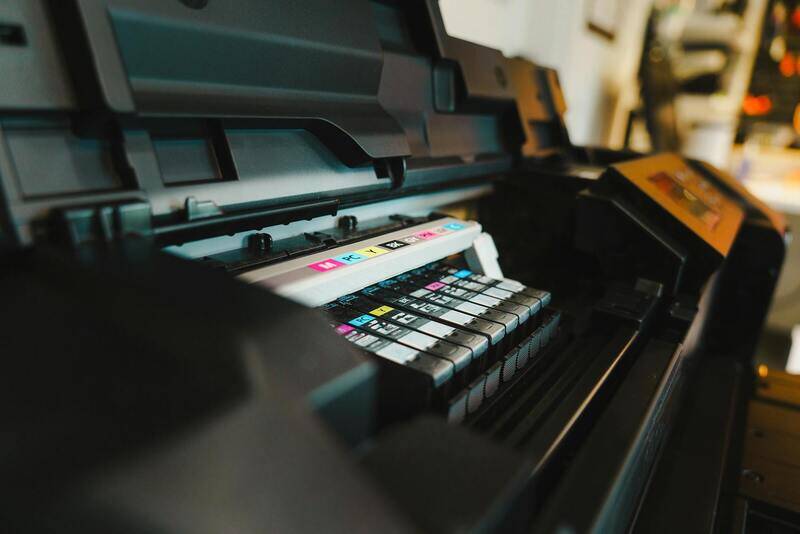
Color Printing Materials and Inks
Selecting the appropriate materials and inks is fundamental to achieving superior color output in printing projects. The choice of substrate—whether paper, fabric, vinyl, or specialty materials—significantly influences the vibrancy, durability, and overall quality of the print. Each material has unique properties that interact differently with various types of inks, requiring compatibility considerations to ensure optimal results.
When it comes to inks, understanding their properties and suitable applications is essential for maintaining color fidelity and longevity. The most common types of inks used in professional color printing include solvent inks, UV-curable inks, water-based inks, and pigment-based versus dye-based inks.
Types of Inks for Color Printing
- Solvent Inks: These inks excel in adhesion to non-porous surfaces and offer excellent weather resistance, making them ideal for outdoor signage that must withstand environmental elements.
- UV-Curable Inks: Curing instantly under ultraviolet light, these inks produce vibrant colors with high durability, suitable for fine art, signage, and signage that require long-lasting results.
- Water-Based Inks: Valued for their eco-friendliness and lower VOC emissions, water-based inks are especially effective in commercial printing on coated papers, textiles, and environmentally sensitive projects.
- Dye-Based vs. Pigment-Based Inks: Dye inks provide bright, vivid colors with smooth graduations but may lack longevity. In contrast, pigment inks offer better water resistance and color retention, making them preferable for archival and high-durability prints.
Material Compatibility and Handling
Ensuring ink compatibility with printing substrates is crucial to prevent issues such as color bleeding, smudging, or poor adhesion. For outdoor applications, solvents and UV-curable inks tend to provide better resistance against weathering, while water-based inks are suitable for indoor displays and textiles. Proper handling, storage, and application techniques—such as keeping inks at recommended temperatures and protecting them from contamination—are vital for maintaining their properties.
Additionally, the surface preparation of substrates, including cleaning and priming, can influence the final vibrancy and adherence of inks, directly impacting color accuracy. Selecting high-quality, industry-standard inks and materials guarantees that color reproduction remains consistent across batches, ensuring brand integrity and customer satisfaction.

Overview of Color Printing
Color printing encompasses a range of techniques and technologies that enable the reproduction of full-color images and designs across various media. It plays a crucial role in creating visually engaging marketing collateral, packaging, signs, and promotional materials. Precision in color reproduction is vital for brand consistency and impactful visual communication, requiring advanced printing methods and meticulous color management processes. The demand for high-quality color output is continuously evolving, driven by technological innovations and increasing consumer expectations for vibrant, true-to-life imagery.
Types of Color Printing Techniques
Different printing processes are utilized in color printing, each suited to specific applications and volume requirements. Understanding these techniques aids businesses in selecting the appropriate method for their needs:
- Offset Printing: Widely used for high-volume commercial printing, offset printing offers superior color consistency and sharp image quality. This method transfers ink from a plate to a rubber blanket, then onto the substrate, allowing precise color matching and vibrant output.
- Digital Printing: Ideal for short runs and on-demand printing, digital color printing eliminates the need for plates, enabling quick turnarounds. It is frequently employed for personalized marketing materials, short-run brochures, and direct mail with high-quality color fidelity.
- Flexography: Commonly used in packaging and label printing, flexography employs flexible relief plates and fast-drying inks suitable for printing on varied substrates like plastics, foils, and cartons.
- Gravure Printing: Predominantly used for high-volume packaging, gravure provides excellent image detail and consistent color reproduction, especially for magazines and decorative packaging.
- Screen Printing: This versatile technique is used for printing on a variety of surfaces, including textiles, plastics, and metal, offering vibrant colors and durability for promotional items and signage.

Color Management and Calibration
Achieving consistent and accurate color reproduction across different printing devices requires rigorous color management practices. This involves the use of standardized profiles, calibration procedures, and specialized software to ensure that colors appear uniformly regardless of medium or equipment. Proper calibration of monitors, printers, and proofing systems is essential for aligning digital designs with printed results, reducing discrepancies, and maintaining brand integrity.
Color calibration involves adjusting device outputs to match a known standard, often guided by color charts or calibration tools. This process helps in minimizing variations caused by ink, substrate, or environmental factors. Color management also includes creating and utilizing ICC profiles tailored to specific printers, inks, and media to ensure accurate color rendering, especially for complex color gradients and critical brand colors.
Benefits of Using Color Printing
Color printing offers numerous advantages for businesses seeking impactful and memorable visual communication:
- Enhanced Visual Appeal: Vibrant and high-resolution images capture attention and elevate the perceived value of printed materials.
- Brand Consistency: Accurate color reproduction ensures that brand colors are maintained across all printed collateral, strengthening brand recognition.
- Improved Communication: Color helps convey messages more effectively by emphasizing key elements and guiding viewer focus.
- Market Differentiation: Rich, full-color prints stand out in crowded retail environments, signage, and displays, giving businesses a competitive edge.
- Creative Flexibility: A wide color palette allows for innovative designs, complex images, and detailed illustrations that resonate with target audiences.
Color Printing Materials and Inks
The choice of materials and inks significantly influences the quality, durability, and vibrancy of printed results. High-quality substrates such as coated papers, textiles, and rigid boards are preferred for optimum ink adhesion and color clarity. Inks are formulated to suit specific applications:
- Dye-Based Inks: Known for their intense brightness and smooth color transitions, dye inks are ideal for promotional banners and display graphics requiring vivid imagery. However, they may be less resistant to water and UV exposure.
- Pigment-Based Inks: Offering enhanced longevity and resistance to environmental factors, pigment inks are suitable for outdoor signage, labels, and archival purposes where color retention is critical.
- UV and Solvent Inks: Designed for outdoor and industrial applications, these inks cure quickly under UV light and provide excellent weather resistance.
- Eco-Friendly Inks: Water-based and vegetable-based inks are increasingly favored for environmentally conscious projects, delivering vibrant colors with reduced VOC emissions.

Cost and Efficiency in Color Printing
Maximizing efficiency while managing costs is essential for successful color printing operations. Factors influencing costs include material selection, production volume, and the chosen printing technique. Offset printing, while requiring higher initial setup costs, offers lower per-unit expenses for large runs, making it cost-effective for high-volume projects. Digital printing provides flexibility with lower setup costs, suitable for small to medium quantities, and allows quick adjustments to designs or colors without added expenses.
To improve efficiency, many businesses adopt digital workflows, automated color management systems, and batch processing techniques. Investing in modern printing equipment with rapid startup times and high throughput capacities can significantly reduce turnaround times. Additionally, selecting cost-effective yet high-quality materials and inks compatible with specific substrates can contribute to substantial savings while maintaining desired print standards.
Accurate pre-press preparations, such as proofing and calibration, minimize waste and reprints, ensuring that the final output aligns with expectations and reduces overall costs. Efficient color separation, calibration, and quality control procedures streamline the entire printing process, ultimately supporting a sustainable and profitable operation.
Understanding Color Printing Cost and Efficiency
Achieving cost-effective and efficient color printing requires a strategic approach that balances quality with budget considerations. Modern printing environments employ a variety of methods to optimize productivity while controlling expenses. This involves careful selection of printing techniques tailored to specific project needs, as well as leveraging technological advancements that streamline workflow processes.
One of the primary factors influencing costs is the choice of printing technology. Offset printing, for example, involves higher initial investments due to the setup requirements but offers lower per-unit costs for large-scale runs. This makes it particularly suitable for bulk production, where economies of scale significantly reduce overall expenditure. In contrast, digital printing minimizes setup times and is more adaptable for small to medium quantities, providing a flexible and cost-efficient solution that allows quick adjustments to designs and colors without additional costs.
Efficient color management plays a pivotal role in controlling expenses while ensuring consistent output quality. Implementing automated color calibration tools and pre-press workflow automation reduces waste, minimizes reprints, and speeds up production. Proper pre-press preparations, including proofing and color matching, help prevent costly errors downstream. This meticulous attention to detail during setup and calibration ensures that the final print aligns with the intended design, reducing material wastage and saving resources.

Material choice also influences overall costs. Opting for cost-effective yet high-quality inks and substrates compatible with the selected printing process can lead to substantial savings. Fast-drying inks or environmentally friendly, low-odor inks not only improve workflow efficiency but also reduce environmental impact and compliance costs.
Strategies to Enhance Cost Efficiency in Color Printing
- Optimizing Print Runs: Match production volume with anticipated demand to prevent overproduction and excess inventory.
- Adopting Digital Workflows: Use digital pre-press and color management tools to streamline operations and reduce manual adjustments.
- Investing in Modern Equipment: High-speed, automated printers with rapid startup capabilities reduce turnaround times and labor costs.
- Material Selection: Choose substrates and inks that balance quality with affordability, considering durability and compatibility.
- Ongoing Training: Keeping operators updated on best practices ensures consistent quality and minimizes errors that lead to waste.
Monitoring production metrics continuously helps identify bottlenecks and inefficiencies, facilitating ongoing improvements. By integrating these practices, organizations can maintain top-quality color outputs while managing costs effectively, ultimately enabling sustainable growth in their printing operations.