Factors Affecting Color Printout Costs
Understanding the various factors that influence the cost of color printouts is essential for individuals and organizations seeking cost-effective printing solutions. Several key elements—from the choice of printer to the quality of consumables—play a pivotal role in determining overall expenses. Analyzing these components can help optimize printing strategies and manage costs effectively.

Printer Types and Their Impact on Costs
The type of printer used directly affects the expense associated with color printing. Inkjet printers, often favored for their versatility and quality, tend to have lower initial purchase costs but may incur higher ink costs over time. Laser printers, on the other hand, typically come with a higher upfront investment but are more economical for high-volume printing due to their faster speeds and lower cost per page. The decision between these two options should consider the volume of print jobs and desired output quality.
Ink Usage and Consumables
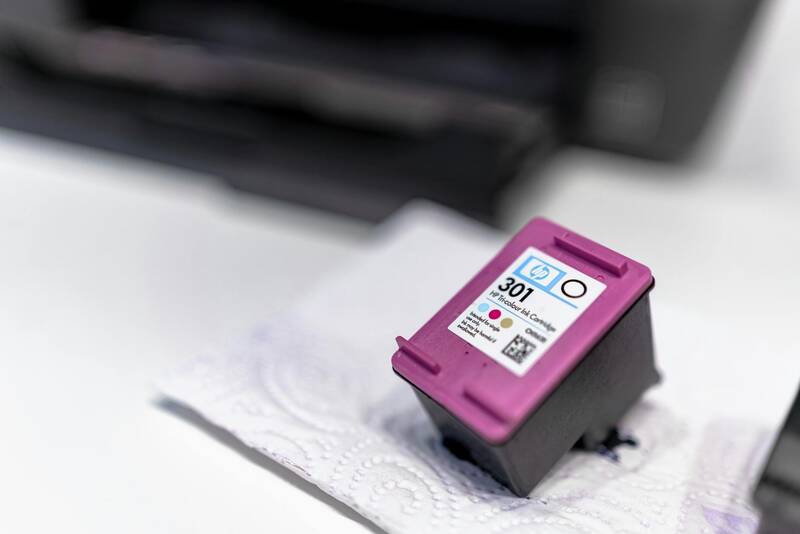
Color printing consumes various consumables, primarily ink or toner cartridges. The complexity of colors printed, frequency of printing, and cartridge efficiency influence costs significantly. High-quality, branded cartridges usually deliver better color accuracy but come at a higher price point. Replacing these consumables at regular intervals increases ongoing costs, especially in environments requiring frequent or large-volume color printouts.
Paper Quality and Type
The choice of paper also impacts cost. Standard office paper reduces expenses; however, premium papers designed for color printing enhance the vibrancy and longevity of prints but increase overall costs. Specialty paper types, such as glossy or heavyweight variety, typically demand higher prices and may require specific printer settings, further influencing costs.
Additional Factors
- Print Resolution: Higher resolutions consume more ink and toner, elevating costs.
- Printer Efficiency: Devices with energy-saving and cartridge management features can reduce expenses over time.
- Print Environment: Managing print schedules and settings helps minimize waste and control costs.
By meticulously evaluating these elements, users can make informed decisions that balance quality requirements with budget considerations. This approach ensures sustainable printing practices while maintaining high standards for color printouts.
Different Types of Color Printing Technologies
When evaluating the cost of color printouts, understanding the core printing technologies is essential. Each method carries distinct operational costs, quality outputs, and typical use cases that influence overall expenses.

Inkjet Printing
Inkjet printers are widely favored for their ability to produce vibrant colors and high-resolution images, making them ideal for photo printing and detailed graphics. The primary cost factor involves ink cartridges, which generally have a lower initial purchase price but can incur higher ongoing costs due to frequent replacements, especially when printing large volumes or color-intensive images. The ink's cost per cartridge, combined with the printer's efficiency in ink usage, plays a significant role in the overall color printout cost. Inkjet technology is suitable for small to medium-sized print jobs where color quality takes precedence over volume.
Laser Printing
Laser printers utilize a toner-based system, which often results in cost savings on high-volume print jobs. Toner cartridges tend to last longer than ink cartridges, and the cost per page is generally lower, particularly in black-and-white printing. However, color laser printers have higher initial purchase prices and more expensive color toner cartridges. Despite this, for larger print volumes, laser technology can offer better cost efficiency due to faster printing speeds and lower per-page costs. Laser printing is particularly beneficial for offices and workflows requiring consistent color output without frequent cartridge replacements.
Digital Printing
Digital printing encompasses a range of on-demand, high-quality printing processes suitable for short runs and customized projects. This technology often involves advanced equipment capable of delivering superior color accuracy and vibrancy. While digital printing can involve higher setup costs, its cost-effectiveness increases with smaller quantities or specialized applications where traditional bulk printing is less feasible. Digital presses are ideal for marketing materials, catalogues, or personalized prints where quality justifies the expense, and cost management depends largely on print volume and complexity.

Factors Affecting Color Printout Costs
Understanding the various elements that influence the cost of color printouts is essential for businesses and individuals aiming to optimize their printing expenses. Among the most significant factors are the type of printing technology employed, the quality and complexity of color output, and the choice of consumables such as ink or toner. Each of these components contributes uniquely to the overall expense involved in producing vibrant, high-quality color prints.
Choosing Appropriate Color Printing Technologies
The selection of a suitable printing technology directly impacts the cost of color printouts. High-end, sophisticated systems that deliver superior color accuracy typically require a higher initial investment and may involve increased maintenance costs. Conversely, more basic or cost-efficient options, while potentially less precise, can significantly reduce ongoing expenses. The decision hinges on the specific requirements of print quality, volume, and application, balancing performance against budget constraints.
Impact of Ink and Toner Quality
The quality and type of consumables used in color printing greatly influence costs. Premium inks and toners provide richer colors and sharper detail but entail higher purchase prices. Lower-cost options may save money upfront but could result in inferior color vibrancy and increased wastage due to uneven distribution or frequent replacements. Selecting the right balance ensures that printouts meet desired quality standards without unnecessary expenditure.
Complexity and Color Density
The complexity of a print—such as images with multiple color layers, gradients, or high-resolution graphics—necessitates more precise color management and often more ink or toner. High color density and intricate designs can elevate per-page costs. Conversely, simpler designs with limited color palettes tend to be more economical, especially when produced in larger quantities.
Image Placeholders

Being aware of these factors allows for strategic choices that align printing needs with budget considerations. Evaluating the primary purpose of each print job—whether for detailed marketing materials or basic internal documents—guides decisions that optimize cost efficiency while maintaining acceptable quality standards.
Additional Considerations
- Print Environment: The location and setup of printers, such as dedicated color printing stations versus multi-purpose devices, influence operational costs and convenience.
- Maintenance and Upkeep: Regular maintenance extends the lifespan of printing hardware and reduces unexpected expenses, indirectly affecting printout costs.
- Software and Color Management: Advanced color management software can minimize ink wastage by optimizing color profiles, resulting in more controlled and cost-effective printing.
Factors Affecting Color Printout Costs
Understanding the primary variables that influence the expense of color printing is essential for businesses and individuals aiming to optimize their print budgets. These factors encompass a range of technical specifications, operational practices, and environmental considerations.
Print Resolution and Quality Settings
The level of detail required in a color printout directly impacts the amount of ink or toner used. Higher resolution settings, such as 1200 dpi or above, produce sharper images but consume significantly more resources than standard resolutions like 600 dpi. Opting for appropriate quality settings based on the print’s purpose helps manage costs effectively. For internal documents or drafts, lower quality settings can suffice, whereas high-stakes marketing materials might justify higher expenditures for enhanced visual fidelity.
Choice of Color Palette and Color Management
Limited use of colors or pre-defined color schemes can reduce ink consumption. Advanced color management software and profiling ensure colors are consistent and efficient, avoiding excessive ink usage caused by unnecessary color richness or over-saturation. Proper calibration of printers further refines ink usage, preventing wastage caused by mismatched colors or faulty hardware.
Paper Quality and Type
The choice of paper influences printout costs both directly and indirectly. Thicker, coated papers tend to absorb more ink, increasing consumption, while thinner or uncoated papers may require fewer resources. Selecting the appropriate paper for each print job minimizes waste and ensures optimal ink adhesion, ultimately controlling overall costs.
Color Complexity and Image Content
Highly intricate images with gradients, high color densities, and detailed textures demand more precise printing processes, which translate into higher expenses. Simplified graphics with fewer colors or predominantly monochrome backgrounds are less costly to reproduce. When printing large volumes of documents, simplifying the design or reducing color richness can generate substantial savings.
Print Environment and Maintenance
Dedicated color printing stations typically operate more efficiently than multi-purpose devices that may not be optimized for color output. Regular maintenance, such as cleaning print heads and replacing consumables timely, ensures consistent print quality and prevents wastage caused by faulty hardware or poor calibration. Routine upkeep minimizes unexpected costs and prolongs equipment lifespan.
Software and Workflow Optimization
Implementing sophisticated color management tools and workflow automation can significantly reduce ink wastage. These systems optimize color profiles and automate layout processes, decreasing manual errors and unnecessary reprints. Additionally, software that tracks and manages print jobs helps users stay within budget by setting print limits or favoring more economical options.

Comparison of Color vs. Black-and-White Printout Costs
When evaluating the expenses associated with printing, color and black-and-white options exhibit notable differences. Color printing inherently requires more ink or toner per page due to the complexity of reproducing multiple hues. Additionally, the necessity for higher print resolutions and sophisticated color management elevates the cost profile for color outputs.
- Cost per page: Color pages can be two to five times more expensive than black-and-white pages, depending on the toner or ink type and printer efficiency.
- Maintenance and consumables: Color printers often have more complex componentry, such as multiple toner cartridges, which entail higher maintenance costs and replacement expenses.
- Operational factors: Color printing typically consumes more electricity and may require more frequent servicing, adding to the overall spend.
While color printing provides visual enhancement and impactful presentation, for routine documents or drafts, black-and-white printing remains the most cost-effective option. Strategic use of color—reserved for key materials—can help organizations balance quality with expenditure.
Future Trends in Color Printing Costs
Advancements in printing technology, including the advent of high-efficiency toner formulations and more sustainable inks, are poised to influence future cost structures. Digital and cloud-based print management solutions enable better control and tracking of expenses, further optimizing resource allocation. Moreover, increased adoption of hybrid systems that combine traditional and innovative printing techniques will potentially lower costs while maintaining high-quality standards.
Impact of Print Volume on Cost Efficiency
One of the most significant factors influencing the overall expense of color printing is the volume of pages produced within a given period. High-volume printing environments, such as corporate offices or print shops, often benefit from bulk pricing models, discounts, or contractual agreements that can substantially reduce per-page costs. Conversely, low-volume or sporadic printing tends to incur higher costs per page due to the fixed expenses associated with equipment maintenance and setup.
In high-volume settings, leveraging printer models with larger capacity toner cartridges or bulk ink options can lead to meaningful savings. These devices are designed to handle extensive workloads and often feature optimized print heads and energy-efficient operation, further decreasing operational costs. Additionally, implementing print management software helps monitor usage patterns, identify wasteful practices, and enforce policies that encourage responsible color application.
For organizations looking to maximize cost efficiency, understanding how print volume impacts expenses is crucial. This includes assessing the peak and off-peak printing demands, evaluating the lifespan of consumables, and selecting suitable equipment that balances speed, quality, and consumable longevity. When properly managed, increased print volumes can significantly lower the cost per color printout, making high-quality color materials more accessible without disproportionately escalating costs.

Choosing the Right Printing Service for Cost Savings
Selecting a professional printing provider involves evaluating multiple factors that directly impact color printout costs. It is advisable to compare service offerings based on pricing structures, print quality, turnaround times, and additional services like design assistance or finishing options. Reliable providers often feature transparent pricing models, allowing clients to estimate expenses accurately and plan their budgets accordingly.
Some print services impose tiered pricing or volume discounts that significantly reduce the cost per color printout, especially for larger jobs. Additionally, choosing services that utilize advanced printing technologies can lead to better color consistency and faster production times, ultimately lowering the total project cost. Sustainability practices, such as using eco-friendly inks and recycled papers, may also contribute to cost savings through compliance with environmental standards and potential tax incentives.
The decision should also factor in the complexity of the print job—such as color accuracy requirements, material specifications, and finishing techniques—to ensure the selected provider can meet all expectations without unnecessary expenses. Building a long-term relationship with a trusted printing partner can lead to negotiated rates and priority service, further optimizing cost efficiency for ongoing projects.

Factors Affecting Color Printout Costs
Understanding the various elements that influence the cost of color printouts is essential for optimizing expenditures. Primarily, the complexity of the color design plays a significant role—images with high color variation and detail demand more from the printer, resulting in increased ink consumption and longer processing times. The quality of materials used, such as premium paper or specialty substrates, can also elevate the overall cost. Standard paper options tend to be more economical, while high-gloss or matte finishes typically carry additional charges.
Another critical factor is the type of printing technology employed. Traditional inkjet and laser printers have different operational efficiencies and ink usage patterns; understanding these can guide decisions that balance quality and expense. The specifics of the printing environment, including humidity and temperature, may slightly influence ink absorption and drying times, potentially affecting productivity and cost. Additionally, the complexity of color calibration and the need for proofing or color matching services can add to the expense, especially for projects requiring precise color fidelity.
Service providers often include setup fees or minimum order quantities, which can impact the unit price. Larger, bulk orders tend to reduce the average cost per print due to economies of scale, making volume planning a vital component in budget management. It is also advisable to consider the turnaround time—rush orders or expedited services generally carry premium charges. Sustainable printing practices, such as using eco-friendly inks and recycled materials, might sometimes involve slight cost increases but can be offset by environmental incentives or improved brand perception.

Different Types of Color Printing Technologies
The choice of printing technology significantly impacts the cost structure of color printouts. Inkjet printers are versatile and are often preferred for small to medium-sized jobs with detailed color reproduction. These printers typically have lower initial costs but may incur higher ink costs per page, especially when high volumes are involved. Conversely, laser printers tend to be more cost-effective for larger quantities due to faster printing speeds and lower per-page costs, although their initial investment can be higher.
Another technology gaining prominence is dye sublimation printing, mainly used for high-quality photo prints and specialized applications. While offering superior color vibrancy, dye sublimation methods are generally more expensive due to specialized inks and equipment. Digital press systems, used in commercial settings, combine high capacity with advanced color management features, making them suitable for large runs with consistent quality, often resulting in decreased long-term costs.
Each technology presents a balance of upfront investment, operational costs, and output quality, which must be evaluated based on the scope and requirements of the print projects to achieve cost efficiency.

Pricing Models Used by Printing Service Providers
Print service providers typically employ various pricing models to structure their offerings, ensuring flexibility and transparency for clients. The most common approach is per-page pricing, where costs are calculated based on the number of color prints. This model often incorporates volume discounts, encouraging larger orders by reducing the unit price as quantity increases.
Another prevalent model involves flat-rate pricing for specific services or packages. For instance, a fixed rate for a set number of pages or a bundled service that includes printing, finishing, and delivery. Some providers also offer tiered pricing, where the cost per print is lower within predefined volume ranges, benefiting clients with large or recurring projects.
Additional costs such as setup fees, color calibration, and finishing options (like binding or lamination) may be included or charged separately. Transparent pricing structures that detail all potential charges help clients accurately estimate project costs and avoid unexpected expenses. A detailed quotation process often involves evaluating print quality, turnaround times, and additional services, enabling businesses to select options tailored to their budgets and quality standards.

Factors Affecting Color Printout Costs
Understanding the variables that influence the cost of color printouts is essential for managing budgets effectively. Several factors come into play, including the type of printing technology employed, the quality of ink or toner used, the complexity of the color images, and the choice of paper. For instance, high-resolution color prints with vibrant hues often require more ink and meticulous calibration, leading to higher expenses. Additionally, the size and format of the printed material, whether standard letter size or larger formats like posters and banners, directly impact the amount of ink consumed and the overall cost. Maintenance and calibration of printing equipment, especially for high-volume, professional-grade printers, also contribute marginally to the total expense. Print job complexity, such as detailed images or intricate color gradients, may necessitate multiple passes or specialized settings, increasing the relative cost. Understanding these factors aids businesses in predicting and controlling printout expenses.

Different Types of Color Printing Technologies
Various printing technologies are developed to cater to different needs, each with unique cost implications. Inkjet printers are widely used for their versatility and ability to produce high-quality images at relatively low initial investment. They are ideal for small to medium volumes, where the cost per page remains manageable. Laser printers, on the other hand, excel in high-volume environments due to their faster speeds and lower cost per page in large batches. Dye sublimation printers are specialized for printing on fabric and surfaces like mugs or textiles, often incurring higher material costs but offering vibrant, durable colors. Each technology determines not only the print quality but also the cost structure, with inkjet and dye sublimation often requiring frequent ink or dye replacement, while laser printers may have higher upfront costs but lower ongoing expenses.

Pricing Models Used by Printing Service Providers
Printing service providers typically adopt various pricing strategies to cater to diverse client needs. Per-page pricing is common, especially for small to medium jobs, where each color print incurs a fixed cost. Volume discounts are often offered, making large orders more economical and encouraging bulk printing. Flat-rate pricing is another popular approach, providing clients with a fixed fee for a set number of pages or a package deal that includes additional services like binding or finishing. Tiered pricing models adjust costs based on volume brackets, reducing the unit price as quantity increases—beneficial for consistent or large-scale projects. Additional charges may include setup fees for calibration, custom color matching, or finishing options. Transparent quotes and detailed pricing structures help clients plan their budgets accurately, minimizing unexpected costs and ensuring total project costs align with expectations.
Comparison of Color vs. Black-and-White Printout Costs
Color printing generally incurs higher costs compared to black-and-white due to the additional ink or toner required for multiple colors. The cost difference stems from the complexity of printing color images, which often require more precise calibration and higher-quality consumables. While black-and-white prints predominantly use toner or ink for monochrome, color prints utilize multiple cartridges or color channels, elevating expenses. Conversely, printers optimized exclusively for black-and-white output consume less ink or toner and benefit from faster printing speeds, reducing per-page cost. This distinction becomes critical when evaluating large print jobs, as opting for black-and-white printing can yield significant savings, especially for documents where color is unnecessary.
Tips to Minimize Color Printout Expenses
Managing color printout costs effectively involves strategic choices at several levels. First, utilize draft or economy modes available on many printers, which use less ink and toner while still providing legible results during proofing phases. Second, optimize color settings; adjusting brightness, contrast, and color saturation can reduce ink consumption without sacrificing quality. Third, choose high-yield ink cartridges or toner bottles, which lower the overall cost per page. Fourth, limit color usage to essential elements; converting unnecessary colored sections to black-and-white can significantly cut expenses. Fifth, invest in quality printers with energy-efficient and ink-saving features, ensuring long-term savings over frequent reprints or cartridge replacements. Lastly, establish clear printing policies within organizations that encourage responsible use of color printing, coupled with routine maintenance to prevent wasteful ink or toner consumption due to misaligned or malfunctioning equipment. These approaches collectively help control and reduce ongoing color printout costs.
Impact of Print Volume on Cost Efficiency
Volume plays a pivotal role in determining the cost efficiency of color printing. Higher volumes typically justify investments in faster, more sophisticated printing equipment capable of handling large workloads with lower per-unit costs. Volume discounts and tiered pricing models offered by many service providers also favor larger projects, making bulk print runs more economical. Conversely, small-scale printing often entails higher per-page costs, as fixed setup and calibration costs are spread over fewer pages. For businesses with frequent or large-volume needs, establishing a long-term relationship with a printing provider who offers favorable volume pricing can result in substantial savings. Additionally, consolidating print jobs and scheduling regular large print runs instead of sporadic smaller ones ensures optimal utilization of high-capacity equipment and reduces overall expenses. Recognizing the impact of volume helps organizations plan their projects strategically, balancing quality and budget constraints effectively.
Factors Affecting Color Printout Costs
Several key elements influence the total expense of color printing, ranging from technological choices to operational practices. Understanding these factors helps organizations and individuals make informed decisions to optimize their printing budgets.
Print Quality and Resolution
The desired clarity and detail level directly impact the amount of ink or toner used. High-resolution prints require more ink and longer printing times, leading to increased costs. Opting for appropriate resolution settings based on the purpose of the print job can conserve resources without compromising quality where it matters most.
Type of Printer Technology
Different printing technologies, such as inkjet and laser, come with varying operational costs. Inkjet printers generally have lower upfront costs but higher ongoing ink expenses, especially for frequent color jobs. Laser printers tend to be more cost-effective in high-volume scenarios due to faster printing speeds and more efficient toner usage.
Ink and Toner Costs
The price of consumables constitutes a significant portion of color printout expenses. High-yield cartridges, compatible replacements, or refilled ink supplies can influence overall costs. Choosing printers with economical consumable options or considering bulk purchases can lower long-term expenses.
Paper Type and Quality
Impact of Paper Choice
The quality and type of paper selected directly affect ink absorption and print appearance. Premium, coated, or specialty papers tend to cost more but may reduce ink usage by preventing bleed or smudging, leading to savings over multiple prints.
Maintenance and Usage Habits
Regular printer maintenance and responsible usage are crucial in avoiding unnecessary costs. Proper cleaning, calibration, and timely replacement of parts minimize print head clogging and ink wastage, ensuring consistent print quality and consumption efficiency.
Print Job Complexity and Color Usage
Complex images or graphics with high color saturation require more ink and time, increasing costs. Simplifying designs or optimizing color use can help control the expenses associated with elaborate color prints.
Environmental and Energy Considerations
Eco-friendly and energy-efficient printers, while possibly having higher initial investments, can reduce operational costs through lower energy consumption and sustainable ink options, contributing to overall cost-efficiency.

Different Types of Color Printing Technologies
Knowledge about the various printing methods enables better decision-making when assessing cost implications for different projects. Each technology offers unique benefits and cost profiles suitable for specific needs.
Inkjet Printing
Inkjet printers operate by spraying tiny droplets of liquid ink directly onto paper, making them ideal for photo printing and detailed graphics. They typically have lower initial costs but can incur higher ink costs, especially for frequent color use. Ink cartridges need periodic replacement, and high-quality inks tend to be more expensive.
Laser Printing
Laser printers use a toner-based system, fusing powder agents onto paper using heat. They are more suitable for high-volume printing due to faster speeds and lower per-page costs. Toner cartridges last longer than ink cartridges, providing better cost efficiency for large print runs, but the initial purchase price may be higher.
Dye Sublimation Printing
This technology is primarily used for producing high-quality photographic images on special materials. It offers vibrant color reproduction but is generally more costly and reserved for specialized applications rather than typical document printing.
Solid Ink and Other Technologies
Solid ink printers use wax-based inks melted during printing, offering good color vibrancy at moderate costs. Emerging technologies also continue to refine speed and cost-effectiveness, making them viable alternatives for specific professional and commercial needs.

Pricing Models Used by Printing Service Providers
Understanding how printing services charge for color printouts is essential for budgeting and cost management. Various pricing structures cater to different client needs and project sizes.
Per-Page Pricing
This model charges a set fee for each page printed, often varying depending on color complexity or page size. It offers transparency and scalability, especially for projects with predictable volumes.
Tiered Pricing and Volume Discounts
Service providers may offer reduced rates for large print volumes, encouraging bulk orders. Tiered pricing rewards clients who consistently need extensive color printing and helps organizations manage expenses effectively over time.
Flat-Rate and Subscription Plans
Some providers offer unlimited or capped monthly plans, allowing frequent users to control costs with predictable budgeting. These plans are advantageous for businesses with consistent printing needs.
Premium and Specialty Pricing
Higher charges apply for specialized outputs, such as high-resolution photo prints, textured papers, or durable finishes, reflecting the additional costs of materials and processing times.