Understanding Quick Poster Printing
Quick poster printing has become an essential service for businesses, organizations, and individuals who require high-quality posters within tight deadlines. This process involves producing posters rapidly while maintaining sharp visuals, accurate colors, and durable materials. Typically, turnaround times range from same-day to 24 hours, depending on the complexity and quantity of the order. Such urgency is often necessary for marketing campaigns, event promotions, real estate listings, or emergency notices where delaying could result in missed opportunities or miscommunication.
Urgent poster needs are common across various industries. For instance, retail stores might need last-minute promotional posters for flash sales, while conferences and community events often require quick turnaround for their signage. Additionally, non-profit organizations may seek expedited printing services for pressing awareness campaigns. The ability to produce high-quality posters swiftly ensures that essential messages reach their target audiences promptly, reinforcing the importance of efficient printing solutions.
Given the urgency, many printing providers specialize in streamlined workflows that minimize delays without sacrificing print quality. These services often leverage advanced printing equipment, pre-press preparations, and expedited shipping options. When pressing deadlines loom, knowing how the service operates and what to expect can significantly improve the overall experience, ensuring that your urgent poster needs are met effectively and efficiently.
Key Factors Affecting Poster Printing Speed
Several elements determine the speed at which posters are printed and delivered:
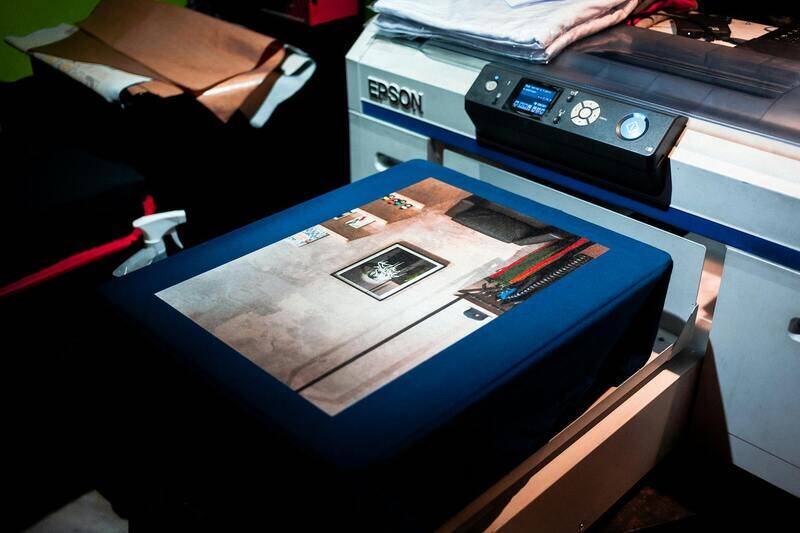
- Printing Technology: The choice between digital, offset, or large-format printers influences production time. Digital printers are ideal for short runs and quick turnarounds, while large-format digital printers can handle wide and high-resolution posters efficiently.
- Order Complexity: Simple designs with minimal colors typically print faster than complex, multi-colored, or detailed images. Adjustments such as simpler file formats and smaller file sizes can contribute to faster processing.
- Material Availability: Having the preferred poster materials in stock reduces delays associated with sourcing or custom orders. Standard sizes and materials are usually processed more swiftly.
- Production Workflow: Efficient workflow management, including pre-press preparation, file verification, and machine calibration, accelerates the entire printing cycle.
- Scheduling and Shipping: Expedited shipping options and strategic scheduling can significantly influence the overall delivery timeline of the finished posters.
Materials and Sizes Suitable for Quick Printing
For quick turnaround, selecting the right materials and sizes is critical. Standard poster sizes such as 24" x 36", 18" x 24", or 11" x 17" are popular choices because they are readily available and compatible with most high-speed printing equipment. Materials like gloss, matte, or satin paper are commonly used due to their durability and vibrant color reproduction, all of which are typically stocked by printing services for rapid production.
Moreover, lightweight and manageable materials facilitate faster handling and shipping. When sizes and materials are aligned with inventory stock, the overall process from order placement to delivery is streamlined, enabling rapid completion to meet urgent requirements.
Choosing the Right Printing Technology
To meet tight deadlines while maintaining quality, selecting the appropriate printing technology is essential. Digital printing stands out as the preferred method for quick poster production. Its advantages include:
- Speed: Digital presses often produce posters within hours of file submission.
- Flexibility: Suitable for short runs and customized designs without setup costs associated with offset printing.
- Quality: Modern digital presses offer high-resolution outputs comparable to traditional methods.
Offset printing, while excellent for large-volume, high-quality posters, may not be ideal for quick turnaround due to setup times. Large-format digital printing is particularly effective for wide posters needing high-resolution images and vibrant colors, commonly used for promotional displays and event signage.
Design Preparation for Fast Printing
Proper planning and preparation of your poster design can significantly influence the speed of production:
- Use standard file formats such as PDF or TIFF to ensure compatibility.
- Keep file sizes optimized to avoid delays caused by lengthy processing times.
- Simplify design elements where possible to reduce printing complexity.
- Confirm color profiles and resolution to prevent reprints or adjustments.
- Pre-approve proofs beforehand to avoid last-minute revisions that could cause delays.
Tips for Ordering Quick Poster Printing
Getting your posters produced swiftly involves more than just choosing rapid services. Consider these tips:
- Order in advance with clear instructions to avoid back-and-forth revisions.
- Provide high-quality, print-ready files that adhere to the printer’s specifications.
- Select standard sizes and materials that are readily available.
- Opt for expedited processing and shipping options when available.
- Communicate clearly with the printing provider about deadlines and requirements.
Cost Considerations for Rapid Poster Printing
Speed often influences cost due to factors such as premium shipping, expedited processing, and less volume discounts. While quick poster printing may incur higher prices compared to standard orders, understanding the pricing structure helps manage your budget effectively. Many providers offer tiered pricing based on delivery speed, quantity, and materials used, allowing you to balance urgency with budget constraints.
Choosing a Reliable Printing Service for Quick Poster Needs
Reliability is vital when urgent posters are required. Selecting a service with proven experience in fast turnaround productions ensures that your project is handled efficiently. Look for providers with positive reviews, transparent pricing, and a comprehensive portfolio of quick printing solutions. Such services typically have dedicated workflows for handling urgent requests, ensuring your posters are completed on time without compromising quality.
Materials and Sizes Suitable for Quick Printing
When aiming for rapid poster printing, selecting the appropriate materials and sizes plays a crucial role in streamlining the process. Standard dimensions like 24x36 inches or 18x24 inches are widely supported and typically have shorter production times due to their availability. These sizes are compatible with most printing equipment and often stockpiled by suppliers, reducing wait times.
For materials, options such as heavyweight paper, vinyl, or gloss and matte finishes on common substrates are preferable. These materials are usually kept in inventory by printing providers and require less preparation, enabling faster turnaround. Lightweight materials or custom finishes, while appealing for specialized projects, might extend production time due to additional handling or stock shortages.
Opting for commonly used thicknesses—such as 10-14pt paper or standard vinyl banners—helps avoid delays caused by material sourcing or custom processing. It’s advisable to consult with the printing service beforehand to ensure the chosen materials are in stock and can meet your deadline.

Choosing the Right Printing Technology
The printing technology employed significantly impacts both the speed and quality of poster production. Digital printing is predominantly favored for quick poster printing because of its high speed, affordability, and ability to produce smaller quantities efficiently. This method is ideal for one-off or small batch orders, where rapid turnaround is necessary.
Large-format inkjet printers are commonly used in digital poster printing, capable of handling various materials and producing vibrant images in a single pass. They offer excellent color accuracy and detail retention, which is essential for high-impact visual displays.
For projects requiring even faster turnaround, some printing providers utilize advanced UV flatbed printers that cure ink instantly, reducing drying time and allowing immediate handling and installation. Such technology ensures a quick transition from digital file to finished poster, ensuring deadlines are met without compromising image quality.

Design Preparation for Fast Printing
Proper design preparation is crucial for expediting poster printing processes. Ensuring your files adhere to the printing service’s specifications—such as resolution, color mode, and file format—is essential to avoid delays caused by revisions or reprocessing.
Use vector-based graphics for logos and text to maintain clarity at large sizes. Embed all fonts and convert fonts to outlines to prevent font mismatch issues.
Color management is equally important; using CMYK color mode aligns your digital design with the printing process, ensuring color accuracy without additional adjustments.
Keep layered files organized and remove unnecessary elements to simplify the file, which helps print operators process the job swiftly. If possible, create a print-ready file according to the printer’s templates or guidelines, and consult confirmation during the design stage to preempt potential issues.
Tips for Ordering Quick Poster Printing
To ensure rapid processing, communicate your deadlines and project scope clearly with your printing provider. Providing high-resolution, ready-to-print files standardized to the specified formats minimizes delays.
Order well in advance of your needed delivery date whenever possible. Even for quick turnarounds, planning ahead allows for potential adjustments or unforeseen delays.
Choose options like expedited processing and shipping to accelerate production and delivery. Confirm your order details, including quantity, materials, sizes, and any special finishing requirements, before submission.
Maintain open communication with the service provider throughout the process to update any changes in your project scope or deadlines, ensuring they can accommodate your urgent needs efficiently.

Understanding Quick Poster Printing
Quick poster printing is a strategic process that enables businesses, event organizers, and marketers to produce promotional materials within tight deadlines. It involves specialized equipment, optimized workflows, and pre-press procedures designed to minimize turnaround time while maintaining high visual and structural quality. The key to successful quick poster printing lies in meticulous planning and setting realistic expectations regarding materials, sizes, and design specifications.
Key Factors Affecting Poster Printing Speed
Several critical elements influence the efficiency of quick poster printing. These include the choice of printing technology, the complexity of the design file, the type of materials used, and the accuracy and readiness of the printable files. Understanding these factors allows for better planning and execution, ensuring that projects are completed within stipulated timeframes without sacrificing quality.
Design Simplicity and File Optimization
Design complexity directly impacts printing speed. Simplified designs with fewer layers and effects are quicker to process and print. Pre-press procedures should involve converting files into print-ready formats adhering to printer specifications, such as PDF/X standards, which reduces the need for on-the-spot adjustments. Organizing files, using embedded fonts, and avoiding excessive image resolutions enhance workflow efficiency.
Choosing Suitable Materials and Sizes
The selection of appropriate materials and standard sizes significantly influences turnaround times. Standard poster sizes like 24x36 inches or 18x24 inches are widely supported by most printers and require less preparation. Lightweight, coated paper options expedite printing, as they handle faster print speeds and drying times compared to specialty or textured materials. Maintaining consistency in material choice across orders can prevent unnecessary delays caused by switching between incompatible substrates.
Optimal Printing Technologies for Speed
High-speed digital printers, such as large-format inkjet or LED UV printers, are commonly preferred for quick poster printing due to their rapid throughput and ability to handle diverse media types efficiently. These systems allow for immediate processing with minimal setup times. Conversely, traditional offset presses are less suitable for urgent orders but are invaluable when large volumes or certain finishings are required. Matching the printing technology with project demands is essential for achieving fast turnaround times.
Preparation of Files for Swift Processing
Ensuring that digital files are prepared correctly is crucial for seamless printing. Files should be in compatible, high-resolution formats—preferably 300 DPI—without unnecessary layers or hidden elements. Color profiles must be standardized, preferably in CMYK, to align with the printing process, reducing the need for adjustments later. Providing all necessary fonts and linked images upfront prevents delays caused by missing components. Previewing the files through proofing software helps identify issues that could halt or slow down the process.
Establishing Effective Communication with Printer Providers
Building a clear line of communication with your chosen printing service facilitates faster turnarounds. Clearly conveying deadlines, project specifications, and any constraints upfront ensures that all parties are aligned. Regular updates during the production cycle help preempt potential issues, enabling rapid responses and adjustments. Gathering feedback from the print provider on file requirements and preferred formats before submitting your order streamlines the entire process.
Design Preparation for Fast Printing
Efficient design preparation is vital for expediting the quick poster printing process. To ensure swift turnaround, the design files must be optimized to prevent delays caused by technical issues or reprocessing. This involves using the correct file formats, adhering to resolution standards, and choosing appropriate color modes.
Creating files in high-resolution, 300 DPI images within standard dimensions preserves visual clarity without complicating printing workflows. It's recommended to export files in formats compatible with most printing software, such as PDF or TIFF, which maintain quality and reduce compatibility issues. Embedding all fonts ensures that text elements appear correctly, eliminating the need for font substitutions or adjustments during printing. Flattening layers and removing unnecessary elements decrease file size and processing time, further accelerating production.

Standardized color profiles, specifically CMYK, should be employed for color consistency and to avoid extra adjustments. It’s also advantageous to utilize vector graphics for logos and text, which scale without loss of quality and reduce rendering time. Conducting pre-press checks using proofing software allows identification and correction of issues such as overlapping elements or color inconsistencies before submission, preventing delays caused by last-minute revisions.
Tips for Ordering Quick Poster Printing
- Provide Clear Instructions: Clearly specify poster dimensions, quantity, desired finishings, and deadlines to your printing service.
- Know Your Material Options: Select lightweight, durable materials suited for quick turnaround and intended display environment.
- Opt for Standard Sizes: Choosing common sizes like 24x36 inches or 18x24 inches can speed up processing and reduce costs.
- Order in Batches: If multiple posters are needed, grouping orders can streamline production and facilitate scheduling.
- Confirm File Compatibility: Double-check that your files meet the specific requirements of the printing service to minimize processing time.

Maintaining open communication with the printer, such as confirming the status of your order and clarifying any special instructions, helps prevent misunderstandings that could lead to delays. Additionally, requesting digital proofs before final printing provides an opportunity to catch errors early, ensuring the process remains on schedule and avoids costly reprints.
Understanding Quick Poster Printing
Quick poster printing is an essential service for businesses, event organizers, and individuals who require high-quality visual displays within tight timelines. It involves streamlined processes that focus on rapid turnaround times without sacrificing print quality. This method typically employs advanced printing technologies, optimized materials, and efficient workflow management to deliver posters that meet specific specifications promptly. Recognizing the importance of speed in promotional campaigns, last-minute event promotions, or urgent informational displays, many professional printing services have developed specialized procedures to facilitate fast turnaround while maintaining accuracy and consistency in the final product.
Key Factors Affecting Poster Printing Speed
Several elements influence how quickly a poster can be printed and delivered. Paramount among these are the choice of printing technology, material selection, and file preparation. High-speed digital printers, such as large-format inkjet or laser printers, significantly reduce production times due to their ability to process and produce prints in a matter of minutes. Additionally, the complexity of the design, including color depth and resolution, can impact printing duration – simpler, vector-based graphics typically print faster than complex images with extensive color gradients.
Material choice also plays a crucial role; lightweight and standard-sized materials tend to facilitate quicker printing, handling, and finishing processes. Furthermore, efficient file preparation, such as ensuring files are in compatible formats and are set at optimal resolutions, prevents delays caused by technical adjustments or reprocessing during the printing phase.
Materials and Sizes Suitable for Quick Printing
To maximize efficiency in quick poster printing, selecting appropriate materials and standard sizes is vital. Common poster sizes like 24x36 inches or 18x24 inches are preferred because they align with many printing equipment's capabilities, allowing for faster processing. Mounting options like lightweight paper, matte or gloss vinyl, or rigid foam board are popular because they are readily available and easy to handle, reducing setup and finishing times.
For indoor displays, materials designed for quick drying and minimal finishing are advantageous. For outdoor or high-traffic environments, durable options like weather-resistant vinyl or laminated papers ensure longevity, even with expedited production. Choosing these materials in standard sizes further simplifies inventory management, reduces setup times, and accelerates completion.
Choosing the Right Printing Technology
The selection of printing technology directly correlates to the speed and quality of quick poster production. Digital printing methods, including inkjet and laser printing, are the preferred choices due to their rapid setup times and ability to produce vibrant, detailed images with minimal delay. These technologies support on-demand printing, which allows for short runs without extensive setup procedures typical of traditional offset presses.
Inkjet printers, especially large-format models, excel in producing high-quality posters with rich color fidelity, making them ideal for detailed graphics and photographic images. Laser printers are suitable for economical, fast printing of posters with simpler designs, especially when longevity and sharpness are priorities. For extremely large quantities, some services utilize hybrid approaches that combine digital and traditional printing to optimize turnaround times and cost efficiency.

Understanding Quick Poster Printing
Quick poster printing involves the process of producing large-scale visual displays in a shortened timeframe without sacrificing quality. This service caters to businesses, educational institutions, event organizers, and individuals who need impactful images and messages printed promptly. Advances in digital printing technologies have revolutionized the industry, enabling rapid turnaround times that meet tight deadlines. The key to efficient quick poster printing lies in selecting suitable materials, leveraging modern printing equipment, and optimally preparing your design for production. By understanding the core elements that influence printing speed, you can ensure your posters are completed promptly while maintaining clarity, color accuracy, and durability.
Key Factors Affecting Poster Printing Speed
Several crucial factors impact how swiftly a poster can be produced and delivered. Recognizing these elements allows for better planning and smoother execution:
- Material Selection: Thinner, lightweight materials such as standard poster paper or vinyl with quick-drying coatings minimize processing time. Heavier or coated substrates, while durable, might require longer handling and finishing.
- Size and Complexity: Standard sizes like 24x36 inches are processed faster due to readily available pre-configurations. Complex designs with numerous colors, gradients, or intricate details can extend printing time, especially if high resolution is desired.
- Design Preparation: Well-organized, print-ready files reduce pre-printing setup. Simplified color schemes and vector graphics help streamline the workflow, avoiding delays caused by extensive file adjustments.
- Printing Technology: Digital methods such as inkjet and laser printing substantially cut down setup times compared to traditional offset printing. Fast digital presses can produce high-quality posters in a matter of minutes.
- Operational Efficiency: A dedicated, well-maintained printing environment with trained personnel accelerates the production process, minimizing downtime and errors.
Materials and Sizes Suitable for Quick Printing
Choosing the right materials and sizes is fundamental to achieving rapid poster turnaround while ensuring the final product meets your needs. Opt for versatile, processed-friendly substrates that facilitate quick printing and minimal finishing:
- Standard Poster Papers: Uncoated or satin finishes that dry quickly and are easy to handle post-printing.
- Weather-Resistant Vinyl: Ideal for outdoor use; these materials are durable, quick-drying, and forgiving during the printing process.
- Laminated and Coated Papers: While offering higher durability, select those designed for fast processing to prevent delays associated with curing or drying times.
- Optimal Sizes: Printing in common dimensions like 24x36 inches or 18x24 inches reduces setup complexity, allows for readily available substrates, and shortens production cycles.
Choosing the Right Printing Technology
Matching the appropriate digital printing technology to your project requirements is essential for timely completion. Digitally driven options include:
- Inkjet Printing: This method is preferred for producing posters with vibrant images and photographic details. Large-format inkjet printers can handle wide media rolls, enabling high-speed, high-resolution output suitable for on-demand production.
- Laser Printing: Suitable for shorter runs or posters with simpler designs, laser printers offer quick execution with sharp lines and consistency. They are cost-effective for bulk printing where visual complexity is minimal.
- Hybrid Approaches: Some operations incorporate both digital and traditional techniques to optimize turnaround times, balancing speed and quality based on project specifics.
Understanding Quick Poster Printing
Quick poster printing refers to the ability to produce high-quality posters within a shortened timeframe without compromising on clarity or durability. This process is essential for promotional campaigns, event signage, and urgent marketing needs where timing is critical. The core of rapid poster production lies in selecting the appropriate printing methods, materials, and workflow management. Ensuring that each step—from design preparation to final finishing—is optimized allows businesses and individuals to meet tight deadlines effectively. The convenience of quick poster printing does not mean sacrificing quality; instead, it involves leveraging advanced technologies and efficient practices tailored for fast-paced environments.
Key Factors Affecting Poster Printing Speed
- Print Technology: The choice between inkjet, laser, or hybrid systems greatly influences production speed. Laser printers typically offer faster output for simple designs, while wide-format inkjet printers excel with richer images.
- Material Selection: Using standardized sizes and readily available substrates can significantly reduce setup time. Thicker or specialty materials may introduce delays due to handling or drying requirements.
- Design Complexity: Simpler graphics and fewer colors streamline the printing process, enabling quicker turnaround. Complex images with multiple layers and color gradients might require additional time.
- Print Size: Common dimensions such as 24x36 inches or 18x24 inches are processed more swiftly owing to their prevalence and compatibility with standard equipment.
- Pre-Press Preparation: Properly prepared digital files in the correct resolution and format ensure smooth printing, minimizing delays caused by adjustments or reprints.
Materials and Sizes Suitable for Quick Printing

Selecting the right materials and dimensions is vital for achieving rapid turnaround times. Popular options include:
- Vibrant Vinyl: Ideal for outdoor use, weather-resistant vinyl sheets dry quickly and are easy to manipulate during printing.
- Coated Paper: Designed for fast drying, these materials are suitable for indoor applications where quick handling is necessary.
- Standard Sizes: Employing common measurements such as 18x24 inches or 24x36 inches minimizes setup adjustments and uses on-hand substrates, expediting the entire process.
Choosing the Right Printing Technology
Matching your project with the appropriate digital printing technology ensures efficiency. The main options include:
- Inkjet Printing: This method provides high-resolution outputs suitable for photographic and detailed visuals. Large-format inkjet printers handle wide media rolls, allowing quick on-demand production with vibrant color fidelity.
- Laser Printing: Best for simple designs and shorter runs, lasers offer swift, consistent results and can rapidly produce multiple copies, reducing overall production time.
- Hybrid Systems: Combining inkjet and laser technologies allows for adaptable workflows that optimize speed and quality depending on the project requirements.
Design Preparation for Fast Printing
Proper pre-production steps are crucial for quick turnaround. Ensure that your digital files are prepared with the correct resolution, color profiles, and formats beforehand. This preparation minimizes on-site adjustments and reprints. Using standardized templates for common poster sizes and adhering to the printer’s specifications streamline the workflow and allow for smoother processing. Additionally, having layered and print-ready files reduces the possibility of errors, speeding up the entire printing cycle.
Tips for Ordering Quick Poster Printing
- Plan Ahead: Clearly communicate your deadline and specifications with the printing service to ensure timely processing.
- Choose Proven Materials and Sizes: Opt for universally compatible stocks and standard dimensions to avoid delays caused by custom requests.
- Request Rush Services: Many providers offer expedited options explicitly designed for urgent needs. Confirm availability and additional costs beforehand.
- Keep Design Simple: Simplify layouts and color schemes to facilitate faster printing and drying times.
- Coordinate Drop-Off and Pickup: Organize a seamless transfer process, such as scheduled pickups or streamlined online ordering, to reduce waiting time.
Understanding Quick Poster Printing
Quick poster printing is an essential service for businesses, event organizers, and marketing professionals who need high-quality visual materials within tight deadlines. This process leverages advanced printing technologies and streamlined workflows to produce large volumes of posters efficiently without compromising on clarity or durability. The ability to meet quick turnaround times is often crucial for time-sensitive campaigns, promotional events, or emergency reprints, making it a vital component of effective visual communication strategies.
Key Factors Affecting Poster Printing Speed
Several elements influence how rapidly posters can be produced, including the complexity of the design, the printing technology used, and the preparation level of digital files. The complexity of the artwork, such as high-resolution images, intricate graphics, or multi-layered designs, may require additional processing time. Additionally, the choice of printer technology—whether inkjet, laser, or hybrid systems—directly impacts the speed and quality of output. Proper preparation of digital files, ensuring they adhere to specifications such as resolution, color profiles, and file formats, is also critical in minimizing delays and ensuring smooth processing during production.
Materials and Sizes Suitable for Quick Printing
Using standardized materials and sizes can significantly enhance production speed. Common poster sizes, like 24x36 inches and 18x24 inches, are widely supported and easy to handle. These sizes facilitate quicker printing and drying, especially when paired with compatible substrates such as gloss or matte poster paper that dry quickly and are readily available. For rapid printing needs, select materials that are universally compatible with your chosen printing technology to avoid delays caused by custom or specialty stocks. Durable, lightweight options are ideal for quick handling and distribution, particularly in high-volume contexts.
Choosing the Right Printing Technology
Selection of an appropriate printing technology is fundamental for swift production. Inkjet printers are often preferred for their flexibility and ability to handle various substrates quickly, making them suitable for short lead times. Laser printers excel at producing sharp images rapidly, especially in high-volume settings. Hybrid systems that combine the benefits of both inkjet and laser technologies can offer optimal speed and quality for diverse project requirements. Ensuring that the printer is well-maintained and calibrated also plays a crucial role in delivering consistent, rapid results.

Design Preparation for Fast Printing
Preparing digital files meticulously before submitting for printing can dramatically decrease processing times. Use high-resolution images (at least 300 DPI) to prevent reprints and time-consuming adjustments. It’s essential to employ standardized templates and adhere to the recommended color profiles and formats specified by the printing provider. Layered, print-ready files with clearly organized elements facilitate faster processing and minimize errors. This meticulous preparation ensures that the printer can produce posters without requiring last-minute revisions, thereby saving valuable time.
Tips for Ordering Quick Poster Printing
- Plan Ahead: Clearly state your deadlines and specifications when ordering to ensure the provider can allocate appropriate resources.
- Choose Proven Materials and Sizes: Opt for common poster sizes and materials known for their compatibility with rapid production workflows.
- Request Rush Services: Many printing services offer expedited options—confirm availability and any additional fees early on.
- Keep Design Simple: Simple layouts with fewer colors and minimal complex graphics print faster and dry quicker.
- Coordinate Drop-Off and Pickup: Arrange streamlined processes for delivery and pickup, such as scheduled pickups or online order management, to minimize wait times.
Cost Considerations for Rapid Poster Printing
While quick poster printing can command premium prices due to expedited processing and special handling, optimizing other factors such as materials, sizes, and design complexity can help control costs. Bulk orders often benefit from discounted rates, and selecting standard sizes and materials reduces materials and labor costs. Communicating your needs clearly to your printing provider allows them to suggest cost-effective options without sacrificing quality. It’s advisable to obtain detailed quotes beforehand to compare options and ensure that the chosen service aligns with your budget constraints while meeting urgent deadlines.