Overview of Poster Printing Services in Singapore
Poster printing services in Singapore serve a diverse range of needs across commercial, educational, and personal domains. These services are pivotal for advertising campaigns, event promotions, academic presentations, and artistic displays. Whether for large-format advertisements displayed on building facades or smaller posters for indoor use, Singapore's printing providers cater to various specifications and quality standards.
Common types of posters offered include digital posters, photographic prints, matte or gloss finishes, and custom-designed options. The availability of different materials and finishes allows clients to select posters that align precisely with their intended purpose, durability requirements, and visual appeal. Agencies and individuals alike turn to local printing companies capable of handling both single projects and bulk orders, ensuring flexibility for different scales of production.

With technological advancements, printing technology has evolved to include large-format inkjet printing, UV printing, and eco-solvent printing. These methods boost the quality and longevity of posters, making them suitable for outdoor or long-term use. Additionally, digital platforms allow for easier design customization, enabling clients to utilize professionally designed templates or create bespoke artwork tailored to their branding or personal preferences.
While the core purpose remains consistent—delivering vibrant, durable visuals—the choices in printing technology, material selection, and finishing options significantly influence the final product’s appearance and cost. This diversity ensures that Singapore’s poster printing services can accommodate a broad spectrum of budgets and requirements, from cost-effective flyers to premium, high-resolution displays for exhibitions.
Factors Influencing Poster Printing Costs
Several key factors impact the overall cost of poster printing in Singapore. These include the poster size, material quality, quantity ordered, and the complexity of the design. Each of these variables can affect the pricing structure, making it essential for clients to evaluate their specific needs and budget constraints carefully.
Size of the Poster
Size remains a primary determinant of printing costs. Larger posters require more material and longer printing times, leading to higher expenses. Common sizes range from small A3 or A2 formats to massive A0 or larger banners that are suitable for outdoor advertising. The choice of size depends largely on the intended display environment and visibility requirements.
Material Selection
The materials used for posters—such as paper, vinyl, fabric, or canvas—exert a significant influence on pricing. Durable, weather-resistant materials like UV-coated vinyl or thick fabric tend to be more costly but offer increased longevity and outdoor suitability. Conversely, standard paper posters are more affordable but less durable, suitable for indoor applications.
Design Complexity and Customization
More intricate designs requiring detailed graphics, multiple colors, or finishing touches such as lamination or mounting features can escalate costs. Customization options, including die-cut shapes, matte or gloss finishes, and special coatings, also contribute to variations in pricing.
Typical Price Range for Poster Printing in Singapore
Pricing for poster printing spreads across a broad spectrum depending on size, material, and quantity. Basic small posters (A3 or A2) with standard paper may start from as low as SGD 10 to SGD 50 per piece when ordered in small quantities. Larger or premium posters, such as A0-sized banners on weather-resistant vinyl, can cost between SGD 100 and SGD 300 each, especially for custom prints with high-resolution images.
Bulk orders generally benefit from discounted rates, making large-scale projects more economical per unit. For event campaigns or promotional campaigns requiring dozens or hundreds of posters, comprehensive quotes often include considerations for setup fees, delivery charges, and additional services.
Differences in Printing Methods and Their Impact on Cost
Different printing techniques influence both the final appearance and cost of posters. Inkjet printing, the most common method, offers vibrant colors and high resolution, making it suitable for detailed images. UV printing provides enhanced durability and is often used for outdoor signage, but it comes at a slightly higher price point due to specialized equipment.
Eco-solvent printing is recognized for environmental friendliness and resistance to weathering, though it may involve additional costs. Screen printing, less common for posters but used for large quantities of simple designs, can be more cost-effective for uniform prints but less flexible for detailed artwork. Each method’s choice depends on the poster’s purpose, expected lifespan, and budget constraints.
Additional Expenses and Customization Options
Beyond the basic printing costs, clients should anticipate extra charges for finishes like lamination, mounting, framing, or special coatings. These options extend the poster’s durability and enhance visual appeal but increase overall costs. Custom shapes, die-cut designs, or unique mounting accessories also add to the expense.
Estimating Costs for Bulk or Large-Scale Poster Projects
Large or bulk poster projects typically benefit from tiered pricing, where unit costs decrease as the volume increases. For instance, ordering 50 posters of the same size and material often results in substantial savings per piece compared to individual orders. Accurate cost estimates for such projects require detailed specifications, including delivery schedules, overall volume, and any additional customization requirements.
Tips for Choosing Affordable and Quality Poster Printing Services
- Compare quotes from multiple reputable providers to identify competitive rates.
- Prioritize services with proven track records of delivering high-quality prints and timely delivery.
- Consider the materials and finishes carefully—sometimes investing slightly more upfront yields longer-lasting results, reducing the need for reprints.
- Opt for standard sizes where possible to minimize customization charges.
- Seek clarity on additional fees for services like mounting, lamination, or delivery to avoid surprises.
Frequently Asked Questions about Poster Printing in Singapore
- What is the average turnaround time for poster printing?
- Can I get same-day or next-day poster printing services?
- What are the best materials for outdoor posters in Singapore’s climate?
- How can I ensure my design prints correctly without errors?
- Are there eco-friendly printing options available?
Factors Influencing Poster Printing Costs in Singapore
Understanding the key elements that influence poster printing costs is essential for optimizing your budget without compromising quality. Several variables come into play, including the dimensions of the poster, the selection of materials, the complexity of the design, and the printing technology employed. Each factor contributes uniquely to the final expense, and awareness of these aspects can guide you toward more cost-effective choices.
Size and Dimensions
The size of the poster is one of the most significant cost determinants. Smaller posters, such as A3 or A2 formats, generally incur lower costs due to lesser material usage and easier handling. Conversely, larger posters like A0 or custom sizes require more extensive printing materials and sometimes specialized equipment, leading to increased expenses. It is important to select an appropriate size that meets your purpose while maintaining budget considerations.
Material Selection

The choice of material directly affects both cost and durability. Common options include standard glossy or matte paper, which are cost-effective and suitable for indoor use. For outdoor applications, weather-resistant materials like vinyl or waterproof canvas are advisable, though they tend to be more costly. The thickness and coating of the material can also influence pricing, with thicker or specialty finishes incurring additional charges.
Design Complexity
Complex or highly detailed designs may require advanced printing techniques such as high-resolution digital printing or specialized color matching. These methods improve visual quality but consequently increase costs. Simplified, minimalistic designs tend to be more economical, especially when using standard color profiles and fewer layers.
Printing Technology
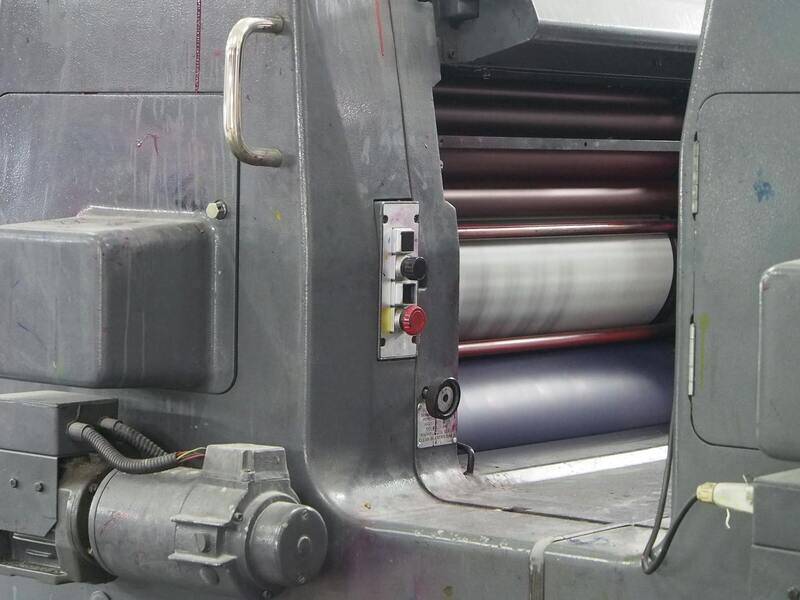
The method used for printing also affects overall costs. Digital printing is widely favored for small to medium quantities due to its affordability and quick turnaround times. Offset printing may be more cost-effective for large-volume orders, but it involves higher setup costs. Additionally, newer technologies like eco-solvent or UV printing can offer vibrant colors and enhanced durability, albeit at a higher price point.
Additional Post-Processing and Customization Options
Beyond basic printing, optional features like lamination, mounting, framing, or special coatings can add to the overall expense. These enhancements not only improve the aesthetic appeal and longevity but also contribute to the total cost. When budgeting, it is crucial to account for these additional services, especially for posters intended for outdoor or high-traffic displays.
Summary
- Size and dimensions are primary cost drivers.
- Material quality impacts durability and expense.
- Design intricacy influences printing methods and costs.
- Advanced printing technology can enhance appearance but with a higher price tag.
- Post-processing services like lamination or mounting contribute to total expenses.
By carefully evaluating each of these factors, clients can better understand how to balance quality with their budget, ensuring effective promotional or informational posters without overspending. For accurate cost estimation, it is recommended to consult directly with established printing providers who can offer detailed quotes based on your specific needs and customization preferences.
Overview of Poster Printing Services in Singapore
Singapore has developed a robust sector of poster printing services that cater to a diverse array of needs—ranging from marketing campaigns, corporate events, and retail promotions, to educational and artistic displays. These providers leverage advanced printing technologies, diverse material options, and customizable finishes to deliver high-quality posters tailored to client specifications. Established printing companies in the city-state emphasize professionalism, timely delivery, and competitive pricing to meet the demands of both small startups and large corporations.
Printing houses here employ a variety of methods including digital, UV, eco-solvent, and large-format offset printing, each suited to different project scales and quality requirements. They also provide additional services like lamination, mounting, and framing, which enhance the durability and visual appeal of the final product. With a competitive market landscape and technologically advanced facilities, Singaporean providers strive to strike a balance between cost efficiency and high-quality output.
Factors Influencing Poster Printing Costs
Understanding the underlying factors that impact pricing is crucial for budget planning. Key elements include the size and dimensions of the poster, choice of material, printing technique, and additional finishing options. Each of these factors significantly influences the overall expenditure and should be carefully selected based on the specific purpose and display environment of the poster.
- Size and Dimensions: Larger posters naturally require more material and more complex printing processes, thereby increasing costs. Standard sizes such as A2 and A1 are common benchmarks, but custom dimensions may incur additional charges.
- Material Quality: From standard paper to weather-resistant vinyl and fabric, material choice impacts both the durability and the price. Premium materials with special coatings or textures will carry higher costs.
- Printing Method: Digital printing offers quick turnaround and is cost-effective for small runs, while offset and UV printing are suited for larger quantities with high vividness but at a higher initial setup cost.
- Customization and Finishing: Options like lamination, framing, mounting, or special coatings can elevate the poster’s presentation and longevity, but also lead to increased expenses.
By assessing these factors, organizations can better align their budgets with their branding and promotional goals, optimizing the overall value for their expenditure.
Typical Price Range for Poster Printing in Singapore
Poster printing costs in Singapore fluctuate based on size, material, and quantity. For standard posters (such as A2 size) printed on premium glossy paper, prices typically range from SGD 20 to SGD 50 per piece for small quantities. Larger sizes like A1 may range from SGD 50 to SGD 120 or more each, depending on material quality and additional finishing services. Bulk orders usually benefit from discounted rates, making large-scale projects more cost-efficient per unit. Customizations such as UV coating or weatherproof vinyl surfaces can add approximately 20-30% to base prices, reflecting the enhanced durability and visual impact.

Differences in Printing Methods and Their Impact on Cost
According to the required quality and application, selecting the right printing method can significantly influence the overall costs. Digital printing is most suitable for short runs and offers rapid turnaround times, with costs generally lower for small quantities. In contrast, offset printing involves higher initial setup costs but becomes more economical for larger volumes, providing consistent high quality. UV and eco-solvent printing, ideal for outdoor posters, tend to be more expensive due to their specialized inks and durability features, yet they markedly extend the poster's lifespan.
Additional Expenses and Customization Options
Beyond standard printing, clients often opt for custom finishes that enhance both aesthetic appeal and longevity. Laminations, UV coatings, mounting on foam boards or rigid substrates, and framing are common options. These enhancements can add between SGD 10 and SGD 50 or more per poster, depending on complexity and materials chosen. For outdoor applications, weather-resistant materials like vinyl or fabric with waterproof coatings are recommended, often adding to the initial cost but ultimately providing better performance in variable environmental conditions.
Estimating Costs for Bulk or Large-Scale Poster Projects
Large-scale projects typically benefit from volume discounts, reducing the average cost per poster. For example, ordering 50 or more posters of the same size and material can see unit prices cut by up to 20-30%. Customization options such as large-format UV printing on weatherproof surfaces become more economical when spread across a high volume. Accurate cost estimation requires detailed quotation from printing providers, considering all specifications, finishing requirements, and delivery timelines. Engaging with experienced providers ensures a transparent process and helps avoid unforeseen expenses.
Tips for Choosing Affordable and Quality Poster Printing Services
- Request multiple quotes from reputable providers to compare prices and services.
- Specify your desired size, material, and finishing preferences upfront to get precise estimates.
- Opt for digital printing if the order is small, and plan larger runs with offset printing for cost savings.
- Prioritize providers with proven experience in high-quality poster production and efficient turnaround times.
- Consider long-term value; investing in weather-resistant and durable materials can reduce the need for repaints or replacements.
Frequently Asked Questions about Poster Printing in Singapore
For clients unacquainted with the process, consulting with professional printers can clarify standard procedures, material choices, and realistic budgeting expectations. Many providers offer sample options, detailed cost breakdowns, and turnaround commitments that assist in making informed decisions without compromising on quality or budget constraints.
Comparison of Different Printing Methods and Their Cost Implications
When considering poster printing in Singapore, selecting the appropriate printing method is crucial for managing costs while achieving desired quality. Digital printing is typically the most accessible and cost-effective option for small to medium-sized orders, offering quick turnaround times and excellent image quality with minimal setup costs. Its per-unit cost remains competitive for short runs, making it ideal for promotional events, art displays, or advertising campaigns that require a limited number of posters. However, as order quantities increase, the unit price may plateau, and other methods might become more economical.
Offset printing, on the other hand, involves creating a metal plate for each color used in the design. While it requires higher initial setup costs, it offers lower per-unit expenses for larger volumes, making it suitable for extensive marketing campaigns or ongoing promotional efforts. The quality produced via offset printing is consistent and sharp, especially for color fidelity and detailed images. The process also allows for a variety of finishes and paper types, though the longer turnaround times and upfront investment should be considered when budgeting.
Large-format digital printing is often used for posters that require high-resolution graphics and durable materials, especially for outdoor use. This method provides vibrant colors and detailed imagery on weatherproof surfaces, which can command higher prices per poster but offers longevity and resilience against environmental factors. For projects demanding outdoor visibility and longevity, investing in large-format UV printing can be justified despite the higher costs.

Choosing the right printing technique depends on your project scope, desired quality, and budget constraints. Consulting with professional printers can help determine the most cost-effective solution tailored to your specific needs, ensuring optimal results without overspending.
Additional Expenses and Customization Options
When planning a poster printing project, it is crucial to account for potential additional costs that can influence the overall budget. These expenses include various customization options and finishing touches that enhance the visual appeal and durability of the posters.
Common Customization Features That Affect Cost
- Laminate Coating: Offering protection against moisture, scratches, and UV rays, lamination can significantly extend the lifespan of posters. Matte, gloss, or satin finishes are available, each with different price points.
- Framing Services: Adding a frame not only improves aesthetics but also provides additional protection. The type of frame—simple aluminum, decorative wood, or custom styles—can vary in cost.
- Specialty Finishes: Techniques such as spot UV coating, embossing, or foil stamping can add a unique touch but typically involve higher expenses.
- Mounting and Adhesion Options: If posters need to be mounted on specific surfaces or attached using durable adhesives, this can influence the overall cost structure.
Estimating the Impact of Customizations on Overall Cost
While the base price of poster printing provides a general estimate, factoring in these additional services can lead to a substantial increase in total expenditure. For instance, opting for high-gloss lamination and a custom frame might double or triple the initial printing cost for a single poster. It is advisable to discuss these options with printing providers upfront to get an accurate estimate tailored to your needs.
Estimating Costs for Bulk or Large-Scale Poster Projects
Large-scale poster initiatives such as corporate campaigns, event advertising, or campus promotions tend to benefit from economies of scale. When calculating costs for extensive quantities, unit prices generally decrease, making bulk orders more economical per item.
Bulk Printing Advantages
- Lower per-unit cost due to increased volume discounts
- Consistent quality across all posters
- Streamlined production schedules for large orders
Cost Factors to Consider for Large Orders
- Design adjustments for mass production, such as simplified graphics to reduce printing time and cost
- Choice of materials that balance affordability and durability
- Delivery and logistics expenses, especially for high-volume shipments
- Potential for customized bulk packages, including bulk discounts on finishing features
Practical Tips for Budgeting Large-Scale Poster Projects
- Request detailed quotes from multiple printing vendors to compare pricing structures
- Opt for standard sizes and materials when possible to reduce costs
- Plan ahead to avoid rush charges or expedited delivery fees
- Use digital proofing to ensure accuracy before large print runs
Additional Expenses and Customization Options
When planning for poster printing in Singapore, it is essential to consider various additional expenses that can influence the overall cost. Customization options such as unique finishes, special laminations, or protective coatings not only enhance the durability and visual appeal of posters but also incur extra charges. For example, matte, gloss, or satin finishes offer different tactile and aesthetic qualities, and each option carries a distinct price point.
Moreover, the choice of custom mounting or framing solutions can add to the expense. If posters are to be displayed in high-traffic areas or outdoor environments, investing in weather-resistant materials or specialized mounting systems may be necessary, which increases costs accordingly.

Other customization features such as incorporating metallic or fluorescent inks, die-cut shapes, or holographic effects certainly elevate the poster’s visual impact but also impact the budget. It is beneficial to discuss these options upfront with printing providers to align expectations with budget constraints and ensure a professional finish that meets your promotional needs.
Estimating Costs for Bulk or Large-Scale Poster Projects
Large-scale poster campaigns, whether for corporate branding, event promotion, or campus outreach, offer the potential for significant cost savings through economies of scale. As order quantities increase, the per-unit cost tends to decrease, making bulk printing an attractive option for organizations with extensive promotional needs.
- Lower per-unit cost: Bulk orders benefit from tiered discounts that reduce the overall expense per poster.
- Consistency in quality: Printing large quantities simultaneously ensures uniformity across all posters, maintaining brand integrity.
- Efficiency in production: Streamlined manufacturing processes allow faster turnaround times, crucial for campaigns with tight schedules.
However, managing large orders requires careful planning. Design adjustments might be necessary to optimize printing efficiency, such as simplifying complex graphics to prevent additional setup costs. Material selection should balance durability with affordability to minimize expenses without compromising quality. Logistics also play a vital role; shipping high-volume shipments incurs higher costs, which should be included in the overall budget.
It is customary to negotiate customized bulk packages with printing vendors, which may include discounts on finishing options or delivery. To accurately estimate expenses, requesting detailed quotes from multiple suppliers and comparing their offered services is highly recommended. Strategic planning, selecting standard sizes and materials whenever possible, and avoiding last-minute requests can substantially lower costs. Additionally, digital proofs prior to printing help ensure accuracy, reducing costly mistakes during the production process.

Large-scale projects not only require careful budgeting but also effective coordination with printing providers to maximize cost-efficiency while maintaining high quality standards. Proper planning and transparent communication are key to success in large-format poster campaigns.
Factors Influencing Poster Printing Costs
Understanding the specific elements that affect poster printing costs in Singapore is essential for obtaining accurate estimates and optimizing your project budget. Several key factors play a significant role in determining the final price, each contributing to the overall expenses depending on your choice of materials, size, design complexity, and printing techniques.
Material Selection and Quality
The type of material used for your posters has a direct impact on cost. Standard options like glossy or matte paper are generally more affordable, while specialized materials such as vinyl or waterproof substrates tend to be pricier. Durability requirements also influence material choice; for instance, outdoor posters require weather-resistant materials, which often cost more. The thickness and finish of the material further influence pricing, with thicker, premium finishes incurring additional charges.
Poster Dimensions and Size
The size of the poster significantly affects printing cost. Larger posters require more ink, larger printing equipment, and increased material use, all contributing to higher expenses. Standard sizes like A2 or A1 are usually cost-efficient options, but custom dimensions can lead to additional setup fees and material wastage, raising the overall cost.
Design Complexity and Color Specifications
The intricacy of your poster's design impacts production costs, especially when printing in full color with high-resolution images or complex graphics. Multi-color prints demand more ink and longer setup times, which can drive up the price. Conversely, designs with fewer colors or simpler graphics may be more economical to produce.
Printing Technique and Finish
The choice of printing method influences both cost and quality. Digital printing offers quick turnaround times and is suitable for small to medium runs at competitive prices. Offset printing, on the other hand, is ideal for large-scale projects with consistent color quality but involves higher initial setup costs. Finishing options like lamination, mounting, or framing also add to the total expense but may be necessary depending on the intended display environment.
Quantity and Turnaround Time
Ordering in bulk typically reduces the per-unit cost due to economies of scale. However, tight deadlines might require expedited services, which often come with premium charges. Planning your schedule well in advance can help optimize costs by leveraging standard delivery times and avoiding rush fees.
Additional Expenses and Customization Options
Beyond the basic printing costs, several supplementary expenses and customization features can affect the overall budget for poster printing projects.
Custom Sizes and Shapes
Opting for non-standard sizes or unique shapes can enhance visual appeal but often involves higher setup fees and specialized cutting processes. These customization features require tailored production methods, impacting costs accordingly.
Finishing and Mounting Services
Adding finishing touches such as lamination, matte or gloss coating, mounting on foam board, or framing enhances the durability and presentation quality of posters. Each additional service increases the total expenditure but may provide added value, especially for professional or outdoor displays.
Design Assistance and Artwork Preparation
If your project requires professional design services or artwork adjustments, these costs are typically separate from printing fees. Working with experienced designers ensures the final product meets quality standards and aligns with your branding objectives.
Delivery and Logistics
Shipping costs depend on the volume, weight, and destination of the posters. Bulk orders or urgent deliveries may incur higher transportation charges. Some printing vendors include delivery as part of their package, while others charge separately.
Permits and Compliance
In certain cases, especially for outdoor or billboard posters, obtaining relevant permits and adhering to local regulations can involve additional expenses. It’s advisable to factor these potential costs into your overall project budget to ensure compliance and avoid unforeseen fees.
Understanding the Cost Components of Poster Printing in Singapore
In Singapore, poster printing costs are influenced by a combination of factors that go beyond merely the size and quantity of prints. To achieve the best balance between affordability and quality, it is crucial to be aware of the various cost components involved in the process.
Material Selection and Quality
The choice of material significantly impacts the overall cost. Standard PVC or paper posters tend to be more economical, making them suitable for short-term use or indoor displays. Conversely, premium materials such as vinyl, fabric, or rigid foam boards are more durable and are often chosen for outdoor or long-term displays. These higher-grade materials typically command a higher price, reflecting their enhanced resilience and appearance.
Printing Technology and Quality
The type of printing technology employed also influences the cost. Digital printing, which is ideal for short runs, offers quick turnaround times and flexibility but may come at a slightly higher price per unit compared to offset printing, which is more cost-effective for larger quantities. Higher resolution prints with vibrant color accuracy involve sophisticated ink technologies, contributing to increased expenses.
Size and Complexity of Design
The dimensions of the poster, along with design intricacies, directly influence production costs. Larger posters demand more materials and longer printing times, thereby escalating expenses. Additionally, intricate designs or custom graphics requiring professional editing or special effects may necessitate extra charges.
Finishing and Additional Services
Enhancing posters with lamination, gloss or matte coatings, or mounting on various substrates adds to the total cost. Such finishing options not only improve the visual appeal but also extend the durability, especially for outdoor environments or professional exhibitions. Custom framing or mounting solutions will further elevate the project's expenses.
Order Volume and Delivery Logistics
Bulk orders tend to benefit from volume discounts, making large-scale projects more cost-efficient on a per-unit basis. However, urgent deadlines or distant delivery locations may introduce additional logistics costs. Some providers include delivery in their service packages, while others charge separately based on distance and weight.
Additional Customization and Special Requirements
Special shapes, die-cutting, or unique mounting options require specialized equipment and labor, thereby increasing overall expenses. However, such customizations can significantly enhance brand visibility and presentation impact, making them valuable investments depending on your objectives.
Impact of Printing Method on Budget Planning
Offset printing generally offers a lower cost per piece for large quantities, while digital printing provides flexibility for smaller runs without significant setup fees. Carefully assessing the scale and timeline of your project will help determine the most economical choice without compromising quality.
By understanding these diverse factors, organizations and individuals can make well-informed decisions that align with their budget constraints and project goals. Comparing quotes from reputable vendors, clarifying all cost components upfront, and opting for cost-effective yet high-quality options will facilitate achieving striking posters within a reasonable budget.