Understanding Large Format Printing
Large format printing, also known as wide-format printing, refers to the process of creating high-quality images and displays on materials that are significantly larger than standard printing sizes. This technology is extensively used in industries such as advertising, interior design, architecture, and event promotion, where large visual displays are essential for branding, communication, and aesthetic impact. The ability to produce detailed, vibrant, and durable prints on large surfaces makes this method invaluable for banners, billboards, wall murals, exhibition displays, and vehicle wraps.
Unlike traditional printing methods that typically handle sizes up to A3 or A2, large format printing can accommodate media widths ranging from 24 inches to over 100 inches. This capability enables the creation of expansive visuals without seams or visible joins, ensuring a seamless and impactful presentation. The technology used in large format printing is adaptable to various project requirements, offering versatility in materials, finishes, and ink types.

Projects suitable for large format printing include brand signage, trade show displays, wall coverings, window graphics, and even outdoor advertising structures. This technology also supports the printing of detailed floor graphics and complex artwork that requires precision and color fidelity. Because of its scale and flexibility, large format printing is an essential tool for businesses and organizations aiming to deliver visually striking messages on a grand scale.
Furthermore, modern large format printing employs advanced printing techniques such as UV curable, solvent, eco-solvent, and latex inks. These technologies enhance print durability, color accuracy, and environmental safety. As a result, large format prints can withstand various environmental conditions, including sunlight, moisture, and abrasion, making them suitable for both indoor and outdoor applications.
In summary, large format printing is a specialized printing process that combines high-quality output with the ability to produce large-scale visuals. Its applications span numerous industries and serve diverse purposes—from promotional displays to architectural elements. By understanding the scope and capabilities of this technology, businesses can better leverage large format printing to augment their visual communication strategies and achieve impactful results.
Types of Large Format Printing Technologies
Different printing methods cater to specific project needs, material compatibilities, and environmental considerations. Among these, inkjet and solvent printing are the most prevalent, each offering distinct advantages for various applications.
Inkjet Printing
Inkjet large format printing involves propelling tiny droplets of liquid ink directly onto the printing substrate. This method is renowned for its high-resolution output, exceptional color accuracy, and ability to reproduce intricate details with vibrant hues. Inkjet printers typically utilize water-based or UV-curable inks, which are ideal for indoor signage, fine art reproductions, and photographic displays where color fidelity is paramount.
Solvent and Eco-Solvent Printing
Solvent printing employs solvent-based inks designed for durability and weather resistance, making it suitable for outdoor advertising, banners, and vehicle wraps. Eco-solvent variants offer similar benefits with reduced environmental impact, making them a preferred choice for eco-conscious projects. These inks penetrate the material surface, resulting in robust prints that resist fading, moisture, and scratching while maintaining flexibility for installation on various surfaces.
Lattice and Latex Printing
Latex printing utilizes water-based, latex-based inks that combine the high-quality color reproduction of inkjet technology with enhanced environmental safety. Latex printers are versatile, capable of printing on a wide range of materials, including flexible fabrics, vinyl, and textiles, making them ideal for signage, wall coverings, and event graphics. They offer quick drying times and excellent adhesion, streamlining production workflows.
UV Printing
UV-curable printing technology employs ultraviolet light to instantly dry and cure ink as it is deposited onto the substrate. This process permits printing on a broad spectrum of materials such as glass, metal, acrylic, and wood. UV printing provides high precision, sharp details, and a durable finish suitable for interior displays, decorative panels, and architectural elements.
Choosing the appropriate technology depends on factors such as project scope, surface type, environmental exposure, and budget considerations. Modern large format printers often combine multiple techniques, providing versatility and an expanded range of applications.
Understanding Large Format Printing
Large format printing encompasses a collection of professional printing techniques designed to produce high-quality visuals on oversized surfaces. This industry-grade printing process is essential for creating impactful banners, murals, backdrops, trade show displays, vehicle wraps, and architectural graphics. Unlike standard printing methods, large format printing involves specialized equipment capable of handling wide media rolls, often exceeding 24 inches in width, with some systems capable of printing on materials over 100 inches wide.
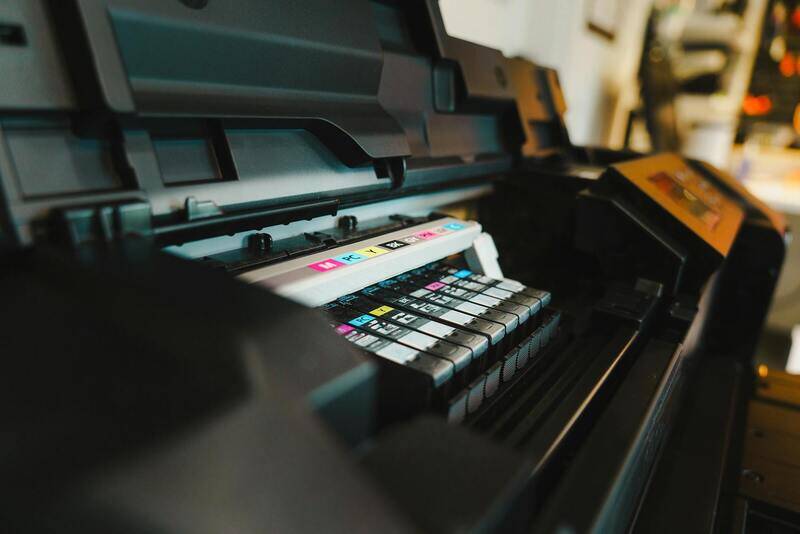
At its core, large format printing maximizes visibility and design clarity for outdoor advertising, retail displays, and interior decor, providing a cost-effective solution for high-impact visuals. This process demands precision engineering, sophisticated ink delivery systems, and high-resolution printheads to achieve the sharpness, color fidelity, and durability necessary for both indoor and outdoor applications.
Importance of Choosing the Right Printing Technology
Selecting suitable large format printing technology hinges on understanding the material surface, environmental exposure, and desired lifespan of the final product. Each printing method offers distinct advantages, tailored to specific project requirements.
Versatility in Material Compatibility
One of the hallmarks of large format printing is its adaptability to various substrates:
- Vinyl: Ideal for outdoor signage, banners, vehicle wraps, and billboard advertising due to its weather-resistant properties.
- Fabric: Used for fabric banners, backdrops, and textile applications that require softness and flexibility. li> Photo Paper and Fine Art Paper: Suitable for detailed murals, art reproductions, and interior displays where image clarity is paramount.
- Acrylic and Metal: Utilized for decorative panels, point-of-sale displays, and architectural features, benefiting from UV printing techniques for enhanced durability and aesthetics.
Understanding the unique qualities and compatibilities of materials enhances the overall effectiveness and longevity of large format prints, catering to diverse branding and visual communication needs.
Understanding Large Format Printing
Large format printing encompasses a specialized segment of digital printing focused on producing oversized images that command visual impact and attention. These prints are essential for creating high-impact signage, banners, wall coverings, and other expansive displays that enhance brand visibility and communication. Unlike conventional printing methods, large format printing leverages advanced technology, allowing for the production of banners measuring several meters in width and height without compromising on image quality. This process involves meticulous attention to detail in file preparation, color management, and material selection to ensure that the final output aligns with client expectations and environmental conditions. The flexibility of large format printing enables businesses and designers to produce customized visual solutions quickly and efficiently, making it an indispensable tool for marketing, advertising, and interior decor.

Types of Large Format Printing Technologies
Several advanced printing technologies underpin the efficiency and quality of large format printing. Each method caters to specific project needs based on factors like material compatibility, color fidelity, and print durability.
- Solvent and Eco-Solvent Printing: Known for producing vibrant, weather-resistant images ideal for outdoor signage. These printers employ solvent-based inks that penetrate surfaces, providing longevity and resistance to environmental elements.
- UV Printing: Uses ultraviolet light to instantly cure inks upon contact with the substrate. UV printing offers crisp image details, excellent adhesion to non-porous surfaces, and the ability to print on materials like acrylic, glass, and metal.
- Latex Printing: Offers eco-friendly options with water-based inks that are flexible and durable. Latex printers are versatile, capable of printing on a wide range of materials, and provide vibrant colors with fast turnaround times.
- Solvent and Eco-Solvent Printing: Known for producing vibrant, weather-resistant images ideal for outdoor signage. These printers employ solvent-based inks that penetrate surfaces, providing longevity and resistance to environmental elements.
Common Materials Used in Large Format Printing
The choice of material significantly influences the appearance, durability, and suitability of the final large format print. Various substrates are compatible with different printing technologies, each offering unique benefits for specific applications.
- Vinyl: The most prevalent material for outdoor signs and banners, vinyl is weather-resistant and durable, making it ideal for long-term outdoor advertising campaigns.
- Fabric: Used for soft signage such as fabric banners, backdrops, and trade show displays. Fabric offers a matte finish that minimizes glare and provides a refined, elegant look.
- Photo Paper and Fine Art Paper: Suitable for detailed murals and art reproductions. These materials enhance image clarity and color vibrancy, making them perfect for interior displays and exhibitions.
- Acrylic and Metal: Applied in decorative panels, architectural features, and high-end retail displays. The UV printing process ensures these materials maintain their aesthetics over time.
Understanding the capabilities and limitations of these materials ensures that large format printing projects achieve their intended impact and durability. Proper material selection aligns with the environmental conditions and longevity requirements of the signage or display.
Understanding Large Format Printing
Large format printing is a specialized process that involves creating images on substrates larger than standard printer sizes. This technology caters to a broad spectrum of applications, from outdoor advertising billboards to intricate interior murals. It requires precision, high-quality equipment, and distinct printing techniques to produce visuals that are crisp, vibrant, and durable. The ability to customize sizes without sacrificing image quality makes large format printing a vital component in branding and visual communication strategies.
Types of Large Format Printing Technologies
Fundamentally, large format printing utilizes several core technologies, each suited for different kinds of projects:
- Solvent and Eco-Solvent Printing: This method uses solvent-based inks that are highly resistant to environmental factors, making it ideal for outdoor signage. Eco-solvent inks, a more environmentally friendly alternative, provide similar durability with reduced emissions.
- UV Printing: UV ink is cured instantly using ultraviolet light, allowing printing on non-porous surfaces such as acrylic, metal, or glass. This technique offers sharp detail and vibrant colors, perfect for high-end displays and decorative panels.
- Aqueous and Latex Printing: Water-based inks that produce high-quality, vibrant images suitable for indoor environments. Latex printing also provides flexibility and weather resistance, suitable for both indoor and outdoor applications.
- Thermal and Dye Sublimation: These methods are primarily used for fabric banners and soft signage, offering high resolution and excellent color reproduction on textiles.
Modern large format printers utilizing UV and solvent technologies produce vivid, detailed signage for various applications. Common Materials Used in Large Format Printing
The choice of material significantly influences the appearance, durability, and suitability of the final large format print. Various substrates are compatible with different printing technologies, each offering unique benefits for specific applications.
- Vinyl: The most prevalent material for outdoor signs and banners, vinyl is weather-resistant and durable, making it ideal for long-term outdoor advertising campaigns.
- Fabric: Used for soft signage such as fabric banners, backdrops, and trade show displays. Fabric offers a matte finish that minimizes glare and provides a refined, elegant look.
- Photo Paper and Fine Art Paper: Suitable for detailed murals and art reproductions. These materials enhance image clarity and color vibrancy, making them perfect for interior displays and exhibitions.
- Acrylic and Metal: Applied in decorative panels, architectural features, and high-end retail displays. The UV printing process ensures these materials maintain their aesthetics over time.
Understanding the capabilities and limitations of these materials ensures that large format printing projects achieve their intended impact and durability. Proper material selection aligns with environmental conditions and longevity requirements of signage or display.
Applications of Large Format Printing in Singapore
Large format printing plays a pivotal role in Singapore's vibrant commercial landscape. Its applications span several sectors, providing visual solutions that captivate audiences and enhance brand visibility:
- Signage and Billboards: From towering outdoor billboards to retail store signs, large format prints serve as immediate attention grabbers that communicate brand messages effectively.
- Banners and Event Displays: Temporary yet impactful, banners are widely used for promotional events, trade shows, and festivals, offering a customizable approach to advertising.
- Exhibition and Display Graphics: Trade shows and exhibitions rely heavily on large, eye-catching visuals that convey information succinctly and attract visitors.
- Vehicle Wraps: Mobile advertising through vehicle wraps transforms cars, buses, and other transportation into moving advertisements, significantly boosting outreach.
- Architectural Visuals: Large format prints are used for architectural renderings, interior murals, and visual simulations, helping clients visualize projects with clarity.
Vibrant large format banners and vehicle wraps are common sight in Singapore’s bustling urban environments. Proper Handling and Maintenance of Large Format Prints
Maintaining the integrity of large format prints extends their visual appeal and durability over time. Proper handling procedures are critical during storage, transportation, and installation to prevent damage such as creases, tears, or color distortion. When unpacking large prints, it is advisable to use clean, dry hands or wear gloves to avoid fingerprints and smudges. Support the entire surface during movement to prevent unnecessary stress or bending, especially on delicate materials like vinyl or fabric.
Once installed, routine maintenance involves gentle cleaning to remove dust, dirt, and pollutants that could compromise print quality. Use a soft, lint-free cloth or a microfiber duster with mild, non-abrasive cleaning solutions suitable for the specific material. Avoid harsh chemicals or abrasive tools that can degrade the surface or alter the colors. Regular inspection helps identify signs of wear, fading, or peeling that may require touch-ups or reprinting.
Proper storage when prints are not in immediate use involves keeping them in a clean, dry environment with controlled temperature and humidity. Rolling the prints onto large diameter cores with protective sheets or unprinted tissue paper can prevent creases. For mounted or framed prints, ensure they are stored vertically to avoid warping or distortion. Implementing these best practices extends the lifespan of large format prints and preserves their vibrancy.
Proper handling and storage techniques safeguard the quality and prolong the life of large format prints. How to Select a Reliable Large Format Printing Service in Singapore
Choosing a competent large format printing provider involves assessing several key factors to ensure the final output meets your project requirements. First, evaluate the company's experience and reputation within the industry. An established service provider typically demonstrates a history of delivering high-quality results across various sectors, including advertising, architecture, and event marketing.
Next, scrutinize their equipment and technology. Modern, well-maintained printers with advanced capabilities—such as high resolution, color consistency, and wide material compatibility—are essential for achieving sharp, vivid images. In addition, inquire about their material options to verify they can handle your specific project needs, whether outdoor signage demanding weather-resistant substrates or indoor displays requiring vibrant, eye-catching finishes.
Quality assurance processes are equally important. Reliable providers often employ calibration machinery, color management workflows, and rigorous inspection procedures to ensure color accuracy and print consistency. Transparent communication about turnaround times, project management, and post-printing support can significantly influence your experience. Finally, reviewing client testimonials or requesting samples provides insight into their operational standards and the quality of their work.
By meticulously assessing these factors, you can select a printing partner capable of delivering durable, visually compelling large format prints aligned with your branding and project objectives.
Maintaining and Handling Large Format Prints
Proper maintenance and handling of large format prints are crucial in preserving their visual impact and extending their lifespan. These prints are often used in environments where exposure to external elements, handling, and installation can impact durability. Implementing best practices ensures that the investment in high-quality printing continues to deliver value over time.
Effective Installation Techniques
Careful installation is essential to prevent damage and ensure the print's aesthetic appeal. Use appropriate tools and mounting materials designed for large prints to avoid bending, buckling, or tearing. When installing outdoors, ensure that the mounting hardware is secure and weather-resistant, especially in areas prone to wind or rain. Utilize framing or edge sealing techniques to protect the edges from delamination or physical damage.
Environmental Considerations
Exposure to environmental factors such as sunlight, moisture, and temperature fluctuations can affect the longevity of large format prints. For outdoor applications, choose weather-resistant substrates and waterproof laminates to mitigate water damage and UV degradation. Indoors, avoid placing prints in areas with excessive humidity or direct sunlight, which can cause fading or warping over time. Proper placement and environmental controls contribute significantly to maintaining print quality.
Handling and Storage Best Practices
- Handle prints with clean, dry hands or wear gloves to prevent fingerprints, smudges, or oil transfer onto the surface.
- Avoid folding or creasing the print, especially with delicate or laminated surfaces. If storage is necessary, roll the prints carefully around a tube using protective backing to prevent damage.
- Store large format prints in a cool, dry, and dust-free environment, ideally rolled and placed in a protective covering or tube to prevent warping or dirt accumulation.
- When transporting prints, use supports and cushioning materials to absorb shocks and avoid bending or crushing the surface.
Regular Cleaning and Inspection
Perform routine inspections to identify any signs of damage, dirt buildup, or fading. When cleaning, use soft, lint-free cloths and mild cleaning solutions compatible with the print surface and material. Avoid aggressive scrubbing or abrasive cleaners that could scratch or degrade the surface. Regular maintenance preserves color vibrancy and prevents deterioration, ensuring the large format print remains visually compelling for years to come.

Proper handling and maintenance are key to maximizing the lifespan of large format prints, whether installed outdoors or indoors. Maintaining and Handling Large Format Prints
Proper maintenance and handling are essential for preserving the quality and longevity of large format prints. Implementing best practices can prevent common damages such as creasing, scratches, fading, or warping, which can compromise visual impact and professional appearance.
Handling Techniques
- Always handle large format prints with clean, dry hands or wear cotton gloves to prevent transferring oils, dirt, or moisture onto the surface.
- Minimize unnecessary touching of the print surface to reduce the risk of fingerprints or smudges that can be difficult to remove and may affect color fidelity.
- When moving or repositioning, support the entire print or use appropriate lifting tools to avoid bending or creasing.
- Avoid placing heavy objects on the printed surface to prevent deformation or imprinting.
Storage and Transportation
- If storage is required, carefully roll prints around a rigid tube with protective backing to avoid creases and damage. Use acid-free materials to prevent deterioration over time.
- Store rolled prints in a cool, dry, and dust-free environment, away from direct sunlight and sources of humidity that can cause warping or fading.
- For long-term storage, keep prints in a protective covering or tube that supports the entire surface and prevents contact with contaminants.
- During transportation, employ cushioned supports and rigid containers to absorb shocks and prevent bending or crushing.
Cleaning and Inspection Protocols
Routine inspections are critical for early detection of potential issues like dirt accumulation, surface scratches, or color fading. Perform gentle cleaning using soft cloths or brushes and mild, compatible cleaning solutions. Refrain from abrasive or harsh cleaners that could scratch or degrade the surface. Inspection intervals should be scheduled based on environmental exposure and the print’s location.
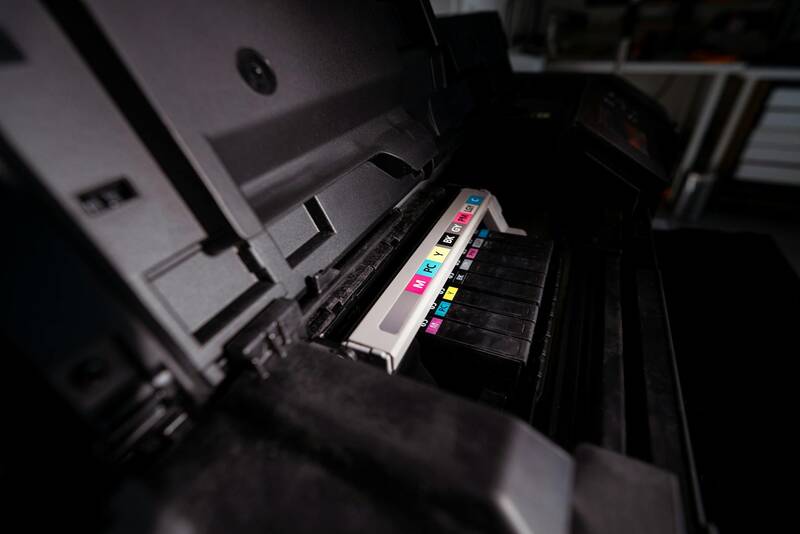
Proper handling and storage of large format prints ensure their visual integrity over time Adapting Maintenance for Environmental Conditions
For outdoor installations, additional measures like UV-protective coatings or laminates can shield prints from environmental damage. Indoors, controlling humidity, temperature, and exposure to sunlight further prolongs the lifespan and preserves color vibrancy. Choosing appropriate mounting and framing options can also provide physical protection, reducing the risk of accidental damage.