Understanding Big Size Picture Printing
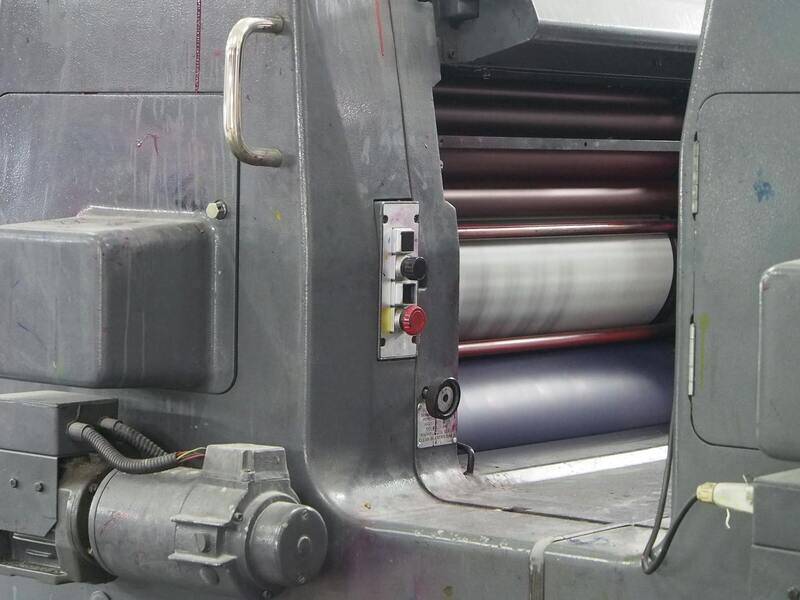
Big size picture printing involves the creation of large-scale images that are often used for a variety of professional and commercial purposes. Unlike standard photo printing, which typically caters to sizes suitable for personal use, big size picture printing focuses on producing visually impactful pieces that can range from several feet to even larger dimensions. Such prints are essential in environments where visual communication needs to be immediate and striking, including advertising billboards, trade show displays, murals, retail signage, and event backdrops.
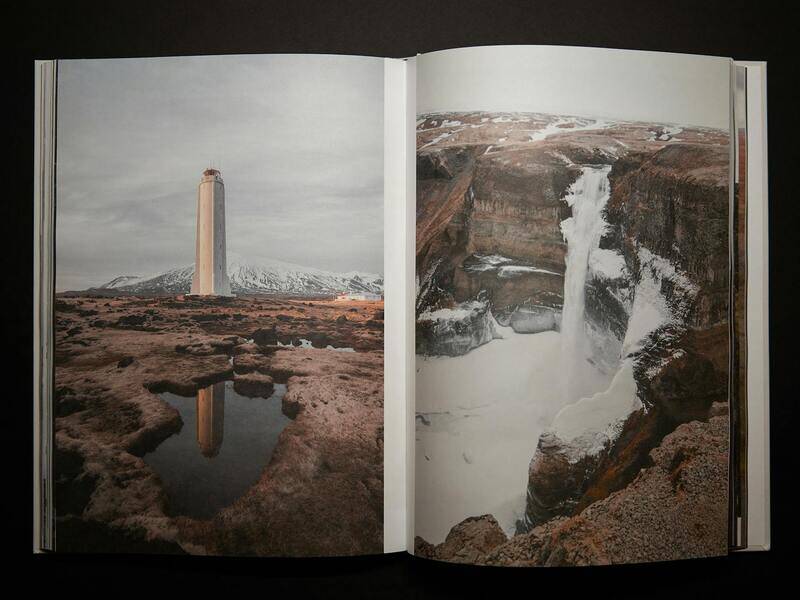
The technology behind big size picture printing has evolved considerably, allowing for high-resolution images to be reproduced in larger formats without compromising detail and clarity. This is vital for maintaining brand integrity and delivering an engaging visual experience. Common applications span multiple industries: in retail, large banners and window displays attract customer attention; in the entertainment sector, oversized posters and promotional backdrops play a key role; and in real estate, large-format prints of property images facilitate marketing efforts by showcasing homes or developments with impressive visual impact.
The process requires meticulous planning and precise execution, as the scale of the project magnifies any imperfections. High-quality digital images are often prepared with special attention to resolution, ensuring they remain sharp when printed at large sizes. Furthermore, specialized printing techniques and materials ensure durability, weather resistance, and color fidelity, vital for outdoor advertisements or long-term displays. Understanding the applications and scope of big size picture printing is fundamental for selecting appropriate materials, technologies, and design approaches to meet specific project requirements effectively.
Large format printing is not simply about enlarging images; it necessitates an integrated approach that considers image quality, material selection, and printing technology to achieve optimal results. The ability to produce visually precise, vibrant, and durable large images opens up extensive possibilities across a wide range of professional fields, making big size picture printing a vital tool in visual communication and presentation.
Choosing the Right Printing Materials
When it comes to big size picture printing, selecting the appropriate material is crucial to ensuring durability, visual appeal, and suitability for the intended environment. Each material offers unique advantages that cater to different project needs, whether for outdoor advertising, gallery displays, or event decor.
Vinyl
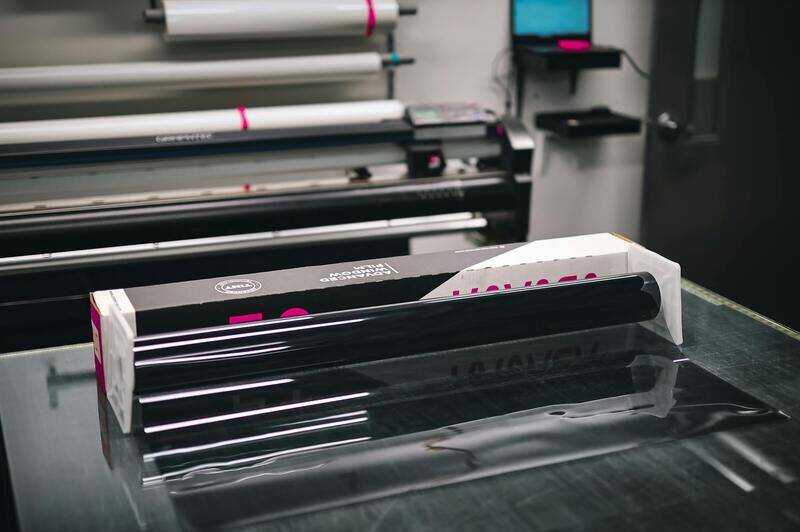
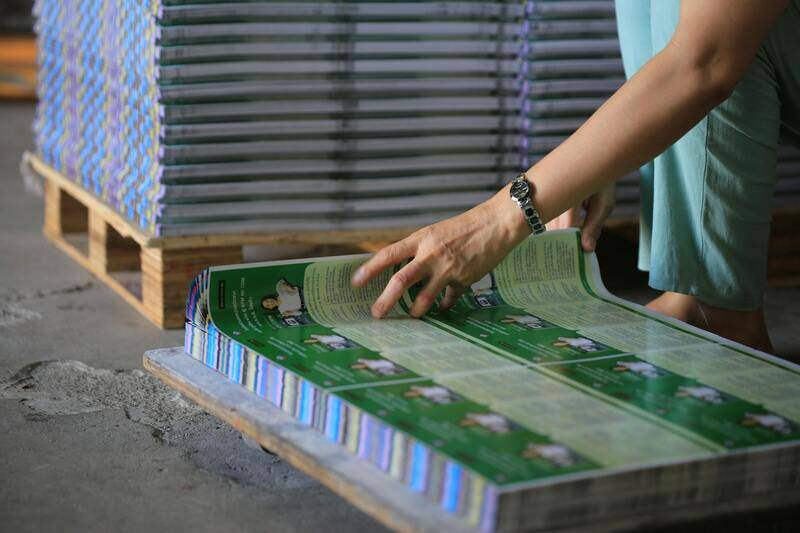
Vinyl remains a popular choice for large outdoor advertisements due to its toughness and weather resistance. Its flexibility allows it to conform to various surfaces, making it ideal for banners, vehicle wraps, and outdoor signage. High-quality vinyl materials offer excellent color retention and resistance to tearing, UV rays, and moisture, ensuring the print maintains its vibrant appearance over time.
Canvas
Canvas prints are favored for gallery-quality displays and interior decoration. This material provides a textured surface that enhances visual depth and artistic appeal. Canvas is typically stretched over a frame, making it suitable for professional displays and fine art reproductions. It also offers good durability and resistance to fading when printed with high-quality inks.
Fabric
Fabric materials such as polyester and other synthetic textiles are increasingly used in big size picture printing, especially for indoor banners, event backdrops, and trade show displays. Fabric offers a lightweight and easy-to-handle alternative to rigid materials, with excellent color vibrancy and a smooth surface that produces sharp image details. Additionally, fabrics are often resistant to wrinkles and creases, simplifying installation.
Specialized Materials
- Mesh vinyl: Allows wind passage, ideal for large outdoor banners in high-wind areas.
- Backlit media: Designed for illuminated displays to enhance visual impact at night or in low-light settings.
- Polypropylene and rigid boards: Suitable for short-term promotions or indoor signage requiring rigidity and ease of mounting.
Choosing the appropriate material depends on factors such as the location of installation, expected lifespan, visual requirements, and budget. Proper assessment of these elements ensures the final print not only looks impressive but also withstands environmental and handling stresses effectively.
Choosing the Appropriate Printing Technologies for Large Scale Images
When targeting large size picture printing, selecting the right printing technology is paramount to achieve vibrant colors, sharp details, and lasting quality. Several professional printing methods are suited for big format images, each with their own advantages based on application, material, and desired visual outcome.
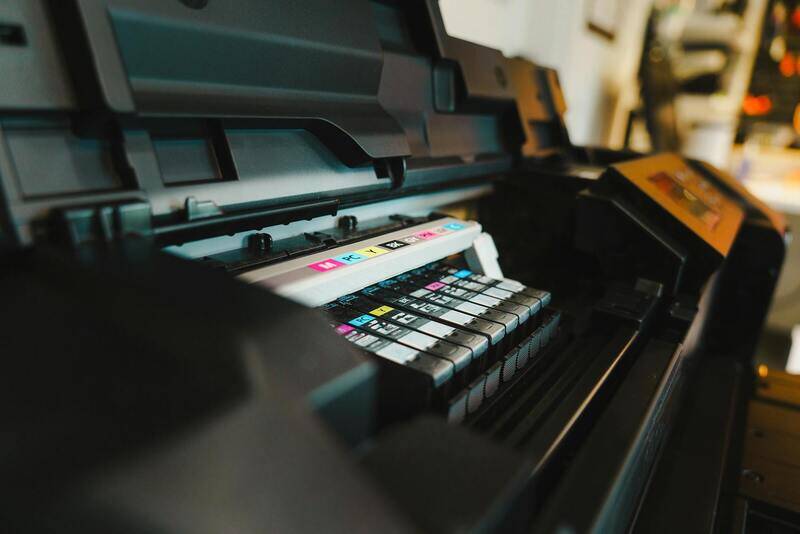
- Inkjet Printing: The most common and versatile method for large format printing, inkjet technology offers high resolution and excellent color accuracy. It uses tiny nozzles to deposit precise amounts of liquid ink directly onto the substrate. This process is preferred for fine art reproductions, photographic prints, and detailed graphics. Advanced inkjet printers utilize UV-resistant and waterproof inks, extending the lifespan of the print and ensuring it maintains its visual appeal over time.
- Dye Sublimation Printing: Ideal for fabric-based prints, dye sublimation involves turning dye into gas and embedding it into polyester fibers. This technique produces highly vibrant, durable images perfect for fabric banners, backdrops, and soft signage. The process provides a smooth, seamless appearance with excellent color gradient capabilities, making it popular for event displays and custom textile products.
- Solvent and Eco-Solvent Printing: Designed for outdoor use, solvent printing employs solvents that bond with the material, resulting in weather-resistant and UV-stable outputs. These prints are especially suitable for banners, billboards, and signage exposed to the elements. Eco-solvent variants offer lower emissions and are more environmentally friendly while maintaining robust durability and vibrant color output.

Choosing among these technologies depends on several key factors, including the type of material selected, the desired durability, and the specific visual qualities needed for the project. For example, if the goal is a highly detailed photographic display on paper or canvas, inkjet printing provides the finest resolution. Conversely, for outdoor signage requiring resistance to weather conditions, solvent or eco-solvent methods offer the best performance.
It is critical to collaborate with professional printing providers who utilize state-of-the-art equipment and high-quality inks. This ensures that the digital design is accurately reproduced at the large format scale without sacrificing sharpness or color fidelity. Proper calibration and maintenance of printers are essential to delivering consistent results, particularly for complex or high-stakes projects.
Understanding Big Size Picture Printing
Big size picture printing involves creating large-scale images that serve as impactful visual statements across various environments, from commercial displays to personal art installations. Achieving optimal results requires meticulous attention to printing methods, materials, and post-production handling. Large format printing leverages advanced technology to produce vivid, detailed images that maintain clarity even at expansive dimensions. This process is essential for promotional banners, wall murals, fine art reproductions, and event backdrops, where the visual impact hinges on quality and precision.
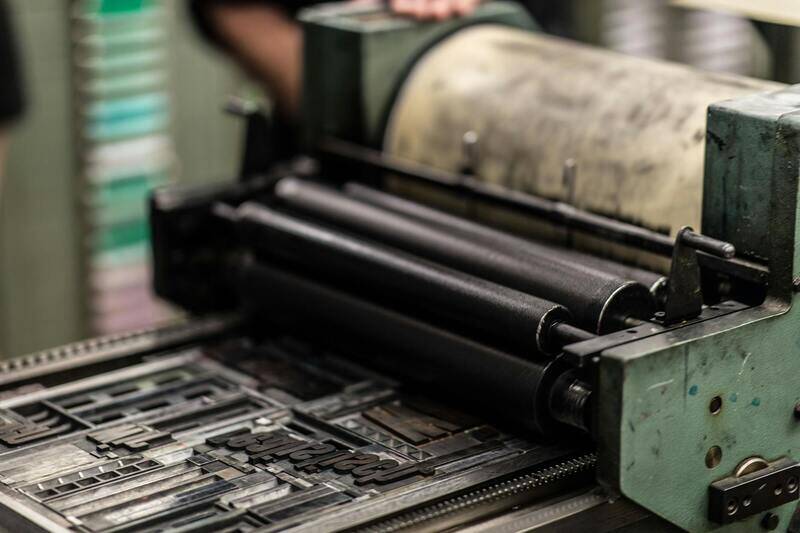
An essential aspect of big size picture printing is selecting appropriate production techniques. Digital wide-format printing has become the standard due to its flexibility, speed, and ability to handle diverse substrates. This technology allows for detailed image reproduction at large sizes without compromising quality. It also offers a variety of options for gloss, matte, or textured finishes to match the desired aesthetic and functional requirements.
Factors Influencing the Quality of Large Prints
- Resolution: Ensuring a high pixel density in the digital file guarantees sharpness regardless of enlargement.
- Color Fidelity: Precise color management ensures that prints accurately reflect the original design, vibrant and consistent across different batches.
- Material Compatibility: Using suitable substrates such as vinyl, fabric, or rigid panels impacts durability and visual appeal.
- Printer Calibration: Regular calibration maintains color consistency and prevents issues such as blurriness or banding.
The process involves careful planning from initial design, where resolution and aspect ratio are optimized, to material selection, ensuring the final product meets specific application needs. Collaborating with experienced printing providers can optimize the translation of digital images into large tangible visuals, ensuring each piece communicates the intended message with clarity and impact.
Key Benefits of Professional Big Size Printing
Partnering with established printing specialists guarantees access to cutting-edge equipment and high-grade inks, crucial for achieving vibrant, durable outputs. Whether tailored for indoor or outdoor environments, professional big size picture printing offers unparalleled precision, from fine art reproductions to large advertising displays. Such quality assurance also ensures the longevity of the prints, maintaining their visual integrity over time despite exposure to varying environmental factors.
Understanding Big Size Picture Printing
Big size picture printing is a specialized service that transforms high-resolution digital images into expansive physical displays, suitable for a variety of settings including commercial, decorative, and promotional uses. This process requires meticulous attention to detail at every stage, from digital design preparation to material selection and final output. The goal is to produce a visually striking piece that maintains clarity, vibrancy, and structural integrity at large scales. This form of printing allows businesses, artists, and organizations to communicate bold messages or showcase artwork on a grand scale, making a substantial impact on viewers. It is crucial to collaborate with professional printing providers who utilize advanced technology and premium materials to achieve the desired results. These experts are adept at managing the complexities involved in enlarging images without loss of quality, ensuring colors remain accurate, and edges stay sharp, even at sizes that span multiple feet. The process can encompass various formats, including banner prints, wall murals, custom backdrops, and display panels, each requiring tailored techniques to optimize visual effectiveness and durability.
Choosing the Right Printing Materials
Proper material selection is fundamental to the success of big size picture printing. The choice depends largely on the intended environment where the print will be displayed, its expected lifespan, and the nature of the visual content. Here are the main considerations:
- Vinyl: Ideal for outdoor advertising and murals due to its weather resistance and durability. It can withstand exposure to sunlight, rain, and wind without degrading, making it suitable for long-term applications.
- Fabric: Preferred for indoor displays, such as trade show backdrops or artistic installations. Fabric provides a smooth, matte finish that reduces glare and enhances color vibrancy.
- Rigid Panels: Materials like foam board, aluminum, or PVC are used for mounting large images that require rigidity. These are suitable for signage and gallery displays, offering a clean, professional appearance.
- Canvas: A good option for reproducing artwork with a textured finish, ideal for interior decor and fine art reproductions. Canvas prints are usually stretched over a frame for a gallery-style presentation.
Ensuring compatibility between the chosen material and the printing technology is critical. Additionally, factors such as UV resistance, weight, and ease of installation should influence material decisions. Advanced materials with treatments to enhance durability can extend the lifespan of the print, especially in environments exposed to environmental stressors.
Popular Printing Technologies for Large Format Prints
Several advanced printing technologies are employed to produce high-quality large size images, each suited for different materials and project specifications. Notable among these are:
- UV Printing: Uses ultraviolet light to instantly cure ink onto various substrates, allowing for vibrant colors and detailed images on rigid and flexible surfaces. UV printing offers excellent adhesion and longevity, making it ideal for outdoor advertising.
- Solvent and Eco-Solvent Printing: Employ solvent-based inks that provide excellent outdoor durability and resistance to weathering. Eco-solvent options are environmentally friendly, emitting fewer volatile organic compounds while maintaining high-quality output.
- Inkjet Printing: The most common method for high-resolution large-format imaging, capable of printing on diverse materials like vinyl, fabric, and paper. Modern wide-format inkjet printers can reproduce intricate details and smooth color gradients.
- Latex Printing: Combines the benefits of solvent and UV printing, offering high durability, vibrant colors, and environmentally friendly inks. Latex printing allows for quick dry times and flexibility, suitable for a variety of applications.
Choosing the appropriate technology depends on factors such as substrate compatibility, environmental exposure, color accuracy, and budget constraints. Working with experienced professionals ensures optimal results, as they understand the nuances of each method and can recommend the best options for your specific project.
Design Considerations for Large Scale Prints
Designing for large size picture printing involves specific considerations that ensure the final product maintains its visual effectiveness at expanded dimensions:
- Resolution: Files should typically be prepared at 150-300 DPI at the final print size. High-resolution images prevent pixelation and maintain sharpness, which is essential for detailed visuals or text.
- File Format and Quality: Use lossless formats such as TIFF or high-quality JPEGs to preserve image clarity. Avoid compressed formats that may introduce artifacts or reduce detail.
- Color Management: Employ calibrated color profiles to ensure the print reflects the original color intent accurately. Consistency across batches is vital for branding and aesthetic purposes.
- Aspect Ratio and Composition: Design layouts should consider the final aspect ratio, allowing for necessary cropping or margins. Composition must be bold and clear, especially for viewing from a distance.
- Visual Impact: Use large, high-contrast elements that draw attention and communicate messages effectively. Fine details should be minimized unless the viewing distance supports close inspection.
Finally, collaborating with a proficient printing provider allows for final adjustments, proofing, and color validation to ensure the physical output meets expectations. Proper planning and attention to these design elements can elevate large format prints from mere visuals to impactful displays that communicate powerfully regardless of size.
Strategies for Acquiring Big Size Pictures Legally and Effectively
Using Stock Image Libraries and Licensed Archives
One of the most straightforward methods to obtain large size images legally is through reputable stock image libraries. These platforms provide high-resolution images that are properly licensed for various uses, including large format printing. When selecting images from these sources, ensure the license explicitly permits large-scale reproduction and commercial use if applicable. Opt for images with a minimum resolution of 300 DPI at the intended print size to guarantee clarity and detail in the final output.
Popular stock image providers include well-known platforms that curate collections of professionally shot photographs, illustrations, and digital artwork. These sources often offer advanced search filters, enabling users to find images suited for big picture printing—such as high-resolution landscapes, cityscapes, or conceptual visuals. Acquiring images from licensed archives also reduces the risk of copyright infringement, ensuring the printed material aligns with legal standards.
Commissioning Original Artwork and Photography
Another effective approach involves collaborating directly with professional photographers or digital artists to create custom images tailored for large format display. This method ensures the final visual aligns perfectly with specific dimensions, color schemes, and thematic requirements. When commissioning original artwork, specify the desired resolution, aspect ratio, and intended print size from the outset.
This approach often results in unique visuals that stand out, especially for branding or promotional purposes. Ensure that contractual agreements specify the rights to reproduce the artwork at large sizes and for commercial purposes. Additionally, providing the artist or photographer with detailed specifications guarantees that the artwork will be optimized for high-resolution large size picture printing.

Utilizing Official Downloads and Publications
Many organizations, governmental agencies, and educational institutions offer official images and photographs for public use, often available in high resolution. These resources are frequently accessible through official websites and digital libraries that facilitate legitimate downloading for printing purposes. When using such images, verify the licensing terms, which typically permit reproduction at large sizes for non-commercial or educational projects.
Always ensure the images are downloaded in their original quality to preserve detail and color accuracy. Proper attribution might be required depending on the source, but this is generally straightforward, especially when the images are in the public domain or released under open licenses.
Ensuring Proper Rights and Permissions
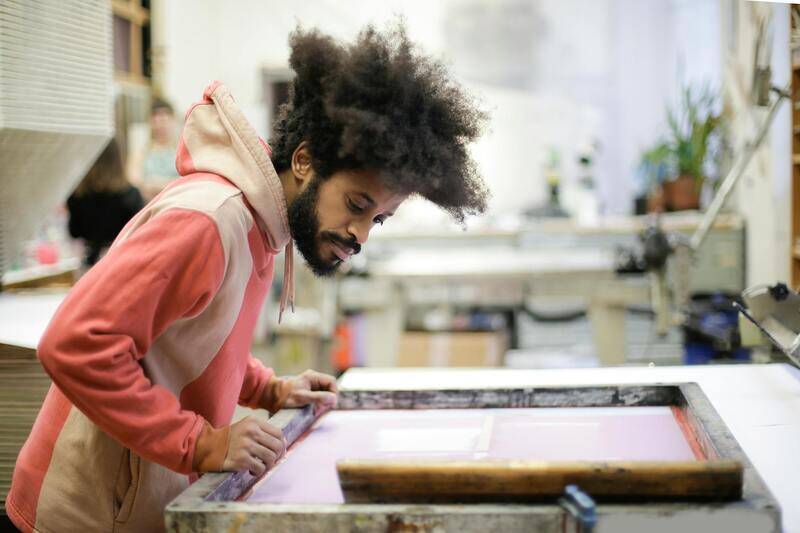
Before progressing with large size picture printing, it is critical to secure the appropriate rights and permissions for the images. This involves reviewing licensing agreements, understanding usage restrictions, and confirming the scope of reproduction rights. Licensing terms often specify maximum print sizes, allowed mediums, and whether the images can be used commercially or only for personal projects.
Legal compliance not only protects against potential disputes but also ensures that the integrity of the content is maintained throughout the printing process. When in doubt, consulting with legal experts or licensing specialists can help clarify permissible uses, especially if the image will be displayed publicly or in a commercial context.
Ultimately, leveraging legitimate sources such as stock libraries, commissioned works, official archives, and properly licensed images forms the foundation for successful big size picture printing. Adopting these official methods guarantees high-quality results, legal compliance, and the flexibility to produce impactful large-scale displays that resonate with viewers long after they're unveiled.
Installation and Handling of Large Format Prints
Proper installation of large size images is crucial to ensure their visual impact and longevity. Given the dimensions involved, handling and mounting require specialized techniques and equipment to prevent damage and maintain quality. Professional installation services often employ methods such as wall anchoring, framing, or floating mounts, designed to distribute weight evenly and secure the print in place. Experienced installers assess factors like wall strength, environmental conditions, and viewing distance to optimize positioning and durability.
When preparing for installation, it is essential to carefully transport the printed material to prevent creases, tears, or scratches. Enlisting professional carriers or using rigid protective coverings during transit can preserve the integrity of the print. During mounting, attention should be paid to achieving a smooth, wrinkle-free surface, especially for adhesive or tension-mounted displays. For outdoor or high-traffic environments, additional protective measures, such as laminating or applying UV-resistant coatings, are recommended to shield against weather elements and UV damage.
Handling large format prints also involves safety considerations. Workers should use proper equipment like lifts, scaffolding, or step ladders to manage heavy or expansive graphics safely. Personal protective gear such as gloves and eye protection can help avoid accidental damage or injury during installation. It is advisable to schedule installation during optimal weather conditions for outdoor settings to prevent issues like wind or rain from interfering with the process.
Maintenance of large prints involves regular cleaning and inspection to retain their visual appeal. Dust and dirt can accumulate over time, particularly on outdoor displays, so gentle cleaning with non-abrasive materials and appropriate solutions is recommended. Avoid harsh chemicals that could degrade the print or its protective coatings. Periodic assessments for signs of fading, peeling, or structural issues enable timely interventions, such as reapplying protective layers or repairing damaged sections.
Additionally, considering environmental factors like exposure to sunlight, moisture, and temperature fluctuations allows for proactive management of the print's lifespan. Incorporating protective features like UV laminates, anti-graffiti coatings, or weatherproof framing can significantly extend the durability of large format images. Proper handling and maintenance ensure that large size pictures continue to make an impressive visual statement over time, preserving their impactful presence for viewers and clients alike.
Ensuring Long-Term Durability of Big Size Picture Prints
Maintaining the visual quality and structural integrity of large scale images requires a dedicated approach to care and preservation. Proper maintenance not only prolongs the lifespan of the print but also preserves its aesthetic appeal, ensuring that the investment in large format printing continues to impress over the years.
Regular Cleaning Procedures
Cleaning large prints demands gentle yet effective techniques to avoid damage. Use soft, non-abrasive cloths or mops in combination with mild, pH-neutral cleaning solutions designed specifically for printed materials or coated surfaces. It is crucial to avoid harsh chemicals, solvents, or abrasive cleaning pads, as these can erode protective coatings or cause discoloration. For outdoor installations, scheduled routine cleaning helps in removing dust, dirt, and pollutants that accumulate thanks to environmental exposure.
Protective Coatings and Laminations
Applying protective layers such as UV laminates or anti-graffiti coatings can significantly extend the lifespan of large prints. These coatings serve as barriers against UV radiation, moisture, dirt, and physical abrasions. UV-resilient coatings are particularly beneficial for outdoor displays, reducing fading caused by prolonged sun exposure. Anti-graffiti layers enable easier removal of unwanted markings, maintaining the visual clarity and professionalism of the display.
Environmental Considerations
Depending on whether the print is placed indoors or outdoors, specific environmental factors should be considered. Outdoor large scale images face exposure to sunlight, rain, wind, and fluctuating temperatures, all of which can impact their longevity. To counteract these elements, consider weatherproof framing that seals the print from external elements. Indoors, control humidity and temperature levels to prevent warping, detachment, or mold growth. Regular inspections can identify early signs of wear or damage, allowing timely intervention.
Periodic Inspections and Repairs
Routine assessments are essential in maintaining the integrity of large format prints. Check for signs of fading, peeling, bubbling, or delamination. Small repairs, such as re-gluing edges or patching minor damages, can prevent deterioration from worsening. For installations subjected to harsh conditions, replacing protective layers or entire sections of the print might be necessary after several years.
Storage and Transportation Tips
Proper handling during storage and transportation minimizes risks of damage. Roll large prints carefully on sturdy cores, using protective covers or layers of tissue paper to prevent surface scratches. When unrolling for display, do so slowly to avoid creasing or tearing. Employ cushioning and secure packaging if moving the print over long distances.
Training Staff and Use of Proper Equipment
Personnel responsible for maintenance should be trained in the correct handling and cleaning techniques for large prints. Using dedicated tools like soft brushes, microfiber cloths, and specific cleaning solutions ensures safety for the print's surface. Additionally, investing in suitable lifting, scaffolding, or suspension equipment for installation and maintenance tasks enhances safety and ensures the print remains intact during handling.