Understanding Large Picture Printing
Large picture printing is an exceptional way to transform ordinary spaces into captivating visual environments. This form of printing involves creating images that exceed standard print sizes, allowing for impactful displays in both commercial and private settings. It has gained significant popularity across Singapore, a vibrant hub for innovative advertising, corporate branding, and personalized decor. Large picture printing encompasses a wide range of applications, from advertising billboards and storefront displays to artistic murals and event backdrops.
When considering large picture printing, the choice of materials and techniques plays a crucial role in the final outcome. Durable materials such as vinyl, fabric, and canvas are commonly used to ensure longevity and high-quality visuals, whether for indoor or outdoor use. The versatility of large printing makes it an ideal solution for branding campaigns, trade show exhibits, or wall murals that require an eye-catching configuration of colors and details.
In Singapore's competitive market, the demand for high-resolution and visually compelling large images has grown exponentially. Effective large picture prints not only enhance aesthetic appeal but also serve strategic purposes, such as increasing brand visibility and creating memorable impressions. Whether for temporary promotional events or permanent installations, understanding the fundamentals of this printing method is essential for achieving the desired impact and ensuring the longevity of the display.

Types of Large Format Printing Techniques
Choosing the appropriate printing technique is vital to ensure the output meets quality and durability standards suitable for specific applications. Common large format printing methods include:
- UV Printing: Utilizes ultraviolet light to cure inks instantly on various substrates, ideal for vibrant colors and outdoor use.
- Solvent and Eco-Solvent Printing: Employs solvent-based inks that provide excellent adhesion and weather resistance, suited for banners and exterior displays.
- Latex Printing: Uses water-based latex inks offering flexibility, eco-friendliness, and high-quality imaging, suitable for indoor and outdoor banners.
- DTG (Direct to Garment) and Dye Sublimation: Specific to fabric materials, allowing for vivid, durable textile prints used in apparel and fabric banners.
Each technique offers unique advantages relating to print quality, lifespan, and material compatibility, empowering clients to select the most appropriate method for their specific needs.
Materials Used in Large Picture Printing
Materials influence durability, appearance, and application scope for large picture prints. They can broadly be categorized as:
- Vinyl: Popular for outdoor banners and signage due to its weather-resistant properties.
- Canvas: Provides a sophisticated look for indoor displays, murals, and fine art reproductions.
- Fabric: Often used in banners and soft signage, offering flexibility and easy transportability.
- PVC and Polypropylene: Cost-effective options for large-scale temporary displays or event signage.
Investing in high-quality materials ensures the longevity and visual integrity of the large picture prints, particularly when exposed to harsh environmental elements or repeated handling.

Design and Resolution Guidelines
Achieving a stunning large picture requires careful attention to design and resolution. High-resolution images are essential, typically requiring a minimum of 150 DPI at the final print size to maintain clarity and detail. When designing for large formats, consider:
- Using vector graphics where possible to prevent pixelation.
- Ensuring images are captured or sourced at high resolutions suitable for enlargement.
- Applying color profiles correctly to match the intended output and lighting conditions.
- Planning for bleed and safe zones to prevent unwanted trimming of essential elements.
Collaborating with professional printing services that provide design guidance can significantly enhance the visual quality of large-scale prints, ensuring they are impactful and precise.
Types of Large Format Printing Techniques
In Singapore, the choice of printing technique significantly influences the quality, durability, and visual impact of large picture prints. Each method caters to specific needs, environmental conditions, and budget considerations. The primary techniques include LED UV printing, eco-solvent printing, and solvent printing, each with distinctive features and applications.
- LED UV Printing: This innovative method utilizes ultraviolet light to cure inks instantly as they are printed onto a variety of substrates. Its capability to print on rigid and non-porous materials makes it ideal for high-quality signage, promotional displays, and art reproductions. LED UV printing offers vibrant colors, sharp details, and resistance to UV fading, making it suitable for both indoor and outdoor applications. The fast curing process also ensures that the prints are immediately ready for installation or handling, enhancing workflow efficiency.
- Eco-solvent Printing: Eco-solvent printing employs solvent-based inks that are environmentally friendlier compared to traditional solvent inks. This technique produces durable, water-resistant prints with excellent color vibrancy. Eco-solvent printers are preferred for outdoor signage, banners, and vehicle wraps due to their resistance to weathering and UV exposure. The process is relatively fast, and the inks adhere well to flexible materials like vinyl and banner fabrics, providing a balance of quality and cost-effectiveness.
- Solvent Printing: Known for its robust and long-lasting outputs, solvent printing uses strong solvent inks that penetrate deeper into substrates. This method ensures high durability, especially for outdoor displays that face harsh conditions. It's ideal for large banners, billboards, and signage requiring maximum longevity. While solvent printing provides excellent color richness and UV resistance, it does involve longer drying times and requires specialized ventilation during the process, which might influence operational considerations.
Materials Used in Large Picture Printing in Singapore
The materials selected for large picture printing determine the final appearance, durability, and suitability for various environments. Common substrates include vinyl, canvas, fabric, PVC, and polypropylene, each serving specific purposes based on environmental exposure and aesthetic requirements.
- Vinyl: Known for its weather-resistant properties, vinyl is widely used for outdoor banners, vehicle wraps, and signage. Its flexibility and durability make it suitable for repeated handling and long-term display.
- Canvas: Preferred for indoor murals, fine art reproductions, and art displays, canvas offers a sophisticated look with textured finishes that mimic traditional art mediums. Properly coated canvases resist fading and environmental damage.
- Fabric: Often used for soft signage and backdrops, fabric offers lightweight versatility and ease of transport. In addition, it can be treated with anti-fungal or water-repellent coatings for outdoor use.
- PVC and Polypropylene: These cost-effective materials are ideal for temporary or event-based displays. They are lightweight, easy to install, and offer decent weather resistance, making them suitable for short-term outdoor applications.
Design and Resolution Guidelines
Ensuring optimal visual impact in large picture printing hinges on adhering to strict design and resolution standards. High-resolution images are fundamental to prevent pixelation and maintain clarity when scaled to large sizes. As a general rule, designers should aim for a minimum of 150 DPI (dots per inch) at the final print size; however, for extremely large displays viewed from close distances, 300 DPI is recommended to achieve finer detail. Material properties also influence design choices, with textured surfaces like canvas often requiring higher resolution images to preserve detail.
Color accuracy plays a vital role in large format prints, especially in branding and artwork reproductions. Designers should work within the CMYK color space to match the printing process, and color calibration of files ensures consistency. Proper bleed margins and safe zones are crucial to avoid unintended cropping during trimming, while vector graphics and high-resolution raster images contribute to a crisp, professional appearance.
When preparing files, it is essential to specify the final dimensions clearly and to choose file formats compatible with large-format printing equipment, such as TIFF, PDF, or high-quality JPEG. Incorporating color profiles and ensuring all images are embedded helps achieve consistent production results. Collaborating closely with printing service providers to align file specifications with their printer capabilities minimizes rework and enhances overall output quality.
Choosing the Right Printing Service in Singapore
Selecting a reputable printing provider with extensive experience in large picture printing becomes critical for achieving desired results. Look for providers that utilize advanced large-format printers capable of handling various substrates and sizes with precision. The use of eco-solvent, latex, or UV-curable inks ensures vivid colors with excellent longevity and environmental safety.
Clients should evaluate the company's portfolio of completed projects to gauge their expertise in specific print types, whether banners, murals, or fine art reproductions. Transparent communication about turnaround times, quality control measures, and post-print finishing options—including lamination and framing—further assists in making an informed decision. After all, a professional service will provide a comprehensive consultation to align design specifications with material choices and application environments.
Additionally, some printing companies offer sample proofs before the final run, allowing clients to review color fidelity and material texture. This step is especially valuable for commercial branding projects and high-end art reproductions, safeguarding the fidelity of the final output. Technology innovations such as automated color management systems and real-time print monitoring also contribute to achieving high-quality results consistently.
Understanding the Process of Large Picture Printing in Singapore
Large picture printing is a specialized segment within the broader scope of visual communication, serving diverse needs from corporate branding to interior design and artistic expression. Achieving high-quality results requires an intricate understanding of the printing process, from initial design preparations to the final output. The process begins with meticulous file setup, ensuring that digital images are of sufficient resolution and correctly color-managed to maintain fidelity across large formats.
Manufacturers and professional printers employ advanced large-format printers capable of handling substantial substrate sizes while maintaining precise color accuracy and sharp detail. These printers utilize various ink technologies, such as eco-solvent, latex, or UV-curable inks. The choice of ink impacts print durability, environmental safety, and color vibrancy, which are all crucial considerations in the final application.
Step-by-Step Workflow in Large Picture Printing
- Design Preparation: Ensuring the artwork or image is adequately scaled, with a resolution generally recommended at 150-300 DPI depending on size and viewing distance.
- Color Management: Employing consistent color profiles and calibration methods to match digital colors with the printed output accurately.
- Material Selection: Choosing appropriate substrates such as vinyl, fabric, canvas, or rigid panels that best suit the intended environment and aesthetic.
- Proofing and Approval: Producing sample prints or virtual proofs for client review, ensuring color accuracy and visual clarity before the full production run.
- Large Format Printing: Utilizing high-capacity printers equipped with precise feeding mechanisms to reproduce the artwork onto selected materials.
- Finishing and Installation: Applying finishes like lamination for protection or mounting methods suitable for the environment apply to ensure longevity and aesthetic appeal.
In addition to technological advancements, quality control measures are integral during printing. Real-time monitoring systems and automated calibration help uphold consistency, especially in large-scale projects involving multiple prints or batches. Post-printing processes such as trimming, lamination, or framing are often performed to enhance durability and ease of installation.
Visual Examples of Large Picture Printing at Work
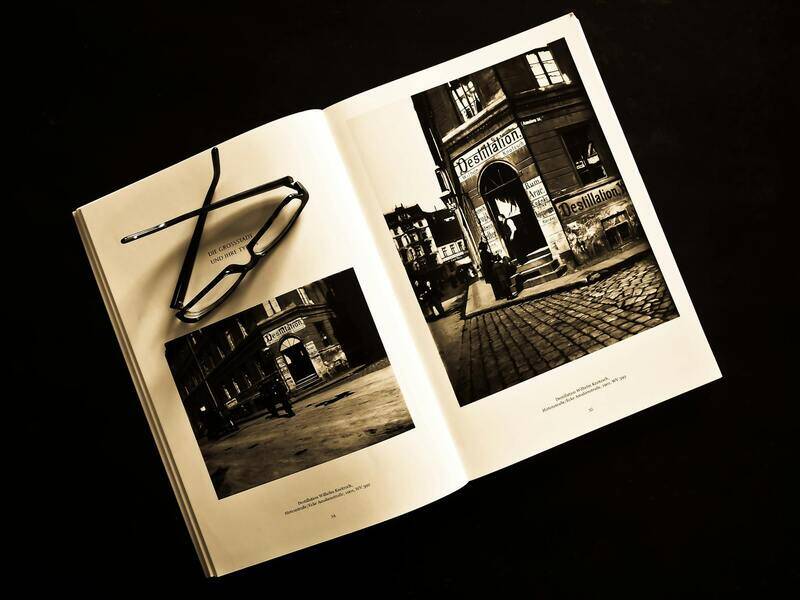
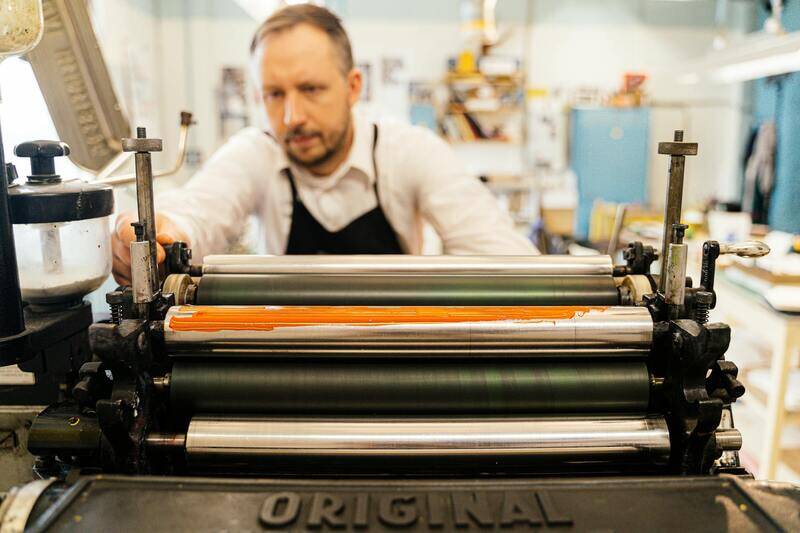
Ensuring the use of official, reputable printing services with cutting-edge equipment is vital in realizing the best possible outcome. Experienced providers consistently uphold strict quality assurance standards, ensuring that each print meets high aesthetic and technical specifications. By understanding the detailed workflow and technological considerations, clients can better appreciate the complexity involved in large picture printing and make informed decisions aligned with their project goals.
Understanding Large Picture Printing
Large picture printing in Singapore involves the process of producing expansive visual displays that serve various aesthetic and functional purposes. This technique is essential for creating impactful murals, banners, wall coverings, and fine art reproductions. The process hinges on using sophisticated large-format printers capable of accommodating wide media rolls, often exceeding 1.5 meters in width. These printers utilize advanced inkjet technology, which allows for precise color reproduction and sharp detail, even on sizable surfaces. The primary goal of large picture printing is to produce high-resolution images that maintain clarity and vibrancy when scaled up, offering a seamless visual experience from a distance and up close.
This method is employed across diverse sectors including advertising, interior decoration, architecture, and the arts. By leveraging modern printing solutions, businesses and individuals can develop customized visual environments that reflect their brand identity or personal style. Accurate color matching and material compatibility are crucial aspects that influence the final outcome, hence selecting services equipped with renowned technology and skilled operators offers a significant advantage. Proper handling during the entire printing process—from file preparation and color management to finishing and installation—ensures the integrity and longevity of the visuals produced.
Types of Large Format Printing Techniques
Several printing techniques are harnessed in large picture printing, each tailored to different project needs and material types:
- UV Printing: Uses ultraviolet light to instantly cure inks on various surfaces, including rigid materials like acrylic, glass, or wood, producing sharp images with durability suitable for outdoor or high-traffic settings.
- Solvent and Eco-Solvent Printing: Employs solvent-based inks that penetrate materials like vinyl or canvas, delivering vibrant colors and water-resistant images ideal for outdoor displays.
- Latex Printing: Utilizes water-based latex inks that are environmentally friendly and flexible, making them suitable for textiles, wallpapers, and banners that require some motion or bending.
- Dye Sublimation: Commonly used for fabric printing, this method involves turning ink into gas and embedding it into polyester fibers, resulting in vivid, long-lasting images that are soft to touch.

Materials Used in Large Picture Printing
The selection of appropriate materials is fundamental to achieving the desired durability, aesthetic appeal, and application specificity of the printed visuals. Common substrates include:
- Vinyl: Widely used for banners, vehicle wraps, and outdoor signage due to its weather-resistant properties and ease of installation.
- Canvas: Favored for fine art reproductions and interior decor, providing a textured surface that lends an artistic feel to large prints.
- Acrylic: Offers a sleek, modern look, often used for high-end displays, signage, and exhibitions, with excellent color clarity and a polished finish.
- Glass and Metal Panels: Used for sleek, durable displays or architectural features, often requiring specialized printing techniques such as UV or ceramic printing.
- Fabric and Wallpaper Materials: Suitable for large murals, event backdrops, or interior wall coverings, especially when flexibility and ease of installation are priorities.
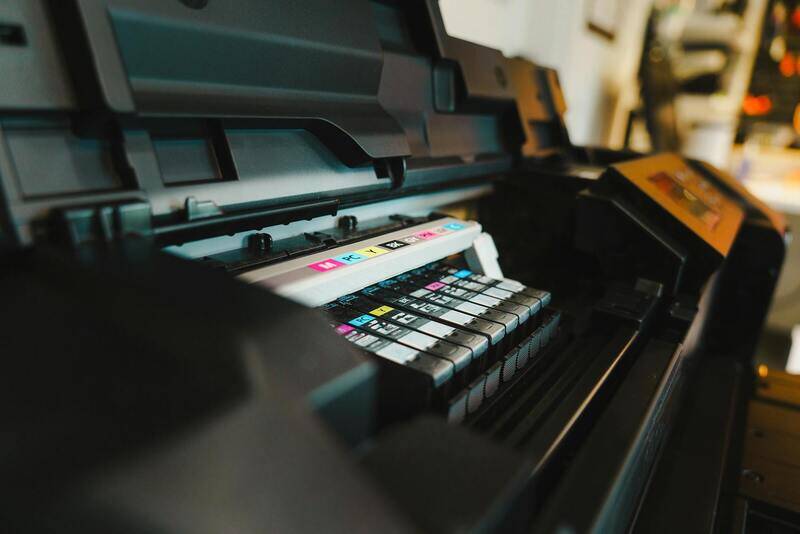
Choosing the right material depends on factors such as environmental exposure conditions, weight considerations, and aesthetic preferences. The compatibility between the printer and material ensures maximum print quality, vibrant color fidelity, and functional longevity over time.
Understanding Large Picture Printing
Large picture printing serves as a powerful tool for visual communication in various sectors, including advertising, interior design, and corporate branding. This method involves producing high-quality, sizable images that capture attention and convey messages effectively from a distance or up close. The ability to translate digital designs into tangible, large-scale visuals hinges on precise printing techniques, suitable materials, and expert implementation. With advancements in printing technology, clients can expect vivid color reproduction, sharp details, and durable finishes that sustain outdoor and indoor environments alike. Whether it's for promotional banners, fine art displays, or architectural features, the process of large picture printing demands meticulous planning and execution to meet specific aesthetic and functional objectives.
Types of Large Format Printing Techniques
Several printing methods cater to the distinct needs of large picture printing, each with its unique advantages and applications:
- UV Printing: Uses ultraviolet light to cure inks instantly on various surfaces, resulting in vibrant, scratch-resistant images suitable for rigid materials like acrylic and metal.
- Solvent and Eco-Solvent Printing: Employs solvent-based inks that penetrate porous substrates, ideal for outdoor banners and signs due to their weather-resistant properties.
- Latex Printing: Utilizes water-based latex inks offering flexibility, eco-friendliness, and vibrant color reproduction, appropriate for both indoor and outdoor applications.
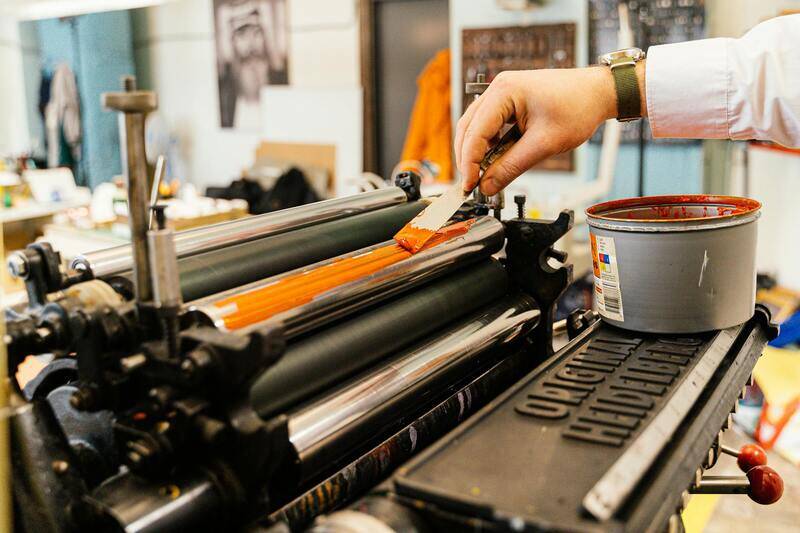
- Screen Printing: Suitable for large runs of uniform images, particularly on materials like fabric or vinyl, providing durable prints for banners and wall coverings.
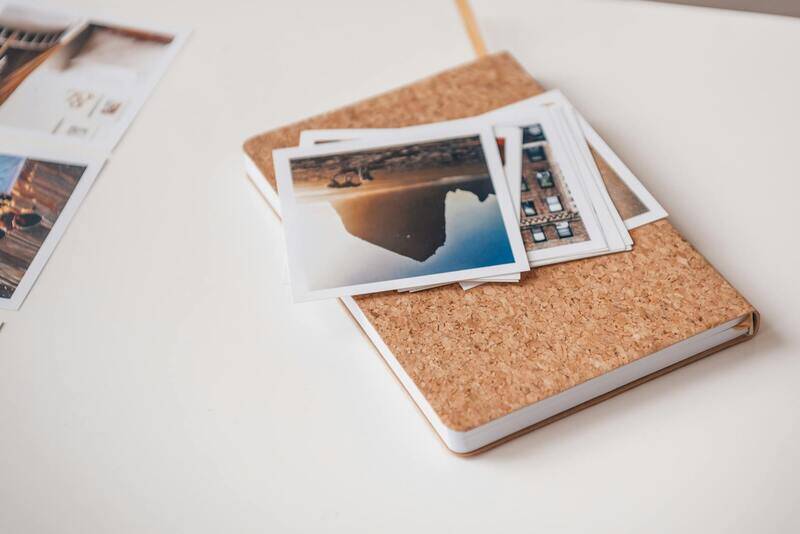
- Giclée Printing: A high-resolution inkjet process often used for fine art reproductions, delivering detailed and color-accurate large prints.
Materials Used in Large Picture Printing
The choice of material significantly impacts the visual quality, durability, and suitability of large prints for specific environments. Common substrates include:
- Vinyl: The most prevalent material for outdoor signage, banners, and vehicle wraps due to its weather resistance and ease of installation.
- Canvas: Preferable for artistic reproductions, murals, and interior decor, offering a textured finish that enhances visual appeal.
- Acrylic: Used for high-end displays and signage where clarity, gloss, and a modern aesthetic are desired.
- Glass and Metal Panels: Ideal for sleek architectural applications, requiring specialized printing techniques such as UV or ceramic printing.
- Fabric and Wallpaper Materials: Suitable for large murals, event backdrops, and decorative wall coverings, especially when flexibility and easy installation are prioritized.
Design and Resolution Guidelines
Crafting an impactful large picture begins with meticulous design and resolution considerations:
- High-Resolution Images: Ensure images are at least 150 dpi at the final print size to avoid pixelation. For larger formats, maintaining a resolution of 300 dpi close to the viewer enhances clarity.
- Vector Graphics: Utilize vector files for logos and illustrations to ensure scalability without quality loss.
- Color Calibration: Work with color profiles such as Adobe RGB or sRGB to ensure accurate color rendering across devices and printed outputs.
- Design Layout: Consider the viewing distance and optimize the composition to achieve maximum visual impact at the intended scale.
- Proofing: Conduct print proofs or digital previews to identify and rectify potential issues before final printing.
Choosing the Right Printing Service in Singapore
Selecting a trusted printing partner involves evaluating several key factors to guarantee quality output and professional service. When considering providers, pay attention to the following aspects:
- Reputation and Experience: Look for established companies with a proven track record in large format printing, demonstrated through portfolio samples and client testimonials.
- Technological Capabilities: Confirm that the printer employs advanced equipment suitable for your project's specifications, such as UV flatbed printers or high-resolution large-format inkjet printers.
- Material Compatibility: Ensure the service provider offers a variety of substrates and can recommend the most suitable options based on your needs.
- Turnaround Time: Discuss lead times and delivery options to align with your project schedules efficiently.
- Cost Transparency: Request detailed quotes that include material costs, setup fees, and any additional charges to facilitate budgeting.
- Customer Support and Consultation: Choose a provider willing to offer guidance on design, material choice, and installation procedures, ensuring your vision is accurately realized.
Understanding Large Picture Printing
Large picture printing in Singapore involves the production of high-quality, oversized images suitable for various applications such as advertising displays, art installations, brand promotions, and interior decor. This process requires specialized equipment and techniques to ensure that images retain their clarity, color vibrancy, and durability at a significantly larger scale. Achieving the perfect large print demands a thorough understanding of how digital images translate into physical works, emphasizing factors like resolution, material compatibility, and precision in color reproduction.

Unlike standard printing, large picture printing necessitates meticulous planning and execution to avoid issues such as pixelation, color inconsistency, or material warping. It's crucial to work with skilled professionals who understand the nuances of enlarging images without compromising on quality. Techniques like digital tiling, color management, and advanced calibration are fundamental in maintaining the integrity of the original design across expansive surfaces.
Types of Large Format Printing Techniques
Several printing methods are employed in Singapore for producing large pictures, each suited to specific project requirements:
- UV Printing: Uses ultraviolet light to instantly cure inks on various substrates like glass, wood, and metal. Ideal for vibrant, durable displays with a tactile finish.
- Solvent and Eco-Solvent Printing: Employ solvent-based inks that offer excellent adhesion and weather resistance, perfect for outdoor signage and banners.
- Latex Printing: Utilizes water-based latex inks that are environmentally friendly, flexible, and suitable for wallpapers and indoor wall murals.
- UV Flatbed Printing: Allows printing directly onto rigid surfaces, providing high-resolution images with extended durability for art pieces or installation panels.

Materials Used in Large Picture Printing
Choosing the right material is vital for ensuring the longevity and visual appeal of large prints. Common substrates include:
- Vinyl: Versatile and weather-resistant, suitable for banners and outdoor signage.
- Canvas: Known for a textured finish resembling artwork, ideal for murals and gallery displays.
- Acrylic: Offers a glossy, modern look with high clarity, perfect for contemporary art or branding.
- Polyester and Fabric: Used for soft banners or backdrops, providing flexibility and ease of installation.
- Plywood and Metal Sheets: Employed in UV printing for durable, rigid signs or decorative panels.
The choice of material should align with the intended environment, desired aesthetic, and budget constraints. It's essential to consult with printing professionals who can recommend the most suitable options to maximize the impact and lifespan of the large picture.
Design and Resolution Guidelines
Creating a compelling large-scale image requires adherence to specific design principles to ensure clarity and visual impact:
- High Resolution: Aim for a minimum of 150 dpi at the final print size. For very large displays viewed from a distance, a lower resolution (around 72-100 dpi) may suffice; however, starting with a high-resolution original image is preferable.
- Vector Graphics: Use vector-based designs for logos and illustrations to preserve sharpness regardless of size.
- Color Management: Work within a consistent color space (such as CMYK) and use color calibration tools to ensure print accuracy.
- Design Layout: Factor in viewing distance, focal points, and lighting conditions to optimize composition. Large images meant for spacious environments should be bold and simple, ensuring readability and impact.
- Proofing: Always review digital proofs and conduct test prints to identify potential issues with color or resolution before proceeding with the final print run.
Ensuring Proper Installation and Long-term Maintenance of Large Pictures
Once the large picture printing process is complete, proper installation is crucial to preserve the visual impact and structural integrity of the display. Depending on the material used, different mounting techniques are adopted to ensure stability and safety, especially for wall-mounted or outdoor displays. For lightweight vinyl or fabric prints, lightweight frames or grommets with anchors are often sufficient, while heavier materials like acrylic or metal require specialized anchoring systems that distribute weight evenly and secure the display effectively.
It's advisable to engage professionals for installation to prevent accidental damages and to guarantee that the setup complies with safety standards. Professional installers evaluate the surface conditions, choose appropriate hardware, and ensure that the large picture is securely affixed for optimal viewing. They also consider environmental factors such as wind, rain, or sunlight, which could impact outdoor displays, and upvote suitable protective measures.

After installation, routine maintenance extends the lifespan of large printed images. Regular cleaning should be performed using soft, non-abrasive cloths to remove dust and dirt without damaging the surface. For outdoor prints, protective coatings like UV or weather-resistant laminates are recommended to shield the surface from environmental elements, preserving color vibrancy and preventing deterioration.
Inspection checks should be scheduled periodically to identify signs of wear, damage, or fading. Prompt repairs or touch-ups prevent further deterioration and maintain the aesthetic appeal. When cleaning or repairing, always follow manufacturer guidelines or consult with the printing service provider to ensure compatibility with the chosen material and finish.
Environmental and Sustainability Factors
In Singapore, printers increasingly adopt sustainable practices to minimize environmental impact. This includes using eco-friendly inks, recycled or biodegradable materials, and energy-efficient machinery. Selecting a printing service that prioritizes sustainability not only enhances corporate social responsibility but also ensures that large picture printing aligns with eco-conscious efforts.
- Eco-friendly Inks: Water-based or vegetable-based inks reduce VOC emissions and are safer for both installers and viewers.
- Recycled Materials: Opt for materials that incorporate recycled content, reducing waste and resource consumption.
- Energy Efficiency: Machines with energy-saving modes and certifications contribute to greener operations.
By choosing environmentally responsible methods, clients can achieve high-quality large prints while supporting sustainability initiatives prevalent in Singapore's industrial landscape.
Documentation and Best Practices
Maintaining detailed documentation of the printing processes, materials used, and maintenance records is vital for quality assurance and future reference. Such records facilitate troubleshooting, warranty claims, and upgrades or replacements. Best practices also include keeping digital file backups, verifying color matches, and adhering to specified design parameters throughout the project.
Collaborating with reputable printing companies that uphold professional standards ensures consistent quality and reliable service. They should provide clients with comprehensive guides on installation, cleaning, and maintenance to safeguard investment and maximize the visual impact of large picture displays over time.